
This guide contains affiliate links. We may earn a commission at no extra cost to you — see our Affiliate Disclosure and Affiliate Disclosure Policy for details.
Somewhere between a red pagoda and a mirror-still lake, Japan stops being a country and becomes a postcard. Standing at 3,776 meters, this UNESCO World Heritage peak isn’t just a mountain you glimpse from a train window — Mount Fuji tourist places are the beating heart of any Japan itinerary Places to Visit in Japan: Perfect 7-Day Itinerary, surrounded by lakes, shrines, flower fields, and lookout points worth the entire flight.
Whether you’re chasing the famous Chureito Pagoda shot, soaking in an onsen with Fuji in view, or timing your trip around a fire festival, there’s something here for every traveler.
This guide covers the best Mount Fuji tourist places, a real schedule, honest budgets, and exact map locations.
To book your stay, click here. To Book Local Travel, click here
Traveling overseas? Click here to buy an eSIM. For more info, click here
Table of Contents
Quick Overview: Why Mount Fuji Belongs on Every Japan Itinerary
Mount Fuji sits on the border of Yamanashi and Shizuoka prefectures, about 100–140 km from Tokyo — an easy 1.5–2.5 hour day trip or an unforgettable overnight escape. The wider region, often called the Fuji Five Lakes (Fujigoko), is where most of these Mount Fuji tourist places are clustered: Lake Kawaguchiko, Lake Yamanaka, Lake Saiko, Lake Shoji, and Lake Motosu.
Each lake has its own personality, but Kawaguchiko is the undisputed base camp for tourists, with the best transport links, hotel density, and Fuji-facing views.
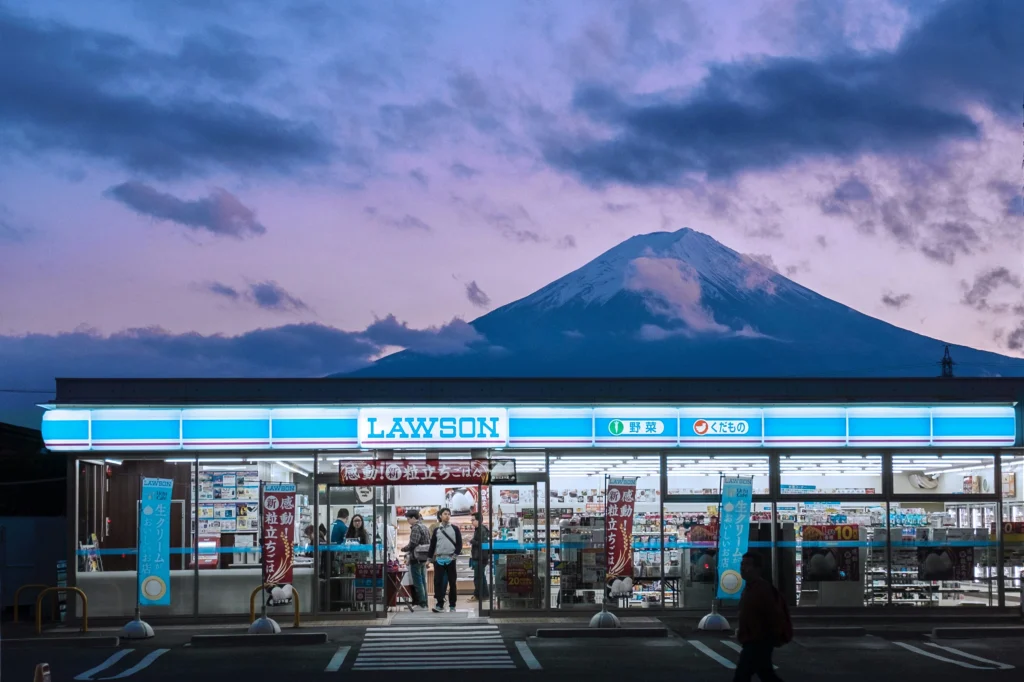
Top 7 Mount Fuji Tourist Places You Must Visit
Before we get into timing and logistics, here’s a closer look at the seven Mount Fuji tourist places that consistently top every traveler’s list — and why each one earns its spot.
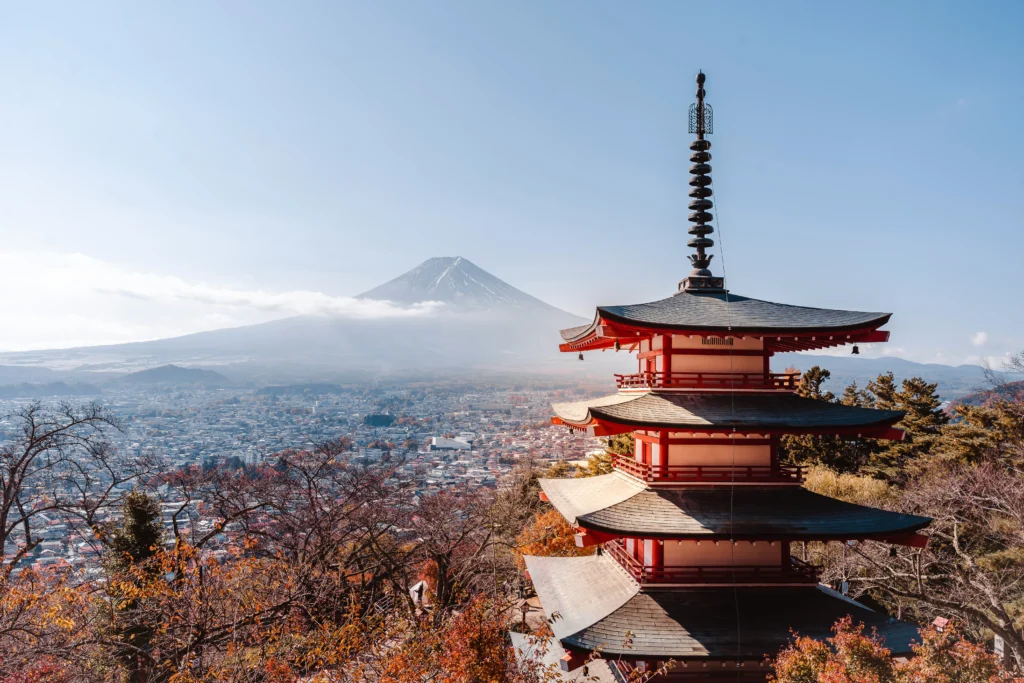
1. Chureito Pagoda (Arakurayama Sengen Park)
This is the postcard shot everyone recognizes among Mount Fuji tourist places: a vivid red five-story pagoda standing in front of Mount Fuji’s snow-capped cone. Reaching the viewpoint means climbing roughly 400 steps through Arakurayama Sengen Park in Fujiyoshida, but the payoff — especially at sunrise, in cherry-blossom season, or during autumn foliage — is one of the most rewarding views in all of Japan. Arrive early on a weekday if you want the classic railing shot without a line of tripods in front of you.
2. Lake Kawaguchiko
The most accessible and most developed of all the Mount Fuji tourist places, Kawaguchiko is where most visitors base themselves. The north shore promenade around Oishi Park offers unobstructed lake-and-mountain reflections, especially beautiful when lavender blooms in early summer. You can rent a rowboat or swan pedal boat, cycle the full lake loop, or simply walk the shoreline at golden hour. It’s also the transport hub for the entire region, with buses connecting to nearly every other attraction on this list.
3. Oshino Hakkai
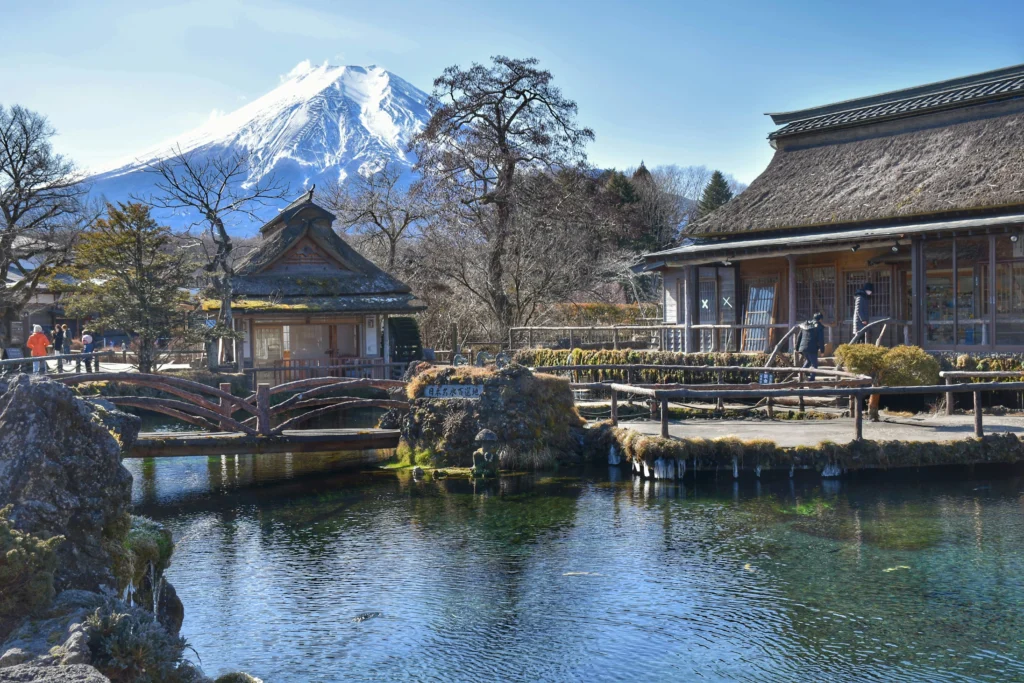
A small, traditional village built around eight spring-fed ponds, each filled with astonishingly clear snowmelt water that has filtered down from Mount Fuji over decades. Thatched-roof buildings, food stalls selling grilled corn and mochi, and glass-clear water make this one of the most photogenic and peaceful stops on any itinerary. Morning visits avoid the tour-bus crowds that arrive by midday.
4. Mt. Fuji Panoramic Ropeway
A short cable-car ride lifts you above Lake Kawaguchiko for an elevated, sweeping view of the lake with Fuji rising behind it. There’s a small shrine and a popular swing photo-spot at the top. Lines can stretch past an hour at midday, so an early-morning or near-sunset visit is the smarter move.
5. Fuji Shibazakura Festival Grounds (Lake Motosu)
Only open seasonally (mid-April to late May), this is one of Japan’s most photographed spring spectacles — roughly 500,000 moss phlox plants blooming in pink, purple, and white carpets with Mount Fuji as the backdrop. If your trip lands in this window, it’s worth rearranging your itinerary around it.
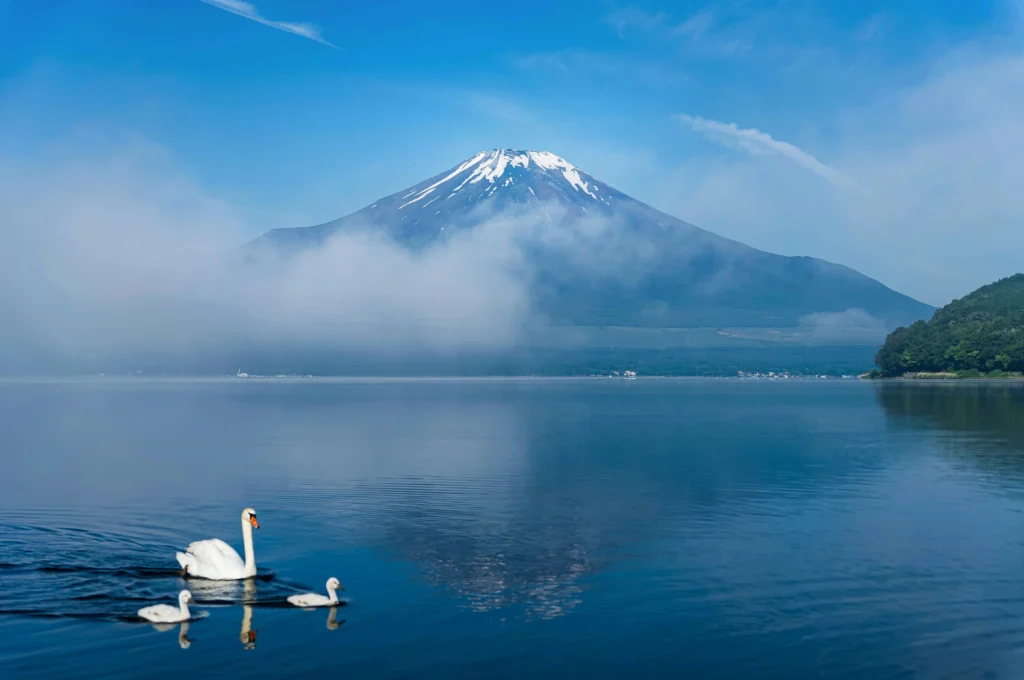
6. Lake Yamanaka
The largest of the Fuji Five Lakes and the closest to the mountain itself, offering some of the most direct, unobstructed Fuji views in the region. It’s quieter than Kawaguchiko, making it a good choice for travelers who want scenery without the crowds, plus swan-boat rides and lakeside campsites.
7. Fuji-Q Highland Amusement Park
For families or thrill-seekers, this amusement park sits directly beside Lake Kawaguchiko and mixes record-breaking roller coasters with Mount Fuji views from the top of every drop. It’s an easy half-day add-on if you’re traveling with teenagers or simply want a break from temples and lakeshores.
Book Your Tour Package
Best Time to Visit Mount Fuji Tourist Places
Timing your trip changes the entire experience, so this is the single most important section of this guide.
Best Seasons for Mount Fuji Tourist Places
- Spring (April–May): Cherry blossoms frame the mountain at spots like Lake Kawaguchiko’s Arakurayama Sengen Park, and the Fuji Shibazakura Festival paints entire fields pink. Mild weather, moderate crowds.
- Summer (June–September): The only window when the summit is actually open to hikers. The official climbing season for 2026 runs from July 1 to September 10, with the Yoshida Trail opening first on July 1 and the Fujinomiya, Subashiri, and Gotemba trails opening on July 10. Lowland views can be hazy in July and early August, but lake-level sightseeing is in full swing.
- Autumn (October–November): Widely considered the best season for photography — clear skies, crisp air, and fiery red-and-gold foliage around Lake Kawaguchiko and the Fuji Five Lakes.
- Winter (December–February): The clearest, driest air of the year, meaning your best odds of an unobstructed, snow-capped Fuji view — especially at sunrise. Cold, but far less crowded and excellent for photography.
Best overall months for Mount Fuji tourist places: late September to November (clear skies + foliage) and January to February (clearest mountain views), while April–May suits flower-chasers and July–September suits climbers.
Best Time of Day
Fuji is famously shy at these Mount Fuji tourist places — clouds build through the afternoon, especially in warmer months. Sunrise to mid-morning (6:00 AM–10:00 AM) consistently gives the clearest, cloud-free views at almost every viewpoint on this list.
Month-by-Month Snapshot for Mount Fuji Tourist Places
| Month | Conditions | Best For |
|---|---|---|
| January–February | Coldest, clearest air, frequent unobstructed views | Photography, quiet sightseeing |
| March | Transitional, occasional clear days | Early cherry blossom scouting |
| April–May | Mild, blossoms and shibazakura in bloom | Flower season, festivals |
| June | Rainy season (tsuyu), frequent cloud cover | Fewer crowds, indoor museums |
| July–September | Warm, hazy afternoons, only climbing window | Summit climbing, lake activities |
| October–November | Crisp, clear, colorful foliage | Photography, hiking around the lakes |
| December | Cold, clear, minimal crowds | Winter photography, onsen stays |
If You Want to Climb: A Quick Note on the Official Season
For travelers hoping to actually summit Mount Fuji, timing is non-negotiable. Outside the official climbing season, trails close due to dangerous snow and ice, and mountain huts, safety services, and rescue support are unavailable.
A mandatory hiking fee of around 4,000 yen applies on all four trails, and trailhead gates close to anyone without a confirmed hut reservation between 2:00 PM and 3:00 AM. Early July and early September tend to offer the best mix of smaller crowds, available hut bookings, and stable weather — mid-August’s Obon week is the most crowded.
Non-climbers shouldn’t feel like they’re missing out, though: most of the highlights in this guide — the pagoda, the lakes, the spring-water village — sit at the base of the mountain and stay open all year.
Best Festival Times Near Mount Fuji for Tourists
Festivals are where Mount Fuji tourist places come alive with color, fire, and food. Here are the three biggest events to plan a trip around:
- Fuji Shibazakura Festival (Moss Phlox Festival): Held at Fuji Motosuko Resort near Lake Motosu. The 2026 edition runs from April 12 to May 25, spreading roughly 500,000 moss phlox plants across 2.4 hectares at the foot of Mount Fuji, with the mountain’s snow-capped cone as a backdrop. Peak bloom usually falls within the first three weeks of May.
- Yoshida Fire Festival (Yoshida no Hi Matsuri): One of Japan’s most dramatic fire festivals, held annually in Fujiyoshida City. It takes place August 26–27 each year and symbolizes the closing of Mount Fuji’s climbing season, featuring giant flaming torches and a mikoshi (portable shrine) parade centered around Kitaguchi Hongu Fuji Sengen Shrine.
- Mt. Fuji Delicious Food Festival: Runs alongside the Shibazakura Festival, featuring regional specialties like Koshu pork soup and Fujinomiya yakisoba — a great excuse to combine flowers with food.
Note for Kyoto-bound travelers: Kyoto’s own festival calendar (Gion Matsuri in July, Jidai Matsuri in October) runs separately from the Mount Fuji region’s events above, so if your trip covers both destinations, plan two different festival windows rather than expecting overlap.
Famous Food to Try Around Mount Fuji
No tour of Mount Fuji tourist places is complete without eating your way through Yamanashi and Shizuoka’s local specialties:
- Hoto Noodles – Thick noodles in miso broth with pumpkin and vegetables
- Yoshida Udon – Chewy, springy noodles unique to Fujiyoshida
- Fujinomiya Yakisoba – Stir-fried noodles topped with dried sardine powder
- Koshu Fujizakura Pork – Local pork, grilled or served as hot pot
- Shingen Mochi Soft Serve – Kinako and black sugar syrup soft serve
- Koshu Wine – Regional white wine from nearby Katsunuma
- Grilled Corn, Squid & Mochi – Classic street-stall snacks at Oshino Hakkai
How Many Days Do You Need for a Mount Fuji Tour?
- 1 Day (Day Trip from Tokyo): Doable but rushed — enough time for Lake Kawaguchiko, the Chureito Pagoda, and one more stop.
- 2 Days / 1 Night (Recommended for most travelers): The sweet spot. Enough time to see the major Mount Fuji tourist places, enjoy an onsen ryokan stay, and catch a sunrise view.
- 3 Days: Ideal if you want to add Oshino Hakkai, the Shibazakura Festival (seasonal), a lake cruise, and a slower pace with more photo stops.
- 4–5 Days (Climbers): Necessary if you plan to summit Mount Fuji itself, since the climb typically requires a full two-day schedule (including a mountain hut overnight) plus buffer days for weather.
Step-by-Step Mount Fuji Tour Schedule (2 Days / 1 Night Itinerary)
This is the order most travel bloggers and local guides recommend for covering the essential Mount Fuji tourist places efficiently.
Day 1: Lakes, Shrines, and Sunset Views
- Morning — Depart Tokyo (Shinjuku Station): Take the direct highway bus or Fujikyuko Line train toward Kawaguchiko Station (roughly 2 hours).
- Late Morning — Chureito Pagoda & Arakurayama Sengen Park: Climb roughly 400 steps for the single most iconic Mount Fuji photograph in Japan — the five-story red pagoda framed against the mountain.
- Midday — Lunch: Try Yoshida udon at a local shop in Fujiyoshida.
- Afternoon — Lake Kawaguchiko: Walk the north shore promenade, rent a rowboat or swan pedal boat, and visit the Itchiku Kubota Art Museum if time allows.
- Late Afternoon — Mt. Fuji Panoramic Ropeway: Ride up for an elevated view over Lake Kawaguchiko; arrive early or near sunset to skip the longest queues.
- Evening — Check into a ryokan with an onsen and Fuji-facing rooms; enjoy a kaiseki dinner.
Day 2: Nature, Spring Water, and Departure
- Early Morning — Sunrise viewing from your ryokan balcony or the lakeshore — the clearest window of the day.
- Morning — Oshino Hakkai: Explore the eight crystal-clear spring ponds fed by Mount Fuji’s snowmelt, and snack on grilled corn and mochi from the food stalls.
- Midday — Lunch: Fujinomiya yakisoba or a Koshu pork hot pot.
- Afternoon (seasonal) — Fuji Shibazakura Festival at Lake Motosu (April–May) or a lake cruise on Kawaguchiko / Yamanaka.
- Late Afternoon — Return to Tokyo via bus or train from Kawaguchiko or Fujisan Station.
Interactive Map: Exact Mount Fuji Tourist Place Locations
Here are three key Mount Fuji tourist places with their exact coordinates for easy navigation:
| Location | Coordinates | Google Maps |
|---|---|---|
| Chureito Pagoda (Arakurayama Sengen Park) | 35.5013° N, 138.8014° E | Open in Google Maps |
| Lake Kawaguchiko | 35.5171° N, 138.7518° E | Open in Google Maps |
| Oshino Hakkai | 35.4601° N, 138.8325° E | Open in Google Maps |
(An interactive map version of these three stops is shown alongside this article.)
Where to Stay: Hotels Around Mount Fuji
Kawaguchiko is the best base for exploring Mount Fuji tourist places, offering the highest concentration of Fuji-view hotels and ryokans.
- Budget: Guesthouses and simple ryokans near Kawaguchiko Station, roughly $58–$150 per night (Expedia data). Expect basic but clean rooms, shared onsen facilities, and a short walk or shuttle ride to the lake.
- Mid-Range: Lake-view hotels and mid-tier ryokans with private onsen access, roughly $150–$350 per night. This tier usually includes a kaiseki-style dinner and breakfast, and is the sweet spot for most couples and families.
- Luxury: Fuji-view ryokan suites with private open-air onsen baths, tatami interiors, and full kaiseki dinners included, $350–$800+ per night. Some properties even offer treetop cabins or lakefront villas with floor-to-ceiling glass facing the mountain.
Book Your Stay near Mount Fuji
| Trip Duration | Coverage / Experience |
|---|---|
| 1 Day (Day Trip from Tokyo) | Covers the highlights — Lake Kawaguchiko and the Chureito Pagoda |
| 2 Days, 1 Night (Recommended) | Time to relax, catch a clear sunrise view, and enjoy an onsen ryokan stay |
Mount Fuji Tour Expenses: Solo, Family, and Honeymoon Budgets
Here’s a realistic budget breakdown for these Mount Fuji tourist places (per person, in USD, excluding international flights):
Solo Traveler
Here’s what a solo trip to these Mount Fuji tourist places typically costs:
- Transport (bus/train round trip from Tokyo): $50–$70
- Accommodation (budget guesthouse, 1 night): $60–$100
- Food: $30–$45
- Attractions (ropeway, museum entries): $20–$30
- Total: roughly $160–$245
Family Trip (2 adults + 2 children)
- Transport: $180–$260 total
- Accommodation (family room, mid-range ryokan, 1 night): $250–$400 total
- Food: $150–$200 total
- Attractions & activities (ropeway, Oshino Hakkai, boat rides): $100–$150 total
- Total: roughly $680–$1,010 for the family
Honeymoon Trip (2 people)
- Transport (private transfer optional): $150–$250 total
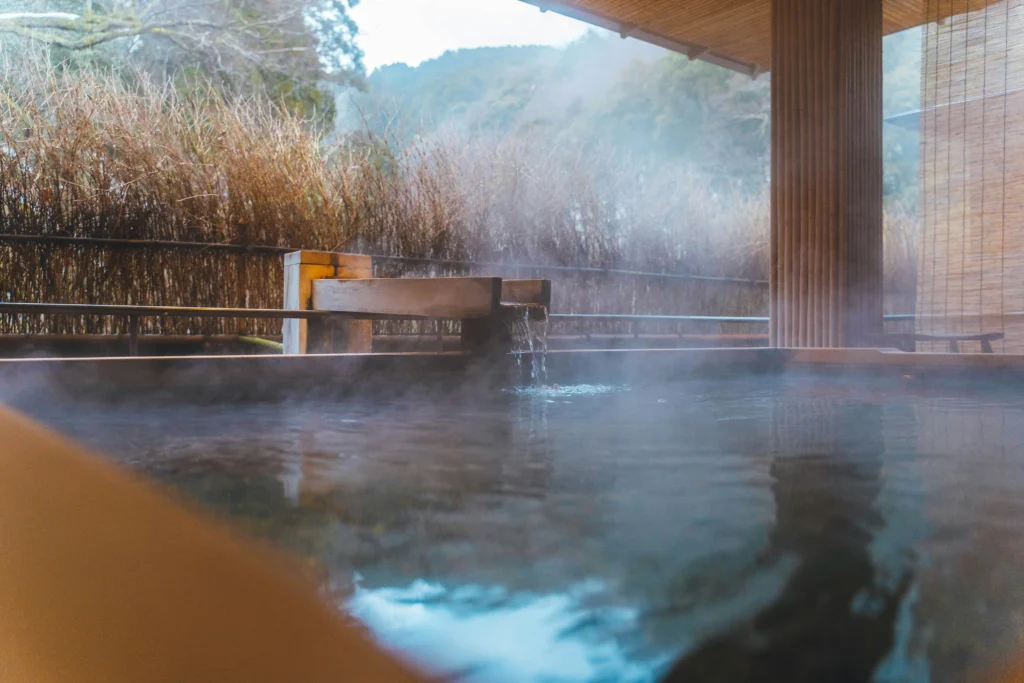
- Accommodation (luxury ryokan with private onsen, 1 night): $350–$800+ total
- Fine dining kaiseki dinner: often included; à la carte adds $60–$100
- Extras (couples photoshoot, lake cruise, spa): $100–$200
- Total: roughly $700–$1,400+ for the couple
Best Places for a Mount Fuji Photoshoot
If your trip is really about the photos, prioritize these Mount Fuji tourist places:
- Chureito Pagoda: The single most photographed Mount Fuji view in the world — go early morning on a weekday to beat the crowd at the railing.
- Lake Kawaguchiko North Shore (Oishi Park): Wide, uncluttered lake-and-mountain reflections, especially beautiful with lavender in early summer.
- Oshino Hakkai: Traditional thatched-roof buildings, crystal-clear ponds, and Fuji in the background — great for a softer, rustic aesthetic.
- Fuji Shibazakura Festival grounds: Pink and purple flower carpets stretching toward the mountain (April–May only).
- Mt. Fuji Panoramic Ropeway summit deck: An elevated, sweeping shot over the entire lake — best near sunset.
- Lake Kawaguchi Ohashi Bridge: A classic sunrise reflection shot, quieter than the more famous viewpoints.
Nearby Airport and How to Get to Mount Fuji
- Nearest major airport: Tokyo (Haneda or Narita International Airport). From either, take a train or airport limousine bus into central Tokyo first.
- From Tokyo (Shinjuku Station) to Kawaguchiko: Direct highway buses and the Fujikyuko Line both connect Tokyo to the Fuji Five Lakes area; the bus typically takes around 2 hours.
- From Kawaguchiko/Fujisan Station to the 5th Station (for climbers): Buses run roughly hourly during climbing season, taking about 50 minutes and costing around 2,000 yen one-way or 3,400 yen round trip.
- From Gotemba Station: Hourly buses connect to the mountain during the climbing season, taking about an hour.
- By car: Roughly a 2-hour drive from central Tokyo via the Chuo Expressway; rental cars are convenient but parking near major viewpoints fills up fast on weekends.
- Local transport once there: The Kawaguchiko Retro Bus and Fujikyu buses loop between all major lakeside stops, making a car unnecessary for most itineraries. A day pass covering the retro bus loop is usually the most economical option if you’re hitting four or more stops in a single day.
- Luggage tip: Many travelers store large suitcases in a coin locker at Shinjuku or Kawaguchiko Station and travel with just an overnight bag, since several attractions involve stairs (Chureito Pagoda) or queues (the ropeway) where extra luggage becomes a hassle.
Book Your Air Ticket
Nearby Places to Combine With Your Mount Fuji Tour
Once you’ve covered the essential Mount Fuji tourist places, these nearby destinations pair beautifully with the trip:
- Hakone: A hot-spring town with its own Fuji views across Lake Ashi, about 1–1.5 hours away.
- Fuji-Q Highland Amusement Park: Thrill rides with the mountain as a backdrop, right next to Lake Kawaguchiko.
- Numazu & Shimizu (Shizuoka side): Coastal Fuji views paired with fresh seafood markets.
- Kyoto: Roughly 2.5–3 hours by Shinkansen from Shizuoka/Mishima — ideal for combining a Mount Fuji stop with a classic Tokyo–Fuji–Kyoto route.
- Tokyo: The natural bookend for any Fuji itinerary, with Shibuya, Asakusa, and Shinjuku just 2 hours away. 10 Must-See Tourist Places in Tokyo, Japan You’ll Love
Frequently Asked Questions About Mount Fuji Tourist Places
Is Mount Fuji worth visiting if I can’t climb it?
Absolutely. Most visitors never summit — the lake views, the Chureito Pagoda, Oshino Hakkai, and the surrounding villages are the real draw for the vast majority of travelers, and they’re accessible year-round regardless of climbing season.
Can I see Mount Fuji from Tokyo?
On exceptionally clear days, yes, from certain high floors and observation decks. But for a reliable, close-up view, you need to travel to the Fuji Five Lakes region itself.
How do I know if Mount Fuji will be visible on the day I visit?
Fuji is famous for hiding behind clouds, especially in summer afternoons. Winter mornings (December–February) and clear autumn days offer the best odds. Checking a live Fuji webcam the morning of your visit is a smart habit among frequent visitors.
Do I need a car to get around the region?
No. The Kawaguchiko Retro Bus and local Fujikyu bus routes connect almost every major stop on this list, making public transport perfectly workable for most itineraries. A car adds flexibility but isn’t essential.
What’s the closest lake to Mount Fuji?
Lake Yamanaka sits closest to the mountain and offers some of the most direct views, while Lake Kawaguchiko remains the most popular due to its transport links and hotel density.
Is one day enough to see Mount Fuji?
A single day trip from Tokyo can cover the highlight Mount Fuji tourist places — Lake Kawaguchiko and the Chureito Pagoda — but a 2-day, 1-night trip is strongly recommended to actually relax, catch a clear sunrise view, and enjoy an onsen ryokan stay.
Final Thoughts
Mount Fuji tourist places aren’t a single attraction — they’re an entire region built around one mountain’s silhouette, from fire festivals and pink flower fields to spring-fed ponds and lakeside ryokans.
Whether you’re planning a fast day trip, a slow honeymoon escape, or a full multi-day family adventure, the itinerary and budgets above give you a real starting point to build your own trip. For more curated Japan itineraries and route planning, explore additional destination guides at Ryde Travel.
Always check official sources before your trip — trail openings, festival dates, and transport schedules can shift year to year. The official Mt. Fuji Climbing website and Japan Guide are reliable places to confirm current conditions.
Visit our other blogs
10 Must-See Tourist Places in Tokyo, Japan You’ll Love
15 Amazing Osaka Tourist Places to Visit in 2026
Sapporo Tourist Places: 15 Amazing Spots for Your 5-Day Trip
Niigata Tourist Places: 10 Amazing Spots for Your 7-Day Trip




Leave a Reply