This guide contains affiliate links. We may earn a commission at no extra cost to you — see our Affiliate Disclosure and Affiliate Disclosure Policy for details.
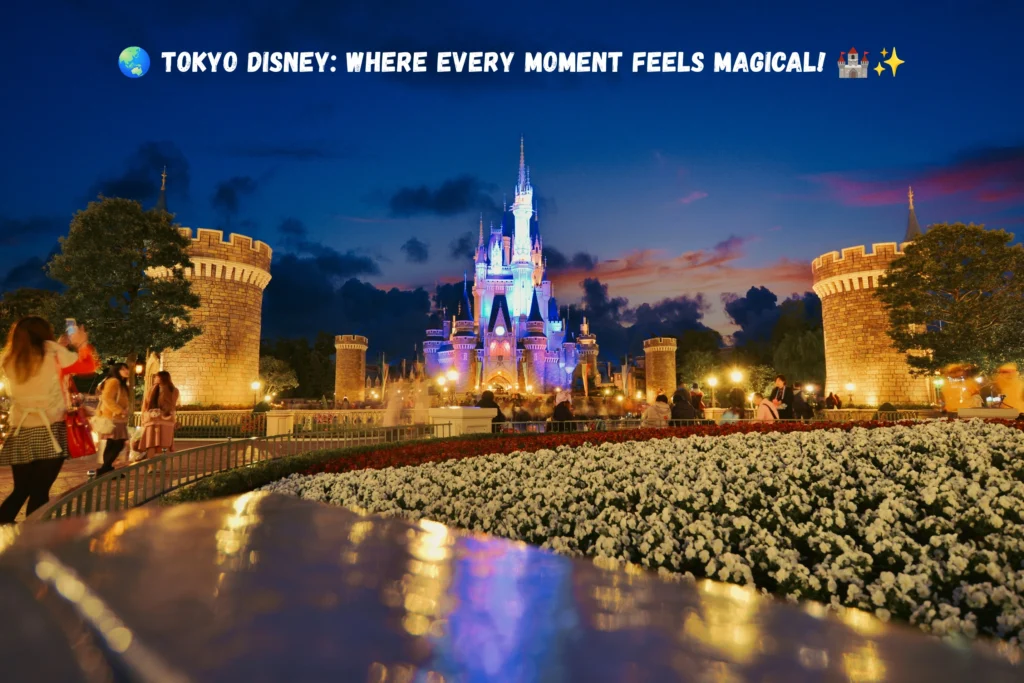
Two castles, one bay, and every kind of magic Japan can dream up — welcome to the only place on Earth where a fairytale kingdom and an ocean of adventure share the same monorail line.
Table of Contents
Introduction: Tokyo Disneyland vs Tokyo DisneySea
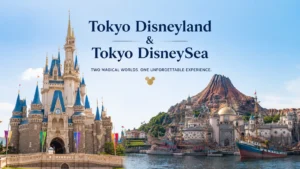
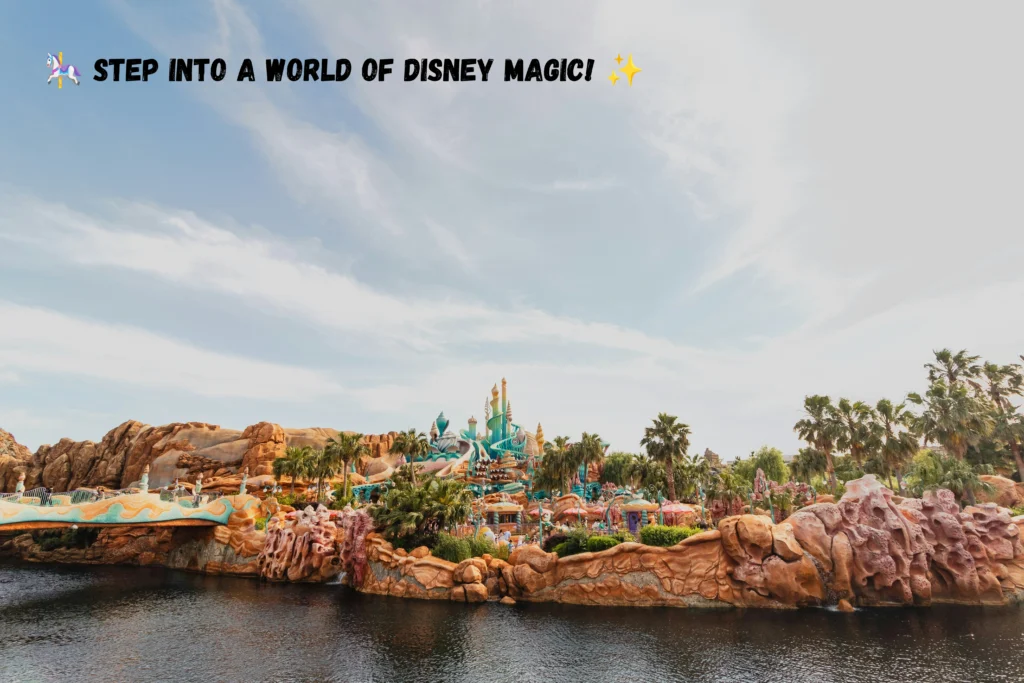
Tokyo Disney Resort, home to Tokyo Disneyland and Tokyo DisneySea, sits in Urayasu City, Chiba Prefecture, right on the edge of Tokyo Bay — about 15–20 minutes by train from central Tokyo. Opened in 1983, Tokyo Disneyland was the first Disney park built outside the United States, and Tokyo DisneySea, which opened in 2001, remains the only Disney park in the world themed entirely around the sea, with its eight “ports of call” including the newest expansion, Fantasy Springs.
If you’re planning a trip from India or anywhere else in the world, know this upfront: the two parks are entirely different experiences and need separate tickets and, ideally, separate days. Tokyo Disneyland is the classic castle-and-parade Disney park, built for families with young children. Tokyo DisneySea is more atmospheric, adult-friendly, and visually cinematic — think Venetian canals, an erupting volcano, and an Arabian bazaar. This guide walks you through both, A to Z.
Best Time to Visit Tokyo Disneyland and Tokyo DisneySea
Two things drive your experience at Tokyo Disney Resort: the day of the week and the season. Get both right, and you’ll spend your day riding attractions instead of standing in them.
Best Days of the Week
Tuesday, Wednesday, and Thursday are consistently the quietest days at both parks. Monday tends to carry over weekend crowds and is popular with local school trips, while Friday starts ramping up toward the weekend rush. Saturdays and Sundays are the busiest days year-round, so avoid them if you have any flexibility at all.
Best Months for Lower Crowds
- Mid-January to mid-February — This is widely considered the calmest stretch of the entire year, right after the New Year holiday crowds clear out and before spring break begins. Expect cool, dry weather (highs around 10–12°C) and noticeably shorter queues.
- September to early November (before late-September holidays) — After the summer rush and before the Christmas season fully kicks in, this window offers mild, comfortable weather and manageable crowds, especially on weekdays.
- Early December — The lull between the November Halloween crowds and the mid-December Christmas rush; the first two weeks of December are particularly quiet.
Months and Periods to Avoid
- Golden Week (late April–early May) — Japan’s biggest domestic travel holiday. Both parks can sell out entirely, with waits regularly topping 100–120 minutes for flagship attractions.
- Obon (early–mid August) — The second-biggest travel peak of the year, combined with peak summer heat and humidity.
- New Year (December 27–January 3) — Extremely busy, with entry queues alone sometimes exceeding 90 minutes.
- Silver Week (mid-to-late September) — A rare five-day holiday cluster that behaves like a second Golden Week.
- Summer school holidays (mid-July to end of August) — Very hot, very humid, and crowded, though the “Summer Cool-Off” splash programs are genuinely fun if you don’t mind the heat.
Best Seasons to Visit — A Month-by-Month Feel
Tokyo has four distinct seasons, and each one changes how the parks look and feel:
- Winter (Dec–Feb): Cold but often clear and dry; occasional snow dusts World Bazaar and Mediterranean Harbor, which is magical for photos. Crowds are at their lowest outside the New Year period.
- Spring (Mar–May): Cherry blossoms bloom around early-to-mid April, and the weather is mild and pleasant — but this coincides with graduation trips, spring break, and Golden Week, so crowds climb fast.
- Summer (Jun–Aug): June is Japan’s rainy season, which paradoxically makes it one of the lightest-crowd windows of the whole year if you don’t mind carrying an umbrella. July and August are hot, humid, and crowded with school-holiday visitors, offset by summer water-splash events.
- Autumn (Sep–Nov): Cooler, drier, and one of the most comfortable times to walk around both parks — and it overlaps with Disney Halloween, arguably the resort’s best seasonal event.
Our recommendation for first-time visitors from India: aim for late September–October (for Halloween) or late January–February (for the quietest possible visit). Both give you excellent weather-to-crowd ratios.
Tokyo Disney Resort Festival & Event Calendar 2026
One thing that makes Tokyo Disney Resort special is that nearly every major seasonal event is included in your regular admission ticket — you don’t pay extra to see the parades, decorations, or shows.
| Event | Dates (2026) | Where |
|---|---|---|
| Tokyo DisneySea 25th “Sparkling Jubilee” | April 15, 2026 – March 31, 2027 | Tokyo DisneySea (park-wide) |
| Tokyo DisneySea Food & Wine Festival | April 15 – June 30, 2026 | Tokyo DisneySea |
| Minnie Mouse-themed Fantasyland celebration | Through June 28, 2026 | Tokyo Disneyland |
| Fun Time with Toy Story 5 | July 2 – September 14, 2026 | Both parks |
| Summer Cool-Off at Tokyo Disney Resort | July 2 – September 14, 2026 | Both parks |
| Disney Halloween | September 16 – October 31, 2026 | Both parks |
| Lazos de la Familia (Día de los Muertos, inspired by Coco) | September 16 – November 2, 2026 | Tokyo DisneySea, Lost River Delta |
| Duffy & Friends Autumn Surprise | August 25 – November 1, 2026 | Tokyo DisneySea |
| Haunted Mansion “Holiday Nightmare” overlay | September 15, 2026 – January 7, 2027 | Tokyo Disneyland |
| Disney Christmas | November 11 – December 25, 2026 | Both parks |
| New Year’s Special Event | January 1 – January 11, 2027 | Both parks |
A few practical notes: during Halloween, guests are allowed to enter in full character costume only during September 15–30 and October 16–31 — costumes are asked to be paused between October 1–15. There’s no New Year’s Eve countdown event scheduled for December 31, 2026. And if you want to catch both Halloween and Christmas theming in a single trip, plan your visit for the first half of November.
For the latest confirmed dates, always cross-check the official Tokyo Disney Resort events page, since programming can shift.
Food Guide: What to Eat at Tokyo Disneyland and Tokyo DisneySea
Food is genuinely one of the best reasons to visit — Tokyo Disney Resort takes snacks as seriously as it takes rides.
Tokyo Disneyland Must-Try Foods
- Mickey-shaped churros — crispy outside, soft inside, with rotating seasonal flavors beyond classic cinnamon.
- Mickey waffles at Great American Waffle Co. — one of the most photographed foods in the park.
- Popcorn (Soy Sauce & Butter flavor) — a Tokyo Disneyland signature, sold in collectible character buckets that change regularly.
- Alien Mochi (Toy Story-themed) — soft mochi dumplings filled with custard, strawberry, or chocolate.
- Seasonal Halloween/Christmas menu items — purple Halloween hot dogs, festive sandwiches, and holiday-shaped desserts appear at Refreshment Corner and Sweetheart Cafe during event season.
Tokyo DisneySea Must-Try Foods
- Garlic Shrimp popcorn — a DisneySea staple near S.S. Columbia, savory and surprisingly addictive.
- Eukiwa Buns (Seaside Snacks) — a steamed, shrimp-filled bun shaped like an inner tube, one of the park’s most iconic snacks.
- Shrimp curry at Casbah Food Court (Arabian Coast) — a flavorful, affordable quick-service meal.
- Chandu Tails at Sultan’s Oasis — a savory steamed bun with corn and chicken filling.
- Tiramisu Mickey ice cream sandwich in Lost River Delta — genuinely tastes like tiramisu, perfect on a hot afternoon.
- Gyoza Dog — a hot dog wrapped in a gyoza-style dumpling skin, one of the more novel snacks in the park.
Popcorn Flavor Bucket List
Both parks rotate popcorn flavors by area: caramel, honey, curry, black pepper, corn potage, milk chocolate, berry cheesecake, salted caramel, and seasonal specials like strawberry Napoleon. Each flavor is sold from a specific cart tied to a themed area, so check the Tokyo Disney Resort app before you commit to chasing one down — and buy any limited-edition popcorn bucket early in the day, since the popular designs sell out.
Practical Food Tips
- Outside food and drinks are generally not allowed inside the parks (bottled water is fine).
- Popcorn without a souvenir bucket costs around ¥400; character buckets range from ¥2,400–¥3,200.
- Use Mobile Order on the Tokyo Disney Resort App to skip food lines at busy counter-service restaurants.
- Table-service restaurants (especially at Fantasy Springs and on Christmas/Halloween dates) fill up fast — book via the app as soon as your park day opens for reservations.
One-Day Enjoyment Plan: Step-by-Step Schedule
You can’t fully do both parks justice in one day each, so here’s a practical one-day plan per park, prioritizing what to see first.
Tokyo Disneyland – One-Day Plan
- Before opening: Arrive 45–60 minutes early at the gates near Maihama Station. Have your Tokyo Disney Resort App set up with your ticket QR code and location services on.
- Opening (park open): Head straight to Tomorrowland for Space Mountain or Fantasyland for Pooh’s Hunny Hunt — both have the longest waits later in the day.
- Late morning: Use the app to grab any free Priority Pass or Standby Pass slots for Beauty and the Beast or Baymax Happy Ride while you explore Westernland and Critter Country.
- Midday: Watch a scheduled parade or stage show, then break for lunch — try the Sweetheart Cafe or a themed quick-service counter.
- Afternoon: Tackle Toontown and Adventureland attractions (Jungle Cruise, Pirates of the Caribbean) while crowds thin slightly post-lunch.
- Early evening: Shop World Bazaar for souvenirs while the queues for rides briefly dip during dinner hours.
- Night: Secure a spot along the parade route about 30–40 minutes early for the Electrical Parade Dreamlights, then close the night with the nighttime castle projection show.
Tokyo DisneySea – One-Day Plan
- Before opening: Arrive early — Fantasy Springs (Frozen, Tangled, Peter Pan) is the resort’s most in-demand area and typically requires a Standby Pass drawn via the app right at opening.
- Opening: Head to Fantasy Springs or Mysterious Island (Journey to the Center of the Earth) first.
- Late morning: Move to American Waterfront for Toy Story Mania! or Tower of Terror before the lines build.
- Midday: Lunch in Arabian Coast or Mediterranean Harbor, with a stop for Garlic Shrimp popcorn.
- Afternoon: Explore Mermaid Lagoon and Lost River Delta (Indiana Jones Adventure), and squeeze in Soaring: Fantastic Flight if you haven’t already.
- Early evening: Wander Mediterranean Harbor for photos as the light softens — this is the most photogenic hour in the whole resort.
- Night: Watch Believe! Sea of Dreams, the nighttime harbor show, from a reserved or general viewing spot along the water — this is DisneySea’s signature must-see.
Hotels and Tour Expenses for a Family Trip
Ticket Costs (2026)
- 1-Day Passport (Adult, 18+): ¥7,900–¥10,900 (~$50–$70), date-based pricing
- Junior (12–17): ¥6,600–¥9,000 (~$43–$59)
- Child (4–11): ¥4,700–¥5,600 (~$30–$36)
- Children 3 and under: Free
- A family of four (2 adults, 2 children) should budget roughly $165–$220 per park day in ticket costs alone.
- Each ticket is valid for one park only — there’s no standard park-hopper option, so a two-park trip means buying two separate 1-Day Passports.
On-Site Disney Hotels (approx. per night, standard room)
| Hotel | Approx. Price (2 adults) |
|---|---|
| Toy Story Hotel | From ~¥40,500 (~$250) |
| Disney Ambassador Hotel | From ~¥42,000 (~$260) |
| Tokyo Disneyland Hotel | From ~¥57,000 (~$353) |
| Tokyo DisneySea Hotel MiraCosta | From ~¥77,000 (~$477) |
| Fantasy Springs Hotel | From ~¥119,000+ (~$736+), sells out fast |
Disney Hotels come with real perks: guaranteed park entry even on sold-out dates, and “Happy Entry” access to the park 15 minutes before general opening.
Budget-Friendly Official Hotels (on the monorail loop)
Hotels like Hilton Tokyo Bay, Sheraton Grande Tokyo Bay, Grand Nikko Tokyo Bay Maihama, and Tokyo Bay Maihama Hotel First Resort sit on or near the Disney Resort Line and cost noticeably less than the on-property Disney hotels — often ¥15,000–¥25,000 (~$100–$165) per night for a comfortable double room, based on typical seasonal rates.
Sample Family Budget (2 adults + 2 children, 3 days / 2 parks)
- Tickets (2 park days): ~$700–$900
- Hotel (2 nights, mid-range official hotel): ~$300–$450
- Food (in-park meals + snacks): ~$40–$50 per person per day
- Airport transfers (round trip, limousine bus): ~$60–$80 for the family
- Estimated total: roughly $1,300–$1,700, excluding flights to Japan and souvenirs.
Book Your Tour Package
Use the map below to see Tokyo Disneyland, Tokyo DisneySea, Maihama Station, and Ikspiari in relation to each other.
Best Places for a Photoshoot
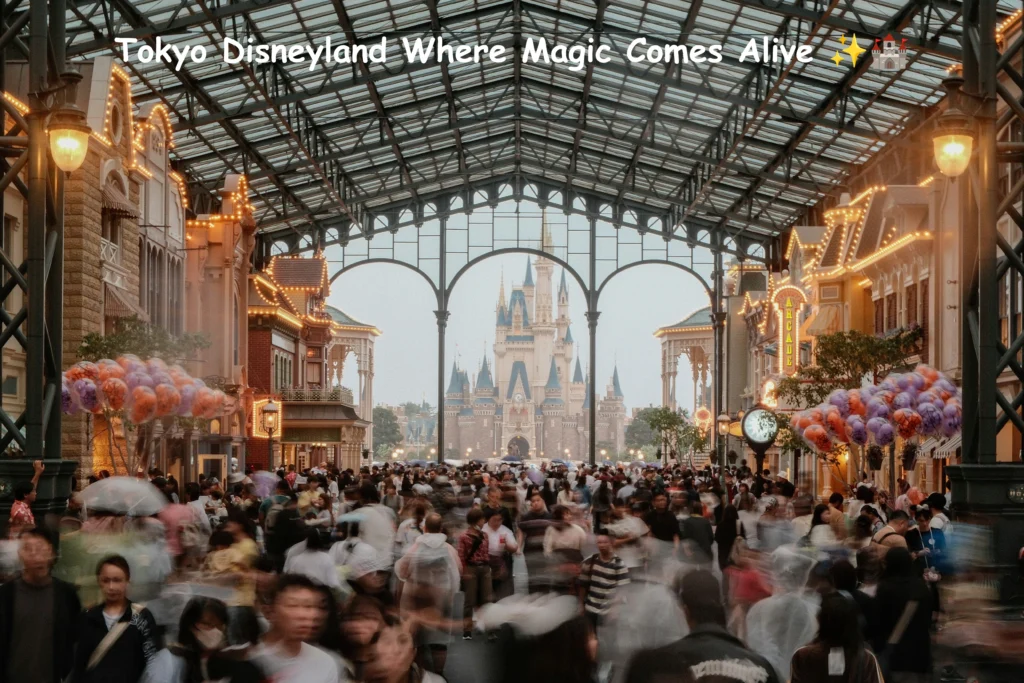
- World Bazaar entrance, Tokyo Disneyland — Cinderella Castle framed straight down Main Street; best captured early morning before crowds build.
- Mediterranean Harbor, Tokyo DisneySea — golden-hour light on the Venetian-style buildings and canals is the single most photographed spot in the resort.
- Cape Cod / American Waterfront — a New England seaside backdrop with the S.S. Columbia in view.
- Arabian Coast at night — warm lantern lighting and Sultan’s Palace domes make for striking evening shots.
- Toontown, Tokyo Disneyland — colorful, cartoon-scale buildings that photograph beautifully with kids.
- Fantasy Springs — the newest area, themed to Frozen, Tangled, and Peter Pan, with some of the resort’s most detailed backdrops.
- World Bazaar during Christmas or Halloween season — seasonal decor turns this into the most Instagrammed corner of Tokyo Disneyland.
Nearby Airport and Transport for Travelers
Tokyo Disney Resort is served by both of Tokyo’s major airports.
From Narita International Airport (NRT)
- Limousine Bus (recommended for luggage): Direct to Tokyo Disney Resort hotels and gates, roughly 60–90 minutes, about ¥2,300 (~$15–$20) per adult.
- Train (Narita Express / Keisei): Take the Narita Express or Keisei Skyliner to Tokyo Station, then transfer to the JR Keiyo Line to Maihama Station — total journey around 1.5 hours, roughly ¥2,900.
- Taxi: Fastest but priciest option, around $150+ one-way.
From Haneda Airport (HND)
- Limousine Bus: Around 30–60 minutes depending on traffic, roughly ¥1,300 (~$9).
- Train: Tokyo Monorail to Hamamatsucho, transfer to JR Yamanote Line to Tokyo Station, then JR Keiyo Line to Maihama — about 50–60 minutes total.
- Taxi: Roughly 30–45 minutes, more affordable than from Narita but still a premium option.
Getting Around the Resort
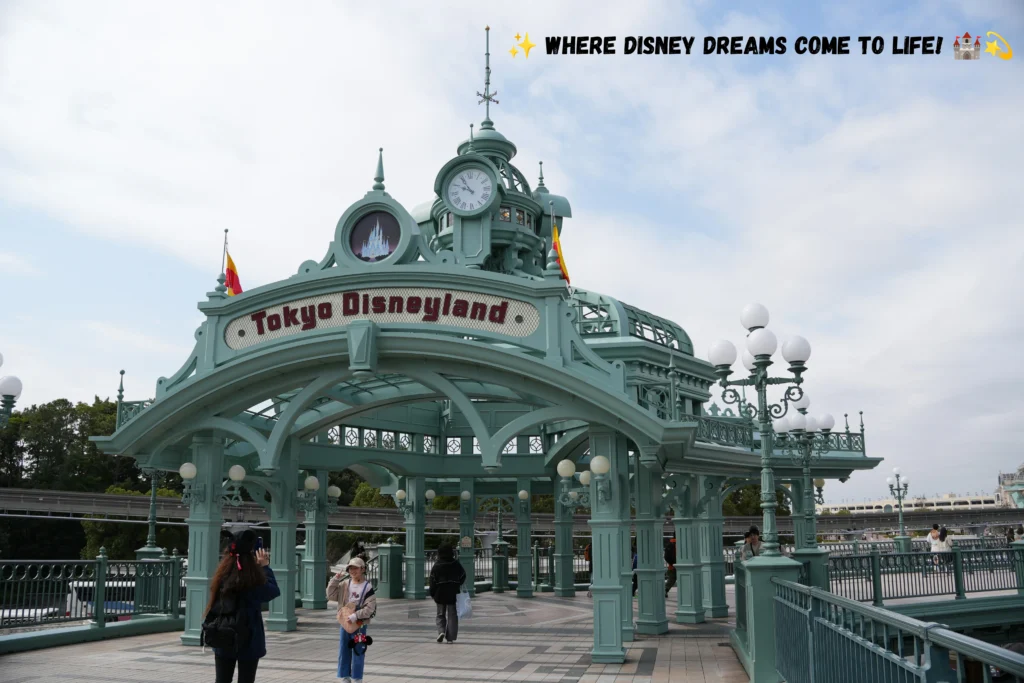
Once you’re in the resort area, the Disney Resort Line monorail loops between Resort Gateway Station (next to Maihama Station), Tokyo Disneyland Station, Bayside Station, and Tokyo DisneySea Station. It runs from 6 AM to midnight, and ticket machines accept cash only — worth noting if you’re used to card payments. Tokyo Disneyland itself is also a flat, signposted 5-minute walk from Maihama Station if you’d rather skip the monorail altogether.
Tip: Get an IC card (Suica or Pasmo) as soon as you land — it works on nearly all trains, buses, and even some in-park vending machines across Japan.
Nearby Tourist Places to Combine With Your Disney Trip
- Ikspiari — a shopping, dining, and entertainment complex right next to Maihama Station, useful for last-minute souvenirs, changing out of Halloween costumes, or a meal before your train.
- Odaiba — Tokyo’s futuristic waterfront district with teamLab digital art museums, an outlet mall, and bay views, about 30–40 minutes away by train.
- Asakusa & Senso-ji Temple — Tokyo’s oldest and most iconic temple, roughly 40 minutes from Maihama, ideal for a half-day of traditional culture.
- Shibuya Crossing & Shinjuku — the classic neon-lit Tokyo experience, about 30–40 minutes from the resort.
- Kyoto — for a deeper dive into traditional Japan (temples, geisha districts, cherry blossoms or fall colors), reachable via a roughly 2.5-hour Shinkansen ride from Tokyo Station — well worth a 2–3 day extension if your itinerary allows.
Planning flights and multi-city routing between Tokyo Disney Resort and the rest of Japan can get complicated — Ryde Travel can help build a complete Japan itinerary around your Disney dates, from flights to intercity trains.
Frequently Asked Questions
Is Tokyo Disneyland the same as Disneyland in Kyoto?
Tokyo Disneyland and Tokyo DisneySea are both located in Urayasu, Chiba Prefecture, next to Tokyo, not in Kyoto. Kyoto has no Disney park; it’s known instead for its temples and traditional culture.
Can one ticket get you into both parks?
Generally no. Tokyo Disneyland and Tokyo DisneySea each require a separate 1-Day Passport, except during rare limited-period Park Hopper ticket windows.
How many days do you need for both parks?
Most families plan a minimum of two full days — one per park — with a third day if you want to also explore Ikspiari or take things at a relaxed pace.
What’s the single best day to visit for fewer crowds?
A Tuesday or Wednesday in late January, early February, or the first half of October typically offers the best balance of low crowds, good weather, and full park operations.
Conclusion
Is Tokyo Disney Resort Worth the Trip?
Tokyo Disneyland and Tokyo DisneySea are two completely different worlds sharing one monorail — classic castle magic on one side, a cinematic, adult-friendly escape on the other. Together, they’re why so many call Tokyo Disney Resort the best Disney destination in the world.
The secret is timing: go Tuesday–Thursday, lean toward late January–February or September–October, and pair your visit with a seasonal event like Halloween or Christmas. Book a hotel along the Disney Resort Line so getting around never eats into park time.
Whichever park you start with, a well-planned Tokyo Disney Resort trip pairs perfectly with a few days in Tokyo or a Kyoto extension — fairytale magic and real cultural depth in one Japan itinerary. Use the plan in this guide, adjust it to your dates, and you’re ready to book.
Visit Our other Blogs
10 Must-See Tourist Places in Tokyo, Japan You’ll Love
Mount Fuji Tourist Places: 7 Incredible Spots You Can’t Miss


Leave a Reply