This guide contains affiliate links. We may earn a commission at no extra cost to you — see our Affiliate Disclosure and Affiliate Disclosure Policy for details.
⚡ Quick Answer: Egypt Tourism 2026 (Complete Travel Guide 2026)
Quick Take: Egypt Tourism 2026 works best as a 6-day trip covering Cairo, Alexandria, Luxor and Hurghada, ideally between October and April.
Key Highlights:
- Route: Cairo & Giza Pyramids (Days 1–2), Alexandria (Day 3), Luxor & Valley of the Kings (Days 4–5), Hurghada (Day 6).
- Indian travellers: check visa rules for your passport on the official Egypt e-visa portal before booking flights.
- Insider tip: visit the pyramids early morning and buy tickets through the official monuments portal to avoid inflated gate prices.
To book your stay, click here. To Book Local Travel, click here
Traveling Overseas click here to buy a eSIM. For more info click here
Table of Contents
Egypt Tourism in 2026 is easiest to enjoy with a 6-day route: Cairo and the Great Pyramids of Giza (Days 1–2), Alexandria (Day 3), Luxor and the Valley of the Kings (Days 4–5), and Hurghada on the Red Sea (Day 6). Most visitors need an e-visa or visa on arrival, a valid passport, and tickets booked through official or licensed channels. The best weather is October to April. Add the White Desert as an optional seventh day if you want a more adventurous trip.
Egypt Tourism 2026: Why This Is the Year to Go
Ask anyone who has been to Egypt and they’ll tell you the same thing: photos don’t prepare you for it. Standing in front of the Great Pyramids, walking into a royal tomb, or watching the sun set over the Red Sea feels very different in person.
In 2026, Egypt Tourism is also easier than ever. The Grand Egyptian Museum near the pyramids is open, airports and roads have been upgraded, and there is a wide choice of Egypt vacation packages for leisure and business travellers. This guide covers the best things to do in Egypt, the top places to visit in Egypt, and a practical itinerary you can follow.
A Short History of Egypt’s Tourist Places
Egypt has been drawing visitors for more than 2,000 years. Greek and Roman travellers were already writing about the pyramids and the temples of the Nile. In the 19th century, the deciphering of hieroglyphs and the discovery of royal tombs set off a wave of European travel. Today, tourism is one of the country’s most important industries.
What makes Egypt unusual is how many layers of history sit side by side: Pharaonic monuments, Greek and Roman Alexandria, Coptic churches, Islamic Cairo, and modern Red Sea resorts. You can cover several thousand years in a single week.
The Great Pyramids of Giza: What to Know Before You Go
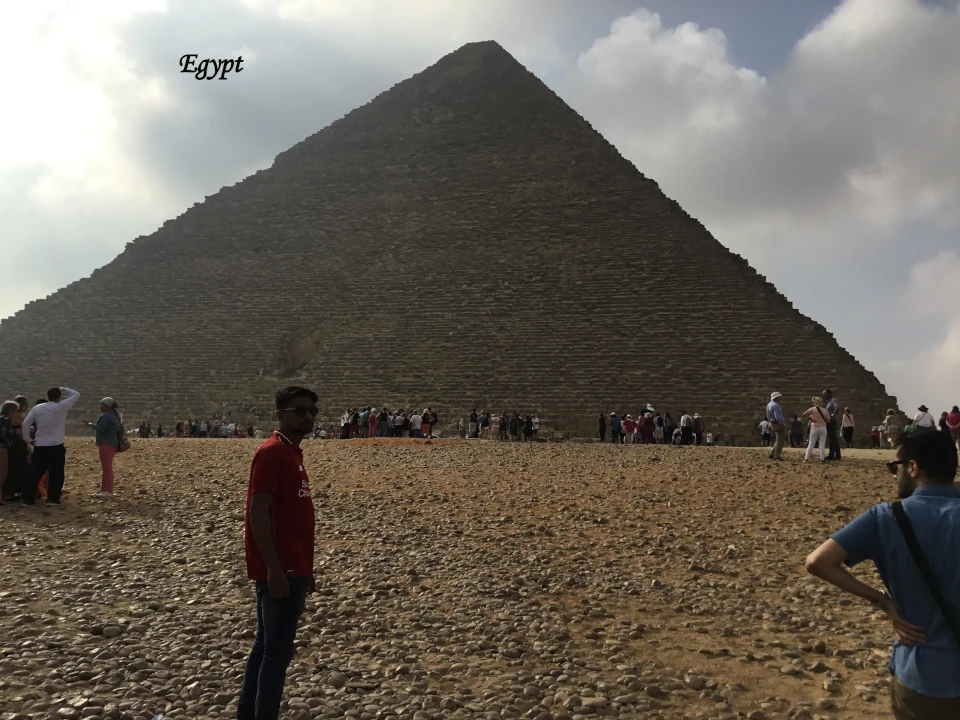
The Great Pyramids of Giza are the last surviving wonder of the ancient world. The largest, the Pyramid of Khufu, was built around 4,500 years ago, and the Sphinx and the pyramids of Khafre and Menkaure stand beside it on the same plateau. Visit early in the morning to avoid the heat and the crowds, and pair the pyramids with the nearby Grand Egyptian Museum.
- Entry to the plateau and to the inside of each pyramid are separate tickets.
- Book through official channels to avoid inflated “guide” prices at the gate.
- Wear a hat, sunscreen and comfortable closed shoes; the plateau is sandy and exposed.
Official ticket and information links: Ministry of Tourism and Antiquities – Monuments Portal | Grand Egyptian Museum | Egypt Tourism Authority
Flights and Airport Ticket Booking (Official Links)
- EgyptAir – national carrier with international and domestic flights to Cairo, Luxor, Alexandria and Hurghada
- Air Cairo – domestic and regional routes
- Cairo International Airport – flight information and airport services
- Egyptian Airports Company – information on Hurghada, Luxor, Alexandria and other airports
Book Your Flight Ticket to Cairo
1. White Desert National Park: Mushroom Rocks
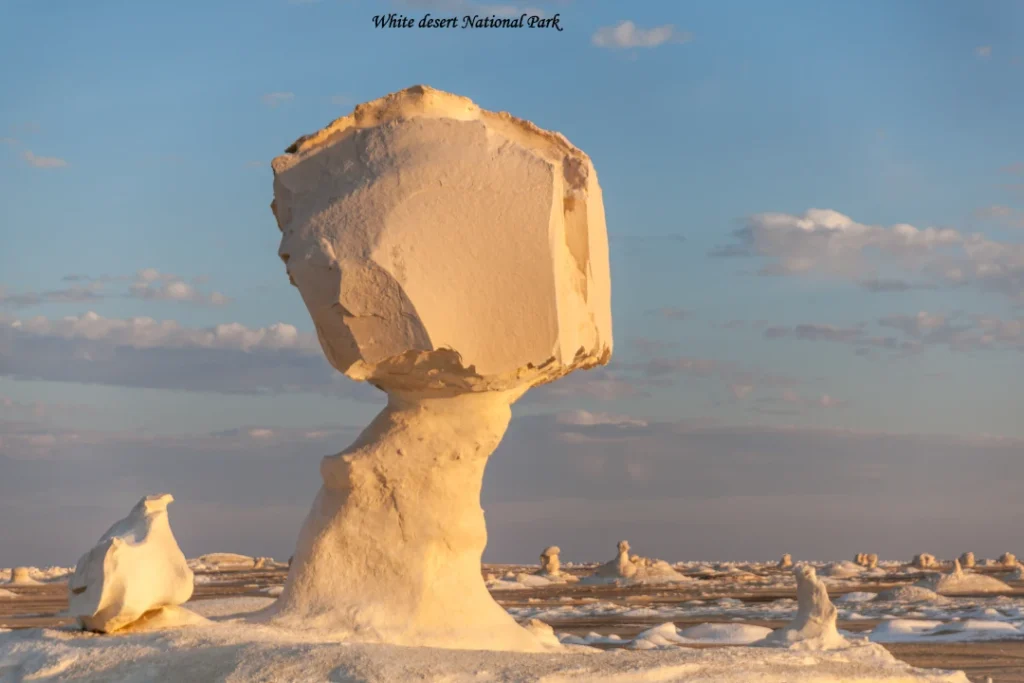
Near Farafra Oasis in the Western Desert, the White Desert looks more like another planet than part of Egypt. Chalk formations in white and cream rise from golden sand, and at sunset they glow pink and orange.
How the Mushroom Rocks Formed
The chalk and limestone here were laid down millions of years ago when the area lay under an ancient sea. Over time, wind-blown sand wore away the soft base of each rock faster than the harder top, leaving the familiar mushroom shape.
What Makes Them Special
It’s the scale and the silence. Few places offer such strange natural sculptures, a sky full of stars, and almost no light pollution. Photographers and campers love it.
Visiting the Mushroom Rocks
- Go with a licensed operator and a 4×4 driver; independent desert driving is not advised.
- Most trips are overnight camping tours from Cairo or Bahariya (roughly 4–5 hours’ drive).
- Nights are cold in winter. Bring layers.
- Respect the protected area: take your rubbish out and don’t break or climb the formations.
2. Historic Cairo
History and Cultural Significance
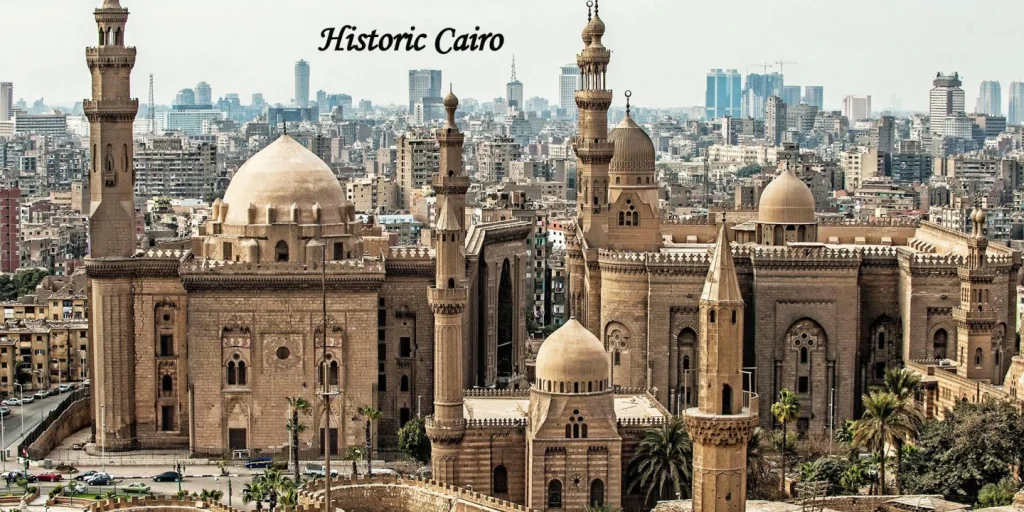
Historic Cairo is one of the oldest Islamic cities in the world and a UNESCO World Heritage Site. It grew over the centuries under the Fatimid, Ayyubid, Mamluk and Ottoman rulers, and it remains a living neighbourhood rather than an open-air museum.
Major Landmarks
- Al-Azhar Mosque and Al-Hussein area
- Mosque of Ibn Tulun, one of the city’s oldest and largest mosques
- Khan el-Khalili bazaar
- The Citadel of Saladin and the Muhammad Ali Mosque
- Al-Muizz Street, with its dense line of medieval monuments
Architecture and Atmosphere
Expect carved stone minarets, domes, wooden screens and shaded courtyards, all against the sound of the call to prayer, tea sellers and busy markets. It is loud, colourful and unforgettable.
Reliefs and Ancient Egyptian Art Around Cairo
Historic Cairo itself is mostly medieval, so for ancient Egyptian reliefs head to the Pharaonic sites nearby. The tombs at Saqqara have finely carved scenes of daily life, farming, hunting and offerings. The Grand Egyptian Museum displays thousands of statues, stelae and carved panels.
Visiting a Pharaonic Temple Near Cairo
For an ancient temple setting near the capital, the Memphis open-air museum (Mit Rahina) has a colossal statue of Ramses II, and Saqqara has the Step Pyramid complex of Djoser. For the great standing temples such as Karnak and Luxor, see Days 4 and 5 of the itinerary below.
Visiting Historic Cairo
- Dress modestly and remove your shoes in mosques; women should carry a light scarf.
- Set aside a full day and start in the morning.
- Agree prices before you buy in the bazaars.
Learn more: UNESCO – Historic Cairo
3. Citadel of Qaitbay
History
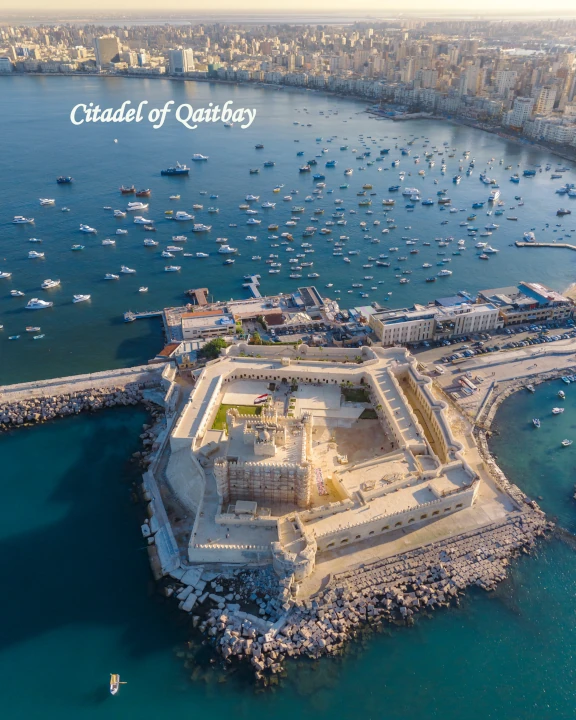
The Citadel of Qaitbay was built in the 15th century by the Mamluk Sultan Qaitbay on the site of the ancient Pharos Lighthouse of Alexandria, one of the Seven Wonders of the Ancient World. The lighthouse was destroyed by earthquakes, and stones from it were reportedly reused in the fort.
Architecture
It is a compact, thick-walled seafront fortress with towers, a central keep and a small mosque, built to defend Alexandria’s harbour against naval attack.
Why It Is Significant
It connects medieval defence with ancient Alexandria’s most famous landmark, and it has one of the best views of the Mediterranean in the city.
Visiting
Go in the late afternoon for softer light and sea breezes. Combine it with a seafood lunch on the Corniche and a visit to the Bibliotheca Alexandrina. Check opening times on the official monuments portal.
Book Your Tour Activities in Egypt
4. Valley of the Kings, Luxor
History and Significance
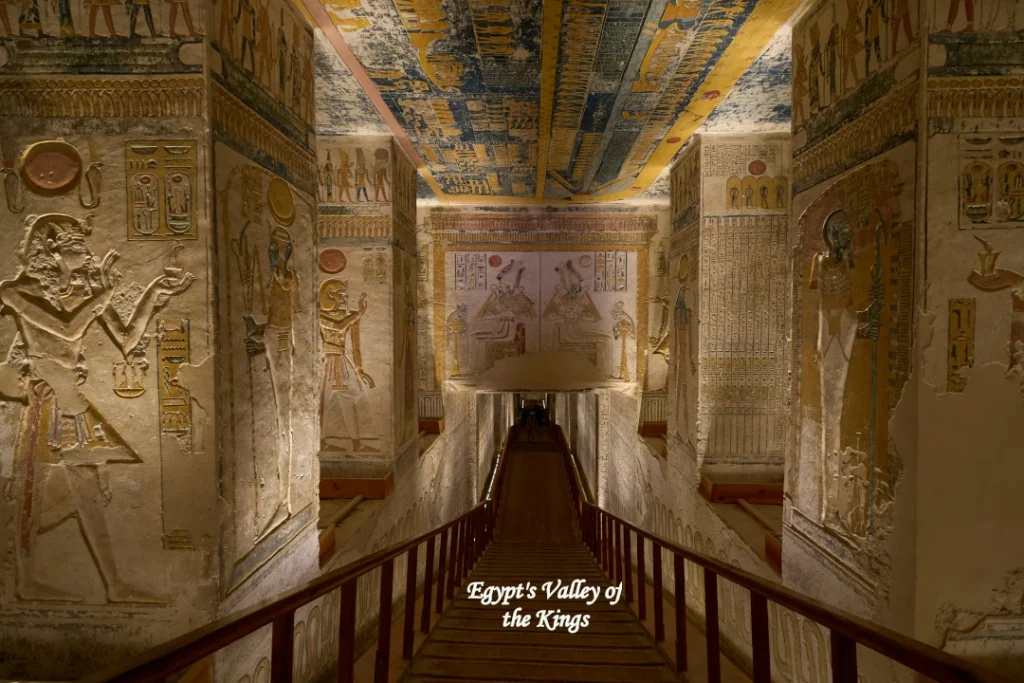
For nearly 500 years during the New Kingdom, pharaohs were buried in rock-cut tombs in this valley on the west bank of the Nile, opposite ancient Thebes. Instead of building pyramids that could be robbed, they hid their burial chambers in the hillside.
Famous Royal Tombs
- Tutankhamun (KV62): small, but world-famous for its nearly intact treasure
- Ramses VI (KV9): a richly painted astronomical ceiling
- Seti I (KV17): among the most elaborate tombs in the valley, usually with limited access and a separate ticket
- Ramses III (KV11): detailed wall reliefs and colour
Visiting the Valley of the Kings
- The basic ticket usually covers three tombs; some, such as Tutankhamun’s, need an extra ticket.
- Go early; the valley gets very hot by midday.
- Check the current photography rules on site.
UNESCO Recognition and Preservation
The valley is part of the UNESCO World Heritage Site “Ancient Thebes with its Necropolis.” Humidity from visitors’ breath and crowds is a real threat to the paintings, which is why tombs are rotated and some are closed for conservation.
Learn more: UNESCO – Ancient Thebes with its Necropolis
5. Hurghada: Red Sea Escape
History and Development
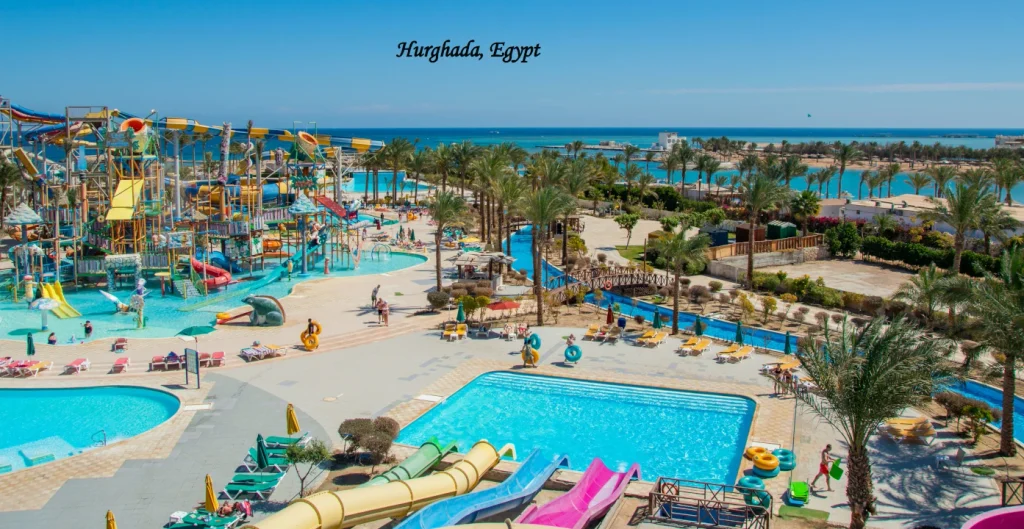
Hurghada began as a small fishing village. From the 1980s onward it grew rapidly into one of Egypt’s biggest resort cities, thanks to its coral reefs, sunshine and easy flights from Europe.
Beaches and Marine Activities
- Snorkelling and scuba diving on the coral reefs
- Boat trips to Giftun Island
- Kitesurfing and windsurfing
- Glass-bottom boats, which suit families and non-swimmers
City Atmosphere and Culture
The city is relaxed and international. The marina area, restaurants and shops are lively in the evenings, while older neighbourhoods such as El Dahar offer a more local feel, with bazaars and street food.
Climate and Best Time to Visit
Hurghada has a desert climate with very little rain. Summers are extremely hot, while October to April is mild and ideal for the beach. The sea stays swimmable for most of the year.
Major Attractions and Nearby Destinations
- Giftun Islands and coral reefs
- Desert safari with quad bikes and Bedouin-style dinners
- El Gouna, a resort town to the north
- Day trips to Luxor and the Valley of the Kings (long, so many people prefer to fly)
6. Bibliotheca Alexandrina

History and Purpose
The modern Bibliotheca Alexandrina, opened in 2002, honours the ancient Library of Alexandria, one of the greatest centres of learning in the ancient world. It works as a library, research centre and cultural hub.
Architecture
The building is a huge tilted circular disc rising from the ground beside the sea. Its granite outer wall is carved with letters and symbols from many world scripts.
What Visitors Can Experience
- The vast main reading room
- Museums and exhibitions, including antiquities and manuscripts
- A planetarium and art galleries
- Cultural events and concerts
Cultural Significance
It stands for openness, knowledge and dialogue between cultures, and it is a quiet counterpoint to the busier monuments elsewhere in Egypt. Official site: Bibliotheca Alexandrina
Egypt Itinerary: 6 Days (With an Optional 7th Day)
If you are searching for an Egypt itinerary 7 days long, simply add the optional White Desert day at the end of this route.
| Day | Plan |
|---|---|
| Day 1 | Arrive in Cairo. Great Pyramids of Giza, Sphinx and sunset dinner nearby. |
| Day 2 | Grand Egyptian Museum in the morning, then Historic Cairo and Khan el-Khalili in the afternoon. |
| Day 3 | Day trip to Alexandria: Citadel of Qaitbay, Bibliotheca Alexandrina, Corniche lunch. |
| Day 4 | Fly to Luxor. Karnak and Luxor Temples. |
| Day 5 | Valley of the Kings and Temple of Hatshepsut, then transfer to Hurghada. |
| Day 6 | Hurghada: beach, snorkelling or Giftun Island, then departure. |
| Optional Day 7 | White Desert overnight tour (best booked as a separate Cairo or Bahariya trip). |
Travel Guidelines and Tips for Tourists and Business Travellers
- Visas: Check the official e-visa portal before you fly. Rules differ by nationality.
- Best season: October to April for sightseeing; avoid midday heat in summer.
- Dress code: Light, modest clothing; shoulders and knees covered at mosques and in smaller towns.
- Money: Carry some Egyptian pounds in small notes for tips and taxis; use ATMs inside banks or hotels.
- Water and health: Drink bottled water and keep your routine vaccines up to date.
- Business travellers: Cairo’s business districts include Zamalek, Heliopolis and New Cairo. Carry printed copies of meeting invitations, and leave buffer time for traffic.
- Safety: Check your government’s current travel advice before booking.
Checklist for Families Travelling With Infants
- Passport, birth certificate copy and any needed visa documents for the baby
- Lightweight stroller or, better, a baby carrier (many sites have uneven ground and steps)
- Sun hat, high-SPF baby-safe sunscreen and a portable shade
- Enough formula, baby food, nappies and wipes for each day trip
- Bottled or sterilised water for formula
- Basic medicines, oral rehydration salts and a thermometer
- A car seat requested in advance with your private driver (they are not always provided)
- Plan visits for early morning and keep tomb visits short; tombs can be hot and stuffy
Types of Tickets and Available Tour Plans
- Site entry tickets: Foreign adult, student and child categories. Infants are often free, but check each site.
- Special tickets: Separate fees for entering inside pyramids or particular tombs, and for photography in some places.
- Day tours: Private or small-group guided trips from Cairo or hotels.
- Multi-day packages: Popular Egypt vacation packages combine Cairo, Luxor and Red Sea stays, and many include flights, hotels and guides.
- Nile cruises and Egypt trips all inclusive: Typically include meals, accommodation, transfers and entrance fees.
Prices change, so always confirm current rates on the official monuments portal or with your tour operator.
Local Transport
- Ride-hailing apps and taxis: Convenient in Cairo and Alexandria; agree the fare or use the meter.
- Cairo Metro: Cheap and fast for central areas.
- Domestic flights: The quickest way between Cairo, Luxor and Hurghada.
- Trains: Cairo–Alexandria and Cairo–Luxor routes; book via the Egyptian National Railways site.
- Private driver: Best for families, business travellers and day trips.
Two Tour Operators to Consider
- Memphis Tours: Cairo-based operator offering private day trips, Nile cruises and customised packages.
- Intrepid Travel: International small-group operator with multi-day Egypt itineraries.
Whichever you choose, check recent reviews and confirm that the operator holds a valid Egyptian licence.
Two Preferred Hotels
- Marriott Mena House, Cairo (Giza): a historic palace-style hotel beside the pyramids, ideal for early starts. Booking: Marriott official site
- Steigenberger Al Dau Beach Hotel, Hurghada: a beachfront resort suited to families and holidaymakers. Booking: Steigenberger official site
Book Your Hotel stay for your Holiday
Food Facilities Inside Tourist Places
- Giza Plateau and Grand Egyptian Museum: cafés, restaurants and snack points are available.
- Citadel of Saladin (Cairo): kiosks and cafés nearby.
- Bibliotheca Alexandrina: on-site café and eateries in the surrounding area.
- Valley of the Kings: limited facilities, so bring water and a snack.
- White Desert: no facilities; meals are provided by your tour operator at camp.
Official and Trusted Links for Tourists and Business Travellers
- Egypt Tourism Authority (Official)
- Ministry of Tourism and Antiquities
- Egypt Monuments Portal
- Egypt e-Visa Portal
- Egypt State Information Service
- UNESCO World Heritage Sites in Egypt
- US Department of State – Travel Advisories
- UK Government – Egypt Travel Advice
- Australian Government – Smartraveller Egypt
Frequently Asked Questions About Egypt Tourism
1. What is the best time to visit Egypt?
October to April is the best period, with comfortable temperatures for sightseeing. Summer is very hot in Luxor and Cairo, though the Red Sea coast still works for beach trips.
2. How many days do I need for Egypt Tourism?
Six to seven days is enough to cover Cairo, Alexandria, Luxor and the Red Sea. Ten days gives you a more relaxed pace and time for a Nile cruise or the White Desert.
3. Do I need a visa to visit Egypt?
Most nationalities need a visa, which can often be obtained as an e-visa or on arrival. Rules vary, so check the official e-visa portal before you travel.
4. What are the top things to do in Egypt?
The classics are the Great Pyramids and Sphinx, the Grand Egyptian Museum, Historic Cairo, Karnak and Luxor Temples, the Valley of the Kings and a Nile cruise. For variety, add Alexandria’s Bibliotheca, snorkelling in Hurghada and the White Desert.
5. Is Egypt safe for tourists and business travellers?
Millions of visitors travel to Egypt every year, and the main tourist areas are well protected. As with any destination, check your government’s current travel advice, use licensed guides and keep valuables secure.
6. Are Egypt trips all inclusive worth it?
For beach holidays in Hurghada or Nile cruises, yes. They simplify budgeting and include meals and transfers. For city and heritage sightseeing, a flexible package with hotels and guided tours often gives better value.
7. Can I visit Egypt with a baby or young children?
Yes, many families do. Plan early-morning visits, use a carrier rather than a stroller at ancient sites, carry water and snacks, and arrange a private driver with a car seat.
8. How do I book official tickets and flights?
Use the official monuments portal and museum websites for site tickets, and book flights directly with airlines such as EgyptAir or Air Cairo. If you use a tour operator, confirm which tickets are included in the price.
Explore More Travel Guides on our Ryde Travel Web Site
Great Pyramids of Giza: Timeless Wonders of Egypt 2026
eSIM Unleashed: Best Global Travel Plans for 2026
Best Simbye eSIM Review 2026: Pricing & Coverage
Final Thoughts
Egypt Tourism in 2026 offers something for every kind of traveller, from history lovers and families to business visitors who want to add a few days of sightseeing. Pick the places that matter most to you, book through official channels, and leave a little room in your plan for the unexpected: a cup of tea in a Cairo alley or a quiet moment at a temple. Those are often the best parts of the trip.





Leave a Reply