This guide contains affiliate links. We may earn a commission at no extra cost to you — see our Affiliate Disclosure and Affiliate Disclosure Policy for details.
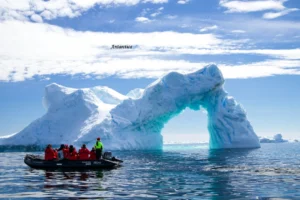
✈️ Quick Answer: Antarctica Tourism 2026 centres on expedition cruises departing from Ushuaia (Argentina) or Punta Arenas (Chile), taking travellers across the Drake Passage or on a short fly-cruise to explore the Antarctic Peninsula, Lemaire Channel, Paradise Bay, Port Lockroy, and — on specialist longer voyages — the Ross Sea and South Pole. Tourism runs mainly from November to March, is regulated under the Antarctic Treaty System and IAATO guidelines, and does not involve hotels, roads, or public transport — nearly all visitors live aboard their expedition ship for the duration of the trip.
✈️ Key Highlights:
- Best time to visit: November–March, with peak wildlife sightings in December–January
- Trips typically cost ₹6–15 lakh+ per person, usually booked via Buenos Aires (Argentina) or Santiago (Chile) as gateway cities from India
- Insider tip: Book cruise cabins 8–10 months in advance, as 2026 season slots are filling up fast among Indian travellers
To book your stay, click here. To Book Local Travel, click here
Traveling Overseas click here to buy a eSIM. For more info click here
Table of Contents
Antarctica Tourism 2026: Ultimate Places to Explore (Complete Travel Guide 2026)
Antarctica Tourism 2026 is having a moment. More travellers than ever — including a fast-growing number from India — are chasing a trip to the seventh continent, drawn by untouched glaciers, penguin colonies, and a sense of scale that no other destination on Earth quite matches. But Antarctica isn’t a conventional holiday spot. There are no resorts, no roads, and no fixed departure counters — just a small window of Antarctic summer, a handful of specialised operators, and a continent governed entirely by international agreement. This guide walks you through the places worth exploring, how tourism actually works, what a realistic itinerary looks like, and what Indian and international travellers need to know before booking.
Antarctica Tourism 2026 Overview
Antarctica is not owned by any single nation. It is governed by the Antarctic Treaty System, a set of international agreements that designate the continent as a natural reserve devoted to peace and science. Tourism operates within this framework and is largely self-regulated through the International Association of Antarctica Tour Operators (IAATO), whose members account for the vast majority of commercial Antarctic voyages.
Almost all Antarctica tourism happens via small to mid-sized expedition ships that carry passengers to landing sites by inflatable Zodiac boats, with a much smaller number of specialist fly-in operators offering deep-interior and South Pole experiences. There is no scheduled commercial air travel to Antarctica for the general public, and access to most of the continent depends heavily on weather, sea ice, and wildlife conditions — meaning itineraries are always described as indicative rather than guaranteed.
Tourist Places in Antarctica
1. Antarctic Peninsula
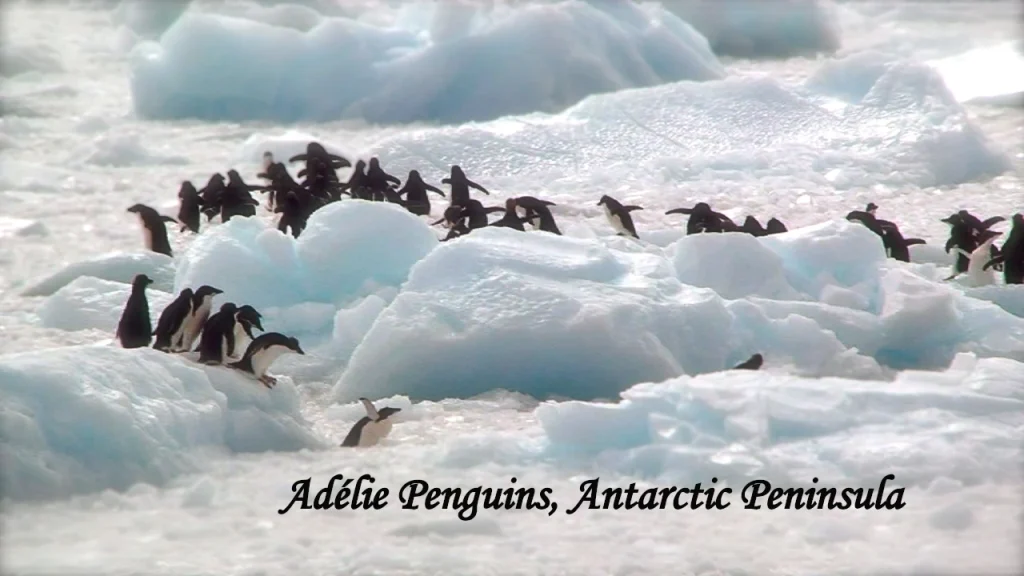
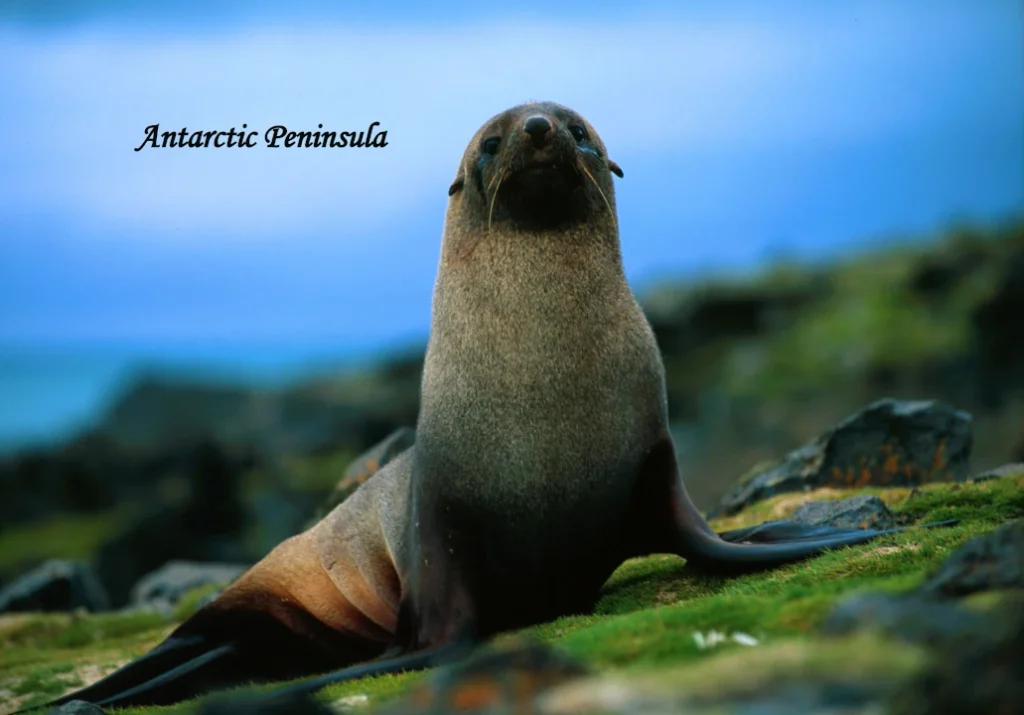
The Antarctic Peninsula is where the overwhelming majority of Antarctica tourism happens, and for good reason. This narrow finger of mountainous land, reaching up toward South America, offers dramatic snow-capped peaks, calving glaciers, and iceberg-choked channels, all within a relatively short sailing distance from Ushuaia. It is also the most reliable place to see wildlife — gentoo, chinstrap, and Adélie penguin colonies, Weddell and crabeater seals, and humpback and minke whales are commonly sighted here. Nearly every standard Antarctica cruise, whether a 7-day fly-cruise or a longer sailing itinerary, is built around Peninsula landings and Zodiac cruising.
2. Lemaire Channel
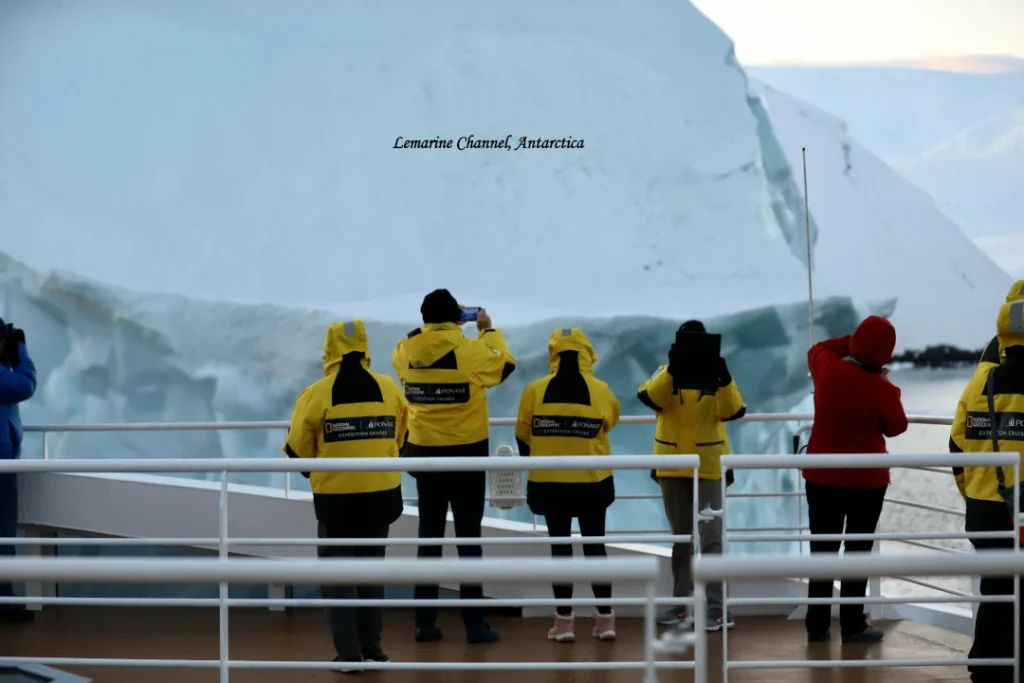
Nicknamed “Kodak Gap” by generations of photographers, the Lemaire Channel is a narrow, steep-sided passage flanked by near-vertical cliffs and glaciers on either side. When conditions allow, ships slip through this seven-mile channel at a slow pace, giving passengers one of the most photographed views in Antarctica. Passage through the channel is entirely weather- and ice-dependent; captains regularly have to skip it or reroute if pack ice blocks the way, so it’s best treated as a highlight to hope for rather than a guaranteed stop.
3. Paradise Bay
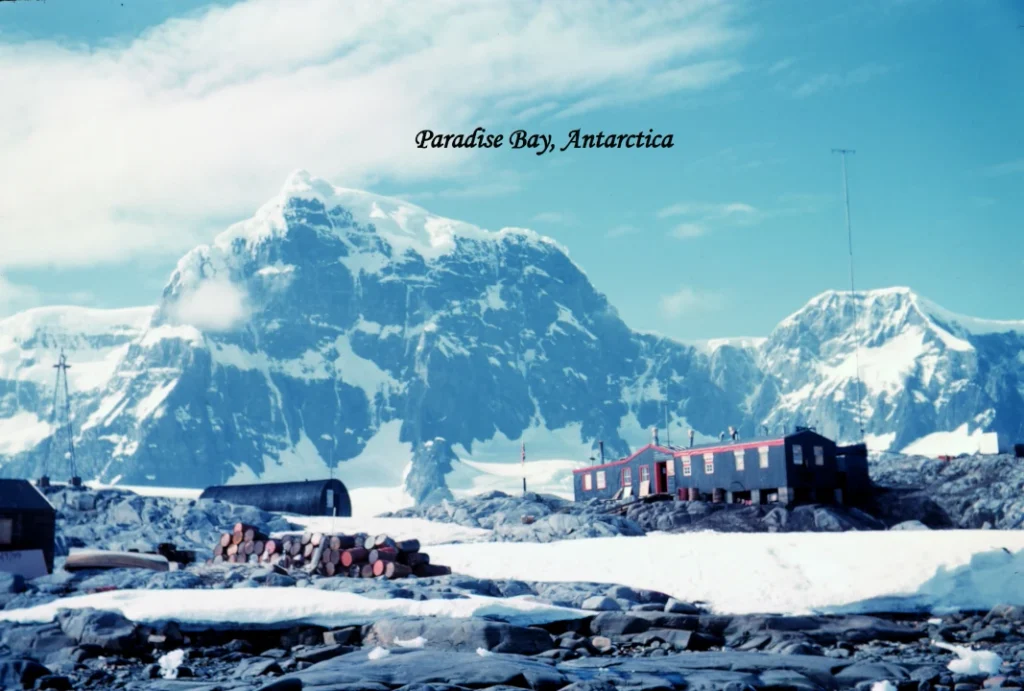
Paradise Bay (or Paradise Harbor) lives up to its name with sweeping glacier walls, calm waters ideal for Zodiac cruising, and — on many itineraries — the chance for a continental landing, meaning passengers actually set foot on the Antarctic mainland rather than an offshore island. It’s also one of the few spots where some expedition operators offer optional activities like kayaking or camping on the ice, subject to weather and operator policy.
4. Port Lockroy
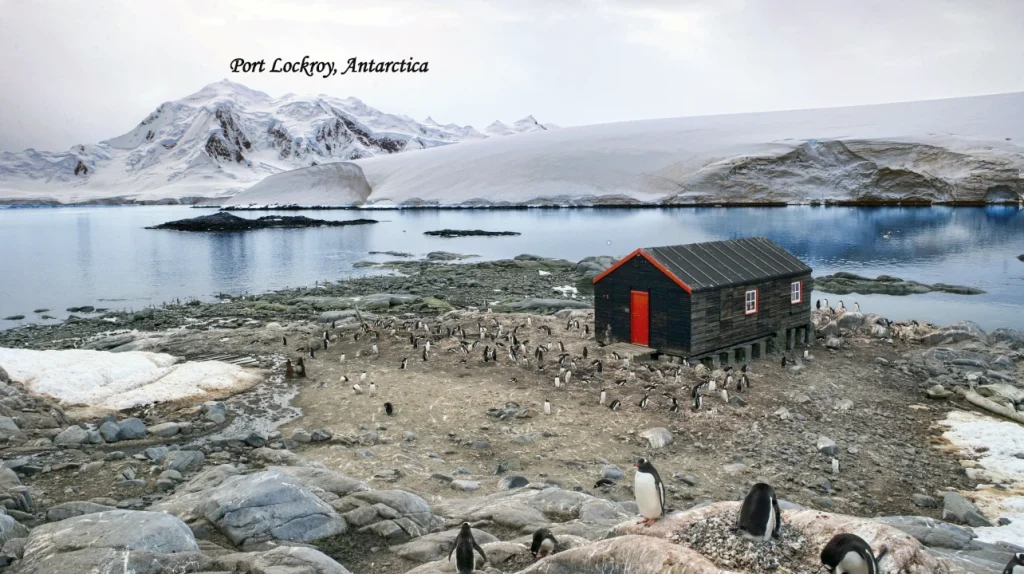
Port Lockroy, on Goudier Island, is a former British research base (Base A) now run as a living museum and the world’s southernmost public post office by the UK Antarctic Heritage Trust (UKAHT). Visitors can browse the restored 1940s–50s base, buy souvenirs, and post a card home stamped from Antarctica — a genuine novelty for most travellers. It also hosts a resident gentoo penguin colony, and the site sees roughly 18,000 visitors a season, making it one of the most-visited single locations in Antarctica. Access depends entirely on your operator’s itinerary and is only possible during the Antarctic summer (November–March) when the UKAHT team is stationed there.
5. Ross Sea
The Ross Sea sits on the opposite side of the continent from the Peninsula and is far less frequently visited — only a small number of specialist expedition voyages, usually longer and more expensive, sail here each season. It’s rich in exploration history, home to huts used by Robert Falcon Scott and Ernest Shackleton, and bordered by the vast Ross Ice Shelf. Wildlife here includes emperor penguin colonies and large numbers of seabirds. Because of the distance and ice conditions, Ross Sea voyages typically run three to four weeks and are recommended for travellers who have already done a standard Peninsula trip or want a deeper, more remote experience.
6. South Pole
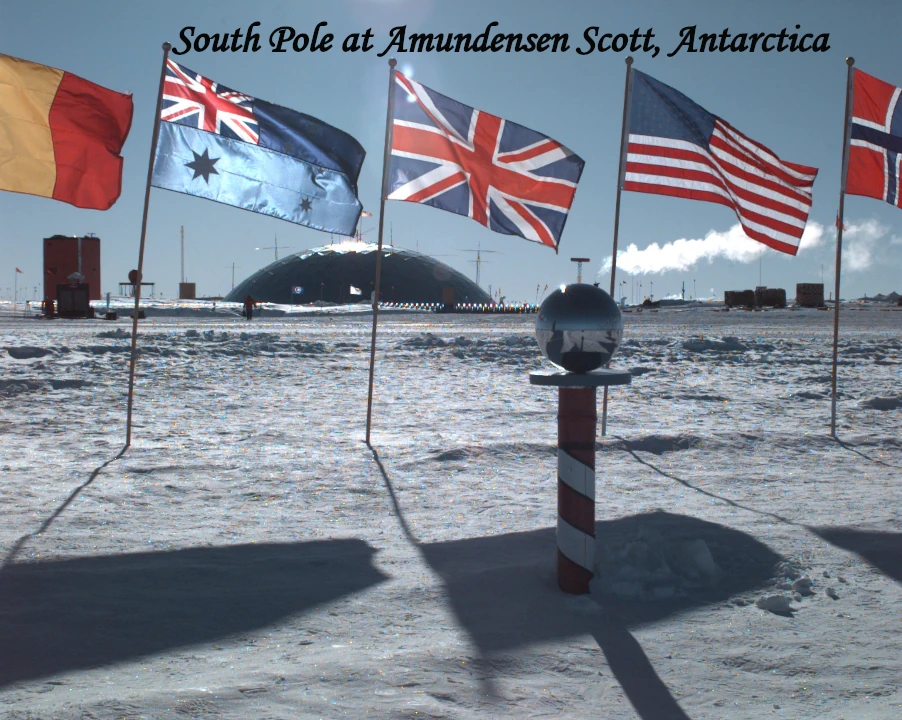
The geographic South Pole, home to the U.S. Amundsen–Scott South Pole Station, is not reachable on a standard Antarctica cruise. It is accessed only through specialist fly-in operators using ski-equipped aircraft from private interior camps, and these trips are logistically complex, weather-dependent, and considerably more expensive than a Peninsula cruise. It’s important for readers to understand the difference: mainstream “Antarctica tourism” (cruise-based, Peninsula-focused) and South Pole expeditions are two very different categories of trip, with different operators, seasons, price points, and physical demands.
7. Ross Island
Ross Island, in the Ross Sea region, is home to McMurdo Station (US) and Scott Base (New Zealand), as well as Mount Erebus, one of the world’s southernmost active volcanoes. The island carries deep exploration history connected to both Scott’s and Shackleton’s expeditions, including preserved historic huts. Tourist access is limited and typically bundled into the same specialist Ross Sea voyages mentioned above, rather than being independently accessible.
History of Antarctica’s Tourist Places
Human interest in Antarctica began in earnest during the so-called Heroic Age of Antarctic Exploration in the late 19th and early 20th centuries. Norwegian explorer Roald Amundsen became the first person to reach the geographic South Pole on 14 December 1911, narrowly beating British naval officer Robert Falcon Scott, whose own party reached the Pole a month later but tragically perished on the return journey. Ernest Shackleton, though he never reached the Pole himself, became legendary for his 1914–1917 Endurance expedition and the extraordinary survival story that followed after his ship was crushed by pack ice.
The mid-20th century saw the growth of permanent scientific presence in Antarctica, formalised by the Antarctic Treaty, signed in 1959 and entered into force in 1961, which set the continent aside for peaceful scientific purposes and froze all territorial claims. Commercial tourism began in the 1950s and 60s, with Lindblad Expeditions widely credited with leading the first dedicated tourist voyage to Antarctica in 1966.
As interest grew through the following decades, tour operators recognised the need for shared safety and environmental standards, leading to the founding of IAATO in 1991 by seven pioneering operators. Since then, expedition cruising has become steadily more sophisticated — from repurposed research vessels to today’s purpose-built, ice-classed expedition ships — while remaining tightly bound to environmental protection rules under the Antarctic Treaty’s Protocol on Environmental Protection.
Best Time to Visit Antarctica
- November: Early season — pristine snow, courting penguins, dramatic ice formations, fewer crowds.
- December–January: Peak Antarctic summer — nearly 24-hour daylight, penguin chicks hatching, warmest temperatures, and the busiest, most in-demand sailings.
- February–March: Late season — best whale-watching as whales return to feed, penguin chicks fledging, generally clearer seas for the Drake Passage crossing.
Outside this November–March window, the Southern Ocean freezes over and commercial tourism effectively stops. There is no “off-season” alternative — if you’re planning Antarctica Tourism 2026, your travel dates will fall somewhere in this five-month season.
7-Day Antarctica Itinerary
A 7-day itinerary is generally only possible via a fly-cruise option, where you fly over the Drake Passage instead of sailing it — this is shorter than most traditional Antarctica expedition cruises, which typically run 10 to 12 nights (or longer for South Georgia, Falklands, or Ross Sea combinations) to allow for two full Drake Passage crossings by sea. The sample itinerary below is indicative only; actual stops depend entirely on weather, sea ice, and wildlife conditions on the day, and operators will not guarantee a specific landing site in advance.
| Day | Location/Activity | Highlights | Travel/Transport | Notes |
|---|---|---|---|---|
| Day 1 | Arrive Punta Arenas or Ushuaia; pre-departure briefing and overnight hotel stay | Gateway city orientation, gear check | International/domestic flight into gateway city | Many operators include this hotel night in the package |
| Day 2 | Fly to King George Island, South Shetland Islands | Crossing the Drake Passage by air instead of sea (roughly 2 hours) | Charter flight | Weather delays are common at this stage; build in buffer days if possible |
| Day 3 | Embark expedition ship; South Shetland Islands | First Zodiac landing, introduction to penguin colonies | Zodiac transfers | Mandatory IAATO safety and biosecurity briefing before any landing |
| Day 4 | Antarctic Peninsula — Gerlache Strait / Paradise Bay area | Glacier viewing, possible continental landing | Zodiac cruising and landings | Landing sites vary by ice and wildlife conditions |
| Day 5 | Lemaire Channel and Port Lockroy (if conditions allow) | Scenic channel transit, museum and post office visit | Ship transit, Zodiac landing | Not guaranteed — subject to ice blockage |
| Day 6 | Further Peninsula exploration | Wildlife viewing, optional kayaking (operator-dependent) | Zodiac excursions | Extra activities usually cost more and need pre-booking |
| Day 7 | Disembark, fly back to Punta Arenas/Ushuaia | Farewell briefing, return flight | Charter flight | Onward international connections should not be booked same-day |
If you have more time, consider a 10–12 day sea-based voyage instead of the fly-cruise route — it costs less on average, includes a genuine Drake Passage crossing (an experience many travellers want in itself), and generally offers more days actually exploring the Peninsula.
Travel Guidelines & Tips
- Weather and temperatures: Peninsula summer temperatures typically range from about 0°C to -10°C on land, with wind chill making it feel considerably colder on deck.
- Clothing: Layered thermal wear, a waterproof/windproof outer shell, insulated gloves, and a warm hat are essential; most operators provide an expedition parka and rent or require waterproof muck boots.
- Footwear: Waterproof, knee-high boots are mandatory for wet Zodiac landings — check whether your operator includes rental boots.
- Sun protection: UV reflection off snow and ice is intense; pack high-SPF sunscreen, UV-protective sunglasses or goggles, and lip balm.
- Seasickness: The Drake Passage can be rough; carry motion-sickness medication (consult your doctor beforehand) or consider the fly-cruise option if you’re highly prone to seasickness.
- Travel insurance: Comprehensive travel insurance covering medical evacuation is typically mandatory for boarding — confirm your policy explicitly covers Antarctic/polar expedition travel.
- Passport and visas: Antarctica itself has no visa requirement, but you will need valid visas/entry permissions for your gateway and transit countries (commonly Argentina or Chile) — check current requirements before booking.
- Medical preparation: A pre-trip medical check-up is advisable, and operators usually require a signed medical fitness declaration; onboard medical facilities are basic, and evacuation from Antarctica can take days.
- Photography: Cold drains camera batteries fast — carry spares and keep them close to your body; a weatherproof camera bag is useful for Zodiac spray.
- Connectivity: Mobile signal does not exist once you leave port; satellite Wi-Fi onboard (where available) is typically slow and sometimes chargeable — plan for being largely offline.
- Wildlife etiquette: IAATO guidelines require minimum approach distances from wildlife and nesting sites; never touch, feed, or crowd animals.
- Environmental and biosecurity rules: All clothing, boots, and equipment must be vacuumed/cleaned before each landing to prevent introducing foreign seeds or organisms; nothing may be removed from Antarctica, including rocks, feathers, or bones.
For Indian Travellers
There are no direct flights from India to Antarctica’s gateway cities. Most Indian travellers connect via hubs such as Dubai, São Paulo, or Madrid before reaching Buenos Aires or Santiago, and then take a domestic or charter flight onward to Ushuaia or Punta Arenas. Because this involves transit through multiple countries, it’s essential to verify visa and transit requirements for Argentina, Chile, and any layover country individually before booking — these requirements can change, so check current rules with each country’s embassy or the Ministry of External Affairs Travel Advisories page rather than relying on older information.
Family Travel: Infant Checklist
Important: Do not assume infants are permitted on every Antarctica expedition. Many operators set a minimum age (commonly around 8 years, though this varies by ship and itinerary) due to medical and safety considerations. Always confirm minimum-age rules and medical requirements directly with the tour operator before booking if travelling with a baby or young child.
- Warm layered clothing sized for infants, including thermal onesies and a windproof outer layer
- Extra blankets and weather protection for time on open decks
- Sufficient baby food/formula for the full voyage plus buffer days, since resupply is not possible mid-trip
- Diapers, wipes, and hygiene supplies for the entire trip duration
- Any doctor-prescribed medicines, clearly labelled, with a copy of the prescription
- Infant-safe sun protection for high-UV conditions
- A plan for motion sickness on the Drake Passage crossing, discussed with your paediatrician in advance
- A sturdy baby carrier for Zodiac landings and uneven terrain
- Travel documents: passport, any required visas, and birth certificate
- Emergency contact information and details of onboard/nearest medical support
- Travel insurance that explicitly covers infants and medical evacuation
- Written confirmation from the operator of their age policy and medical evacuation plan
Types of Tickets & Tour Plans
- Sea-based expedition cruise: Round-trip sailing from Ushuaia, crossing the Drake Passage by sea both ways; typically 10–12 nights.
- Fly-cruise: Fly over the Drake Passage to/from King George Island, then cruise the Peninsula; typically 7–9 nights, avoiding rough sea crossings.
- Extended Peninsula expedition: Longer voyages that add South Georgia and/or the Falkland Islands to a Peninsula sailing; typically 18–24 nights.
- Specialist Ross Sea/South Pole trips: Longer, more remote expeditions (three to four weeks for Ross Sea; separate fly-in programmes for the South Pole) run by a smaller set of specialist operators.
- Private/specialist expeditions: Custom charters, photography-focused voyages, or mountaineering/skiing add-ons offered by select operators.
What’s typically included varies by operator and cabin category, but commonly covers onboard accommodation, all meals, Zodiac excursions, expedition-team-led landings, and basic expedition gear loan (such as boots). What’s commonly excluded includes international flights to the gateway city, pre/post-cruise hotel nights (sometimes included, sometimes not), travel insurance, optional activities like kayaking or camping, gratuities, and alcoholic beverages on some ships. We have not listed specific prices here, as Antarctica tour costs vary significantly by cabin type, season, and operator — always confirm current pricing and inclusions directly with the operator before booking.
Local Transport
Antarctica has no public transportation system of any kind — no buses, taxis, trains, or rental cars for tourists. Movement within Antarctica happens almost exclusively via:
- Expedition ships, which serve as both transport and accommodation
- Zodiac inflatable boats, used for all landings and close-up wildlife/iceberg cruising
- Small ice-strengthened or icebreaker vessels for specialist deep-ice itineraries
- Ski-equipped aircraft, used only by specialist fly-in operators for interior and South Pole programmes
- Limited ground vehicles at specific research stations and specialist camps, not available for general tourist use
Two Established Antarctica Tour Operators
Quark Expeditions
Official website: quarkexpeditions.com
Trip types: Sea-based and fly-cruise Antarctica voyages, plus Arctic expeditions
Main routes: South Shetland Islands, Antarctic Peninsula, Weddell Sea, South Georgia, Falkland Islands, Antarctic Circle crossings
Expedition style: Small-ship, ice-class expedition vessels with Zodiac landings, led by expert polar guides
Booking notes: An IAATO member; popular sailings for the 2026/27 Antarctic season sell out well in advance, so early booking is recommended.
Lindblad Expeditions – National Geographic
Official website: expeditions.com
Trip types: Sea-based expedition cruises, fly-cruise options, and combined Patagonia/South Georgia/Antarctica voyages
Main routes: Antarctic Peninsula, Falkland Islands, South Georgia
Expedition style: Purpose-built ice-class ships with an onboard National Geographic-certified expedition team and Visiting Scientists programme
Booking notes: Widely credited as the pioneer of Antarctic tourism, having run its first commercial voyage there in 1966; an IAATO member since 1997.
Two Accommodation Options
Antarctica has essentially no conventional tourist hotels. Almost all visitors live aboard their expedition ship for the duration of the trip, while a small number of specialist fly-in programmes use private interior camps instead. Here are two representative options:
National Geographic Endurance (Lindblad Expeditions)
Type: Purpose-built ice-class expedition ship (onboard accommodation)
Region: Antarctic Peninsula, sailing from Ushuaia
Facilities: 76 cabins/138 guests, expedition lounge, fitness facilities, and polar-region viewing decks
Who it suits: Travellers who want a comfortable, purpose-built polar ship with a strong science and education focus
Official website: expeditions.com
Ultramarine (Quark Expeditions)
Type: Purpose-built ice-class expedition ship (onboard accommodation)
Region: Antarctic Peninsula, South Shetland Islands, sailing from Ushuaia
Facilities: Twin helicopters and dedicated Zodiac fleet for landings, onboard lounges and dining venues
Who it suits: Travellers wanting a more adventure-activity-heavy sailing with helicopter-assisted scenic flights (weather permitting)
Official website: quarkexpeditions.com
Food Facilities
On expedition ships, meals are provided as part of the package typically a buffet or plated breakfast, lunch, and a multi-course dinner, prepared onboard for the duration of the voyage. Most ships can accommodate vegetarian diets and common dietary restrictions (gluten-free, allergies, and so on) if notified in advance, and some can arrange Indian or other specific meal requests with sufficient notice always confirm this directly with your operator before departure, ideally at the time of booking.
Snacks and hot drinks are usually available between meals, and drinking water is provided onboard (bringing a reusable bottle is a good practice). Infant food should be carried for the entire trip, as there is no resupply once you’re at sea. It’s worth noting clearly: there are no restaurants, cafés, or supermarkets anywhere in Antarctica itself every meal you eat on the continent comes from what your ship or camp has brought.
Travel Insurance, Visa & Documentation
- Comprehensive travel insurance with polar/Antarctic expedition coverage and medical evacuation is generally mandatory to board
- A valid passport with sufficient remaining validity (commonly six months, but confirm exact requirements)
- Visas or entry permits for gateway/transit countries such as Argentina, Chile, or connecting hubs — verify current requirements for your specific route before booking
- Antarctica itself does not issue tourist visas, as it is not under any single national jurisdiction
- Some operators require pre-departure medical fitness declarations, particularly for older travellers or those with pre-existing conditions
Official Travel, Government & Antarctic Resources
- Antarctic Treaty Secretariat (ats.aq) — the governing framework for all Antarctic activity, including tourism regulations
- International Association of Antarctica Tour Operators (iaato.org) — member operator directory, visitor guidelines, and tourism statistics
- UK Antarctic Heritage Trust (ukaht.org) — official information on Port Lockroy and other historic Antarctic sites
- Ministry of External Affairs, Government of India — Travel Advisories — current advisories for Indian travellers on relevant transit countries
Frequently Asked Questions
1. Is Antarctica open to tourists in 2026?
Yes. Antarctica Tourism 2026 continues to operate through IAATO-member expedition cruise operators during the Antarctic summer season, from roughly November through March.
2. What are the best tourist places in Antarctica?
The Antarctic Peninsula, Lemaire Channel, Paradise Bay, and Port Lockroy are the most commonly visited highlights, while the Ross Sea, Ross Island, and the South Pole are reserved for longer, more specialised expeditions.
3. What is the best time to visit Antarctica?
November to March is the only viable window, with December–January offering the warmest weather and longest daylight, and February–March offering the best whale-watching.
4. How do tourists travel to Antarctica?
Almost all tourists travel via expedition cruise ship from Ushuaia, Argentina, or Punta Arenas, Chile, either sailing across the Drake Passage or flying to King George Island on a fly-cruise itinerary. There is no scheduled commercial airline service for the general public into Antarctica.
5. How much does an Antarctica trip cost?
Costs vary widely by cabin category, ship, season, and itinerary length. We haven’t quoted specific figures here, as prices change frequently — check current pricing directly with operators such as Quark Expeditions or Lindblad Expeditions–National Geographic.
6. Do Indians need a visa to visit Antarctica?
Antarctica itself does not require a visa, since it isn’t under any single country’s jurisdiction. However, Indian travellers will typically need visas or transit permissions for gateway countries like Argentina or Chile — verify current requirements before booking.
7. Can families travel to Antarctica with infants?
Some operators allow young children, but many set a minimum age (commonly around 8 years) for safety and medical reasons. Always confirm age policies and medical requirements directly with your chosen operator before booking.
8. Is a 7-day Antarctica trip enough?
A 7-day fly-cruise gives you a genuine, if compact, taste of the Peninsula and is a good option for time-constrained travellers or those keen to avoid the Drake Passage crossing. Travellers with more time often prefer a 10–12 day sea-based voyage for a fuller experience.
Related RydeTravel Guides
8 Best Things to Do in San Diego: Ultimate Guide
Great Barrier Reef: Ultimate Australia Guide 2026
Argentina Travel Guide 2026: Amazing Places to Explore
Conclusion
Antarctica Tourism 2026 offers something genuinely rare: a chance to visit a continent with no permanent residents, no roads, and no fixed infrastructure, governed instead by an international treaty devoted to peace and science. Whether you choose a 7-day fly-cruise to the Peninsula or a longer sea voyage that takes in South Georgia or the Ross Sea, planning ahead — for the season, the operator, the documentation, and the packing list — makes all the difference. With careful preparation, and by choosing an established IAATO-member operator, this once-in-a-lifetime trip to the White Continent is more achievable than most travellers expect.





Leave a Reply