This guide contains affiliate links. We may earn a commission at no extra cost to you — see our Affiliate Disclosure and Affiliate Disclosure Policy for details.
Quick Answer
Quick Take: The Great Pyramids of Giza are Egypt’s must-see wonder, and Indian travellers can experience them best in 2026 on a 5–7 day Cairo trip between October and April, starting at sunrise.
Key Highlights:
- Visa & Flights: Indian citizens can apply for an Egypt e-visa online. Fly Delhi or Mumbai to Cairo (usually one stop) and book 6–8 weeks ahead for better fares.
- Best Time: Visit October to April for pleasant weather, and reach the Giza Plateau by 8 AM to beat the crowds and the heat.
- Insider Tip: Pair the Pyramids with the Grand Egyptian Museum, and book tickets and guides through official or verified channels to avoid touts.
The Great Pyramids of Egypt, at Giza near Cairo, are the world’s best-preserved ancient wonder and a top 2026 destination for both tourists and business travellers. The best plan is 5–6 days in Cairo between October and April, with the Giza Plateau, Sphinx and Grand Egyptian Museum as the highlights. Indian citizens can apply for an Egypt e-visa online, and tickets should be bought through official Egyptian government channels.
Standing in front of the Great Pyramids of Egypt for the first time is humbling. These stone giants have watched over the desert for more than 4,500 years. This guide covers the history of six must-see sites, a practical six-day itinerary, tickets, transport, hotels, food and tips for families with infants. It also covers the basics for business travellers heading to Cairo.
To book your stay, click here. To Book Local Travel, click here
Traveling Overseas click here to buy a eSIM. For more info click here
Table of Contents
Why the Great Pyramids of Egypt Still Matter in 2026
Ancient Egyptians built the pyramids as royal tombs, but they were also statements of power, belief and engineering skill. Thousands of skilled workers, not slaves as the old myth says, were organised, fed and housed to build them. In 2026 the Giza area feels fresh again, thanks to the full opening of the Grand Egyptian Museum and improved visitor facilities.
More than 4,500 years after they were built, the Great Pyramids of Egypt still shape how the world thinks about ancient civilisation, human ambition and engineering. They are not just old tombs in the desert. They are proof of what a well-organised society could achieve with limited tools, careful planning and a shared belief in life after death. In 2026 they matter for three reasons: what they reveal about the past, how much our understanding of them keeps growing, and how much easier they are to visit today.
Royal Tombs, Power and Belief
Ancient Egyptians built the pyramids as royal tombs, but they were also bold statements of power, religion and national identity. The Great Pyramid of Giza was meant to protect the body of Pharaoh Khufu and launch his spirit into the afterlife. Its shape is often linked to sun worship, with the sloping sides representing rays of sunlight that the king could climb to join the gods. Each pyramid stood at the centre of a larger complex of temples, causeways and tombs for family members and officials, so the whole area worked as a religious and political landscape.
Engineering Skill That Still Impresses
The Egyptian pyramids show remarkable precision. The Great Pyramid was built from an estimated 2.3 million stone blocks and is aligned very closely to the four cardinal directions. Builders used fine Tura limestone for the outer casing and brought granite for inner chambers from Aswan, hundreds of kilometres to the south. Ancient papyri found at Wadi al-Jarf, which include the logbook of an official named Merer, describe crews transporting limestone by boat to Giza. These finds show how detailed the planning and logistics were.
The Real Story of the Builders
One of the biggest changes in modern Egyptology is the end of the “slave-built” myth. Excavations near the Giza pyramids Egypt is known for have uncovered a workers’ town with bakeries, breweries, storerooms and living quarters. Nearby cemeteries contain the tombs of the labourers and overseers themselves, buried with respect and with offerings of bread and beer. Skilled and seasonal workers were organised into teams, fed, housed and given medical care. This changes how we see the monuments: they were the work of a proud, well-managed workforce, not only the vision of one king.
A World Heritage Site Still Giving Up Secrets
The pyramid fields from Giza to Dahshur are protected as part of the UNESCO World Heritage site “Memphis and its Necropolis”. Research continues, and teams still use new tools such as scanning, imaging and careful excavation to learn more about construction methods, hidden spaces and daily life. For travellers, this means the Great Pyramids of Egypt are not a finished story. Each year adds new details to what guides can tell you on site.
Why 2026 Is a Great Time to Visit
In 2026 the Giza area feels fresh again. The Great Pyramids of Giza Grand Egyptian Museum, close to the Giza Plateau, now gives visitors a complete view of Egypt’s history, including the full Tutankhamun collection, and links the monuments with the objects found in and around them. Visitor facilities around Giza have also been improving, with better organisation, signage and services. Combined with timed museum tickets, official online booking and growing choices for private tours, it is easier than before to plan a smooth trip.
What This Means for Tourists and Business Travellers
- For tourists and families: Understanding the history makes each site more meaningful, from the Great Sphinx of Giza to the Step Pyramid at Saqqara. A guide or a short read before you go makes a big difference.
- For business travellers: A half-day visit to the Giza Plateau and the Grand Egyptian Museum fits easily around meetings in Cairo and offers a memorable cultural experience.
- For history and photography lovers: Quieter sites such as Dahshur show the early experiments that led to the perfect pyramid shape, with far fewer crowds than Giza.
In short, the Great Pyramids of Egypt matter because they connect us to the people who built them: their beliefs, their organisation and their ambition. Seeing them in person, with the context of the museum and the nearby pyramid fields, turns a famous landmark into a story you can understand.
Top Tourist Places in the Great Pyramids of Egypt: History, Culture and How to Reach Them
The Great Pyramids of giza, Egypt are spread across three areas near Cairo: Giza, Saqqara and Dahshur. Together with the Grand Egyptian Museum, they tell the story of how Egypt’s kings planned for eternity. Below you’ll find the history, culture, transport options and official links for each place.
1. Great Pyramid of Giza (Pyramid of Khufu)
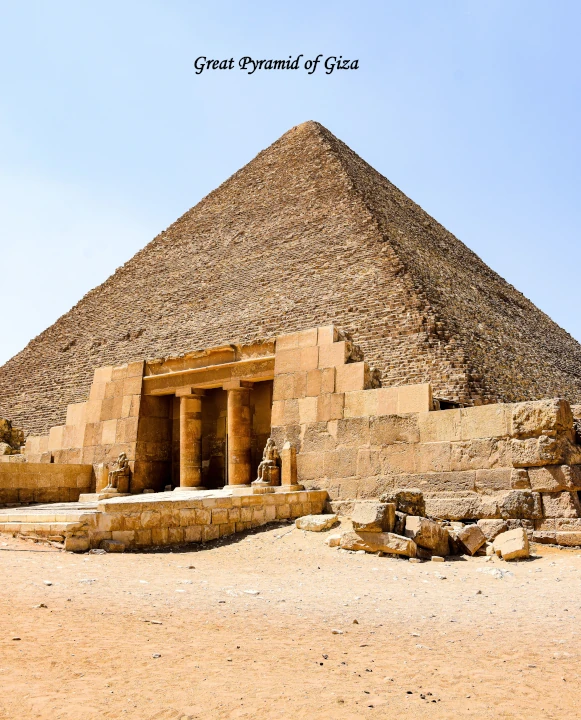
History: The Great Pyramid was built around 2560 BCE for Pharaoh Khufu of the Fourth Dynasty. It was originally about 146 metres tall and stayed the tallest human-made structure on Earth for nearly 3,800 years. It is the only surviving wonder of the ancient world. Inside, the Grand Gallery and the King’s Chamber can be visited with a separate ticket, but the passages are narrow and stuffy, so skip them if you dislike tight spaces.
Culture: Ancient Egyptians believed the king’s spirit continued to live after death, so the pyramid was part of a larger complex that included temples, causeways and smaller tombs for family and officials. Excavations of a nearby workers’ town show that the builders were organised, fed and housed, not slaves as the old myth claims. Khufu’s complex also held a full-size wooden ship, buried so the king could travel in the afterlife.
How to get there: The Giza Plateau is roughly 25 to 45 minutes by car from central Cairo, depending on traffic. Ride-hailing apps (Uber, Careem) and private drivers are the easiest options. You can also take Cairo Metro Line 2 to Giza station and continue by taxi or ride-hail for the last stretch.
Official links: Ministry of Tourism and Antiquities | UNESCO World Heritage listing | Google Maps
2. Pyramids of Khafre and Menkaure
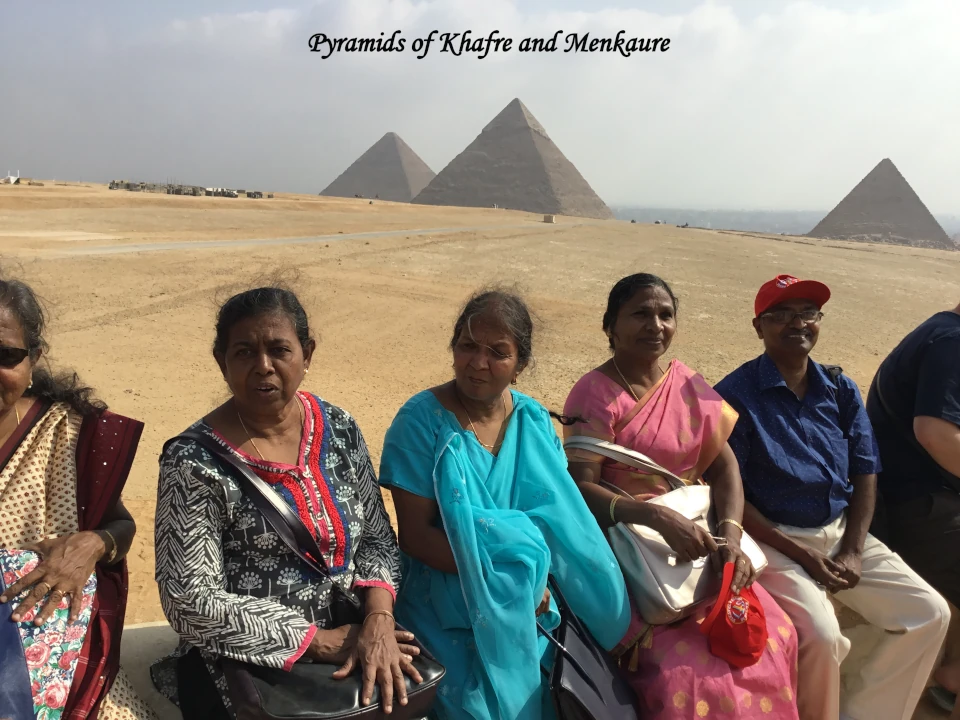
History: Khafre, Khufu’s son, built the second pyramid. It looks taller because it sits on higher ground, and it still has some of its original smooth casing stones near the top. Menkaure’s pyramid is much smaller, at about 65 metres, but was built with fine granite. Together with three small queens’ pyramids, these monuments make up the famous Giza skyline. The Panorama Point on the plateau is the best place to see all three in one frame.
Culture: Each pyramid had a mortuary temple beside it and a valley temple near the Nile, linked by a stone causeway. Priests carried out daily offerings here to keep the king’s spirit nourished. The shrinking size of the three pyramids also reflects changes in royal power and resources across three generations.
How to get there: Both pyramids are inside the same Giza Plateau ticketed area as the Great Pyramid, so no separate travel is needed. Drive or walk between them, or take a short ride on a camel or horse from authorised stables. Agree on the price before you start.
Official links: Ministry of Tourism and Antiquities | Google Maps
3. Great Sphinx of Giza
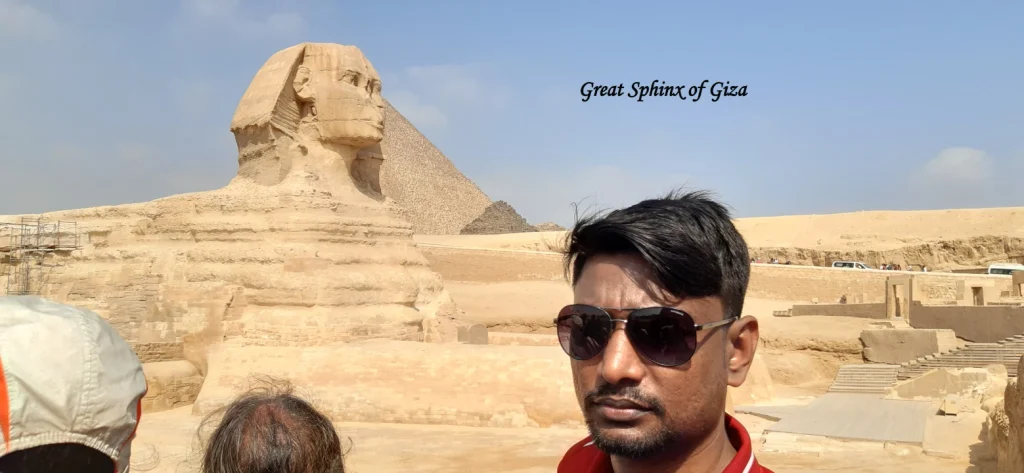
History: The Sphinx has a lion’s body and a human head and is carved from a single outcrop of limestone. It is about 73 metres long and 20 metres high. Most Egyptologists link it to Pharaoh Khafre. Sand buried it for much of history, which helped protect it, and restoration work continues today. Visit early in the morning for the best light and the smallest crowds.
Culture: The lion body symbolised royal strength, and the human face represented the king. In later periods Egyptians worshipped the Sphinx as a form of the sun god, and a stone slab between its paws records a dream in which a young prince was promised the throne if he cleared away the sand. Its Arabic name, Abu al-Hol, means “Father of Terror”.
How to get there: The Sphinx is on the eastern edge of the Giza Plateau, close to the Valley Temple of Khafre. Ask your driver to drop you at the Sphinx entrance, which is usually less crowded than the main pyramid gate. Allow about 30 to 45 minutes for photos and the surrounding temples.
Official links: Ministry of Tourism and Antiquities | Google Maps
4. Grand Egyptian Museum (GEM)
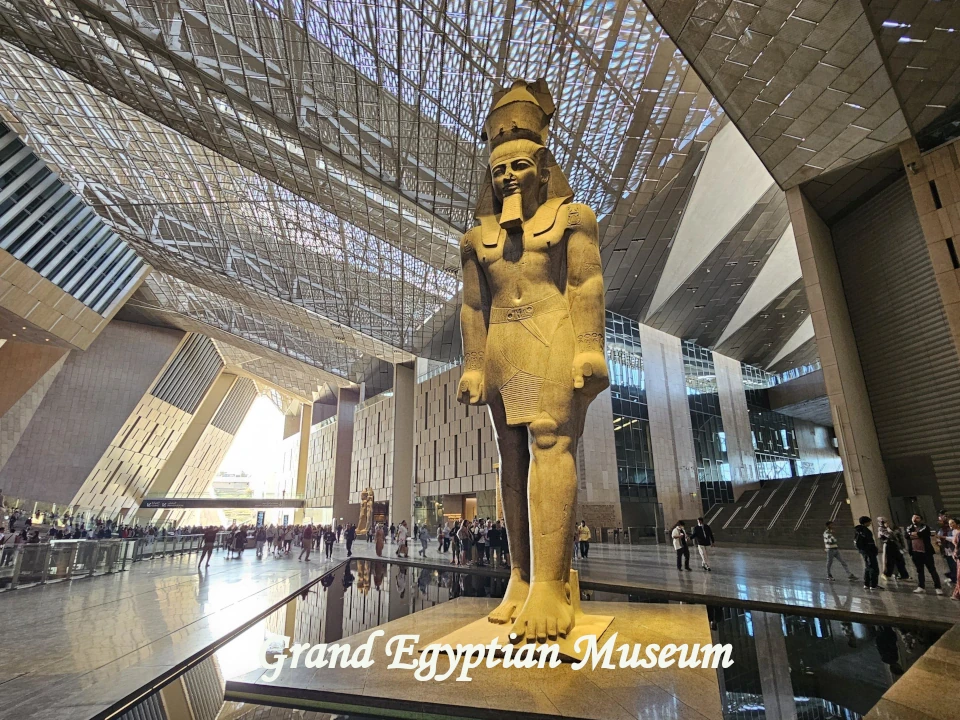
History: The Grand Egyptian Museum sits just a short drive from the pyramids and is the world’s largest archaeological museum devoted to a single civilisation. Its star attraction is the complete Tutankhamun collection, displayed together for the first time. Do not miss the Grand Staircase, lined with statues of kings and gods, or the huge statue of Ramesses II in the atrium. Plan at least 4 hours, and book a timed ticket in advance.
Culture: The museum brings together thousands of objects spanning Egypt’s history, from prehistoric times to the Greco-Roman era. It shows how ordinary Egyptians lived, worshipped and worked, not only how kings were buried. Its design frames views of the pyramids, linking the artefacts to the landscape they came from.
How to get there: The museum is a short ride from the Giza Plateau and about 30 to 60 minutes from central Cairo by car. Uber, Careem and pre-booked private cars are the simplest choices. Many visitors combine the museum and the pyramids on the same day, but a separate day is more relaxed.
Official links: Grand Egyptian Museum – Official Tickets | Google Maps
Book Your Activities Around Cairo
5. Step Pyramid of Djoser, Saqqara
History: Built around 2670 BCE by the architect Imhotep for King Djoser, this is the oldest large stone building in the world. Its six rising steps show how Egyptians moved from flat-topped tombs to true pyramids. The surrounding complex has colonnades, courtyards and a chapel. Nearby Saqqara tombs such as Mereruka and Kagemni have beautiful painted reliefs of daily life, which many tourists miss.
Culture: Saqqara was the burial ground of Memphis, Egypt’s first capital, and was used for thousands of years. Imhotep was so respected that Egyptians later honoured him as a god of medicine and wisdom. The tomb reliefs show farming, fishing, music and family scenes, giving a rare look at everyday ancient life.
How to get there: Saqqara is roughly 30 km south of Giza and takes about 45 to 75 minutes by car. Public transport is limited, so a private driver or a guided tour is the practical choice. Combine it with Memphis and Dahshur for a full-day trip.
Official links: Ministry of Tourism and Antiquities | UNESCO World Heritage listing | Google Maps
6. Bent Pyramid of Dahshur
History: King Sneferu’s Bent Pyramid, built around 2600 BCE, changes its angle halfway up, from a steep slope to a gentler one. Builders probably adjusted the angle to avoid structural problems. It still keeps much of its original limestone casing, which makes it unique. Dahshur is far quieter than Giza, so it is ideal for travellers who want photos without crowds. The nearby Red Pyramid, Egypt’s first true smooth-sided pyramid, can usually be entered.
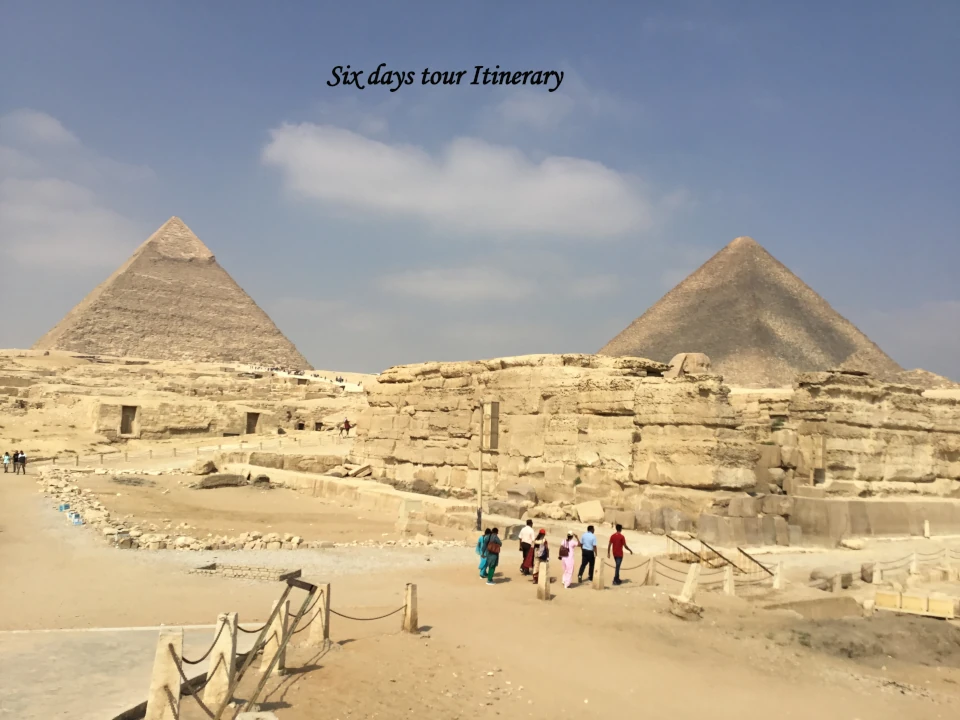
Culture: Sneferu was a great builder who completed several pyramids, and his experiments taught Egyptian engineers the methods later used at Giza. Dahshur shows the trial-and-error side of pyramid building, which makes it a favourite with history and engineering enthusiasts.
How to get there: Dahshur is roughly 40 km south of central Cairo and about one hour by car. There are almost no facilities, so arrange a private driver and carry water and snacks. A half-day trip works well when paired with Saqqara.
Official links: Ministry of Tourism and Antiquities | UNESCO World Heritage listing | Google Maps
Local Transport Summary for the Great Pyramids of Egypt
| Place | Approx. Distance from Central Cairo | Best Way to Reach |
|---|---|---|
| Great Pyramid, Khafre, Menkaure and Sphinx (Giza) | About 15 km (25–45 min) | Uber/Careem, private car, or Metro Line 2 plus taxi |
| Grand Egyptian Museum | About 20 km (30–60 min) | Uber/Careem or private car |
| Step Pyramid, Saqqara | About 30–35 km (45–75 min) | Private driver or guided tour |
| Bent Pyramid, Dahshur | About 40 km (about 1 hour) | Private driver or guided tour |
Transport and booking links: Uber Cairo | Careem | Cairo Metro | Cairo International Airport | Egypt Tourism Authority
Six-Day Itinerary for the Great Pyramids of Egypt
- Day 1 – Arrive in Cairo: Check in, rest, then take an evening walk or dinner along the Nile. Visit Khan el-Khalili bazaar if you have energy.
- Day 2 – Giza Plateau: Reach by 8 AM. Cover the Great Pyramid, Khafre, Menkaure, Panorama Point and the Great Sphinx. Rest in the afternoon.
- Day 3 – Grand Egyptian Museum: Spend a relaxed half to full day with the Tutankhamun galleries. Dinner with a pyramid view if your hotel offers it.
- Day 4 – Saqqara and Memphis: Visit the Step Pyramid, nearby painted tombs and the open-air museum at ancient Memphis.
- Day 5 – Dahshur and Old Cairo: See the Bent and Red Pyramids in the morning. Spend the afternoon at Coptic Cairo and the Citadel of Saladin.
- Day 6 – Buffer and Departure: Revisit a favourite site, shop for souvenirs or visit the Egyptian Museum in Tahrir, then head to the airport.
Book Your Stay in Cairo
Travel Guidelines and Tips
- Best time: October to April has mild weather. Summers are very hot, so start at sunrise if you travel then.
- Visa: Indian passport holders should apply for the Egypt e-visa through the official portal well before departure. Keep a printout.
- Money: The currency is the Egyptian pound (EGP). Carry some cash for tips and small purchases, and confirm card acceptance with your bank.
- Dress: Wear light, modest clothing, a hat, sunglasses and comfortable closed shoes. The sand and stones are uneven.
- Avoid touts: Politely refuse unofficial guides, “free” camel photos and offers from strangers. Agree on any price before you start.
- Time zone: Egypt is roughly 2.5 to 3.5 hours behind India, depending on daylight saving.
Checklist for Families Travelling with Infants
- Passport, e-visa and travel insurance for every family member, including the infant.
- A lightweight baby carrier. Strollers struggle on sand and uneven stones.
- Sun hat, baby sunscreen, a light blanket and a portable shade or umbrella.
- Enough diapers, wipes, formula or feeding supplies, and sterilised bottles for the whole day.
- Bottled water and familiar snacks. Avoid tap water and unfamiliar street food for infants.
- Baby medicines and prescriptions, plus your paediatrician’s contact number.
- A private car with a child seat arranged in advance, and short outdoor visits in the cooler morning hours.
- Skip the pyramid interiors with infants because of heat, narrow passages and limited air.
Types of Tickets and Tour Plans
- Giza Plateau general entry: Covers the outdoor area, with views of all three pyramids and the Sphinx.
- Pyramid interior tickets: Entry inside the Great Pyramid, Khafre or Menkaure is sold separately. Numbers are limited each day.
- Solar Boat Museum: A separate ticket for Khufu’s ancient boat, if open during your visit.
- Grand Egyptian Museum: Timed tickets, with options for general visits and special galleries. Book online ahead.
- Saqqara and Dahshur: Separate site tickets, usually bought at the gate or through the official portal.
- Tour plans: Private half-day or full-day tours with a licensed Egyptologist, small-group tours, and multi-day packages that include hotels, transfers and entry fees.
Foreign visitors pay higher ticket rates than Egyptians, and students with a valid ID may qualify for a discount. Prices change often, so always check the current rates on the official sites listed below.
Local Transport
- Ride-hailing: Uber and Careem work well in Cairo and Giza, with upfront fares that avoid haggling.
- Private driver: Best for families and for day trips to Saqqara and Dahshur, since public transport there is limited.
- Cairo Metro: Cheap and fast within the city. Line 2 reaches Giza, and you can take a taxi from there to the plateau.
- Airport transfers: Arrange a pre-booked pick-up from Cairo International Airport, especially after a late-night arrival.
Book Your Local Transport in Cairo
Food Facilities Inside the Tourist Places
Food options at the Giza Plateau are basic, mostly kiosks and cafés selling water, soft drinks, tea and snacks near the visitor areas and entrances. The Grand Egyptian Museum has several cafés and restaurants, which makes it the easiest stop for a proper meal. Saqqara and Dahshur have very limited facilities, so carry water and snacks. Vegetarian travellers will find dishes such as koshari, falafel (ta’amiya), ful medames, hummus and fresh salads easy to find in Cairo.
Preferred Tour Operators
- Memphis Tours: A long-established Egyptian operator offering private Giza, Saqqara and Dahshur tours, plus multi-day packages. Visit website
- Abercrombie & Kent Egypt: A premium operator for luxury, small-group and private journeys with expert guides. Visit website
Preferred Hotels
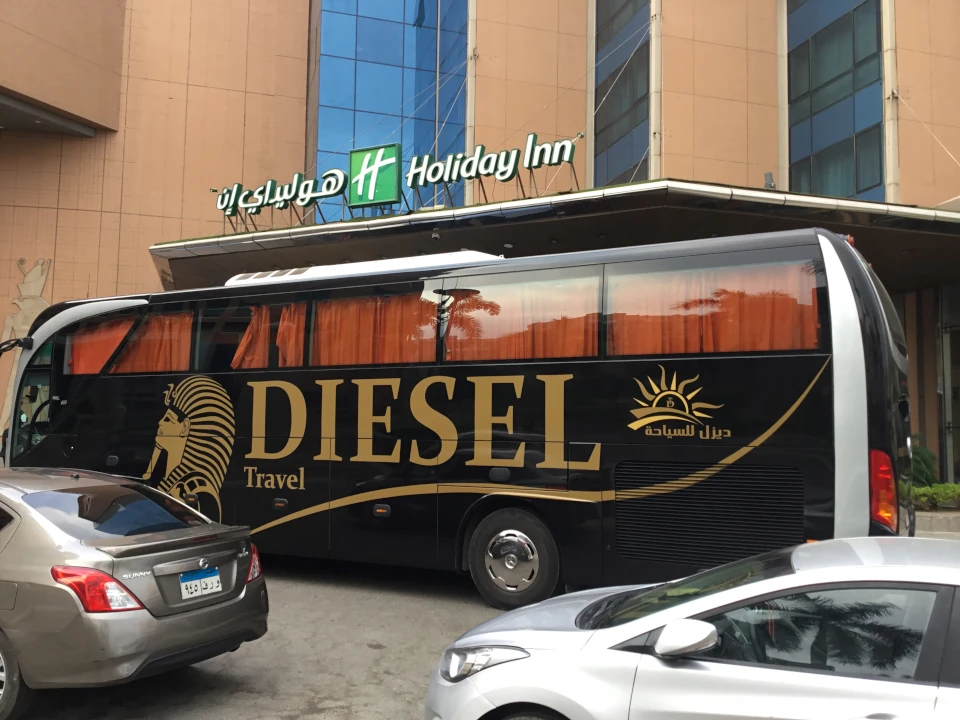
- Marriott Mena House, Cairo: A historic palace-style hotel right beside the pyramids, popular with tourists and for business events. Check on Marriott
- Le Méridien Pyramids Hotel & Spa: A comfortable base near Giza with pyramid views, a spa and meeting facilities. Check on Marriott
Tips for Business Travellers
- Choose the correct visa category and carry an invitation letter or company documents if you are attending meetings.
- Stay in central Cairo or Zamalek for meetings, or near Giza if you want pyramid time between sessions.
- Book airport transfers and a reliable data SIM or eSIM in advance, and keep traffic in mind when scheduling meetings.
- Add a half-day pyramid visit before or after meetings. Many business trips fit this easily.
Official and Authentic Links
- Ministry of Tourism and Antiquities – Egyptian Monuments (sites and ticket information)
- Grand Egyptian Museum – Official Visit and Tickets
- Egypt Official e-Visa Portal
- Egypt Tourism Authority – Official Travel Site
- EGYPTAIR – Flight Booking
- Cairo International Airport
- Embassy of India, Cairo (for Indian travellers and business visitors)
- Invest in Egypt – Official Investment Portal (for business travellers)
Frequently Asked Questions (FAQs)
1. What are the Great Pyramids of Egypt?
They are the three main pyramids at Giza, built for the pharaohs Khufu, Khafre and Menkaure more than 4,500 years ago. The Great Pyramid of Khufu is the largest and the only surviving wonder of the ancient world.
2. What is the best time to visit the Great Pyramids of Egypt?
October to April is best, with comfortable temperatures. Whatever the season, go early in the morning to avoid crowds and heat.
3. Do Indian citizens need a visa for Egypt?
Yes. Indian passport holders generally need a visa and can apply for an e-visa through the official Egyptian portal. Check the latest requirements before you book flights.
4. How many days do I need for the pyramids and nearby sites?
Giza alone takes one day and the Grand Egyptian Museum another half to full day. Adding Saqqara and Dahshur makes a comfortable 5 to 6 day plan.
5. Where should I book tickets?
Use the Ministry of Tourism and Antiquities site for monuments and the official Grand Egyptian Museum website for museum tickets. Avoid buying from street sellers.
6. Is it safe to travel with infants?
Many families do it. Plan short outdoor visits in the morning, use a private car with a child seat, carry plenty of water and supplies, and skip the pyramid interiors.
7. Is vegetarian food easy to find?
Yes. Koshari, falafel, ful medames, hummus, lentil soup and fresh salads are widely available in Cairo. Tell restaurants clearly that you eat no meat, and ask about ingredients such as broth.
8. Can business travellers combine meetings with pyramid sightseeing?
Yes. A half-day private tour to Giza before or after meetings works well. Stay near Giza or central Cairo and arrange a driver to handle traffic.
Ryde travel Other Blogs
History of Petra in Jordan: Full Guide to the Rose City (2026)
Final Thoughts: Is a Trip to the Great Pyramids of Giza Worth It?
Yes. The Great Pyramids of Giza are one of the few places in the world that live up to their reputation. Standing at the base of the Great Pyramid, with the Pyramids of Khafre and Menkaure beside you and the Great Sphinx of Giza nearby, you get a clear sense of the scale, skill and ambition of ancient Egypt. For tourists, families and business travellers alike, a well-planned visit turns a famous landmark into a meaningful experience.
Key Takeaways Before You Go
- Choose the right season: Travel between October and April and reach the Giza Plateau early in the morning for cooler weather and smaller crowds.
- Give Giza enough time: Allow a full day for the pyramids and Sphinx, and add half a day or more for the Grand Egyptian Museum to understand what you have seen.
- Book through official channels: Buy tickets and apply for your e-visa only through government and museum websites to avoid scams and inflated prices.
- Travel with a plan: Use a licensed guide, arrange a private car or a trusted ride-hailing app, carry water and agree on any price before you start.
- Look beyond Giza: If time allows, add Saqqara and Dahshur to see how pyramid building developed and enjoy quieter sites.
Whether you are visiting for a few hours between business meetings or spending several days exploring Cairo with your family, preparation makes the difference. Confirm ticket prices, opening hours and visa requirements on the official websites before you travel, since these details change from time to time.
The Great Pyramids of Giza have stood for more than 4,500 years, and they remain just as impressive today. Plan carefully, travel respectfully and allow yourself time to take it all in. It is a journey you are likely to remember for life.

Leave a Reply