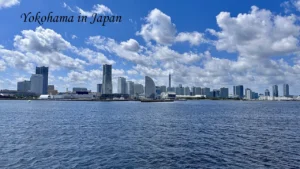
This guide contains affiliate links. We may earn a commission at no extra cost to you — see our Affiliate Disclosure and Affiliate Disclosure Policy for details.
Quick Answer
Quick Take: Places to Visit in Japan – A 7-day Japan itinerary is the perfect way for Indian travellers to experience Japan’s top attractions, combining the modern cityscape of Tokyo, the cultural heritage of Kyoto, the lively atmosphere of Osaka, and iconic landmarks like Mount Fuji, while using the efficient Japan Rail network to save time and enjoy a smooth, budget-friendly journey.
- Key Highlight: Plan your trip during spring (March–April) for cherry blossoms or autumn (October–November) for pleasant weather, and book flights and hotels at least 2–3 months in advance for better prices.
- Key Highlight: Purchase a Japan Rail Pass or use regional rail passes if they suit your route, and carry an IC card (Suica/PASMO) for convenient local transport.
- Key Highlight: Indian travellers should apply for a Japan tourist visa early, keep some Japanese Yen for small purchases, and enjoy authentic Japanese cuisine while exploring temples, shopping districts, and scenic viewpoints.
Table of Contents
A Brief History of Japan’s Most Visited Tourist Places
Understanding the story behind Japan’s landmarks makes the trip far more meaningful than simply ticking off photo stops. Tokyo, once a small fishing village called Edo, became the seat of the Tokugawa shogunate in 1603 and grew into one of the world’s largest cities after being renamed Tokyo in 1868 when Emperor Meiji moved the imperial capital there from Kyoto.
Book your Tour Package around Tokyo
Kyoto itself served as Japan’s capital for over a thousand years (794–1868), which is why it holds the highest concentration of UNESCO World Heritage temples and shrines, including Kinkaku-ji (the Golden Pavilion, originally built in 1397) and the thousands of vermillion torii gates at Fushimi Inari Taisha, a shrine dating back to the 8th century dedicated to the rice deity Inari.
Osaka, historically Japan’s merchant and commerce hub, grew around Osaka Castle, built in 1583 by the legendary unifier Toyotomi Hideyoshi. Hiroshima and Nagasaki carry a more sombre history as the only two cities to have suffered atomic bombings in 1945, and the Hiroshima Peace Memorial Park today stands as a UNESCO-listed monument to peace. Mount Fuji, an active volcano and Japan’s tallest peak at 3,776 metres, has been considered sacred for centuries and remains central to Japanese art, religion and identity. Knowing this backstory turns a simple sightseeing stop into a much richer travel experience.
Japan 7-Day Itinerary: Best Places to Visit in Japan Day by Day
Day 1: Arrival in Tokyo — Shinjuku & Shibuya
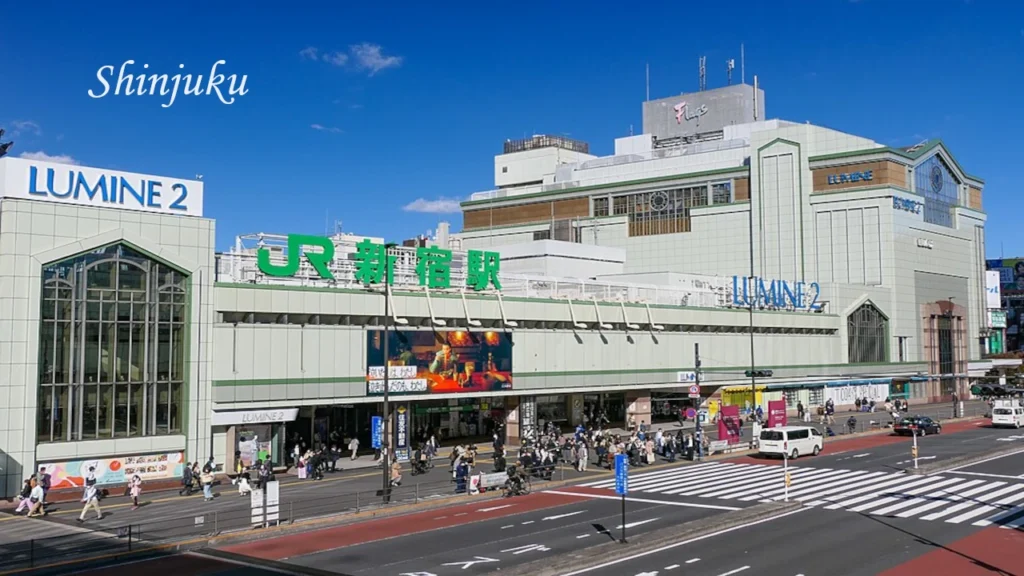
Land at Narita or Haneda, complete immigration (faster if you’ve pre-registered on Visit Japan Web), and check into your hotel. Spend the evening easing into the city at Shinjuku — walk through Kabukicho, ride the elevator up to the free Tokyo Metropolitan Government Building observation deck for skyline views, and end the night at Shibuya Crossing, the world’s busiest pedestrian intersection, followed by a photo with the Hachiko statue.
Day 2: Asakusa, Tokyo Skytree & TeamLab
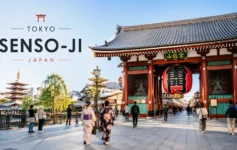
Start early at Senso-ji, Tokyo’s oldest Buddhist temple, and browse the Nakamise shopping street for souvenirs. Head to Tokyo Skytree for panoramic views, then spend the afternoon at TeamLab Planets or TeamLab Borderless, Japan’s famous digital art museums — a genuinely unique experience that photographs beautifully and is a favourite with Indian families and couples alike.
Day 3: Odaiba, Akihabara & Tokyo Disneyland
Explore the man-made island of Odaiba (statue of liberty replica, giant Gundam statue, futuristic malls) or dedicate the whole day to Tokyo Disneyland/DisneySea if travelling with children. Anime and electronics enthusiasts should instead spend the day in Akihabara. Business travellers with a spare afternoon can easily combine a half-day meeting schedule with an evening in Ginza or Marunouchi, both major corporate districts.
Day 4: Mt. Fuji & Hakone Day Trip
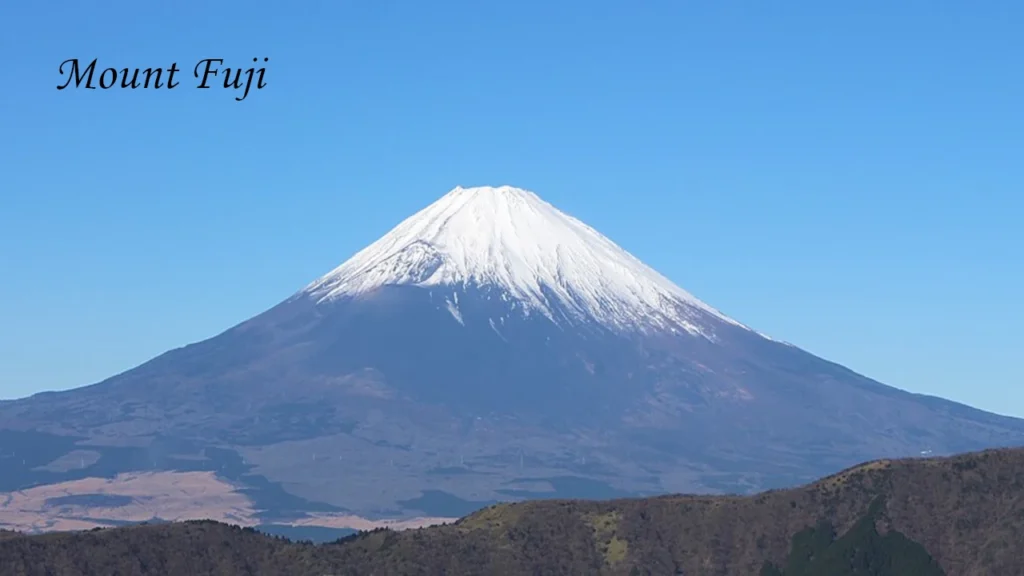
Take a day trip (or overnight stay) to the Hakone/Mt. Fuji region. Ride the Hakone Ropeway over Owakudani volcanic valley, cruise on Lake Ashi with views of Mt. Fuji on a clear day, and if time allows, soak in a traditional onsen (hot spring) — many now offer private baths for guests uncomfortable with communal nude bathing, which is worth booking in advance for Indian travellers.
Day 5: Bullet Train to Kyoto — Fushimi Inari & Arashiyama
Take the Shinkansen (bullet train) from Tokyo to Kyoto, roughly a 2.5-hour ride. Spend the day walking through the thousands of torii gates at Fushimi Inari Taisha, then head to Arashiyama’s iconic Bamboo Grove and the Togetsukyo Bridge. History lovers should also fit in Kinkaku-ji (Golden Pavilion) and Nijo Castle.
Day 6: Kyoto’s Gion District & Nara Day Trip
Wander through Gion, Kyoto’s historic geisha district, and visit Kiyomizu-dera temple for elevated city views. Families travelling with kids should consider a short trip to Nara Park, famous for its free-roaming, bowing deer — one of the most memorable experiences for children on a Japan trip.
Day 7: Osaka — Osaka Castle, Dotonbori & Departure
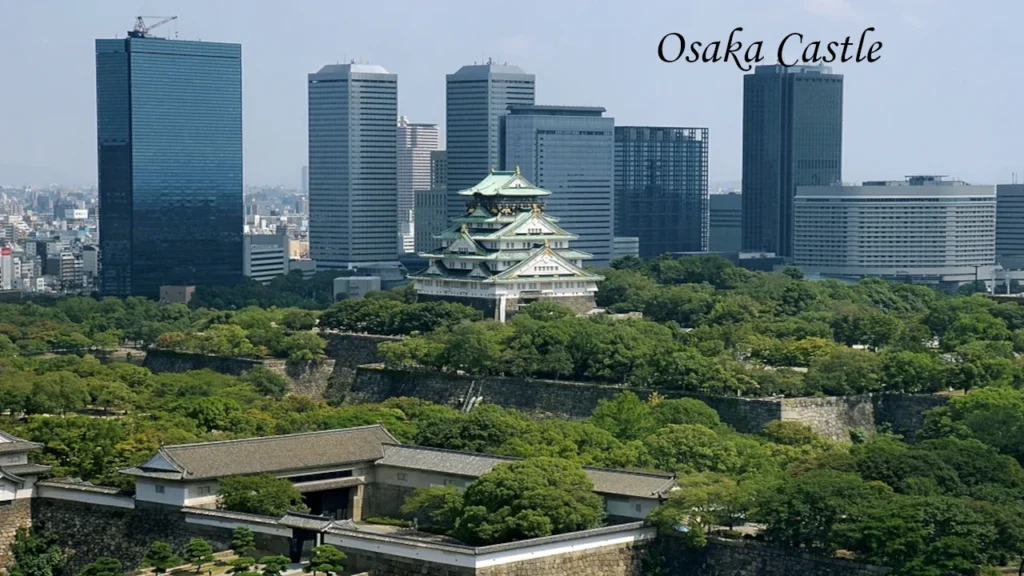
Take a short train to Osaka. Visit Osaka Castle and its surrounding park, then spend the afternoon and evening at Dotonbori, Osaka’s famous food and neon-lit entertainment street, before heading to Kansai International Airport for your return flight. If your trip coincides with the Osaka World Expo period or a seasonal festival, check the official Osaka tourism site for extended hours and events.
Book Your Accommodation in Tokyo
Travel Guidelines & Tips for Indian Travellers Visiting Japan
- Visa is mandatory: Japan does not offer visa-on-arrival for Indian passport holders. Apply for a tourist visa in advance through VFS Global or the JAPAN eVISA system (available to Indian residents since April 2024) — the eVISA lets you skip the VFS visit and apply fully online for stays up to 90 days.
- Carry cash: Japan is far more cash-driven than most people expect, especially outside major cities. Carry Japanese Yen and keep a Suica/Pasmo IC card topped up for daily use.
- Register on Visit Japan Web: This free government portal lets you pre-fill your immigration and customs declarations and generates a QR code, considerably speeding up airport arrival.
- Book the JR Pass only if it pays off: The 7-day nationwide JR Pass costs ¥50,000 through the official website. It’s worth buying only if your itinerary includes several long-distance Shinkansen legs (e.g., Tokyo–Kyoto–Hiroshima–back); for a simple Tokyo–Kyoto–Osaka loop, individual tickets usually work out cheaper.
- Respect local etiquette: Avoid loud phone conversations on trains, don’t eat while walking in crowded areas, remove shoes where indicated, and queue in an orderly line — Japan places a very high value on public courtesy.
- Buy travel insurance: Not mandatory for the visa but strongly recommended, and often required proof for the eVISA application.
- Weather-proof your packing: Cherry blossom season (late March–April) and autumn foliage (October–November) are peak travel windows and also the best times to book hotels and trains early.
Checklist for Families Travelling to Japan with Infants
- Passport and visa documents for the infant, along with a copy of the birth certificate.
- A compact, airline-cabin-approved stroller — Japan’s train stations have elevators, but crowded platforms make a lightweight, foldable stroller far easier to manage.
- Diapers, wipes, and formula for at least the first 1–2 days; Japanese convenience stores (7-Eleven, Lawson, FamilyMart) stock baby essentials but brands may differ from what you’re used to at home.
- A baby carrier/sling for temple visits and crowded areas like Fushimi Inari or Dotonbori, where strollers can be difficult to manoeuvre on stairs.
- Nursing cover or a portable nursing pod — most Japanese department stores and larger train stations have dedicated baby rooms with feeding and diaper-changing areas.
- Basic medicines (fever, cold, motion sickness) since matching Indian brands may not be available; carry a doctor’s prescription copy for any regular medication.
- Pre-book accommodations that confirm crib/cot availability, since not all hotels — especially smaller ryokans — provide one on demand.
- Portable Wi-Fi device or a local SIM, so you can access maps, translation apps, and emergency contacts at all times.
Types of Tickets & Tour Plans for Visiting Places in Japan
Depending on your travel style, you can choose from several ticket and tour formats:
- Nationwide JR Pass: 7, 14, or 21-day unlimited-ride passes covering most JR trains including the Shinkansen (excluding the fastest Nozomi/Mizuho services without a supplement). Best for multi-city, long-distance itineraries.
- Regional Rail Passes: Options like the JR East Pass or the Kansai-Hiroshima Area Pass are cheaper and better value if you’re staying within one region (e.g., only Kansai: Osaka-Kyoto-Nara-Hiroshima).
- Individual point-to-point Shinkansen tickets: Often cheaper than a JR Pass for shorter, simpler routes like a single Tokyo–Kyoto round trip.
- City attraction combo passes: Tokyo Subway Ticket, Osaka Amazing Pass, and Kyoto City Bus passes bundle unlimited local transport with discounted museum and temple entry.
- Guided group tours: Fixed-departure packages from Indian operators that bundle flights, hotels, a tour manager, and daily sightseeing — ideal for first-time travellers, families, and senior citizens who prefer a hassle-free experience.
- Customised/independent tours: Built around your own pace, useful for business travellers extending a work trip or families wanting more flexibility, usually booked through a travel agent or directly via hotel and train reservations.
Local Transport in Japan: Getting Around Easily
Japan’s local transport network is famously punctual and easy to use once you understand the basics. Within cities, the subway and JR local lines (like Tokyo’s Yamanote Line or Osaka’s Loop Line) cover almost every major attraction.
Book Your Local Transport
Load a Suica or Pasmo IC card (available at airport machines and station kiosks, or as a digital card on your smartphone) and simply tap in and out — it works across trains, subways, buses, and even vending machines and convenience stores. For intercity travel, the Shinkansen bullet train connects Tokyo, Kyoto, Osaka, and Hiroshima in a few hours, running at speeds up to 320 km/h. Taxis are reliable but expensive for long distances, and ride-hailing apps like Uber have limited coverage outside Tokyo, so trains and buses remain the most efficient choice for tourists.
2 Trusted Tour Operators for Indian Travellers Visiting Japan
1. Veena World — A Mumbai-based travel company offering escorted group tours to Japan covering Tokyo, Kyoto, Osaka, Hiroshima, and cherry blossom season specials. Packages typically include return flights, hotel stays, a dedicated tour manager, and curated sightseeing such as the Arashiyama Bamboo Grove, Fushimi Inari Shrine, and a bullet train experience — well suited to families and first-time international travellers who prefer a fully organised itinerary.
2. SOTC Travel — One of India’s largest and longest-running holiday brands, offering multi-city Japan packages covering Tokyo, Kyoto, Osaka and Hokkaido, with fixed departures, English/Hindi-speaking tour managers, and add-ons for newer attractions like TeamLab Borderless and Ghibli Park. A solid option for couples, honeymooners, and travellers who want an all-inclusive, no-surprises holiday.
Other well-known Indian operators serving the Japan route include Thomas Cook India and Kesari Tours — always cross-check current itineraries, inclusions, and cancellation policies directly with the operator before booking, and verify their Ministry of Tourism/IATA credentials.
2 Preferred Hotels for Accommodation in Japan
1. Hotel Gracery Shinjuku (Tokyo) — Instantly recognisable for the giant Godzilla head on its terrace, this hotel sits directly above Shinjuku’s entertainment district and is a short walk from Shinjuku Station, one of the busiest and best-connected transit hubs in Tokyo. It’s a convenient base for sightseeing, shopping, and business travellers attending meetings in the Shinjuku/Shibuya corporate belt, with easy access to both Narita Express and Haneda Airport limousine buses.
2. Hotel Okura Kyoto — A classic, comfortable 5-star hotel connected directly to Kyotoshiyakusho-mae subway station, putting Pontocho, Gion, and the Shijo/Karasuma shopping districts within easy walking or short subway distance. Known for spacious rooms, an excellent breakfast buffet with river views, and a calm, elegant atmosphere that suits families, couples, and business travellers alike.
Budget travellers can also consider reliable Japanese chains like APA Hotel or Toyoko Inn, both known for clean, compact, well-located rooms near major train stations across the country.
Food Facilities Inside Tourist Places (Including Vegetarian & Jain Options)
Most major tourist sites in Japan — train stations, temple complexes, theme parks, and shopping streets — have food courts, convenience stores, or nearby restaurants offering everything from quick bento boxes to multi-course kaiseki meals. For Indian vegetarian and Jain travellers, food can require a little extra planning since many Japanese dishes use dashi (fish stock) even in vegetable dishes, but the following options work well:
- Shojin ryori: Traditional Buddhist vegetarian cuisine served at many Kyoto temples (such as Tenryuji) and at Mount Koya’s temple lodgings — a genuinely authentic vegetarian experience.
- CoCo Ichibanya: A nationwide Japanese curry chain with a vegetable curry option, widely available even in smaller cities, and one of the easiest vegetarian meals to find on the go.
- Indian restaurants: Areas like Shibuya, Shinjuku, and near major hotels often have Indian restaurants serving familiar food — useful for days when you want a break from exploring new cuisine.
- Convenience store staples: 7-Eleven, Lawson, and FamilyMart stock onigiri, salads, and snacks — always check labels or ask staff, since many items contain fish-based stock or bonito flakes.
- Vegetarian/vegan-specific apps: Apps like HappyCow help locate genuinely vegetarian and vegan restaurants in Tokyo, Kyoto, and Osaka in advance, which is far more reliable than hoping for options on the spot.
Book Your Flight Ticket
Frequently Asked Questions (FAQs)
1. Is 7 days enough to visit Japan from India?
Yes, 7 days is enough for a well-paced first trip covering Tokyo, a Mt. Fuji/Hakone day trip, Kyoto, and Osaka. It won’t leave time for far-flung regions like Hokkaido or Okinawa, but it comfortably covers Japan’s most iconic places to visit.
2. Do Indian citizens need a visa to visit Japan?
Yes. Japan does not offer visa-on-arrival for Indian passport holders. You need to apply in advance either through the JAPAN eVISA system (available for eligible tourism applicants since April 2024) or the traditional route via VFS Global.
3. Is the JR Pass worth buying for a 7-day Japan trip?
It depends on your route. The 7-day pass costs ¥50,000 through the official site. It generally pays off only if your itinerary includes several long-distance Shinkansen rides (like Tokyo–Kyoto–Hiroshima and back); for a simple Tokyo-Kyoto-Osaka loop, individual tickets are usually cheaper.
4. What is the best time of year to visit Japan?
Late March to early May (cherry blossom season) and October to November (autumn foliage) are considered the best times to visit, though both are peak seasons — book flights, hotels, and trains well in advance.
5. Is Japan safe for solo female travellers and families?
Japan is widely regarded as one of the safest countries in the world for tourists, including solo travellers and families with young children, due to its low crime rate and highly organised public infrastructure. Standard travel precautions still apply, as with any international trip.
6. Can vegetarian and Jain travellers find food easily in Japan?
It requires some planning since dashi (fish stock) is common even in vegetable dishes, but options like shojin ryori at Kyoto temples, CoCo Ichibanya’s vegetable curry, and dedicated vegetarian/vegan restaurants (searchable via apps like HappyCow) make it manageable, especially in Tokyo, Kyoto, and Osaka.
7. What should business travellers know before a work trip to Japan?
Business travellers need a visa (business or short-term visa category), should carry an invitation letter from the Japanese company/organisation, and should factor in Japan’s strong emphasis on punctuality and formal business etiquette, such as exchanging business cards (meishi) with both hands.
8. What documents are required at Japanese immigration on arrival?
You’ll need a valid passport (with at least 6 months validity), your visa or eVISA approval notice, a return flight ticket, and proof of accommodation. Pre-registering on the official Visit Japan Web portal generates a QR code that speeds up the immigration and customs process considerably.
Official & Authentic Government/Travel Resources
Always cross-check visa, entry, and safety details directly from official sources before booking or travelling:
- Japan National Tourism Organization (JNTO) – India Site
- Embassy of Japan in India – Visa Information
- VFS Global – Japan Visa Application (India)
- Ministry of Foreign Affairs of Japan – Visa Portal
- Visit Japan Web – Official Immigration & Customs Pre-Registration
- Japan Rail Pass – Official Site
- Ministry of External Affairs, India – Travel Advisories
Japan rewards travellers who plan ahead — sort your visa early, book your JR Pass only if the math works out for your route, and keep a flexible day or two for the unexpected temple, snack stop, or shopping street that wasn’t on the original list. Safe travels!
Visit our related blogs on Japan Tours and Travel:
Explore Japanese Foods: Traditional & Modern Guide 2026



1 Comment