This guide contains affiliate links. We may earn a commission at no extra cost to you — see our Affiliate Disclosure and Affiliate Disclosure Policy for details.
⚡ Quick Take: A 7-day Japan itinerary comfortably covers Tokyo, Hakone, Kyoto, Osaka, and Hiroshima using the bullet train network, costing roughly ¥117,000–305,000 depending on travel style.
🎯 Key Highlights:
- Transport Essential: Buy the 7-day Japan Rail Pass (~¥50,000) before departure — it must be purchased outside Japan and covers all Shinkansen journeys on this route.
- Best Time to Visit: Cherry blossom season (late March–mid April) or autumn foliage (mid-November) offer the most spectacular scenery; avoid Golden Week (late April–early May) for crowds.
- Insider Tip: Visit popular spots like Fushimi Inari and Arashiyama Bamboo Grove before 9 AM to experience them nearly empty of tour groups.
7 Days Tour in Japan – Tour in Japan stopped me in my tracks the moment I landed at Narita. The neon signs, the bowing station staff, the vending machines selling hot coffee at midnight — none of it felt like anything I had experienced before. If you plan a one-week trip to Japan, you are about to discover a country that somehow makes ancient temples and robot restaurants feel completely natural side by side.
This guide walks you through a practical, day-by-day Japan itinerary built for leisure travellers. You will find real transport tips, honest cost estimates, language basics, and links to official sources so you can book and plan with confidence.
Table of Contents
7 Days Tour in Japan: Why Japan Deserves a Full Week of Your Time
A week gives you just enough time to feel Japan without rushing it. You can spend two full days exploring Tokyo, ride the Shinkansen bullet train across to Kyoto, eat your way through Osaka’s street food lanes, and still catch the quiet beauty of Hiroshima and Miyajima before your flight home. The country’s rail network makes all of this surprisingly easy, even for first-time visitors.
Day 1 & 2 — Tokyo: Where Tradition Shocks You and Neon Soothes You
Start your Tour in Japan at Tokyo, the city that truly does have everything. On Day 1, head straight to Asakusa and walk the stone-paved Nakamise shopping street up to Senso-ji, Tokyo’s oldest temple. Arrive before 8 AM if you can — the lanterns glow, the incense drifts, and almost nobody is there yet.
After Asakusa, cross the river to Akihabara for an afternoon of electronics shops and gaming arcades, then end Day 1 at the famous Shibuya Crossing at rush hour. Watching 3,000 people cross from six directions at once is one of those moments you cannot capture properly in a photo.
On Day 2, take the train to Harajuku and walk Takeshita Street before the fashion crowds arrive. Spend the rest of the morning in Meiji Jingu Shrine — a forested sanctuary that feels like a different world despite sitting minutes from Harajuku’s chaos. Finish the day in Shinjuku, where the evening bar scene around Golden Gai packs more personality per square metre than almost anywhere on earth.
Tokyo Practical Tips
- Buy a Pasmo or Suica IC card at the airport. You tap it on every train and bus in Tokyo without buying tickets each time.
- Most convenience stores (7-Eleven, FamilyMart, Lawson) have ATMs that accept foreign cards. Use them.
- Google Maps works perfectly for Tokyo transit directions. Download an offline map before you land.
Day 3 — Mount Fuji and Hakone: Japan Most Iconic View

Wake up early on Day 3 and take a direct Romancecar train from Shinjuku to Hakone. The Hakone Free Pass covers your journey on ropeway cars, lake cruise boats, and mountain trains all in one — it is genuinely the smartest way to see the area without stress.
Clear mornings give you a perfect reflection of Mount Fuji on Lake Ashi. Ride the ropeway over the steaming volcanic vents at Owakudani and breathe in the sulphur air (it smells strange and spectacular). Eat a black egg — cooked in the volcanic hot springs and sold at the summit — because it’s said to add seven years to your life and because it tastes genuinely good.
Stay overnight in Hakone at a ryokan (traditional inn) if your budget allows. An evening soak in an onsen hot spring, followed by a kaiseki multi-course dinner, belongs on every Japan itinerary.
Day 4 — Kyoto Japan: The City That Keeps Surprising You
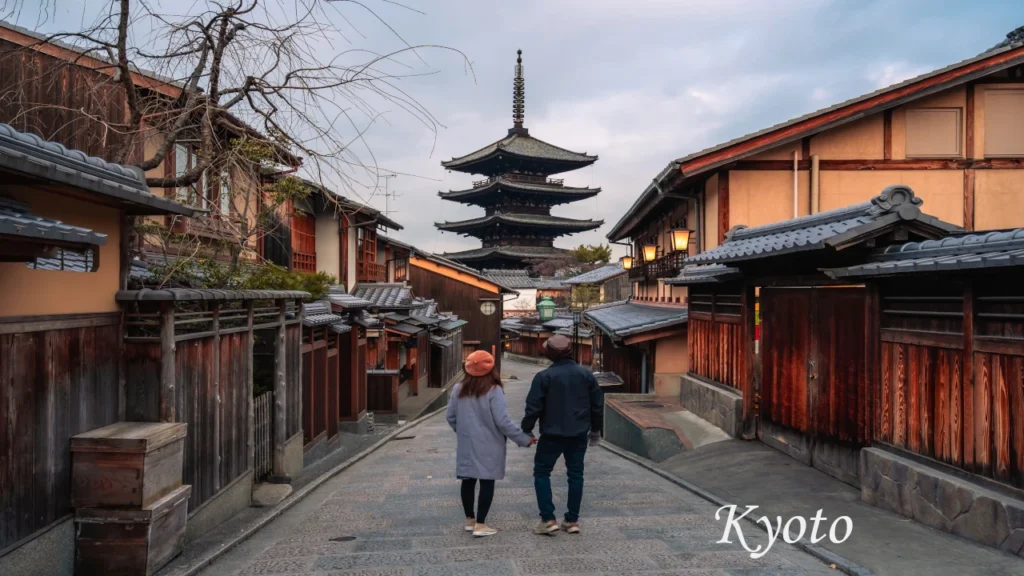
Board the Shinkansen from Odawara and arrive in Kyoto mid-morning. Kyoto holds over 1,600 Buddhist temples and 400 Shinto shrines, so you need to choose carefully rather than try to see everything.
Spend the morning at Fushimi Inari Taisha, the shrine famous for its thousands of vermilion torii gates winding up a forested mountain. Walk at least 30 minutes past the main crowds and you will find yourself almost alone among the gates, which is when the place becomes truly magical. Check the official Fushimi Inari site for opening times — the shrine itself never closes, but go before 9 AM or after 4 PM to avoid tour groups.
In the afternoon, walk through Gion, Kyoto’s famous geisha district. The narrow lanes of Hanamikoji Street look exactly like old woodblock prints. If you spot a geiko or maiko, admire from a distance and do not reach out to touch or photograph them without permission.
End the day at Kinkaku-ji, the Golden Pavilion. Yes, it is crowded. Yes, it is still worth it — especially in late afternoon light.
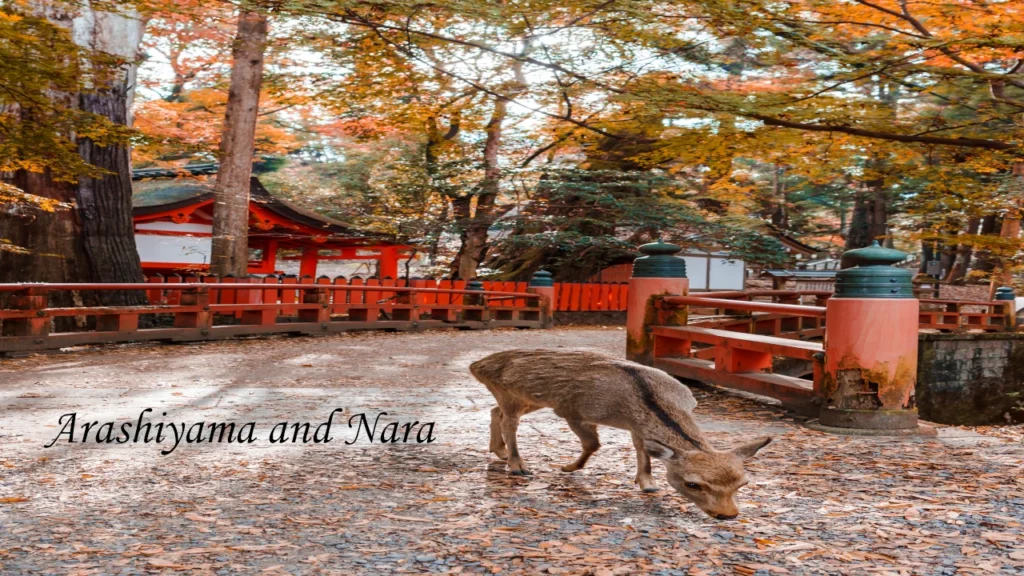
Day 5 — Arashiyama and Nara: Bamboo Groves and Friendly Deer
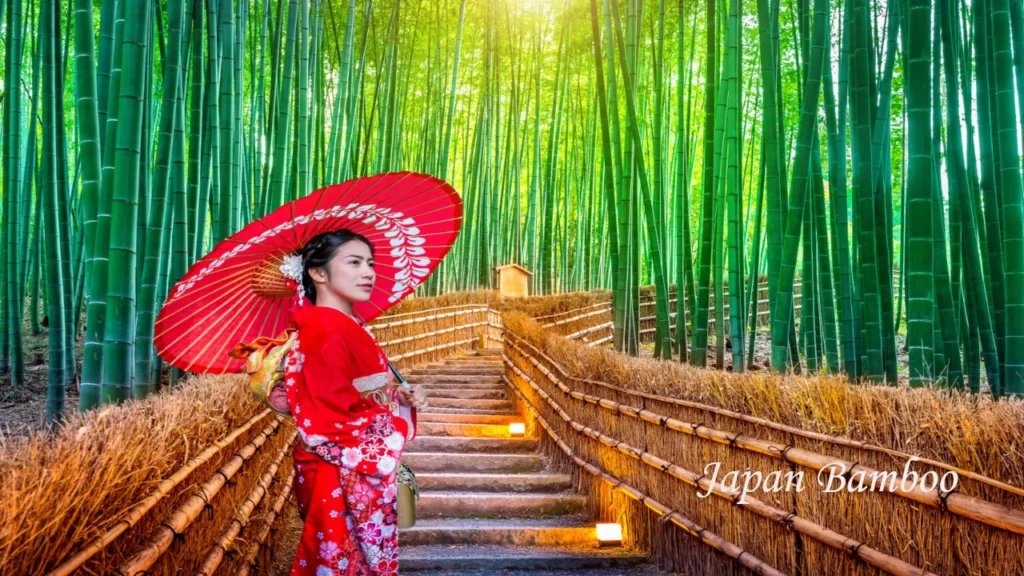
Start Day 5 at dawn at the Arashiyama Bamboo Grove. Most Japan photos you have seen show this grove flooded with tourists — but at 6:30 AM, you will walk through towering bamboo with only a handful of other early risers. The sound of the wind in the stalks is something you carry home with you.
After Arashiyama, take the train to Nara for the afternoon. Around 1,200 sika deer roam freely through Nara Park, and they have learned that humans sometimes carry deer crackers sold by vendors at the park entrance. The deer bow their heads when they want a cracker — a behaviour they genuinely learned from watching people bow in greeting. Visit Todai-ji Temple, which houses Japan’s largest bronze Buddha statue inside the world’s largest wooden building.
Day 6 — Osaka: Japan’s Food Capital and Friendliest City
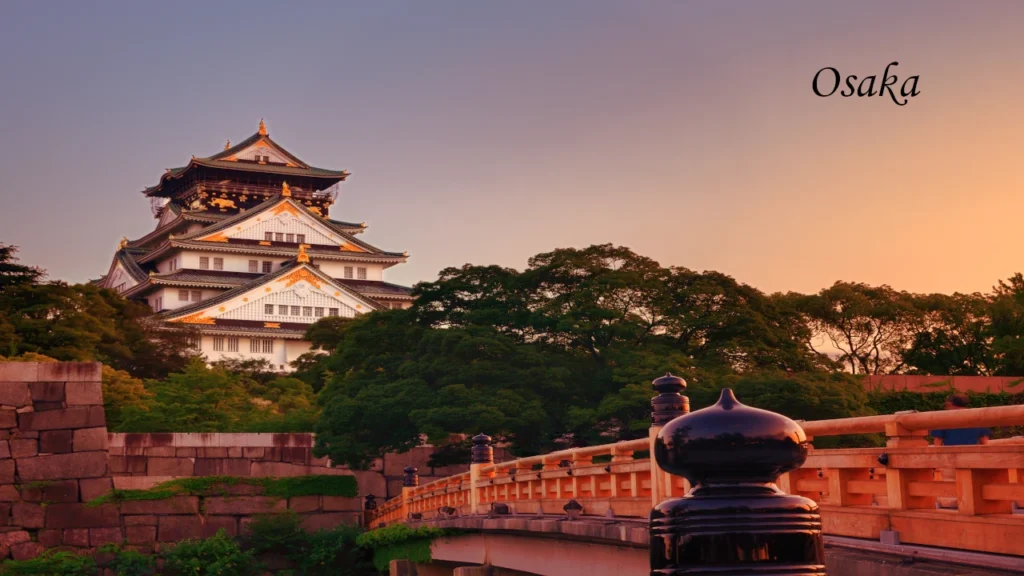
Osaka runs on a different energy to Tokyo and Kyoto. People here speak louder, laugh more easily, and take genuine pride in their food. The local saying is kuidaore — “eat until you drop” — and the city takes it seriously.
Walk through Dotonbori and eat your way along the canal: takoyaki (octopus dumplings), okonomiyaki (savoury pancakes), and fresh crab at the bright red stalls along the waterfront. Then visit Osaka Castle and its surrounding park — the castle museum inside tells the story of Toyotomi Hideyoshi’s rise to power in vivid detail.
If you want shopping, the underground Shinsaibashi arcade stretches for nearly 600 metres and covers everything from 100-yen drugstores to Japanese streetwear brands. Spend the evening back in Dotonbori watching the neon reflect off the canal.
Day 7 — Hiroshima and Miyajima: A Day That Stays With You
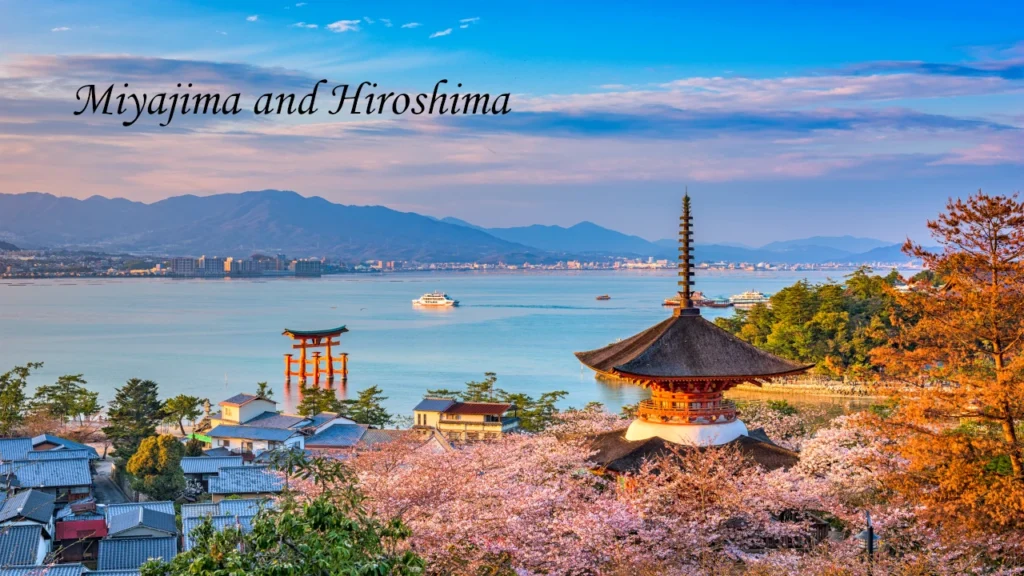
Take an early Shinkansen from Osaka to Hiroshima. The city you arrive in today is modern, lively, and deeply optimistic — which makes the Peace Memorial Park and Museum all the more affecting. The museum does not shelter you from what happened on 6 August 1945. It asks you to understand it clearly, and most visitors leave changed by that experience. Allow two hours minimum.
After the museum, take a ferry to Miyajima Island to see the famous floating torii gate of Itsukushima Shrine. At high tide, the gate appears to float on the Seto Inland Sea. At low tide, you can walk right up to it. Check tide times before you go — Japan Meteorological Agency publishes accurate predictions. Deer also wander Miyajima freely, which gives the island a gentle, dreamlike quality.
Getting Around Japan: Transport Made Simple
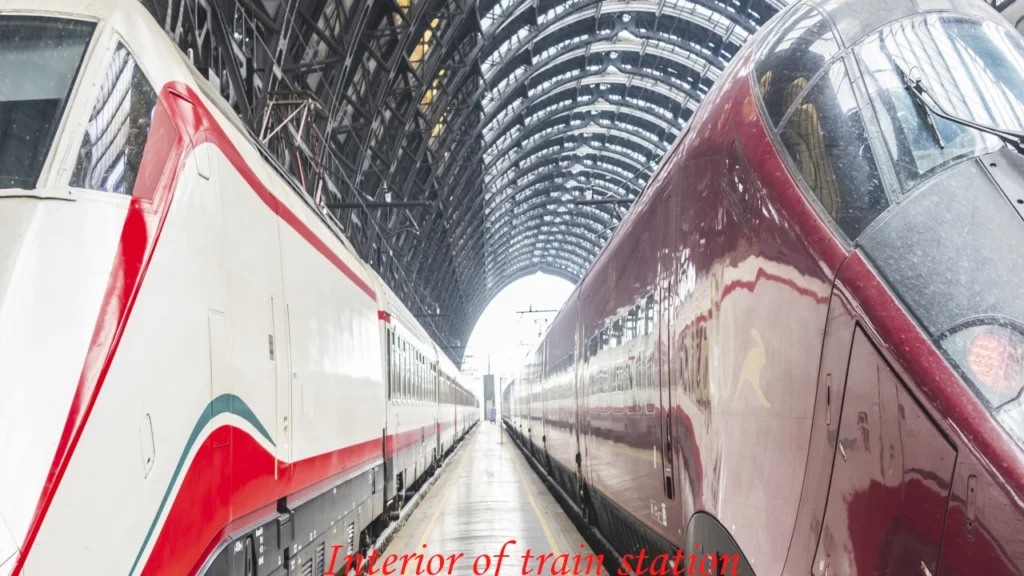
Japan’s public transport system is the best in the world. Trains arrive on time to the minute, every platform sign includes English, and the network connects every city on this itinerary with ease.
Buy a Japan Rail Pass before you leave home — you cannot purchase it inside Japan. A 7-day pass covers all Shinkansen journeys between Tokyo, Hakone, Kyoto, Osaka, and Hiroshima, making it far cheaper than buying individual tickets. Use your IC card (Suica or Pasmo) for local metro and bus journeys within each city.
Taxis exist but run expensive — save them for late nights when trains have stopped. Ride-hailing apps like Uber operate in Japan but work differently to other countries; stick to trains and you will never be stuck.
Estimated Travel Costs for One Week in Japan
Japan suits a wide range of budgets. Here is a realistic breakdown for a solo traveller based on 2025 prices. All amounts are in Japanese Yen (JPY).
| Expense | Budget Traveller (JPY) | Mid-Range Traveller (JPY) |
|---|---|---|
| Accommodation (7 nights) | 35,000 – 56,000 | 70,000 – 140,000 |
| Food and Dining | 14,000 – 21,000 | 25,000 – 45,000 |
| Japan Rail Pass (7-day) | 50,000 | 50,000 |
| Local Transport (IC card) | 8,000 – 12,000 | 10,000 – 18,000 |
| Attractions and Entry Fees | 5,000 – 10,000 | 12,000 – 22,000 |
| Miscellaneous and Souvenirs | 5,000 – 10,000 | 15,000 – 30,000 |
| Total Estimate | 117,000 – 159,000 | 182,000 – 305,000 |
Budget travellers stay in hostels and capsule hotels, eat at convenience stores and ramen shops, and still eat incredibly well. Mid-range travellers get business hotels, sit-down restaurant meals, and a ryokan night or two. Check Japan Guide’s cost breakdown page for current, detailed estimates across all spending levels.
Language Tips That Actually Help You
Japanese is the language of daily life, but you will find English menus, English station signs, and English-speaking hotel staff in every major tourist city. You can absolutely navigate Japan with zero Japanese. That said, learning a handful of phrases transforms the experience.
- Sumimasen (sue-mee-mah-sen) — Excuse me / Sorry. Use this to get a waiter’s attention or to apologise for bumping into someone.
- Arigatou gozaimasu (ah-ree-gah-toh go-zai-mas) — Thank you very much. Say it often.
- Kore o kudasai (ko-reh oh ku-dah-sai) — This one, please. Point at a menu item and say this.
- Eigo ga hanasemasu ka? — Do you speak English? A little effort in Japanese earns a huge amount of goodwill.
Download Google Translate with the Japanese language pack for offline use. The camera translation feature reads menus and signs in real time — it is genuinely life-changing in restaurants with no English menu.
Practical Travel Tips for Japan First-Timers
- Carry cash. Many smaller restaurants, shrines, and rural shops do not accept cards. Withdraw from 7-Eleven or Japan Post ATMs, which reliably accept foreign cards.
- Follow the queue. Japanese people queue in straight, orderly lines for everything — trains, escalators, taxis. Join the back and wait your turn.
- Remove shoes when asked. Most ryokans, traditional restaurants with tatami seating, and some temples ask you to remove your shoes at the entrance. Wear socks.
- Keep your rubbish with you. Japan has almost no public bins, yet the streets stay spotlessly clean. Carry a small bag for your rubbish until you reach a convenience store bin.
- Get travel insurance. Medical care in Japan is world-class but expensive without coverage. Check your policy covers emergency evacuation.
- Check visa requirements early. Many nationalities get 90 days visa-free, but verify through the Japanese Ministry of Foreign Affairs before you book flights.
Best Time to Visit Japan
Japan rewards visitors in every season, but two periods stand out. Cherry blossom season (late March to mid-April) transforms every park, riverbank, and temple garden into a pink and white spectacle. Prices rise and crowds gather, but it is genuinely worth it. Autumn foliage season (mid-November) turns Kyoto’s temple gardens into a sea of red, orange, and gold — equally beautiful with slightly fewer tourists than spring.
Avoid Golden Week (late April to early May) if crowds and higher hotel rates bother you — this is Japan’s biggest domestic holiday period and popular sites get extremely busy. Check exact dates and seasonal forecasts through the Japan National Tourism Organization.
Frequently Asked Questions About Visiting Japan
1. Is one week enough time to see Japan?
One week covers the highlights of central Japan very comfortably. You can see Tokyo, Hakone, Kyoto, Osaka, and Hiroshima without feeling rushed if you plan transport in advance. Japan is also a country many visitors return to repeatedly — each trip reveals different layers. Think of your first week as an introduction, not a completion.
2. Is Japan safe for solo travellers?
Japan consistently ranks among the safest countries in the world for tourists, including solo women travellers. Violent crime rates are extremely low, locals actively help lost tourists even without a shared language, and the train system runs so reliably that missing a connection is a minor inconvenience rather than a crisis. The Japan Safety Information page from the Ministry of Foreign Affairs provides up-to-date advisories.
3. Do I need to speak Japanese to travel around Japan?
You do not need Japanese to navigate Japan’s major cities. Signs in train stations include English and romaji (Japanese written in Latin letters), hotel staff in tourist areas speak conversational English, and most popular restaurants offer picture menus or English translations. Learning a few polite phrases genuinely improves the experience, but the country goes out of its way to make international visitors feel welcome even without language skills.
4. What is the Japan Rail Pass and should I buy one?
The Japan Rail Pass gives unlimited travel on most JR trains, including Shinkansen bullet trains, for a fixed number of days. A 7-day pass costs around 50,000 JPY. If your itinerary includes a return Tokyo–Kyoto Shinkansen journey (which costs around 28,000 JPY alone), the pass pays for itself almost immediately. Buy it before you travel — authorised sellers outside Japan issue an exchange order that you activate at the airport.
5. What should I pack for Japan?
Pack light — you can buy almost anything you forget in Japan’s convenience stores, pharmacies, and 100-yen shops at lower prices than back home. Bring comfortable walking shoes because you will easily cover 15,000–20,000 steps a day. Pack a small daypack for shrine visits and hiking. A pocket WiFi device or local SIM card keeps you connected throughout; you can pre-book rental WiFi through services like Global Advanced Communications for airport pickup.






Leave a Reply