
This guide contains affiliate links. We may earn a commission at no extra cost to you — see our Affiliate Disclosure and Affiliate Disclosure Policy for details.
⚡ Quick Take: Asia’s seven best hill stations — from Shimla’s colonial charm to Hakone’s Mount Fuji views — offer cool mountain escapes for every traveler type, each with a distinct best season and altitude.
🎯 Key Highlights:
- Best by Traveler: Hakone, Japan suits first-timers with seamless transport and English signage; Sapa, Vietnam offers Asia’s best trekking through rice terraces and ethnic villages.
- Family & Budget Picks: Genting Highlands, Malaysia wins for families with its theme park, while Sapa and Baguio offer the most budget-friendly stays and activities.
- Insider Tip: Mountain weather shifts fast — pack a waterproof jacket and thermal layer even for “warm” destinations, and book accommodation early for peak-season spots like Shimla and Hakone.
If you have ever dreamed of waking up to misty mountains, breathing in cool pine-scented air, and watching the world slow down from a hilltop café — Asia’s hill stations will steal your heart. These elevated retreats have welcomed tired city dwellers, adventurous backpackers, and nature-hungry families for generations. Each destination carries its own personality: some feel like a slice of old colonial England, others pulse with ethnic culture and terraced farmland stretching to the horizon.
We handpicked seven of the most breathtaking hill stations across Asia. Whether you plan a solo escape, a family holiday, or a romantic getaway, this guide gives you everything you need to start planning today.
Table of Contents
Jump to a destination:
1. Shimla, India |
2. Nuwara Eliya, Sri Lanka |
3. Sapa, Vietnam |
4. Baguio, Philippines |
5. Genting Highlands, Malaysia |
6. Dalhousie, India |
7. Hakone, Japan
1. Shimla, India — The Queen of Hill Stations
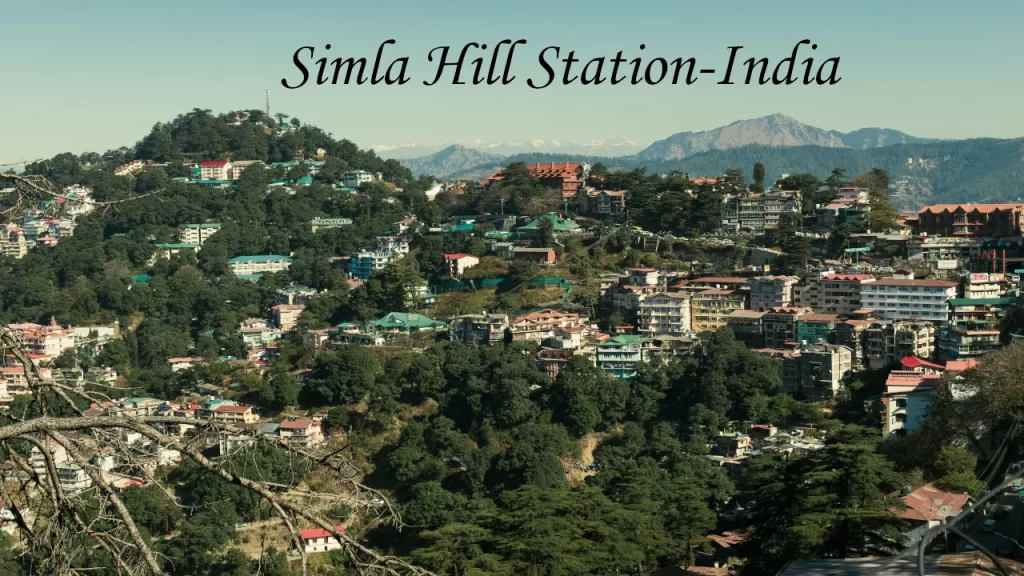
Shimla earns its royal nickname every single day. Perched at 2,206 metres in the Himalayan foothills of Himachal Pradesh, this former summer capital of British India wraps visitors in an atmosphere that feels equal parts history, adventure, and nostalgia. Colonial-era buildings line the famous Mall Road, where you can stroll, shop local handicrafts, and sip chai while Himalayan peaks loom in the distance.
The town rewards curious walkers. Climb above the busy thoroughfares and you discover quiet forest trails, ancient temples like Jakhu Temple (dedicated to Lord Hanuman and home to a troop of surprisingly bold monkeys), and viewpoints that open up jaw-dropping panoramas of snow-capped ridges. The Toy Train — officially the Kalka-Shimla Railway — is a UNESCO World Heritage route that winds through 102 tunnels and 864 bridges. Riding it is not simply transport; it is theatre.
Summer (March–June) draws the biggest crowds seeking refuge from the plains’ searing heat. Winters (December–February) blanket Shimla in snow and transform it into a fairy-tale scene that delights first-time snow visitors and seasoned travellers alike.
- Best time to visit: March to June (summer escape) | December to February (snow)
- Nearest airport: Chandigarh International Airport (~120 km)
- Nearest railway station: Kalka Railway Station (then Toy Train to Shimla)
- Must do: Ride the UNESCO Kalka-Shimla Toy Train, visit Jakhu Temple, walk the Ridge
- Average temperature: 15–25°C (summer), −1–10°C (winter)
🔗 Official resource: Himachal Pradesh Tourism Development Corporation (HPTDC)
🔗 Toy Train info: IRCTC – Indian Railway Booking
🔗 UNESCO Heritage listing: UNESCO – Mountain Railways of India
“Shimla does not just show you the mountains — it makes you feel like you belong to them.”
2. Nuwara Eliya, Sri Lanka — Little England of the East
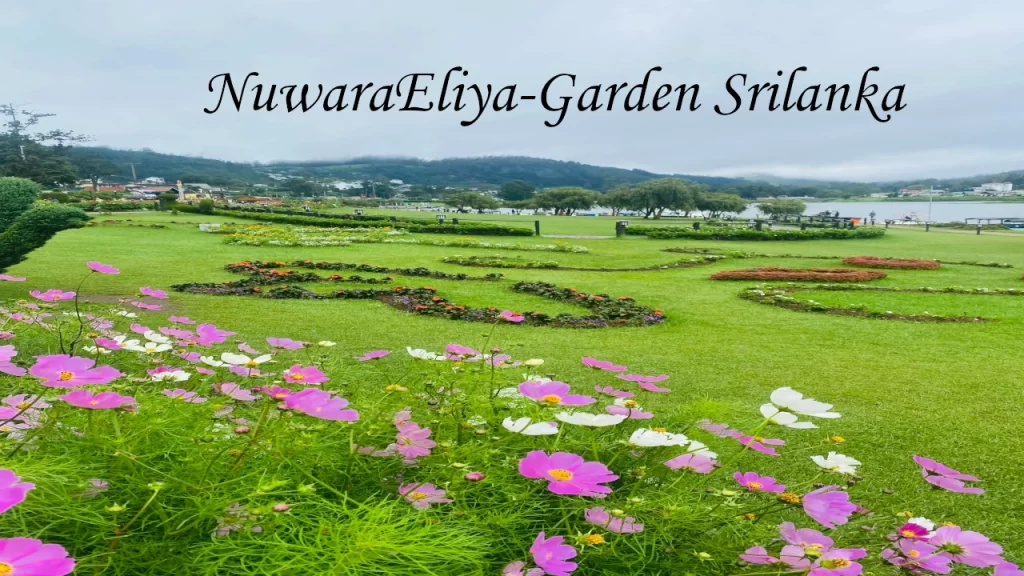
Locals call Nuwara Eliya “Little England” and once you arrive, you completely understand why. Sitting at 1,868 metres above sea level in the heart of Sri Lanka’s Central Highlands, this town surprises visitors with its manicured hedgerows, Georgian-style bungalows, a proper golf course, and air crisp enough to make a London morning feel tropical by comparison. The British planters who built the region’s famous tea industry in the 19th century clearly brought a piece of home with them.
But the real magic of Nuwara Eliya lives in its tea plantations. Rolling hills draped in precise rows of tea bushes stretch in every direction, turning the landscape into a living watercolour painting. Visit a working tea estate — Pedro Tea Estate and Mackwoods Labookellie both welcome visitors — watch the entire process from leaf to cup, and taste some of the world’s finest high-grown Ceylon tea right at the source.
The scenic train journey from Kandy to Ella passes directly through Nuwara Eliya’s highlands and regularly tops travellers’ lists as one of the most beautiful train rides on Earth. Book your ticket early — this one fills up fast.
- Best time to visit: January to April
- Nearest airport: Bandaranaike International Airport, Colombo (~180 km)
- Nearest railway station: Nanu Oya Railway Station (7 km from town)
- Must do: Tea estate tour, Horton Plains National Park, Gregory Lake boating
- Average temperature: 10–20°C year-round
🔗 Official tourism resource: Sri Lanka Tourism Promotion Bureau
🔗 Train booking: Sri Lanka Railways Department
🔗 Horton Plains National Park: Sri Lanka Department of Wildlife Conservation
3. Sapa, Vietnam — Where Mountains Meet Culture
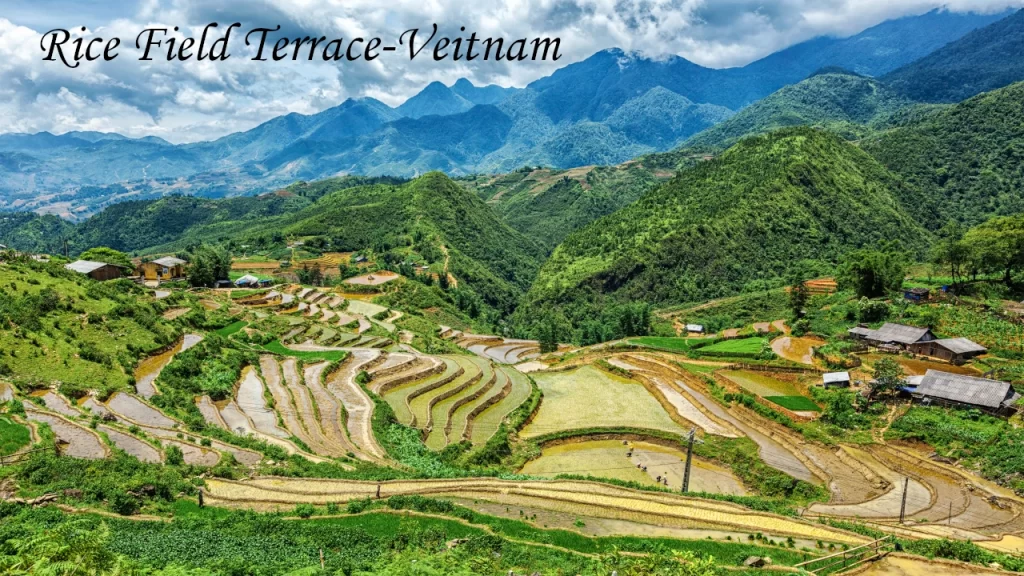
Sapa hits you differently. This mountain town in Vietnam’s Lào Cai Province sits at around 1,500 metres, and on clear mornings, the valley below disappears entirely under a thick white quilt of cloud. Then the mist lifts, and you see it — Fansipan, Indochina’s highest peak at 3,143 metres, glowing in the morning light, and endless terraced rice fields cascading down the hillsides like a giant green staircase.
What truly sets Sapa apart, however, are the people. The region is home to several ethnic minority communities — the H’mong, Dao, Tay, and Giay peoples — who maintain centuries-old traditions in their clothing, festivals, and way of life. Guided treks through villages like Cat Cat, Ta Van, and Ban Ho offer authentic cultural encounters that no museum can replicate. You walk into living communities where women weave indigo-dyed fabric and children chase each other through rice paddies.
Book Your Stay in Sa Pa Vietnam
Adventure travellers can summit Fansipan via cable car or, for the truly determined, a two-day trek through dense forest. Either way, the views from the top rank among the finest in all of Southeast Asia.
- Best time to visit: March–May (spring bloom) | September–November (golden rice harvest)
- Nearest airport: Noi Bai International Airport, Hanoi (~350 km, then overnight train)
- Nearest railway station: Lao Cai Railway Station (38 km from Sapa)
- Must do: Trek to Cat Cat Village, ride the Fansipan cable car, visit weekend markets
- Average temperature: 10–20°C (varies sharply by season)
🔗 Official tourism resource: Vietnam National Administration of Tourism
🔗 Fansipan Cable Car info: Sun World Fansipan Legend (Official Site)
4. Baguio, Philippines — The Summer Capital of the Philippines
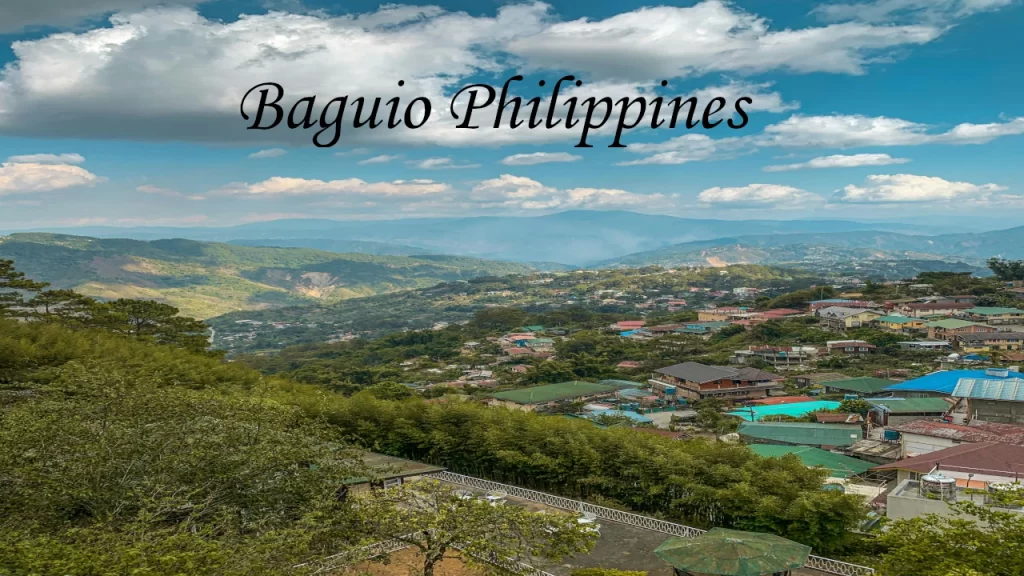
When Manila’s heat and humidity become unbearable, Filipinos head to Baguio. Sitting at 1,540 metres in the Cordillera mountains of Luzon, the “City of Pines” earns its reputation as the country’s premier highland escape. The temperature drops to a refreshingly cool 14–23°C — a stark contrast to the sticky lowland air — and pine-covered hillsides replace the concrete of the capital.
Baguio carries a distinctive creative energy. The city hosts the Panagbenga Flower Festival every February, when streets overflow with elaborate floral floats and street dancers celebrating the highland bloom season. The Mines View Park delivers sweeping views of the Cordillera mountain range, while the Burnham Park at the city centre invites visitors to row on the lagoon, cycle along tree-lined paths, or simply sit and breathe properly for the first time in weeks.
Book Your Tour Package for Baguio Philippines
Food lovers will find their own paradise in the Baguio Public Market, which overflows with fresh highland vegetables, strawberries grown in the nearby La Trinidad valley (the Strawberry Capital of the Philippines), local jams, and handwoven Cordillera textiles you will not find anywhere else in the country.
- Best time to visit: November to April (dry season)
- Nearest airport: Clark International Airport (~120 km) or Loakan Airport (within city, limited flights)
- Getting there: Bus from Manila (5–6 hours via Victory Liner or Genesis Transport)
- Must do: Panagbenga Festival (February), Mines View Park, strawberry picking in La Trinidad
- Average temperature: 14–23°C
🔗 Official tourism resource: Department of Tourism – Philippines
🔗 Baguio City official site: Baguio City Government Portal
5. Genting Highlands, Malaysia — The Highland Playground
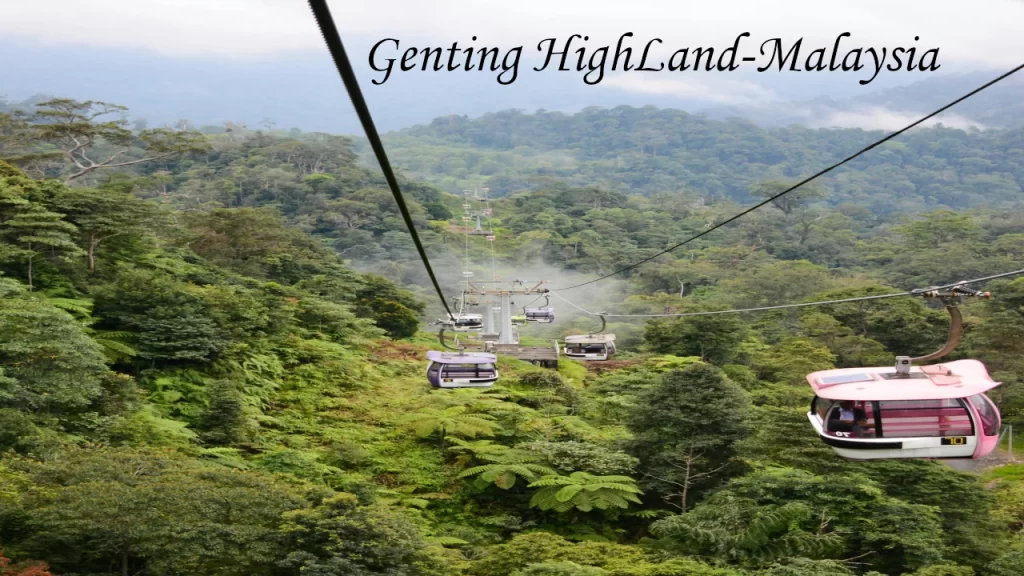
Genting Highlands manages a rare trick: it delivers mountain freshness and big-city entertainment under the same misty sky. Rising 1,800 metres above Kuala Lumpur in the Titiwangsa mountain range, Genting sits just 51 kilometres from the capital yet feels like a completely different world. The cable car ride up — the Genting SkyWay, one of the longest in Southeast Asia — offers sweeping forest views that set the mood perfectly before you even arrive.
The resort complex at the summit has expanded dramatically over the years. Resorts World Genting now operates one of Asia’s most visited integrated resort destinations, featuring the Genting SkyWorlds Theme Park — a Hollywood-IP-based outdoor theme park that opened in 2022 and has quickly become a major draw for families across the region. Beyond the rides and entertainment, the cooler mountain air (15–25°C even in the Malaysian summer) draws visitors who simply want to escape the lowland heat.
Book Your Tour Package Genting Malaysia
Nature seekers can step off the resort complex entirely and explore the surrounding Titiwangsa Rainforest, one of the oldest tropical rainforests in the world, alive with birdlife, insects, and the sounds of moving water hidden among the trees.
- Best time to visit: Year-round (peak season March–August)
- Nearest airport: Kuala Lumpur International Airport (KLIA) (~90 km)
- Getting there: Bus from KL Sentral (direct, ~1 hour) or drive via Highway 1
- Must do: Genting SkyWorlds Theme Park, Genting SkyWay cable car, highland forest walks
- Average temperature: 15–25°C
🔗 Official resort site: Resorts World Genting (Official Website)
🔗 Malaysia tourism resource: Tourism Malaysia – Official Site
6. Dalhousie, India — The Himalayan Quiet Corner
If Shimla is the queen, Dalhousie is the quiet poet. This small hill station in Himachal Pradesh sits at altitudes ranging from 1,525 to 2,036 metres, spread across five hills: Kathalagh, Potreyn, Terah, Bakrota, and Bhangora. Named after Lord Dalhousie, a 19th-century Governor-General of India who had it developed as a rest and recreation retreat for British troops, the town has largely preserved that unhurried colonial character.
What draws travellers to Dalhousie today is precisely what it does not have: big crowds, chaotic markets, or the commercial noise of more famous hill stations. Instead, you find forest walks through deodar and rhododendron groves, panoramic views that include the Pir Panjal and Dhauladhar ranges, and the sound of wind through pine trees doing most of the talking. The Bakrota Hills walk — a 5-km loop through forests and meadows — rewards early risers with views of the Chamba Valley.
Day trips from Dalhousie open even bigger landscapes. Khajjiar, just 24 km away and often called the “Mini Switzerland of India,” features a circular meadow surrounded by dense forests and a small lake at its centre. It genuinely earns the nickname. Chamba town, an ancient royal seat 56 km away, holds temples dating back to the 10th century and a textile tradition of embroidered Chamba Rumal shawls that carry Geographical Indication status.
- Best time to visit: March–June and September–November
- Nearest airport: Kangra Airport (~80 km) or Amritsar International Airport (~200 km)
- Nearest railway station: Pathankot Railway Station (~80 km)
- Must do: Bakrota Hills walk, day trip to Khajjiar, explore Chamba temples
- Average temperature: 5–20°C (varies by season)
🔗 Official tourism resource: Himachal Pradesh Tourism (HPTDC)
🔗 Khajjiar information: Himachal Pradesh Government Tourism Portal
7. Hakone, Japan — Mount Fuji’s Perfect Neighbour
Hakone plays a masterclass in effortless travel. Located in Kanagawa Prefecture, just 80 minutes from Tokyo by the Romancecar express train, this volcanic resort town delivers mountain scenery, hot springs, world-class art, and — on clear days — one of the most iconic views on the planet: Mount Fuji reflected in the still waters of Lake Ashi.
The town is built around the Fuji-Hakone-Izu National Park, and the local transport network doubles as a sightseeing experience. The Hakone Ropeway glides over volcanic vents at Owakudani — an active volcanic valley where sulphur gases rise from the earth and where black eggs boiled in the hot springs are said to add seven years to your life (a claim that makes them delicious regardless of accuracy). A vintage pirate ship crosses Lake Ashi with Mount Fuji as a backdrop. The Hakone Open-Air Museum, just outside Chokoku no Mori Station, displays major works by Picasso, Henry Moore, and Rodin against mountain scenery.
After a day of exploring, sink into an onsen (hot spring bath). Hakone sits on a geologically active zone and its ryokan (traditional inns) have been drawing bathers for centuries. This combination of natural drama, cultural richness, and deep relaxation in a single compact destination makes Hakone arguably Asia’s most complete hill station experience.
- Best time to visit: October–November (autumn foliage) | April–May (cherry blossom + Fuji views)
- Nearest airport: Haneda Airport (~90 km) or Narita International Airport (~130 km)
- Nearest railway station: Odawara Station (then Hakone Tozan Railway)
- Must do: Lake Ashi pirate ship, Owakudani ropeway, Hakone Open-Air Museum, onsen soak
- Average temperature: 5–22°C (season dependent)
- Transport pass: Hakone Free Pass (covers ropeway, bus, train, boat — excellent value)
🔗 Official Hakone tourism site: Hakone Tourism Association (Official English Site)
🔗 National Park info: Fuji-Hakone-Izu National Park – Ministry of the Environment Japan
🔗 Hakone Free Pass details: Odakyu Electric Railway – Hakone Free Pass
Quick Comparison: Asia’s Top 7 Hill Stations
| Hill Station | Country | Altitude | Best For | Best Season |
|---|---|---|---|---|
| Shimla | India | 2,206 m | Colonial heritage, Toy Train, snow | March–June / Dec–Feb |
| Nuwara Eliya | Sri Lanka | 1,868 m | Tea estates, train journey, gardens | January–April |
| Sapa | Vietnam | ~1,500 m | Trekking, ethnic culture, rice terraces | Sep–Nov / Mar–May |
| Baguio | Philippines | 1,540 m | Festivals, fresh produce, pine forests | November–April |
| Genting Highlands | Malaysia | 1,800 m | Family entertainment, cool escape | Year-round |
| Dalhousie | India | 1,525–2,036 m | Solitude, nature walks, Khajjiar | March–June / Sep–Nov |
| Hakone | Japan | ~700–1,200 m | Mt Fuji views, onsen, art, ropeway | Oct–Nov / Apr–May |
Essential Travel Tips for Asian Hill Stations
Pack for Variable Temperatures
Mountain weather changes fast. Even destinations that feel warm at midday can drop sharply after sunset. Always pack a light waterproof jacket and a thermal layer regardless of the season you visit.
Book Accommodation Early
Popular hill stations like Shimla, Hakone, and Sapa fill up weeks or months in advance during peak seasons. Secure your stays as early as possible, especially if you plan to visit during a local festival or holiday period.
Respect Local Communities
Many hill stations — especially Sapa and Dalhousie — sit within regions where indigenous or ethnic minority communities live and maintain traditional customs. Always ask before photographing people, purchase directly from local artisans to support the community, and follow any dress codes at religious sites.
Plan Your Transport in Advance
Mountain roads can close due to rain, landslides, or snow. Check local road and weather conditions before you travel. In Japan, the Hakone Free Pass simplifies getting around considerably. In India, booking Toy Train tickets through IRCTC weeks in advance saves significant stress.
Altitude Awareness
Destinations like Shimla (2,206 m) and Sapa (1,500–3,143 m) sit at elevations where some visitors experience mild altitude discomfort. Stay hydrated, avoid strenuous activity on your first day, and ascend gradually if possible.
Book Your Air Ticket
Frequently Asked Questions
1. Which Asian hill station suits first-time travellers best?
Hakone, Japan stands out for first-time visitors. The infrastructure is exceptional, English signage is widely available, transport connections from Tokyo are seamless, and the combination of natural beauty, cultural experiences, and world-class onsen makes it deeply rewarding without any logistical stress.
2. Which hill station offers the best trekking in Asia?
Sapa, Vietnam leads for serious trekkers. Its network of trails through rice terraces, ethnic minority villages, and up to Fansipan (Indochina’s highest peak) caters to everything from comfortable half-day walks to challenging multi-day mountain expeditions.
3. Are these hill stations safe for solo female travellers?
Yes — all seven destinations on this list are considered generally safe for solo female travellers. As with any destination, exercise standard travel awareness, share your itinerary with someone you trust, book reputable accommodation, and avoid poorly lit areas at night. Japan (Hakone), Sri Lanka (Nuwara Eliya), and Malaysia (Genting) consistently rank among Asia’s safest travel destinations overall.
4. Which hill station works best for families with young children?
Genting Highlands, Malaysia makes the strongest case for families with young children. The Genting SkyWorlds Theme Park keeps kids entertained for a full day, the cable car ride delights all ages, and the resort complex handles every need in one place. Baguio, Philippines with its Burnham Park activities and strawberry farm visits is another excellent family-friendly option.
5. What is the most budget-friendly hill station on this list?
Sapa, Vietnam and Baguio, Philippines offer the most value for budget travellers. Both provide a wide range of affordable guesthouses, cheap local food, and activities that cost very little — trekking in Sapa, for instance, rewards you with extraordinary scenery for the price of a guide and sturdy shoes.
Do I need a visa to visit these destinations?
Visa requirements depend entirely on your passport. Check official government portals before booking: India e-Visa | Sri Lanka ETA | Vietnam e-Visa | Philippines e-Visa | Malaysia Immigration | Japan Visa Information
Start Planning Your Hill Station Escape
Asia’s hill stations are not just beautiful — they are restorative. They remind you what it feels like to breathe deeply, sleep soundly, and wake up to something genuinely worth looking at. Whether you choose the colonial elegance of Shimla, the misty terraces of Sapa, or the volcanic drama of Hakone, you will return to the lowlands carrying something extra: the quiet confidence of someone who has stood on a mountain and watched the world arrange itself into something beautiful below.
Pick your destination, pack your layers, and go. These hills have been waiting long enough.
Visit our other Blogs
Best 8 Hill Stations in Tamil Nadu for Weekend Trips
6 Stunning Hill Stations in Sri Lanka — A Chennai Family’s Honest Travel Diary
Flight Booking Tips for Indian Travelers (2026): How to Fly Smarter and Cheaper





Leave a Reply