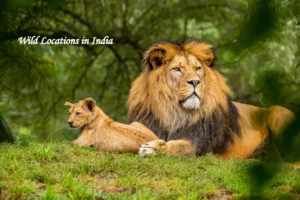
This guide contains affiliate links. We may earn a commission at no extra cost to you — see our Affiliate Disclosure and Affiliate Disclosure Policy for details.
⚡ Quick Take: India’s 8 best jungle safari destinations — from tiger-dense Bandhavgarh to rhino-rich Kaziranga and lion-only Gir — offer world-class wildlife encounters best experienced October through June.
🎯 Key Highlights:
- Best Tiger Odds: Bandhavgarh National Park has the highest tiger density in India, followed by Tadoba and Ranthambore; April–May see the most sightings as animals gather at waterholes.
- Booking Essential: Always book safari permits through official state forest department portals 30–90 days ahead — popular zones like Tala (Bandhavgarh) or Dhikala (Corbett) sell out within hours.
- Insider Tip: Choose open jeep safaris over canters for better sightings — guides can stop, reverse, and maneuver quickly, and morning slots starting before sunrise consistently outperform afternoon ones.
Visit 8 wild and jungle locations in India for Tourists
India holds some of the most thrilling wildlife landscapes on the planet. Dense sal forests, misty grasslands, tidal mangroves, and ancient riverbeds stretch across the country — each one sheltering creatures that will genuinely take your breath away. Whether you chase tigers at dawn, cruise past one-horned rhinos on an elephant, or scan the treetops for hornbills, India’s national parks deliver experiences you simply cannot replicate anywhere else.
This guide covers 8 of India’s best jungle safari destinations — what makes each one special, the best time to go, practical travel tips, and exactly what you can expect to see. Bookmark it before you plan your trip.
To book your stay, click here. To Book Local Travel, click here. To book your travel insurance here or here
Traveling Overseas Click here to buy a eSIM. For more info Click here
Table of Contents
| Park / Reserve | State | Star Wildlife | Best Season |
|---|---|---|---|
| Jim Corbett National Park | Uttarakhand | Bengal Tiger, Elephants | Nov – Jun |
| Ranthambore National Park | Rajasthan | Bengal Tiger | Oct – Jun |
| Bandhavgarh National Park | Madhya Pradesh | Bengal Tiger (highest density) | Oct – Jun |
| Kaziranga National Park | Assam | One-Horned Rhinoceros | Nov – Apr |
| Periyar Wildlife Sanctuary | Kerala | Elephants, Tigers, Birds | Oct – Apr |
| Sundarbans National Park | West Bengal | Royal Bengal Tiger | Nov – Mar |
| Gir National Park | Gujarat | Asiatic Lion | Dec – Mar |
| Tadoba Andhari Tiger Reserve | Maharashtra | Bengal Tiger | Oct – Jun |
1. Jim Corbett National Park, Uttarakhand
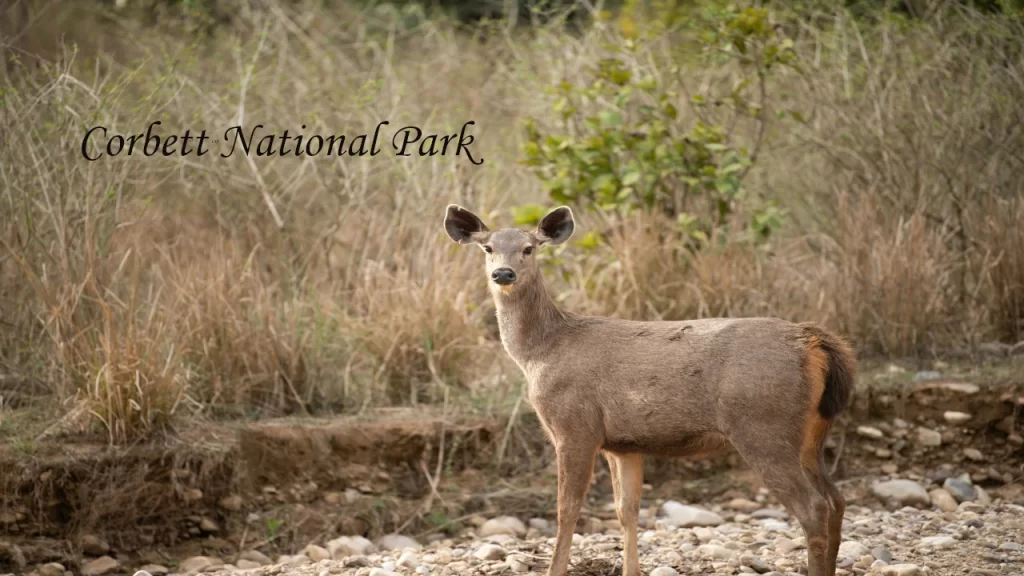
Jim Corbett holds the distinction of being India’s oldest national park, established in 1936 under the name Hailey National Park. Today it covers over 1,300 sq km of bouldered riverbeds, tall grasslands, and dense sal forests at the foothills of the Himalayas. Visitors arrive hoping for tigers — and many leave with unforgettable sightings — but Corbett rewards you even without one. Over 600 bird species fill the air, leopards prowl the rocky ridges, and wild elephants move in herds through the valley.
Book Your Tour Package to Jim Corbett National Park
The park divides into five distinct zones: Bijrani, Dhikala, Jhirna, Durga Devi, and Sonanadi. Dhikala zone delivers the most dramatic landscape — a wide, open chaur (grassland) where you can watch wildlife at sunset from the forest rest house veranda. Jhirna remains open year-round, making it ideal if you visit during the monsoon off-season.
Best time to visit: November to June. The Dhikala zone closes during the monsoon (June to October), so plan accordingly. April and May bring intense heat but push animals toward waterholes, dramatically improving sighting chances.
Safari tips: Book Dhikala canter and jeep permits well in advance through the official Uttarakhand Forest Department portal. Choose morning safaris over afternoon ones — tigers and leopards move actively in the first two hours after sunrise. Carry binoculars and wear muted earth-tone clothing.
Getting there: Fly into Pantnagar Airport (90 km away) or take a train to Ramnagar railway station, which sits just 15 km from the park gate.
📌 Official resource: Jim Corbett National Park — Government of India Tourism
2. Ranthambore National Park, Rajasthan
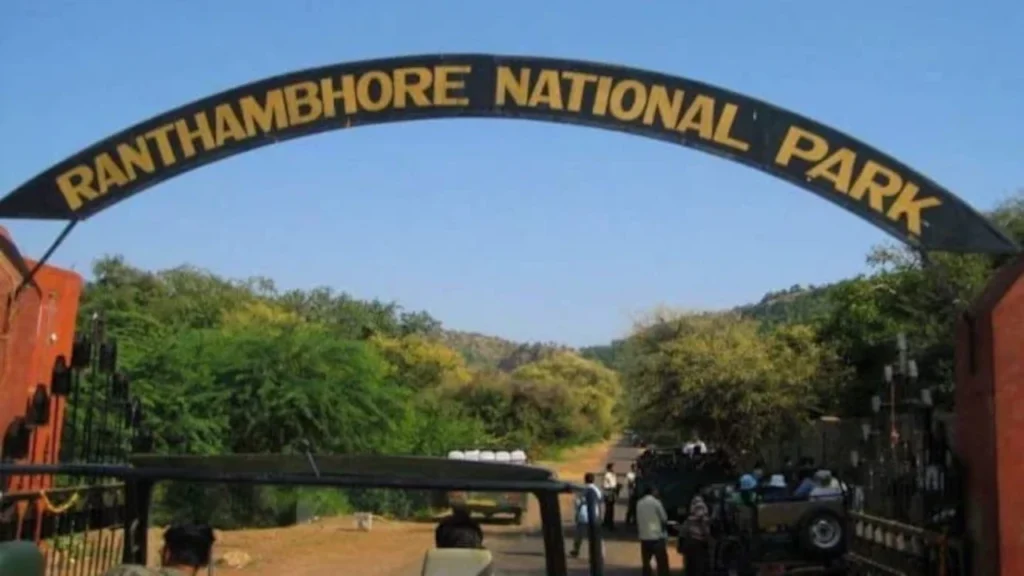

Ranthambore ranks among the most photographed tiger reserves in Asia — and for good reason. Tigers here hunt in broad daylight, often spotted near ancient ruins, temple ghats, and open lakes. The dramatic backdrop of the 10th-century Ranthambore Fort looming above the forest makes every sighting feel cinematic. Beyond tigers, the park shelters leopards, sloth bears, mugger crocodiles, and over 320 bird species.
The park spans 1,334 sq km across the Aravalli and Vindhya hill ranges. Its ten zones vary significantly — Zone 1 to 5 cover the core area around the lakes, while Zones 6 to 10 expand into newer buffer areas with fewer tourists and increasingly good tiger activity.
Best time to visit: October to June. March through May offers the highest tiger visibility as the undergrowth thins and animals gather around shrinking water bodies. The park closes from July to September.
Safari tips: Book permits in advance through the Rajasthan Forest Department’s official booking portal. Request Zones 1–5 for better lake-side sightings. Carry light, breathable clothing for the dry Rajasthan heat. Early morning safaris (starting at 6:30 AM) consistently outperform afternoon slots for tiger activity.
Getting there: Fly to Jaipur International Airport (180 km), then drive or take a train. Sawai Madhopur railway station sits 11 km from the main park entrance and connects directly to Delhi and Mumbai.
📌 Official resource: Ranthambore National Park — Rajasthan Wildlife
3. Bandhavgarh National Park, Madhya Pradesh
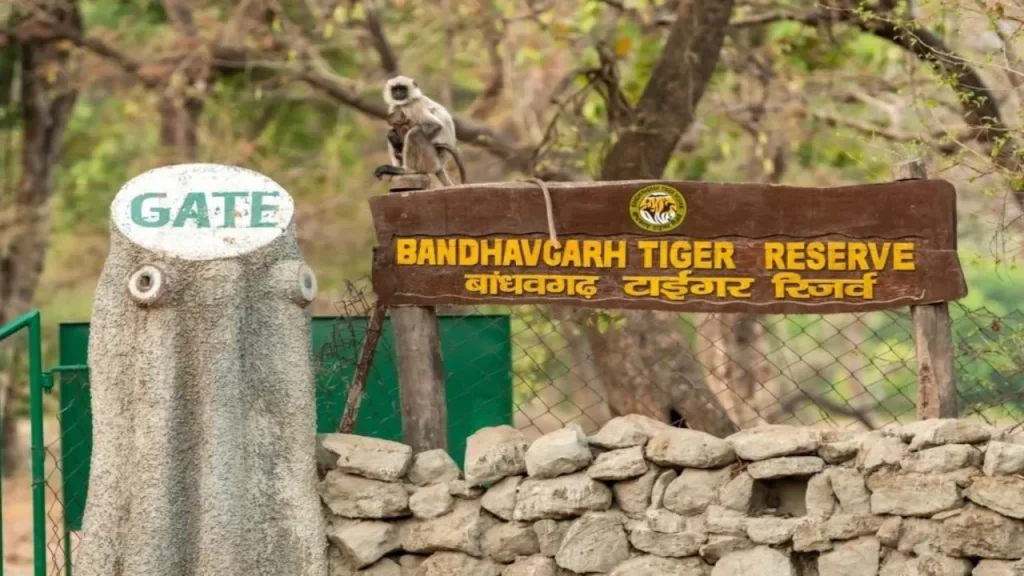
If your primary goal is seeing a tiger, Bandhavgarh gives you the best odds in India. This compact park — just 716 sq km in the core area — supports one of the highest tiger densities in the world. The tigers here have grown accustomed to safari vehicles, so sightings often run long and up-close, with tigers walking casually along forest roads or resting in full view of stunned visitors.
The park takes its name from an ancient fort that rises above the Tala zone, surrounded by dense mixed forests of sal, bamboo, and mahua trees. White tigers were first discovered here in 1951, though the wild population no longer carries that gene. Today, the park is home to leopards, bison, sambar deer, jackals, and over 250 bird species.
Book Your Flight Ticket
Best time to visit: October to June. The Tala zone delivers the most reliable tiger sightings year-round, but April–May remain the prime months when animals congregate at water sources.
Safari tips: The park limits permit numbers strictly, so book the Tala Zone through the Madhya Pradesh Forest Department’s online portal as early as possible — popular slots sell out months in advance. Follow all guide instructions, stay inside the vehicle at all times, and avoid bright colours that agitate wildlife.
Getting there: Fly to Jabalpur Airport (170 km away) or travel by train to Umaria railway station, just 35 km from the park entrance.
📌 Official resource: Bandhavgarh — Madhya Pradesh Tourism
4. Kaziranga National Park, Assam
Kaziranga stands as one of India’s greatest conservation success stories. In the early 1900s, fewer than a dozen Indian one-horned rhinoceroses survived here. Today, Kaziranga shelters over 2,600 rhinos — more than 70% of the world’s entire population — across its vast floodplains and swamp forests along the Brahmaputra River. UNESCO designated it a World Heritage Site in 1985, and it fully deserves the honour.
The park covers 860 sq km of tall elephant grass, dense tropical moist broadleaf forest, and seasonal wetlands. Beyond rhinos, Kaziranga holds the world’s highest density of tigers per unit area, and its wetlands attract massive flocks of migratory birds every winter — bar-headed geese, greater adjutants, and Pallas’s fish eagles among them.
Book Your Stay in Bokakhat India
Best time to visit: November to April. The park floods heavily during the monsoon (June to October), forcing animals onto higher ground and closing most roads. Winter mornings produce magical fog-shrouded landscapes ideal for photography.
Safari tips: Book elephant-back safaris at least a week in advance — they provide the closest rhino encounters possible. Carry a zoom lens for bird photography. You can book jeep safaris through the Assam Forest Department’s official booking page.
Getting there: Fly to Jorhat Airport (97 km) or Guwahati Airport (215 km). The nearest railway station is Furkating, 75 km from the park’s main entrance at Kohora.
📌 Official resource: Kaziranga National Park — UNESCO World Heritage Centre
5. Periyar Wildlife Sanctuary, Kerala
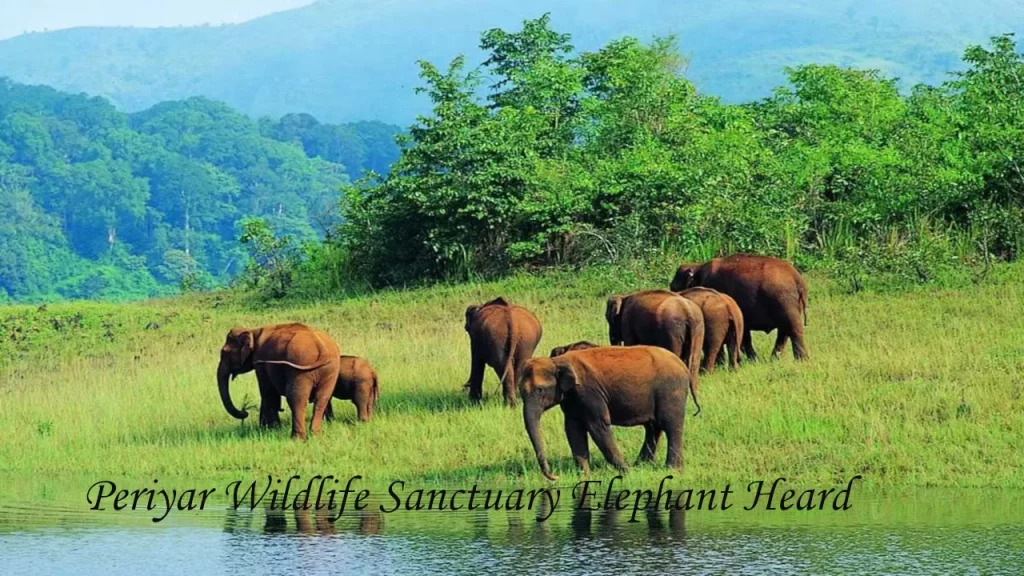
Periyar operates differently from most Indian wildlife reserves. At its heart sits an artificial lake created by the British in 1895, and the best way to explore the park is by boat — drifting silently past herds of elephants standing knee-deep at the water’s edge, sambar deer grazing the banks, and otters playing in the shallows. This lake-centred experience makes Periyar especially suitable for families and travellers who prefer a gentler pace.
The sanctuary covers 925 sq km of the Western Ghats, one of the world’s top biodiversity hotspots. It shelters tigers, leopards, wild dogs (dholes), gaur, and lion-tailed macaques — the last a highly endangered primate found almost nowhere else. The birdlife alone draws serious ornithologists, with Malabar trogons, great hornbills, and fairy bluebirds inhabiting the canopy.
Best time to visit: October to April. The winter months from November to February offer clear skies and the most active wildlife. The sanctuary stays open year-round, though the monsoon (June to September) makes trekking routes slippery.
Safari tips: Book the KTDC boat safari early at the Kerala Tourism official site. The park also offers excellent guided bamboo rafting and night treks. Wear insect repellent and sturdy shoes for forest walks.
Getting there: The nearest airport is Madurai Airport (140 km). Kottayam railway station (114 km) connects to major south Indian cities. Most visitors reach the park via Kumily town, 4 km from the sanctuary entrance.
📌 Official resource: Periyar Tiger Reserve — Kerala Tourism
6. Sundarbans National Park, West Bengal
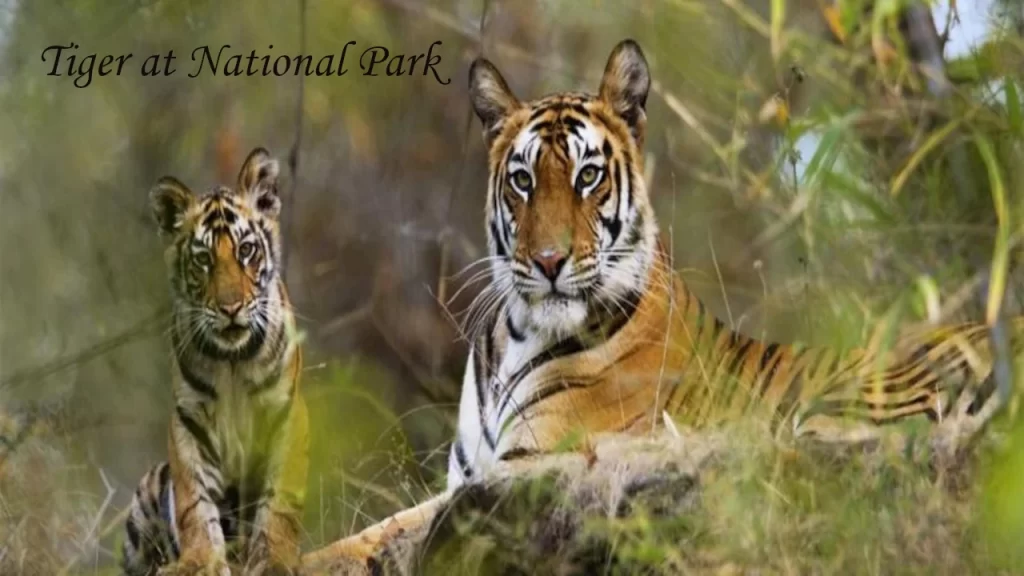
The Sundarbans challenges everything you expect from a wildlife safari. Forget jeep tracks and open grasslands — here you navigate a labyrinth of tidal waterways cutting through the world’s largest mangrove forest. The Bengal Tiger that roams these islands has adapted to swimming between them, making it one of the most elusive and enigmatic big cats alive. Spotting one feels like pure luck, but the journey through these ancient mangroves rewards you regardless.
Stretching across 10,000 sq km shared between India and Bangladesh, this UNESCO World Heritage Site supports saltwater crocodiles, Irrawaddy dolphins, olive ridley sea turtles, spotted deer, and an extraordinary variety of kingfishers and raptors. The tidal ecosystem shifts with every tide, and no two boat trips look the same.
Book Your Tour Package for
Best time to visit: November to March. Cyclone season (April to June) makes access dangerous. Winter brings calm waterways, clear skies, and maximum bird activity.
Safari tips: You must join an organised tour with a licensed guide — independent entry is not permitted. Only use Forest Department-authorised boats. Book through the West Bengal Tourism Development Corporation’s official site. Do not hang limbs over the boat edge in crocodile territory.
Getting there: Fly to Kolkata’s Netaji Subhas Chandra Bose International Airport, then travel 109 km by road and ferry to Godkhali. The nearest railway station is Canning, from where you board a boat to the park.
📌 Official resource: Sundarbans National Park — UNESCO World Heritage Centre
7. Gir National Park, Gujarat
Gir is the last place on Earth where you can see an Asiatic lion in the wild. Once hunted to near-extinction, the Asiatic lion population recovered from fewer than 20 individuals in the early 1900s to over 700 lions today — a conservation triumph that ranks among the world’s greatest. Watching a pride of lions lounge under a teak tree, completely indifferent to your vehicle, makes Gir a profoundly moving destination.
The park covers 1,412 sq km of dry deciduous forest and open scrubland in the Saurashtra peninsula. Alongside lions, Gir shelters leopards, hyenas, jackals, sambar, chinkaras, and crocodiles in its rivers. The forest also hosts over 300 bird species, including the endangered Indian vulture and the Bonelli’s eagle.
Best time to visit: December to March. Summer (April–May) gets searingly hot, though lions remain active near waterholes. The park closes during the monsoon from mid-June to mid-October.
Safari tips: Gir restricts safari permits strictly. Book through the official Gir National Park reservation portal months in advance for December to March slots. Carry high-SPF sunscreen and a wide-brimmed hat. Only safaris in open jeeps with a licensed naturalist are permitted inside the sanctuary.
Getting there: The nearest airport is Diu Airport (88 km) or Rajkot Airport (160 km). Junagadh railway station, 65 km away, offers the most convenient rail access.
📌 Official resource: Gir National Park — Gujarat Forest Department
8. Tadoba Andhari Tiger Reserve, Maharashtra
Tadoba has quietly become one of India’s most exciting tiger destinations over the past decade. Its open teak forests and seasonal grasslands make spotting large cats far easier than in denser reserves, and its tiger population has grown significantly since strict protection measures took hold. Experienced wildlife photographers prefer Tadoba precisely because the terrain allows long, unobstructed views — you see a tiger emerge from the treeline and follow it for minutes, not seconds.
The reserve spans 1,727 sq km across the Chandrapur district. Tadoba Lake draws wolves, dholes, sloth bears, and a spectacular variety of birds to its banks at dawn. The core zone around Moharli and Tadoba gates consistently delivers the richest wildlife encounters.
Best time to visit: February to June. The summer months of April and May see tigers visiting waterholes multiple times a day, making these arguably the most rewarding safari months in all of India. The park closes from late June to October.
Safari tips: Book core zone permits through the Maharashtra Forest Department’s official website. The Moharli and Tadoba entrance gates tend to yield the best sightings — specify your preference when booking. Carry a full water bottle and electrolyte tablets for summer visits. Start your morning safari at the gate by 5:30 AM.
Getting there: Fly to Nagpur Airport (140 km) or travel by train to Chandrapur railway station, just 45 km from the main reserve gate.
📌 Official resource: Tadoba Andhari Tiger Reserve — Maharashtra Tourism
Planning your jungle safari in India — what you need to know
How to book safari permits
Every national park in India requires advance booking through official state forest department portals. Do not rely on third-party agents for permit booking — use only government portals to avoid scams and ensure your permit is valid. Most parks release permits 30–90 days in advance, and popular zones sell out within hours of opening. The Government of India’s official national parks directory lists all parks with links to their respective booking systems.
What to pack
Pack neutral, earth-toned clothing (khaki, olive, grey, brown) — avoid white, red, or bright colours that alert animals. Bring binoculars (8×42 magnification works well for both birds and mammals), a camera with a zoom lens of at least 300mm, insect repellent with DEET, sunscreen, a wide-brimmed hat, and a reusable water bottle. Closed, sturdy shoes work better than sandals on forest tracks.
Safari vehicle types
Most parks offer open jeep safaris (holding 6 visitors + guide + driver) and canter safaris (larger vehicles holding 16–20 visitors). Jeep safaris cost more but allow guides to stop, reverse, and manoeuvre quickly — they consistently produce better sightings. Canters suit budget travellers or families wanting a more casual experience.
Conservation and responsible tourism
India’s national parks succeed because strict rules protect the animals. Stay inside your vehicle at all times, never feed or approach wildlife, keep noise to a minimum, and carry all waste out of the park. You can support tiger conservation directly through the WWF Save Tigers Now programme or by choosing lodges that reinvest in community-based conservation initiatives.
Frequently asked questions
1. Which jungle safari destination in India offers the highest chance of seeing a tiger?
Bandhavgarh National Park in Madhya Pradesh carries the highest tiger density in India, making it your best bet for a sighting. Tadoba and Ranthambore follow closely. That said, tiger sightings depend on luck, season, and time of day — no park can guarantee one.
2. What is the best time of year for jungle safaris in India?
October to June works well across most Indian parks. The peak months are February to May when vegetation thins and animals cluster around waterholes. Most parks close during the monsoon (July to September) due to flooding and road conditions.
3. Are jungle safaris safe for families with young children?
Yes — authorised safari vehicles with trained naturalists make the experience safe for families. Children aged 5 and above generally handle the 3-hour drives well. Dholes, deer, birds, and elephants excite younger visitors even when tigers stay hidden
4. Do I need advance booking, or can I get permits at the gate?
Always book in advance. Walk-in gate permits exist at some parks but cover only fringe zones with minimal wildlife activity. The best zones — Tala at Bandhavgarh, Dhikala at Corbett, Zones 1–5 at Ranthambore — sell out weeks or months ahead, especially between December and April.
5. What should I carry on a jungle safari?
Bring neutral-coloured clothing, binoculars, a camera with zoom capability, insect repellent, sunscreen, a hat, water, and any personal medication. Leave perfume, bright jewellery, and loud electronics behind.
Start planning your India wildlife trip
India’s jungle destinations rank among the finest wildlife experiences in Asia. Whether you join the early-morning mist of a Corbett drive, watch a Kaziranga rhino wade into the Brahmaputra, or hear lions calling at dusk in Gir’s dry forest, these places stay with you for life. Pick your park, book early, and go.
For official travel advisories and entry requirements for India, check the Incredible India official tourism portal before you book.
Visit our blog
Flight Booking Tips for Indian Travelers (2026): How to Fly Smarter and Cheaper
Iconic Forts and Palaces of India 2026 : A Breathtaking Journey
Discover Goa with Family: The Ultimate Relaxing Travel Guide






Leave a Reply