This guide contains affiliate links. We may earn a commission at no extra cost to you — see our Affiliate Disclosure and Affiliate Disclosure Policy for details.
Tokyo and Osaka are Japan’s two most visited cities, each offering a completely different experience. Tokyo is Japan’s sprawling, ultra-modern capital — best for first-timers who want iconic landmarks, world-class museums, and a fast-paced cosmopolitan vibe. Osaka is Japan’s food capital and cultural heart — warmer, louder, and more affordable, perfect for those who love street food, nightlife, and a relaxed local atmosphere. Most first-time visitors spend 3–4 nights in Tokyo and 2–3 nights in Osaka, connected by a 2.5-hour Shinkansen (bullet train) ride. Both cities are safe, English-signposted, and exceptionally well-connected by public transport. The best time to visit is March–May (cherry blossom season) or October–November (autumn foliage).
Tokyo vs Osaka: The Ultimate First-Time Travel Guide (2026)
Planning your very first trip to Japan but stuck deciding between the neon-lit capital and the nation’s kitchen? The ultimate Tokyo vs Osaka debate is one every first-time traveler faces. The good news? You don’t really have to choose. These two magnificent cities sit just 2.5 hours apart on the Shinkansen and together they make up the perfect Japanese experience. But understanding what makes each city unique will help you plan smarter, spend better, and leave Japan saying “I did it right.”
This guide is written for both tourists on holiday and business travelers navigating Japan for the first time. Whether you have 5 days or 10, we’ve broken down everything — history, itineraries, tickets, hotels, food, transport, and family travel tips — so you can hit the ground running.
Table of Contents
History of Tourist Places: Tokyo vs Osaka
Tokyo vs Osaka : Tokyo – From Fishing Village to World Capital
Tokyo’s story is one of the most dramatic urban transformations in human history. Known as Edo until 1868, this city was once a modest fishing settlement on the banks of the Sumida River. Everything changed when the Tokugawa shogunate made it their seat of power in 1603, turning Edo into one of the world’s most populous cities by the 18th century — a time when London was still catching up.
When Emperor Meiji moved the imperial seat from Kyoto to Edo in 1868, the city was renamed Tokyo (“Eastern Capital”) and embarked on a breathtaking modernization drive. The Great Kanto Earthquake of 1923 flattened much of the city, and WWII bombing campaigns in 1945 reduced vast swaths to rubble. Tokyo rebuilt itself both times — each reconstruction more ambitious than the last.
Today’s Tokyo is a city of layers: ancient Shinto shrines tucked between skyscrapers, traditional Kabuki theaters steps from neon-lit entertainment districts, and centuries-old fish markets operating beside the world’s most avant-garde architecture. Key historical sites include:
- Senso-ji Temple (Asakusa) – Founded in 628 AD, Tokyo’s oldest and most visited temple. The massive Kaminarimon (Thunder Gate) lantern is one of Japan’s most photographed images.
- Imperial Palace East Gardens – The outer grounds of the Emperor’s residence, built on the site of Edo Castle, which was once the largest castle complex in the world.
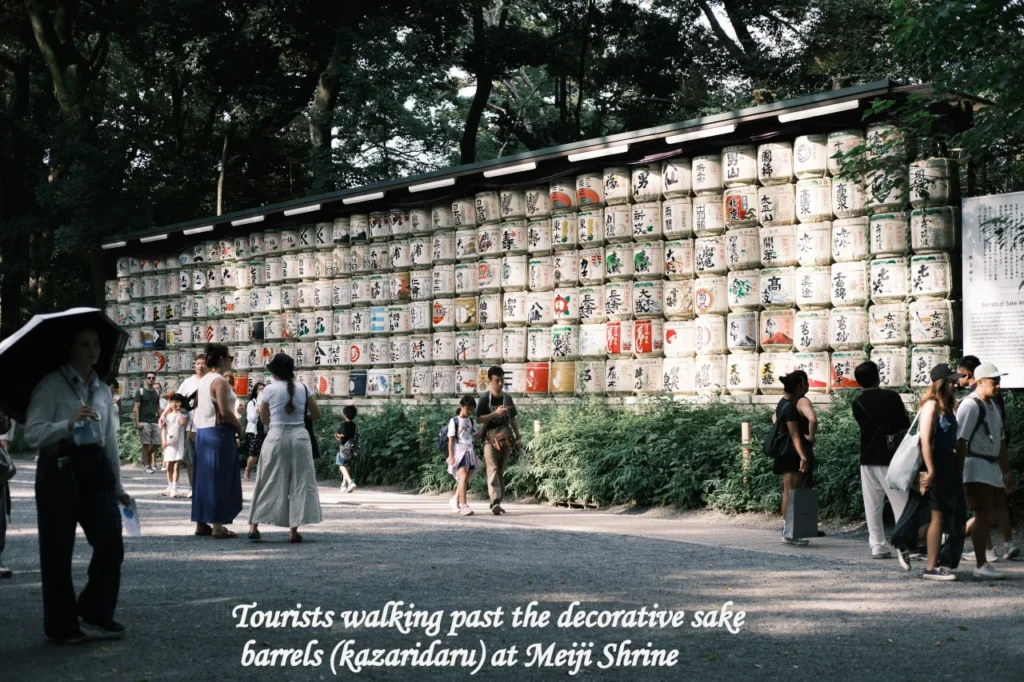
- Meiji Jingu Shrine – Completed in 1920 and dedicated to Emperor Meiji, this forested shrine in the heart of Harajuku offers a profound sense of quiet in one of the world’s busiest cities.
- Edo-Tokyo Museum – Tells the full story of Tokyo’s transformation from shogunate capital to global megacity through life-size reconstructions and interactive exhibits.
- Ueno Park & Museums – Tokyo’s cultural hub, home to the Tokyo National Museum (Japan’s oldest and largest), the National Museum of Nature and Science, and Ueno Zoo, all set around a scenic park famous for cherry blossoms.
Osaka – Japan’s Ancient Commercial Heart
Osaka has a history that predates Japan’s written records. Known in antiquity as Naniwa, it served as Japan’s first true capital in the 4th and 5th centuries and was the country’s primary port and trading hub for over a millennium. The city’s merchant culture birthed a phrase still heard today: “Osaka no kuinodare” — “Osaka people will eat themselves into bankruptcy” — a cheerful testament to the city’s obsessive relationship with food.
Book Your Tour Package in Osaka
Osaka Castle, built by the legendary warlord Toyotomi Hideyoshi in 1583, was the largest castle in Japan at the time and the symbol of his ambition to unify the country. Though destroyed and rebuilt multiple times, it remains the city’s defining landmark. During the Edo period, Osaka flourished as Japan’s economic engine — a city run by merchants, not samurai — which explains its distinctive, unpretentious, and pragmatic cultural character that still sets it apart from aristocratic Kyoto and bureaucratic Tokyo.
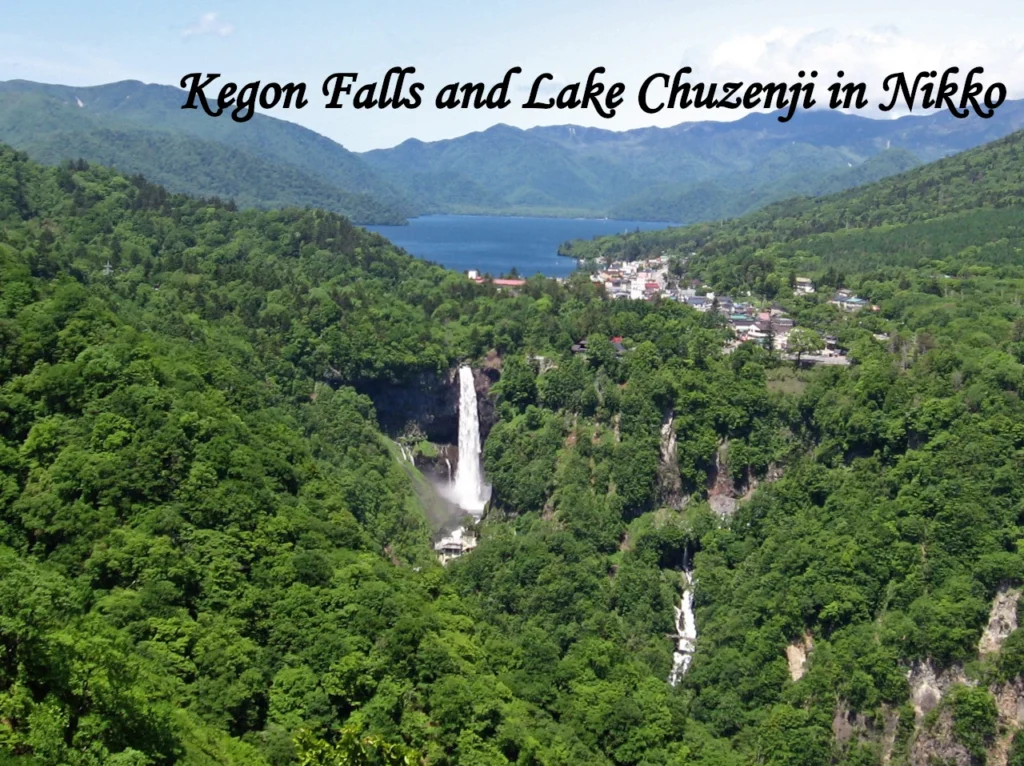
Key historical and cultural attractions in Osaka include:
Book Your Tour Package for Tokyo
- Osaka Castle (Osaka-jo) – The iconic 16th-century castle with a modern museum inside, surrounded by 106 hectares of parkland. The golden tiger-fish roof ornaments are a symbol of the city.
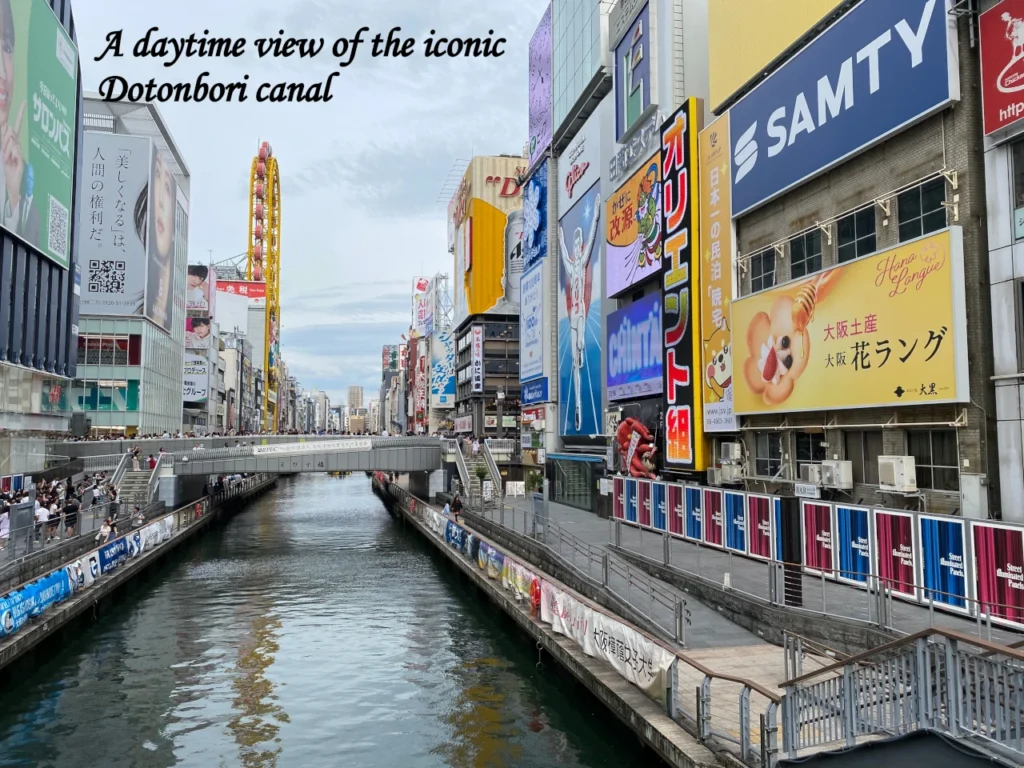
- Dotonbori – Osaka’s dazzling entertainment district, famous since the 17th century as a theater and entertainment hub. The giant moving Glico Man sign has been welcoming visitors since 1935.
- Shitennoji Temple – Founded in 593 AD by Prince Shotoku, this is one of Japan’s oldest Buddhist temples and the oldest officially administered temple in the country.
- Sumiyoshi Taisha Shrine – Dating back to the 3rd century, this grand Shinto shrine is the headquarters of over 2,300 Sumiyoshi shrines across Japan and showcases a unique pre-Buddhist architectural style.
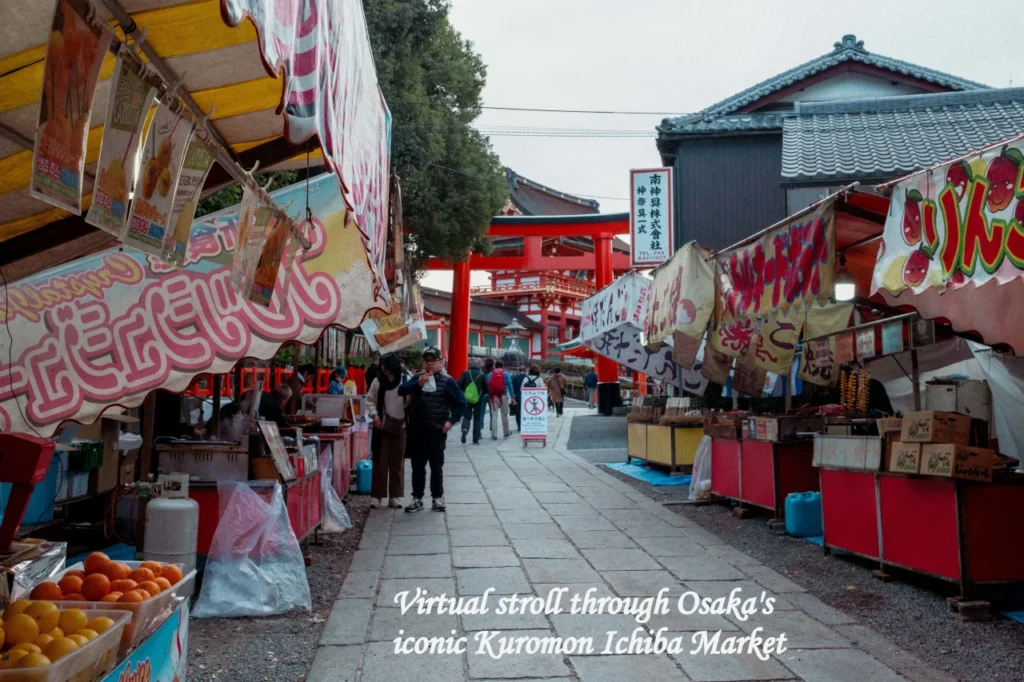
- Kuromon Ichiba Market – Nicknamed “Osaka’s Kitchen,” this 580-stall covered market has fed locals and chefs for nearly 200 years and remains one of the best places to eat your way through the city’s food culture.
5-Day Itinerary: Tokyo (3 Days) + Osaka (2 Days)
This itinerary is designed for first-time visitors — balancing iconic sights with local experiences, and allowing enough breathing room to not feel rushed. Business travelers can adapt Days 1–2 for weekday meetings and use the weekend for sightseeing.
Day 1 – Tokyo: History, Culture & Iconic Views
Morning: Begin at Senso-ji Temple in Asakusa (open 24 hours; main hall from 6 AM). Arrive by 7:30 AM to experience it before the crowds. Walk Nakamise Shopping Street for traditional souvenirs. Head to the Tokyo Skytree (10 min walk) for panoramic city views — book tickets in advance online.
Afternoon: Cross the river to Akihabara (Electric Town) for a sensory overload of anime, electronics, and gaming culture. Lunch at one of the many conveyor-belt sushi restaurants in the area. Continue to Ueno Park to visit the Tokyo National Museum (allow 90 minutes minimum).
Evening: Head to Shinjuku for dinner. Visit the free observation deck at the Tokyo Metropolitan Government Building for night views (open until 10:30 PM on most nights). Explore the neon streets of Kabukicho or the whiskey bars of Golden Gai depending on your preference.
Day 2 – Tokyo: Modern Culture, Nature & Neighborhoods
Morning: Start at Meiji Jingu Shrine for a peaceful forest walk through one of Tokyo’s most sacred spaces. Immediately adjacent is Harajuku — take Takeshita Street for pop-culture fashion, then Omotesando Avenue for high-end boutiques and stunning architecture.
Afternoon: Lunch in Shibuya, then witness the famous Shibuya Crossing — the world’s busiest pedestrian scramble. Visit Shibuya Sky observation deck for rooftop views. Walk to Harajuku or take the metro to Roppongi for world-class contemporary art at the Mori Art Museum.
Evening: Dinner in Ginza — Tokyo’s upscale shopping and dining quarter. Business travelers will find this area ideal for client dinners. Return via the scenic Yurakucho area, lined with intimate restaurants under the railway arches.
Day 3 – Tokyo: Day Trip or Deeper Exploration
Option A (Day Trip): Take the train to Nikko (2 hours from Shinjuku) — a UNESCO World Heritage complex of shrines and mausoleums in a mountain forest setting, or to Kamakura (1 hour from Shinjuku) to see the Great Buddha and coastal temples.
Option B (Tokyo Deep Dive): Explore Yanaka — a neighborhood that survived WWII bombing and retains the atmosphere of old Edo, with wooden temples, artisan shops, and a famous cemetery. Afternoon at teamLab Planets or teamLab Borderless in Odaiba for immersive digital art (book weeks in advance). Evening boat cruise on the Sumida River.
Day 4 – Osaka: Castle, Street Food & Nightlife
Morning: Take the Shinkansen from Tokyo Station to Shin-Osaka (approx. 2h 30m, book in advance on JR Pass). Check into your hotel and head straight to Osaka Castle Park. Climb the castle museum to the 8th-floor observation deck for sweeping views. The surrounding park is stunning in cherry blossom and autumn seasons.
Afternoon: Head to Kuromon Ichiba Market for a lunch-and-explore combination — sample fresh tuna sashimi, grilled crab legs, and matcha treats from individual stalls. Walk to the Namba district and lose yourself in the covered shopping arcades of Shinsaibashi and Amerika-mura.
Evening: This is Osaka at its best — arrive at Dotonbori after sunset when the neon signs reflect off the canal. Dinner is mandatory: try takoyaki (octopus balls), okonomiyaki (savory pancake), and kushikatsu (deep-fried skewers). These dishes were born in Osaka and nowhere else does them quite the same.
Navigating the nightlife in Tokyo vs Osaka reveals two completely different party cultures—Tokyo offers massive, multi-story clubs, while Osaka excels in compact bar alleys like Shinsaibashi.
Book Your Local Transport
Day 5 – Osaka: Temples, Theme Parks & Departure
Morning: Visit Shitennoji Temple for an early morning ritual atmosphere, then walk through the Tennoji Zoo and Park area (great for families). Alternatively, dedicated theme park fans should book Universal Studios Japan (USJ) for the full day — it’s one of the best USJ parks in the world with exclusive Nintendo World and Harry Potter zones.
Afternoon: If not at USJ, take a half-day trip to Nara (45 minutes by train) to hand-feed the famous free-roaming deer and visit Todai-ji Temple, home to Japan’s largest bronze Buddha. Return to Osaka, do final shopping in Shinsaibashi, and enjoy a farewell dinner before heading to Kansai International Airport or onward to your next destination.
Travel Guidelines & Tips for Tokyo and Osaka
General Travel Tips
If you are looking at transit ease, the Tokyo vs Osaka comparison is a tie; both feature world-class subway systems, though Osaka’s layout is slightly more compact for first-timers.
- Carry cash: Japan remains predominantly cash-based, especially at smaller restaurants and temples. 7-Eleven and Japan Post ATMs reliably accept international cards. Withdraw ¥20,000–¥30,000 as you arrive.
- Get a pocket Wi-Fi or SIM card: Available at airport arrival halls. Japan’s Google Maps integration is excellent — you’ll navigate by metro like a local within hours.
- IC Card (Suica or ICOCA): Load money onto these contactless cards at airport machines. They work on nearly all trains, buses, and even convenience store purchases in both Tokyo and Osaka.
- Remove shoes: Many traditional restaurants, ryokans, and homes require shoes to be removed at the entrance. Slip-on shoes save time and embarrassment.
- Quiet in public spaces: Phone calls on trains are considered rude. Keep conversations low and music through headphones only.
- No eating while walking: Especially in traditional areas. It’s acceptable at festivals, but on city streets it’s frowned upon.
- Tattoo awareness: Many onsen (hot spring baths) and some gyms ban visible tattoos. Check policies before visiting.
- Business card etiquette: If you’re a business traveler, bring plenty of cards and accept Japanese cards with both hands and a slight bow — study them briefly before putting them away respectfully.
Book Your Public Transport
Health & Safety
- Japan is extremely safe — violent crime against tourists is exceptionally rare. The biggest risks are pickpocketing in very crowded areas (rare) and getting lost.
- Travel insurance is strongly recommended. Japan has excellent healthcare but costs can be high for foreigners without coverage.
- Pharmacies (Matsumoto Kiyoshi, Sundrug) are everywhere and well-stocked. Staff may not speak English — bring the generic name of any medication you might need.
- Japan sits on the Pacific Ring of Fire. Download the Safety tips app by the Japan Tourism Agency for earthquake alerts and emergency information in English.
Checklist for Families Travelling with Infants
Traveling to Japan with a baby or toddler is more manageable than you might think — Japan is one of the most family-friendly countries in the world. Here’s what to know and pack:
Before You Fly
- ☑ Book an aisle or bassinet seat (bulkhead row) on your flight — request directly with the airline at booking
- ☑ Check visa requirements — children typically need their own passport and may need a visa depending on nationality
- ☑ Register with your country’s embassy in Japan (smart for any family travel)
- ☑ Get comprehensive travel insurance that covers the infant with pediatric care
- ☑ Research pediatric clinics near your hotel in Tokyo and Osaka
What to Pack
- ☑ Diapers/nappies (Japanese sizes run small — bring your own brand if your baby is large for their age)
- ☑ Baby formula — Western brands may be hard to find; bring supply or research Japanese equivalents
- ☑ Lightweight collapsible stroller — most attractions and train stations have elevators; escalators are also widely available
- ☑ Baby carrier/wrap for temples, markets, and places where strollers are unwieldy
- ☑ Sun protection — Japan summers are very hot and humid (June–August)
- ☑ Any prescribed medications with a doctor’s letter (some medications are restricted in Japan)
- ☑ Muslin cloths, bibs, portable changing mat
In Tokyo & Osaka
- ☑ Department stores (Isetan, Takashimaya) have excellent nursing rooms (授乳室) and diaper changing facilities on every floor
- ☑ Most major train stations have baby-changing facilities and nursing rooms
- ☑ Convenience stores (7-Eleven, FamilyMart, Lawson) stock diapers, formula, baby food, and wet wipes 24/7
- ☑ Restaurants in Japan are generally very welcoming to families — highchairs are common
- ☑ Avoid rush hour on trains with a stroller: 7:30–9:30 AM and 5:30–7:30 PM on weekdays
- ☑ Tokyo Disneyland and DisneySea are exceptional for families with young children — baby care centers on-site are world-class
- ☑ Japan’s tap water is safe to drink everywhere — no need to buy bottled water for mixing formula
Tickets, Tour Plans & Passes for Tokyo and Osaka
Japan Rail Pass (JR Pass)
The Japan Rail Pass is the single most valuable purchase for first-time visitors combining Tokyo and Osaka. It covers unlimited travel on JR trains including the Shinkansen (bullet train) between cities, JR local trains in both cities, and JR buses.
- 7-Day Ordinary Pass: ¥50,000 (~USD 330) — covers Tokyo–Osaka return Shinkansen (worth ~¥30,000 alone) plus all JR travel
- 14-Day Ordinary Pass: ¥80,000 (~USD 530) — ideal if extending to Kyoto, Hiroshima, or Hokkaido
- Children’s Pass (6–11 years): Half price; under 6 travels free
- Purchase online at Japan Rail Pass Official Site or at major airport JR offices on arrival
Tokyo City Passes
- Tokyo Subway Ticket (1/2/3-day): Unlimited rides on Tokyo Metro and Toei Subway lines. 72-hour pass: ¥1,500. Available at airport stations and major stations. Ideal for intensive sightseeing days.
- Suica Card: Rechargeable IC card — the most flexible option. Works on all Tokyo trains, buses, and convenience stores. Get it at any JR East machine at Narita or Haneda Airport.
- Tokyo Skytree + Senso-ji Combo Tickets: Available online and at the Skytree box office — discounts on combo observation deck packages.
Osaka City Passes
- Osaka Amazing Pass (1-day: ¥2,800 / 2-day: ¥3,600): Covers unlimited subway + bus rides AND free entry to 40+ attractions including Osaka Castle, Tempozan Giant Ferris Wheel, and cruise boats. Outstanding value for sightseeing days.
- ICOCA Card: Osaka’s equivalent of Suica — works on all Osaka Metro, JR, and Hankyu/Hanshin private lines. Available at any station machine. Interchangeable with Suica.
- Universal Studios Japan (USJ) Tickets: 1-Day Studio Pass starts at ¥10,400 (adults) and ¥6,800 (children 4–11). Express Passes for popular attractions sell out fast — book 1–2 months ahead at USJ Official Site.
Local Transport: Getting Around Tokyo and Osaka
Tokyo Transport
Tokyo has one of the world’s most comprehensive public transport networks — 13 metro lines, multiple JR commuter lines, and private railways serving the greater metropolitan area. It can look daunting, but Google Maps handles Japan routing beautifully.
- Tokyo Metro & Toei Subway: The backbone of tourist travel. Trains run 5 AM–midnight. Fares from ¥170 based on distance. Tokyo Metro Official Site
- JR Yamanote Line: The circular loop train connecting Shinjuku, Shibuya, Harajuku, Akihabara, Ueno, and Tokyo Station — essential for tourists.
- Taxis: Clean, metered, and reliable but expensive — base fare ~¥730. Doors open and close automatically. Taxi apps: GO (formerly JapanTaxi) works across both cities.
- Tokyo Airport Access: Narita — Narita Express (N’EX) to central Tokyo in 60 min (¥3,070); Haneda — Tokyo Monorail to Hamamatsucho in 15 min (¥500) or Keikyu Line to Shinagawa in 13 min (¥300).
Osaka Transport
- Osaka Metro: 9 lines covering the entire city efficiently. Fares from ¥180. The Midosuji Line (red) is the main north-south spine connecting Shin-Osaka, Umeda, Shinsaibashi, Namba, and Tennoji. Osaka Metro Official Site
- Hankyu & Hanshin Railways: Private railways connecting Osaka to Kyoto (Hankyu Kyoto Line: 43 min, ¥410) and Kobe (Hanshin Main Line: 32 min, ¥330) — excellent day-trip options.
- Osaka Loop Line (JR): Circles the city much like Tokyo’s Yamanote Line — covered by JR Pass.
- Kansai Airport Access: Haruka Limited Express to Shin-Osaka in 50 min (¥2,850); Nankai Airport Express (Rapi:t) to Namba in 38 min (¥1,450) — not covered by JR Pass but very convenient for staying near Dotonbori/Namba.
- Water Bus: Osaka Aqua Bus and Tombori River Cruise offer scenic boat trips along the canals — a wonderful way to see Dotonbori from the water (¥1,600–¥2,500).
Recommended Tour Operators
1. Viator Japan Tours
Best for: Independent travelers wanting flexible, bookable-online day tours in both Tokyo and Osaka
Viator offers over 500 Japan experiences ranging from 2-hour walking tours to multi-day regional packages. Their Tokyo highlights include a popular Night Foodie Tour in Shinjuku, teamLab skip-the-line packages, and Nikko Day Trips with English guide. In Osaka, standouts include the Dotonbori Street Food Walk, Osaka Castle + Hiroshima Day Trip, and Nara Deer Park Guided Tour. All tours are rated and reviewed, with free cancellation on most bookings up to 24 hours before departure.
Price range: ¥3,000–¥35,000 per person depending on tour length
Book at: www.viator.com/Japan
2. JTB Corp (Japan Travel Bureau)
Best for: Business travelers, group tours, and families wanting fully managed end-to-end Japan itineraries
JTB is Japan’s largest and most established travel agency, operating since 1912. For first-time visitors, their Sunrise Tours brand offers expertly crafted day tours departing from Tokyo and Osaka hotels, including the famous Mt. Fuji and Hakone Full Day Tour and Kyoto-Nara Full Day from Osaka. Business travel services include meeting and incentive packages, airport meet-and-greet, and interpreter arrangements. JTB’s MICE division handles corporate events, conferences, and executive travel logistics across Japan.
Price range: ¥8,000–¥80,000+ per person (day tours to full packages)
Book at: www.jtb.co.jp/inbound_en
Preferred Hotels for Accommodation
Tokyo: Park Hyatt Tokyo
Location: Shinjuku (floors 39–52 of the Shinjuku Park Tower)
Best for: Business travelers, luxury tourists, couples
Why stay here: The Park Hyatt Tokyo is genuinely iconic — made famous by Sofia Coppola’s Lost in Translation, it offers spectacular elevated views over the Tokyo skyline including Mt. Fuji on clear days. The hotel features an extraordinary indoor pool, the renowned Peak Bar, and New York Grill restaurant (one of Tokyo’s great dining experiences). Rooms are spacious by Tokyo standards, and service is impeccably attentive without being intrusive. The business center and conference facilities are among Tokyo’s finest.
Room rates: From ¥80,000/night (~USD 530)
Book at: www.hyatt.com – Park Hyatt Tokyo
Budget-conscious alternative: Dormy Inn Akihabara — a superb mid-range option with an on-site natural hot spring bath (onsen), free late-night ramen service, and excellent location. From ¥8,000/night. Book via Booking.com or Dormy Inn official site.
Osaka: The St. Regis Osaka
Location: Honmachi (central Osaka, between Umeda and Namba)
Best for: Business travelers, luxury stays, special occasions
Why stay here: The St. Regis Osaka combines the brand’s legendary butler service with a distinctly Japanese aesthetic — understated, precise, and deeply attentive. Rooms occupy the upper floors of the Osaka Fukushima building, offering sweeping city views. The Il Mago Italian restaurant and Ciel Bleu French restaurant make it unnecessary to go far for excellent dining. The location on the Midosuji business corridor makes it a favorite for corporate travelers visiting Osaka’s financial district. The spa features a 25-meter lap pool, rare for a central city hotel.
Room rates: From ¥60,000/night (~USD 400)
Book at: www.marriott.com – St. Regis Osaka
Budget-conscious alternative: Cross Hotel Osaka — stylishly designed mid-range hotel steps from Namba and Dotonbori. From ¥12,000/night. Book at Cross Hotel Osaka.
Food Facilities Inside Tourist Places – Tokyo vs Osaka
Tokyo Attractions — Food & Dining
- Senso-ji Temple (Asakusa): Nakamise Shopping Street leading to the temple has 90 stalls selling traditional snacks — ningyo-yaki (figure-shaped cakes), kaminari okoshi (rice crackers), and matcha soft-serve ice cream. Multiple sit-down restaurants serve tempura and soba within 2 minutes’ walk.
- Tokyo Skytree: Floors 1–7 of the tower feature Tokyo Solamachi, a shopping mall with 312 shops and restaurants. Highlights include a ramen street, a sushi bar, and a wagyu beef specialist. Observatory-level light snacks and drinks available at the sky café.
- Ueno Park & Museums: The park has multiple outdoor food stalls and café kiosks. The Tokyo National Museum has a café inside. Ameya-Yokocho Market (Ameyoko) on the park’s edge is one of Tokyo’s best outdoor market-eating experiences.
- Meiji Jingu: Limited food within the shrine grounds (seasonal sweet stalls near the entrance). Harajuku’s Takeshita Street immediately outside offers crepes, rainbow cotton candy, and bubble tea — a paradise for younger visitors.
Osaka Attractions — Food & Dining
When it comes to culinary experiences, the Tokyo vs Osaka food rivalry is legendary. While Tokyo boasts the highest number of Michelin stars, Osaka wins on casual, affordable street food
- Osaka Castle: The castle park has seasonal food stalls and a café in the main tower’s ground floor. The nearby Osaka-jo Hall complex has a larger food court.
- Dotonbori: This is one giant food destination. Every cuisine imaginable exists here but don’t miss the Osaka originals: Ichiran Ramen (solo dining booths), Kani Doraku (giant mechanical crab sign, famous crab cuisine), Mizuno (Osaka’s most celebrated okonomiyaki, often has queues), and countless takoyaki stalls from Aizuya and Kukuru.
- Kuromon Ichiba Market: The market itself is a food court — vendors sell ready-to-eat sashimi, wagyu beef skewers, fresh oysters, and seasonal Japanese fruits. Budget ¥2,000–¥4,000 to eat your way through.
- Universal Studios Japan: Themed food throughout the park. The Wizarding World of Harry Potter serves Butterbeer and cauldron cakes. Super Nintendo World has Koopa’s Challenge-themed food. Multiple restaurants with English menus and vegan/vegetarian labeling.
Book Your Flight
Frequently Asked Questions (FAQ)
1. Should I visit Tokyo or Osaka first?
Most travelers flying into Japan from North America and Europe will arrive at Narita or Haneda Airport (Tokyo), making Tokyo a natural starting point. After 3–4 nights in Tokyo, take the Shinkansen to Osaka for 2–3 nights before flying home from Kansai International Airport. This west-to-east routing avoids backtracking and feels geographically satisfying. If you’re flying into Osaka first, simply reverse the order.
2. How long does it take to get from Tokyo to Osaka?
The Nozomi Shinkansen (the fastest bullet train) covers the 515 km between Tokyo Station and Shin-Osaka Station in approximately 2 hours 22 minutes. Note that the Nozomi is NOT covered by the standard JR Pass — you’ll need to take the Hikari (2h 52m) or Kodama (slower). Non-JR Pass holders can save money by booking Nozomi tickets in advance online at JR Central’s international booking site.
3. Is the Japan Rail Pass worth buying?
For most first-time visitors combining Tokyo and Osaka, yes — but do the math for your specific itinerary. A Tokyo–Osaka return Hikari ticket costs around ¥27,600. If you add a day trip to Nikko or Hakone from Tokyo (¥6,000–¥8,000 round trip) and use JR trains within both cities, a 7-day pass at ¥50,000 quickly pays for itself. Use the official JR Pass savings calculator to check for your exact itinerary.
4. What is the best time of year to visit Tokyo and Osaka?
Japan has two golden travel windows: March–May (cherry blossom season peaks late March to mid-April; temperatures mild 15–22°C) and October–November (autumn foliage; comfortable 15–25°C, less humid than summer). Avoid mid-July to early September unless you love extreme heat and humidity (35°C+) — though summer festivals are spectacular. The Golden Week holiday (late April–early May) sees massive domestic travel; book everything well in advance if visiting then.
5. Do I need to speak Japanese to travel in Tokyo and Osaka?
Not at all. Both cities are exceptionally well-prepared for English-speaking visitors. Major train stations, attractions, menus, and road signs all have English translations. Tourism staff in hotels, major attractions, and airports typically speak conversational English. That said, learning a handful of phrases (arigatou gozaimasu = thank you; sumimasen = excuse me/sorry; eigo ga hanasemasu ka? = do you speak English?) will earn you enormous goodwill from locals.
6. Is Osaka cheaper than Tokyo?
Generally, yes. Osaka hotel rates average 20–30% lower than comparable Tokyo hotels. Street food and casual dining are slightly more affordable — Osaka’s culture of eating well without spending a fortune is genuine. Public transport costs are similar between the two cities. However, for luxury hotels and fine dining, prices are comparable. Business travelers will find Tokyo’s central business districts (Shinjuku, Marunouchi) competitive with any global tier-1 city.
7. What attractions are free in Tokyo and Osaka?
Tokyo free attractions: Senso-ji Temple grounds, Meiji Jingu Shrine, Shinjuku Gyoen National Garden (small fee ¥500), Imperial Palace East Gardens, Tsukiji Outer Market (walking and eating), Shibuya Crossing, Akihabara district walking, all public parks. Tokyo Metropolitan Government Building observation deck (usually free, check current status). Osaka free attractions: Dotonbori canal-side walking, Sumiyoshi Taisha Shrine entrance, Shitennoji outer precincts, Umeda Sky Building rooftop garden (outer section), Tennoji Park, Namba Parks shopping and garden terraces.
8. What are the visa requirements for visiting Japan?
Japan operates a visa-on-arrival system for citizens of approximately 68 countries including the USA, UK, Canada, Australia, most EU nations, and many Southeast Asian countries — eligible travelers receive a 90-day tourist stamp at the port of entry with no advance application needed. Other nationalities must apply for a tourist visa at their nearest Japanese embassy before travel. Business travelers attending meetings or conferences typically fall under the same visa-free provisions but should not engage in paid employment without the appropriate work visa. Always verify current requirements at the Japanese Ministry of Foreign Affairs website before travel, as policies can change.
Official & Authentic Resources
Government & Tourism Authorities
- 🇯🇵 Japan National Tourism Organization (JNTO) – Official Tourism Portal: www.japan.travel/en — Comprehensive official travel information for all of Japan
- 🏙️ Tokyo Tourism Official Guide: www.gotokyo.org/en — The Tokyo Metropolitan Government’s official tourism website with event calendars, attraction maps, and travel advisories
- 🏯 Osaka Tourism Official Website: osaka-info.jp/en — Official Osaka Convention & Tourism Bureau site
- 🛂 Japan Visa Information – Ministry of Foreign Affairs: www.mofa.go.jp/j_info/visit/visa/index.html — Official visa eligibility checker and application procedures
- 🚄 Japan Rail Pass Official: www.japanrailpass.net/en — Purchase passes, check coverage, and use the savings calculator
- ✈️ Japan Immigration Services Agency: www.isa.go.jp/en/index.html — Official entry, re-entry, and residence information
Transport & Getting Around
- 🚇 Tokyo Metro Route Map & Fares: www.tokyometro.jp/en/subwaymap
- 🚇 Osaka Metro Official English Site: subway.osakametro.co.jp/en
- 🚄 JR Central (Shinkansen Bookings): global.jr-central.co.jp/en — International advance Shinkansen booking
- ✈️ Narita Airport Official: www.narita-airport.jp/en
- ✈️ Kansai International Airport: www.kansai-airport.or.jp/en
Safety & Emergency Resources
- 🆘 Japan Tourism Agency Safety Tips App: www.jnto.go.jp/safety-tips/eng/app.html — Earthquake alerts and disaster information in English
- 📞 Japan Tourist Helpline (24-hour, English): +81-3-5321-8520 — Operated by JNTO for travelers in difficulty
- 🏥 Tokyo Metropolitan Health & Medical Information Center: +81-3-5285-8181 — English-language medical advice for tourists
Final Verdict: “Ultimately, deciding on Tokyo vs Osaka doesn’t mean you have to miss out on either. If your schedule allows, catching a bullet train lets you experience the best of both world-class cities.
Visit our other blogs
eSIM Unleashed: Best Global Travel Plans for 2026
Essential Travel Insurance – Avoid Costly Mistakes (2026)
Avoid Costly Travel Mistakes: Visa on Arrival vs ETA Guide for Asia Pacific 2026
This guide is regularly updated for accuracy. Travel information including transport fares, ticket prices, and entry requirements may change. Always verify current details through the official links provided above before travel. Safe journeys!



Leave a Reply