This guide contains affiliate links. We may earn a commission at no extra cost to you — see our Affiliate Disclosure and Affiliate Disclosure Policy for details.
Switzerland’s top tourist places in 2026 include Lucerne, Interlaken, Zermatt (Matterhorn), Jungfraujoch, Zurich, Geneva, Bern, St. Moritz, Lauterbrunnen Valley, and Lake Geneva. The best way to travel between these destinations is with the Swiss Travel Pass (from CHF 254 for 3 days in 2nd class), which covers trains, buses, and boats nationwide. The ideal time to visit is June–August for hiking and outdoor activities, or December–March for skiing. Citizens of India and most South Asian countries require a Schengen visa. The five-day itinerary begins in Lucerne, continues through Interlaken, proceeds to Zermatt, then Bern, and concludes in Geneva or Zurich.
The Ultimate Travel Guide for Tourists & Business Travelers
To book your stay, click here. To Book Local Travel, click here
Traveling Overseas: click here to buy an eSIM. For more inf,o click here.
Also buy your click here to buy your mobile esim
Updated June 2026 | 20-Minute Read | Suitable for First-Time Visitors, Families & Business Travelers
If there is one country that lives up to every dreamy expectation you have ever had from a travel destination, it is Switzerland. Snow-capped Alpine peaks, glittering glacial lakes, medieval old towns, world-class ski resorts, and a clockwork-precise public transport system — Switzerland does not just meet the bar, it sets it. Whether you are a backpacker on a tight budget, a family travelling with toddlers, or a business executive squeezing in a weekend excursion between meetings in Zurich, this guide covers every essential detail about the best tourist places in Switzerland in 2026.
Switzerland sits at the heart of Europe, sharing borders with Germany, France, Italy, and Austria. Despite being compact in size, it packs an extraordinary variety of landscapes, cultures, and languages into its borders — German in the north and east, French in the west, Italian in the south, and Romansh in the southeast. That cultural diversity is one reason why every corner of this country feels like a completely different travel experience.
Table of Contents
🏔️ Top 10 Must-Visit Tourist Places in Switzerland (2026)
This curated list is based on visitor footfall, scenic value, accessibility, and cultural significance — ranked to help you prioritize your itinerary wisely.
1. Lucerne — The Gateway to Central Switzerland
Lucerne is consistently rated one of the most tourist-friendly and visually striking cities in all of Switzerland. Perched on the edge of Lake Lucerne and framed by snow-dusted peaks, the city is an easy favourite for first-time visitors. The iconic Chapel Bridge (Kapellbrücke), dating back to the 14th century, is Europe’s oldest surviving wooden covered bridge and an absolute must-photograph landmark.
Book Your Tour Packages around Lucerne
The Musegg Wall, a stretch of medieval fortifications with nine towers still standing from the 13th century, gives the city a fairytale quality that few places in Europe can match. Beyond the historic core, Lucerne offers easy access to Mount Pilatus and Mount Rigi — both reachable by cogwheel railway or cable car — delivering panoramic alpine views that will genuinely take your breath away.
- Best For: First-time visitors, families, cruise day-trippers
- Top Attractions: Chapel Bridge, Lion Monument, Old Town, Lake Lucerne cruises, Mount Pilatus
- Entry Fee: City is free to explore; Mount Pilatus cableway approx. CHF 72–80 (50% discount with Swiss Travel Pass)
2. Interlaken — Adventure Capital of the Alps
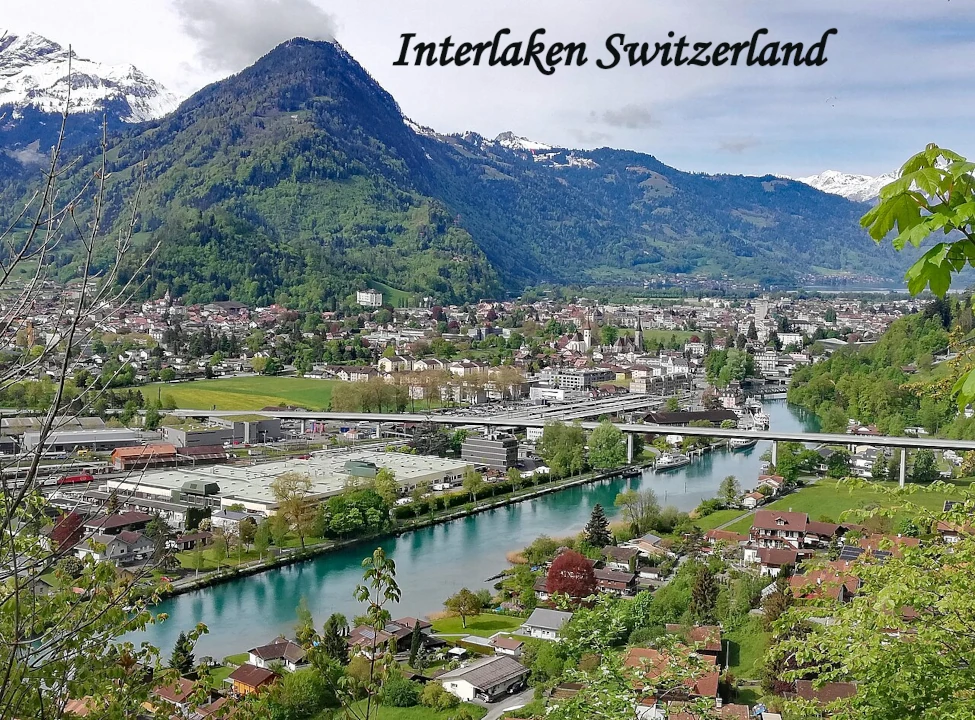
Nestled between Lake Thun and Lake Brienz, Interlaken is Switzerland’s undisputed adventure hub. Paragliding, skydiving, canyoning, river rafting, and bungee jumping are just a few of the adrenaline-fueled options available here year-round. But Interlaken is not just for the thrill-seekers. The town serves as the primary base for exploring the wider Jungfrau region — including Grindelwald, Lauterbrunnen, and Wengen — making it one of the most strategically positioned stops on any Swiss itinerary. The iconic trio of Eiger, Mönch, and Jungfrau mountains forms a jaw-dropping backdrop visible from virtually every vantage point in town.
Book Your Tour Package for Interlaken
- Best For: Adventure travelers, hikers, mountain lovers
- Top Attractions: Harder Kulm viewpoint, Lake Brienz, Paragliding, Trümmelbach Falls
- Entry Fee: Town free; Harder Kulm funicular CHF 34 return
3. Jungfraujoch — Top of Europe
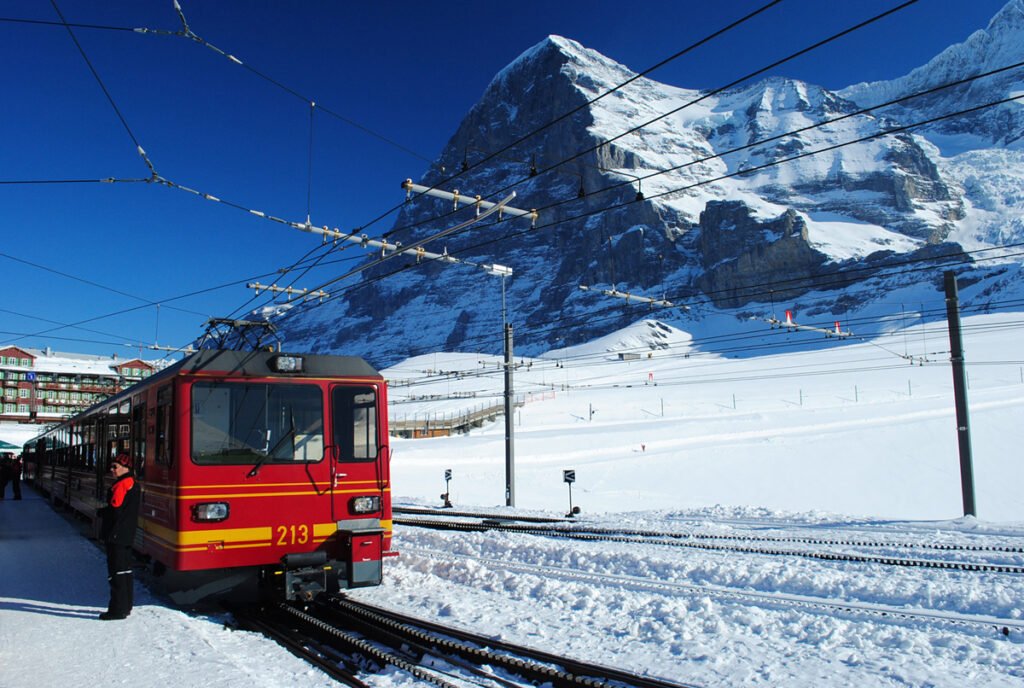
At 3,454 metres above sea level, Jungfraujoch is home to the highest railway station in Europe. The journey itself, aboard the Jungfrau Railway through tunnels carved directly through the Eiger and Mönch mountains, is a feat of engineering that visitors have been marvelling at since 1912. Once at the top, you are greeted by the Aletsch Glacier — the largest glacier in the Alps — along with panoramic observation decks, an ice palace, a science station, and restaurants perched above the clouds. On a clear day, the views stretch as far as Germany and France.
- Best For: Once-in-a-lifetime experience seekers, couples, photographers
- Entry Fee: Approx. CHF 145–200 from Interlaken; discounts available with Swiss Travel Pass
- Tip: Book well in advance during peak summer months (July–August)
4. Zermatt & The Matterhorn — Switzerland’s Most Iconic View
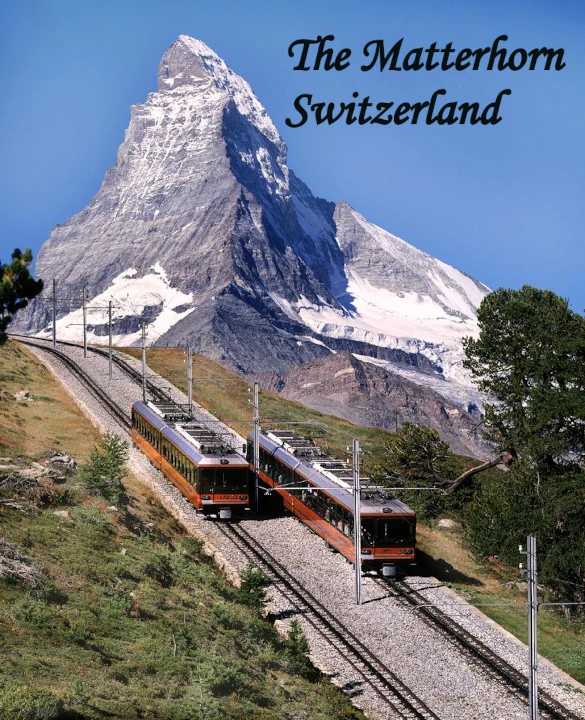
The Matterhorn is arguably Switzerland’s most recognisable natural landmark — a perfectly pyramid-shaped peak that dominates the skyline above the charming, car-free village of Zermatt. Whether you are visiting for world-class skiing in winter or hiking along pristine trails in summer, Zermatt delivers an atmosphere unlike anywhere else in the Alps. The Gornergrat Railway takes visitors to a viewpoint at 3,089 metres, offering arguably the best close-up view of the Matterhorn available without climbing it. The village itself — with its timber chalets, gourmet restaurants, and horse-drawn carriages — feels authentically Alpine in the best possible way.
- Best For: Skiers, hikers, luxury travellers, photographers
- Top Attractions: Matterhorn Glacier Paradise, Gornergrat Railway, Klein Matterhorn
- Entry Fee: Village free; Gornergrat Railway approx. CHF 95 return
5. Zurich — Where Finance Meets Culture
Switzerland’s largest city is far more than its reputation as a global banking capital. Zurich’s Old Town (Altstadt) stretches along the Limmat River, filled with narrow cobblestone streets, medieval guild halls, centuries-old churches, and excellent independent cafés. The Kunsthaus Zurich — one of Switzerland’s premier art museums — has undergone a major expansion and now houses an impressive collection spanning six centuries. In summer, locals and tourists alike flock to the lakefront for swimming and picnicking, creating a relaxed, almost Mediterranean atmosphere that surprises many first-time visitors.
- Best For: Business travelers, art lovers, foodies, city explorers
- Top Attractions: Bahnhofstrasse, Kunsthaus Zurich, Old Town, Lake Zurich, Uetliberg
- Entry Fee: Most outdoor areas free; Kunsthaus from CHF 23
6. Geneva — The International City on the Lake
Geneva is the home of global diplomacy — housing the United Nations European headquarters, the International Red Cross, and dozens of other international organisations. But beyond its political significance, Geneva is an elegant lakeside city with a rich cultural life, upscale shopping, world-famous watchmakers, and the spectacular Jet d’Eau fountain shooting water 140 metres into the air above Lake Geneva. The Old Town, centred on St. Peter’s Cathedral, is compact and walkable. The city also serves as the gateway to the Lavaux wine region — a UNESCO World Heritage site of terraced vineyards along the northern shore of Lake Geneva.
Book Your Tour Package from Geneva
- Best For: Business travelers, diplomats, culture seekers, wine lovers
- Top Attractions: Jet d’Eau, UN Palais des Nations, Old Town, CERN, Lavaux Vineyards
- Entry Fee: Jet d’Eau free; UN tours from CHF 15
7. Bern — The Federal Capital with Timeless Charm
Switzerland’s de facto capital is one of Europe’s best-preserved medieval cities. Bern’s Old Town is a UNESCO World Heritage Site, renowned for its six kilometres of covered arcades (Lauben) that allow you to walk through the entire city centre without getting wet in the rain — a practical feat of medieval urban planning. The Federal Palace (Bundeshaus), the Bear Park, the Zytglogge (Clock Tower), and the Einstein Museum are just a few highlights in a city that rewards slow, exploratory walking. Bern is also a surprisingly green city, with the Aare River wrapping around the Old Town like a natural moat.
- Best For: History buffs, business travelers, architecture lovers
- Top Attractions: Zytglogge, Münster Cathedral, Bear Park, Rose Garden, Federal Palace
- Entry Fee: Most attractions free or low cost
8. Lauterbrunnen Valley — The Valley of 72 Waterfalls
Lauterbrunnen is one of those places that looks almost too cinematic to be real. A deep, flat-bottomed glacial valley hemmed in by sheer 300-metre cliffs, with 72 waterfalls cascading down the rock faces — including the thundering Staubbach Falls visible directly from the village centre. The valley is the base for reaching the car-free mountain villages of Wengen and Mürren, and it provides some of the most dramatic valley hiking in the entire Alps. Many visitors consider this the single most beautiful valley in Switzerland, and it is hard to argue with them.
- Best For: Nature lovers, hikers, photographers, families
- Top Attractions: Staubbach Falls, Trümmelbach Falls, Wengen, Mürren village
- Entry Fee: Valley free; Trümmelbach Falls approx. CHF 14
9. St. Moritz — Luxury & Winter Sports Royalty
St. Moritz has been synonymous with luxury Alpine tourism for over 150 years. The town hosted the Winter Olympics in both 1928 and 1948, and it continues to attract royalty, celebrities, and serious sports enthusiasts from around the world. In winter it is a haven for skiing, snowboarding, ice polo, and the legendary Cresta Run bobsled track. In summer, the turquoise lake, the surrounding hiking trails, and the crisp mountain air make it equally appealing. St. Moritz is expensive by Swiss standards — which is saying something — but the experience is genuinely world-class.
- Best For: Luxury travelers, skiers, sports enthusiasts
- Top Attractions: Lake St. Moritz, Cresta Run, Corviglia Ski Area, Engadin Valley
10. Lake Geneva (Lac Léman) & Montreux — The Swiss Riviera
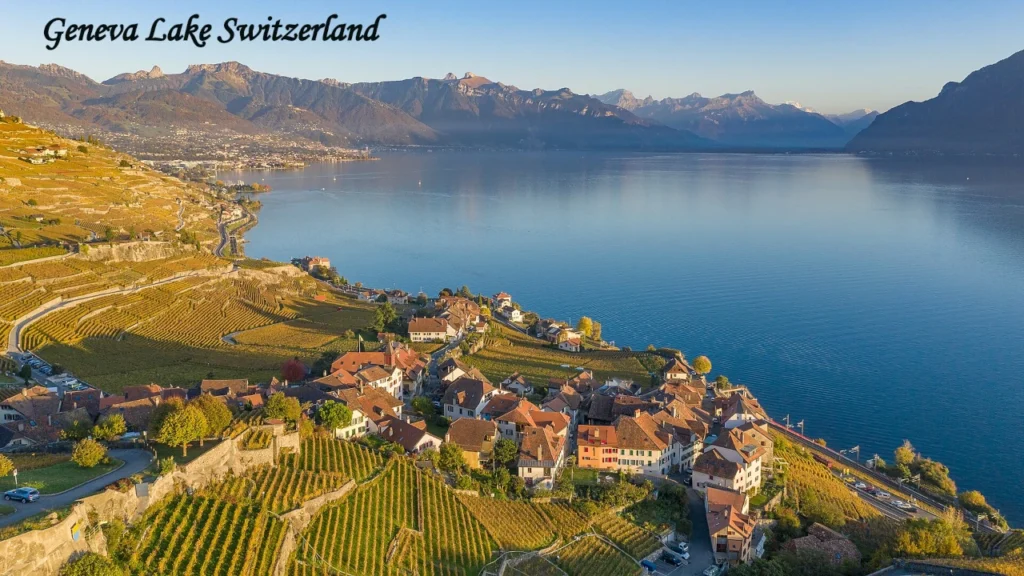
The northern shore of Lake Geneva, often called the Swiss Riviera, is one of the most picturesque stretches of scenery in all of Europe. The medieval Chillon Castle — a water fortress that has stood on the lake’s edge since the 12th century — is the single most visited historic monument in Switzerland. The nearby town of Montreux is famous for its annual jazz festival, its palm-lined promenade, and its mild microclimate that allows Mediterranean plants to thrive at Alpine latitude. The terraced Lavaux vineyards running along the hillside above the lake add another layer of visual drama to what is already a sensationally scenic area.
- Best For: Couples, culture lovers, wine enthusiasts, business retreats
- Top Attractions: Chillon Castle, Montreux Jazz Festival (July), Lavaux Vineyards, Lausanne
- Entry Fee: Chillon Castle approx. CHF 13.50
📜 History of Tourist Places in Switzerland
Switzerland’s identity as a premier tourist destination is not a modern phenomenon — it stretches back nearly three centuries. The story of Swiss tourism begins in the late 18th century, when wealthy British aristocrats began making the Grand Tour of Europe, venturing into the Alps as part of their continental education. The dramatic mountain scenery — then considered wild and fearsome by most Europeans — gradually became fashionable, and Switzerland emerged as the continent’s most desirable alpine retreat.
Lucerne was among the first Swiss cities to develop a formal tourism infrastructure, with elegant lakeside hotels appearing along its shores in the 1820s and 1830s. The opening of the Mont Cenis Tunnel in 1871 and the St. Gotthard Railway Tunnel in 1882 dramatically reduced travel times and made Switzerland accessible to a far wider audience. The Swiss hospitality industry responded with extraordinary energy, constructing grand Belle Époque hotels — some of which, like the Victoria-Jungfrau in Interlaken (opened 1865) and the Beau-Rivage Palace in Lausanne (opened 1861), still operate today as luxury landmarks.
The winter sports revolution arrived at the turn of the 20th century. St. Moritz had already been welcoming summer visitors since the 1860s, but it was hotel owner Johannes Badrutt who, in 1864, famously bet a group of British guests that they would enjoy St. Moritz in winter — a wager that effectively launched the Swiss ski industry. Davos and Zermatt followed quickly, and by the 1920s winter tourism was generating as much revenue as the summer season.
Jungfraujoch’s famous railway, completed in 1912 after 16 years of construction, opened up the high Alpine world to ordinary travellers in a way that had previously been possible only for serious mountaineers. The Bernese Oberland became the most celebrated mountain tourism region in the world, a status it has never really surrendered. Today, Switzerland welcomes approximately 40 million overnight stays per year from international visitors, with the majority drawn to the alpine and lake regions that first captivated British and European travellers all those generations ago.
🗓️ Five-Day Switzerland Itinerary (2026) — Tourists & Business Travelers
This itinerary is designed for first-time visitors who want to cover the highlights efficiently. It works equally well for leisure tourists and business travelers extending a Zurich or Geneva trip into a weekend escape. All connections are by Swiss Federal Railways (SBB) and fully covered by the Swiss Travel Pass.
Day 1 — Zurich: Arrival & City Exploration
Fly into Zurich Airport (ZRH) — Switzerland’s largest international gateway. Check in to your hotel and spend the afternoon exploring the Old Town (Altstadt) on foot. Walk along the Limmat River, visit the twin-towered Grossmünster Church, and stroll down Bahnhofstrasse for a window-shopping experience on one of the world’s most elegant shopping streets. In the evening, enjoy a traditional Swiss meal — try Zürcher Geschnetzeltes (sliced veal in cream sauce) at one of the Old Town restaurants. Business travelers staying in Zurich may use this day for meetings and treat it as a same-day arrival-and-orientation exercise.
- Overnight: Zurich
- Recommended Transport: Walk / City tram (Swiss Travel Pass valid)
- Meals: Dinner at Zeughauskeller (authentic Swiss brasserie, Bahnhofstrasse 28a)
Day 2 — Lucerne: Medieval City & Mountain Views
Take an early morning train from Zurich HB to Lucerne (approx. 50 minutes). Spend the morning exploring the Chapel Bridge, the Lion Monument carved into a cliff face in memory of Swiss Guards, and the compact but compelling Old Town. After lunch, take the Pilatus Gondola or the Mount Rigi cogwheel railway for sweeping panoramic views over the lake and surrounding Alps. Return to Lucerne for dinner and an evening lakeside stroll.
- Overnight: Lucerne
- Train: Zurich HB → Lucerne (hourly, approx. CHF 25 or free with Swiss Travel Pass)
- Mountain Excursion: Mount Pilatus round trip approx. CHF 72 (50% off with Swiss Travel Pass)
Day 3 — Interlaken & Jungfraujoch: Top of Europe
Catch an early train from Lucerne to Interlaken Ost (approx. 2 hours). Drop your bags at the hotel and immediately head up to Jungfraujoch — allow at least 5–6 hours for the return journey including time at the summit. The journey involves two train changes (at Grindelwald or Lauterbrunnen, then Kleine Scheidegg) and the views become more spectacular at every stage. At the top, visit the Sphinx Observatory, the Ice Palace, and the Aletsch Glacier viewing platform. Return to Interlaken by late afternoon and take a relaxing boat cruise on Lake Brienz in the evening if time allows.
- Overnight: Interlaken
- Jungfraujoch Ticket: Approx. CHF 145–200 from Interlaken (discounts with Swiss Travel Pass)
- Tip: Check weather forecast before booking — clear days make an enormous difference to the experience
Day 4 — Zermatt: The Matterhorn & Alpine Village Life
Take the Lötschberg Tunnel train from Interlaken to Visp, then change for the Matterhorn Gotthard Bahn to Zermatt (total approx. 2.5–3 hours). Zermatt is a car-free village, so you will arrive by electric taxi or on foot from the station. Check in and spend the afternoon riding the Gornergrat Railway to 3,089 metres for the best accessible view of the Matterhorn. In winter this area is one of Europe’s finest ski destinations; in summer it offers excellent high-altitude hiking. Enjoy dinner at one of Zermatt’s excellent mountain restaurants — fondue here, above 1,600 metres, is a transcendent experience.
- Overnight: Zermatt
- Gornergrat Railway: Approx. CHF 95 return (50% discount with Swiss Travel Pass)
- Note: No cars permitted in Zermatt — this contributes significantly to the village’s peaceful atmosphere
Day 5 — Bern & Geneva: Capital City & International Hub
Take an early morning train from Zermatt to Bern (approx. 2.5 hours via Visp). Spend two to three hours walking the UNESCO-listed Old Town — do not miss the Zytglogge clock tower’s mechanical puppet show at the top of each hour, the Bear Park, and the view over the Aare River from the Rose Garden. Then take the 1.5-hour train to Geneva for your final evening. Geneva is an ideal departure point — Geneva Airport (GVA) offers direct flights to major cities across Europe, the Middle East, and North America. Business travelers will appreciate the proximity to the UN quarter and the city’s world-class conference facilities.
Book Your Boat Tour in Zurich
- Overnight/Departure: Geneva
- Train Bern → Geneva: Approx. 1.5 hours (Swiss Travel Pass valid)
- Business Tip: Geneva’s Palexpo convention centre is a 10-minute train ride from the city centre
✈️ Travel Guidelines & Tips for Visiting Tourist Places in Switzerland
Visa Requirements
Switzerland is part of the Schengen Area. Indian, Pakistani, Bangladeshi, and most South/Southeast Asian passport holders require a Schengen visa before travel. EU and EEA citizens, US citizens, UK citizens, Australians, and Canadians do not need a visa for stays under 90 days in any 180-day period. Important update: starting in late 2026, American citizens will need to apply for an ETIAS (European Travel Information and Authorisation System) travel authorisation for short stays. Applications should be submitted well in advance of travel. For the latest requirements, always consult the official Swiss State Secretariat for Migration website: sem.admin.ch.
Best Time to Visit
Switzerland rewards visitors throughout the year, but the experience varies dramatically by season. Summer (June to August) brings warm temperatures of 20–25°C in the lowlands, long daylight hours, all cable cars and mountain railways in full operation, and lush green meadows at lower elevations. This is the best time for hiking, cycling, and lake swimming. Winter (December to March) is peak ski season, with Zermatt, Grindelwald, Verbier, and Davos all offering world-class conditions. Spring (April–May) and Autumn (September–October) are shoulder seasons with fewer crowds, lower prices, and beautiful colours — spring in particular is excellent for seeing the alpine wildflowers in bloom.
Currency & Costs
Switzerland uses the Swiss Franc (CHF), not the Euro, though many hotels and larger businesses in tourist areas will accept Euros. Switzerland is one of the most expensive countries in the world to visit. Budget approximately CHF 150–200 per day for a modest trip (hostel accommodation, supermarket meals, and public transport with a Swiss Travel Pass). A mid-range trip runs CHF 300–450 per day, and luxury travel budgets of CHF 600+ per day are easily achievable. Credit cards are widely accepted, and ATMs are plentiful throughout all major towns.
General Tips
- Book in advance: Jungfraujoch tickets, Glacier Express, and popular summer hotels fill up months ahead — plan early.
- Tap water is safe: Switzerland’s tap water meets among the highest quality standards in the world. Carry a refillable bottle and save on plastic.
- Tipping culture: Tipping is not mandatory — service is included — but rounding up the bill or leaving 5–10% is appreciated.
- Altitude awareness: If visiting Jungfraujoch or other high-altitude locations, ascend gradually and be aware of altitude sickness symptoms above 2,500 metres.
- Language: German is spoken in Zurich, Bern, Lucerne, and Interlaken. French is used in Geneva, Lausanne, and Montreux. Italian in Ticino. English is very widely understood across all tourist areas.
- Business etiquette: Swiss business culture is formal, punctual, and precise. Arrive on time (or slightly early) for meetings. Business cards are still exchanged in formal settings.
- SIM cards & connectivity: Swiss telecom providers (Swisscom, Sunrise) offer prepaid SIM cards from CHF 20–30 with data packages. eSIMs are available for compatible devices.
👶 Checklist for Families Travelling with Infants to Switzerland
Switzerland is an excellent destination for families, including those with very young children. The infrastructure is world-class, the environment is clean and safe, and Swiss transport is pram-friendly to a remarkably high degree. That said, travelling with infants requires careful preparation. Use the checklist below to ensure nothing is overlooked.
Documents & Administration
- ✅ Valid passport for each infant (most countries require all travellers, including newborns, to have their own passport)
- ✅ Schengen visa for infant if required by your nationality
- ✅ Travel insurance covering medical emergencies, hospitalisation, and repatriation for infants
- ✅ Copies of birth certificate (some border officials may request it for young children)
- ✅ Paediatric contact details and medical history summary in English
- ✅ Swiss Family Card (free with Swiss Travel Pass — allows children aged 6–15 to travel free with a parent)
Health & Medical
- ✅ Sufficient supply of regular medications, infant formula, and prescription items (Swiss pharmacies are excellent but specific brands may not be available)
- ✅ Baby sunscreen (SPF 50+ — UV intensity is significantly higher at altitude)
- ✅ Insect repellent suitable for infants (tick-borne encephalitis risk in forested areas during spring and summer)
- ✅ Oral rehydration sachets
- ✅ Infant paracetamol / ibuprofen (check age restrictions)
- ✅ Nappy rash cream and extra nappies for travel days
- ✅ European Health Insurance Card (EHIC) if applicable, or comprehensive travel health insurance
Feeding & Nutrition
- ✅ Portable bottle warmer or thermos for formula feeds on trains and cable cars
- ✅ Sufficient formula tins for the entire trip plus 20% extra as buffer
- ✅ Insulated cooler bag for expressed breast milk or opened formula
- ✅ Easy-to-prepare snacks for older infants (8 months+): puree pouches, rice cakes, soft fruit
- ✅ Bibs, spoons, portable bowl and lid — Swiss restaurant portions are adult-sized
Gear & Equipment
- ✅ Lightweight, foldable travel pram suitable for cobblestones (Lucerne, Bern Old Town, and Zermatt all have uneven historic paving)
- ✅ Baby carrier / ergonomic front-pack for mountain paths and cable car platforms where prams cannot be used
- ✅ Portable travel cot or confirm cot availability with your hotel in advance (most Swiss hotels are excellent at providing these)
- ✅ Infant life jacket if planning lake boat cruises
- ✅ Warm layers even in summer — temperatures can drop sharply at altitude; dress infants in extra layers before ascending via cable car
- ✅ UV-protective sun hat and sunglasses
- ✅ Portable white noise machine or app for sleep in unfamiliar hotel rooms
Transport Considerations
- ✅ Swiss trains have dedicated family carriages (Familienwagen) on many InterCity services — reserve in advance
- ✅ Most Swiss stations are lift-equipped and pram-accessible — check individual station accessibility via the SBB app
- ✅ Airport transfers: Geneva and Zurich airports both have direct train links to city centres, fully pram-accessible
- ✅ Avoid peak ski season train travel (especially Friday evenings/Sunday afternoons) with an infant — trains are crowded
🎫 Types of Tickets & Tour Plans for Tourist Places in Switzerland (2026)
Swiss Travel Pass (Most Popular Option)
The Swiss Travel Pass is the flagship travel product for international visitors to Switzerland. It provides unlimited travel on the national network of trains, buses, and boats within the Swiss Travel System, free admission to over 500 museums, and significant discounts on mountain excursions (typically 25–50% off cable cars, cogwheel railways, and funiculars). The pass is exclusively available to non-residents of Switzerland and Liechtenstein. In 2026, the official pricing is as follows:
| Duration | 2nd Class (CHF) | 1st Class (CHF) | Best For |
|---|---|---|---|
| 3 Days | 254 | 405 | Long weekend, city break |
| 4 Days | 309 | 492 | 4-night highlights tour |
| 6 Days | 399 | 634 | Standard week-long trip |
| 8 Days | 439 | 697 | Comprehensive alpine tour |
| 15 Days | 499 | 787 | Extended grand tour |
Youth discount (under 25): 30% off standard price. Children 6–15 travel free with parent via Swiss Family Card (free add-on). Children under 6 always travel free.
Purchase the Swiss Travel Pass from the official SBB tourist webshop at swissrailways.com or directly at sbb.ch.
Swiss Travel Pass Flex
The Flex version of the Swiss Travel Pass allows you to choose your travel days within a one-month validity window rather than using them consecutively. This is ideal for travellers who plan rest days, multi-day mountain hikes, or a mix of Swiss and cross-border travel. Prices are slightly higher than the Continuous pass but offer significantly more flexibility — a popular choice among business travelers combining work and leisure in the same trip.
Swiss Half Fare Card
For visitors staying longer than two weeks or making only a few train journeys, the Swiss Half Fare Card (CHF 120 for one month) provides a 50% discount on almost all public transport fares including trains, buses, boats, and most mountain railways. It is a cost-effective alternative to the full Swiss Travel Pass for independent travellers who prefer to pay for individual journeys.
Regional Passes
- Jungfrau Travel Pass: Hop-on hop-off pass for the Jungfrau Region (Interlaken, Grindelwald, Lauterbrunnen, Wengen, Mürren area). Excellent value for those spending 3+ days in this area.
- Tell-Pass: Covers the Lake Lucerne region including boats, cogwheel railways, and local bus services. Available for 2–10 days.
- Geneva Transport Card: Free for hotel guests in Geneva — provides unlimited use of all public transport within the city.
- Glacier Express Excellence Class: The panoramic train journey from Zermatt to St. Moritz (or vice versa) through 291 bridges and 91 tunnels. Excellence Class (CHF 350–500 supplement) includes a gourmet meal service and wider seats.
Day Tickets for Individual Attractions
- Jungfraujoch Day Pass: From CHF 145 from Interlaken (price varies by departure point; Swiss Travel Pass holders receive a 25% discount)
- Matterhorn Glacier Paradise (Klein Matterhorn): Cable car to 3,883 metres — approx. CHF 95 return from Zermatt
- Mount Titlis (Engelberg): Rotating cable car (the first ever built) — approx. CHF 96 return; 50% discount with Swiss Travel Pass
- Schilthorn / Piz Gloria (Mürren): Bond villain’s mountain lair — approx. CHF 90 return from Mürren
🚂 Local Transport in Switzerland
Switzerland operates one of the most integrated and reliable public transport systems in the world. The coordination between Swiss Federal Railways (SBB/CFF/FFS), PostBus Switzerland (PostAuto), lake steamers, and mountain railways creates a seamless network where a single ticket or pass covers virtually every mode of transport. Trains run on time to a degree that Swiss residents consider anything over two minutes late to be a delay worth complaining about — a standard that most of the world can only dream of.
Train (SBB — Swiss Federal Railways)
The SBB network connects every major city and most medium-sized towns with hourly or better frequency. InterCity (IC) trains link Zurich, Bern, Basel, Geneva, and Lausanne at high speed and high comfort. Regional trains (RE, S-Bahn) connect smaller towns and villages. All are fully covered by the Swiss Travel Pass. Download the SBB app for real-time timetables, platform information, and mobile ticket purchases. Official website: sbb.ch.
PostBus (PostAuto)
The bright yellow PostBus coaches reach mountain villages and valleys that the rail network does not serve. Over 900 routes cover approximately 12,000 stops — an extraordinary coverage for a country of Switzerland’s size. PostBus is fully integrated into the Swiss Travel System and covered by the Swiss Travel Pass. Journeys on PostBus through mountain passes like the Julier, Maloja, and Furka are themselves scenic highlights worth planning for.
Lake Boats & Steamers
Scheduled boat services operate on all major Swiss lakes including Lake Lucerne, Lake Geneva, Lake Constance, Lake Thun, Lake Brienz, and Lake Zurich. These services are fully covered by the Swiss Travel Pass and provide some of the most scenic transport experiences in Europe. The historic paddle steamers on Lake Lucerne, dating from the 1920s, are particularly atmospheric.
Trams & City Transport
Zurich, Geneva, Bern, and Basel all operate excellent tram networks. City transport is included in the Swiss Travel Pass within city zones. Zurich’s ZVV network is particularly extensive, with trams, S-Bahn trains, and buses fully integrated. Geneva offers a free transport card to all hotel guests.
Taxis & Ride-Hailing
Taxis in Switzerland are extremely expensive by international standards — a short 10-minute ride in Zurich can easily cost CHF 30–40. Uber operates in Zurich, Geneva, and Bern. Electric vehicle taxis are increasingly common in eco-conscious Swiss cities. For airport transfers, pre-booking through your hotel or a licensed transfer company is generally the most cost-effective approach outside of the excellent direct train links from both Zurich and Geneva airports.
🧭 2 Preferred Tour Operators for Tourist Places in Switzerland
1. Kuoni Global Travel Services (Kuoni GTS)
Kuoni is one of the oldest and most respected names in Swiss and international tourism, founded in Zurich in 1906. Kuoni Global Travel Services is now the world’s leading group travel provider, operating across all major Swiss regions including Graubünden, Zurich, Lake Lucerne, Bern, Valais, Ticino, and Geneva. Their services cover packaged multi-day tours, tailor-made itineraries, luxury travel, educational camps, cultural tours, culinary experiences, and corporate travel management. They communicate in nine languages including Hindi, making them particularly accessible for South Asian travellers. Their deep local knowledge and long-standing relationships with Swiss hotels, mountain railways, and cultural venues make them an excellent choice for first-time visitors wanting a fully managed experience.
- Website: kuonitumlare.com
- Contact via Switzerland Tourism: myswitzerland.com
- Best For: Group tours, luxury tailor-made itineraries, corporate travel, South Asian travellers
- Languages: German, French, English, Italian, Spanish, Portuguese, Chinese, Japanese, Korean, Hindi
2. Best of Switzerland Tours AG
Best of Switzerland Tours AG is a leading sightseeing operator in German-speaking Switzerland with over 25 years of experience. They specialise in daily city tours and mountain excursions, small-group tours (typically 8–15 people), and multi-day overnight excursions covering Zurich, Lucerne, Interlaken, Jungfraujoch, Rhine Falls, and beyond. Their small-group format ensures a more personal experience than large coach tours, with knowledgeable local guides who speak English and German. They are official partners with Switzerland Tourism, a hallmark of operational quality and authenticity. Their tours are particularly well-suited for independent travellers who want guided structure without committing to a fully packaged holiday.
- Website: bestswitzerland.com
- Contact via Switzerland Tourism: myswitzerland.com — Tour Operators Directory
- Best For: Individual travellers, day tours, small groups, English-speaking visitors
🏨 2 Preferred Hotels for Accommodation Near Tourist Places in Switzerland
1. Victoria-Jungfrau Grand Hotel & Spa — Interlaken
Few hotels in Switzerland carry the same legendary status as the Victoria-Jungfrau, which has been welcoming guests to Interlaken since 1865. The hotel occupies a prime central position on Interlaken’s Höheweg promenade, with a direct, unobstructed view of the Jungfrau massif from many of its rooms and from the garden terrace.
The property blends its grandly preserved Belle Époque architecture with thoroughly modern facilities — including a 2,500 square metre spa and wellness centre, two heated pools, seven restaurants and bars, and meeting rooms suitable for corporate events. It is one of the most strategically positioned luxury hotels in the country for accessing the Jungfrau region’s tourist places, with the Interlaken Ost and Interlaken West train stations both within walking distance.
- Category: 5-Star Luxury
- Location: Höheweg 41, 3800 Interlaken
- Website: victoria-jungfrau.ch
- Best For: Honeymoons, luxury family stays, business retreats, long-stay guests
- Price Range: From approx. CHF 450–900 per night (room only)
- Infant Facilities: Cots available, babysitting service on request, family rooms available
2. Hotel Schweizerhof Bern & The Spa — Bern
The Schweizerhof Bern is one of Switzerland’s most storied grand hotels, located directly opposite Bern’s main railway station and just steps from the UNESCO Old Town and the Bahnhofplatz. Originally opened in 1859, the hotel has hosted an extraordinary roster of historical figures including Mark Twain, Coco Chanel, and numerous heads of state. Today it combines its heritage grandeur with impeccably contemporary interiors, a superb spa, and the acclaimed Jack’s Brasserie restaurant. For business travelers, the hotel’s central location — five minutes on foot from the Swiss Federal Parliament building — is hard to surpass. The spa facilities and discreet professional service make it an equally excellent choice for leisure guests.
- Category: 5-Star Luxury
- Location: Bahnhofplatz 11, 3001 Bern
- Website: schweizerhofbern.ch
- Best For: Business travelers, history lovers, couples, central Swiss base for rail touring
- Price Range: From approx. CHF 380–750 per night (room only)
- Infant Facilities: Family rooms, cots, child-friendly menus at Jack’s Brasserie
🍽️ Food Facilities Inside Tourist Places in Switzerland
Swiss food culture is a genuine highlight of the travel experience, and nearly every major tourist site comes with food facilities ranging from basic mountain kiosks to full-service restaurants with panoramic views. Here is what to expect at Switzerland’s most visited tourist places:
Jungfraujoch (Top of Europe)
At 3,454 metres, Jungfraujoch has a surprisingly comprehensive dining setup. The Top of Europe Restaurant serves hot meals including pasta, rösti, soups, and Swiss specialities. There is also a self-service cafeteria for quicker, more budget-conscious options, a coffee shop, and a chocolate shop. Prices are predictably high given the location — budget CHF 25–45 for a hot meal — but the experience of eating above the clouds makes it memorable. Vegetarian options are available at all dining outlets.
Zermatt & Matterhorn Area
Zermatt is one of Switzerland’s finest culinary destinations. The village has over 100 restaurants ranging from cosy fondue chalets to Michelin-starred establishments. On the mountain itself, the Riffelberg Hotel restaurant at 2,582 metres (directly on the Gornergrat Railway line) serves excellent Alpine cuisine with direct Matterhorn views. At Klein Matterhorn’s Matterhorn Glacier Paradise (3,883 metres), there is a panorama restaurant and a self-service café. Most mountain restaurants on the ski runs operate in both winter and summer.
Lucerne & Mount Pilatus
Lucerne’s Old Town is packed with excellent restaurants, street food stalls, and waterfront cafés. On Mount Pilatus itself (2,132 metres), the Hotel Pilatus-Kulm offers two restaurants — the Pilatus-Kulm panorama restaurant and the more casual Dragon’s Lair café — both with spectacular views over the Alps and Lucerne. The signature dish to try anywhere in Lucerne is Luzerner Chügelipastete — a pastry filled with meat, mushrooms, and cream sauce that is unique to the region.
Interlaken
Interlaken’s main promenade, Höheweg, is lined with restaurants and cafés catering to every budget and nationality. Given the town’s high proportion of Indian and South Asian visitors, there are several well-reviewed Indian and Nepalese restaurants including Lalit Restaurant (Rosenstrasse) and Indian cuisine at Hotel Krebs. For Swiss specialities, the restaurant at the Victoria-Jungfrau is exceptional, though there are excellent mid-range rösti and fondue options throughout the town.
Must-Try Swiss Foods at Tourist Places
- Fondue: Melted cheese served with bread cubes — the quintessential Swiss communal dish
- Raclette: Melted cheese scraped onto potatoes, gherkins, and pickled onions
- Rösti: Crispy pan-fried grated potato — Switzerland’s answer to hash browns, elevated
- Zürcher Geschnetzeltes: Sliced veal in a cream and white wine sauce, served with rösti
- Swiss Chocolate: Available everywhere; Lindt, Läderach, and local chocolatiers all produce exceptional bars and truffles
- Swiss Cheese: Look for Gruyère, Emmental, Appenzeller, and Raclette cheese at farm shops and markets
- Älplermagronen: Alpine mac and cheese with potatoes, cream, and caramelised onions — pure mountain comfort food
Note for Indian travellers: Pure vegetarian Swiss cuisine is limited at mountain restaurants, but most tourist areas now stock supermarkets (Migros, Coop) with vegetarian and vegan options. International restaurants in Zurich, Geneva, and Interlaken serve South Asian, Thai, Middle Eastern, and other cuisines catering to diverse dietary requirements.
❓ Frequently Asked Questions About Tourist Places in Switzerland (2026)
1. What are the most famous tourist places in Switzerland?
The most famous tourist places in Switzerland include the Matterhorn and Zermatt, Jungfraujoch (Top of Europe), Lucerne’s Chapel Bridge, Interlaken’s adventure zones, the medieval Old Town of Bern (a UNESCO World Heritage Site), Geneva’s Jet d’Eau fountain and UN Quarter, Lake Geneva and Chillon Castle, Lauterbrunnen Valley, St. Moritz for winter sports, and Zurich’s Old Town and cultural scene. These destinations collectively attract the vast majority of Switzerland’s international visitors and form the backbone of most Swiss itineraries.
2. Do Indians need a visa to visit tourist places in Switzerland?
Yes. Indian citizens require a Schengen visa to visit Switzerland. Switzerland is a Schengen Area member, so a standard Schengen visa (Type C for short stays up to 90 days) covers Switzerland along with 26 other European countries. Applications should be submitted at the Swiss embassy or consulate in your country at least 15–30 days before travel. You will need proof of accommodation, travel insurance with minimum €30,000 medical coverage, sufficient funds (approximately CHF 100 per day as a guideline), and your onward/return flight bookings. Apply through the official VFS Global portal for Switzerland visa services in India.
3. What is the best time of year to visit tourist places in Switzerland?
The best time to visit Switzerland depends heavily on what you want to do. June to August offers warm temperatures, full mountain access, green valleys, and long days — ideal for hiking, lake swimming, and visiting Jungfraujoch in clear weather. December to March is peak ski season with excellent snow conditions in Zermatt, Grindelwald, Davos, and St. Moritz. May and September–October are excellent shoulder season months with fewer crowds, lower prices, and beautiful spring wildflowers or autumn colours. April and November are generally the quietest months and see some mountain facilities closed for maintenance.
4. Is the Swiss Travel Pass worth buying for a 5-day trip?
For most visitors covering multiple cities and making at least one or two mountain excursions, the Swiss Travel Pass represents excellent value over individual ticket purchases. A Zurich–Lucerne–Interlaken–Zermatt–Geneva itinerary covering five days of train travel alone would cost approximately CHF 250–350 in individual tickets, which is roughly equal to the cost of a 6-day Swiss Travel Pass (CHF 399 in 2nd class). When you factor in the 50% discount on mountain railways (saving CHF 40–100 per excursion), free museum entries, and free city tram use, the pass delivers strong value. The Swiss Travel Pass Flex is worth considering if your itinerary includes non-travel days.
5. Is Switzerland safe for solo female travelers visiting tourist places?
Switzerland consistently ranks among the safest countries in the world for all travellers, including solo female travellers. Violent crime is rare, public transport is safe at all hours, and Swiss cities score extremely highly on quality of life and security indices. Standard precautions apply — be aware of your surroundings in busy tourist areas (particularly Zurich’s main station, where petty theft can occasionally occur), keep important documents secure, and share your itinerary with someone at home. The Swiss emergency number is 112 (EU standard, works across Switzerland).
6. What is the currency in Switzerland and how much cash do I need?
Switzerland uses the Swiss Franc (CHF). While credit and debit cards (Visa, Mastercard, Amex) are accepted almost everywhere — including mountain restaurants and smaller shops — it is worth keeping CHF 100–200 in cash for small purchases, tips, mountain huts, and occasional vendors who do not accept cards. Dynamic currency conversion (DCC) is common at ATMs in tourist areas — always choose to be charged in CHF rather than your home currency to avoid unfavourable exchange rates. Wise, Revolut, and similar fintech cards work well in Switzerland and typically offer better exchange rates than traditional bank cards.
7. Can business travelers access Swiss tourist places efficiently between meetings?
Absolutely — Switzerland’s exceptional transport system makes this one of the most business-and-leisure friendly countries in the world. A business traveler based in Zurich can reach Lucerne in 50 minutes, Interlaken in 2 hours, or take the Gornergrat train to view the Matterhorn and return the same day. Geneva-based travelers can reach Chillon Castle in 45 minutes or be in the Bernese Oberland within 2.5 hours. Many Swiss companies actually incorporate guest experiences at tourist places into their corporate hospitality programmes — the views from Jungfraujoch or a private boat cruise on Lake Geneva are genuinely impressive to international clients. The Swiss Travel Pass Flex is particularly useful for business travelers who want coverage only on leisure days.
8. What should first-time visitors to Switzerland know before arriving?
Several practical things will make your first Switzerland trip significantly smoother. Download the SBB app before arriving — it provides real-time train timetables, platform information, and mobile tickets. Book Jungfraujoch and popular mountain experiences at least 2–3 weeks in advance in peak season. Note that Sunday trading laws mean many shops are closed — even in tourist areas. Switzerland operates in three time zones of culture: German efficiency in Zurich and Bern, French savoir-faire in Geneva and Lausanne, and Italian warmth in Lugano — adjust your pace and expectations accordingly. Finally, do not be shocked by restaurant bills — Swiss prices reflect high wages, high quality ingredients, and high standards, and the food is consistently excellent.
🔗 Official & Authentic Links — Travel & Government Resources
For Tourists
- 🌐 Switzerland Tourism (Official): myswitzerland.com — the primary official portal for planning any Switzerland trip
- 🚂 Swiss Federal Railways (SBB) — Train Tickets & Swiss Travel Pass: sbb.ch
- 🎟️ Swiss Travel Pass Official Purchase: swissrailways.com (official SBB tourist webshop)
- 🏔️ Jungfraujoch — Official Jungfrau Railways: jungfrau.ch
- 🗻 Zermatt Tourism: zermatt.ch
- 🏙️ Lucerne Tourism: luzern.com
- 🏙️ Zurich Tourism: zuerich.com
- 🏙️ Geneva Tourism: geneve.com
- ⛷️ Interlaken Tourism: interlaken.ch
- 🚌 PostBus Switzerland (PostAuto): postauto.ch
For Business Travelers
- 💼 Switzerland Global Enterprise (S-GE) — Business & Investment in Switzerland: s-ge.com
- 🏛️ Swiss State Secretariat for Migration — Visa Information: sem.admin.ch
- ✈️ Zurich Airport (ZRH): zurich-airport.com
- ✈️ Geneva Airport (GVA): gva.ch
- 🏦 Switzerland Tourism — Business Events: myswitzerland.com — Business & Events
- 🌐 Swiss Federal Administration — Entry Requirements: eda.admin.ch
- 🏢 Palexpo Geneva — International Convention Centre: palexpo.ch
- 🧭 Switzerland Tourism — Incoming Tour Operators Directory: myswitzerland.com — Tour Operators
Visit our other blogs
Ultimate Visa Process for Indians (2026) – Simple Step-by-Step Guide
eSIM Unleashed: Best Global Travel Plans for 2026
Last Updated: June 2026. All prices in CHF. Official pass pricing may change — always verify current rates at sbb.ch or myswitzerland.com before purchasing. This blog post is written for informational purposes. Visa requirements and travel regulations should be confirmed with official Swiss government sources at sem.admin.ch prior to booking.


Leave a Reply