This guide contains affiliate links. We may earn a commission at no extra cost to you — see our Affiliate Disclosure and Affiliate Disclosure Policy for details.
⚡ Quick Take: Japan’s exceptional 84-year life expectancy and 4.5% obesity rate stem from food habits like Hara Hachi Bu (eating to 80% full), Ichiju Sansai meal structure, and daily fermented foods — not any single “diet.”
🎯 Key Highlights:
- Core Principle: Hara Hachi Bu works because the brain takes ~20 minutes to register fullness — stopping at 80% full naturally reduces calorie intake without feeling deprived.
- Daily Structure: Traditional meals follow Ichiju Sansai (one soup, three sides: rice, miso soup, protein, vegetable, pickle), automatically building portion control and nutritional variety.
- Insider Tip: Chopsticks slow eating pace and encourage bite-sized portions — try replacing one red meat meal weekly with oily fish like mackerel or salmon for the omega-3 benefits Japanese diets deliver.
Japan consistently ranks among the world’s healthiest nations. Its people enjoy one of the highest average life expectancies on the planet — 84 years, according to the World Health Organization Global Health Observatory. While genetics play a role, researchers point overwhelmingly to one central factor: the way Japanese people eat.
Japanese food habits are not a diet trend or a short-term programme. They are a deeply rooted cultural philosophy that governs what people eat, how much they eat, how they prepare food, and even how they think about meals. This guide unpacks those habits — and the 10 traditional dishes that sit at the heart of Japanese cuisine — so you can understand why Japanese food culture produces such extraordinary health outcomes.
“Japanese food is not just about taste — it is a harmony of culture, tradition, and the art of simplicity.”
To book your stay, click here. To Book Local Travel, click here. To book your travel insurance here or here
Traveling Overseas Click here to buy a eSIM. For more info Click here
Table of Contents
What makes Japanese food habits uniquely healthy
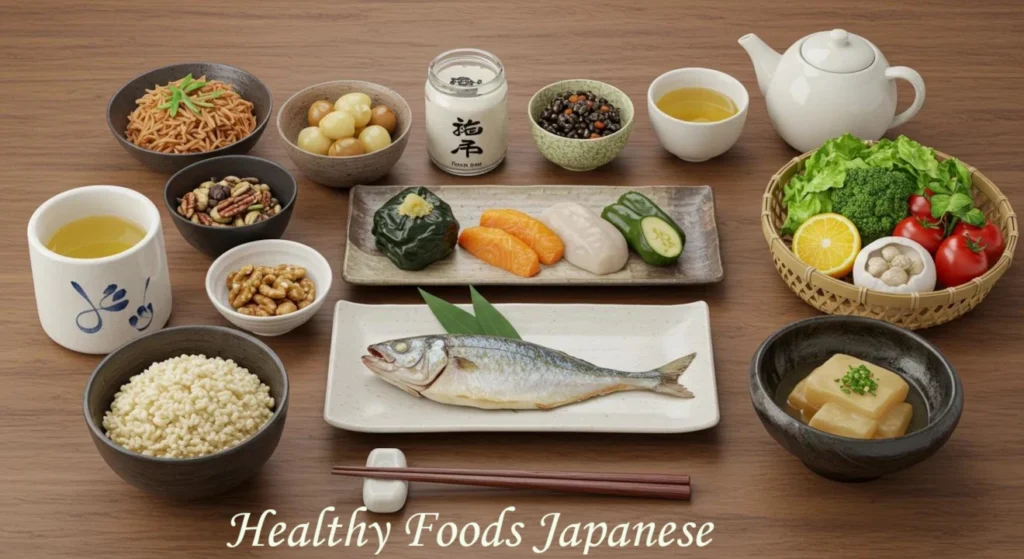
Most food cultures focus on flavour as the primary goal. Japanese cuisine certainly delivers on flavour — but it layers that goal with an equally strong emphasis on balance, portion awareness, and respect for natural ingredients. Three principles define this approach:
Hara Hachi Bu — eating to 80% full
Okinawa, a group of islands in southern Japan, has one of the highest concentrations of centenarians in the world. Researchers studying the Okinawan Blue Zone repeatedly identify one shared practice: people stop eating before they feel completely full. The Confucian teaching Hara Hachi Bu — roughly translated as “eat until you are eight parts full” — acts as a built-in calorie restriction mechanism that requires no counting or measuring. People simply pause, listen to their body, and stop.
Book Your Stay in Tokyo
Neuroscientists note that the brain takes approximately 20 minutes to register satiety signals from the stomach. Eating slowly and stopping at 80% full consistently results in lower caloric intake without any feeling of deprivation.
Ichiju Sansai — one soup, three sides
Traditional Japanese meals follow the Ichiju Sansai structure: a bowl of steamed rice, a bowl of miso soup, and three small side dishes. Those sides typically include a protein (grilled fish or tofu), a cooked vegetable, and a pickled vegetable. This format automatically creates nutritional variety, controls portion size, and reduces reliance on any single ingredient. The Food and Agriculture Organization of the United Nations identifies dietary diversity as one of the strongest predictors of long-term health — and Ichiju Sansai delivers it by design.
Shun — eating seasonally
Japanese cooks place enormous value on shun — the peak season of an ingredient. Spring brings bamboo shoots and fresh soba. Summer centres on cold tofu and eel. Autumn features matsutake mushrooms and sweet potatoes. Winter calls for hot nabe (hotpot) and citrus. Eating seasonally means ingredients arrive at their nutritional peak, require less processing to taste good, and naturally rotate the nutrients a person consumes throughout the year.
The role of rice, fish, and fermented foods
Three ingredient categories form the backbone of Japanese daily eating and account for much of its health reputation.
Rice — complex carbohydrate, not the enemy
Japanese short-grain white rice provides quick, clean energy without the heavy fats or refined sugars that drive blood sugar spikes in many Western staple foods. Researchers at Japan’s National Institute of Health and Nutrition have studied rice consumption patterns for decades and consistently find that moderate rice consumption — as part of a varied, low-fat diet — does not drive obesity. The key is portion size: a standard Japanese rice bowl holds roughly 150g of cooked rice, far less than the portions common in many other cuisines.
Fish — omega-3 fatty acids at every meal
Japan ranks among the world’s top fish-consuming nations. The average Japanese person eats approximately 50kg of fish per year, compared to a global average of around 20kg, according to data from the FAO Fisheries and Aquaculture country profile for Japan. Fatty fish like mackerel, salmon, tuna, and sardines deliver high concentrations of omega-3 fatty acids, which the Harvard T.H. Chan School of Public Health links directly to reduced cardiovascular disease risk, lower inflammation, and improved brain health.
Fermented foods — gut health before it was trendy
Japanese cuisine integrates fermented foods at almost every meal. Miso paste (fermented soybeans), soy sauce, mirin, pickled vegetables (tsukemono), and natto all deliver live bacteria and enzymes that support gut microbiome health. Long before “probiotics” became a wellness buzzword, Japanese households served miso soup at breakfast, lunch, and dinner. Research published in journals indexed by the US National Library of Medicine links regular fermented soy consumption to reduced risk of gastric cancer, cardiovascular disease, and type 2 diabetes.
Why chopsticks contribute to healthier eating
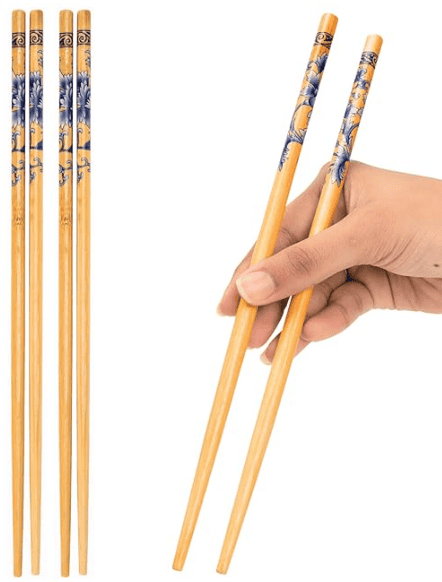
Chopsticks do more than carry food from bowl to mouth — they change the entire pace of eating. Because chopsticks pick up small quantities with each motion, people naturally eat more slowly. That slower pace gives the brain time to register satiety, which supports the Hara Hachi Bu practice described above. A 2011 study referenced by the UK National Health Service eating guidance found that slower eating directly correlated with lower caloric intake per meal.
Book Your Sightseeing Tour in Japan
Beyond pace, chopsticks encourage bite-sized food preparation. Japanese chefs cut, slice, and portion ingredients into small pieces before serving — which makes meals visually appealing, reduces cooking time, and prevents overeating by making quantity immediately visible on the plate.
10 traditional Japanese dishes you should know
Japan’s Washoku culinary tradition earned UNESCO Intangible Cultural Heritage status in 2013 — a recognition of its exceptional role in connecting food, nature, and community. These 10 dishes represent the breadth and depth of that tradition.
1. Sushi
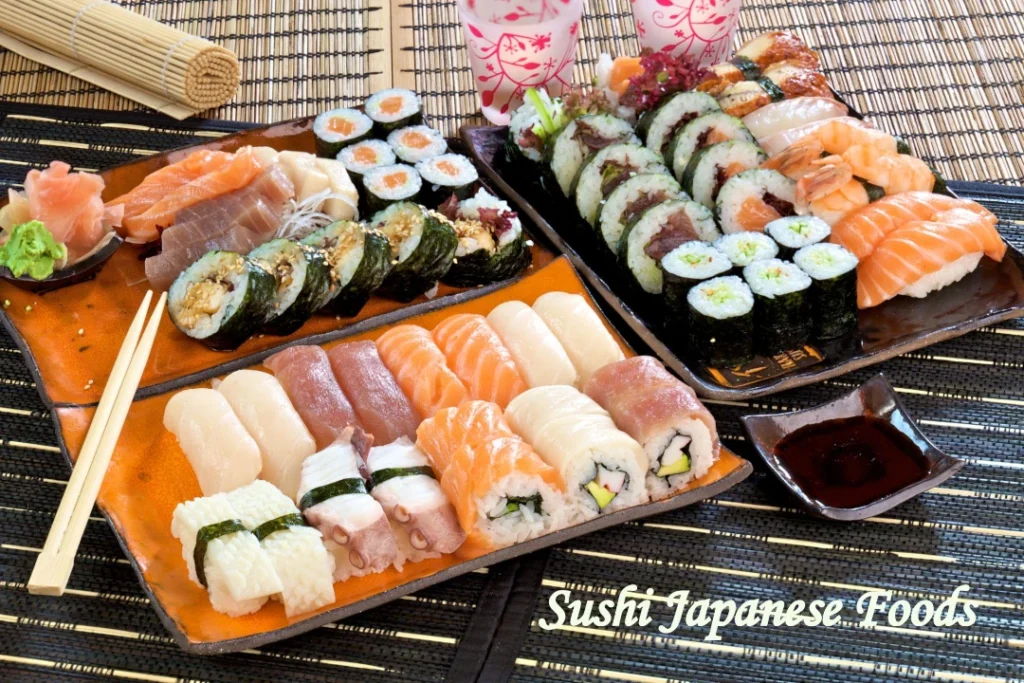
Sushi combines vinegared short-grain rice with fresh seafood, vegetables, or egg. Skilled chefs press nigiri by hand — a single piece of fish draped over a small mound of seasoned rice — or roll ingredients inside nori seaweed sheets to create maki. What makes sushi genuinely healthy is what it leaves out: minimal oil, no heavy sauces, and raw fish that retains its full omega-3 content. A typical sashimi-and-rice sushi meal delivers high-quality protein, complex carbohydrates, and healthy fats in a naturally portion-controlled format.
The Japan Tourism Agency’s sushi guide explains the regional differences between Edo-mae (Tokyo-style) sushi and the variations found in Osaka and Kyoto — each reflecting local fishing traditions and ingredient availability.
2. Ramen
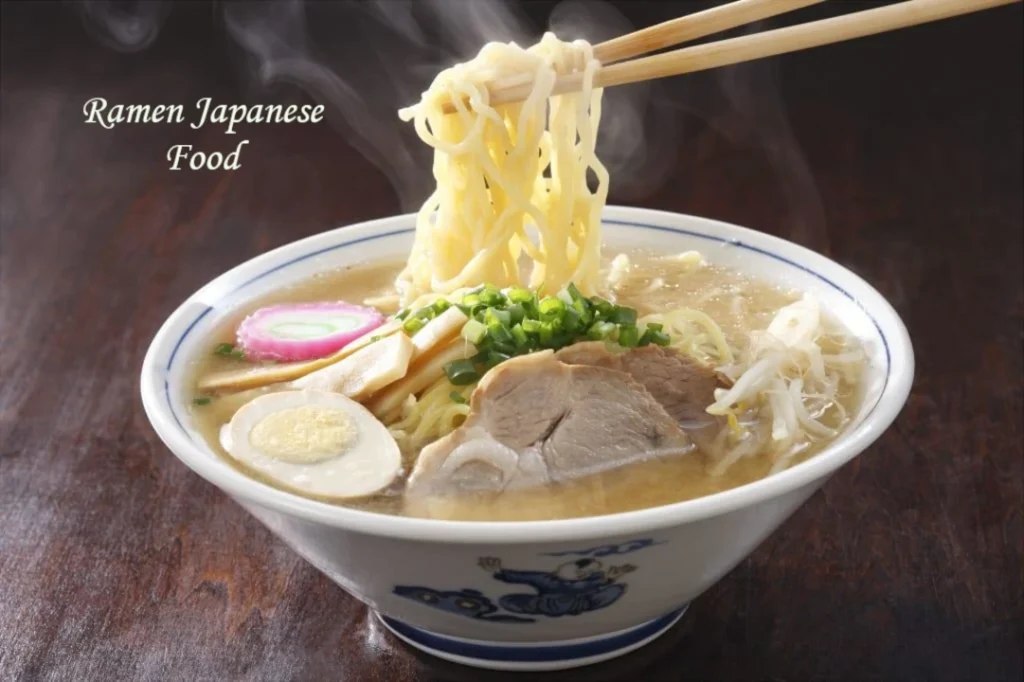
Ramen began as a Chinese noodle dish that Japanese cooks transformed into something entirely their own over the twentieth century. Today, four major broth styles define ramen culture: shoyu (soy sauce-based, clear and savoury), shio (salt-based, delicate and light), miso (fermented soybean paste, rich and earthy), and tonkotsu (pork bone, creamy and deep). Cooks slow-simmer each broth for hours — sometimes days — to extract maximum flavour and collagen from bones and aromatics.
Toppings vary by region: Hokkaido favours corn and butter in its miso ramen, while Fukuoka’s tonkotsu bowls arrive with ultra-thin noodles and sliced chashu pork. Ramen is hearty comfort food rather than a light dish, but it delivers genuine nutritional value through its broth, soft-boiled egg, and fresh toppings.
3. Tempura
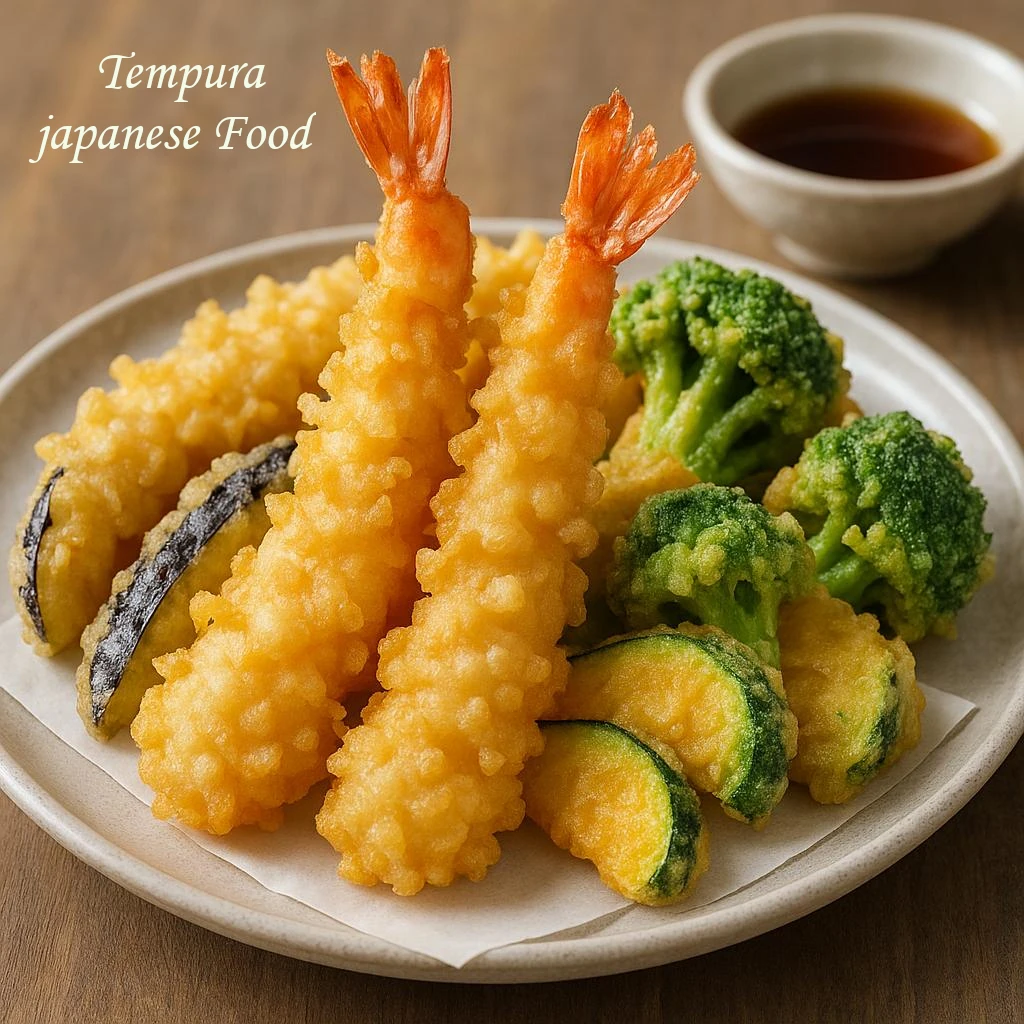
Tempura uses an almost impossibly light batter — cold water, egg, and flour, barely mixed to preserve lumps — to coat seafood and vegetables before a quick fry in clean oil. Japanese chefs fry tempura at a higher temperature than most Western frying techniques, which creates a crisp, almost translucent shell while sealing moisture inside the ingredient. The result tastes indulgent but absorbs far less oil than standard deep-frying. Chefs serve it immediately with a light tentsuyu dipping sauce of dashi, mirin, and soy sauce alongside grated daikon radish to aid digestion.
4. Sashimi
Sashimi strips away everything except the ingredient itself. Chefs slice fresh raw fish or seafood — tuna, salmon, yellowtail, octopus, scallop — into precise cuts and serve it with soy sauce, wasabi, and pickled ginger. No rice, no batter, no sauce. Sashimi lets the natural flavour, texture, and fat content of the fish speak entirely for itself. It is one of the purest expressions of the Japanese philosophy that great ingredients need minimal interference.
Because sashimi relies entirely on freshness, Japan maintains extraordinarily strict fish-handling standards from ocean to table. The Food Safety Commission of Japan oversees food hygiene regulations that govern every stage of seafood processing and distribution.
5. Udon
Udon noodles — thick, white, and satisfyingly chewy — come from wheat flour and require skilled kneading and resting to achieve their characteristic texture. Cooks serve them in a light dashi broth for hot dishes, or chilled with a cold dipping sauce in summer. The Kagawa Prefecture on Shikoku Island claims udon as its cultural identity — locals there eat more udon per capita than anywhere else in Japan, and the regional style (Sanuki udon) has its own protected status. Udon suits every season and every appetite: filling without heaviness, versatile in toppings, and easy to digest.
6. Takoyaki
Osaka created takoyaki — golden, round dumplings of wheat batter filled with diced octopus, pickled ginger, and green onion — and the city still takes them extremely seriously. Street vendors cook them in specialised cast-iron moulds with dozens of hemispherical wells, rotating each ball with a skewer as the batter sets to create a perfectly round shell with a soft, molten centre. Finished takoyaki receive a drizzle of sweet-savoury takoyaki sauce, Japanese mayonnaise, bonito flakes that dance in the rising heat, and dried seaweed powder. They arrive piping hot on a paper tray, and eating them without burning your mouth is its own skill.
Book Your Ticket to Japan
7. Okonomiyaki
Okonomiyaki translates loosely as “grilled as you like it” — and the name reflects the dish’s flexibility. Hiroshima and Osaka each claim a distinct version: Osaka-style mixes shredded cabbage, flour, egg, and chosen proteins directly into the batter before grilling; Hiroshima-style layers the ingredients, including a separate layer of yakisoba noodles, stacked like a construction project on the griddle. Both versions finish with a thick, fruity okonomiyaki sauce, creamy Japanese mayonnaise, dancing bonito flakes, and aonori seaweed. Restaurants often seat diners at tables with built-in griddles so people cook their own.
8. Miso soup
Miso soup is Japan’s daily constant — a warm bowl of dashi broth dissolved with fermented miso paste, served at breakfast, lunch, and dinner alongside virtually every traditional meal. Basic additions include silken tofu, wakame seaweed, and sliced green onion, though regional and household variations add everything from clams and mushrooms to daikon and potato. Beyond its comfort and flavour, miso soup delivers genuine nutritional substance: miso paste contains live bacterial cultures, B vitamins, zinc, and manganese. Wakame seaweed adds iodine and calcium. The dashi broth — made from kombu kelp and dried bonito flakes — contributes glutamates that satisfy umami cravings without added salt or fat.
9. Yakitori
Yakitori takes chicken — every part of it, not just the breast — and grills it over a charcoal flame on bamboo skewers. The charcoal (traditionally binchotan white charcoal) burns at a high, even heat that caramelises the surface while keeping the interior moist. Diners choose between two seasonings: shio (salt only, letting the chicken flavour dominate) or tare (a sweet-savoury glaze of soy sauce, mirin, sake, and sugar, brushed on repeatedly during grilling). Yakitori bars (yakitori-ya) are a central part of Japanese after-work culture — unpretentious, social, and centred around small plates and shared conversation.
10. Onigiri
Onigiri are hand-pressed rice balls wrapped in nori seaweed and filled with a small amount of flavoured ingredient — pickled plum (umeboshi), grilled salmon, seasoned tuna, or pickled vegetable. They travel well, need no cutlery, require no heating, and cost very little. Japanese convenience stores (konbini) sell millions of onigiri daily, and the quality is remarkable — individually wrapped so the nori stays crisp until the moment of eating. Onigiri represent everything the Japanese approach to food values: simplicity, freshness, portability, and balance in a single palm-sized package.
Japanese health outcomes in numbers
The evidence connecting Japanese food habits to health outcomes is not anecdotal — it appears consistently in global health data:
- Japan’s average life expectancy of 84.3 years ranks among the top five globally, according to the WHO Life Expectancy Data 2023.
- Japan records one of the world’s lowest adult obesity rates at approximately 4.5%, compared to a global average exceeding 13%, per the WHO Obesity Fact Sheet.
- Okinawa Prefecture historically maintained four to five times more centenarians per capita than most Western nations, a pattern documented extensively in Blue Zones research.
- The Japanese government formally promotes food culture through the Ministry of Agriculture, Forestry and Fisheries (MAFF) food education policy, which integrates nutrition literacy into schools nationwide.
How to adopt Japanese eating habits in your own life
You do not need to move to Japan or completely overhaul your kitchen to benefit from these principles. Start with these practical steps:
- Slow down at every meal. Put down your fork or chopsticks between bites. Aim for at least 20 minutes per meal to give your satiety signals time to register.
- Serve smaller portions on smaller plates. The Hara Hachi Bu principle works partly because smaller vessels make less food look like more. A Japanese rice bowl holds about half what a standard Western dinner plate holds.
- Add fermented foods daily. A spoonful of miso paste dissolved in hot water with a piece of tofu and dried seaweed takes two minutes to prepare and delivers genuine probiotic benefit.
- Replace one red meat meal per week with oily fish. Mackerel, sardines, and salmon are affordable, widely available, and rich in the omega-3 fatty acids that Japanese diets deliver in abundance.
- Build variety into every meal. Aim for the Ichiju Sansai principle — one main component plus two or three small sides — rather than a large single dish. Variety naturally reduces over-reliance on any single food.
- Eat seasonally where possible. Visit local markets and choose produce at its natural peak. Seasonal ingredients cost less, taste better, and rotate your nutrient intake throughout the year.
Explore more Japan guides
- Discover Japan: travel guide to top cities, culture, and attractions
- Japanese tea guide: matcha, sencha, and more
- Japanese etiquette: how to show respect in Japan
- Ultimate Japanese culture guide: food, fashion, traditions and modern life
Book Your Local Travel & Tour Package in Tokyo
Frequently asked questions
1. What makes Japanese food habits so healthy?
Japanese food habits combine several evidence-backed principles at once: small, varied portions (Ichiju Sansai), mindful eating to 80% fullness (Hara Hachi Bu), heavy reliance on fish and fermented foods, minimal use of processed sugar and saturated fat, and seasonal ingredient rotation. No single factor explains Japan’s health outcomes — the system works because all these habits reinforce each other daily
2. What is Hara Hachi Bu and does it really work?
Hara Hachi Bu is a Confucian teaching practised widely in Okinawa that instructs people to stop eating when they feel approximately 80% full. It works because the brain takes around 20 minutes to register fullness signals from the stomach. Stopping slightly early consistently reduces caloric intake without hunger or restriction. Researchers studying the Okinawan Blue Zone consider it one of the primary drivers of the region’s exceptional longevity.
3. Is sushi actually healthy?
Traditional sushi — nigiri with fresh fish over seasoned rice, or simple maki rolls — is genuinely healthy. It delivers lean protein, omega-3 fatty acids, complex carbohydrates, and iodine from nori seaweed in a naturally portion-controlled format with minimal added fat or sugar. The versions sold in all-you-can-eat buffets or loaded with mayonnaise-based sauces are a different nutritional story. Traditional sushi, eaten mindfully, is one of the most nutritionally balanced fast meals in the world
4. What do Japanese people typically eat for breakfast?
A traditional Japanese breakfast (Washoku breakfast) includes steamed rice, miso soup, a small piece of grilled fish, pickled vegetables (tsukemono), a soft-boiled or tamago (seasoned) egg, and sometimes a piece of nori. This may sound like a lot, but the portions are small and each component contributes a different nutrient profile. The result is a balanced, protein-rich, low-sugar morning meal that sustains energy far longer than most Western breakfast options.
5. Why do Japanese people live so long?
Diet plays a central role, but researchers identify multiple contributing factors: high fish consumption delivering omega-3 fatty acids, fermented foods supporting gut health, low obesity rates from portion-controlled eating habits, strong social bonds and community life, an active lifestyle maintained into old age, and a healthcare system with high screening rates for common diseases. The WHO Japan country office documents Japan’s health system approach in detail.
6. Is Japanese food suitable for vegetarians?
Japan’s culinary tradition is heavily fish-based, but plant-forward eating has deep roots in Japanese Buddhist temple cuisine (Shojin Ryori), which uses tofu, seasonal vegetables, mountain vegetables (sansai), rice, and fermented condiments with no meat or fish. Many traditional Japanese dishes — miso soup, edamame, vegetable tempura, onigiri with pickled plum, hiyayakko cold tofu, and agedashi tofu — are naturally vegetarian. Japan’s Ministry of Agriculture, Forestry and Fisheries maintains resources on traditional plant-based Japanese ingredients and their nutritional profiles.
7. What is Washoku and why did it receive UNESCO recognition?
Washoku refers to the traditional dietary culture of Japan — not just specific dishes, but the entire system of values, practices, and social rituals that surround Japanese food. UNESCO added Washoku to its Representative List of Intangible Cultural Heritage in 2013, recognising its emphasis on fresh seasonal ingredients, its expression of Japanese natural beauty and the four seasons, its connection to annual celebrations and community, and its role in preserving biodiversity through traditional farming and fishing practices.
Final thoughts
Japanese food habits hold up remarkably well under scientific scrutiny — not because they follow any single rule, but because they build a complete system of eating that supports health at every level. The portions are measured. The ingredients are fresh. The variety is built in. The pace is slow. The fermented foods nourish the gut. The fish nourishes the heart and brain.
You do not need to adopt all of these habits at once. Start with one bowl of miso soup in the morning, or one fish meal replacing red meat this week, or simply putting down your fork between bites. Small, consistent changes in how you eat — not dramatic overhauls — mirror exactly the Japanese approach to food and wellbeing.
To explore Japan’s food culture in more depth, the official Japan Tourism Agency food and drink guide covers regional specialities, food etiquette, and must-try experiences from every prefecture in the country.
Visit our other Blogs
10 Must-See Tourist Places in Tokyo, Japan You’ll Love






Leave a Reply