This guide contains affiliate links. We may earn a commission at no extra cost to you — see our Affiliate Disclosure and Affiliate Disclosure Policy for details.
Niigata tourist places rarely top the average visitor’s Japan itinerary — and that is exactly why you should go. Sitting on the Sea of Japan coast just under two hours from Tokyo by bullet train, Niigata Prefecture packs snow-capped mountains, terraced rice paddies, a gold-mining island, dozens of hot springs, and some of the country’s best sake into one manageable region. This travel blog walks you through the best Niigata tourist places, the best season to visit, the biggest festivals, what to eat, how many days you need, where to sleep, and a full cost breakdown for both solo travelers and families — plus a step-by-step schedule so you’re not left guessing where to go first.
Whether you’re chasing snow, cherry blossoms, fireworks, or simply a quieter version of Japan, this guide has you covered.
If you’re mapping out a wider Japan trip around this stop, our friends at Ryde Travel have additional country-wide itineraries and booking guides worth bookmarking alongside this one.
To book your stay, click here. To Book Local Travel, click here
Traveling overseas? Click here to buy an eSIM. For more info, click here
Table of Contents
Why Niigata Deserves a Spot on Your Japan Itinerary
Most first-time visitors to Japan stick to the Tokyo–Kyoto–Osaka triangle, which means Niigata Prefecture stays refreshingly uncrowded even in peak season. It’s Japan’s largest rice-producing region, home to the beloved Koshihikari rice variety, and it has more sake breweries — over 80 of them — than anywhere else in the country. Add in a UNESCO World Heritage gold mine on Sado Island, the powder snow of Echigo-Yuzawa, and one of Japan’s top three fireworks festivals, and you have a destination full of Niigata tourist places that reward travelers who want to go beyond the postcard.
If you’re building out a broader Japan trip, it’s worth pairing this Niigata leg with a wider look at Japan itinerary planning so your train routes, budget, and pacing all line up before you land.
Best Time to Visit Niigata: A Season-by-Season Breakdown
Choosing the best time to visit Niigata tourist places depends entirely on what kind of trip you want — snow sports, cherry blossoms, summer festivals, or crisp autumn hiking. Here’s how the four seasons break down.
Spring (Late March–May): Cherry Blossoms and Mild Weather
Spring is arguably the best season to visit Niigata’s tourist places if you want mild weather paired with iconic scenery. Cherry blossoms bloom across the area in early April, followed by tulips and roses, and visitors can join locals in rice planting or taste the elegant brews at the Niigata Sake Fair. Hakusan Park and Hakusan Shrine in Niigata City are the most popular spots to see cherry blossoms. Temperatures are comfortable, snow has mostly melted in the lowlands, and hotel prices are often lower than the summer peak.
Summer (June–August): Festivals, Fireworks, and Beaches
Summer turns Niigata into a festival hotspot. In summer, the prefecture’s precious rice paddies turn a lush green, making it prime time for outdoor activities, including the Fuji Rock music festival and many fireworks displays. Niigata’s beaches are wildly underrated, often overlooked in favor of those on the Pacific coast. This is also when Sado Island’s ferry crossings and coastal towns are liveliest. Expect warm, humid days and the highest hotel demand of the year.
Autumn (September–November): Harvest Season and Foliage
Autumn is a quieter, food-focused season. Visitors flock to Yahiko Park to see the vivid maple leaves, and it’s time for the rice harvest and to slip into one of the prefecture’s many natural hot springs. If you want to eat freshly harvested Koshihikari rice and enjoy onsen without summer crowds, this is one of the best times to visit Niigata’s tourist places.
Winter (December–February): Snow Country and Onsen
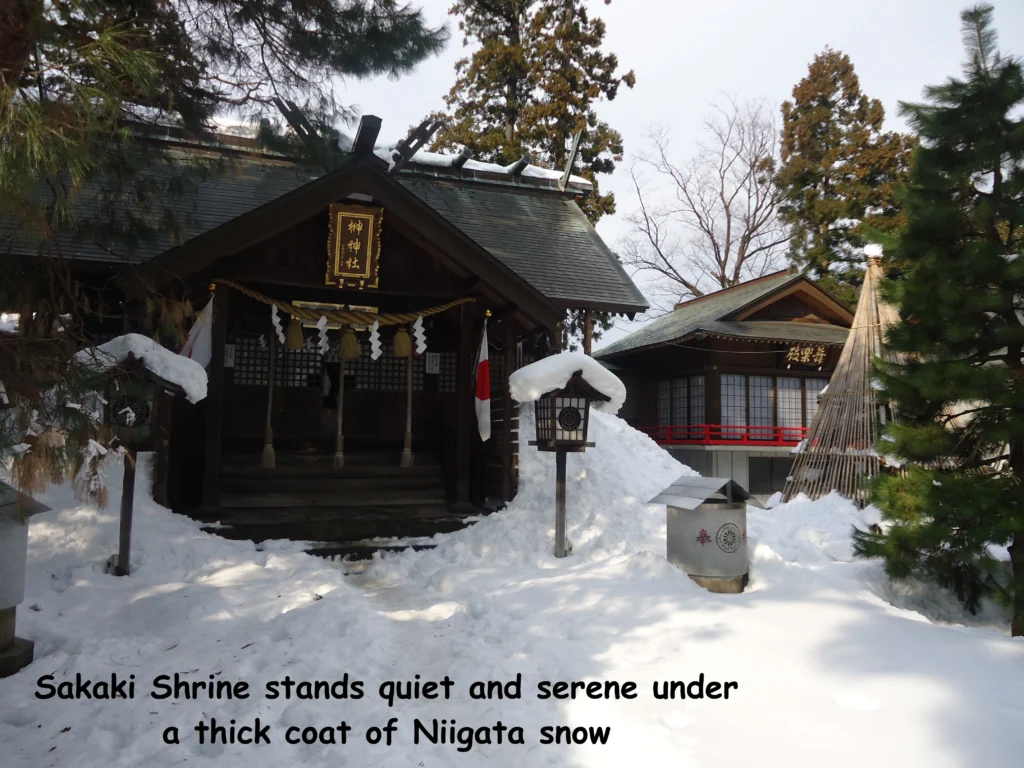
Niigata’s nickname, “Snow Country,” is best earned in winter. Snow lovers flock to Niigata’s ski resorts, and after a day on the slopes, travelers relax in one of the many hot springs or enjoy the twinkling snow lanterns at the Yasuzuka Snow Festival. This is peak season for Echigo-Yuzawa’s slopes and for onsen towns like Iwamuro. It’s also, per hotel data, one of the more affordable times to book accommodation, since rates dip slightly outside the December holiday rush.
Quick verdict: For first-time visitors chasing the classic mix of Niigata tourist places — Sado Island, Kiyotsu Gorge, sake tasting, and city sightseeing — late April to early June or late September to early November hit the sweet spot of good weather, manageable crowds, and reasonable prices.
Best Festivals in Niigata You Shouldn’t Miss
Festivals are a huge part of what makes touring Niigata tourist places memorable, and timing your trip around one can elevate the entire experience.
Nagaoka Fireworks Festival (Nagaoka Matsuri)
The Nagaoka Fireworks Festival, held by the Shinano River in Nagaoka City, takes place on August 2 and 3 every year, with about 20,000 fireworks set off over two nights. It’s considered one of the three biggest fireworks displays in Japan and happens almost immediately after the Fuji Rock Festival. Combine it with a stop at nearby Niigata tourist places like Bandai Bridge if you’re basing yourself in the city for the show.
Fuji Rock Festival
Fuji Rock Festival is held each July in the mountains near Naeba and started in 1997 as a small gathering before growing into Japan’s biggest outdoor music event, featuring Japanese indie acts and international headliners across several stages. The forested campsite setting means attendees sleep in tents, share meals, and enjoy the music amid cool mountain air. Book accommodation and camping gear months in advance if you’re attending.
Niigata Sake Fair and Sakura Festivals
Spring brings the Niigata Sake Fair alongside blooming cherry blossoms, tulips, and roses. A separate cherry blossom festival celebrates a natural tunnel of blossoms known as “Sakura Road,” hich is illuminated by lanterns at night and ranks as one of Japan’s top three night-time cherry blossom spots, pairing well with a wider tour of Niigata tourist places in spring.
Yasuzuka Snow Festival
In winter, travelers can enjoy the twinkling snow lanterns at the Yasuzuka Snow Festival after a day skiing near Echigo-Yuzawa — a magical, low-key alternative to the bigger summer events.
Book Your Tourist Package around Niigata
Top Niigata Tourist Places to Visit
Now for the heart of the guide: the best Niigata tourist places to build your itinerary around.
1. Sado Island
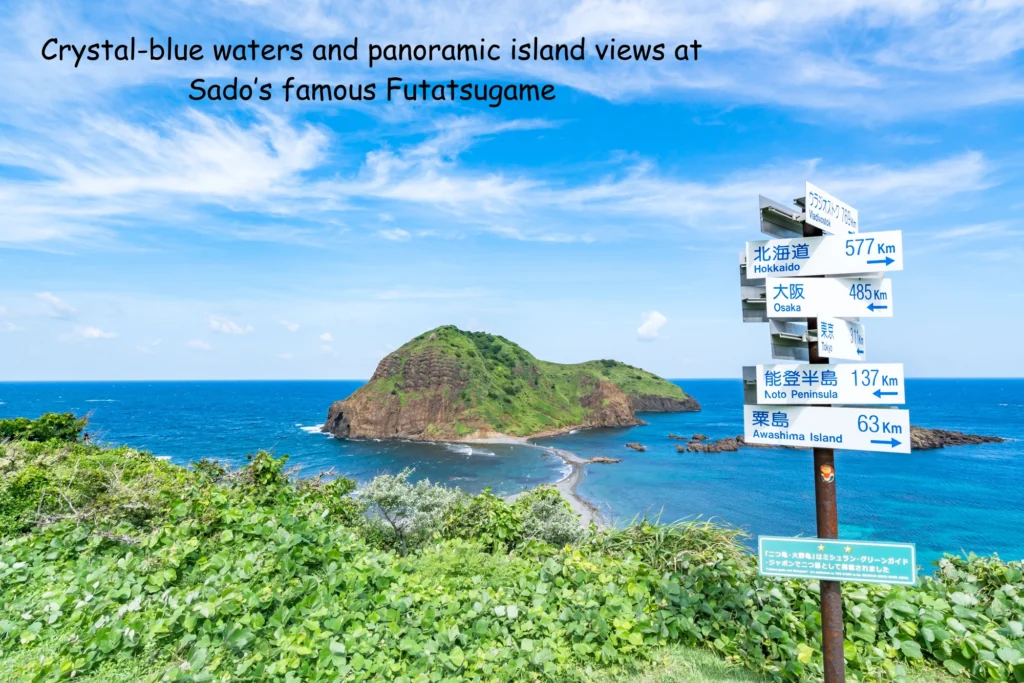
Sado Island is the largest offshore island on the Sea of Japan side of Japan, and with the Sado Island Gold Mines inscribed as a UNESCO World Cultural Heritage site in July 2024, it has been drawing growing attention from Japan and abroad. The island is blessed with rich nature and is home to the Japanese crested ibis (Toki), a nationally designated Special Natural Monument. Reach it by ferry from Niigata Port; plan a full day, or stay overnight to properly explore the gold mine ruins, coastal drives, and traditional taraibune tub-boat rides.
2. Kiyotsu Gorge
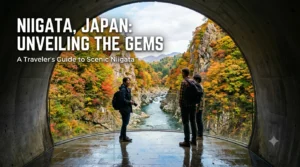
Kiyotsu Gorge is one of Niigata’s magnificent nature spots, famous for its illuminated tunnel walkway with mirrored pools that reflect the surrounding canyon walls. It’s a striking, photogenic stop and one of the most Instagrammed Niigata tourist places.
3. Echigo-Yuzawa and the Snow Country
Echigo-Yuzawa is home to popular ski resorts and is just over an hour from Tokyo by bullet train. Gala Yuzawa, reachable from Tokyo by Shinkansen in as quickly as 75 minutes, is the only facility in the world that merges a train station directly with a ski resort. In warmer months, this stretch of Niigata tourist places is equally scenic for hiking and onsen-hopping.
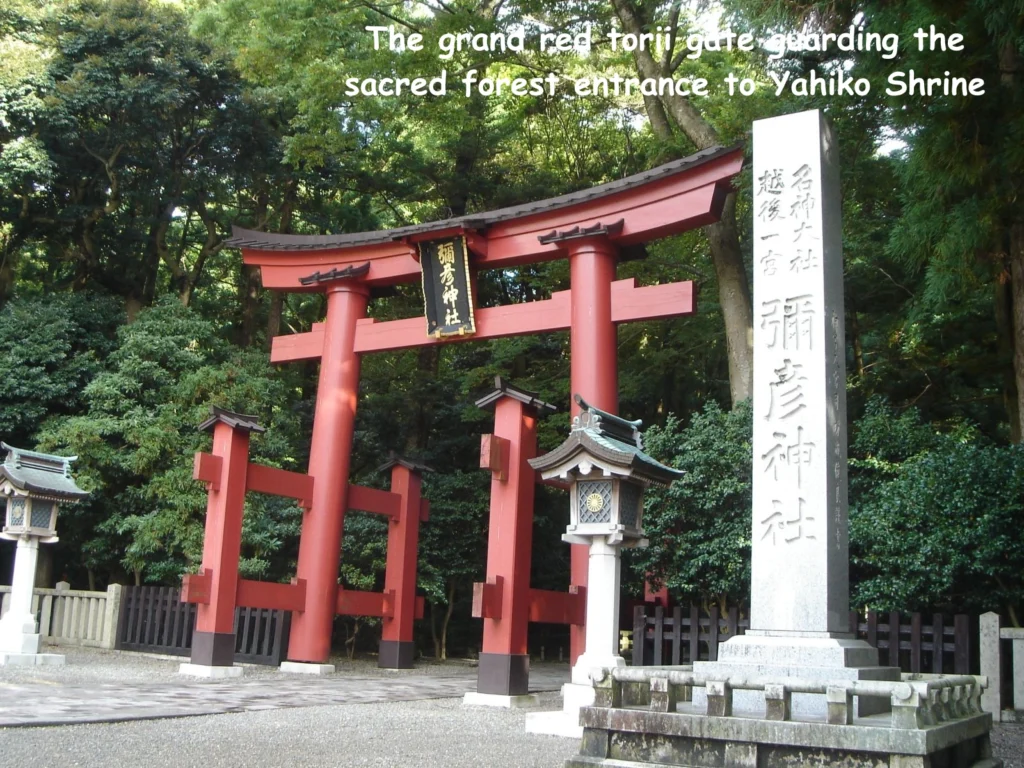
4. Yahiko Shrine and Yahiko Park
Yahiko Shrine stands in Yahiko Village amid nature and is considered a power spot that draws visitors from across the country hoping to have their wishes granted. In autumn, visitors flock to Yahiko Park to see the vivid maple leaves. Combine it with the nearby cherry blossom “Sakura Road” in spring for a shrine visit that changes character with the seasons.
5. Ponshukan Sake Theme Park
Inside Niigata Station is Ponshukan, a theme park of sake where visitors can sample around 110 different brands from small vending machines. Given Niigata is famous for its sake as well as rice, miso, and soy sauce — with around 91 brands to taste and compare across the prefecture, Ponshukan is the easiest one-stop introduction before you head to individual breweries.
6. Marinepia Nihonkai Aquarium
This aquarium is home to over 30,000 sea creatures across 600 varieties, with a dolphin show as its most popular attraction. The star exhibit is the “Sea of Japan Large Tank,” a marine tunnel where visitors can watch native Sea of Japan fish as if strolling along the seabed. A great half-day stop for families and one of the more relaxed Niigata tourist places on a packed itinerary.
7. Sasagawanagare Coastline
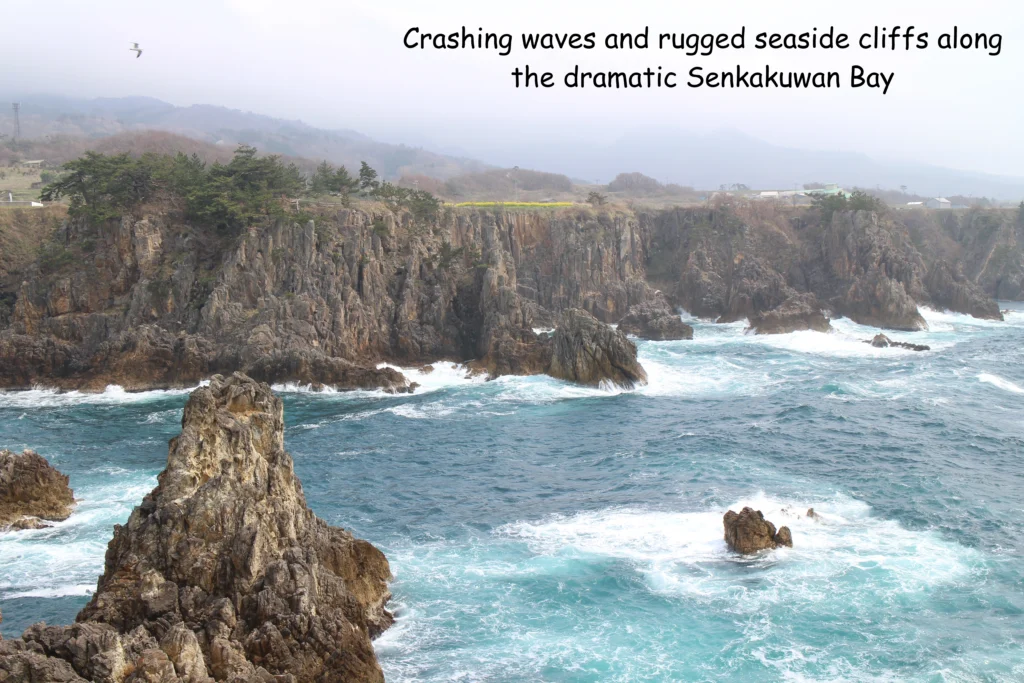
North of Niigata City lies Sasagawanagare, a coastline where beach lovers flock in summertime. It’s a scenic drive with dramatic rock formations rising out of the sea — one of the more underrated Niigata tourist places for a relaxed coastal afternoon.
8. The Jade Coast (Itoigawa)
The Jade Coast in the Itoigawa region of southern Niigata features pebble beaches with crystal-clear waters, famous for the small amounts of jadeite that wash up on shore, which visitors can search for using exploration kits alongside local jade hunters. There is also a jade museum, café, and restaurant on the beach, and the area is popular for scuba diving, fishing, and summertime swimming.
9. Iwamuro Onsen
A famous hot spring resort that represents Niigata, Iwamuro Onsen is located in Shibata City on the eastern side of the Echigo Plain and opened in 1915. It regularly ranks among Japan’s “Top 100 Hot Springs,” and its mildly alkaline sulfur spring — hich turns an emerald green and sometimes milky white — is known as a ‘beauty bath’ for its skin-beautifying effects, and one of the more relaxing Niigata tourist places to unwind after a day of sightseeing.
10. Bandai Bridge and Niigata City Center
The six-arch Bandai Bridge, a symbol of Niigata City and a designated national cultural asset, spans the Shinano River, which runs through the heart of the city. Combine it with a stroll along the Furumachi bar district for sake tastings and izakaya food in the evening.
What to Eat in Niigata: A Food Lover’s Guide
No list of Niigata tourist places is complete without its food scene, since the prefecture is considered one of Japan’s most important culinary regions.
- Koshihikari Rice — rice is the most important food in Japanese diets, and no prefecture does it better than Niigata, with its Koshihikari brand regarded as one of the finest in the country.
- Sake — Niigata is also one of the top places in Japan to find excellent sake, thanks to its rice quality and clean mountain water; it hosts over 80 sake breweries, many of which offer tours and tastings.
- Seafood — a highlight of Niigata tourist places, especially along the coast, especially seafood and rice, owing to its coastal location on the Sea of Japan. Fresh squid, snow crab, and sea bream are local staples.
- Miso and Soy Sauce — Niigata is well known for miso and soy sauce, both essential ingredients across Japanese cuisine.
- Hegisoba — a local buckwheat noodle bound with seaweed, giving it a distinctive silky texture, best paired with a cold local sake.
Pace your food exploration alongside your sightseeing — a sake brewery tour pairs naturally with a Bandai Bridge evening stroll, and a seafood lunch works well right after a Sasagawanagare coastal walk.
Where to Eat: Practical Tips
Niigata City’s Furumachi and Nishibori-dori areas cluster dozens of izakayas within walking distance of each other, so it’s easy to hop between a few spots in one evening without needing a taxi. Many sake breweries around the prefecture also run small on-site restaurants or tasting counters, which is a good way to pair a specific brew with a dish it was actually designed to complement — grilled fish with a dry junmai, for instance, or a rich hotpot with a fuller-bodied sake. If you’re traveling with kids, Niigata Station’s underground food hall is a reliable option since it has a wide mix of set-meal restaurants that are quick and family-friendly, which matters when you’re juggling train transfers and tired children.
For solo travelers, counter-seating ramen and soba shops are everywhere and welcome single diners without any awkwardness — a good way to try hegisoba without committing to a full sit-down meal.
What to Pack for a Niigata Trip
Packing for Niigata tourist places changes significantly by season, so plan around whichever window you’re traveling in.
- Spring: Light layers, a waterproof jacket for occasional rain, and comfortable walking shoes for shrine and park visits.
- Summer: Breathable clothing, sunscreen, and swimwear if you’re heading to the Jade Coast or Sasagawanagare beaches. Bring a portable fan or cooling towel, since humidity can be intense during festival season.
- Autumn: A mid-weight jacket for cooler evenings, plus layers for temperature swings between coastal towns and mountain areas like Yahiko Park.
- Winter: Proper snow boots, thermal layers, gloves, and a waterproof outer shell if you’re skiing near Echigo-Yuzawa or Naeba. Pack a swimsuit too — many onsen, especially mixed-gender outdoor baths, allow swimwear.
Regardless of season, bring a reusable water bottle, a portable IC card (Suica or Pasmo work throughout the region) for trains and buses, and cash — smaller towns and traditional ryokans still often prefer cash over card payments.
How Many Days Do You Need for a Niigata Tour?
The right length for a Niigata tour depends on how deep you want to go:
- 1–2 days: Enough to cover Niigata City itself — Ponshukan, Marinepia Nihonkai Aquarium, Bandai Bridge, and Furumachi. It’s recommended to stay at least 1 to 2 days to fully appreciate the city’s historical, cultural, and natural attractions.
- 3–4 days: Adds Echigo-Yuzawa or Kiyotsu Gorge and Yahiko Shrine to the mix — ideal for a long weekend focused on nature and onsen.
- 5–7 days: The recommended range for a well-rounded Niigata tourist places itinerary that includes an overnight on Sado Island, a proper ski or hiking day near Echigo-Yuzawa, the Jade Coast, and time for sake tastings without rushing.
- 7+ days: Perfect if you’re timing your trip around a major festival like Nagaoka Fireworks or Fuji Rock and want buffer days for weather or travel delays.
For most travelers — solo or family — 5 to 7 days hits the ideal balance between seeing Niigata’s highlights and not feeling rushed.
Where to Stay: Hotels in Niigata for Every Budget
Niigata tourist places are spread across the prefecture, so accommodation offers every price point, with rates shifting noticeably by season and location.
- Budget: Basic hotels typically run around 7,000 to 10,000 yen per night, with some rooms available from as little as $21–30 per night on booking platforms. The average price for a budget hotel in Niigata is around $26 per night.
- Mid-range: Comfortable business hotels and family rooms average around $77–99 per night, with the most popular family room type averaging $99 per night.
- Higher-end / Onsen Ryokan: Higher-end hotels can cost 15,000 yen or more per night, with luxury hotels and ryokans charging significantly more. The average price for a luxury hotel in Niigata is around $169 per night.
- Ski Resort Areas: The average price for hotels near Echigo-Yuzawa Train Station is about $170 per night, while hotels near Naeba Ski Resort run about 18% cheaper than the Niigata Prefecture average of $97 per night.
Best base for first-timers: The area around Niigata Station is considered the most convenient place to stay, offering easy access to transportation, shopping, dining, and attractions. If your itinerary includes a ski day, book a second night nearer Echigo-Yuzawa or Naeba to cut down on travel time.
Booking tip: The cheapest months to stay in Niigata are typically March and December through January, while May and August through September tend to run higher due to peak travel demand. Tuesdays are generally the cheapest night to book, while Fridays and Saturdays run higher.
Book Your Hotel Stay in Niigata
Niigata Tour Expenses: Solo Trip vs. Family Trip
Here’s a realistic cost breakdown to help you budget your Niigata tourist places itinerary. All figures are per-person estimates for a 5-day, 4-night trip and exclude international flights to Japan.
Solo Traveler Budget (5 Days / 4 Nights)
| Category | Budget Range (USD) |
|---|---|
| Accommodation (budget hotel/hostel) | $100–160 |
| Shinkansen (Tokyo–Niigata round trip) | $130–160 |
| Local transport & Sado ferry | $60–90 |
| Food (3 meals/day) | $100–150 |
| Attractions & sake tastings | $50–80 |
| Total | $440–640 |
Family of Four Budget (5 Days / 4 Nights)
| Category | Budget Range (USD) |
|---|---|
| Accommodation (family room, mid-range) | $400–600 |
| Shinkansen (round trip, family of 4) | $500–650 |
| Local transport & Sado ferry | $200–280 |
| Food (3 meals/day) | $400–550 |
| Attractions (aquarium, Kiyotsu Gorge, etc.) | $150–250 |
| Total | $1,650–2,330 |
Costs go up if you add a ski package near Naeba or Echigo-Yuzawa, or if you upgrade to an onsen ryokan with kaiseki dinners included — but even the higher end of these ranges is modest compared to a Tokyo-only trip of similar length.
Niigata Travel Roadmap: 1st to Last Stop
Before the day-by-day breakdown, here’s the recommended visiting order for the major Niigata tourist places, start to finish:
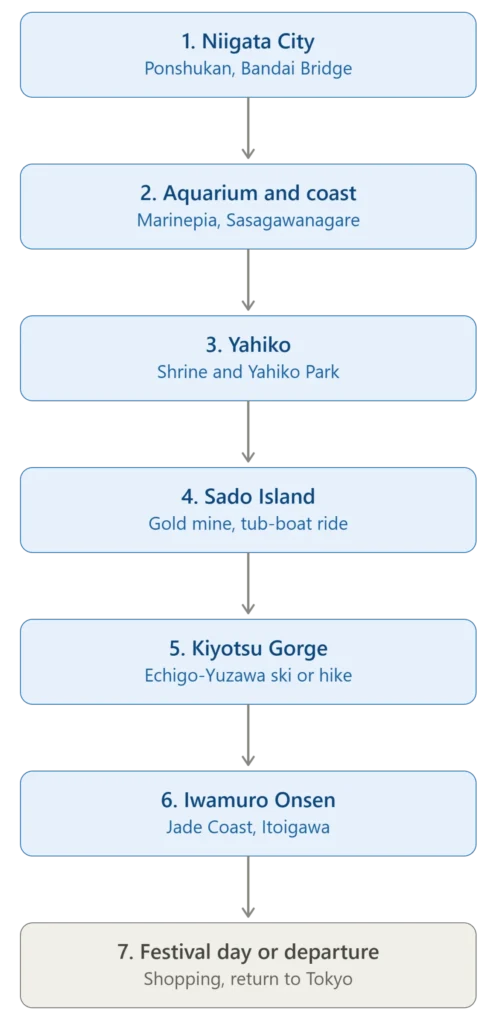
- Niigata City — Ponshukan sake theme park, Bandai Bridge, Furumachi
- Marinepia Nihonkai Aquarium & Sasagawanagare Coastline
- Yahiko Shrine & Yahiko Park
- Sado Island — gold mine ruins, coastal roads, tub-boat ride
- Kiyotsu Gorge & Echigo-Yuzawa — skiing or hiking, onsen
- Iwamuro Onsen & the Jade Coast (Itoigawa)
- Festival day or departure — Nagaoka Fireworks if timing allows, or last-minute shopping before heading back to Tokyo
This order minimizes backtracking: it moves from the city center outward to the coast, inland to the mountains, then back toward Niigata Station for departure.
Step-by-Step Niigata Itinerary: Which Places to Visit First
Here’s a suggested day-by-day schedule that sequences the major Niigata tourist places logically by geography and travel time.
Day 1: Arrival and Niigata City
Arrive via Joetsu Shinkansen from Tokyo — the ride takes about two hours — and check into a hotel near Niigata Station. Spend the afternoon at Ponshukan for a sake tasting, then walk to Bandai Bridge for sunset. End the evening in the Furumachi bar district for izakaya food and local sake.
Day 2: Marinepia Nihonkai Aquarium and Sasagawanagare
Start the day at two coastal Niigata tourist places — the Marinepia Nihonkai Aquarium with its dolphin show, then north along the coast to Sasagawanagare for a scenic drive and seafood lunch. Return to the city for the evening.
Day 3: Yahiko Shrine and Yahiko Park
Take a short train ride to Yahiko for the shrine visit and a walk through Yahiko Park (cherry blossoms in spring, maples in autumn). This is a relatively light day, good for resting up before island travel.
Day 4: Sado Island (Overnight Recommended)
Catch the morning ferry to Sado Island. Spend the day exploring the gold mine ruins, coastal roads, and taraibune tub-boat experience. Staying overnight lets you see the island properly without rushing back for the last ferry.
Day 5: Kiyotsu Gorge and Echigo-Yuzawa
Return to the mainland and travel toward Echigo-Yuzawa. Visit Kiyotsu Gorge for its illuminated tunnel walkway, then either ski (winter) or hike (other seasons) before soaking in a local onsen.
Day 6 (Optional): Iwamuro Onsen and the Jade Coast
For travelers with extra time, head toward Iwamuro Onsen for a relaxing soak, then continue to the Jade Coast in Itoigawa for beachcombing and jade hunting.
Day 7 (Optional): Festival Day or Departure
If your trip lines up with Nagaoka Fireworks (August 2–3) or another local festival, build in a dedicated day for it. Otherwise, use this day for last-minute sake or rice shopping near one of the city’s Niigata tourist places before heading back to Tokyo.
Niigata for Families vs. Solo Travelers
The same Niigata tourist places work well for both types of trips, but the pacing and priorities shift depending on who you’re traveling with.
For families: Prioritize the Marinepia Nihonkai Aquarium, Ponshukan (kids enjoy the vending-machine format even if they’re not tasting), and Kiyotsu Gorge, which is stroller- and kid-friendly along its main walkway. Skip tight ferry connections to Sado Island if you’re traveling with very young children — an overnight stay removes the pressure of catching the last boat back. Family rooms in mid-range hotels near Niigata Station tend to offer the best value for exploring nearby Niigata tourist places, and many include simple breakfast buffets that make mornings easier.
For solo travelers: Niigata is exceptionally easy to navigate alone. Sake brewery tours, counter-seating restaurants, and onsen towns are all set up for single visitors, and public transport connections mean you can string together several Niigata tourist places in a single day without needing a rental car. A solo trip is also the easiest way to build spontaneity into your schedule — if you hear about a small local festival happening while you’re there, it’s simple to adjust your route.
Getting to and Around Niigata
Niigata is easily accessible by bullet train — take the Joetsu Shinkansen from Tokyo Station, and the ride takes about two hours. You can also reach various parts of Niigata Prefecture on the JR Joetsu or Hokuriku Shinkansen, with the Hokuriku Shinkansen serving Myoko, and the prefecture is reachable by highway bus, car, or by flying into Niigata Airport from most domestic airports. Travelers from Osaka, Kyoto, or Nagoya generally need to transit through Tokyo or Kanazawa.
Within the prefecture, most Niigata tourist places can be reached by train from Niigata Station, though several require an additional bus or local transfer — so plan a little buffer time between stops, especially around Sado Island ferry schedules.
For general trip logistics, connecting trains, and building this into a larger Japan route, it’s worth cross-referencing your plan with a broader Japan travel planning resource before you finalize bookings.
Book Your Flight Ticket to Niigata
Useful External Resources
For further reading and up-to-date details on specific Niigata tourist places, these official and specialist sources are worth bookmarking:
- Japan National Tourism Organization – Niigata for official seasonal guides and event calendars.
- Japan Travel – Niigata Guide for deeper neighborhood-level detail.
- tsunagu Japan – Niigata Must-See Places for a locally-written attractions list.
- LIVE JAPAN – Niigata Bucket List or a broader ‘Snow Country’ overview covering lesser-known Niigata tourist places.
Frequently Asked Questions About Niigata Tourist Places
What is Niigata best known for?
Niigata is best known for its Koshihikari rice, its concentration of sake breweries, now country ski resorts like Echigo-Yuzawa and Naeba, and Sado Island’s UNESCO-listed gold mines — all among the most-searched Niigata tourist places for first-time visitors. Making it one of the most well-rounded regions for Niigata tourist places outside the major cities.
Is Niigata worth visiting if I’ve already seen Tokyo and Kyoto?
es — Niigata tourist places offer a genuinely different side of Japan: rural, coastal, and mountain scenery paired with food and sake culture that’s harder to access in the bigger cities.
How far is Niigata from Tokyo?
About two hours by Joetsu Shinkansen, making it one of the easiest regional day-trip or multi-day extensions from Tokyo.
Do I need a car to get around Niigata?
Not necessarily. Trains and buses cover most major Niigata tourist places, though a rental car gives more flexibility for coastal drives like Sasagawanagare or reaching more remote onsen towns.
What’s the cheapest time to visit Niigata?
Based on hotel pricing data, March and the December–January window (outside the holidays) tend to offer the lowest accommodation rates, while May and August through September run higher due to festival and summer travel demand.
Final Thoughts: Is Niigata Worth the Trip?
If you want a Japan itinerary that goes beyond the usual Tokyo–Kyoto–Osaka route, Niigata tourist places deliver an unusually complete package: UNESCO heritage sites, snow country skiing, top-tier sake, terraced rice paddies, and coastal towns that stay pleasantly uncrowded. Whether you’re planning a lean 3-day weekend or a full 7-day family adventure, the region rewards travelers who slow down and actually taste, soak, and wander rather than just check boxes.
Pack according to the season, book your Sado ferry and ski accommodation early if traveling to these Niigata tourist places in peak months, and use the step-by-step schedule above as your starting framework — then adjust it around whichever Niigata festival dates line up with your travel window.
Visit our other blogs
15 Amazing Osaka Tourist Places to Visit in 2026
10 Must-See Tourist Places in Tokyo, Japan You’ll Love
JLPT Roadmap Self-Learning: Proven N5 to N1 Plan (2026)




Leave a Reply