This guide contains affiliate links. We may earn a commission at no extra cost to you — see our Affiliate Disclosure and Affiliate Disclosure Policy for details.
✈️ Quick Take: A road trip from San Jose to Yosemite National Park covers roughly 170–190 miles depending on your route, taking about 3.5 to 4.5 hours of driving via Highway 120 (Big Oak Flat Road) or Highway 140 (El Portal Road). In 2026, Yosemite does not require an entrance reservation, but you’ll still need to pay the park entrance fee, plan for heavy summer traffic, and book lodging or camping well in advance. Highway 120 is the fastest route in summer, while Highway 140 stays open year-round and is the safer winter choice.
Whether you’re a first-time tourist chasing waterfalls and granite cliffs, or a business traveler in San Jose squeezing in a quick nature escape between meetings, Yosemite National Park is one of the most rewarding day trips or weekend getaways the Bay Area has to offer. This guide covers everything from the park’s history to a one-day itinerary, family travel tips, transport, hotels, food, and the best time to go.
✈️ Key Highlights:
- Take Highway 120 in summer for the fastest route, or Highway 140 year-round for a safer winter drive.
- No 2026 entrance reservation needed, but the park entrance fee (around $35 per vehicle) still applies — arrive early to beat parking congestion.
- Indian travelers flying into San Jose (SJC) or San Francisco (SFO) can easily combine this trip with a Bay Area itinerary — book lodging near the park months ahead for summer weekends.
To book your stay, click here. To Book Local Travel, click here
Traveling overseas? Click here to buy an eSIM. For more info, click here
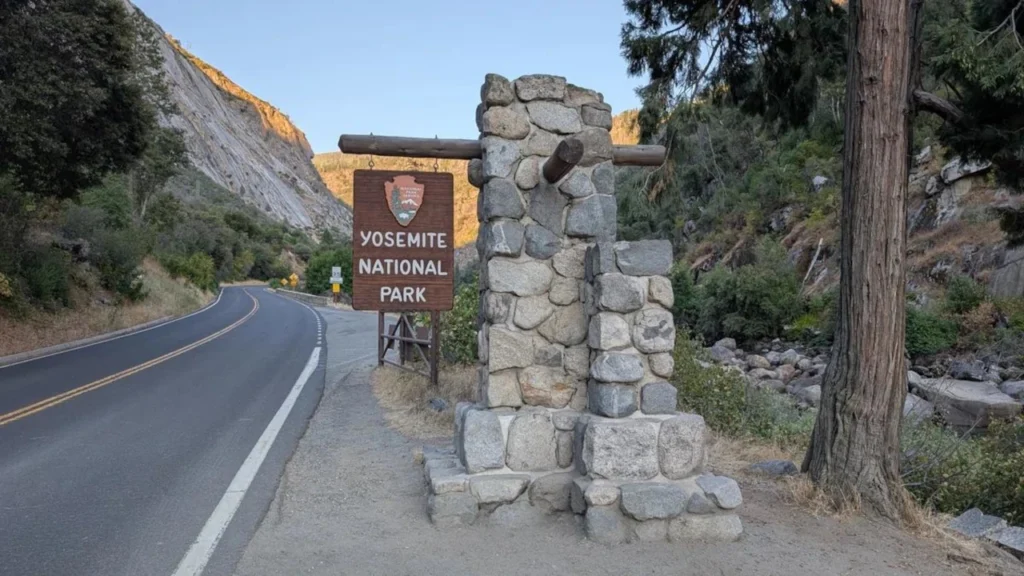
Table of Contents
History of Tourist Places in Yosemite National Park
Yosemite National Park has drawn travelers for well over 150 years. The Ahwahneechee people lived in Yosemite Valley long before European settlers arrived, and their name for the valley, “Ahwahnee,” meaning “place of the gaping mouth,” still lives on in the historic Ahwahnee Hotel. In 1864, President Abraham Lincoln signed the Yosemite Grant, protecting Yosemite Valley and the Mariposa Grove of giant sequoias — the first time the U.S. government set aside land purely for preservation and public use. Yosemite became a full national park in 1890, largely thanks to the advocacy of naturalist John Muir, and it was designated a UNESCO World Heritage Site in 1984.
Book Your Tour Package in Yosemite National Park
Today, landmarks like Yosemite Valley, El Capitan, Half Dome, Glacier Point, and the Mariposa Grove attract millions of visitors every year, making it one of the most iconic national parks in the United States.
One-Day Itinerary: Travel Guidelines and Tips
1. 6:00 AM – Depart San Jose Early: How to Beat Traffic and Snag a Parking Spot in Yosemite Valley
If you’re driving from San Jose to Yosemite Valley, your alarm clock matters more than your itinerary. In 2026, Yosemite dropped its timed-entry reservation system, which means anyone can drive in — but it also means Valley parking lots are filling faster than ever, often by 7:30–8:00 AM on weekends and holidays. Here’s how to plan your early departure so you actually get a parking spot instead of circling Curry Village for an hour.
Why Timing Is Everything in 2026
Without an entrance reservation system, there’s no cap on how many cars enter the park each day. That’s good news for spontaneity, but it shifts the bottleneck from the entrance gate to the parking lot. On peak days, Valley parking has been filling before 8 AM, and entrance wait times at the gates have stretched past an hour. The park’s own guidance is simple: park once and stay parked. Give up your spot to move closer to your next stop, and you may not get it back.
The Route: San Jose to Yosemite Valley
There are two main options from San Jose:
- Via CA-140 (Mariposa/El Portal route): Generally the most reliable year-round route and less prone to snow closures than the Tioga Road approach.
- Via CA-120 (Big Oak Flat Road): A common alternative, though seasonal conditions and construction can affect travel time.
Drive time from San Jose to Yosemite Valley typically runs 3 to 3.5 hours without stops, but that number climbs fast once you factor in gate lines, road construction, or a slow-moving RV in front of you. Build in buffer time — especially on weekends.
What “Leaving Early” Actually Means
“Early” isn’t 7 AM anymore — it’s closer to 4 or 5 AM if you want a real shot at Valley parking on a summer weekend. Here’s a practical target:
- Leave San Jose by 4:00–4:30 AM to arrive at the entrance gate before 7:30 AM
- Aim to be parked in the Valley before 8:00 AM, especially Friday through Sunday and holidays
- Midweek travelers have more breathing room — lots often stay open later into the morning, but can still fill by mid-morning during peak summer weeks
Smart Parking Strategy Once You Arrive
- Pre-purchase your entrance pass online through Recreation.gov before you leave home. It won’t guarantee parking, but it does cut down time spent at the gate.
- Don’t chase a “better” spot. If you find parking near Yosemite Village, Curry Village, or a trailhead, take it — even if it’s not perfectly located for your first activity.
- Use the free Yosemite Valley Shuttle to get around once you’re parked instead of driving between stops.
- Sign up for real-time traffic alerts by texting your location interest to Yosemite’s traffic alert system before you go, so you can adjust your route if the entrance is backed up.
- Have a backup plan. If Valley lots are full when you arrive, consider areas like Tuolumne Meadows, Wawona, or Hetch Hetchy, or park at a shuttle stop outside the Valley and ride in.
Packing for a Pre-Dawn Departure
- Fuel up the night before — gas stations near the park entrances can be sparse and inconsistent on hours
- Bring snacks, water, and coffee so you’re not hunting for an open café at 4 AM
- Pack layers; Valley mornings are cold even in summer, and temperatures swing quickly
- Bring a headlamp if you’re planning an early trailhead start (Half Dome hikers, for example, often begin hiking well before sunrise)
The Bottom Line
Without reservations capping entry, Yosemite Valley in 2026 runs on a first-come, first-served parking system. The visitors who get a spot — and avoid hours of gridlock — are the ones who treat their departure time as the most important part of the trip. Set that early alarm, fuel up the night before, and plan to be through the gate before the rest of Northern California wakes up.
Book Your Local Travel in Yosemite National Park
Always check the official NPS Yosemite website before you go for current conditions, fees, and any last-minute changes to entrance or parking policy.
2. 9:30 – 10:00 AM – Arrive at the Park Entrance: Entrance Fees and Interagency Passes Explained
Once you’ve made the early drive and pulled up to the gate, the last step before you’re officially inside Yosemite is paying the entrance fee — or showing a pass that covers it. Here’s what to expect and how to choose the right option before you get to the booth.
Standard Entrance Fee
Yosemite’s standard vehicle entrance fee is $20–$35, depending on the season, and it covers seven consecutive days of access for everyone in your vehicle. A few things to know:
- The park is cashless. Only credit cards and mobile payment (Apple Pay, Google Pay, etc.) are accepted at the gate.
- If you’re arriving by private vehicle, you pay one flat vehicle fee — not a per-person charge.
- All entrances except Hetch Hetchy are open 24 hours a day. If the booth is unstaffed when you arrive (common in the very early morning), you can pay on your way out instead of waiting.
Using an America the Beautiful (Interagency) Pass
If you visit national parks more than once a year, the America the Beautiful — National Parks and Federal Recreational Lands Annual Pass is usually the better deal:
- $80 for U.S. residents, covering entry to Yosemite and more than 2,000 other federal recreation sites for 12 months
- Covers everyone in a non-commercial vehicle — no need for separate passes per passenger
- Free or discounted versions are available for seniors, active-duty military, and visitors with a permanent disability, and there’s a free pass for 4th-grade students and their families
- Simply show the pass (physical or digital) at the entrance station — no separate payment needed
If you’re only visiting Yosemite this year and don’t plan to hit other parks, the standard 7-day entrance fee will likely cost you less than the annual pass.
Book Your Hotel Stay
A Note for International Visitors
As of January 1, 2026, Yosemite is one of several “surcharge parks” with a new fee structure for nonresidents:
- Non-U.S. residents aged 16 and older pay an additional $100 per person, on top of the standard entrance fee, unless they hold the Non-Resident America the Beautiful Annual Pass ($250)
- That $250 pass covers the holder plus three additional passengers in one vehicle for 12 months, making it the more economical choice for couples, families, or anyone visiting multiple parks
- Fee-free entrance days in 2026 apply to U.S. residents only — international visitors still pay standard and surcharge fees on those dates
Yosemite-Specific Annual Pass
If Yosemite is your go-to park and you don’t need access to other federal lands, the Yosemite Annual Pass ($70) covers unlimited entry for 12 months from purchase — a middle option between the one-time entrance fee and the broader interagency pass.
Quick Decision Guide
| If you’re visiting… | Best option |
|---|---|
| Yosemite only, once | Standard 7-day entrance fee ($20–$35) |
| Yosemite only, multiple times this year | Yosemite Annual Pass ($70) |
| Yosemite plus other national parks | America the Beautiful Annual Pass ($80) |
| As a non-U.S. resident, one trip | Standard fee + $100/person surcharge |
| As a non-U.S. resident, multiple parks or return visits | Non-Resident America the Beautiful Pass ($250) |
Before You Drive Up
- Have your pass ready on your phone or in hand — mobile passes can be purchased in advance through Recreation.gov
- Double-check you’re carrying a card, since cash isn’t accepted
- If the gate is unstaffed at an early hour, don’t worry — you’ll still be asked to pay on your way out
Fees and policies can change — always confirm current rates on the official NPS Yosemite fees page before you go.
3. 10:00 AM–12:00 PM – Explore Yosemite Valley: Tunnel View, Bridalveil Fall, and Yosemite Falls.
Once you’re parked and settled in, it’s time for the postcard tour. These three stops — Tunnel View, Bridalveil Fall, and Yosemite Falls — are close together, easy to combine in a single morning, and cover the views most people picture when they think of Yosemite.
Stop 1: Tunnel View
Tunnel View is the classic first look at Yosemite Valley — El Capitan on the left, Half Dome framed in the distance, and Bridalveil Fall cascading down on the right, all in one sweeping shot.
- Location: Just outside the eastern portal of the Wawona Tunnel on Wawona Road (Highway 41)
- Effort: None — it’s a roadside pullout with a parking area right at the viewpoint
- Best time to visit: Early morning for softer light and thinner crowds; sunset is popular but the small lot fills up fast
- Good to know: Because it’s a drive-up viewpoint, it’s also one of the most crowded spots in the park during midday. If you’re passing through early on your way into the Valley, it’s worth the two-minute stop before the lot fills.
Stop 2: Bridalveil Fall
Bridalveil Fall is usually the first waterfall visitors see up close, and after a multi-year rehabilitation project, the trail, parking area, and facilities have been rebuilt and reopened.
- Distance: About 0.5 miles round trip from the main parking lot (roughly 0.75 miles round trip if you start from the Southside Drive roadside parking)
- Difficulty: Easy, paved, with a gentle incline
- Accessibility: A wheelchair-accessible viewing platform sits about halfway up the trail; beyond that point the grade increases
- Seasonal flow: Fed by snowmelt, so it roars in spring and early summer and tapers to a light, wind-blown mist later in the year
- Safety note: The rocks near the base can be extremely slick, and the creek runs cold and fast — stay on the trail and behind the barriers
Because it’s an easy, family-friendly walk, expect company. Arriving early — ideally right after you’ve stopped at Tunnel View — gives you a better shot at the smaller Bridalveil parking lot before it fills.
Stop 3: Yosemite Falls
At 2,425 feet, Yosemite Falls is the tallest waterfall in North America, and there’s an option for nearly every fitness level.
- Lower Yosemite Fall Trail: An easy, mostly flat 1-mile loop to a footbridge at the base of the lower fall — accessible, family-friendly, and open year-round
- Upper Yosemite Fall Trail: A strenuous 7.2-mile round trip climbing about 2,700 feet to the top of the falls, with sweeping views of the Valley along the way
- Best time to see it flowing: Late spring through early summer (roughly April–June), when snowmelt peaks. By late summer and into fall, the upper fall often slows to a trickle or runs dry
- Getting there: A stop on the free Yosemite Valley Shuttle, so you can leave the car parked and hop off right near the trailhead
Planning Your Morning
A simple, efficient order for these three stops:
- Tunnel View on your way into the Valley (quick photo stop)
- Bridalveil Fall shortly after, while its lot still has space
- Yosemite Falls, using the shuttle to get there once you’ve found Valley parking
A Few Practical Notes
- Trail and road conditions can change quickly due to rockfall, flooding, or seasonal maintenance — always check the official NPS alerts page before you set out for the day.
- Leashed dogs are welcome on the paved Bridalveil and Lower Yosemite Falls trails.
- Bring layers. Waterfall spray plus Valley shade can make these stops noticeably cooler than the open, sunny areas of the park.
4. 12:00–1:00 PM: Lunch at Yosemite Valley Lodge or a Picnic Near the Merced River
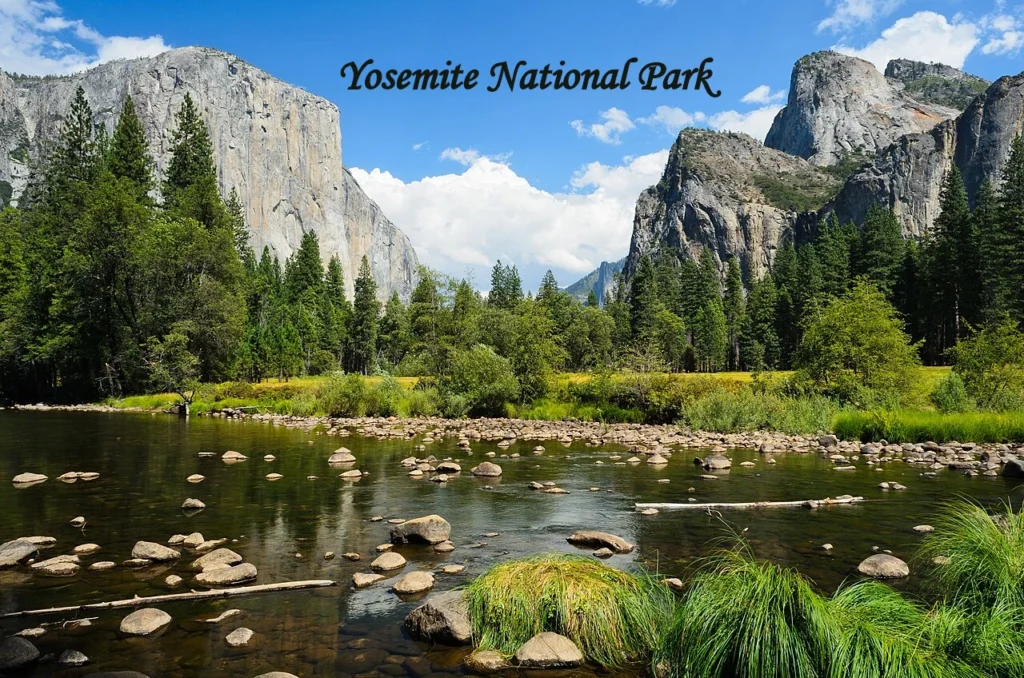
By midday, you’ve hit the big viewpoints and worked up an appetite. Yosemite Valley gives you two easy lunch options: grab something quick at Yosemite Valley Lodge, or slow down with a riverside picnic. Here’s how to decide.
Option 1: Lunch at Yosemite Valley Lodge
Yosemite Valley Lodge sits near the base of Yosemite Falls and offers a few different ways to eat, depending on how much time you have:
- Base Camp Eatery is the go-to for lunch — a casual, quick-service spot with a variety of options for fueling up between activities
- Starbucks, tucked next to Base Camp Eatery, is good for a fast coffee and snack if you’re short on time
- The Mountain Room Restaurant, the Lodge’s sit-down option, is dinner-only (typically opens around 4:30 PM), so it’s not available for a midday meal — save it for later in your trip
Because the Lodge is a shuttle stop, it’s an easy add-on if you’re already using the free Yosemite Valley Shuttle to get around. Parking is complimentary at the Lodge, with overflow parking across from Camp 4 on Northside Drive if the main lot is full.
Book Your Flight Ticket
Option 2: A Picnic Near the Merced River
If the weather’s good, packing a lunch and eating along the Merced River is one of the more relaxing ways to spend an hour in the Valley. There are several designated picnic areas, each with tables and (at most locations) grills, all first-come, first-served:
- The Cascades – near Yosemite Lodge, with the sound of nearby waterfalls
- Sentinel Beach – a popular riverside spot with easy river access
- Swinging Bridge – picnic tables right along the Merced, near the historic footbridge
- Cathedral Beach – a quieter option along Southside Drive, with views toward El Capitan
- Lower Yosemite Fall picnic area – close to the falls trailhead, convenient if you’re picnicking before or after that walk
A few practical notes:
- Bring your own food — cooking isn’t permitted at the Lodge, so a picnic is your best bet if you want to eat something you packed rather than bought
- Arrive a little early, especially in peak season — these spots are first-come, first-served and fill up fast around midday
- Store food properly. Yosemite has an active bear population; never leave food unattended, and use the provided storage lockers where available
- Pack out everything. These are day-use areas without trash service at every table — plan to carry your trash with you
Which Should You Choose?
- Short on time or want something hot and ready? Base Camp Eatery at the Lodge is the faster option.
- Want to slow down and enjoy the scenery? A riverside picnic table — especially at Sentinel Beach or Cathedral Beach — turns lunch into part of the sightseeing.
Either way, you’ll be back on the trail or road by early afternoon, ready for the next stop on your Yosemite day.
5. 12:00–1:00 PM: Lunch at Yosemite Valley Lodge or a Picnic Near the Merced River
By midday, you’ve hit the big viewpoints and worked up an appetite. Yosemite Valley gives you two easy lunch options: grab something quick at Yosemite Valley Lodge, or slow down with a riverside picnic. Here’s how to decide.
Option 1: Lunch at Yosemite Valley Lodge
Yosemite Valley Lodge sits near the base of Yosemite Falls and offers a few different ways to eat, depending on how much time you have:
- Base Camp Eatery is the go-to for lunch — a casual, quick-service spot with a variety of options for fueling up between activities
- Starbucks, tucked next to Base Camp Eatery, is good for a fast coffee and snack if you’re short on time
- The Mountain Room Restaurant, the Lodge’s sit-down option, is dinner-only (typically opens around 4:30 PM), so it’s not available for a midday meal — save it for later in your trip
Because the Lodge is a shuttle stop, it’s an easy add-on if you’re already using the free Yosemite Valley Shuttle to get around. Parking is complimentary at the Lodge, with overflow parking across from Camp 4 on Northside Drive if the main lot is full.
Option 2: A Picnic Near the Merced River
If the weather’s good, packing a lunch and eating along the Merced River is one of the more relaxing ways to spend an hour in the Valley. There are several designated picnic areas, each with tables and (at most locations) grills, all first-come, first-served:
- The Cascades – near Yosemite Lodge, with the sound of nearby waterfalls
- Sentinel Beach – a popular riverside spot with easy river access
- Swinging Bridge – picnic tables right along the Merced, near the historic footbridge
- Cathedral Beach – a quieter option along Southside Drive, with views toward El Capitan
- Lower Yosemite Fall picnic area – close to the falls trailhead, convenient if you’re picnicking before or after that walk
A few practical notes:
- Bring your own food — cooking isn’t permitted at the Lodge, so a picnic is your best bet if you want to eat something you packed rather than bought
- Arrive a little early, especially in peak season — these spots are first-come, first-served and fill up fast around midday
- Store food properly. Yosemite has an active bear population; never leave food unattended, and use the provided storage lockers where available
- Pack out everything. These are day-use areas without trash service at every table — plan to carry your trash with you
Which Should You Choose?
- Short on time or want something hot and ready? Base Camp Eatery at the Lodge is the faster option.
- Want to slow down and enjoy the scenery? A riverside picnic table — especially at Sentinel Beach or Cathedral Beach — turns lunch into part of the sightseeing.
Either way, you’ll be back on the trail or road by early afternoon, ready for the next stop on your Yosemite day.
6. 1:00–3:30 PM: Drive to Glacier Point for Panoramic Views of Half Dome
After lunch, it’s time for the view that many visitors call the best in the park: Glacier Point. Perched at 7,214 feet — about 3,200 feet above the Valley floor — it offers a jaw-dropping, eye-level look at Half Dome along with sweeping views of Yosemite Falls, Vernal Fall, and Nevada Fall. It’s also the one stop on this itinerary that depends entirely on the season, so plan carefully.
Check the Road Status First
Glacier Point Road is a 16-mile spur off Highway 41 (Wawona Road), and it’s only open seasonally:
- Typically opens in May, once snow removal is complete (in 2026, it opened May 9)
- Typically closes in late October or November, after the first major snowfall
- During winter, the road is only plowed as far as Badger Pass; beyond that, it’s closed to vehicles and groomed for cross-country skiing
If you’re visiting outside of summer, or anytime in October or November, check current conditions before you go — call 209-372-0200 (press 1, then 1) or check the road status online. Spring storms can also cause temporary closures even after the road has opened for the season.
Getting There
- Distance: About 16 miles one-way from the Wawona Road turnoff, roughly a 30–45 minute drive depending on traffic
- No reservation required to drive the road or visit Glacier Point
- RV note: Vehicles longer than 30 feet aren’t permitted past the Sentinel Dome Trailhead or at Glacier Point itself
- Closest gas station: Wawona, about 28 miles from Glacier Point — top off before you head up
What to Expect at the Top
- The view: A direct, eye-level look at Half Dome, plus visible drops of Vernal and Nevada Falls and a wide panorama of the high country
- Amenities: Restrooms and a small store/snack stand are typically available in season (hours can vary)
- Crowds: Midday is the busiest window; if you have flexibility, early morning or sunset trips are noticeably quieter — though this itinerary’s early-afternoon slot still beats the evening rush
- Weather: Even in summer, expect it to run cooler and windier than the Valley floor — bring a light jacket
If You Have Extra Time
Several trailheads branch off Glacier Point Road if you want to stretch the visit:
- Taft Point – dramatic cliff-edge views with minimal railing (keep a close eye on kids)
- Sentinel Dome – a short, moderate hike to a 360-degree summit view
- Four Mile Trail – a strenuous option connecting Glacier Point back down to the Valley floor, for hikers looking for a bigger challenge on another day
Budget your return trip so you’re back on Wawona Road with enough daylight and time left for whatever’s next on your itinerary — the drive back down takes just as long as the drive up, and this road has no lighting after dark.
7. 3:30–5:00 PM: Visit the Mariposa Grove of Giant Sequoias (If Time Allows)
If your Yosemite Valley itinerary is running on schedule, a stop at Mariposa Grove is a great way to close out the day trading Half Dome’s granite for some of the largest living things on Earth. Just know upfront: this stop needs realistic time math, since it’s a drive away from the Valley and the grove itself takes a bit of walking to appreciate.
Is There Time?
Mariposa Grove sits near Yosemite’s South Entrance, which is roughly an hour’s drive from Yosemite Valley (longer from Glacier Point). If you’re coming straight from Glacier Point, do a quick gut-check on your remaining daylight and energy before committing — this is very much an “if time allows” stop, not a must-do add-on to an already packed day.
Getting There and Parking
- Park at the Mariposa Grove Welcome Plaza, near the South Entrance — about 300 parking spaces, which often fill by late morning in peak season
- No reservation is needed for private vehicles. Individual cars can simply park at the Welcome Plaza; reservations only apply to commercial and oversized buses (vehicles over 21 feet)
- Ride the free shuttle from the Welcome Plaza to the grove’s Arrival Area — shuttles run roughly every 15 minutes
- Shuttle season typically runs mid-April through November 30, with the exact dates and hours shifting slightly year to year based on weather — check current hours before you go, since they run shorter in shoulder season than summer
- No dogs allowed anywhere in the grove, including the road, trails, and shuttles
What to See
- Big Trees Loop Trail – an easy, wheelchair-accessible 0.3-mile loop from the Arrival Area, perfect if you’re short on time; passes the Fallen Monarch and interpretive panels on sequoia ecology
- Grizzly Giant – the grove’s signature tree, nearly 30 feet in diameter and estimated at around 1,800 years old, reachable via a moderate walk from the Arrival Area
- California Tunnel Tree – a classic photo stop just beyond the Grizzly Giant
If you only have an hour or so, the Big Trees Loop plus a walk out to the Grizzly Giant gives you a solid taste of the grove without committing to the full network of upper trails.
Practical Notes
- Restrooms and water are available at the Welcome Plaza and near the Arrival Area
- Note the last shuttle time before you head out on foot — missing it means a long walk back to the parking area
- Bring layers and water, even for a short visit; the grove sits at a higher elevation than the Valley floor
If You’re Short on Time
If Mariposa Grove doesn’t fit today, it’s a reasonable stop to save for the drive out of the park, especially if you’re exiting via the South Entrance toward Oakhurst or Fresno — no need to force it into an already full Valley-and-Glacier-Point day.
Tips: Fill your gas tank before entering the park, download offline maps since cell service is unreliable, and check the NPS current conditions page the morning of your trip for road closures or weather alerts.
Checklist for Families Travelling with Infants
- Extra diapers, wipes, and a portable changing pad (bathroom access is limited on trails).
- A well-ventilated baby carrier for uneven terrain instead of a stroller.
- Sunscreen, a wide-brim hat, and layered clothing — mountain weather changes quickly.
- Pre-packed snacks and a reusable water bottle; food options inside the park are limited.
- A basic first-aid kit and any regular medications.
- A car seat suited for winding mountain roads, and frequent stops to avoid motion sickness.
- Printed park maps in case of poor cell signal.
Tourist Places to Visit Around Yosemite National Park
Yosemite Valley gets most of the attention, but the towns ringing the park are worth building into your trip — whether you’re stopping through on the way in, basing yourself outside the park for a few nights, or looking for something to do on a rest day. Here’s a closer look at five of the best.
- Mariposa – A historic Gold Rush town with shops, museums, and easy access via Highway 140.
- Oakhurst – Gateway to the southern entrance and Mariposa Grove.
- Groveland – A charming stop along Highway 120 with historic hotels and restaurants.
- Bass Lake – A quieter alternative for boating and lakeside relaxation near Oakhurst.
- Merced – A convenient stop for fuel, food, and the YARTS bus connection into the park.
Mariposa – Gold Rush History with Easy Park Access
Mariposa sits along Highway 140, about 20 miles from the Arch Rock Entrance, and it’s one of the most historically rich stops in the region. The town’s Gold Rush–era downtown is lined with shops, cafés, and museums, including the Yosemite Climbing Association Museum and Gallery, home to thousands of artifacts from the park’s rock-climbing pioneers. If you’re into whitewater, the Merced River near Mariposa is a popular rafting spot, and the Hite Cove Trail just east of town is known for spectacular spring wildflowers.
- Best for: History buffs, a walkable downtown, easy access via 140
- Distance to park: About 20 miles to the Arch Rock Entrance
Oakhurst – Gateway to the South Entrance
Oakhurst is the largest of Yosemite’s gateway towns and functions almost like a small city compared to its neighbors — big-name grocery stores, chain and independent hotels, and a wide range of restaurants make it an easy home base. It sits about 30 minutes from the South Entrance and Mariposa Grove, and nearby attractions include the Yosemite Mountain Sugar Pine Railroad and the Lewis Creek National Recreation Trail. Oakhurst has grown into enough of a destination in its own right that it was recently recognized by Booking.com as one of the best U.S. cities for traveler hospitality.
- Best for: Full-service amenities, families, a comfortable overnight base
- Distance to park: About 20–30 minutes to the South Entrance and Mariposa Grove
Groveland – Historic Charm on Highway 120
Groveland sits along Highway 120, about 25 miles from the Big Oak Flat Entrance, and has kept much of its old mining-town character. Historic hotels and saloons line the main street — the Iron Door Saloon, famous for its dollar-bill-covered ceiling, is one of the area’s quirkiest stops. It’s also a good jumping-off point for the Carlon Falls hike along the South Fork Tuolumne River, just east of town.
- Best for: Historic hotels, a slower-paced overnight stop, access via 120
- Distance to park: About 25 miles to the Big Oak Flat Entrance
Bass Lake – A Quieter Lakeside Escape
Just outside Oakhurst, Bass Lake offers a change of pace from granite and waterfalls — five miles of shoreline surrounded by resorts and marinas, with warm summer water that’s good for swimming, kayaking, and wakeboarding. It’s not a town in the traditional sense, but it’s a popular half-day or full-day add-on for visitors staying in Oakhurst who want time on the water.
- Best for: Boating, swimming, a relaxed break from park sightseeing
- Distance to park: A short drive from Oakhurst, near the South Entrance
Merced – A Practical Stop with Transit Options
Merced sits further out from the park but plays an important logistical role: it’s a reliable spot for fuel, food, and supplies before or after your Yosemite drive, and it’s also a hub for the YARTS (Yosemite Area Regional Transportation System) bus, which offers a car-free way to reach the park along Highway 140. For visitors without a vehicle, or those who’d rather skip the parking scramble in the Valley, catching YARTS from Merced is worth a look.
- Best for: Fuel and supply stop, YARTS bus connection into the park
- Distance to park: The farthest of these five towns from Yosemite Valley, but well-connected by transit
Planning Around These Towns
- Coming from Highway 140? Mariposa and Merced are your natural stops.
- Coming from Highway 120? Groveland is directly on your route.
- Entering via the South Entrance? Oakhurst and Bass Lake pair well together.
- Traveling without a car? Merced’s YARTS connection is the most practical option.
Gateway towns have grown into real destinations over the past couple of years, not just pit stops — so if your schedule allows, building in a night or an extra afternoon around one of these spots can round out a Yosemite trip nicely.
Local Transport
Driving is the most flexible way to reach Yosemite from San Jose, but if you’d rather avoid traffic and parking stress, the Yosemite Area Regional Transportation System (YARTS) offers scheduled bus service into the park from gateway towns like Merced, Mariposa, and Sonora. YARTS fares include the park entrance fee. Once inside the park, Yosemite’s free shuttle buses run regularly through Yosemite Valley, making it easy to get around without a car.
List of 3 Preferred Hotels for Accommodation
- The Ahwahnee – A historic, luxury lodge in Yosemite Valley with stunning views of Half Dome, ideal for travelers wanting an iconic, upscale stay.
- Yosemite Valley Lodge – Comfortable, mid-range rooms near Yosemite Falls, walking distance to major valley attractions.
- Rush Creek Lodge & Spa – A relaxed option just outside the Highway 120 entrance, great for families and business travelers wanting a quieter retreat with modern amenities.
Book well in advance, especially for summer weekends — lodging inside and near the park fills up months ahead of peak season.
Food Facilities Inside the Tourist Places
Dining options inside Yosemite National Park range from casual to upscale. The Yosemite Valley Lodge Food Court and Degnan’s Kitchen in Yosemite Village offer quick, casual meals, while the Ahwahnee Dining Room provides a fine-dining experience in a historic setting. Curry Village also has a pizza deck and buffet-style dining. Since options are limited and can get crowded, packing a picnic lunch and refillable water bottles is a smart backup, especially if you’re travelling with kids or on a tight schedule.
Best Seasons to Visit Yosemite National Park
- Spring (April–June): Best time for waterfalls at peak flow, thanks to snowmelt.
- Summer (July–August): Full access to high-country roads like Tioga Pass, but the busiest and hottest season.
- Fall (September–October): Fewer crowds, mild weather, and beautiful autumn colors.
- Winter (November–March): Quiet, snowy scenery in Yosemite Valley, though some roads (like Tioga and Glacier Point) close.
For a balance of good weather, open roads, and manageable crowds, late spring and early fall are generally considered the best times to visit Yosemite National Park.
Frequently Asked Questions
1. Is Yosemite National Park a good day trip from San Jose?
Yes. The drive takes about 3.5–4.5 hours each way, so a well-planned one-day trip is possible, though an overnight stay lets you see much more of the park comfortably.
2. Do I need a reservation to enter Yosemite National Park in 2026?
No. For 2026, the National Park Service has paused the entrance reservation system, though the standard park entrance fee still applies and traffic can be heavy during peak periods.
3. Which route is faster from San Jose to Yosemite, Highway 120 or Highway 140?
Highway 120 (Big Oak Flat Road) is typically faster in summer, while Highway 140 (El Portal Road) stays open year-round and is safer for winter travel.
4. What is the best time of year to visit Yosemite National Park?
Late spring (May–June) offers peak waterfalls, while September–October offers mild weather and thinner crowds.
5. Are there food options inside Yosemite National Park?
Yes, including Yosemite Valley Lodge Food Court, Degnan’s Kitchen, Curry Village dining, and the Ahwahnee Dining Room, though it’s wise to carry snacks and water as a backup.
6. Can I get to Yosemite without driving?
Yes. The YARTS bus system connects gateway towns like Merced and Mariposa to Yosemite Valley, and fares include the park entrance fee.
7. Is Yosemite suitable for a family with an infant?
Yes, with preparation. Bring extra supplies, a baby carrier for uneven terrain, sun protection, and expect limited bathroom and food access on trails.
8. What are the top attractions to see near Yosemite National Park?
Beyond the valley itself, nearby towns like Mariposa, Oakhurst, Groveland, and Bass Lake offer historic sites, dining, and quieter scenery worth exploring.
Official and Authentic Travel Resources
- National Park Service – Yosemite National Park (Official Site)
- NPS – Yosemite Entrance Reservations & Fee Updates
- Recreation.gov – Campground & Permit Bookings
- YARTS – Yosemite Area Regional Transportation System
- Yosemite Conservancy – Trip Planning & Conservation Updates
- Visit California – Yosemite & Mono Lake Area
- Visit Lake Tahoe – Official Lake Tahoe Tourism Site
- California Tahoe Conservancy (State Government)
More Road Trips and Travel Guides from Ryde Travel
New York City Attractions 2026: The Complete Travel Guide
Ultimate Australia 14 Day Trip Sydney and Great Reef
Best Cities to Visit in America: Top 10 Places for 2026
Final Thoughts
A road trip from San Jose to Yosemite National Park is one of the most rewarding escapes the Bay Area has to offer whether you’re squeezing in a single unforgettable day or turning it into a relaxed weekend getaway. With no entrance reservation required in 2026, the trip is more spontaneous than ever, but success still comes down to planning: leave early, pick the right highway for the season, and book your lodging well ahead of summer weekends.
From the granite walls of Tunnel View to the towering sequoias of Mariposa Grove, this itinerary covers the best of Yosemite Valley in a single day — with plenty of flexibility to slow down and explore the gateway towns if you have extra time. Pack your layers, fuel up the night before, and let Half Dome, Bridalveil Fall, and Glacier Point do the rest.
However you plan your trip, Yosemite rewards early risers and flexible travelers alike — so set that alarm, hit Highway 120 or 140, and get ready for one of California’s most iconic drives

Leave a Reply