This guide contains affiliate links. We may earn a commission at no extra cost to you — see our Affiliate Disclosure and Affiliate Disclosure Policy for details.
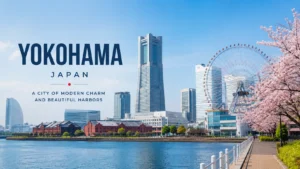
Yokohama tourist places offer one of the easiest and most rewarding day trips (or multi-day escapes) from Tokyo. Just 25–30 minutes south of Shibuya by train, Japan’s second-largest city blends a 19th-century port history with a futuristic waterfront skyline, the largest Chinatown in the country, and quiet Japanese gardens that feel a world away from the crowds of central Tokyo. Whether you’re traveling solo with a backpack or bringing the whole family, Yokohama rewards a slow, well-planned visit.
This guide covers everything you need: the best Yokohama tourist places, when to visit, which festivals are worth timing your trip around, what to eat, how many days you need, where to stay, and a realistic budget for both solo and family travelers — plus a step-by-step schedule so you’re not wasting time figuring out logistics once you land.
If you’re mapping out a wider Japan trip around this stop, our friends at Ryde Travel have additional country-wide itineraries and booking guides worth bookmarking alongside this one.
To book your stay, click here. To Book Local Travel, click here
Traveling overseas? Click here to buy an eSIM. For more info, click here
Table of Contents
Why Yokohama Deserves a Spot on Your Itinerary
Yokohama was one of the first Japanese ports forced open to foreign trade in 1859, and that history still shapes the city today. You can feel it in the red-brick customs warehouses on the harbor, the Western-style mansions on the Yamate bluff, and in Chinatown, which grew out of the merchant community that settled here after the port opened. Layer on top of that a glittering modern skyline in Minato Mirai, and you get a city that manages to feel both historic and futuristic in the same afternoon.
Unlike many Japanese cities, a large share of Yokohama’s best sights are free or low-cost, and most are within walking distance of each other along the waterfront — which makes it genuinely easy to plan a trip here without a car or a guide.
Best Time to Visit Yokohama Tourist Places
Timing matters a lot in Yokohama, since several of its best experiences — cherry blossoms, garden walks, and outdoor festivals — are seasonal.
Best Seasons for Yokohama Tourist Places
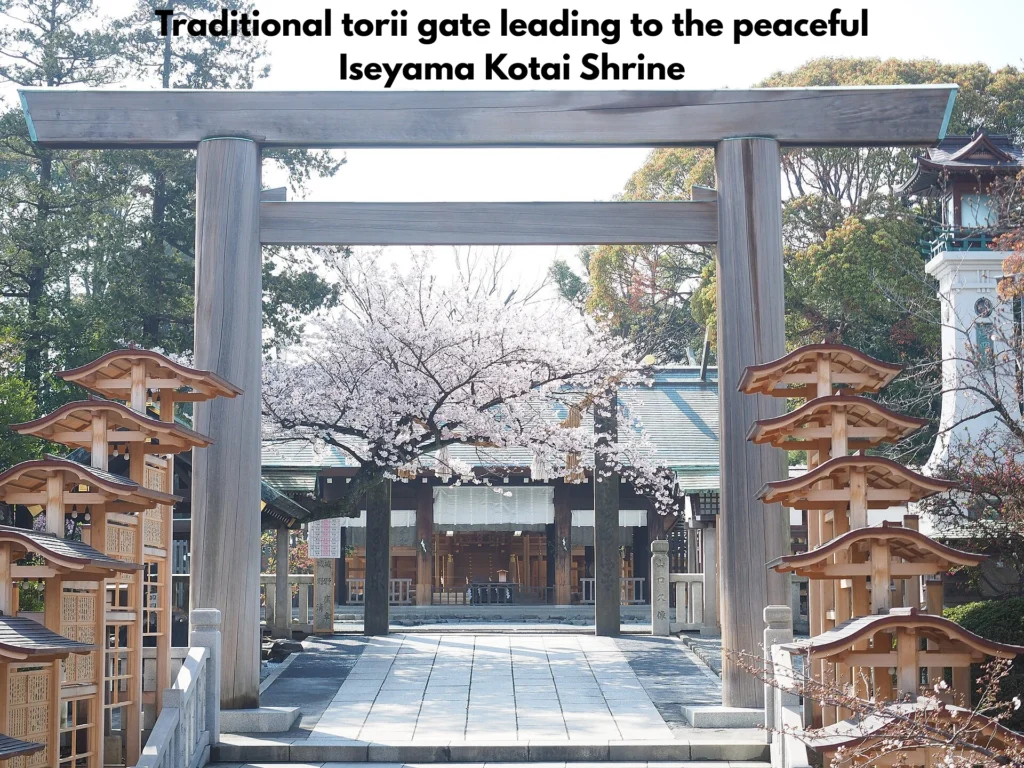
- Spring (March–May): The single best season to explore Yokohama tourist places. Cherry blossoms bloom across the city’s parks and gardens in late March into early April, temperatures are mild, and the waterfront promenades are at their most photogenic.
- Fall (September–November): The second-best window. Humidity drops, skies clear up, and Sankeien Garden’s maple trees turn brilliant shades of red and gold.
- Summer (June–August): Hot, humid, and often rainy in June (Japan’s rainy season), but summer is also when Yokohama’s biggest fireworks and Obon dance festivals happen — worth it if you don’t mind the heat.
- Winter (December–February): Cold but rarely snowy. This is peak illumination and lantern-festival season, especially in Chinatown, so it’s a surprisingly good time for night photography even though daytime sightseeing is chillier.
Best Time of Day to Visit Popular Yokohama Tourist Places
- Sankeien Garden and Yamashita Park: Early morning, before 10 a.m., for the softest light and fewest crowds.
- Chinatown: Late afternoon into evening, when restaurants open for dinner and lanterns are lit.
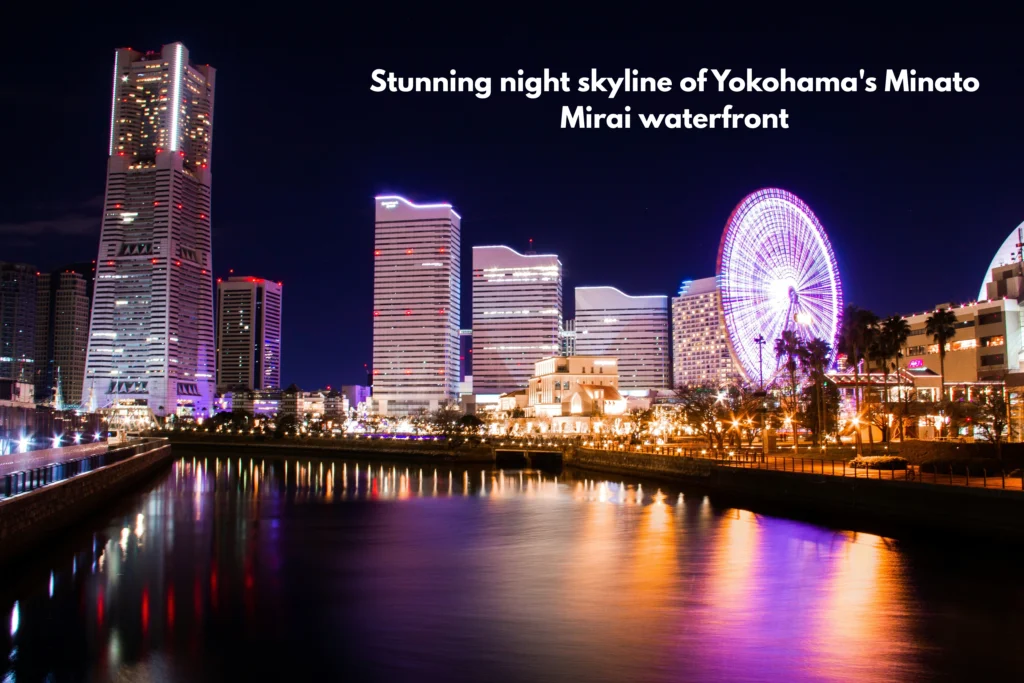
- Cosmo Clock 21 Ferris wheel and the Minato Mirai skyline: Just after sunset, when the towers switch on their lights.
- Cup Noodles Museum and Ramen Museum: Late morning on a weekday to beat the lunch rush and tour-group crowds.
Festivals in Yokohama Worth Planning Around
Festivals are where Yokohama really comes alive, and several of them are reason enough to time a trip around.
Yokohama Chinese New Year Festival (Shunsetsu): Running roughly from late January through early March, Chinatown installs around 60 large illuminated lanterns across the neighborhood and nearby stations, with dance performances at several venues throughout the festival period. The countdown event and lion dance on Lunar New Year’s Eve, followed by the Chinatown Lion Dance parade the next day, are the highlights.
Yokohama Port Opening Anniversary (early June): Held every year since the port first opened in 1859, this festival celebrates the anniversary of Yokohama becoming an international trading port, with fireworks over the bay.
Minato Mirai Obon Festival (early August): A traditional Bon Odori dance festival with a raised yagura platform, food stalls, and beer gardens — a great way to see local community life rather than just tourist sights.
Yokohama Night Flowers (year-round, mostly weekends): Regular fireworks displays over Yamashita Park and the bay, held on selected weekends throughout the year, including winter.
Yokohama Marathon (late October): If you enjoy race-day energy, October’s cooler weather (around 20°C) makes this a pleasant time to combine a visit with the marathon atmosphere.
Oktoberfest at the Red Brick Warehouse (autumn): German food, beer, and live music set against the historic red-brick backdrop — one of the more unexpected festivals among Yokohama tourist places.
Always double-check exact festival dates before you fly, since schedules shift year to year — the official Yokohama City Visitors Bureau events calendar is the most reliable source.
Top 15 Yokohama Tourist Places You Shouldn’t Miss
Here’s the core list of Yokohama tourist places that consistently make every well-planned itinerary.
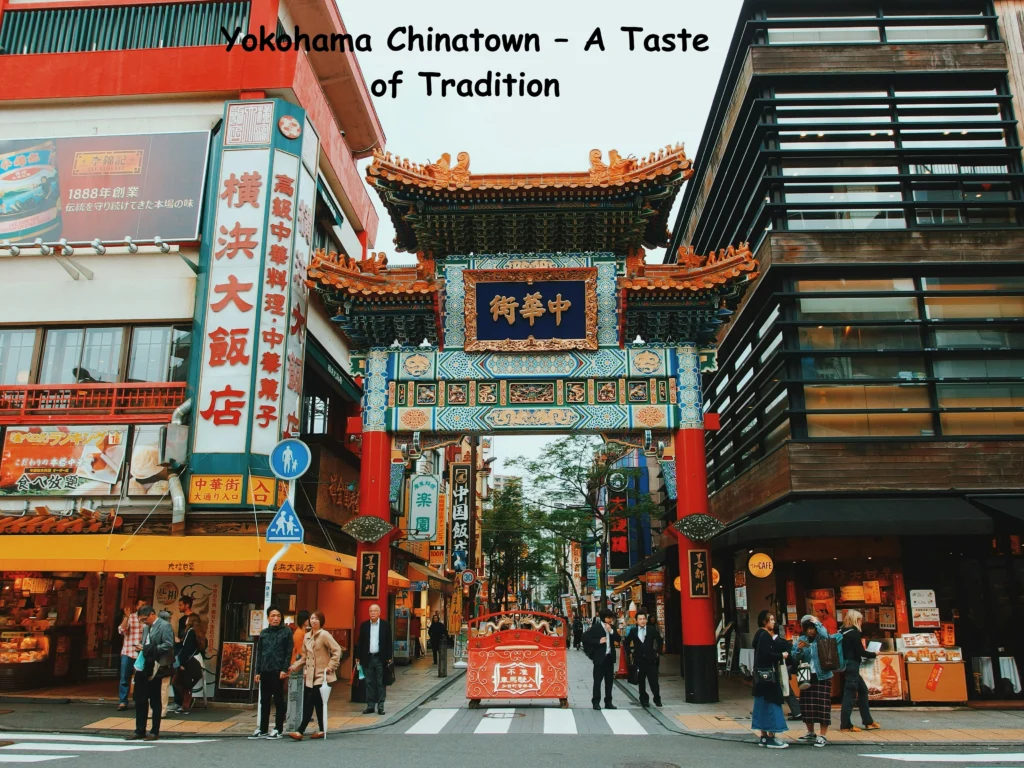
1. Yokohama Chinatown
The largest Chinatown in Japan, with narrow lantern-lit streets, dozens of restaurants, and colorful gate entrances that make it one of the most photographed Yokohama tourist places. Come hungry — this is where you’ll eat some of the best Chinese food in the country.
2. Minato Mirai District
Yokohama’s futuristic waterfront core, home to shopping malls, the Cosmo Clock 21 Ferris wheel, and a promenade that connects easily on foot toward the Red Brick Warehouse.
3. Yokohama Red Brick Warehouse (Akarenga Soko)
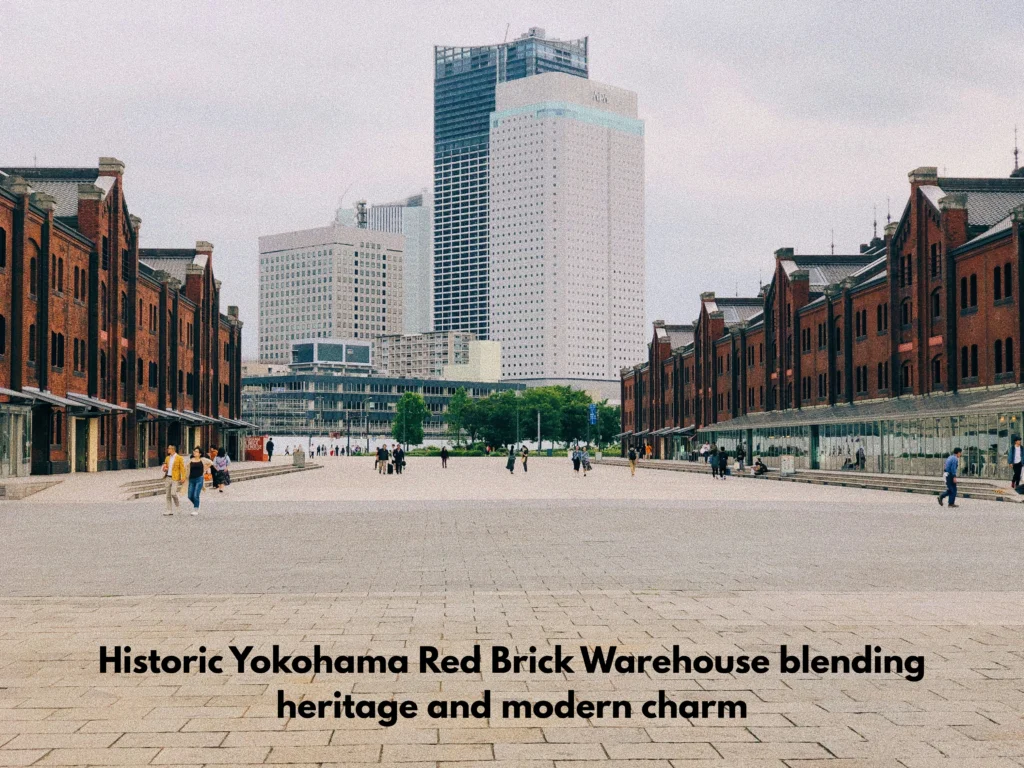
Originally a customs warehouse for the port, this historic building now houses bars, cafes, restaurants, and rotating exhibitions, and hosts many of the city’s seasonal markets and festivals.
4. Yamashita Park
Japan’s first Western-style seaside garden, and one of the best free spots for a waterfront walk, a picnic, or watching the fireworks displays that are launched from the bay.
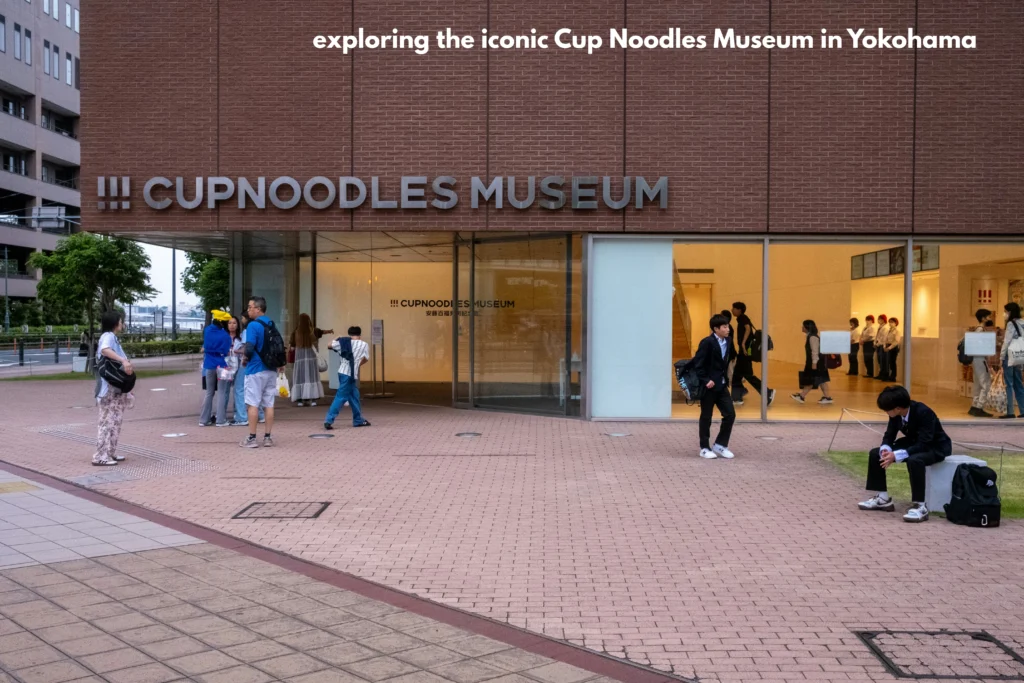
5. Cup Noodles Museum
An interactive museum where you can design and take home your own custom instant-noodle flavor — genuinely one of the best family-friendly Yokohama tourist places.
6. Shin-Yokohama Ramen Museum
Described as the world’s first food-themed amusement park, this basement food court is built to resemble a 1950s Tokyo street and features ramen stalls representing different regions of Japan.
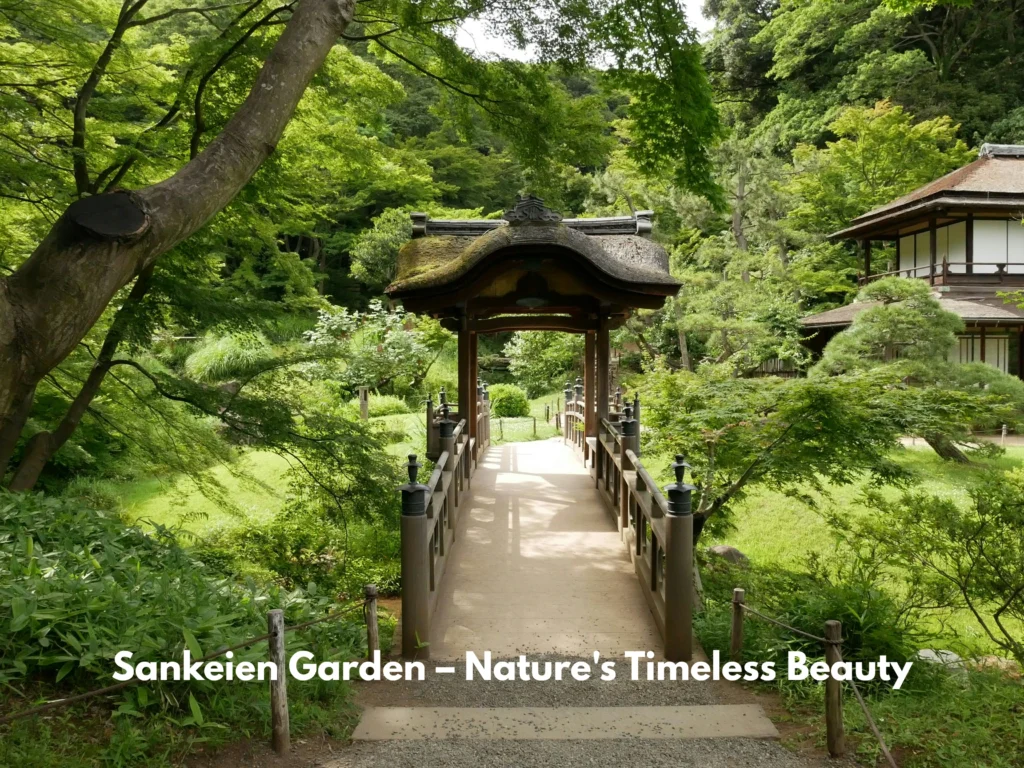
7. Sankeien Garden
A 175,000-square-meter traditional Japanese landscape garden, relocated historic buildings, and ponds — the most peaceful entry on this list of Yokohama tourist places, and especially stunning during cherry blossom and autumn-leaf season.
8. NYK Maritime Museum and Hikawa Maru
The museum tells the story of Yokohama’s shipping history, while the neighboring Hikawa Maru a preserved 1930 ocean liner that once sailed the Yokohama–Seattle route lets you tour first-class cabins, the engine room, and the bridge.
9. Cosmo Clock 21 Ferris Wheel
A 112.5-meter Ferris wheel doubling as the world’s largest clock, offering panoramic bay views — especially worth it after dark. Note: the Landmark Tower Sky Garden observation deck is currently closed for renovation and isn’t expected to reopen until 2028, so Cosmo Clock 21 is the best elevated view in the meantime.
10. Osanbashi Pier
Yokohama’s international passenger terminal doubles as a free rooftop park with sweeping views of the bay and skyline — one of the most underrated free Yokohama tourist places for sunset photos.
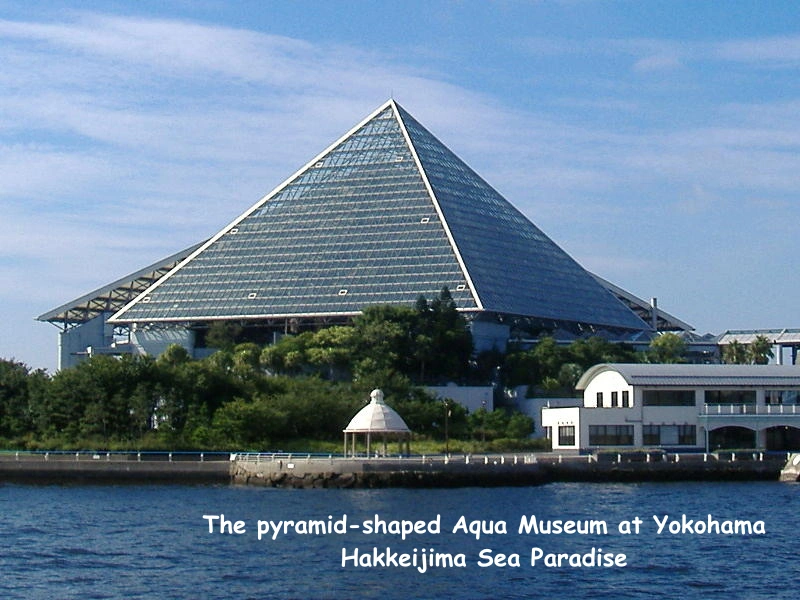
11. Yokohama Hakkeijima Sea Paradise
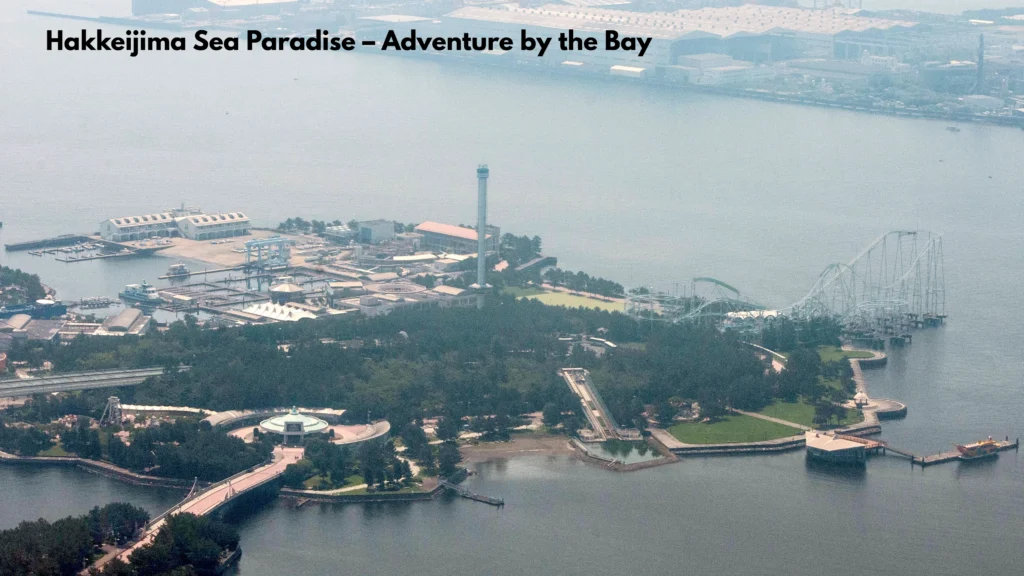
A 40-acre marine leisure park on an artificial island, blending amusement rides with aquariums and marine life exhibits ideal for families with young kids.
12. Motomachi Shopping Street
A stylish, tree-lined shopping street just beside Chinatown, popular for boutique fashion and cafes, and often used as a base for exploring the surrounding historic district.
13. Yamate Western-Style Houses
A cluster of preserved early-20th-century foreign residences on a hillside overlooking the bay, offering a quieter, history-focused counterpoint to Minato Mirai’s modern towers.
14. Yokohama Museum of Art / Yokohama Landmark Tower Base
Even with the Sky Garden closed, the tower’s base retains shopping, dining, and access to Minato Mirai’s other cultural venues.
15. Yokohama Stadium and Nogeyama Zoo
For a day away from the waterfront circuit, Nogeyama Zoo offers free admission and a quieter, local-feeling alternative, while Yokohama Stadium hosts baseball games that are a fun way to experience local sports culture.
What to Eat: Food Guide for Yokohama Tourist Places
Food is arguably as big a draw as the sights themselves when you’re exploring Yokohama tourist places.
- Chinatown specialties: Steamed pork buns (nikuman), xiaolongbao, Peking duck, and mapo tofu — Chinatown has over 200 restaurants, so it rewards wandering rather than sticking to one guidebook pick.
- Instant ramen and regional ramen: The Cup Noodles Museum and Ramen Museum both let you sample or create noodle dishes representing different regions of Japan in one sitting.
- Yokohama-style shumai: A local specialty pork dumpling, sold in bento boxes at Yokohama Station and considered a classic regional souvenir food.
- Seafood at Yamashita Park-area restaurants: Fresh catches from the bay served in casual seaside restaurants with a view of the harbor.
- German food at the Red Brick Warehouse Oktoberfest: A seasonal but memorable option if your trip lines up with autumn.
Budget roughly ¥1,000–¥2,000 per person for a casual Chinatown meal, and ¥3,000–¥6,000 per person for a sit-down seafood dinner near the harbor.
Street Food and Snacks Around Yokohama Tourist Places
Beyond sit-down restaurants, Chinatown’s side streets are lined with takeaway counters selling individual buns, skewered meats, and fried dumplings for a few hundred yen each — perfect if you’re moving between Yokohama tourist places and don’t want to sit down for a full meal. Look for stalls with a visible line of locals rather than the ones with English menus and photo boards facing the main avenue; they’re usually the better value.
Motomachi Shopping Street, just beside Chinatown, is a good spot for coffee and pastries if you want a break from Chinese food, while the Red Brick Warehouse hosts rotating food markets on weekends that are worth checking before you visit.
Drinks and Cafes
Yokohama has a growing specialty coffee scene, especially around Motomachi and Kannai, and several rooftop bars in Minato Mirai towers offer drinks with a skyline view for roughly the price of a mid-range dinner. If you’re visiting during Oktoberfest at the Red Brick Warehouse, budget extra for imported German beer, which tends to be priced at a premium compared with standard izakaya drinks elsewhere in the city.
How Many Days Do You Need for Yokohama Tourist Places?
- One day: Enough to cover the core Yokohama tourist places — Chinatown, Yamashita Park, Minato Mirai, and the Red Brick Warehouse — especially if you’re day-tripping from Tokyo, since Yokohama is easily visited on a day trip and the Shinkansen ride from Tokyo takes around 20 minutes.
- Two days: Ideal for adding Sankeien Garden, Hakkeijima Sea Paradise, and a more relaxed pace with time for museums.
- Three or more days: Recommended if you want to dig into Yokohama’s culture and offbeat attractions beyond the headline sights, including the Yamate historic houses and day trips to nearby Kamakura.
For most travelers — solo or family — 2 days hits the sweet spot between seeing everything on this list and not rushing through it.
Where to Stay: Hotels Near Yokohama Tourist Places
- Minato Mirai district: Best for first-time visitors and families — walking distance to the Ferris wheel, Red Brick Warehouse, and shopping malls, with a range of hotels from mid-range to luxury waterfront towers.
- Yokohama Station area: The most convenient transit hub, with easy connections to Tokyo and budget-to-midrange business hotels — a good pick for solo travelers prioritizing value and flexibility.
- Motomachi-Chukagai (Chinatown) area: Stay here if food is your priority — you’ll be steps from restaurants and can walk to Yamashita Park and the Hikawa Maru.
- Kannai/Nihon-Odori area: A quieter, slightly cheaper alternative close to Chinatown and the historic government district, good for longer stays.
Booking 2–4 weeks ahead is usually enough outside of cherry blossom season and the Chinese New Year festival period, when hotel prices in Yokohama can rise noticeably.
Book Your Hotel Stay
Yokohama Tour Expenses: Solo vs. Family Budget
Here’s a realistic daily budget breakdown for exploring Yokohama tourist places.
Solo Traveler (per day)
| Category | Budget (¥) | Approx. USD |
|---|---|---|
| Budget hotel/hostel | 4,000–7,000 | $27–$47 |
| Food (3 meals) | 2,500–4,000 | $17–$27 |
| Local transport | 800–1,200 | $5–$8 |
| Attraction entry fees | 1,500–3,000 | $10–$20 |
| Total per day | 8,800–15,200 | $59–$102 |
Family of Four (per day)
| Category | Budget (¥) | Approx. USD |
|---|---|---|
| Mid-range family hotel room | 15,000–25,000 | $100–$168 |
| Food (3 meals x 4) | 10,000–16,000 | $67–$107 |
| Local transport | 2,500–4,000 | $17–$27 |
| Attraction entry fees | 6,000–12,000 | $40–$80 |
| Total per day | 33,500–57,000 | $225–$382 |
Costs vary depending on season, hotel class, and how many paid attractions (like Hakkeijima Sea Paradise or the Cup Noodles Museum) you add to the day. Traveling in shoulder seasons (late spring, early fall) generally keeps hotel prices lower than peak cherry blossom weeks.
Step-by-Step Yokohama Itinerary: Which Places to Visit First
This schedule assumes a 2-day trip covering the best Yokohama tourist places in a logical, walkable order.
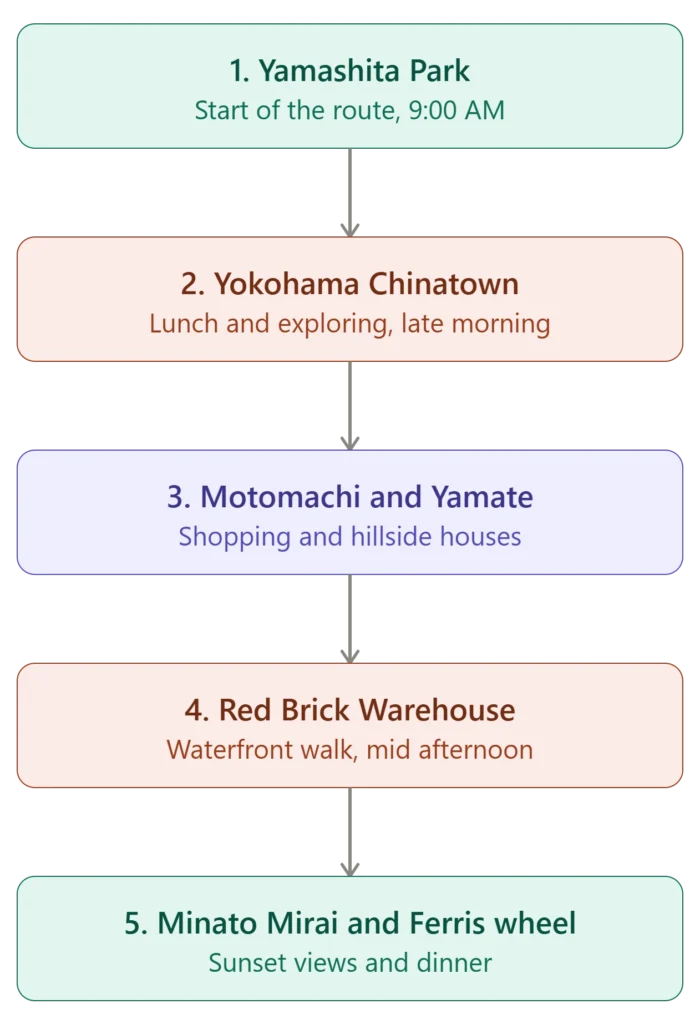
Day 1: Waterfront and Chinatown
- Morning (9:00 a.m.): Start at Yamashita Park for a quiet harbor walk before crowds arrive.
- 9:45 a.m.: Walk to the NYK Maritime Museum and Hikawa Maru, both a few minutes from the park.
- 11:00 a.m.: Head into Chinatown for an early lunch — try steamed buns or dim sum before the lunchtime rush.
- 1:00 p.m.: Browse Chinatown’s shops and temples, including the Kanteibyo (Guan Yu) Temple.
- 2:30 p.m.: Walk to Motomachi Shopping Street for a change of pace and some boutique browsing.
- 4:00 p.m.: Head toward Minato Mirai via the waterfront promenade, stopping at the Red Brick Warehouse along the way.
- 6:00 p.m.: Ride the Cosmo Clock 21 Ferris wheel as the sun sets over the bay.
- 7:30 p.m.: Dinner in Minato Mirai, followed by an evening stroll to see the skyline lit up.
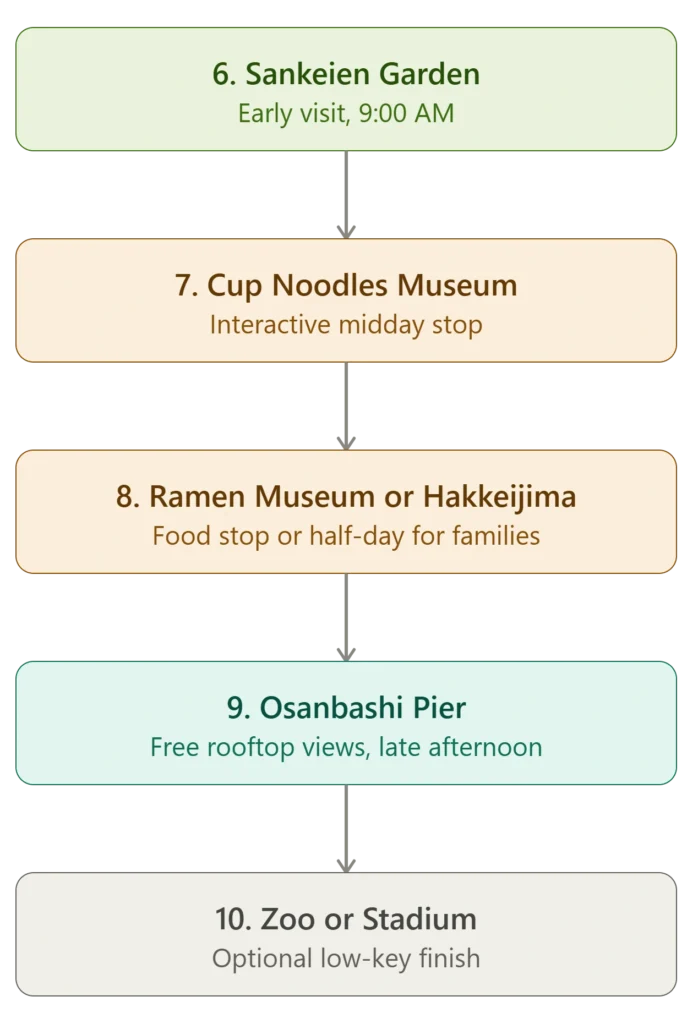
Day 2: Gardens, Museums, and Family Fun
- Morning (9:00 a.m.): Head to Sankeien Garden early to enjoy it before it gets crowded — this requires a short bus or taxi ride from central Yokohama.
- 11:30 a.m.: Return toward central Yokohama for lunch.
- 1:00 p.m.: Visit the Cup Noodles Museum for an interactive afternoon (great for families and solo travelers alike).
- 3:00 p.m.: If traveling with kids, swap the museum for Yokohama Hakkeijima Sea Paradise instead, and plan for the full afternoon there.
- 5:00 p.m.: Head to Osanbashi Pier for free rooftop views as the light softens.
- 6:30 p.m.: Wrap up with dinner near Yokohama Station before heading back to your hotel or onward to Tokyo.
Optional Day 3 (if staying longer)
- Morning: Yamate Western-style Houses for a quieter, historic walk.
- Afternoon: Shin-Yokohama Ramen Museum, or a half-day trip to nearby Kamakura for temples and beaches.
Shopping and Nightlife Near Yokohama Tourist Places
Shopping is spread across a few distinct pockets, and knowing which one matches your style saves a lot of backtracking.
- Minato Mirai malls (Landmark Plaza, MARK IS Minatomirai): Large, air-conditioned shopping complexes with international and Japanese brands, plus food courts — a good rainy-day fallback among Yokohama tourist places.
- Motomachi Shopping Street: Higher-end boutiques, independent fashion labels, and a more residential, walkable feel than the malls.
- Chinatown souvenir shops: Tea, ceramics, and Chinese-Japanese fusion snacks make for easy, packable gifts.
- Yokohama Station underground mall: Practical shopping for everyday items, electronics, and pharmacy goods before heading back to Tokyo.
For nightlife, Minato Mirai’s rooftop bars and the Red Brick Warehouse’s evening events are the main draw, while Chinatown stays lively well into the evening thanks to its density of restaurants. Nogecho, a slightly grittier neighborhood near Sakuragicho Station, is worth a look if you want a more local, less polished izakaya scene away from the main tourist circuit.
Family-Friendly vs. Solo-Friendly: Tailoring Your Yokohama Tourist Places Visit
Not every stop on this list suits every kind of traveler equally, so it helps to prioritize based on who you’re traveling with.
Best Yokohama tourist places for families:
- Yokohama Hakkeijima Sea Paradise (rides plus aquarium in one ticket)
- Cup Noodles Museum (hands-on activity kids remember long after the trip)
- Yamashita Park (open space to run around, plus ice cream stalls)
- Nogeyama Zoo (free admission, low-key pace)
Best Yokohama tourist places for solo travelers:
- Sankeien Garden (quiet, contemplative, easy to explore at your own pace)
- Osanbashi Pier at sunset (free, scenic, and a great spot to journal or people-watch)
- Chinatown’s smaller side-street restaurants (easier to grab a counter seat alone)
- The Yamate Western-style houses (self-guided, uncrowded, and rich with history)
Couples and small groups will likely want a mix of both lists, leaning toward the Minato Mirai evening circuit — the Ferris wheel, waterfront dinner, and skyline views — for a natural date-night rhythm.
Book Your Flight Tickets
Practical Etiquette and Safety Tips
Yokohama is very safe by most international standards, and the same general etiquette that applies across Japan holds true here:
- Queue politely for trains, buses, and popular restaurant counters — cutting in line is considered rude.
- Keep phone calls and loud conversations to a minimum on trains.
- Tipping isn’t customary in restaurants; good service is simply the standard.
- Carry a mix of cash and a rechargeable IC card (Suica or Pasmo) — most trains, convenience stores, and vending machines accept IC cards, but small Chinatown eateries often don’t take cards at all.
- Public trash cans are rare, so it’s common to carry your rubbish until you find a bin, usually near convenience stores or train stations.
None of this requires advance planning beyond awareness, but knowing it before you land makes the first day noticeably smoother.
Getting to and Around Yokohama
Yokohama connects to Tokyo via multiple lines, and picking the right one saves time:
- JR Tokaido Line / Shinkansen: Fastest option, roughly 20–30 minutes from central Tokyo stations.
- Tokyu Toyoko Line: A private-line express connecting Shibuya directly to Yokohama Chinatown in under an hour.
- Minatomirai Line: Best for hopping between waterfront attractions once you’re already in Yokohama.
- Akai Kutsu tourist bus: A day-pass bus loop connecting most major Yokohama tourist places, useful if you’d rather not walk everything.
For official, up-to-date train times and route planning, check Japan’s official national rail information via JR East and the Yokohama City Visitors Bureau for current attraction hours and event calendars.
Final Tips for Visiting Yokohama Tourist Places
- Buy a Minatomirai Line day pass if you’re bouncing between three or more waterfront sights in one day — it usually pays for itself by the third ride.
- Visit Sankeien Garden and Chinatown on different days if possible; both deserve unhurried time rather than a rushed back-to-back visit.
- If you’re combining Yokohama with a broader Japan itinerary, pairing it with a Kamakura day trip or a Tokyo stopover makes efficient use of the JR rail network — for broader multi-city planning tools, Ryde Travel’s Japan guides are a useful companion to this post.
- Book Hakkeijima Sea Paradise tickets online in advance during peak family-travel seasons (summer holidays, Golden Week) to skip ticket-counter lines.
- Carry cash — while central Yokohama is card-friendly, many small Chinatown restaurants and street stalls still prefer cash.
Frequently Asked Questions About Yokohama Tourist Places
Is Yokohama worth visiting from Tokyo?
Yes — with a fast, direct train connection and a full day’s worth of walkable Yokohama tourist places, it’s one of the easiest and most rewarding day trips from Tokyo.
What is Yokohama best known for?
Its Chinatown (the largest in Japan), its role as one of Japan’s first international ports, and its modern Minato Mirai waterfront skyline.
Is Yokohama expensive?
It’s generally more affordable than central Tokyo for hotels, and many of its best sights — Yamashita Park, Osanbashi Pier, Chinatown’s streets, and the Red Brick Warehouse exterior — are completely free.
What is the best month to visit Yokohama?
Late March to April for cherry blossoms, or October to November for cooler weather and autumn foliage at Sankeien Garden.
Ready to build the rest of your Japan trip around this stop? Head to Ryde Travel for more country and city guides to plan your full itinerary.
Conclusion
Yokohama is one of the easiest, most rewarding trips you can take from Tokyo — compact enough for a single day, yet rich enough to fill three. From Chinatown’s food-packed streets to Sankeien Garden’s quiet paths and Minato Mirai’s glowing skyline, it offers something for solo travelers, couples, and families alike, without straining the budget.
Time your visit for spring or fall, build your days around the itinerary in this guide, and leave room to wander. However you shape the trip, you’ll leave with great food, a taste of Japan’s port history, and skyline views worth the trip alone.
Safe travels — and for more Japan planning, check out Ryde Travel.
Visit our other blogs
10 Must-See Tourist Places in Tokyo, Japan You’ll Love




Leave a Reply