This guide contains affiliate links. We may earn a commission at no extra cost to you — see our Affiliate Disclosure and Affiliate Disclosure Policy for details.
⚡Quick Take: Schengen visa guide to get a Schengen Visa from India, apply through the official visa application centre (VFS Global, BLS International, or TLScontact, depending on the country) of the Schengen country that is your main destination or first point of entry. Book an appointment, complete the online application form, gather required documents (passport, photos, travel insurance of €30,000 minimum, flight and hotel bookings, financial proof), submit biometrics at the centre, pay the visa fee (€90 for adults, €45 for children aged 6–12), and wait 15–30 days for processing. Apply 1–2 months before travel, and no earlier than 6 months in advance.
⚡ Key Highlights:
- Apply at least 4–6 weeks before your departure and ensure your passport, travel insurance, financial proof, and accommodation bookings meet Schengen Visa requirements.
- The visa permits stays of up to 90 days within any 180-day period, allowing seamless travel across popular destinations like France, Italy, Switzerland, Germany, Spain, and the Netherlands.
- Insider Tip: Submit your application to the embassy or visa center of the country where you will spend the most time to improve the chances of a smooth approval process and avoid unnecessary delays.
To book your stay, click here. To Book Local Travel, click here
Traveling overseas? Click here to buy an eSIM. For more info, click here
Schengen Visa Entry: Airport Immigration and Arrival Guide

Table of Contents
Schengen Viza Introduction: Your Europe Trip Starts With One Document
Schengen Visa There’s a particular kind of excitement that comes with planning a trip to Europe — imagining yourself walking along the Seine at sunset, closing a business deal in a Frankfurt boardroom, or watching your kids feed pigeons in a Roman piazza for the first time. But before any of that becomes real, there’s one gatekeeper standing between you and your itinerary: the Schengen Visa.
For many first-time applicants — whether it’s a family planning their first European vacation, a business traveler heading to a conference, or a solo tourist chasing skylines and street food — the visa process can feel confusing, stressful, and full of unknowns. Missing a document, applying too late, or misunderstanding the rules can turn an exciting trip into a source of anxiety.
This guide breaks down everything you need to know about Schengen Visa requirements in 2026 — clearly, accurately, and without the jargon — so you can focus on the part that actually matters: the trip itself.
What Is the Schengen Visa?
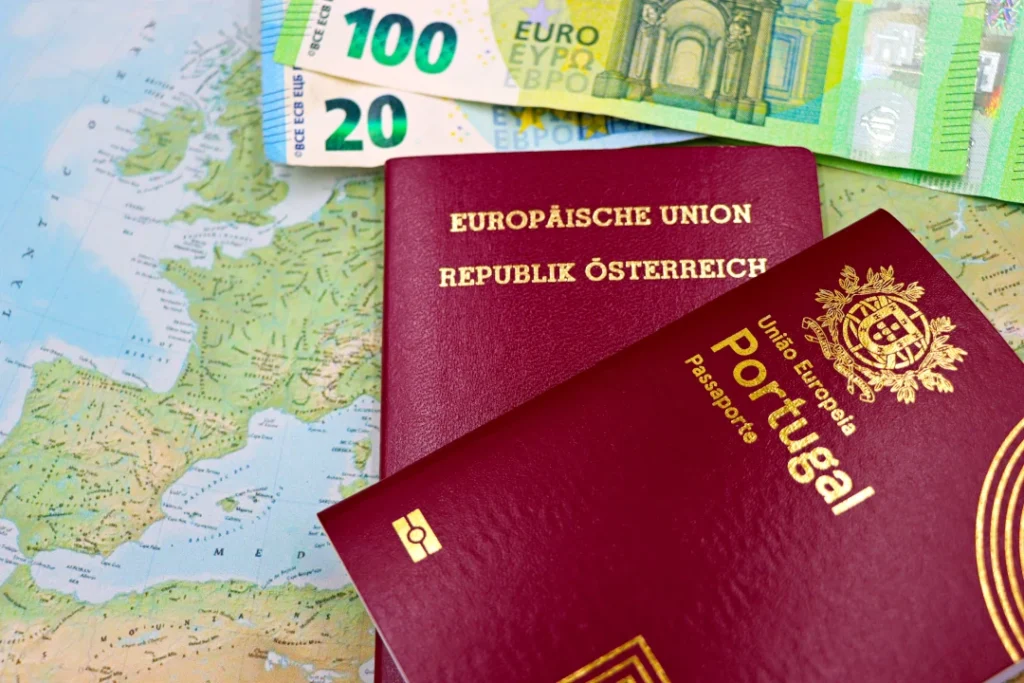
The Schengen Visa is a short-stay travel permit that allows entry into the Schengen Area — a zone of 29 European countries that have eliminated passport checks at their shared borders. A single visa lets you travel across all member countries for tourism, business, family visits, or short-term work purposes, for up to 90 days within any 180-day period.
Book Your Tour Package in Switizerland
List of Schengen Area Countries (2026)
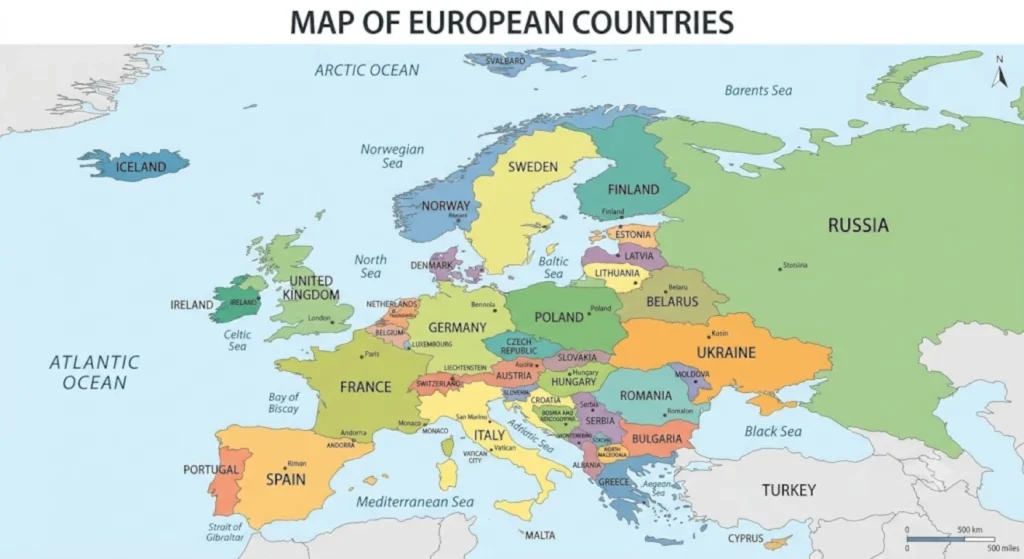
- Austria
- Belgium
- Bulgaria
- Croatia
- Czech Republic
- Denmark
- Estonia
- Finland
- France
- Germany
- Greece
- Hungary
- Iceland
- Italy
- Latvia
- Liechtenstein
- Lithuania
- Luxembourg
- Malta
- Netherlands
- Norway
- Poland
- Portugal
- Romania
- Slovakia
- Slovenia
- Spain
- Sweden
- Switzerland

Note: Bulgaria and Romania joined the Schengen Area’s air and sea borders in 2024, with land border checks lifted more recently — always verify current status before planning land crossings. The United Kingdom, Ireland, and Cyprus are not part of the Schengen Area and have separate visa systems.
Schengen Visa Fee and Duration of Stay
One of the advantages of the Schengen Visa is that the fee is standardized — you pay the same amount regardless of which member country you apply through, since the visa itself grants access to the whole zone.
| Category | Fee (EUR) | Duration of Stay |
|---|---|---|
| Adults | €90 | Up to 90 days within any 180-day period |
| Children (6–12 years) | €45 | Same 90/180-day rule applies |
| Children under 6 | Free | Same 90/180-day rule applies |
| Visa application centre service charge | Varies by centre (non-refundable) | N/A |
Important: This fee is non-refundable, whether your visa is approved or rejected. Some applicants — including certain students, researchers, and holders of diplomatic passports — may qualify for reduced or waived fees under bilateral agreements. Always confirm current fees on the official embassy or consulate website before applying, since rates are periodically revised.
Book Your Hotel Stay
Visa on Arrival or Electronic Travel Authorization? Clearing the Confusion
This is one of the most misunderstood parts of Schengen travel, so let’s be direct:
- The Schengen Visa is NOT a visa-on-arrival. If your nationality requires a Schengen Visa (as most Indian, Pakistani, Bangladeshi, Sri Lankan, Nepali, and Filipino passport holders do), you must apply and receive approval before you travel. There is no option to obtain this visa at the airport or border.
- ETIAS is a separate system — and it does not apply to travelers who need a Schengen Visa. ETIAS (European Travel Information and Authorisation System) is an electronic pre-screening authorization, similar to the US ESTA, designed for citizens of visa-exempt countries (such as the US, UK, Canada, Australia, Japan, and Singapore) who can currently enter the Schengen Area without a visa.
- ETIAS is not yet operational as of mid-2026. It was originally expected to launch in the final quarter of 2026, but reporting indicates the launch may slip into 2027 due to technical issues tied to the EU’s Entry/Exit System (EES). Visa-exempt travelers do not need to apply for anything extra right now — always check the official ETIAS portal for the latest confirmed date before booking.
- The EES (Entry/Exit System) is already live at Schengen borders as of April 2026. This is a separate digital border-check system that records biometric data (fingerprints and a facial photo) for non-EU travelers on entry and exit — it applies to Schengen Visa holders too, so expect biometric checks at the border in addition to the biometrics collected during your visa application.
In short: if you’re an Indian traveler, you need a full Schengen Visa applied for in advance — there is no on-arrival or ETIAS shortcut available to you.
Schengen Visa Process From India: Step-by-Step
- Determine the correct country to apply through. Apply at the embassy, consulate, or visa centre of the country where you’ll spend the most nights. If your stay is split equally across countries, apply through the country of first entry.
- Identify the correct visa application centre. Most Schengen countries process Indian applications through VFS Global, though France uses TLS Contact and some countries use BLS International. Centres operate in Delhi, Mumbai, Chennai, Bangalore, Kolkata, Hyderabad, Pune, Ahmedabad, Chandigarh, and other major cities.
- Complete the online application form (VIDEX or country-specific portal) and print, sign, and date it.
- Gather your documents, including:
- Valid passport (issued within the last 10 years, valid for at least 3 months beyond your return date, with at least 2 blank pages)
- Recent passport-sized photographs (as per Schengen photo specifications)
- Proof of travel insurance with minimum €30,000 medical coverage
- Confirmed round-trip flight itinerary (a refundable “dummy” booking is commonly used until the visa is approved)
- Proof of accommodation (hotel bookings or invitation letter)
- Bank statements (last 3–6 months) showing sufficient funds — roughly €70–100 per day of travel is a common benchmark, though this varies by country
- Employment letter/NOC (No Objection Certificate) or business documents, depending on travel purpose
- Cover letter outlining your travel plan and purpose
- Book your appointment as early as possible — slots fill up quickly during peak travel seasons (April–August and November–January).
- Attend your appointment, submit documents, and provide biometric data (fingerprints and photograph).
- Pay the visa fee plus the visa centre’s service charge.
- Track your application using the reference number provided, via the VFS/BLS/TLS portal or SMS alerts.
- Collect your passport with the visa sticker once approved, or receive a written reason if refused (you may reapply after addressing the issue).
How Early Should You Apply — and How Long Does It Take?
- Earliest you can apply: Up to 6 months before your travel date.
- Recommended application window: 1–2 months before departure, ideally 5–6 weeks ahead to secure an appointment slot.
- Standard processing time: 15 calendar days, though many applications from India are decided within 15–30 days.
- Peak season processing: Can extend to 45–60 days during April–August and around the winter holiday season, or if the embassy requests additional documents.
- Absolute minimum: Applications can technically be submitted up to 15 days before travel, but this leaves little to no buffer if anything goes wrong — booking well in advance is strongly recommended.
Book Your Air Ticket
Good to Know: Country-Specific Points for Schengen Travelers
- France: Uses TLS Contact (not VFS) for visa processing from India; requires relatively higher proof of funds compared to some other member states.
- Germany: Known for detailed document scrutiny and higher approval rates for well-documented business and tourist applications.
- Italy: Popular for family and honeymoon travel; peak-season appointment slots (especially April–August) fill up fastest.
- Spain: Requires proof of funds among the higher end of the Schengen range; Barcelona and Madrid consulates can have longer queues in summer.
- Netherlands: Efficient processing centre in India; well-suited for business travelers attending conferences or trade events.
- Switzerland: Not an EU member but fully part of the Schengen Area; visa fees and rules follow the same standard as other members.
- Greece: A strong choice for statistically favorable approval rates for tourism-purpose applications, though this can vary year to year.
- Nordic countries (Finland, Sweden, Denmark, Norway): Often cited as having higher approval rates for straightforward, well-documented tourist applications, though outcomes always depend on individual applicant profiles.
- Bulgaria & Romania: Recently added to the air/sea Schengen zone — confirm current land-border rules if you’re planning overland travel between these and other member states.
Common Problems Travelers Face With Schengen Visas
- Visa refusals due to insufficient proof of funds, unclear travel purpose, or inconsistent documents — always double-check every document matches your stated itinerary.
- Non-refundable fees, meaning a rejected application still costs the full visa fee.
- Booking non-refundable flights too early — always use a refundable or dummy booking until your visa is confirmed.
- Applying to the wrong country’s embassy, which can cause delays or automatic complications with your application.
- Underestimating processing time during peak season, leading to appointment slots running out before travel dates.
- Insufficient travel insurance coverage — anything below the mandatory €30,000 threshold can lead to instant rejection.
- Overstaying the 90/180-day limit, which can result in fines, deportation, or future entry bans across the entire Schengen Area — not just the country you overstayed in.
- EES biometric delays at the border, since the new Entry/Exit System has added extra processing time at some airports in 2026 — build in extra buffer time when connecting through busy hubs.
Multiple-Entry Schengen Visa Rules

A multiple-entry Schengen Visa allows you to enter and exit the Schengen Area more than once during the visa’s validity period, without needing to reapply for each trip.
- Eligibility typically depends on your travel history — applicants who have previously held and correctly used one or more Schengen Visas are more likely to be granted multiple-entry visas covering 1, 3, or even 5 years.
- First-time applicants are often issued single-entry or double-entry visas, though some embassies grant multi-entry visas even to first-timers with strong documentation.
- The 90/180-day rule still applies regardless of how many entries your visa allows — you cannot exceed 90 days of total stay within any rolling 180-day window, across all Schengen countries combined.
- Business travelers who frequently visit Europe for conferences or client meetings should specifically request a multiple-entry visa and provide documentation (invitation letters, past travel history) supporting frequent travel needs.
- The visa’s validity period is independent of your allowed stay — a 3-year multiple-entry visa doesn’t mean you can stay 3 years; it means you can enter and exit freely within that period, as long as each stay respects the 90/180 rule.
Travel Insurance for Schengen Visa Applicants
Travel insurance isn’t optional — it’s a mandatory requirement for every Schengen Visa application.
- Minimum coverage required: €30,000, covering medical emergencies, hospitalization, and repatriation.
- Validity: Must cover your entire stay across all Schengen countries you plan to visit, from your departure date to your return date.
- Schengen-compliant certificate: Your policy must explicitly state it meets Schengen visa insurance requirements — a standard travel policy from your home country may not qualify unless it specifically mentions this.
- Family and group policies: Often available, and can be more cost-effective for families traveling together — just ensure every traveler’s name and coverage is clearly listed.
- Business travelers should also check whether their corporate travel insurance meets Schengen-specific criteria, as many standard corporate policies don’t automatically comply.
Schengen Travel Tips by Traveler Type
For Tourists
- Prioritize a well-planned, realistic itinerary — vague or overly ambitious travel plans are a common reason for visa scrutiny.
- Book accommodation for your entire trip, even in multiple countries, to strengthen your application.
- Keep both digital and physical copies of your visa, passport, and insurance documents while traveling.
For Business Travelers
- Carry a formal invitation letter from the host company or event organizer, along with your employer’s NOC and travel purpose letter.
- Apply for a multiple-entry visa if you expect to travel to Europe more than once within the visa’s validity period.
- Factor in extra time at airports for EES biometric checks, especially during conference season.
For Families
- Each family member — including children — needs their own visa application and supporting documents.
- Carry a notarized consent letter if one parent is traveling with children alone, or if children are traveling with a guardian.
- Look into family travel insurance bundles to simplify the mandatory insurance requirement.
- Build buffer days into your itinerary; families often need a slower pace between cities than solo travelers.
Frequently Asked Questions (FAQ)
1. What is the process for taking a Schengen Visa from India?
Apply through the official visa centre (VFS Global, BLS, or TLS Contact) of your main destination country, complete the online form, submit documents and biometrics in person, pay the visa fee, and wait 15–30 days for a decision. Apply 1–2 months before travel.
2. How much does a Schengen Visa cost in 2026?
The standard fee is €90 for adults and €45 for children aged 6–12; children under 6 apply free of charge. Visa centre service charges are additional and non-refundable.
3. How long does it take to get a Schengen Visa?
Standard processing takes about 15 calendar days, though it commonly extends to 15–30 days, and up to 45–60 days during peak travel season.
4. Can I get a Schengen Visa on arrival?
No. The Schengen Visa must be obtained before travel — there is no visa-on-arrival option for nationalities that require this visa.
5. What is ETIAS, and do Indian travelers need it?
ETIAS is a separate electronic travel authorization for visa-exempt travelers (such as US, UK, and Canadian citizens). It is not yet operational as of mid-2026 and does not apply to travelers who require a full Schengen Visa, including Indian passport holders.
6. How many days can I stay in Europe on a Schengen Visa?
Up to 90 days within any rolling 180-day period, across all Schengen countries combined — regardless of how many countries you visit.
7. Is travel insurance mandatory for a Schengen Visa?
Yes. You must show proof of travel insurance with a minimum of €30,000 in medical coverage, valid for your entire trip across the Schengen Area.
8. What happens if my Schengen Visa is rejected?
You’ll receive a written reason for the refusal. You can reapply after addressing the specific issue, but the original visa fee is non-refundable.
Official and Authentic Resources
For the most accurate, up-to-date information, always refer to official government and EU sources before applying:
- European Commission — Schengen Visa Policy
- Official ETIAS Information Portal (EU)
- VFS Global — Visa Application Centres (India)
- BLS International — Visa Application Services
- TLScontact — France Visa Applications
- Ministry of External Affairs, Government of India — Travel Advisories
Related Reads on RydeTravel
- Essential Travel Insurance – Avoid Costly Mistakes (2026)
- Which Travel Insurance Should You Choose in 2026?
- Unforgettable Tourist Activities in Havelock Island (2026)
- Top 10 Breathtaking Tourist Places in Switzerland (2026)
Final Thoughts
Getting your Schengen Visa requirements right isn’t just paperwork — it’s the difference between a trip that unfolds smoothly and one that starts with stress at the embassy. Whether you’re planning a family holiday through Alpine villages, a business trip to a Berlin conference, or a solo adventure across sunlit Mediterranean coastlines, the key is the same: apply early, document carefully, and double-check every requirement against official sources.
Your European skyline is waiting — start your Schengen Visa application with confidence.
Have a specific question about your Schengen Visa application? Drop it in the comments — we’re here to help you plan your trip stress-free.


Leave a Reply