This guide contains affiliate links. We may earn a commission at no extra cost to you — see our Affiliate Disclosure and Affiliate Disclosure Policy for details.
⚡ Quick Answer: Expedition Cruise to Antarctica (Complete Travel Guide 2026)
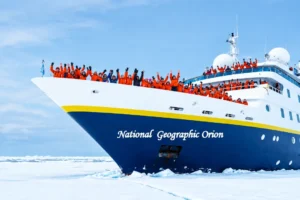
Quick Take: Expeditions Cruise to Antarctica aboard the 102-guest National Geographic Orion lets you fly from Puerto Natales, Chile, over the Drake Passage and explore the Antarctic Peninsula in just 8–10 days.
⚡ Key Highlights:
- Cost and timing: 2026–27 fares run roughly US$14,300–62,800 per person. The season is late November to February/March, and February is best for whales.
- Onboard: 53 outside cabins, Zodiacs, kayaking, a National Geographic photographer and an expedition team. Charter flights, shipboard drinks and a parka are included.
- Insider tip for Indian travellers: check Chile visa rules and Indian Antarctic permit obligations early, buy medical-evacuation insurance, and keep checked baggage under 23 kg for the charter flight.
To book your stay, click here. To Book Local Travel, click here
Traveling overseas? Click here to buy an eSIM. For more info, click here
Table of Contents
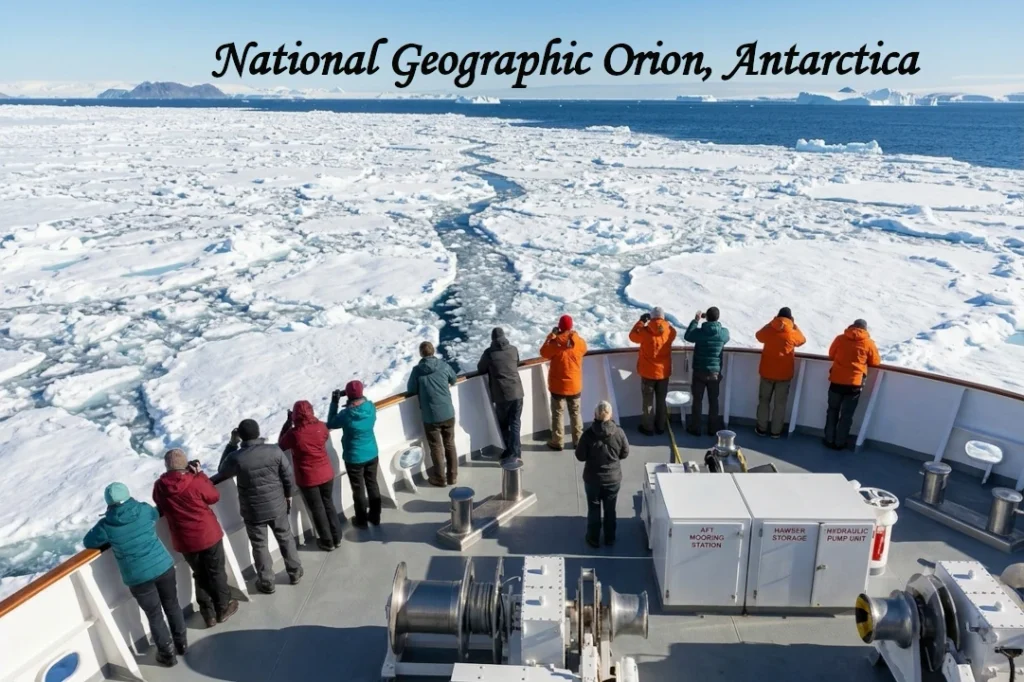
Few journeys feel as far from everyday life as a small-ship expedition cruise to Antarctica. Among all the expeditions National Geographic runs with its partner Lindblad, the voyages of the 102-guest National Geographic Orion stand out for one reason: you can fly over the Drake Passage from Puerto Natales, Chile, and step onto the ship at the edge of the White Continent in about two hours. No two days of open-ocean swell, just more time among penguins, whales and icebergs.
This guide covers the National Geographic Orion cruise ship, life onboard, the route, a 13-day trip plan, flights, hotels, cabin categories with 2026 rates, the best months to go, packing, wildlife and honest advice on whether it is worth it. If you are still deciding where to start, read our overview of Antarctica tourism first, then come back here.

Quick Facts: National Geographic Antarctica Cruise on Orion
| Operator | Lindblad Expeditions in partnership with National Geographic |
| Ship | National Geographic Orion, built 2003, ice class 1A, about 103 m long |
| Capacity | 102 guests in 53 outside cabins |
| Trip style | Fly-cruise (“Antarctica Direct: Fly the Drake Passage”), round trip from Puerto Natales, Chile |
| Voyage length | 8, 9 or 10 days; this guide builds a 13-day plan with a Patagonia add-on |
| Season | Late November to February/March |
| 2026 rate range (per person, twin share) | About US$14,300 to US$62,800 depending on dates and cabin |
| Embarkation point | King George Island, South Shetland Islands (by charter flight from Puerto Natales) |
National Geographic Orion: Ship Highlights and Life Onboard
The National Geographic Orion Antarctica expedition works because of the ship’s size. At 102 guests she is small enough to anchor in channels and coves that larger vessels cannot enter, and she carries a full expedition fleet of Zodiacs and kayaks. Her high ice class (1A) is unusual for a yacht-sized ship, and reviewers note she has sailed farther south than any other Lindblad-National Geographic vessel. The atmosphere is closer to a country-club or private yacht than a resort liner.
Public spaces and facilities
- Lounge and bar: the social hub, with presentation facilities for daily talks and evening recaps.
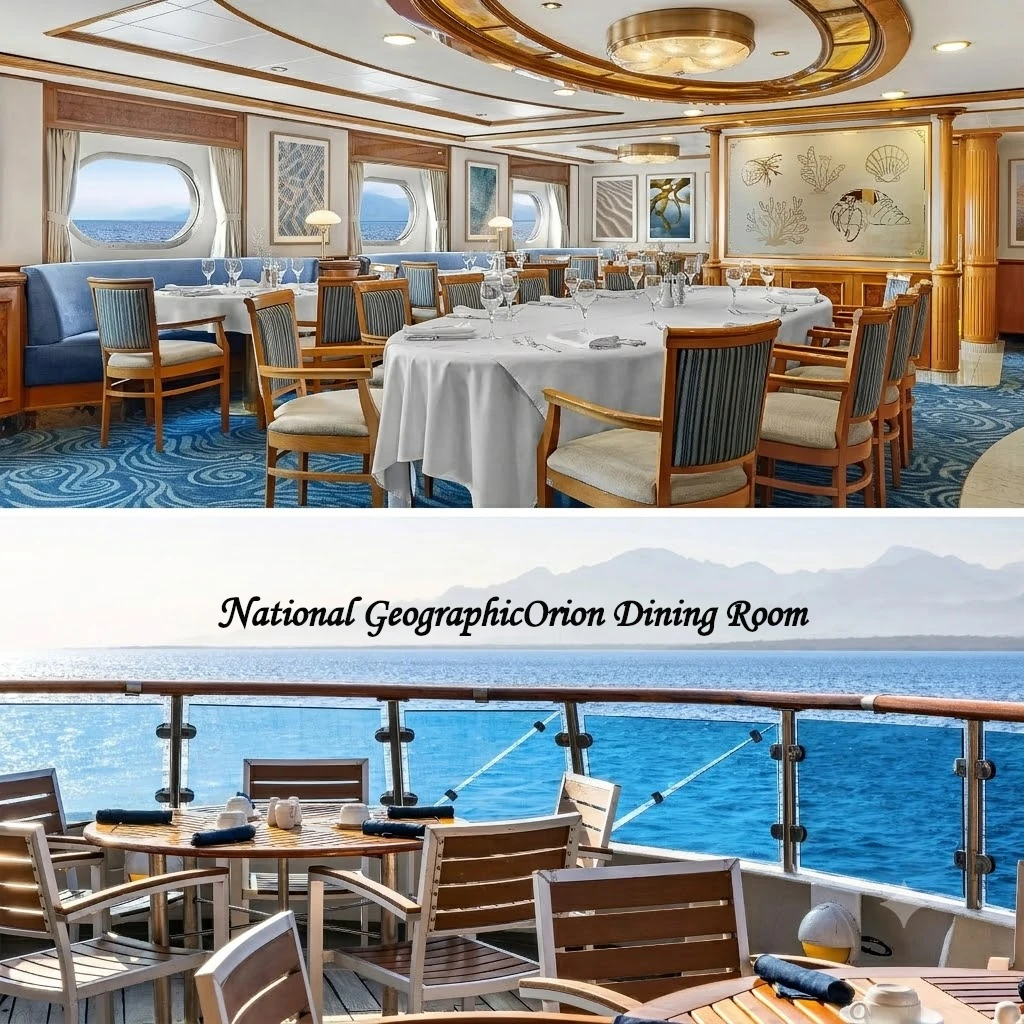
- Dining room: open-seating meals, with beer, wine and a full bar included on Antarctica departures.
- Library and observation areas: quiet corners for reading and wildlife spotting.
- Bridge access: guests are welcome on the bridge around the clock when conditions permit, which is ideal for whale watching.
- Wellness: a small fitness centre, sauna, spa treatment room and complimentary morning yoga or stretching.
- Practical comforts: an elevator, Wi-Fi (basic included, upgrades for purchase), complimentary laundry, turn-down service and one priority spa appointment per departure.
- Expedition gear: Zodiacs, kayaks, a marina platform at the stern for easy boarding, and a complimentary expedition parka to keep.
Expedition style: National Geographic-certified team and science
Every National Geographic Lindblad Expeditions departure travels with a team of naturalists and historians, a ship’s physician, a National Geographic photographer, a Lindblad-National Geographic certified photo instructor and a video chronicler. Daily briefings explain the plan, and the schedule stays flexible so the captain can chase a pod of whales or a clear weather window. Many departures also invite guests to join citizen-science projects, and some include visiting scientists or special guests. Check the specific departure page on expeditions.com to see who is joining your sailing. Families can look for departures with the National Geographic Global Explorers programme for children and teens.
Activities included
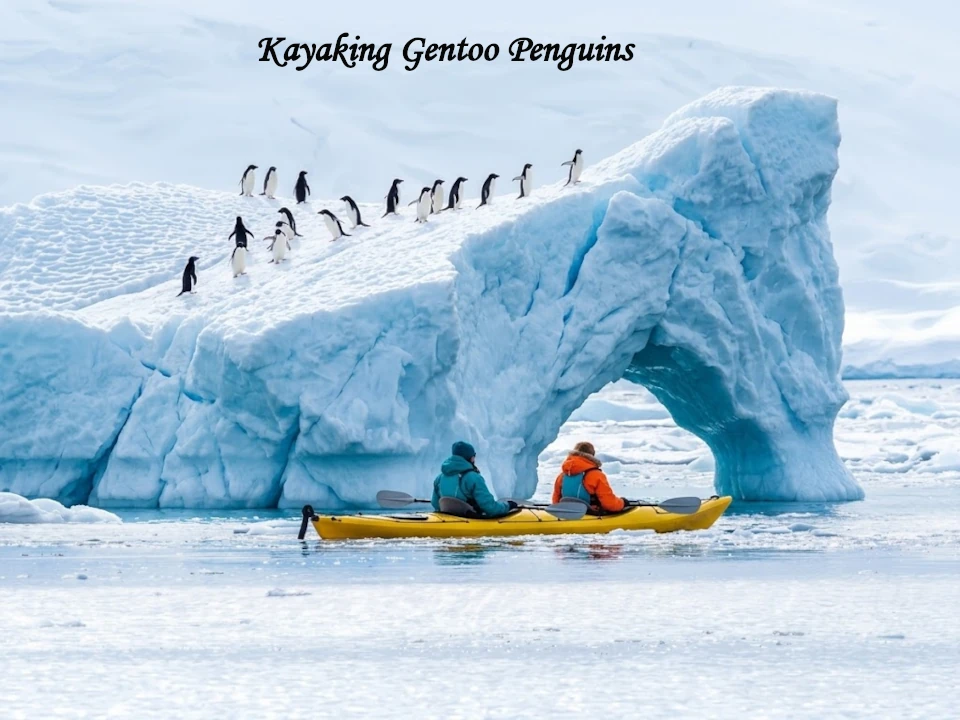
Included activities are Zodiac cruises, landings and hikes, kayaking in sheltered water, glacier and iceberg viewing and wildlife observation. On November and early December departures, cross-country skiing may be offered when snowpack allows. Optional activities vary by season, ice and weather.
Trip Types: Sea-Based, Fly-Cruise and Combined Voyages
The best cruise to Antarctica depends on your time, budget and tolerance for the Drake Passage. National Geographic and Lindblad sell three broad styles:
| Trip type | Typical length | How it works | Best for |
|---|---|---|---|
| Sea-based expedition cruise | About 12 days | Sail from Ushuaia, Argentina, cross the Drake Passage both ways (about two days each way) on National Geographic Resolution or Endurance. From roughly US$13,500 per person on the Lindblad site. | Travellers who want the classic crossing and more sea days |
| Fly-cruise (Orion) | 8 to 10 days | Charter flight from Puerto Natales to King George Island, board Orion, explore the Peninsula, fly back. Variants: fly both ways, or sail one way and fly the other from or to Ushuaia. | Time-limited travellers and anyone wary of rough seas |
| Combined Patagonia, South Georgia and Antarctica | 17 to 25 days | Add Patagonian fjords, the Falkland Islands and South Georgia’s king penguin colonies to the Peninsula. Operated on the larger ships such as Resolution, Explorer and Endurance. Rates start around US$22,700 for 21 to 22 days and rise well above that for the 25-day odyssey. | Wildlife and polar-history enthusiasts with time to spare |
Orion’s Antarctica programme is built around the fly-cruise format, which is why the rest of this guide follows that route.
Antarctic Expedition Cruise Itinerary: Main Route and Destinations

The round-trip route is simple: Puerto Natales (Chile) → King George Island (South Shetland Islands) → Antarctic Peninsula → King George Island → Puerto Natales. The ship does not dock in a port. You fly in, board Zodiacs from the shore and sail from there. Exact landings depend on ice, weather and wildlife, and Lindblad treats any itinerary as a guide rather than a promise. Sites commonly visited by Peninsula expeditions include:
- King George Island: home to Weddell and elephant seals and Adélie, chinstrap and gentoo penguins, plus research stations run by Chile, Argentina, Brazil, the US and others.
- Neumayer and Lemaire Channels: narrow passages framed by sheer peaks and glaciers.
- Paradise Bay and Neko Harbor: continental landings with gentoo colonies and calving glaciers.
- Cuverville Island: one of the largest gentoo penguin rookeries on the Peninsula.
- Antarctic Sound and the Weddell Sea edge: tabular icebergs, Adélie penguins and, on some departures, Paulet Island.
13-Day Sample Itinerary: Patagonia and National Geographic Antarctica Cruise
The official Orion voyage from Puerto Natales runs 8 to 10 days. To give you a fuller Antarctica expedition plan inside a 12 to 15 day window, we have combined the 10-day Lindblad voyage (Days 4 to 13) with three days of Patagonia beforehand (Days 1 to 3). The pre-trip days are our suggestion, not an official Lindblad itinerary. They also act as a useful weather buffer before the flight. Lindblad and partners sell land extensions such as Torres del Paine lodge stays if you prefer a packaged option.
| Day | Location | What happens |
|---|---|---|
| 1 | Santiago to Puerto Natales | Fly in, transfer to your hotel and rest. Meals not included. |
| 2 | Torres del Paine National Park | Full-day tour for granite spires, guanacos and Grey Lake views. Optional if you want a lighter pre-trip. |
| 3 | Last Hope Sound and Milodon Cave | Relaxed day around Puerto Natales; check your cold-weather gear and repack to the charter luggage limit. |
| 4 | Puerto Natales (voyage Day 1) | Arrive at the group hotel by 3:00 pm local time. Welcome dinner and briefing on the flight. |
| 5 | Fly to King George Island and embark | Transfer to the airport for the roughly 2-hour charter flight, land at the Chilean research station and take Zodiacs to Orion. First Antarctic evening aboard. |
| 6 to 11 | Exploring the Antarctic Peninsula | Six days of Zodiac cruises, landings, hikes, kayaking and possible cross-country skiing in November. Daily recaps and photography coaching. |
| 12 | Disembark and fly to Puerto Natales | Final Zodiac ride ashore at King George Island, charter flight back and an overnight at the group hotel. |
| 13 | Depart Puerto Natales | Breakfast and airport transfer. Book outbound flights for mid-afternoon or later to allow for delays. |
If weather prevents the flight on the scheduled day, Lindblad’s contingency plan, included in the trip price, adapts the programme and may rebook the schedule. That is why building a buffer day into your plan is wise.
Flight Logistics to Puerto Natales, Chile
Puerto Natales sits on Last Hope Sound in Chilean Patagonia and is the gateway to Torres del Paine. Most international travellers route through Santiago (SCL), then continue south by one of two routes:
- Direct domestic flight to Puerto Natales (PNT): Teniente Julio Gallardo Airport is about 6 km from town. Scheduled flights here are seasonal and limited, so confirm with the airlines.
- Fly to Punta Arenas (PUQ) and drive: a road transfer of roughly 3 to 3.5 hours (about 250 km). Many travellers choose this because of more frequent flights.
Key timing rules from Lindblad’s partners: be at the Puerto Natales hotel by 3:00 pm on Day 1 of the voyage, and book onward flights no earlier than the time stated in your final documents (typically after lunchtime) on the last day. The airline tickets to Chile are not included in the cruise price, but the charter flights between Puerto Natales and King George Island are mandatory and included. Luggage on the charter is strictly limited: checked bags total up to 23 kg (51 lb), one carry-on up to 7 kg (17 lb) plus a personal item. Leave bulky extras at your hotel.
Departure and Arrival Terminal Details from Puerto Natales
Unlike a conventional cruise, this itinerary has no ship terminal in Puerto Natales. National Geographic Orion waits offshore in Antarctica. Here is how the logistics work:
- Departure point: a group hotel transfer takes you to Teniente Julio Gallardo Airport (PNT) for the charter flight to Antarctica.
- Arrival point: the flight lands on the gravel runway at the Chilean research station on King George Island, in the South Shetland Islands.
- Boarding: from the rocky shoreline you step into Zodiacs, which carry you to the ship. Wear waterproof trousers and boots, as this is a wet landing.
- Return: the process reverses at the end. The ship moors off King George Island, you take a Zodiac ashore and fly back to Puerto Natales for a final hotel night.
Hotels Near the Departure Point in Puerto Natales
Lindblad’s Orion departures from Puerto Natales have used Hotel Costaustralis or Remota Patagonia Lodge (or similar) as the included group hotel. If you add pre- or post-trip nights, these are the two most relevant options. Tripadvisor scores and review counts change daily; figures below were seen in October 2026.
| Hotel | Tripadvisor rating | Reviews | Location and notes |
|---|---|---|---|
| Hotel Costaustralis | 4.1 of 5 | About 1,100 | Pedro Montt 262, on the waterfront promenade, about 6 km from the airport. Fjord views, walkable to restaurants; some reviewers call the rooms dated. |
| Remota Patagonia Lodge | 4.5 of 5 | About 660 | Ruta 9 Norte, km 1.5, on the road toward the airport, with a design-led eco-lodge feel, spa, pool and sauna. Roughly 1.5 km from town, so a taxi or shuttle is useful. |
Cabin Categories and Rates for National Geographic Orion 2026
All 53 cabins face outside, with a window, oval window or porthole, private bathroom, climate control and TV. Rates below are per person based on twin share for two 10-day fly-cruise departures, as shown by an expedition travel agency in October 2026. Sellers publish different “from” prices, other departures cost less (a November 2026 sailing started around US$14,300), and single supplements may apply. Treat these as planning figures and confirm on expeditions.com.
| Category | Cabin features | 1 to 10 Dec 2026 (US$ pp) | 20 to 29 Dec 2026 (US$ pp) |
|---|---|---|---|
| Category 1 | About 18 m², oval window, twin or queen | 19,775 | 29,040 |
| Category 2 | About 18 m², mid-ship Main Deck, oval window | 21,505 | 32,402 |
| Category 3 Suite | About 20 m², large window, sitting area | 21,997 | 42,927 |
| Category 4 Deluxe Suite | About 21 m², large window, sofa area | 23,216 | 47,583 |
| Category 1S (solo) | About 15 m², double bed, window or portholes | 26,797 | 41,731 |
| Category 5 Suite | About 21 m², French balcony, living area | 27,588 | 49,926 |
| Category 3S (solo) | About 20 m², two windows | 30,132 | 62,779 |
| Category 6 Owner’s Suite | About 32 m², queen bed, French balcony, separate sitting area | 31,147 | 54,600 |
What the price typically includes: the round-trip charter flights, hotel nights and meals per itinerary, all shipboard meals, beer, wine and a full bar, excursions, kayaking, expedition staff, ship’s physician, a parka to keep, port fees, basic Wi-Fi and gratuities. Not included: international and domestic airfare to Chile, extra hotel nights, travel insurance, visas and personal items. Typical payment terms from agents are a 15% deposit with the balance due 120 days before departure, with steep cancellation fees inside 120 days.
Preferred Travel Months for an Antarctica Expedition
Orion’s fly-cruise season runs from roughly late November to February or early March. Each month offers a different Antarctica expedition experience:
- Late November to early December: pristine snow, penguins courting and nest building, dramatic ice and the chance of cross-country skiing. Lower prices on shoulder dates.
- Late December to January: the warmest weather and near-continuous daylight, with penguin eggs hatching and chicks appearing. The most expensive period, especially around Christmas and New Year.
- February to early March: penguin chicks fledging, more open water to explore and the best chances of whale sightings. Days start to shorten and sunsets return.
If you want one recommendation for the best cruise Antarctica offers on wildlife per dollar, aim for early-to-mid February. For snow and solitude, choose late November. Orion sailings sell out early; availability for the 2027 to 2028 season is typically open well in advance.
Antarctica Cruise Wildlife Encounters
The headline appeal of any Antarctica cruise wildlife programme is how close and unafraid the animals are. Under international guidelines you keep a respectful distance, yet curious penguins often approach you.
- Penguins: gentoo, Adélie and chinstrap colonies along “penguin highways” in the snow.
- Seals: Weddell and elephant seals on King George Island, and stealthy leopard seals patrolling ice floes.
- Whales: humpbacks and minke whales are frequent from the bow, and orcas are possible, especially later in the season.
- Seabirds: skuas, giant petrels, Antarctic terns and blue-eyed shags, plus albatrosses if you cross the Drake on a sail-one-way itinerary.
Operators follow the guidelines of the International Association of Antarctica Tour Operators (IAATO), including limits on the number of people ashore at a time and a minimum approach distance to wildlife. Bring a zoom lens and let the naturalists guide your positioning.

What to Pack for an Expedition Cruise to Antarctica
Layering is everything. Your parka is provided, so pack the rest around it, and remember the 23 kg checked-bag limit for the charter flight.
- Base layers: two or three merino or synthetic tops and bottoms (no cotton).
- Mid layers: fleece or light down jacket, plus fleece trousers.
- Outer layer: waterproof, windproof trousers for Zodiac rides (the parka comes with the trip).
- Footwear: waterproof boots are essential for wet landings; confirm with Lindblad whether loan boots are provided on your departure, and bring warm wool socks and comfortable indoor shoes.
- Hands, head, eyes: thin liner gloves plus waterproof outer gloves, a warm hat, neck gaiter, UV-rated sunglasses or goggles, and high-SPF sunscreen and lip balm.
- Gear: a waterproof daypack or dry bags, camera with spare batteries (cold drains them quickly), a zoom lens, binoculars and a universal power adapter.
- Health and documents: prescriptions, motion-sickness remedies as a precaution, travel insurance papers and a passport valid well beyond your return date.
Is National Geographic Orion Worth Considering for Your Antarctica Trip?
For many travellers the answer is yes, with caveats. Here is a balanced view of this luxury Antarctica expedition cruise.
Where Orion shines
- You skip the Drake Passage, so you gain several extra days on the Peninsula for a shorter trip.
- The 102-guest capacity means more time on land and in Zodiacs per person than on large ships.
- The National Geographic expedition team, photographers and flexible programme add real depth.
- Alcohol, gratuities, flights between Chile and Antarctica and a keepable parka are bundled into the price.
What to weigh up
- It is premium-priced, and peak-season suites cost several times the entry cabin.
- The flight depends on weather. Delays can eat into your time, so the contingency plan matters.
- Orion was built in 2003 and is cosy rather than ultra-modern; some travellers prefer the newer, larger Resolution or Endurance for sea-based voyages.
- You miss the rite-of-passage experience of crossing the Drake and its seabirds.
If you have around ten days, want the efficiency of a fly-cruise and value expert-led exploring, Orion is among the strongest choices on the market. If you want South Georgia or the Antarctic Circle, look at Lindblad’s longer voyages instead.
Essential Travel Tips for a National Geographic Antarctica Cruise
- Book early: popular December and January departures sell out far ahead. Aim for 12 to 18 months before sailing.
- Buy comprehensive insurance: include emergency medical evacuation and trip cancellation. Lindblad recommends evacuation cover.
- Plan buffer days: arrive in Puerto Natales a day early and leave a day late. Weather can change flight schedules.
- Check entry rules: visa requirements for Chile differ by nationality (travellers from India, for example, should confirm their requirements well in advance). Chile also enforces strict agricultural declarations at customs.
- Check home-country Antarctic rules: some countries regulate travel to Antarctica. Indian citizens, for example, should confirm their obligations under India’s Antarctic legislation with the relevant authorities.
- Stay fit enough for Zodiacs: you need to climb in and out of boats and walk on uneven snow or rocks. Complete the medical forms honestly.
- Respect biosecurity: vacuum pockets and clean boots before landings so you do not carry seeds or microbes to Antarctica.
- Pack light: the charter’s 23 kg total limit is strict, so wear your bulkiest items on the day.
Contact Details and Source Websites
National Geographic-Lindblad Expeditions (head office)
96 Morton Street, 9th Floor, New York, NY 10014, USA
Phone (US toll-free): 1-800-397-3348
Phone (office): +1 212-765-7740
Email: info@expeditions.com or explore@expeditions.com
Australia: 1300 361 012, auinfo@expeditions.com
Website: www.expeditions.com
Sources used for this guide: Lindblad Expeditions (expeditions.com), AdventureSmith Explorations, Eclipse Travel, Polar Cruises, Virtuoso, Tripadvisor and IAATO. Phone numbers and prices change, so confirm with Lindblad or an accredited agent before booking.
Frequently Asked Questions About the National Geographic Antarctica Cruise
1. How long is the trip?
Official Orion departures from Puerto Natales run 8, 9 or 10 days. Add Patagonia days before or after, as in our 13-day plan, for a longer holiday.
2. How much does an Orion Antarctica cruise cost?
Seasons 2026 to 2027 fares seen in October 2026 range from about US$14,300 per person for early-season entry cabins to over US$60,000 for premium suites on peak December dates. Always verify current rates and single supplements.
3. Do I need to cross the Drake Passage?
No, not on the fly-cruise. The roughly two-hour charter flight replaces the two-day crossing each way. You can choose a sail-one-way option if you want to experience the Drake.
4. What if the flight is delayed by weather?
Lindblad includes a contingency plan that adjusts activities and may reschedule flights. Delays can shorten your time on the ice, so build in buffer days and keep flexible onward tickets.
5. Is it suitable for children and older travellers?
Orion welcomes families on select departures with National Geographic Global Explorers programming. Travellers of any age need basic mobility for Zodiac boarding and uneven landings, and a medical form is required.
6. What is included and what is extra?
Included: charter flights, hotels and meals per itinerary, shipboard drinks, excursions, kayaking, expedition team, a parka, port fees and gratuities. Extra: international and domestic flights to Chile, extra hotel nights, visas, insurance and personal expenses.
7. When is the best time to go?
Late November offers snow and courtship, December to January offers warmth and chicks, and February offers the best whale watching. Pick the month that matches the wildlife you want most.
8. Where does the National geographic Orion Antarctica cruise depart from?
The fly-cruise starts and ends in Puerto Natales, Chile. A character flight takes you to King George Island, where you board the ship by Zodiac. sail-and-fly variants also use Ushaia
Official Links for Travellers: Antarctica and Chile
- Lindblad Expeditions – National Geographic (official booking site)
- IAATO – International Association of Antarctica Tour Operators (visitor guidelines)
- Antarctic Treaty Secretariat (treaty, protected areas, visitor rules)
- Chile Travel – official tourism site of Chile (Sernatur)
- INACH – Chilean Antarctic Institute
- UK Foreign Office travel advice for Chile
- US Department of State travel information
- NCPOR – India’s National Centre for Polar and Ocean Research (Indian Antarctic programme)
Explore More Travel Guides on our Ryde Travel Web Site
Antarctica Tourism 2026: Beautiful Places to Explore
Final Thoughts: Is This the Best Cruise Antarctica Can Offer?
For time-conscious travellers, National Geographic Orion delivers a rare blend: genuine polar exploration, a small and comfortable ship, expert interpretation and a flight that spares you the Drake Passage. It is not the cheapest Antarctica cruise, and the weather will always have the final say, but few expeditions National Geographic offers put you on the Peninsula so efficiently. Choose your month for the wildlife you most want to see, add a few days in Patagonia as a buffer, and book as early as you can.
Ready to dig deeper? Explore our complete Antarctica tourism guide for more routes, ships and planning advice.

Leave a Reply