
This guide contains affiliate links. We may earn a commission at no extra cost to you — see our Affiliate Disclosure and Affiliate Disclosure Policy for details.
Exploring the best Shibuya tourist places is a great way to experience Tokyo’s modern culture, entertainment, shopping, and local attractions.
If you’re making a list of Shibuya tourist places before your trip to Tokyo, you’re in the right spot. Shibuya is one of the most electric, photogenic, and endlessly walkable districts in the city — a place where neon-lit crossings, quiet shrine forests, rooftop skylines, and some of the best ramen you’ll ever eat all sit within a 20-minute walk of each other. This guide walks you through everything: the history of the district, the best time to visit, every major attraction, where to eat and shop, nightlife, budgeting, and a full one-day itinerary you can follow step by step.
Whether you’re a first-time visitor to Japan or a repeat traveler looking to go deeper than the crossing photo, this guide to the best Shibuya tourist places will help you plan a trip that actually fits how you like to travel.
To book your stay, click here. To Book Local Travel, click here
Traveling overseas? Click here to buy an eSIM. For more info, click here
Table of Contents
About Shibuya
Shibuya tourist places combine modern city attractions with peaceful cultural and green spaces, making the district easy to explore in a single trip.
Book Your Tour Package for Shibuya
Shibuya is one of Tokyo’s 23 special wards, sitting just southwest of Shinjuku and connected by train to nearly every other major district in the city. It functions as a hub for youth culture, fashion, nightlife, and technology, while also being home to quieter green spaces like Yoyogi Park and the forested grounds of Meiji Jingu. For visitors, Shibuya rewards spontaneity — some of the best experiences here aren’t the headline attractions but the side streets, vintage shops, and hole-in-the-wall izakayas you stumble into.
Why Is Shibuya Famous?
Shibuya’s global fame largely traces back to one intersection: the Shibuya Scramble Crossing, often cited as the busiest pedestrian crossing in the world. But the district’s reputation goes well beyond that single image. Shibuya is also known as the birthplace of several Japanese youth fashion movements, a major shopping and entertainment hub, and home to Hachiko, the loyal Akita dog whose statue has become a beloved meeting point and cultural symbol of loyalty in Japan.
Fashion brands, department stores, indie boutiques, and flagship tech stores all cluster in Shibuya, making it a magnet for both trend-driven shoppers and casual browsers.
History of Shibuya
Shibuya’s transformation from a quiet farming and residential area in the Edo period to one of Tokyo’s busiest commercial centers happened largely in the 20th century, accelerated by the arrival of rail lines connecting it to central Tokyo. The opening of Shibuya Station as a major interchange point turned the area into a natural gathering place, and department stores built around the station in the mid-1900s cemented its identity as a shopping destination.
The Hachiko story, dating back to the 1920s and 1930s, added an emotional layer to Shibuya’s identity — the statue installed in 1934 remains one of the most visited small monuments in Tokyo. Post-war reconstruction and the later boom of youth fashion culture in the 1980s and 1990s shaped much of the Shibuya visitors recognize today, and ongoing redevelopment projects — including new towers like Shibuya Scramble Square — continue to reshape the skyline.
Best Time to Visit Shibuya
The best time to explore Shibuya tourist places depends on whether you prefer daytime sightseeing, sunset views, or the lively atmosphere after dark.
Shibuya is a year-round destination, but the experience shifts noticeably by season.
- Spring (March–May): Cherry blossoms bloom in nearby Yoyogi Park, and mild weather makes walking between attractions comfortable. This is peak tourist season, so expect crowds.
- Summer (June–August): Hot and humid, with occasional rain in June. Evenings are lively, and rooftop views from Shibuya Sky are especially striking at sunset.
- Autumn (September–November): Many travelers consider this the best overall season — comfortable temperatures, clear skies, and autumn foliage in Yoyogi Park and around Meiji Jingu.
- Winter (December–February): Cold but dry, with festive winter illuminations lighting up the streets. Crowds thin out compared to spring and autumn.
Seasonal and Festival Highlights in Shibuya
For travelers timing a visit around events, Shibuya has a distinct festival calendar:
- Hachiko Memorial Day (April): A small ceremony honoring Hachiko is held near the statue.
- Shibuya Halloween (late October): One of the most famous — and most crowded — street gatherings in Tokyo, centered around the Scramble Crossing. Note that in recent years the ward has actively discouraged large public gatherings here, so check current local guidance before planning around it.
- Cherry Blossom Season (late March–early April): Yoyogi Park fills with hanami (flower-viewing) picnics.
- Shibuya Sakura Festival: A seasonal event tied to cherry blossom season, often with food stalls and evening illuminations along Shibuya’s Sakura-dori.
- Winter Illuminations (December): Trees near Shibuya Station and along shopping streets are lit up, adding a festive atmosphere for evening walks.
- New Year (January 1–3): Meiji Jingu, near Shibuya, becomes one of the most visited shrines in Japan for hatsumode (the first shrine visit of the year), drawing enormous crowds.
If a specific festival is the main reason for your trip, confirm exact dates closer to your travel window, since timing can shift year to year.
How to Reach Shibuya
Shibuya Station is one of the best-connected stations in Tokyo, served by multiple train and subway lines, including JR lines, the Tokyo Metro, and private railways connecting to Yokohama and other suburbs. From Narita or Haneda airport, most travelers reach Shibuya via a combination of airport express trains and a transfer at a central hub like Shinagawa or Shinjuku. Taxis are available but considerably more expensive than train travel for airport transfers.
Shibuya Station Guide
Shibuya Station is famously complex, with multiple levels and exits that can disorient first-time visitors. A few tips:
- The Hachiko Exit is the most useful for reaching the Scramble Crossing and the Hachiko statue.
- Signage has improved significantly in recent years, with English, Japanese, Korean, and Chinese labeling throughout.
- If you get turned around, following crowds toward daylight generally leads to a street-level exit.
- Coin lockers are available on multiple levels for stashing luggage before sightseeing.
Top Tourist Attractions in Shibuya
Here are the essential Shibuya tourist places that belong on every itinerary, along with a couple of nearby stops worth the short walk.
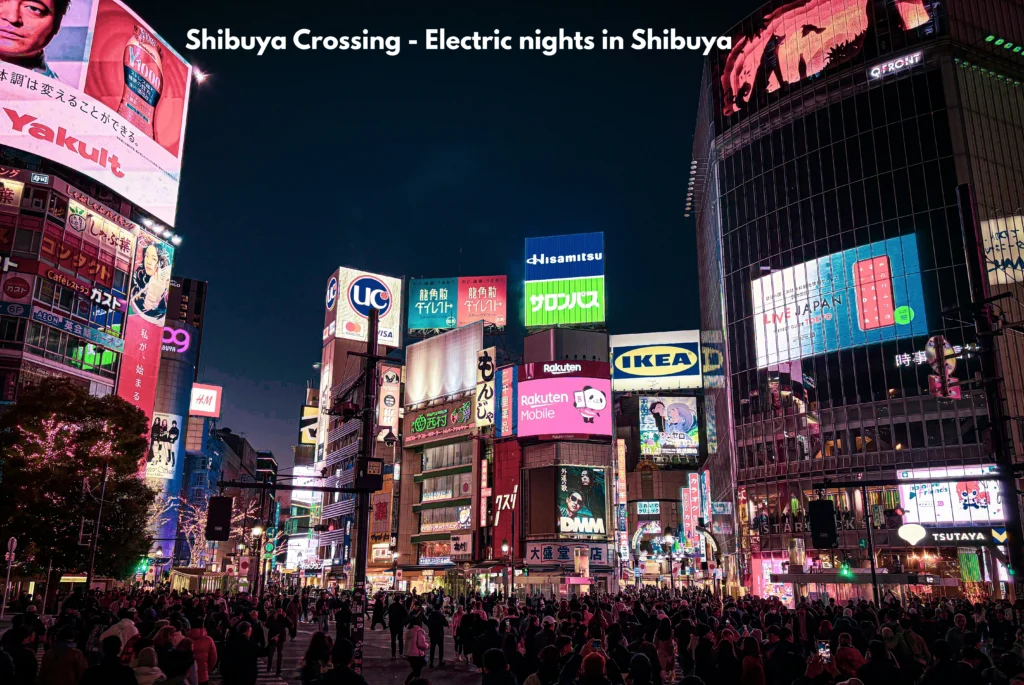
Shibuya Scramble Crossing
The single most recognizable of all Shibuya tourist places, the Scramble Crossing sees waves of pedestrians surge across from multiple directions each time the lights change. For the best photos, head to the second floor of the Shibuya Starbucks overlooking the intersection, or ride up to Shibuya Sky for an aerial view.
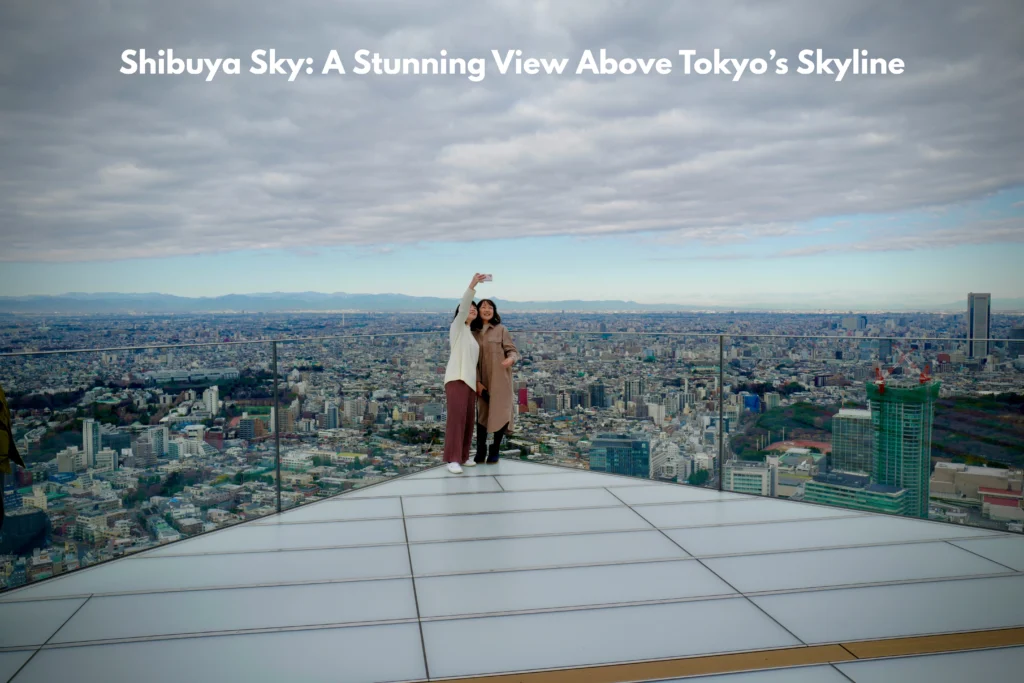
Shibuya Sky
This rooftop observation deck sits atop Shibuya Scramble Square and offers 360-degree views of Tokyo, including Mount Fuji on clear days. It’s particularly popular at sunset, when the sky show transitions into the city’s evening lights. Booking a timed ticket in advance is recommended, especially on weekends.
Hachiko Statue
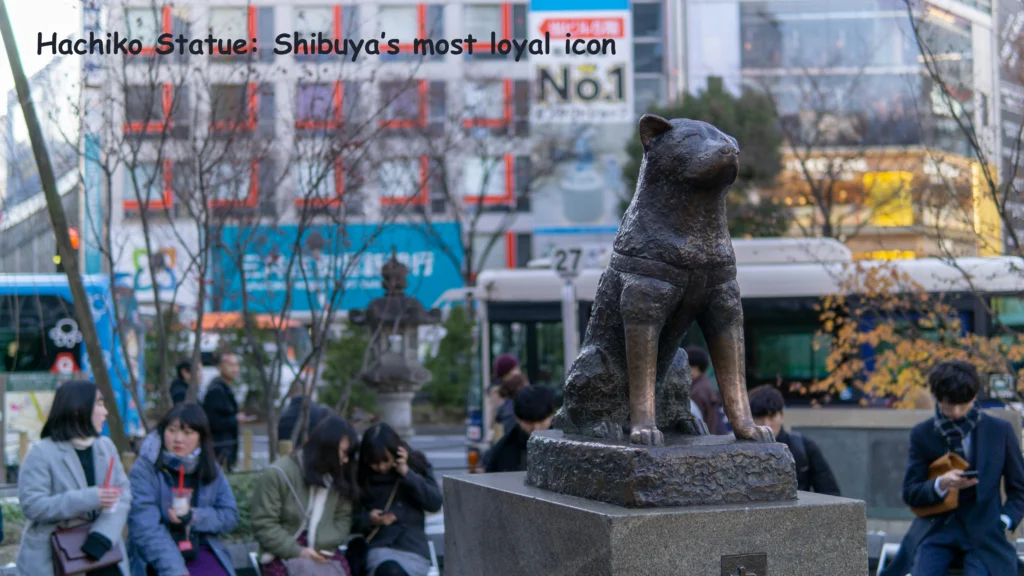
A small bronze statue with an outsized emotional pull, Hachiko commemorates the Akita dog who continued waiting for his deceased owner at the station for nearly a decade. It’s one of Tokyo’s most popular meeting points and a quick, meaningful stop even if you only have a few minutes in Shibuya.
Shibuya Center-gai
This pedestrian shopping street is the beating heart of Shibuya’s youth culture — packed with fashion stores, arcades, fast food, and neon signage. It connects easily from the Scramble Crossing and is worth a slow wander rather than a rushed pass-through.
Miyashita Park
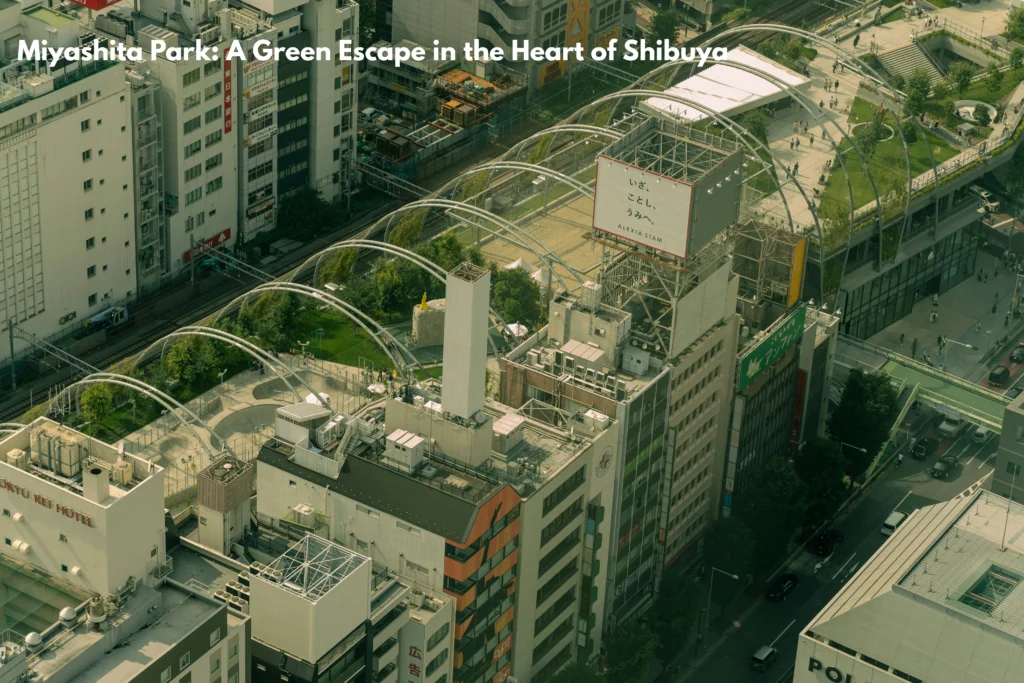
A redeveloped rooftop park built above a shopping and dining complex, Miyashita Park blends green space with retail in a way that’s distinctly Shibuya. It’s a good spot to rest, people-watch, or grab a casual bite between other stops.
Meiji Jingu (Nearby Attraction)
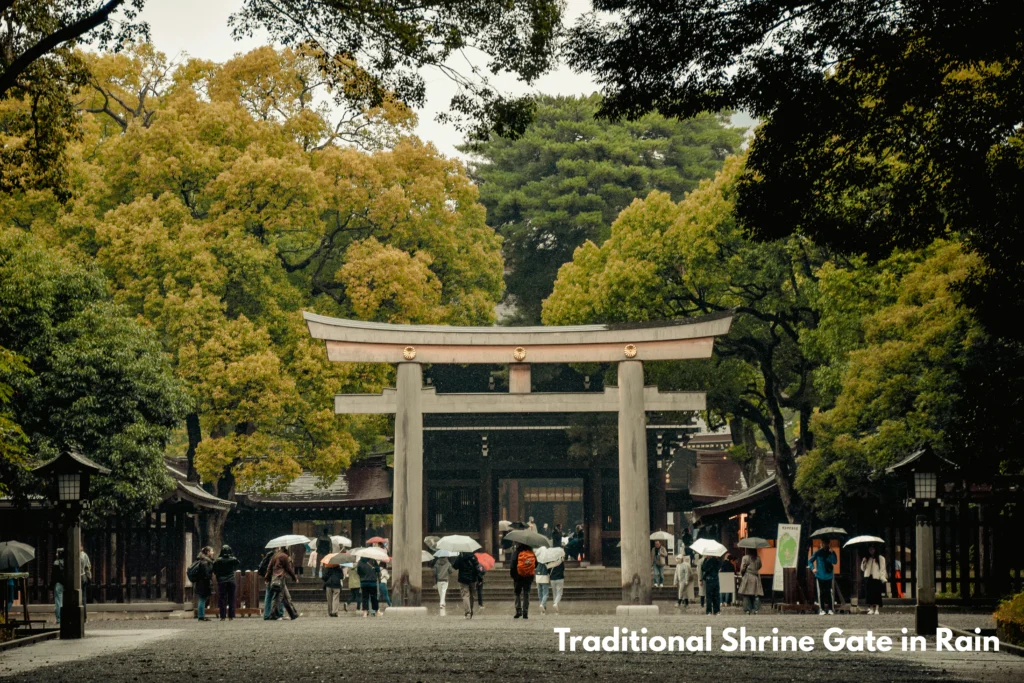
A short train ride from Shibuya, Meiji Jingu is a forested Shinto shrine dedicated to Emperor Meiji and Empress Shoken. The dense forest surrounding the shrine — planted with trees donated from across Japan — creates a striking contrast to Shibuya’s urban energy just minutes away.
Yoyogi Park (Nearby Attraction)
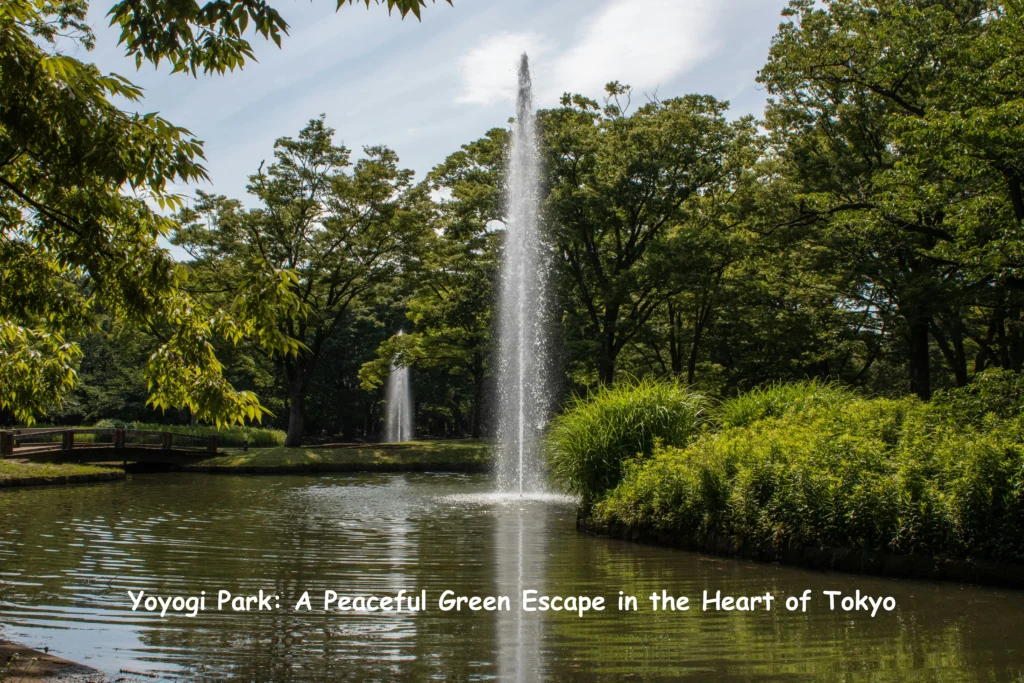
Adjacent to Meiji Jingu, Yoyogi Park is one of Tokyo’s largest and most popular green spaces, ideal for cherry blossom picnics in spring, casual strolls, and people-watching, including street performers and musicians on weekends.
Shopping in Shibuya 🛍️
Shibuya is one of Tokyo’s premier shopping districts, ranging from high-end department stores to thrift shops.
Best Shopping Streets & Malls
- Shibuya 109: A youth fashion landmark, especially popular for trend-driven women’s clothing.
- Shibuya Scramble Square: Upscale shopping paired with the Shibuya Sky observation deck.
- Center-gai: Casual, youth-oriented fashion and accessories.
- Miyashita Park: A mix of international and Japanese brands in an open-air setting.
- Cat Street: A quieter, boutique-lined street connecting Shibuya to Harajuku, good for independent fashion labels.
What to Buy in Shibuya
Popular souvenirs and purchases include Japanese streetwear, vintage clothing (Shibuya and nearby Harajuku have strong secondhand fashion scenes), stationery, character goods, and specialty snacks like Tokyo Banana or regional Kit Kat flavors, widely available in department store basements (depachika).
Best Cafes in Shibuya ☕
Shibuya has a strong café culture, from minimalist specialty coffee shops to quirky themed cafes. Look for independent roasters tucked into side streets near Cat Street, as well as multi-floor cafes with crossing views near the station — a great way to combine sightseeing with a coffee break.
Best Restaurants in Shibuya 🍜
From standing sushi bars to multi-floor izakayas, Shibuya’s dining scene covers every budget. Ramen shops near the station are ideal for a quick, satisfying meal, while the surrounding side streets hide small, specialized restaurants worth seeking out — including yakitori counters and tempura specialists.
Book Your accomadation
Popular Japanese Food to Try
- Ramen – tonkotsu, shoyu, and miso varieties are all easy to find near the station.
- Yakitori – grilled skewers, often enjoyed at small standing bars.
- Sushi and sashimi – from casual conveyor-belt spots to higher-end counters.
- Tempura – lightly battered and fried seafood or vegetables.
- Okonomiyaki – a savory grilled pancake, sometimes cooked tableside.
Nightlife in Shibuya 🌃
Shibuya’s nightlife ranges from rooftop bars with skyline views to multi-floor izakayas, karaoke boxes, and dance clubs. The area around Dogenzaka is particularly dense with nightlife venues, while quieter bars can be found tucked into the streets near Miyashita Park.
Things to Do in Shibuya
These Shibuya tourist places also offer plenty of free activities, photography opportunities, shopping, and local experiences. Visiting these Shibuya tourist places is one of the best ways to experience the lively atmosphere of Tokyo.
Best Photography Spots 📸
The Starbucks overlooking the Scramble Crossing, the observation deck at Shibuya Sky, the Hachiko statue at dusk, and the neon-lit alleys of Center-gai are all reliable spots for strong photos.
Shibuya for Couples
Quiet evening walks through Yoyogi Park, a sunset visit to Shibuya Sky, and dinner at one of the district’s more intimate izakayas make for an easy, low-effort romantic evening.
Shibuya for Families
Miyashita Park’s open green space, casual dining options, and the emotional appeal of the Hachiko statue make Shibuya reasonably family-friendly, though the Scramble Crossing crowds can be overwhelming for very young children.
Shibuya for Solo Travelers
Shibuya is easy to navigate solo, with plenty of counter-seating restaurants, walkable streets, and low-key cafes that make solo dining comfortable rather than awkward.
Free Things to Do in Shibuya
Watching the Scramble Crossing, visiting the Hachiko statue, wandering Center-gai, relaxing in Yoyogi Park, and exploring Meiji Jingu’s grounds are all free.
Shibuya at Night vs Day
Daytime Shibuya is more practical for shopping, sightseeing, and photography without heavy crowds blocking key views. Nighttime Shibuya is where the district’s reputation really comes alive — neon signage, illuminated crossings, and a livelier bar and restaurant scene.
How Many Days Do You Need in Shibuya?
A single focused day is enough to explore the main Shibuya tourist places, including the crossing, Hachiko, Shibuya Sky, and Center-gai. — but two days allows time to add Meiji Jingu, Yoyogi Park, and a slower-paced exploration of the shopping and food scene without rushing.
Estimated Budget for Shibuya
Rough daily estimates per person (excluding accommodation):
- Budget traveler: $30–$50 (convenience store meals, free attractions, occasional casual restaurant)
- Mid-range traveler: $60–$100 (sit-down restaurants, Shibuya Sky ticket, moderate shopping)
- Higher-end traveler: $150+ (upscale dining, premium shopping, private experiences)
Transportation Around Shibuya
Shibuya is highly walkable once you’re in the district, and most major Shibuya tourist places can be reached easily on foot from Shibuya station or using Tokyo’s convenient public transport. For trips to nearby areas like Harajuku or Shinjuku, the train is faster and cheaper than taxis. A prepaid IC card (Suica or Pasmo) makes hopping between trains and buses simple.
Where to Stay in Shibuya
Best Hotels & Areas to Stay
Staying directly in Shibuya puts you within walking distance of the main attractions and nightlife, ideal for travelers who want to be in the center of the action. For a quieter base with easy train access, nearby areas like Ebisu or Daikanyama offer a more relaxed atmosphere while still being minutes from Shibuya by train. Hotel options range from budget capsule hotels to international luxury chains near Shibuya Scramble Square.
Safety Tips
Shibuya is generally very safe, even at night, though standard city precautions apply: watch your belongings in crowded areas like the Scramble Crossing, be cautious of overly persistent touts near Dogenzaka’s nightlife strip, and keep an eye on valuables in busy train stations.
Travel Tips for First-Time Visitors
- Carry cash — many smaller restaurants and shops still don’t accept cards.
- Get a prepaid IC card for trains as soon as you arrive.
- Book Shibuya Sky tickets in advance, especially for sunset slots.
- Avoid the Scramble Crossing during Halloween evening unless you specifically want the crowd experience.
- Learn a few basic Japanese phrases; it goes a long way, even in a tourist-heavy district.
Accessibility Information
Shibuya Station has been substantially upgraded with elevators and accessible routes, though its multi-level layout can still be confusing. Shibuya Scramble Square and Miyashita Park are both built with modern accessibility standards, including elevators and accessible restrooms.
Public Toilets & Facilities
Public restrooms are available inside Shibuya Station, in department stores, and at Miyashita Park. Most are clean and well-maintained, a general standard across Tokyo.
Wi-Fi & Connectivity
Free Wi-Fi is available in parts of Shibuya Station and some commercial buildings, but coverage isn’t comprehensive. Most visitors rely on a pocket Wi-Fi rental or a local SIM/eSIM for reliable connectivity throughout their trip.
Nearby Places to Visit
Beyond Meiji Jingu and Yoyogi Park, Shibuya’s train connections make it easy to add Harajuku (fashion and Takeshita Street), Shinjuku (nightlife and skyscraper views), and Ebisu (a quieter dining-focused neighborhood) to a single day trip.
One-Day Shibuya Itinerary 🗺️
Here is a practical route covering the best Shibuya tourist places in a single day:
- 9:00 AM – Start at Meiji Jingu for a quiet morning walk through the forest before crowds build.
- 10:30 AM – Walk through Yoyogi Park, especially lovely in cherry blossom or autumn foliage season.
- 12:00 PM – Head to Shibuya, grab ramen or a quick bite near the station.
- 1:00 PM – Visit the Hachiko statue and cross the Shibuya Scramble Crossing.
- 1:30 PM – Explore Center-gai and do some shopping.
- 3:30 PM – Relax at Miyashita Park.
- 5:00 PM – Head up to Shibuya Sky for sunset views over the city.
- 7:00 PM – Dinner at an izakaya, followed by a casual bar or rooftop drink to close out the night.
This route connects the main Shibuya tourist places efficiently, making it easier to enjoy the highlights without rushing.
Best Shibuya Attractions for First-Time Visitors
If you are visiting for the first time, these Shibuya tourist places are the best spots to prioritize.
These Shibuya tourist places offer a mix of iconic landmarks, peaceful parks, cultural sites, and modern attractions.
If time is tight, prioritize the Scramble Crossing, Hachiko statue, Shibuya Sky, and Center-gai — these four alone capture the core Shibuya experience even on a rushed schedule.
For more detailed Japan trip-planning resources and itineraries, check out RydeTravel for additional guides covering Tokyo and beyond.
These Shibuya tourist places are easy to combine into a one-day itinerary if you plan your route in advance.
Book Your Air Ticket
Frequently Asked Questions (FAQs)
Is Shibuya worth visiting?
Yes — it’s one of the most essential districts in Tokyo, combining iconic sights, shopping, food, and nightlife in a compact, walkable area.
How many days should I spend in Shibuya?
One full day covers the highlights; two days allows a more relaxed pace with time for nearby Meiji Jingu and Yoyogi Park.
Is Shibuya safe at night?
Generally yes, though standard precautions around belongings and overly persistent touts near nightlife areas are recommended.
What is Shibuya famous for?
The Shibuya Scramble Crossing, the Hachiko statue, youth fashion culture, and its dense concentration of shopping and nightlife.
Do I need to book Shibuya Sky tickets in advance?
It’s recommended, especially for sunset time slots, since they can sell out on weekends and during peak seasons.
What’s the best season to visit Shibuya?
Autumn (September–November) offers comfortable weather and fewer crowds than spring, though spring’s cherry blossoms in nearby Yoyogi Park are a major draw.
Sources for further reading: Japan National Tourism Organization, Shibuya Sky official site, Meiji Jingu official site.
Conclusion
Shibuya is one of the most exciting areas to explore in Tokyo, offering a perfect mix of iconic landmarks, shopping, culture, nature, and entertainment. From the famous Shibuya Scramble Crossing and Hachiko Statue to Shibuya Sky, Yoyogi Park, and Meiji Jingu, these Shibuya tourist places offer something for every type of traveler. Whether you are visiting for a day or staying longer, Shibuya is a destination you should not miss on your Tokyo trip.
Visit our other blogs
10 Must-See Tourist Places in Tokyo, Japan You’ll Love
Senso-ji Temple: 7 Proven Tips for an Unforgettable Visit
Kyoto Tourist Places: 9 Amazing Spots for Your 7-Day Trip
Mount Fuji Tourist Places: 7 Incredible Spots You Can’t Miss




Leave a Reply