This guide contains affiliate links. We may earn a commission at no extra cost to you — see our Affiliate Disclosure and Affiliate Disclosure Policy for details.
Elk Island National Park Alberta is a protected wildlife and recreation destination east of Edmonton, best known for plains and wood bison, elk, lakes, hiking trails, wildlife watching, canoeing, picnicking and dark-sky experiences. The park is normally open year-round, but visitors should always check the latest Parks Canada closure notices, trail conditions, fees and reservations before travelling.
Table of Contents
Why Visit Elk Island National Park Alberta?
Just east of Edmonton, Elk Island National Park offers an easy escape from the city without requiring a long mountain journey. The landscape combines aspen parkland, grasslands, wetlands and lakes, creating an excellent environment for wildlife and outdoor recreation.
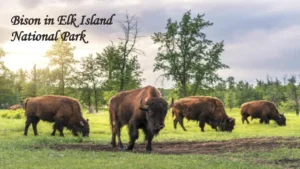
The park is particularly important for bison conservation. Both plains bison and wood bison are managed at Elk Island, and Parks Canada describes it as the only completely fenced national park in Canada. More than 42 mammal species and more than 250 bird species can be found in the park.
History of Elk Island National Park
The story of Elk Island National Park goes back thousands of years. The Beaver Hills region, known as Amiskwaciy to Cree peoples, contains evidence of human activity dating back approximately 8,000 years. Indigenous peoples have long travelled through and used this landscape for food, trade, travel and cultural activities.
In 1906, the area was established as an elk preserve after concerns about the declining elk population. It became Canada’s first wildlife refuge. The name “Elk Island” reflects this original conservation purpose, while the “Island” name is associated with the islands found on Astotin Lake.
In 1907, plains bison from Montana were brought to Elk Park as part of Canada’s early bison conservation efforts. Some animals remained behind when the larger herd was transferred elsewhere, helping establish the plains bison population that continues to be an important part of Elk Island today.
Elk Park became a Dominion Park in 1913 and was redesignated as a national park under the National Parks Act in 1930. In 1943, the preservation of plains bison was recognized as a national historic event, highlighting Elk Island’s major role in Canadian wildlife conservation.
Today, Elk Island continues to contribute disease-free bison to conservation projects and remains an important centre for bison research, wildlife management and ecological conservation.
Top Tourist Places in and Around Elk Island National Park
1. Astotin Lake
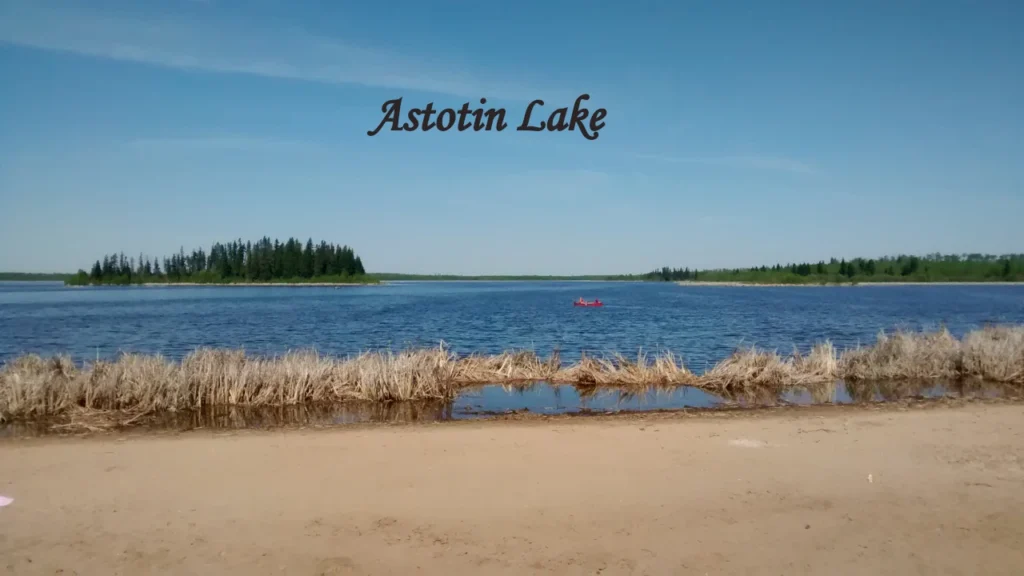
Astotin Lake is one of the most popular recreation areas in the park. Visitors can enjoy canoeing, kayaking, picnicking, photography, birdwatching and peaceful sunset views. The area also has picnic shelters, picnic tables, fire pits, washrooms, a playground and other visitor facilities.
Families can spend several hours around the lake, while photographers often visit during early morning or evening when the landscape and wildlife can be particularly atmospheric.
2. Tawayik Lake Recreation Area
Tawayik Lake is a quieter outdoor area where visitors can enjoy lake scenery, trails and picnic facilities. Parks Canada identifies Tawayik as one of the park’s scenic recreation and hiking areas.
3. Moss Lake
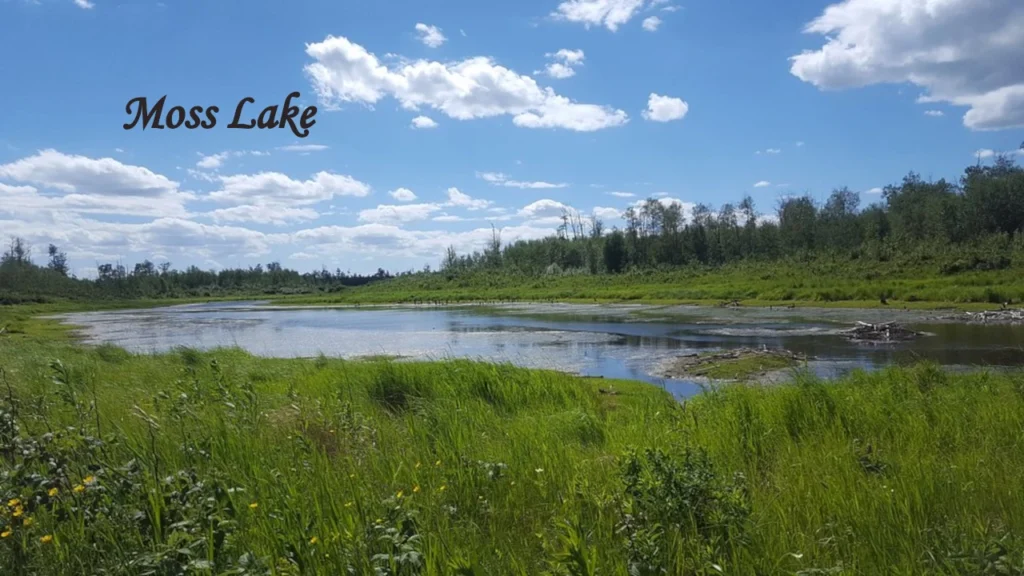
Moss Lake in Elk Island National Park, Alberta, Canada, is a peaceful natural area surrounded by forests and grasslands. Visitors can enjoy scenic hiking trails, explore nature, and look for local wildlife while experiencing the beauty of the Canadian wilderness.
4. Ukrainian Cultural Heritage Village
The Ukrainian Cultural Heritage Village is an open-air historical attraction near Elk Island. Costumed interpreters recreate aspects of Ukrainian-Canadian pioneer life and explain how Ukrainian immigration influenced Alberta’s cultural history. The attraction includes restored historic buildings and demonstrations.
The official 2026 summer season is listed as May 16 to September 7, Wednesday through Sunday and on civic holidays. Admission is paid, with family, adult, senior, youth and child categories available.
5. Cooking Lake–Blackfoot Provincial Recreation Area
Cooking Lake–Blackfoot Provincial Recreation Area is a useful nearby alternative for visitors exploring the Beaver Hills region. It provides hiking, birding, canoeing, cycling, equestrian activities and winter recreation. It is a day-use recreation area, so travellers should not treat it as an alternative overnight campground unless specifically permitted for organized groups.
6. Strathcona Wilderness Centre
Strathcona Wilderness Centre is another nearby outdoor destination suitable for families, groups and business retreats. It offers trails, picnic areas, campsites, cabins, bunkhouses and lodge facilities. The lodge can also support meetings, retreats and corporate group activities.
7. Miquelon Lake Provincial Park
Miquelon Lake Provincial Park is another nature-focused destination in the Beaver Hills area. It features forest, wetlands, lakes and trails and is particularly attractive to travellers looking for birdwatching, camping and a quieter outdoor experience. Alberta Parks places the park about 65 kilometres southeast of Edmonton.
Wildlife Watching at Elk Island
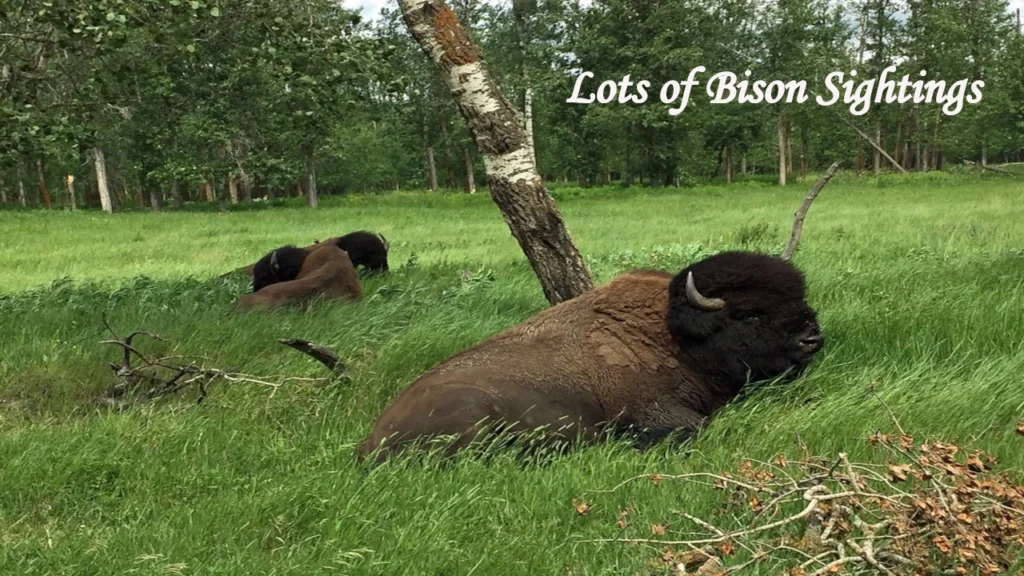
Wildlife is one of the biggest reasons travellers visit Elk Island National Park Alberta. Visitors may encounter plains bison, wood bison, elk, moose, deer, beavers, birds and other wildlife.
Never approach, feed or disturb wildlife. When viewing wildlife from a vehicle, remain inside the vehicle and follow Parks Canada wildlife-safety instructions. Wildlife behaviour can change quickly, especially around bison and other large animals.
Things to Do at Elk Island National Park
- Wildlife watching
- Bison viewing
- Birdwatching
- Hiking
- Canoeing
- Kayaking
- Stand-up paddleboarding
- Photography
- Picnicking
- Camping
- Stargazing
- Cycling
- Geocaching
- Snowshoeing in winter
- Interpretive programs and tours
Parks Canada currently lists hiking, wildlife watching, canoeing, camping, photography, picnicking, cycling, geocaching, stargazing and other activities among the park’s experiences.
Tickets and Entrance Fees
Regular Parks Canada fees apply from September 8, 2026. The current published daily admission rates are $10 for adults, $8.75 for seniors, free for youth aged 17 and under, and $19.50 for a family/group arriving together in one vehicle. Commercial groups are listed at $8.50 per person. Fees can change, so visitors should verify the official Parks Canada fee page before travelling.
Parks Canada also offers annual passes and the Parks Canada Discovery Pass. Camping, guided programs, special experiences and reservation services may involve additional charges.
Camping and Accommodation Options
For an authentic outdoor experience, visitors can consider Astotin Lake Campground, Astotin Lake Group Camping Area, Oster Lake Backcountry Campground or oTENTik accommodation when available. Astotin Lake Campground includes non-serviced campsites and oTENTik units, while Oster Lake is a hike-in backcountry option.
Preferred Hotel 1: Four Points by Sheraton Sherwood Park
Four Points by Sheraton Sherwood Park is a practical choice for both leisure travellers and business travellers. It offers Wi-Fi, a fitness centre, indoor pool, on-site restaurant, business facilities and meeting space. Its Sherwood Park location also provides convenient access to Edmonton’s eastern business areas.
Preferred Hotel 2: Hampton Inn by Hilton Edmonton/Sherwood Park
Hampton Inn by Hilton Edmonton/Sherwood Park is another convenient option for families and business travellers. The hotel offers complimentary breakfast and Wi-Fi, an indoor pool and a location near Highway 16.
Food Facilities and Dining
Elk Island is primarily a nature destination rather than a restaurant-focused attraction. Visitors should plan to carry food, snacks and drinking water, particularly when spending several hours on trails or at remote recreation areas.
Astotin Lake Recreation Area provides picnic tables, picnic shelters, fire pits and access to potable water in the recreation area. Tawayik Lake also has picnic facilities. Food and scented items should be secured whenever they are not being used because wildlife may be attracted to them.
The Ukrainian Cultural Heritage Village provides an opportunity to experience Ukrainian food during its seasonal operation, including traditional dishes such as pyrohy through its food service arrangements.
Local Transport and Getting to Elk Island
The main south entrance to Elk Island National Park is approximately 48 kilometres from Edmonton city centre via Highway 16 East. The Edmonton International Airport is approximately one hour away by car. Visitors can rent a car at the airport or travel from Edmonton by road.
Parkbus / TD Elk Island Express
Parkbus operates the TD Elk Island Express on selected dates between Edmonton and Elk Island National Park. Parks Canada directs visitors to the Parkbus service for current schedules, reservation requirements and pricing. Availability can vary by season, so check the current schedule before making plans.
Two Preferred Tour and Activity Operators
1. Parkbus – TD Elk Island Express
Parkbus is a useful transportation option for travellers who do not want to drive. It provides scheduled transportation between Edmonton and Elk Island on selected dates. It is best viewed as a park transportation service rather than a traditional private sightseeing tour.
2. Ridge Wilderness Adventures – Elk Island Paddle Rentals
Ridge Wilderness Adventures operates paddling rentals at Astotin Lake, including canoes, kayaks and stand-up paddleboards. Limited reservations are available for qualifying group rentals, while standard rentals are generally first-come, first-served. The operator also offers Big Canoe Tours when operating conditions permit.
Air Travel and Airport Information
The most convenient major airport for an Elk Island trip is Edmonton International Airport (YEG). From the airport, travellers can hire a rental car and drive toward Edmonton and then east along Highway 16. Parks Canada estimates approximately one hour by car from Edmonton International Airport to Elk Island National Park, depending on traffic and road conditions.
10-Day Elk Island and Beaver Hills Itinerary
This itinerary is designed for travellers who want to combine Elk Island National Park with nearby nature, heritage and outdoor destinations. Because park conditions can change, confirm all closures and operating dates before each day.
Day 1 – Arrive in Edmonton
- Arrive at Edmonton International Airport.
- Collect your rental car if required.
- Check into a hotel in Edmonton or Sherwood Park.
- Purchase groceries, water and outdoor supplies.
- Keep the evening relaxed after your flight.
Day 2 – Edmonton Orientation
- Explore central Edmonton.
- Visit a museum or cultural attraction.
- Prepare hiking shoes, jackets, binoculars and day bags.
- Check the latest Elk Island National Park bulletins before travelling.
Day 3 – Elk Island National Park
- Enter through the appropriate open park entrance after reopening.
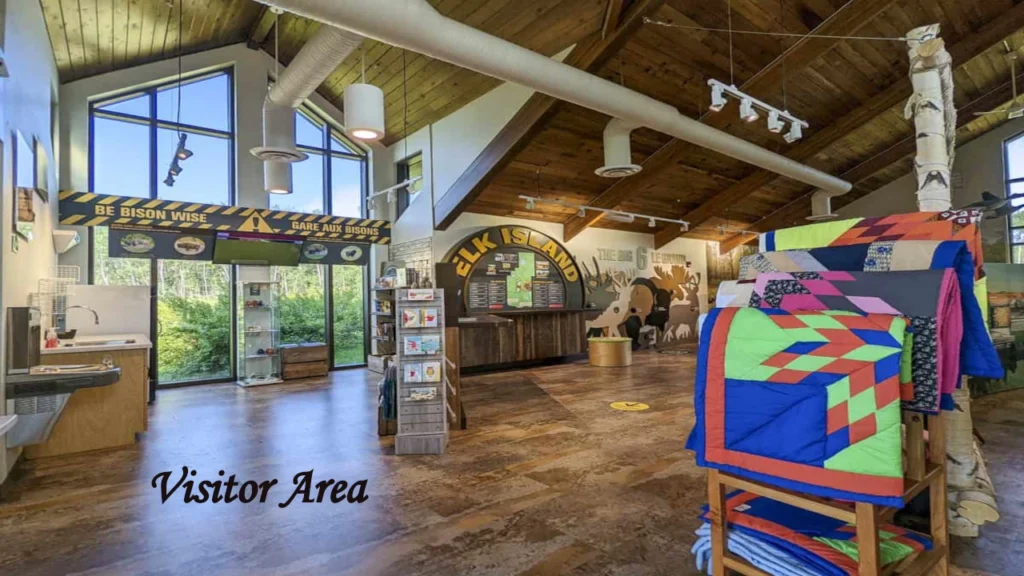
- Visit the visitor information area.
- Look for bison and other wildlife from a safe distance.
- Explore an open trail or scenic drive based on current trail conditions.
- Enjoy a picnic at an approved recreation area.
Day 4 – Astotin Lake
- Spend the morning around Astotin Lake.
- Try canoeing, kayaking or paddleboarding if conditions and advisories permit.
- Enjoy a family picnic.
- Photograph the lake and surrounding landscape.
- Watch the sunset before returning to accommodation or campground.
Day 5 – Tawayik Lake and Hiking
- Explore the Tawayik Lake Recreation Area.
- Choose an open trail according to the latest Parks Canada trail report.
- Carry water, snacks, sun protection and weather-appropriate clothing.
- Spend the evening relaxing in Sherwood Park.
Day 6 – Ukrainian Cultural Heritage Village
- Visit the Ukrainian Cultural Heritage Village during its operating season.
- Explore historic buildings and demonstrations.
- Talk with costumed interpreters.
- Try seasonal Ukrainian-Canadian food.
- Return to Sherwood Park or Edmonton.
Day 7 – Cooking Lake–Blackfoot Provincial Recreation Area
- Explore selected trails and staging areas.
- Enjoy hiking, birdwatching or cycling where permitted.
- Carry your own drinking water because facilities vary by location.
- Follow Alberta Parks wildlife and trail regulations.
Day 8 – Strathcona Wilderness Centre
- Enjoy forest trails and outdoor recreation.
- Have a picnic.
- Families can consider a cabin or camping experience if available.
- Business travellers can consider the lodge for a team retreat or meeting.
Day 9 – Miquelon Lake Provincial Park
- Visit Miquelon Lake Provincial Park.
- Walk selected trails.
- Enjoy birdwatching and photography.
- Relax near the lake and wetlands.
- Return to Edmonton or Sherwood Park.
Day 10 – Flexible Nature Day and Departure
- Use the final day for a favourite activity that you missed earlier.
- Allow extra time for airport travel.
- Return rental equipment and vehicle.
- Depart from Edmonton International Airport.
Family Checklist for Travelling With Infants
- ☐ Diapers and changing mat
- ☐ Baby wipes and disposal bags
- ☐ Extra baby clothes
- ☐ Weather-appropriate layers
- ☐ Sun hat and sunscreen suitable for the child
- ☐ Baby carrier or suitable stroller
- ☐ Formula, baby food and feeding supplies
- ☐ Drinking water for the family
- ☐ Small first-aid kit
- ☐ Insect protection
- ☐ Blankets for cooler evenings
- ☐ Hand sanitizer
- ☐ Portable changing supplies
- ☐ Car seat approved for Canadian travel requirements
- ☐ Emergency contact information
Families should also check accessibility and washroom facilities before choosing a trail. Parks Canada provides accessible facilities at several visitor areas and a wheelchair can be reserved for use on suitable paved surfaces.
best places to visit in Alberta
the best national parks in Canada.
Travel Guidelines and Safety Tips
- Check Parks Canada bulletins immediately before departure.
- Do not enter closed areas or trails.
- Keep a safe distance from wildlife and never feed animals.
- Remain inside your vehicle when viewing wildlife from roads.
- Keep dogs leashed and under control.
- Store food, garbage and scented items securely.
- Do not cook inside or beside a tent.
- Carry sufficient water, food and emergency supplies.
- Check weather and road conditions before travelling.
- Use designated fire pits and follow fire restrictions.
- Wear appropriate footwear for uneven trails.
- Use a life jacket or PFD for paddling.
- Do not use motorized boats on Astotin Lake.
- Never assume cellular service will be available everywhere.
Parks Canada emphasizes wildlife safety, secure food storage, designated camping areas and responsible outdoor behaviour. Violating wildlife rules can result in serious penalties.
Business Travel and Corporate Visit Ideas
Elk Island National Park can also be incorporated into a corporate travel program, incentive trip or team-building itinerary once the park and relevant facilities are operating normally. Outdoor activities such as wildlife interpretation, photography, hiking and paddling can provide a relaxed alternative to a conventional conference schedule.
For overnight corporate retreats, the nearby Strathcona Wilderness Centre offers lodge and meeting facilities, including kitchen and dining space, sleeping accommodation and meeting areas.
Businesses planning commercial activities inside Elk Island National Park should also review Parks Canada requirements. Commercial guides, tourism operators, recreation programs, photography businesses, food vendors and transportation providers may require a Parks Canada business licence.
Best Time to Visit Elk Island National Park Alberta
Summer is popular for hiking, paddling, picnics and wildlife viewing, while early mornings, weekdays and shoulder seasons can provide a quieter experience. Parks Canada notes that bison are particularly active from July to August. However, visitors should always check seasonal closures, weather and trail conditions before travelling.
Official Booking and Travel Resources
- Parks Canada: Official park information, safety, fees, activities and current alerts.
- Parks Canada Reservations: Camping, accommodations and selected activities.
- Edmonton International Airport: Flight and airport information for travellers arriving by air.
- Parkbus: Seasonal Edmonton–Elk Island transportation.
- Ukrainian Cultural Heritage Village: Official visitor information and ticket details.
- Alberta Parks: Information for Miquelon Lake Provincial Park and Cooking Lake–Blackfoot Provincial Recreation Area.
- Strathcona County: Official information for Strathcona Wilderness Centre.
Frequently Asked Questions About Elk Island National Park Alberta
1. Where is Elk Island National Park located?
Elk Island National Park is in Alberta, east of Edmonton. The main south entrance is approximately 48 kilometres from Edmonton city centre via Highway 16 East.
2. What is Elk Island National Park famous for?
The park is especially famous for plains and wood bison conservation, wildlife watching, lakes, hiking, paddling, birdwatching and dark-sky experiences.
3. Can I see bison at Elk Island National Park?
Yes. Bison are one of the park’s major attractions, but sightings are never guaranteed. Visitors must maintain a safe distance and should never approach or feed wildlife.
4. Is Elk Island National Park suitable for families?
Yes. Astotin Lake has picnic areas, a playground, washrooms and other visitor facilities, making it a convenient family recreation area when operating normally.
5. Do I need a ticket to enter Elk Island National Park?
Yes, regular Parks Canada admission fees generally apply. Youth aged 17 and under are admitted free, while adult, senior and family/group rates apply to other visitors. Check the official Parks Canada fee page for the latest prices before travelling.
6. Can I go canoeing at Astotin Lake?
Yes, when the area is open and conditions permit. Canoes, kayaks and stand-up paddleboards are available through the local rental operator, and motorized boats are not permitted on Astotin Lake.
7. What airport is closest to Elk Island National Park?
Edmonton International Airport is the main airport used by visitors travelling to Elk Island National Park. Parks Canada estimates approximately one hour of driving time from the airport.
8. Is Elk Island National Park currently open?
As of September 8, 2026, Parks Canada lists the park as temporarily closed because of storm damage from July 25, 2026, including flooding and hazardous trees. Visitors should check the latest official Parks Canada bulletin before travelling rather than relying on older travel information.
Visit Our Other Blogs
1. Amazing Banff National Park Tours: 5-Day Itinerary & Tips
2.Amazing Jasper National Park Road Trip Guide 2026
3.Moraine Lake 2026: The Ultimate Breathtaking Road Trip Guide
4.Banff National Park Travel Guide: Ultimate Day Trip
Final Travel Advice
Elk Island National Park Alberta is an excellent destination for travellers who want to combine wildlife, conservation, lakes, hiking and Canadian prairie landscapes with easy access from Edmonton. Its history as an elk sanctuary and its century-long role in bison conservation make the park more than just a scenic day trip.
For the best experience, plan ahead, reserve accommodation when required, carry food and water, follow wildlife-safety rules and check official Parks Canada alerts immediately before travelling. If you are planning a future visit, keep the 10-day itinerary flexible so that temporary trail, lake or road closures can be accommodated.

Leave a Reply