This guide contains affiliate links. We may earn a commission at no extra cost to you — see our Affiliate Disclosure and Affiliate Disclosure Policy for details.
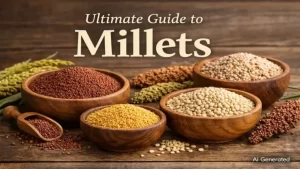
⚡ Quick Take: Six ancient gluten-free millets — Ragi, Kambu, Jowar, Samai, Varagu, and Kuthiraivali — offer powerful benefits for diabetes, bone health, and weight loss, with barnyard millet carrying the lowest glycemic index (~43) of all.
🎯 Key Highlights:
- Best for Diabetics: Barnyard Millet (GI ~43) and Kodo Millet (GI ~52) release glucose slowly, far better than white rice’s GI of 70–80.
- Preparation Matters: Soak millets 6–8 hours before cooking to break down phytic acid, which unlocks significantly more iron, calcium, and zinc for absorption.
- Insider Tip: Always buy “Unpolished” millets — polishing strips away the bran layer where most fiber, vitamins, and minerals concentrate.
🌾 A Tamil Nadu Farmer’s Daughter Shares Her Story
Six life-changing millets I grow organically on our family farm — and everything science confirms about why your family needs them
By Sasi Rekha.D · Certified in Millet Crops, Government of Tamil Nadu · April 2022
✅ Govt. of Tamil Nadu Certified🌱 Organic Farm Grown🔬 Science-Backed🇮🇳 10,000+ Years of Tradition
To book your stay, click here. To Book Local Travel, click here. To book your travel insurance here or here
Traveling Overseas Click here to buy a eSIM. For more info Click here
Table of Contents
👩🌾 From Our Fields to Your Kitchen — A Farmer’s Daughter Speaks
I am a farmer’s daughter, and I grew up in Tamil Nadu surrounded by our fields. My father woke before the sun every single morning to care for our crops. Today, I carry that same commitment forward — our family farm grows rice and several varieties of millets, all cultivated organically without synthetic fertilizers or pesticides. I know these grains not from textbooks alone, but from the soil, the seasons, and the generations of wisdom that shaped how we eat.
I am also trained and certified in millet crops by the Government of Tamil Nadu. That combination — lived farming experience plus government-recognized training — gives me a perspective that I want to share with you honestly and practically. This blog comes from that place of genuine knowledge and real care.
I compiled the 6 very best millets that I grow, eat, and recommend — based not just on research, but on years of watching these grains transform the health of families in our community. My goal is simple: I want to help you bring these incredible ancient grains back to your daily plate. 🏛️ Trained & Certified in Millet Crops — Government of Tamil Nadu
Why Millets Matter
Ancient Grains That Modern Science Keeps Confirming
“When I look at the fields where we grow our Ragi, Kambu, Thinai, Varagu, Samai, and Kuthiraivali — I don’t just see crops. I see medicine. I see the food that kept my ancestors strong, lean, and vibrant for generations before polished rice replaced everything.”
Farmers and communities across Asia have grown millets for over 10,000 years. These small-seeded cereal grasses thrived in our dryland soils long before irrigation systems and chemical inputs changed Indian agriculture. In Tamil Nadu, we call them Siruthaniyam (சிறுதானியம்) — meaning “small grains with enormous benefits.” That name captures something our ancestors understood deeply and that modern nutritional science now validates clearly.
The UN Food and Agriculture Organization (FAO) recognises millets as among the most climate-resilient and nutritionally dense crops on the planet. The United Nations declared 2023 the International Year of Millets, pushing these grains back into global awareness after decades of neglect. And the Government of Tamil Nadu has already identified 22 districts suitable for dedicated millet cultivation — creating special millet zones to protect and revive this farming tradition.
The shift away from millets toward polished white rice and refined wheat tracks almost perfectly with the rise of Type 2 diabetes, obesity, and cardiovascular disease across India. I see this in our own community. And I believe we can reverse it — one meal at a time.
💧70% Less Water: Millets need far less water than rice or wheat — perfect for Tamil Nadu’s dryland regions.
🚫 Naturally Gluten-Free: Every millet variety carries zero gluten — safe and nourishing for celiac and gluten-sensitive individuals.
📉 Low Glycemic Index: Millets release glucose slowly and steadily — critical for diabetics and anyone managing blood sugar.
🌿No Pesticides Needed: We grow all our millets without a single pesticide. They repel insects naturally and store safely for years.
From My Organic Farm to Your Table
The 6 Best Millets for a Healthy Life
These are the six millets I grow, eat, and stand behind — selected from my farming experience and government-certified millet training in Tamil Nadu.
01🌾Finger Millet: Ragi · Kelvaragu (கேழ்வரகு)
Calcium King · Bone Builder · Blood Strengthener
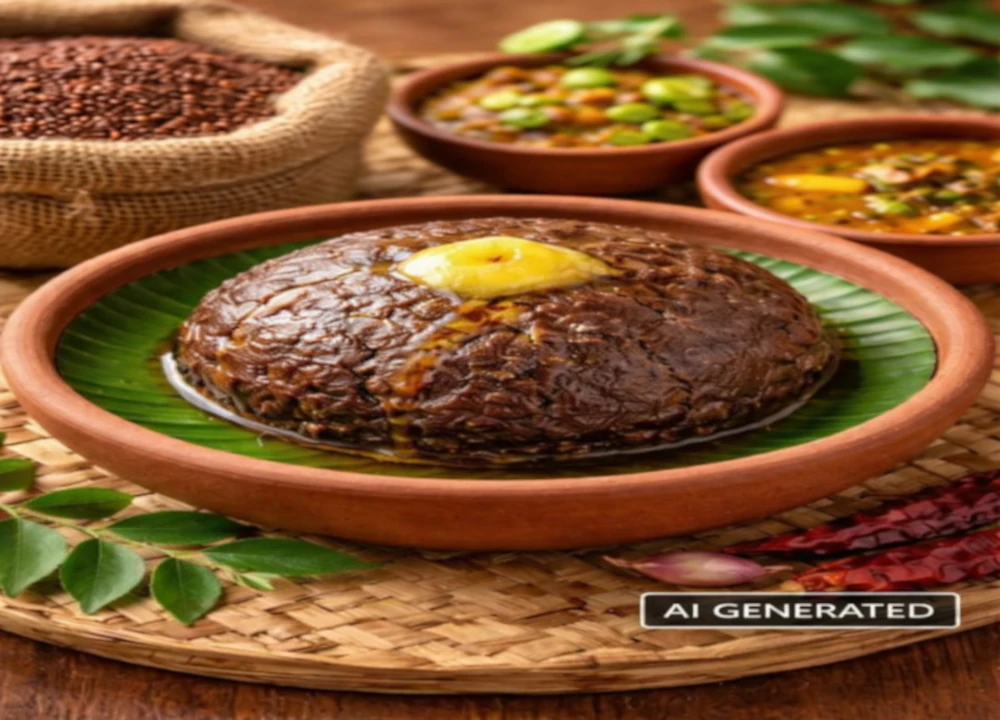
Ragi holds a place of honour in our family’s daily routine. My mother grinds freshly harvested Ragi into flour and prepares Ragi Kali or Ragi porridge almost every morning. She has done this for as long as I can remember, and now I understand exactly why — finger millet delivers more plant-based calcium per grain than any other cereal on earth.
According to Healthline, 100 grams of Ragi contains nearly 344mg of calcium — a figure that leaves dairy products trailing when you compare calories per milligram. Scientists at PubMed confirm finger millet’s exceptional mineral profile and its role in preventing osteoporosis, building children’s bones, and combating iron-deficiency anaemia.
Ragi also keeps blood sugar stable, supports heart health by reducing LDL cholesterol, and delivers amino acids like tryptophan that improve mood and reduce anxiety. We use it in dosas, idlis, rotis, cookies, and baby porridge.
Highest Calcium in Any Cereal Rich in Iron Low Glycemic Index Tryptophan for Brain Health 100% Gluten-Free
- Builds strong bones — prevents osteoporosis and supports healthy growth in children
- Controls blood sugar — low GI slows glucose absorption, ideal for Type 2 diabetes
- Strengthens heart health — reduces LDL cholesterol and supports healthy blood pressure
- Fights anaemia — high natural iron replenishes haemoglobin, especially vital for women
- Supports digestion — fibre promotes healthy gut microbiota and prevents constipation
- Boosts immunity — antioxidants fight oxidative stress and reduce systemic inflammation
- Nourishes skin and hair — antioxidants slow ageing, improve skin glow, and strengthen follicles
🌾 My Farmer’s Tip: Always soak Ragi overnight before cooking. Soaking breaks down phytic acid — the anti-nutrient that blocks calcium and iron absorption. After soaking, your body absorbs far more of the minerals that make Ragi so powerful. Try it for two weeks and watch your energy levels change.
02💛Pearl Millet: Energy Powerhouse · Natural Coolant · Heart Protector
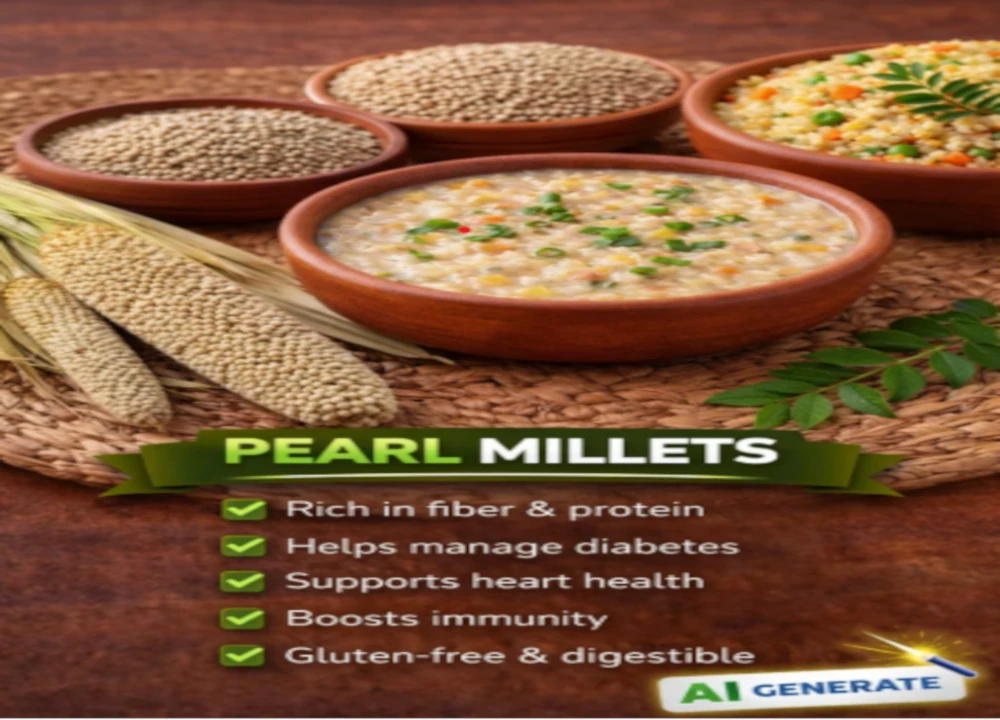
Kambu is the millet I reach for every summer without fail. On the hottest days in Tamil Nadu, a bowl of Kambu Koozh — our traditional fermented pearl millet porridge — keeps my body temperature regulated, my mind sharp, and my energy steady all morning long without a single crash.
The International Crops Research Institute for the Semi-Arid Tropics (ICRISAT) classifies pearl millet as a critical crop for food and nutritional security across Asia and Africa. Research published on NCBI highlights its superior micronutrient profile — particularly iron, magnesium, and phosphorus — compared to refined grains.
I make Kambu Koozh by fermenting pearl millet overnight with water and salt. The fermentation adds natural probiotics, making it one of the best gut-health foods in our traditional cuisine. Our farm workers drink it every day during harvest season — they call it their energy drink.
High Iron for AnaemiaMagnesium for HeartNatural Body CoolantProbiotic-Rich (Fermented)Lowers LDL Cholesterol
- Boosts energy naturally — slow-release complex carbs fuel you for hours, not minutes
- Cools the body in summer — Kambu Kanji actively regulates body temperature and prevents dehydration
- Supports heart health — magnesium reduces heart failure risk; regular use lowers bad cholesterol
- Builds strong bones — calcium, phosphorus, and magnesium work together for skeletal strength
- Strengthens immunity — antioxidants and essential minerals shield the body from infection
- Improves digestion — high dietary fibre promotes healthy gut flora and prevents constipation
🌾 My Farmer’s Tip
People with thyroid conditions should eat Kambu in moderation — it contains small amounts of goitrogens that may affect thyroid function in excess. Soaking and thorough cooking reduce these compounds significantly. When in doubt, ask your doctor. For everyone else, a daily cup of Kambu Koozh on an empty stomach works beautifully.
🟤03 Sorghum Jowar · Cholam (சோளம்): Heart-Healthy · Eye Protector · Gut Nourisher
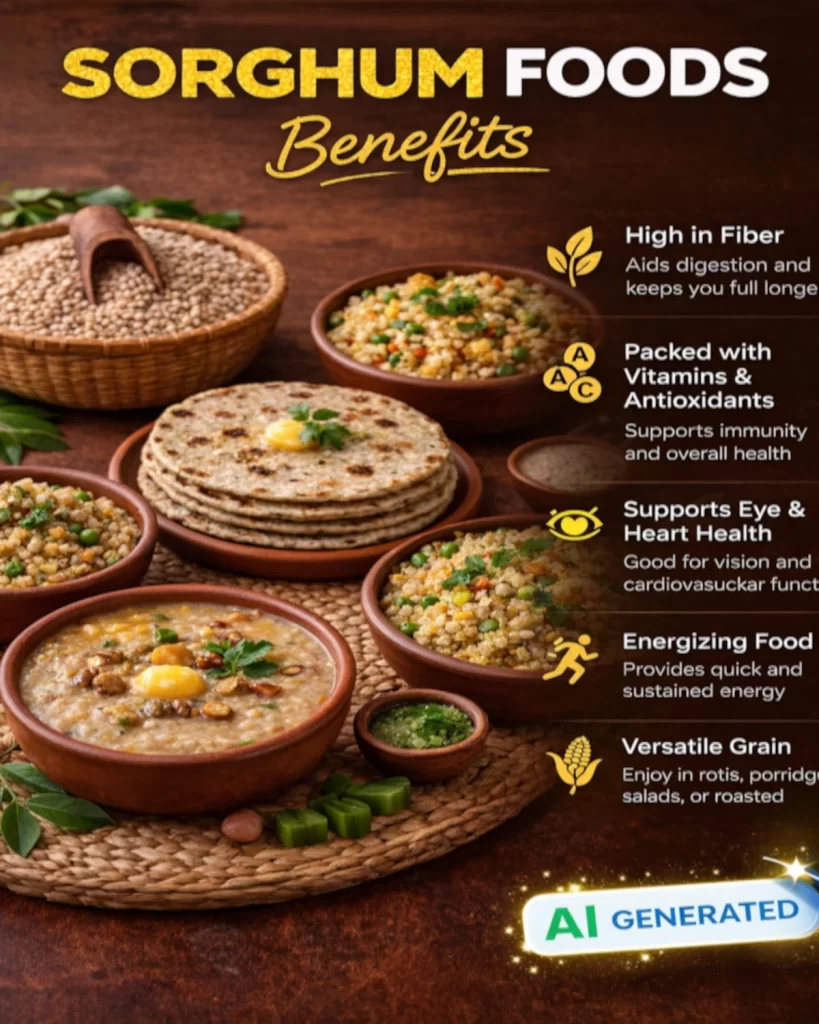
Sorghum — or Jowar as most of India knows it — stands out as one of the five most produced cereal crops in the world, and for very good reason. We grow Cholam on our farm because it thrives in our dry Tamil Nadu climate and gives back generously — deeply nourishing grain with almost no inputs required.
The Whole Grains Council identifies sorghum as one of the top cereal crops globally for its disease-fighting polyphenols and heart-protective properties. Healthline’s nutritional research confirms that sorghum delivers antioxidants that actively reduce chronic disease risk — compounds that most other grains simply do not carry.
What makes Jowar special in our kitchen is its versatility. We grind it into bhakri flour for rotis, use it whole in porridge, and even pop it like popcorn as a snack. Jowar fits into any meal without fuss, and it delivers B vitamins, potassium, and magnesium in every serving.
Rich in PolyphenolsLutein & Zeaxanthin for EyesB1, Folate, MagnesiumPrebiotic Fibre100% Gluten-Free
- Protects eye health — lutein and zeaxanthin reduce the risk of cataracts and macular degeneration
- Sustains energy — complex carbs digest slowly, preventing the mid-day slump that refined grains cause
- Nourishes the gut — insoluble fibre acts as a prebiotic, feeding beneficial bacteria in your digestive system
- Supports nerve health — Vitamin B1 (Thiamine) maintains proper nervous system function
- Regulates blood pressure — potassium and magnesium work together to maintain healthy blood pressure
- Safe for gluten intolerance — naturally 100% gluten-free, certified safe for celiac disease patients
🌾 My Farmer’s Tip
Pop your Jowar just like popcorn in a dry pan — no oil needed. It puffs up into a light, crunchy snack that children love. We pack it as a school snack mixed with a little jaggery and sesame seeds. It delivers genuine nutrition in a form that feels like a treat.
🟢 04 Little Millet: Samai · Kutki (சாமை)
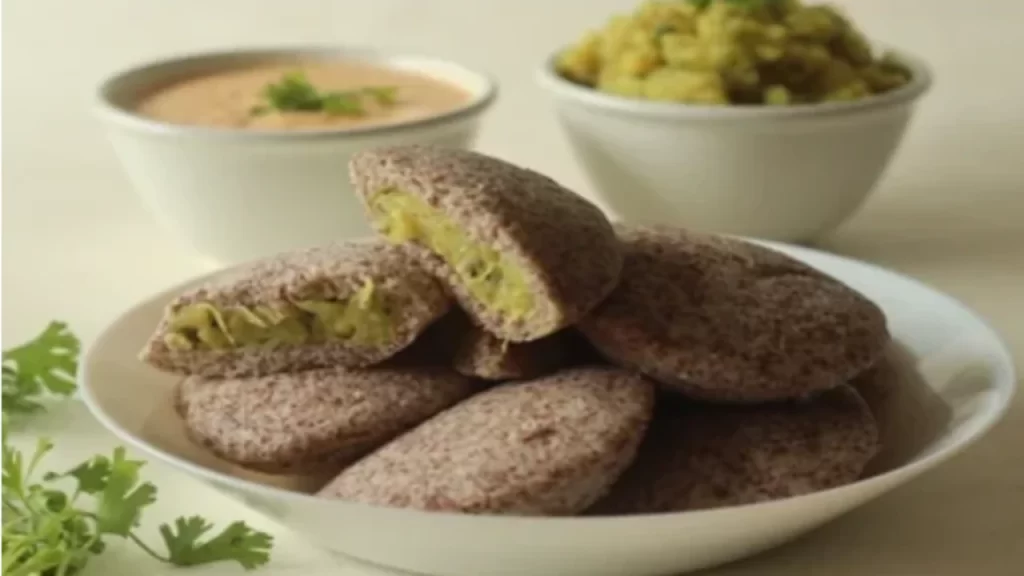
Fastest-Cooking Millet · Digestive Aid · Perfect Rice Swap
Samai earns its name honestly — it is the smallest millet we grow, but it carries a nutritional profile that punches far above its size. We grow it on our farm and cook it at home almost every week. The best part? It cooks faster than any other millet we grow, which makes it the most practical choice for busy families who want healthy food without long kitchen hours.
Research published in the National Library of Medicine confirms that little millet’s phenolic compounds and flavonoids deliver strong antioxidant protection against chronic diseases. It provides about 8.7% protein with essential amino acids — cysteine and methionine — that most other cereals lack entirely.
We use Samai in biryanis, pongal, khichdi, idlis, and as a direct substitute for white rice. It absorbs flavours beautifully and gives dishes a light, fluffy texture that most people prefer over regular rice once they try it side by side.
8.7% ProteinCysteine & MethionineIron, Zinc & NiacinLow GIFastest Cooking Millet
- Supports digestion — dietary fibre maintains healthy gut microbiota and prevents constipation
- Manages blood sugar — low GI releases glucose gradually, ideal for diabetics
- Delivers heart-healthy minerals — magnesium maintains healthy heart rhythm and reduces blood pressure
- Fights oxidative stress — phenolic compounds and flavonoids actively shield cells from damage
- Supports weight management — high fibre keeps you full between meals, reducing snacking naturally
- Nourishes babies and children — gentle, easily digestible protein and minerals support healthy growth
🌾 My Farmer’s Tip
Replace your dinner rice with Samai three nights a week. Cook it exactly like rice — same ratio, same pot. Most families tell me within the first month that they feel lighter, sleep better, and wake up without the heavy, bloated feeling that refined rice leaves behind. Start with dinner. That single change matters more than you think.
🟠05 Kodo Millet Varagu · Kodra (வரகு)
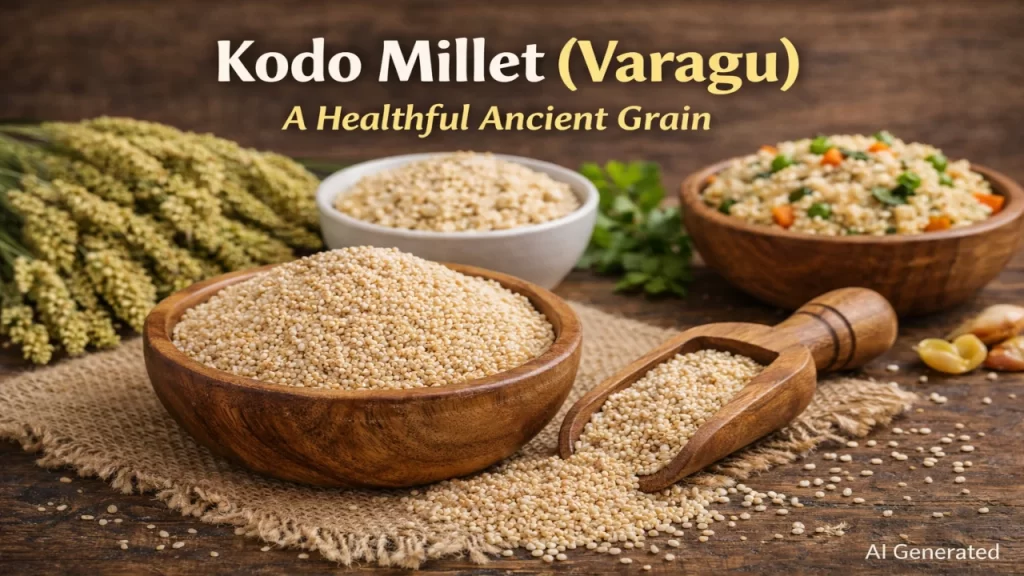
Antioxidant Champion · Diabetes Manager · Nervous System Support
Varagu is the millet I recommend most passionately to anyone managing diabetes or trying to lose weight without feeling deprived. We harvest it on our farm as one of our minor millet crops, and I can tell you from direct experience — this grain stores without any pest damage for years, requires almost no inputs to grow, and rewards the farmer generously every season.
According to Healthline’s millet research, kodo millet’s polyphenol content actively reduces inflammation and fights free radical damage. It contains vanillic acid, gallic acid, ferulic acid, and tannins — a remarkable antioxidant portfolio that protects your cells against the oxidative damage that drives most lifestyle diseases.
We prepare Varagu as pongal, khichdi, idli, and pulao. People who add it to their weekly rotation consistently tell me their digestion improves, their energy feels steadier, and their craving for refined carbs decreases noticeably. I watch this happen in families around us, and the pattern repeats reliably.
Very Low GI (~52)Ferulic & Vanillic AcidB Vitamins (Niacin, B6, Folic Acid)Lecithin for Nervous SystemHigh Dietary Fibre
- Manages diabetes — very low GI prevents dangerous blood sugar spikes that white rice triggers
- Rich in antioxidants — polyphenols fight free radicals, reduce inflammation, and protect cells
- Supports the nervous system — lecithin strengthens neural pathways and improves cognitive function
- Aids digestion — higher fibre than polished rice keeps digestion smooth and bowels regular
- Strengthens heart health — magnesium and reduced LDL support cardiovascular function
- Naturally gluten-free — gentle on the stomach, suitable for people with wheat sensitivity
🌾 My Farmer’s Tip
Kodo millet cooks very softly on a stovetop in about 15–20 minutes — no pressure cooker needed. This soft texture makes it ideal for older family members and young children who need easy-to-digest meals. If anyone in your household struggles with heavy foods, start them on Varagu pongal. It is gentle, nourishing, and genuinely delicious.
⚪06 Barnyard Millet Kuthiraivali · Sanwa (குதிரைவாலி)
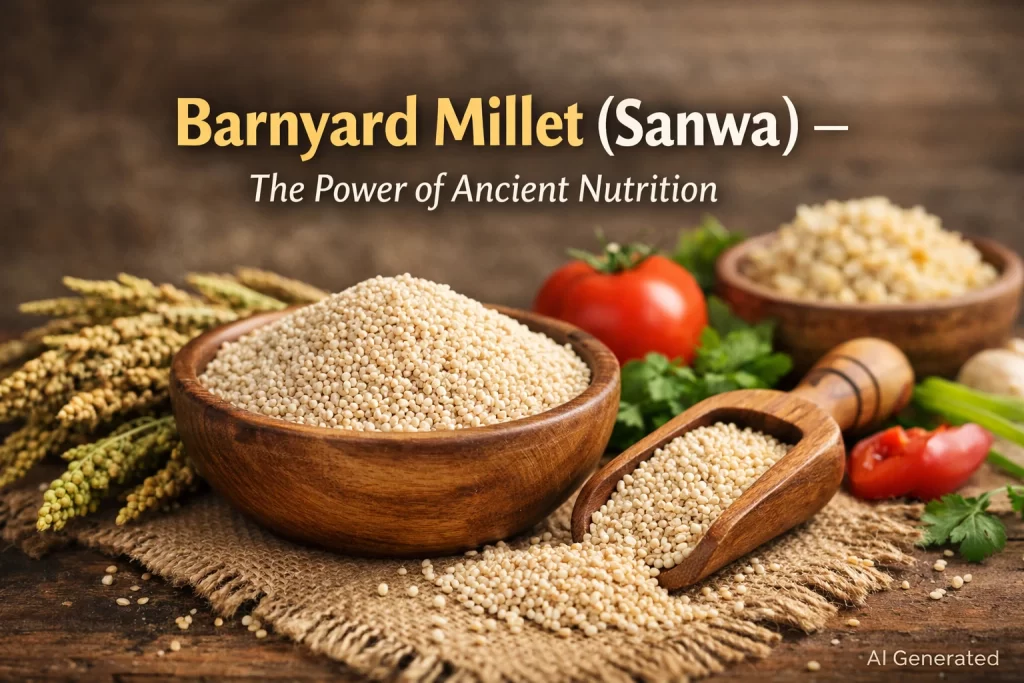
Lowest Glycemic Index · Iron Powerhouse · Best for Weight Loss
Kuthiraivali is the millet that surprises people most. It looks modest, cooks quickly, and blends easily into any dish — but nutritionally, it stands at the very top of the millet family. It carries the lowest glycemic index of all the millets I grow — around 43 — which makes it the single best grain choice for anyone managing Type 2 diabetes or insulin resistance.
Research from the National Library of Medicine highlights barnyard millet’s impressive micronutrient profile and its significant role in preventing anaemia and managing metabolic conditions. It ranks as one of the richest grain sources of iron — essential for women, growing children, and anyone who experiences fatigue or breathlessness.
We use Kuthiraivali in upma, pongal, idli batter, khichdi, and even biryanis. It cooks in under 15 minutes and adapts to any flavour profile. Once cooked, most people cannot distinguish it from regular rice — making it the easiest millet to introduce to a household that has never eaten millets before.
Lowest GI of All Millets (~43)Highest Iron ContentSoluble & Insoluble FibrePhosphorus for BonesBest Fasting Grain
- Best grain for diabetics — GI of ~43 prevents glucose spikes; ideal rice replacement for Type 2 diabetes
- Prevents anaemia — highest iron content among millets makes it essential for women and children
- Supports gut health — both soluble and insoluble fibre act as a prebiotic and prevent constipation
- Builds strong bones — phosphorus and magnesium support bone density and healthy muscle function
- Aids weight loss — low calorie density with high satiety keeps you full for 4–5 hours naturally
- Reduces bloating — easy to digest and gentle on the gut, even for people with sensitive digestion
🌾 My Farmer’s Tip
India’s National Institute of Nutrition found that people on a millet-based diet reduced their daily calorie intake by 10–15% without feeling hungry. Kuthiraivali drives those results. Replace your dinner rice with it tonight and notice the difference in your appetite the next morning. No calorie counting. No deprivation. Just a better grain doing its job.
Side-by-Side Reference
Quick Comparison of All 6 Millets
Use this table to find the millet that matches your specific health goal — or rotate through all six for the broadest nutritional benefit.
| Millet | Tamil Name | Glycemic Index | Top Nutrient | Best For |
|---|---|---|---|---|
| Finger Millet (Ragi) | Kelvaragu | ~54 | Calcium (344mg/100g) | Bone health, Anaemia, Babies |
| Pearl Millet (Kambu) | Kambu | ~55 | Iron, Magnesium | Energy, Heart, Summer cooling |
| Sorghum (Jowar) | Cholam | ~55 | Polyphenols, B Vitamins | Heart health, Eye protection |
| Little Millet (Samai) | Samai | ~50 | Protein (8.7%), Amino acids | Rice substitute, Children |
| Kodo Millet (Varagu) | Varagu | ~52 | Antioxidants, Lecithin | Diabetes, Antioxidant protection |
| Barnyard Millet (Kuthiraivali) | Kuthiraivali | ~43 | Iron, Fibre | Diabetes, Weight loss, Anaemia |
Science-Confirmed Benefits
What Millets Do for Your Body Every Day
These benefits apply across all six millets I grow. When you eat them consistently, your body starts telling you the results before the research even finishes explaining them.
🩸Controls Blood Sugar
Low GI grains release glucose slowly, preventing the dangerous spikes that damage blood vessels and nerves in diabetic patients.
❤️Protects Your Heart
Soluble fibre traps dietary fat and lowers LDL cholesterol. Magnesium reduces the risk of cardiac failure and regulates healthy blood pressure.
🦴Builds Strong Bones
Finger millet delivers more calcium than any cereal. Combined with phosphorus from Jowar and magnesium from Kambu, millets actively prevent osteoporosis.
⚖️Manages Weight Naturally
High fibre and protein content creates lasting satiety. You eat less without feeling hungry — no calorie counting required.
🧬Fights Oxidative Damage
Ferulic acid, catechins, polyphenols, and tannins in millets actively neutralise free radicals and protect cells from chronic disease.
🦠Improves Gut Health
Insoluble fibre in millets feeds beneficial gut bacteria as a prebiotic — improving bowel regularity and reducing colon cancer risk.
Verified Official Resources
Trusted Sources I Use and Recommend
I always encourage you to read beyond any single blog. These are the most credible official institutions and peer-reviewed resources I consult when I want to verify what I know from the farm:
- FAO FAO — International Year of Millets: Official UN ResourceThe United Nations Food and Agriculture Organisation’s global initiative page on millet promotion, nutrition, and sustainable agriculture worldwide.
- GOI ICAR – Indian Institute of Millets Research (IIMR), HyderabadIndia’s premier government research body dedicated exclusively to millet cultivation, variety development, and nutritional science. The AICRP on Small Millets includes a centre at TNAU, Coimbatore, Tamil Nadu.
- GOI NITI Aayog — Promoting Millets in Diets: Best Practices Across IndiaOfficial Government of India policy report covering Tamil Nadu’s 22-district millet cultivation zones, state-level implementation, and recommendations for bringing millets into mainstream diets.
- NIH PubMed/PMC — “The Nutrition and Therapeutic Potential of Millets” (2024)Peer-reviewed scientific review covering antioxidant properties, blood pressure reduction, blood sugar management, and disease-prevention potential across major millet varieties.
- NIH PMC — “Millets: Journey from an Ancient Crop to Sustainable and Healthy Food” (2025)The most recent 2025 peer-reviewed research on millet’s full nutritional composition, sustainability credentials, and role in achieving global food security targets.
- WGC Whole Grains Council — Millet Nutrition ProfileThe international authority on whole grain consumption recognises millet as a superior whole grain for heart health, digestion, and diabetes management.
- MED WebMD — Millet: Health Benefits, Nutrients per Serving (Reviewed July 2025)Medically reviewed consumer health information covering millet’s nutritional values, preparation methods, and benefits for diabetes, heart health, and weight control.
- RES ICRISAT — Pearl Millet Research ProgrammeThe International Crops Research Institute for the Semi-Arid Tropics conducts ongoing research into millet varieties, nutrition biofortification, and farming systems across Asia and Africa.
Questions & Honest Answers
Frequently Asked Questions About Millets
These are the questions I hear most from families who want to start eating millets but do not know where to begin. I answer every one of them from my lived farming experience and from the science I have studied.
1. Can my family eat millets every day, or should we rotate between varieties?
Yes — I encourage daily millet consumption, and I strongly recommend rotating between varieties rather than eating only one type. On our farm, we eat different millets on different days: Samai on Monday, Ragi porridge on Tuesday, Kambu koozh on Wednesday, Varagu pongal on Thursday, and so on. Each millet brings a distinct set of minerals, antioxidants, and amino acids. Rotating them gives your body the full benefit of the entire millet family. Nutritional researchers specifically recommend this approach to prevent any single compound — such as goitrogens found in some millets — from accumulating through repetitive daily consumption. Variety protects you and enriches your nutrition simultaneously.
2. Do millets actually help with Type 2 diabetes, or is that overstated?
The science is very clear and consistent on this — millets genuinely help manage blood sugar in people with Type 2 diabetes. White rice carries a glycemic index of 70–80, meaning it pushes glucose into your bloodstream rapidly and steeply. By contrast, Barnyard millet carries a GI of around 43, Kodo millet around 52, and Foxtail millet around 54. These grains release glucose slowly and steadily, preventing the dangerous spikes that damage blood vessels, kidneys, and nerves over time. The American Diabetes Association specifically recommends replacing refined grains with low-GI whole grains like millets. I have seen this work in families in our own village — not as a cure, but as a powerful, practical tool for daily blood sugar management.
3. Do I need to soak millets before cooking, and does it really make a difference?
Soaking matters enormously — and I always soak our millets before cooking. Millets contain phytic acid, an anti-nutrient that binds to minerals in the grain and prevents your body from absorbing them. Soaking for 6 to 8 hours breaks down phytic acid significantly, unlocking the iron, calcium, and zinc that make millets so valuable.
Healthline confirms that soaking activates enzymes that increase mineral bioavailability substantially. Soaking also shortens cooking time and gives millets a softer, more pleasant texture — especially important for children and elderly family members. If you forget to soak overnight, even 2 to 3 hours produces a noticeable improvement. Make it a habit: soak in the morning and cook in the evening, or soak at night and cook in the morning.
4. Which millet works best for weight loss without making me feel hungry all the time?
Barnyard Millet (Kuthiraivali) and Little Millet (Samai) deliver the strongest results for sustainable weight management — and I recommend them from personal experience, not just research. Both millets carry very high fibre content paired with very low caloric density. They keep you genuinely full for 4 to 5 hours after a meal, which naturally reduces your total daily food intake without any sense of deprivation. India’s National Institute of Nutrition found that people eating millet-based diets reduced their daily calorie intake by 10–15% without intentional restriction. Replace your dinner rice with either of these millets for three weeks. You will notice your appetite decreasing, your evening snacking reducing, and your weight starting to respond — without any dieting stress.
5. How do I choose good quality millets when buying — what should I actually look for?
Always look for the word “Unpolished” on the packaging — this is the single most important thing. Polished millets look clean and white but the processing removes their bran layer, which is precisely where most of the fibre, vitamins, and minerals concentrate. Unpolished millets look slightly rougher and retain their natural colour — that roughness is proof of nutritional completeness. On our farm, we never polish our millets before selling.
Also check freshness: millets should smell clean and slightly nutty. Dull-coloured grains with a musty or stale smell are old and have lost significant nutritional value. Buy from government-certified organic farmers, IIMR-registered suppliers, or trusted millet co-operatives. In Tamil Nadu, look for millets certified under the Tamil Nadu Organic Certification Department (TNOCD) for assured quality.
6. Can young children and elderly people in my family safely eat millets daily?
Not only safely — millets actively benefit both age groups in ways that most other grains simply cannot match. For infants above 6 months, Ragi (Finger Millet) porridge works beautifully as a weaning food. Its exceptional calcium and iron content supports bone formation and prevents anaemia during the most critical growth window.
Little Millet porridge is equally gentle and suitable for babies. For elderly family members, the combination of low glycemic index, high fibre, magnesium, and calcium makes millets ideal for simultaneously managing diabetes, protecting heart health, and maintaining bone density. Always soak and cook millets thoroughly for young children and the elderly so the texture stays soft and gentle on the digestive system. Start with smaller portions and increase gradually over the first two weeks.
Start Your Millet Journey — One Meal at a Time
You do not need to change everything at once. Replace one meal this week with any millet on this list. That single step is exactly how every healthy family I know in our village began their journey back to these ancient grains.
The grains are ancient. The science is modern. The results are real. And they grow in our fields right here in Tamil Nadu — organically, honestly, and with care for every family that eats them.
Written from personal farm experience · Certified by the Government of Tamil Nadu in Millet Crops · Backed by peer-reviewed science · April 2026
Best Places to Visit in Tamil Nadu (2026 Guide)
Ooty Travel Guide 2026: Best Places, Itinerary, Budget & Travel Tips


Leave a Reply