This guide contains affiliate links. We may earn a commission at no extra cost to you — see our Affiliate Disclosure and Affiliate Disclosure Policy for details.
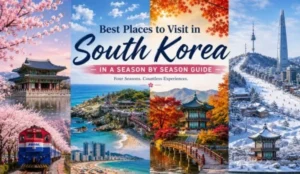
Places to visit in South Korea in a season by season guide starts with one direct answer: the best trip depends on when you go — spring (March–May) belongs to Jinhae’s cherry blossoms, Gyeongju’s temples, and Jeju’s canola fields; summer (June–August) belongs to Nami Island, Boryeong Beach, and Busan’s coastline; autumn (September–November) belongs to Seoraksan and Naejangsan’s red maple forests; and winter (December–February) belongs to Pyeongchang’s ski slopes and Hallasan’s snow trails. Below is a detailed, season-by-season breakdown of the top 10 places to visit in South Korea, with local transport, hotel picks, and food options at each stop — useful for both leisure tourists and business travelers planning add-on trips.
Whether you’re a first-time tourist or a business traveler extending a Seoul trip over a weekend, knowing the right places to visit in South Korea in a season by season order saves time, money, and disappointment — cherry blossoms don’t wait, and neither does the autumn foliage window.
Table of Contents
Spring: Best Places to Visit in South Korea (March–May)
Spring is the most photographed season among all the places to visit in South Korea in a season by season plan, because the cherry blossoms (beotkkot) bloom for barely 7–10 days.
1. Jinhae Gunhangje Festival, Changwon
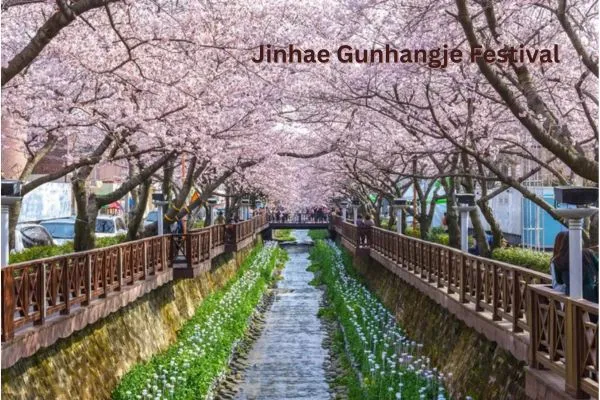
Jinhae hosts South Korea’s largest cherry blossom festival every late March to early April, with over 350,000 cherry trees lining Yeojwacheon Stream and Jehwangsan Park. The Romance Bridge and the naval base’s blossom-lined roads are the most photographed spots. Business travelers based in Busan can reach Jinhae in under 90 minutes, making it an easy weekend detour.
2. Gyeongju, the “Museum Without Walls”
Gyeongju was the capital of the ancient Silla Kingdom, and spring is when Bulguksa Temple, Seokguram Grotto, and the Cheomseongdae Observatory are framed by blooming cherry and royal azalea trees. Gyeongju is a UNESCO World Heritage-dense city, ideal for tourists who want history alongside seasonal scenery.
3. Jeju Island (Canola Flower Season)
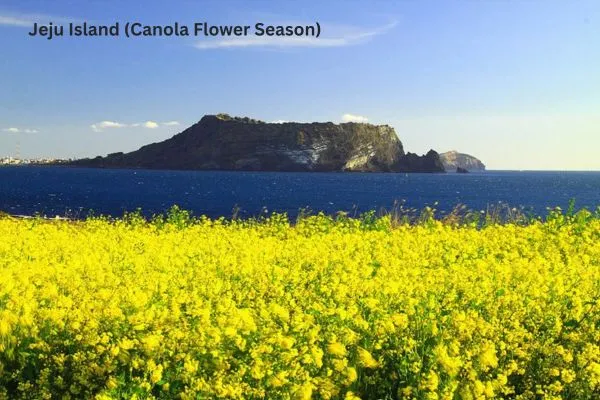
Jeju’s canola (yuchae) fields turn bright yellow from mid-March through April, especially around Seongsan Ilchulbong (Sunrise Peak) and Sanbangsan. Jeju is also one of the most convenient places to visit in South Korea for business travelers extending a conference trip, with direct domestic flights from Seoul, Busan, and Daegu.
Summer: Places to Visit in South Korea (June–August)
Summer shifts the season-by-season itinerary toward beaches, rivers, and cooler mountain islands.
Book Your Tour Package in South Korea
4. Nami Island, Gapyeong
Book Your Tour Package
Nami Island’s tree-lined avenues turn a deep, cooling green in summer and are famous worldwide from Korean dramas. It’s a half-day trip from Seoul, reachable by ITX-Cheongchun train followed by a short ferry ride.
5. Boryeong Mud Festival Beach, Daecheon
Held every July, the Boryeong Mud Festival at Daecheon Beach draws both domestic and international tourists for mud wrestling, mud slides, and beach concerts along the West Sea coastline.
6. Haeundae Beach, Busan
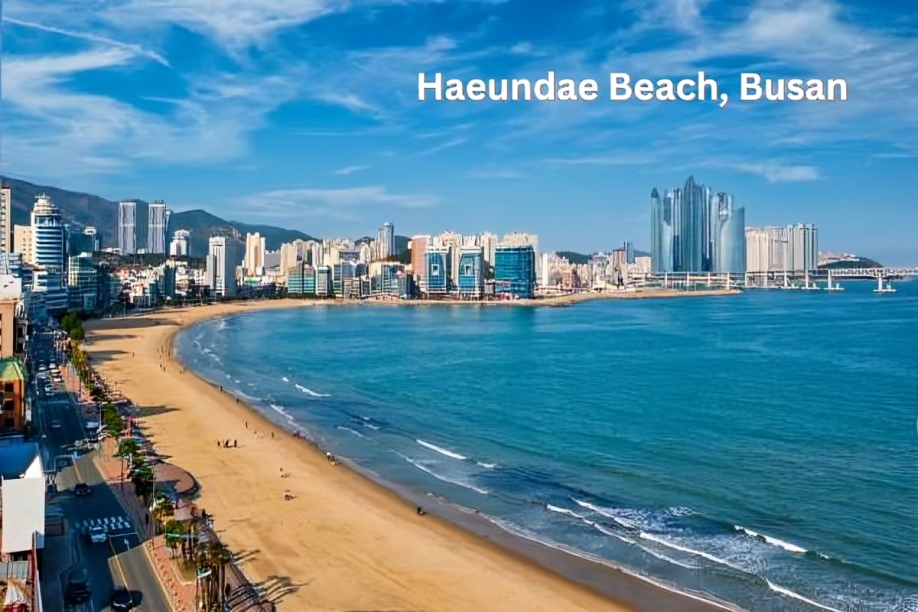
Busan’s Haeundae Beach is South Korea’s most visited urban beach, backed by high-rise hotels, seafood alleys, and the Busan International Fireworks Festival. It’s an easy add-on for business travelers attending events at BEXCO, Busan’s convention center.
Autumn: Places to Visit in South Korea (September–November)
Autumn foliage (danpung) is arguably the most requested reason tourists search for places to visit in South Korea in a season by season format, since the color window moves from north to south across just a few weeks.
7. Seoraksan National Park
Seoraksan, South Korea’s third-highest peak, turns red and gold from late September through late October. Ulsanbawi Rock and the Sinheungsa Temple cable car are the two most accessible viewpoints for tourists who don’t want a full-day hike.
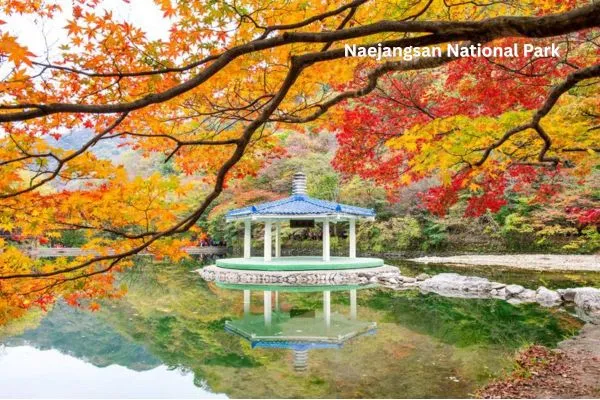
8. Naejangsan National Park
Naejangsan is considered by many locals to have the most vivid maple foliage in the country, with the entrance road forming a natural red tunnel by early-to-mid November. It’s less crowded than Seoraksan and better suited for a relaxed day trip.
Winter: Places to Visit in South Korea (December–February)
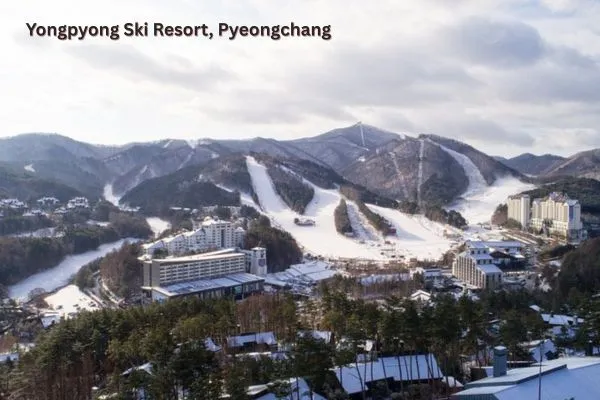
9. Yongpyong Ski Resort, Pyeongchang
Pyeongchang, the 2018 Winter Olympics host, is home to Yongpyong Ski Resort, South Korea’s largest ski destination, with slopes for beginners and experienced skiers alike, plus a scenic gondola over pine-covered ridges.
10. Hallasan National Park, Jeju
Hallasan, South Korea’s tallest peak and a dormant volcano, gets a snow cap from December through February. The Eorimok and Seongpanak trails stay open seasonally and offer a very different side of Jeju compared to its spring canola fields.
Local Transport Across South Korea
Getting between these places to visit in South Korea is straightforward thanks to a dense, reliable network:c
- KTX high-speed rail connects Seoul to Busan, Gyeongju (via Singyeongju), and Gwangju in 2–3 hours.
- T-money card works across subways, buses, and even some taxis nationwide — a single card for the whole trip.
- Intercity/express buses reach smaller destinations like Naejangsan and Boryeong that trains don’t directly serve.
- Domestic flights from Gimpo or Gimhae to Jeju take under an hour and are the most efficient option for business travelers on tight schedules.
- Local ferries are required for Nami Island and are included in most combo tickets.
Book Your Local Transport
Where to Stay: 2 Preferred Hotels for Accommodation
For travelers covering multiple seasonal destinations, these two hotel brands offer consistent quality across cities:
- Lotte Hotel (Seoul, Busan, Jeju) — well-suited for business travelers, with conference facilities, airport-adjacent branches, and multilingual staff.
- Shilla Stay (Seoul, Gyeongju, Jeju, Ulsan) — a mid-range, business-friendly chain close to major transport hubs, popular with both tourists and corporate travelers.
Book Your Stay in South Korea
Food Facilities Inside Tourist Places
Most of these seasonal destinations have food courts, street stalls, or restaurant clusters built directly into the visitor experience:
- Jinhae & Gyeongju — street stalls sell hotteok (sweet pancakes) and odeng (fish cake skewers) along festival routes.
- Nami Island — an on-island food court serves ginkgo-nut ice cream, dak-galbi, and Korean-style pizza.
- Haeundae Beach — the Haeundae Traditional Market next to the beach is packed with fresh seafood, hoe (raw fish), and grilled eel stalls.
- Seoraksan & Naejangsan — mountain-base restaurant rows specialize in dotori-muk (acorn jelly) and mountain vegetable bibimbap.
- Yongpyong Ski Resort — slopeside lodges serve hot ramyeon and gamjatang (pork bone soup) for post-ski warming meals.
- Hallasan / Jeju — base-camp cafés near the trailheads serve Jeju black pork and hallabong citrus desserts.
🌸 Spring (March–May) — Jinhae, Gyeongju, Jeju
- Light layers: t-shirts + a cardigan or light jacket (mornings/evenings stay cool, days warm up)
- A packable rain jacket or umbrella (spring showers are common)
- Sunglasses and sunscreen — cherry blossom crowds mean lots of outdoor time
- Allergy meds if you’re sensitive to pollen (blossom season = pollen season)
- Comfortable walking shoes for temple grounds and festival crowds
🏖️ Summer (June–August) — Nami Island, Boryeong, Haeundae Beach
- Breathable, moisture-wicking clothing — Korean summers are hot and humid
- Swimsuit, quick-dry towel, and flip-flops for Boryeong/Haeundae
- A small portable fan or cooling towel (very common with locals too)
- Waterproof phone pouch — essential for the Mud Festival
- Rain gear — June–July is monsoon (jangma) season, so a compact umbrella is a must
- Extra change of clothes if you’re doing the mud festival
🍁 Autumn (September–November) — Seoraksan, Naejangsan
- Layered clothing: light sweater + windbreaker, as mountain temps drop fast
- Sturdy hiking shoes with good grip for Ulsanbawi Rock or Naejangsan trails
- A light scarf or beanie for early morning/evening chill
- Camera or phone with extra storage — foliage season means a lot of photos
- Light gloves if traveling into November
⛄ Winter (December–February) — Pyeongchang, Hallasan
- Heavy insulated coat, thermal base layers, gloves, scarf, and a warm hat
- Waterproof, insulated boots with good traction (ice and snow on trails)
- Hand/toe warmers — useful at ski resorts and on Hallasan’s trails
- Ski/snow gear if renting equipment isn’t convenient (most resorts rent, but bring your own goggles if you have them)
- Lip balm and moisturizer — Korean winter air is very dry
Year-round essentials (any season)
- A T-money card (buy on arrival) for all public transport
- Universal power adapter (Korea uses Type C/F plugs, 220V)
- A portable charger — long sightseeing days drain phones fast
- Comfortable, broken-in walking shoes regardless of season
Book Your Air Ticket
Frequently Asked Questions
1. What is the best season to visit South Korea overall?
Spring (April) and autumn (October) are the most popular, offering mild weather, cherry blossoms or foliage, and fewer weather disruptions than the humid summer or cold winter months.
2. Do I need a visa to visit South Korea as a tourist?
It depends on your nationality. Many countries qualify for South Korea’s K-ETA (Korea Electronic Travel Authorization) or visa-free entry for short stays; always confirm current requirements on the official Hi Korea immigration portal before booking.
3. What documents does a business traveler need for South Korea?
Business travelers typically need a short-term business visa (C-3-4) or an invitation letter from a Korean company, along with proof of the business purpose. Requirements vary by nationality, so checking with the nearest Korean embassy is recommended.
4. How many days are enough to cover the top places to visit in South Korea in a season by season trip?
7–10 days is enough to comfortably cover 3–4 seasonal highlights in one region (for example, Seoul, Gapyeong, and Gangwon-do), without over-packing the itinerary.
5. Is public transport enough, or should I rent a car?
Public transport (KTX, subways, buses) comfortably covers all 10 places listed here. A rental car helps only if you’re combining multiple rural mountain parks in one trip, such as Naejangsan and Seoraksan back-to-back.
6. When exactly do cherry blossoms and autumn leaves peak?
Cherry blossoms typically peak between late March and early April (Jinhae, Gyeongju), while autumn foliage peaks between mid-October (Seoraksan) and early November (Naejangsan). Dates shift by a few days each year depending on temperature.
7. Are these tourist places suitable for a business trip extension?
Yes — Busan, Jeju, and Gyeongju are especially convenient because they’re near major conference centers and airports, allowing business travelers to add a 1–2 day leisure extension without long transit times.
8. Is South Korea expensive for tourists?
South Korea is mid-range compared to other East Asian destinations. Public transport and street food are inexpensive, while hotels and KTX tickets are the larger cost items, especially during cherry blossom and autumn peak weekends.
Official Travel & Government Links
Always verify current entry rules, transport schedules, and festival dates directly from official sources before you travel:
- Korea Tourism Organization – Official Travel Guide
- Hi Korea – Immigration & Visa Portal (Ministry of Justice)
- Ministry of Foreign Affairs, Republic of Korea
- Korail – National Train & KTX Booking
- Korea National Park Service (Seoraksan, Naejangsan, Hallasan info)
- Invest Korea – Official Resource for Business Travelers
- Korea Meteorological Administration – Seasonal Forecasts
For more travel planning resources, see our related guides on basic Korean phrases for travelers and South Korea visa requirements by country.
Visit our Other blogs for more Travel Guide
Best South Korea Tourist Places You Must Explore
Places to Visit in Japan: Perfect 7-Day Itinerary

Leave a Reply