This guide contains affiliate links. We may earn a commission at no extra cost to you — see our Affiliate Disclosure and Affiliate Disclosure Policy for details.
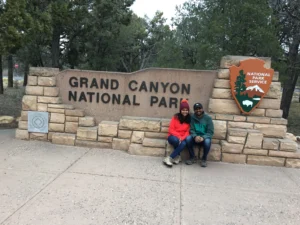
Grand Canyon National Park is a 277-mile-long, mile-deep gorge carved by the Colorado River in northern Arizona, and it remains one of the most visited national parks in the United States. The best time to visit Grand Canyon National Park is during spring (March–May) or fall (September–November), when temperatures are mild and crowds are thinner than in peak summer.
Most travelers base themselves on the South Rim, which stays open year-round and is home to iconic viewpoints like Mather Point and Yavapai Point, while the quieter North Rim typically opens for the season on May 15 and closes in mid-November. In 2026, visitors should also note a new $100 nonresident surcharge for international travelers and the continued closure of in-park lodging on the North Rim following the 2025 Dragon Bravo Fire. Whether you’re arriving from Las Vegas, Phoenix, or Flagstaff, this guide covers everything you need — attractions, transportation, tickets, itineraries, hotels, food, and family travel tips — to plan a smooth 2026 trip to Grand Canyon National Park.
Table of Contents
A Brief History of Grand Canyon National Park
The canyon itself is a geological time capsule. Layer upon layer of exposed rock — some of it nearly two billion years old — tells the story of ancient seas, deserts, and mountain ranges that rose and vanished long before humans arrived. The Colorado River has been cutting through this plateau for an estimated five to six million years, exposing the Vishnu Schist at the bottom of the inner gorge, one of the oldest rock formations visible anywhere on Earth.
Long before it became a national park, the canyon was — and still is — home to Indigenous peoples. The Havasupai have lived in and around the canyon for centuries and still reside in Supai Village near Havasu Falls. The Hualapai, Navajo (Diné), Hopi, Zuni, Paiute, and other tribes also hold deep cultural, spiritual, and historical ties to the canyon and continue to be involved in its stewardship today.
European-American explorers, including John Wesley Powell’s famous 1869 river expedition, brought wider attention to the canyon in the 19th century. President Theodore Roosevelt, an early conservation advocate, first protected the area as a game reserve and later a national monument. Grand Canyon National Park was formally established on February 26, 1919, making 2026 more than a century since its founding. In 1979, UNESCO designated it a World Heritage Site in recognition of its geological and scenic significance.
Book your Tour
Top Tourist Attractions in Grand Canyon National Park
South Rim
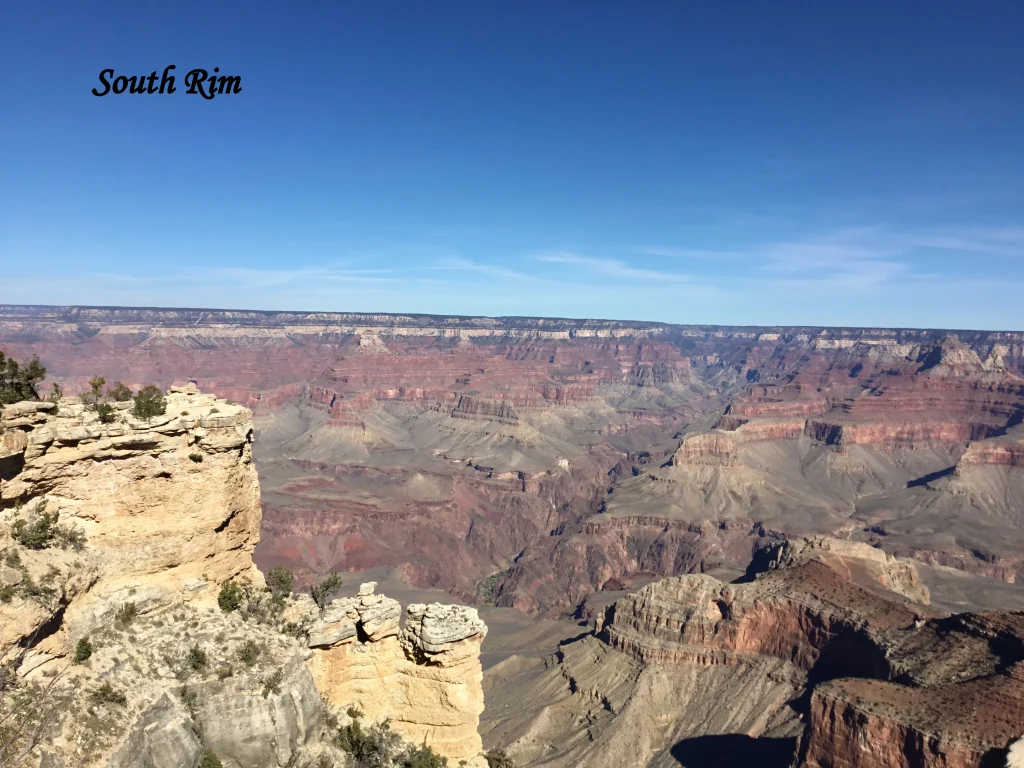
The South Rim is the most accessible and most visited section of Grand Canyon National Park, open 365 days a year. It’s home to Grand Canyon Village, the park’s main hub, along with the majority of lodges, restaurants, viewpoints, and trailheads. If this is your first visit, the South Rim should be your priority.
North Rim
Sitting roughly 1,000 feet higher in elevation than the South Rim, the North Rim offers cooler temperatures, forested approach roads, and a noticeably quieter experience — it typically draws only about 10% of total park visitors. For the 2026 season, the North Rim is scheduled to reopen on May 15 with access to Highway 67, Point Imperial, Cape Royal, and the North Kaibab Trail, though in-park overnight lodging remains unavailable following the loss of the historic Grand Canyon Lodge in the 2025 Dragon Bravo Fire. Always check current conditions before planning a North Rim trip.
Grand Canyon Village
This is the historic heart of the South Rim, featuring the train depot, the Bright Angel and El Tovar lodges, the Rim Trail, and easy access to shops, restaurants, and the visitor center.
Mather Point
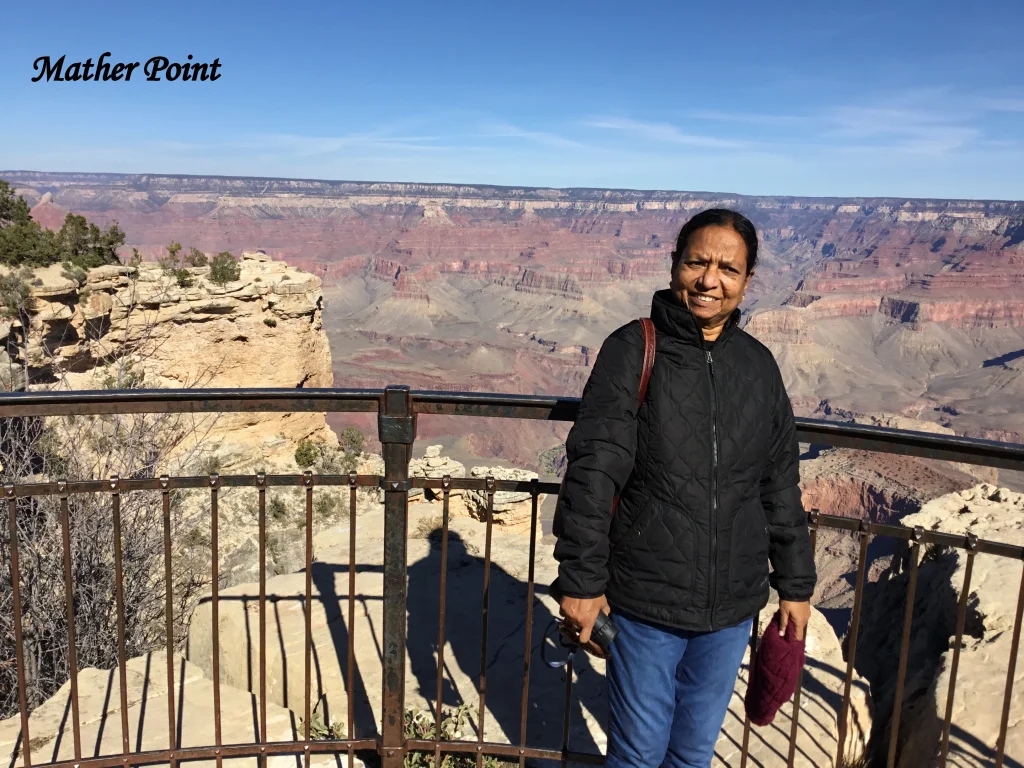
Just a short walk from the Grand Canyon Visitor Center, Mather Point is often the first — and most photographed — viewpoint for South Rim visitors. Sunrise here is spectacular and considerably less crowded than sunset.
Yavapai Point
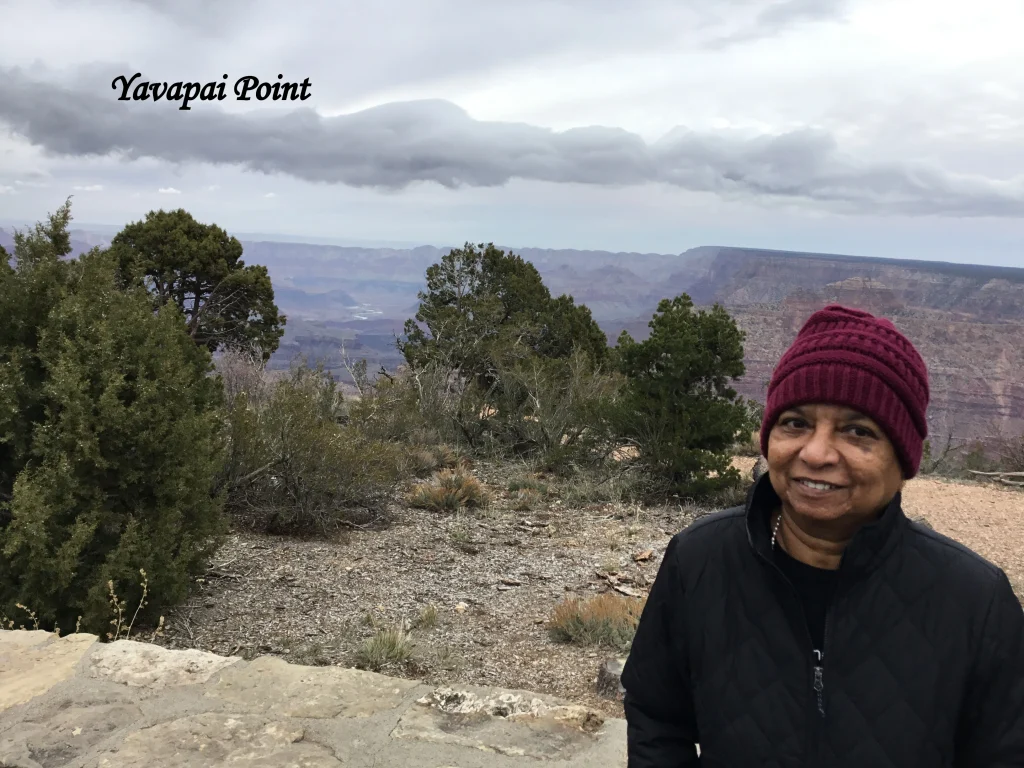
Home to the Yavapai Geology Museum, this viewpoint offers some of the best interpretive displays on the canyon’s rock layers along with sweeping views toward Phantom Ranch and the Colorado River below.
Desert View Watchtower
Located 25 miles east of Grand Canyon Village along Desert View Drive, this 70-foot stone tower was designed by architect Mary Colter in 1932. Climb to the top for one of the most expansive panoramas in the entire park, and enjoy the trading post, general store, and gas station nearby.
Bright Angel Trail
The most popular Grand Canyon hiking trail on the South Rim, Bright Angel Trail is well-maintained, has seasonal water stations, and offers rest points at 1.5-Mile and 3-Mile Resthouse and Indian Garden. It’s also the safest route for first-time canyon hikers, though hiking all the way to the river and back in a single day is not recommended.
Havasupai Area (Travel Note)
The turquoise pools of Havasu Falls are technically located on Havasupai tribal land, not within Grand Canyon National Park boundaries, and require a separate permit issued directly by the Havasupai Tribe — not the National Park Service. Permits are limited, sell out quickly, and involve a strenuous 10-mile hike (or helicopter/mule option) to reach the village. Plan this as a distinct, multi-day trip rather than a stop on a standard park itinerary.
Other Notable Viewpoints and Trails
- Hopi Point and Mohave Point — top spots for sunset along Hermit Road
- Lipan Point — dramatic views of the Colorado River’s bends
- South Kaibab Trail — steeper than Bright Angel but with near-constant panoramic views
- Rim Trail — a mostly flat, paved 13-mile path connecting many South Rim viewpoints
- Point Imperial and Cape Royal — the North Rim’s signature overlooks
How to Reach Grand Canyon National Park
There is no commercial airport inside Grand Canyon National Park. Grand Canyon National Park Airport (GCN), near the town of Tusayan, sits just outside the South Entrance but handles only charter flights, air tours, and general aviation — not scheduled commercial service.
Book your Flight
Nearest Airports
| Airport | Distance to South Rim | Best For |
|---|---|---|
| Flagstaff Pulliam Airport (FLG) | ~80 miles / ~1.5 hours | Closest commercial airport; limited connections via Phoenix, Dallas–Fort Worth, and Denver |
| Phoenix Sky Harbor International Airport (PHX) | ~230 miles / ~3.5–4 hours | The most flight options, competitive fares, and easy international connections |
| Las Vegas Harry Reid International Airport (LAS) | ~280 miles / ~4.5 hours (South Rim) or ~120 miles / ~2.5 hours (West Rim) | Best for Las Vegas to Grand Canyon day trips, especially to the West Rim |
For official flight schedules and booking, use the airlines’ own sites or trusted aggregators, and check the airport authority pages directly: Flagstaff Pulliam Airport, Phoenix Sky Harbor International Airport, and Harry Reid International Airport.
A quick clarification: Many “Las Vegas to Grand Canyon” day tours actually visit Grand Canyon West and the Skywalk, which are operated by the Hualapai Tribe and are not part of Grand Canyon National Park. If seeing the National Park itself (South Rim or North Rim) is the goal, plan for the longer drive or a full-day tour, or fly into Flagstaff or Phoenix instead.
Road Travel Options
- From Las Vegas: Roughly 4.5 hours to the South Rim via I-11 and US-93/AZ-64; about 2.5 hours to Grand Canyon West.
- From Phoenix: About 3.5–4 hours via I-17 N to Flagstaff, then US-180/AZ-64 N to the South Rim.
- From Flagstaff: The shortest regional drive at roughly 1.5 hours via US-180 N directly to the South Entrance.
Winter driving can bring snow and icy roads, especially near Flagstaff and Williams, so check the Arizona Department of Transportation road conditions before heading out in December through February.
Official Ticket Information
Grand Canyon entrance fees are set by the National Park Service and are subject to periodic updates, so always confirm current pricing on the official NPS page before you travel.
| Pass / Fee Type | Price (2026) | Validity |
|---|---|---|
| Private Vehicle | $35 | 7 days, both rims |
| Motorcycle | $25 | 7 days, both rims |
| Individual (on foot, bicycle, or shuttle) | $20 | 7 days, both rims |
| Grand Canyon Annual Pass | $80 (resident) | 1 year, this park only |
| America the Beautiful Annual Pass (U.S. resident) | $80 | 1 year, all federal recreation lands |
| America the Beautiful Nonresident Annual Pass | $250 | 1 year, covers the nonresident surcharge at affected parks |
| Nonresident Surcharge (international visitors, age 16+) | +$100 per person | Per visit, unless holding the nonresident annual pass |
A few important 2026 updates worth noting: entrance passes are valid for seven days and cover both the South Rim and North Rim when it’s open for the season; cash is no longer accepted at entrance stations, so bring a credit/debit card or a digital pass; and as of January 1, 2026, non-U.S. residents aged 16 and over must pay the additional $100 nonresident fee unless they hold the America the Beautiful Nonresident Annual Pass. Free entrance days going forward apply only to U.S. citizens and permanent residents.
Purchase or verify passes directly through the official National Park Service fee page at nps.gov/grca/planyourvisit/fees.htm and America the Beautiful passes at nps.gov/planyourvisit/passes.htm. Camping and backcountry permits are booked through Recreation.gov.
3-Day Grand Canyon Itinerary
Day 1: South Rim and Viewpoints
- Arrive early and check in at your South Rim lodge or nearby Tusayan hotel
- Watch sunrise or catch golden-hour light at Mather Point
- Visit Yavapai Geology Museum and Yavapai Point
- Ride the free Village (Blue) shuttle route to explore Grand Canyon Village
- Take the Hermits Rest (Red) shuttle route for sunset at Hopi Point or Mohave Point
Day 2: Hiking and Cultural Experiences
- Hike a section of Bright Angel Trail (turn around at 1.5-Mile or 3-Mile Resthouse for day-trippers)
- Visit Desert View Watchtower and Desert View Drive’s scenic pullouts
- Stop at the Tusayan Museum and Ruin for Indigenous history and archaeology
- Evening: catch a ranger talk or the park’s orientation film at the visitor center
Day 3: North Rim or Helicopter/Day Tour
- Option A (North Rim, May–November only): Drive roughly 4.5 hours around to the North Rim for Point Imperial and Cape Royal, or plan this as a separate overnight trip since it’s a long day drive from the South Rim
- Option B (South Rim–based): Book a helicopter or small-plane air tour over the canyon, or a guided bus tour to Desert View and additional viewpoints
- Option C: Take a half-day white-water rafting trip on the Colorado River, or ride the historic Grand Canyon Railway back to Williams, Arizona
Tour Options
Self-Guided Tours
The free South Rim shuttle system, the paved Rim Trail, and clear NPS signage make it entirely possible — and popular — to explore independently, especially if you’re comfortable driving and don’t mind planning your own stops.
Bus Tours
Motorcoach and small-group bus tours run along Desert View Drive and Hermit Road, often including narration on geology and history — a good option for travelers who’d rather not drive or hike extensively.
Helicopter Tours
Helicopter tours depart from both Grand Canyon National Park Airport near Tusayan and from Las Vegas/Boulder City, offering aerial views of the canyon’s inner gorge that aren’t visible from the rim. Vegas-based helicopter tours typically fly over Grand Canyon West rather than the National Park itself, so confirm your route before booking.
River Rafting Tours
Options range from a half-day smooth-water float near Glen Canyon Dam to multi-day white-water expeditions through the inner canyon launching from Lees Ferry — the latter often booked a year or more in advance through NPS-authorized outfitters.
Family-Friendly Tours
Ranger-led programs, the Yavapai Geology Museum, mule rides (minimum age and weight restrictions apply), and shorter shuttle-accessible viewpoints make for an easy, low-exertion day suited to children and grandparents alike.
Trusted Tour Operators
Xanterra Parks & Resorts (South Rim)
As the National Park Service’s primary authorized concessioner at the South Rim, Xanterra operates in-park lodging, mule rides into the canyon, motorcoach sightseeing tours along Desert View Drive and Hermit Road, and several of the park’s restaurants. Because Xanterra manages nearly all in-park services, booking through them is often the most reliable way to secure lodging and tours well in advance.
Official website: grandcanyonlodges.com
Papillon Grand Canyon Helicopters
One of the longest-running air tour operators in the region, Papillon offers helicopter and small-plane tours departing from both Grand Canyon National Park Airport (Tusayan) and Las Vegas/Boulder City, with combination packages that include ground tours, rafting add-ons, and West Rim landings.
Official website: papillon.com
Where to Stay: Two Recommended Hotels
El Tovar Hotel
Built in 1905 and perched directly on the canyon rim in Grand Canyon Village, El Tovar is the South Rim’s most iconic and historic property. It offers 78 rooms and suites, a full-service restaurant known for its canyon views, a lounge, gift shop, and concierge-arranged activities. It’s the closest thing to a splurge stay inside the park, and rooms book out many months in advance.
Location: Grand Canyon Village, South Rim (steps from the Rim Trail)
Facilities: Fine dining, lounge, concierge, gift shop, non-smoking rooms
Official website: grandcanyonlodges.com/lodging/el-tovar-hotel
Maswik Lodge
Set back a short walk from the rim, Maswik Lodge offers a more budget-friendly, family-oriented alternative to the historic rim-front lodges, with motel-style rooms, a food court, and easy shuttle access to the rest of Grand Canyon Village.
Location: Grand Canyon Village, South Rim (short walk/shuttle ride to the rim)
Facilities: Food court, gift shop, free parking, pet-friendly rooms available in some sections
Official website: grandcanyonlodges.com/lodging/maswik-lodge
If South Rim lodges are sold out, nearby Tusayan (7 miles south), Williams (a scenic hour away and home to the Grand Canyon Railway depot), and Flagstaff all offer additional hotel options.
Local Transportation
Free Shuttle Buses (South Rim)
The South Rim’s free shuttle system is included with your park entrance fee and typically runs three to four routes depending on season:
- Village (Blue) Route — connects the visitor center, lodges, campgrounds, and Market Plaza
- Kaibab Rim (Orange) Route — serves South Kaibab Trailhead, Yaki Point, and Yavapai Geology Museum year-round
- Hermits Rest (Red) Route — runs along scenic Hermit Road to Hopi Point, Mohave Point, and Hermits Rest; personal vehicles are restricted on this road from roughly March through November, making the shuttle mandatory during that window
- Tusayan (Purple) Route — summer-only service connecting the park to the gateway town of Tusayan
Note: the North Rim does not have a comparable shuttle network due to its much smaller visitor volume.
Rental Cars
A rental car is the most flexible way to reach the park and explore Desert View Drive, but book early — rental availability in small gateway towns like Williams, Tusayan, and Flagstaff can sell out during peak season.
Tour Buses
Multiple companies run guided motorcoach day trips from Las Vegas, Phoenix, Sedona, and Flagstaff directly to the South Rim, often bundling entrance fees, meals, and a guide into one ticket.
Taxi and Rideshare
Rideshare and taxi coverage is limited and unreliable inside the park itself; most visitors rely on the free shuttle system once they’ve parked, and arrange rideshare pickup/drop-off only in gateway towns like Tusayan or Williams.
Book your Hotel
Food Facilities in Grand Canyon National Park
Restaurants Inside the Park
- El Tovar Dining Room — the South Rim’s fine-dining option, with canyon views and reservations recommended
- Arizona Room (Bright Angel Lodge) — grilled Southwestern specialties, seasonal hours
- Bright Angel Restaurant — casual, family-friendly, open for breakfast through dinner
- Maswik Food Court — quick, budget-friendly meals for families on the go
Cafes and Grab-and-Go
The Grand Canyon Visitor Center has a grab-and-go coffee bar, and Market Plaza near Yavapai Lodge offers additional deli and quick-bite options.
Grocery Stores
The Canyon Village Marketplace at Market Plaza is the main full-service grocery store on the South Rim, useful for stocking up on snacks, water, and picnic supplies before a day of hiking.
Vegetarian and Family Dining
Most in-park restaurants, including the Bright Angel Restaurant and Maswik Food Court, offer vegetarian entrees and kid-friendly menu items, and staff can generally accommodate common dietary requests with advance notice at sit-down venues like El Tovar.
Family Travel Checklist (Traveling with Infants)
- Baby food, formula, and a way to warm bottles (limited refrigeration at lodges — request a mini-fridge when booking)
- A lightweight, all-terrain stroller or a structured baby carrier for uneven, unpaved viewpoint paths
- Sun protection: wide-brim hats, SPF-rated clothing, and infant-safe sunscreen — the South Rim sits above 6,800 feet with strong UV exposure
- Extra water and high-energy snacks; the canyon’s dry climate dehydrates children faster than expected
- A basic first-aid kit, any regular medications, and a note of the nearest clinic (Grand Canyon Clinic in Grand Canyon Village)
- Layered clothing — temperatures can swing more than 20°F between morning and midday, especially in shoulder seasons
- Never let children approach unfenced rim edges; many viewpoints have no guardrails
Travel Guidelines and Tips
Safety Tips
Stay behind railings at developed viewpoints, keep a firm hold on children near unfenced edges, and never attempt to hike from rim to river and back in one day — this is the single most common cause of serious hiker rescues in the park.
Weather Advice
South Rim summers are warm but manageable (highs in the mid-80s°F); inner-canyon temperatures can exceed 100°F even when the rim is comfortable. Winters bring snow and ice to both rims, and the North Rim closes entirely to vehicle access for the season. Always check the forecast for both the rim and the inner canyon separately before hiking.
Altitude Precautions
The South Rim sits at roughly 7,000 feet and the North Rim at over 8,000 feet. Visitors arriving from sea level may notice shortness of breath or fatigue; drink extra water, pace yourself on trails, and watch for symptoms of altitude sensitivity, especially in older travelers and young children.
Sustainable Tourism Practices
- Stay on marked trails to protect fragile high-desert vegetation and soil crust
- Use refillable water bottles at filling stations instead of single-use plastic
- Pack out all trash, including biodegradable food scraps
- Respect Indigenous lands and cultural sites — some areas, like Havasupai tribal land, require separate permits and permission
- Use the free shuttle system where possible to reduce traffic and emissions inside the park
Frequently Asked Questions
1. What is the best time to visit Grand Canyon National Park?
Spring (March–May) and fall (September–November) offer the best balance of mild weather and manageable crowds. Summer is busiest and hottest, while winter brings snow, especially on the North Rim, which closes for the season.
2. How much are Grand Canyon National Park entrance fees in 2026?
A standard vehicle pass costs $35 and is valid for seven days at both rims. Individual and motorcycle rates are lower, and international visitors aged 16 and over pay an additional $100 nonresident fee as of January 1, 2026, unless they hold the America the Beautiful Nonresident Annual Pass.
3. Is the North Rim open in 2026?
Yes, the North Rim is scheduled to reopen for the 2026 season on May 15, but in-park overnight lodging is unavailable after the historic Grand Canyon Lodge was destroyed in the 2025 Dragon Bravo Fire. Services remain limited, so check current conditions before planning a trip.
4. Which airport is closest to Grand Canyon National Park?
Flagstaff Pulliam Airport (FLG) is the closest commercial airport to the South Rim, about 80 miles or 1.5 hours away. Phoenix Sky Harbor and Las Vegas Harry Reid airports offer more flight options but require longer drives.
5. Can I visit the Grand Canyon on a day trip from Las Vegas?
Yes, though most Las Vegas day tours visit Grand Canyon West and the Skywalk, which are run by the Hualapai Tribe and are separate from Grand Canyon National Park. Reaching the National Park’s South Rim from Las Vegas takes about 4.5 hours each way by car.
6. What are the best hiking trails at Grand Canyon National Park?
Bright Angel Trail is the most popular and best-maintained option for day hikers, with rest points and seasonal water stations. South Kaibab Trail offers more dramatic views but has no water sources and is steeper.
7. Do I need a permit to visit Havasu Falls?
Yes. Havasu Falls sits on Havasupai tribal land outside the National Park boundary, and access requires a separate permit issued directly by the Havasupai Tribe, not the National Park Service.
8. Is the Grand Canyon suitable for families with infants and toddlers?
Yes, with preparation. Stick to paved, shuttle-accessible viewpoints, bring sun protection and extra water, watch children closely near unfenced rim edges, and consider elevation and dry-climate effects when packing.
Official Resources
- National Park Service — Grand Canyon: nps.gov/grca
- NPS Entrance Fees: nps.gov/grca/planyourvisit/fees.htm
- NPS Shuttle Bus Routes: nps.gov/grca/planyourvisit/shuttle-buses.htm
- America the Beautiful Interagency Pass: nps.gov/planyourvisit/passes.htm
- Camping & Permit Reservations: recreation.gov
- Arizona Office of Tourism: visitarizona.com
- Flagstaff Pulliam Airport: flagstaff.az.gov/621/Flagstaff-Pulliam-Airport
- Phoenix Sky Harbor International Airport: skyharbor.com
- Harry Reid International Airport (Las Vegas): harryreidairport.com
- Xanterra Grand Canyon Lodges (South Rim hotels & tours): grandcanyonlodges.com
- Papillon Grand Canyon Helicopters: papillon.com
- Grand Canyon Railway (Williams, AZ): thetrain.com
Visit our Article
1.5 Amazing Places in Valley of Fire State Park
2.Chandelier Drive-Thru Tree: 10 Amazing Travel Tips
3.8 Best Things to Do in San Diego: Ultimate Guide
4.America Best Lakes: 5 Stunning Lakes Must Visit in 2026
5.Best California Tourist Places 2026: Ultimate Travel Guide



Leave a Reply