This guide contains affiliate links. We may earn a commission at no extra cost to you — see our Affiliate Disclosure and Affiliate Disclosure Policy for details.
✈️ Quick Take: Washington D.C. 2026 offers Indian travellers free world-class museums, iconic monuments, and the famous cherry blossoms — making it one of the most affordable yet rewarding U.S. capital city breaks.
✈️ Key Highlights:
- Most Smithsonian museums, the Lincoln Memorial, and Capitol grounds are 100% free to enter — a huge win for budget travellers.
- Visit late March–early April for the National Cherry Blossom Festival, but book hotels 2–3 months ahead as prices spike sharply.
- Skip renting a car — the DC Metro is the cheapest, easiest way to reach monuments, Georgetown, and Arlington Cemetery.
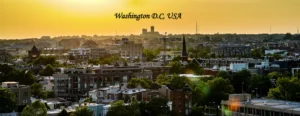
Washington, D.C. in 2026 is one of the best-value international city breaks for Indian travellers — the National Mall, White House, U.S. Capitol, Lincoln Memorial, and most Smithsonian museums are free to enter, monuments are open year-round, and the city is easy to cover on foot and Metro in 4–5 days, or comfortably in a relaxed 10-day trip that also works for business travellers combining meetings with sightseeing. The best time to visit is late March to mid-April for the cherry blossoms at the Tidal Basin, though the monuments and museums are equally stunning in autumn (September–October) with cooler weather and smaller crowds.
This complete 2026 guide covers the history of D.C.’s top attractions, a detailed 10-day itinerary, official ticket-booking links, local transport, family-with-infant tips, tour operators, and hotel recommendations — everything an Indian tourist or business traveller needs to plan a trip to the U.S. capital.
To book your accomadation, click here. To Book Local Travel, click here. To book your Travel insurance here
Traveling Overseas: Click here to buy an eSIM. For more info on eSIM, click here
Table of Contents
History of Washington D.C.’s Tourist Places
Washington, D.C. was purpose-built as the United States capital, chosen by President George Washington in 1790 along the Potomac River. French-born engineer Pierre L’Enfant designed the city’s grand avenues, circles, and the open green corridor that became the National Mall — envisioned from the start as the ceremonial heart of the nation. The U.S. Capitol (cornerstone laid 1793) and the White House (completed 1800) are the two oldest federal buildings and have housed Congress and every U.S. president since John Adams.
The Washington Monument, honouring the first president, was completed in 1884 after a 36-year construction gap and was the tallest structure in the world at the time. The Lincoln Memorial (1922) and later memorials to WWII, Korea, and Vietnam turned the Mall into a living timeline of American history. The famous cherry blossom trees around the Tidal Basin were a 1912 gift from the Mayor of Tokyo to Washington, D.C. as a symbol of friendship, and today form the centrepiece of the National Cherry Blossom Festival every spring. The Smithsonian Institution, founded in 1846 from a British scientist’s bequest, grew into the world’s largest museum and research complex, most of it clustered right along the Mall.
Top Tourist Places in Washington D.C.
1. National Mall
What it is: The National Mall is a 2-mile-long stretch of open parkland running between the U.S. Capitol and the Lincoln Memorial. It is the ceremonial and geographic heart of Washington, D.C., home to America’s most important monuments, memorials, and Smithsonian museums — all within walking distance of each other.
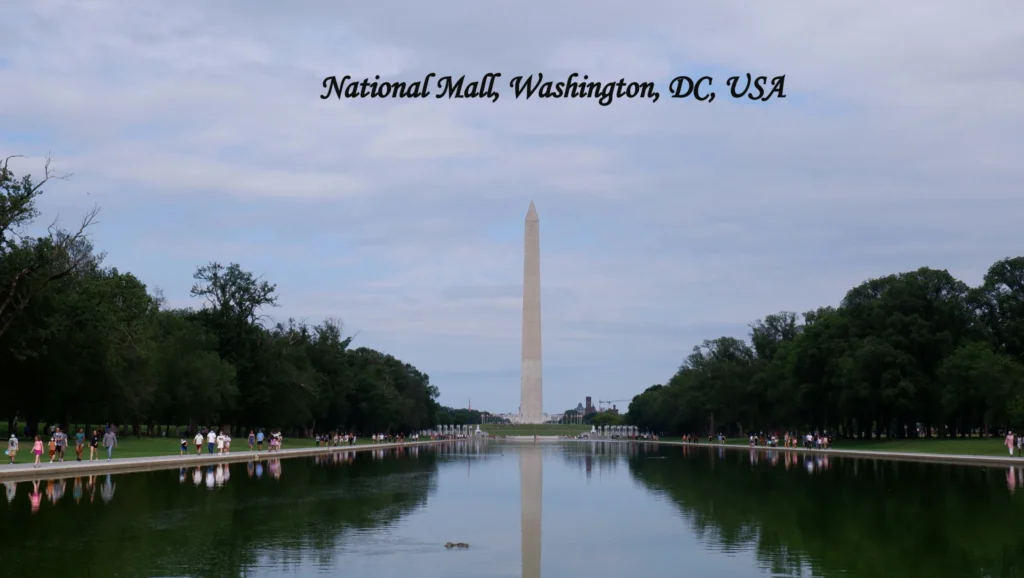
What to see: The Reflecting Pool, WWII Memorial, Korean War Veterans Memorial, Vietnam Veterans Memorial, Washington Monument, and the museum buildings lining both sides of the Mall.
- Entry fee: Free, no tickets needed for the Mall itself
- Timings: Open 24 hours; monuments best seen early morning or evening
- Nearest Metro: Smithsonian or Federal Triangle station
- Best time to visit: Spring (cherry blossoms) or autumn for pleasant walking weather
Official info: nps.gov/nama
2. White House
What it is: The White House has been the official residence and workplace of every U.S. president since John Adams in 1800. It houses the Oval Office, the presidential family’s living quarters, and historic state rooms, and remains the most recognisable symbol of the American presidency.
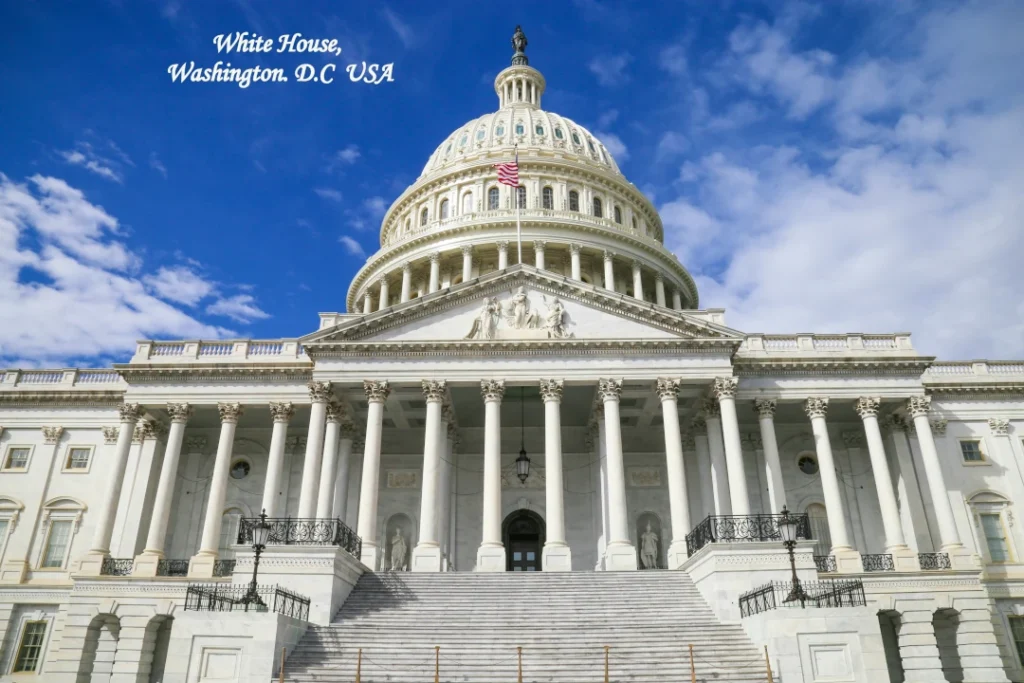
What to see: The North and South Lawn views from Pennsylvania Avenue and the Ellipse, the White House Visitor Center’s exhibits on presidential history, and (with an approved tour) the East Wing’s public state rooms.
- Entry fee: Free, but interior tours require advance approval
- Timings: Visitor Center open daily 7:30 am–4 pm; interior tours limited to specific morning slots, Tue–Sat
- Nearest Metro: McPherson Square or Federal Triangle station
- Booking note: Foreign nationals, including Indian travellers, must request a tour through their embassy — not directly
Official info: whitehouse.gov/participate/tours-and-events
3. Lincoln Memorial
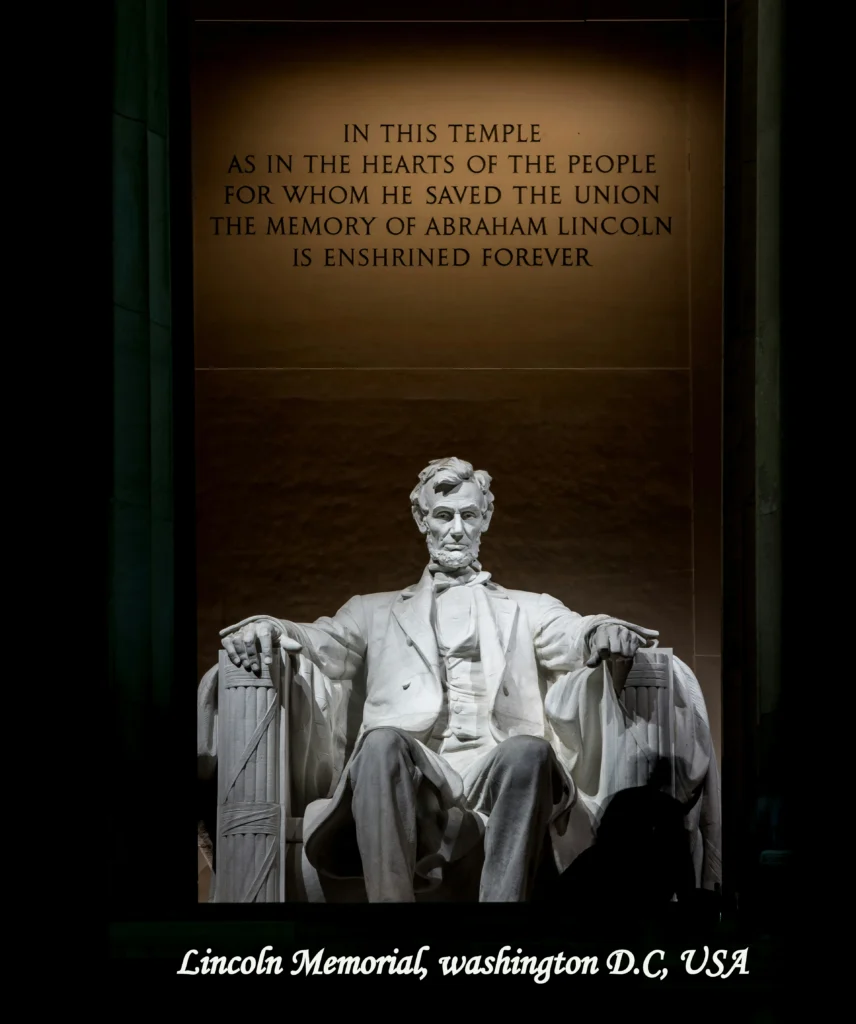
What it is: Completed in 1922, the Lincoln Memorial honours President Abraham Lincoln with a 19-foot seated marble statue inside a Greek temple-style structure. It has also been the backdrop for major historic moments, including Martin Luther King Jr.’s “I Have a Dream” speech in 1963.
What to see: The statue itself, the inscribed Gettysburg Address and Second Inaugural Address on the interior walls, and the sweeping view down the Reflecting Pool toward the Washington Monument and Capitol.
- Entry fee: Free, open 24 hours
- Nearest Metro: Foggy Bottom station (about a 20-minute walk) or DC Circulator bus
- Best time to visit: Sunset or after dark, when the memorial is dramatically lit and less crowded
Official info: nps.gov/linc
4. Tidal Basin Cherry Blossoms
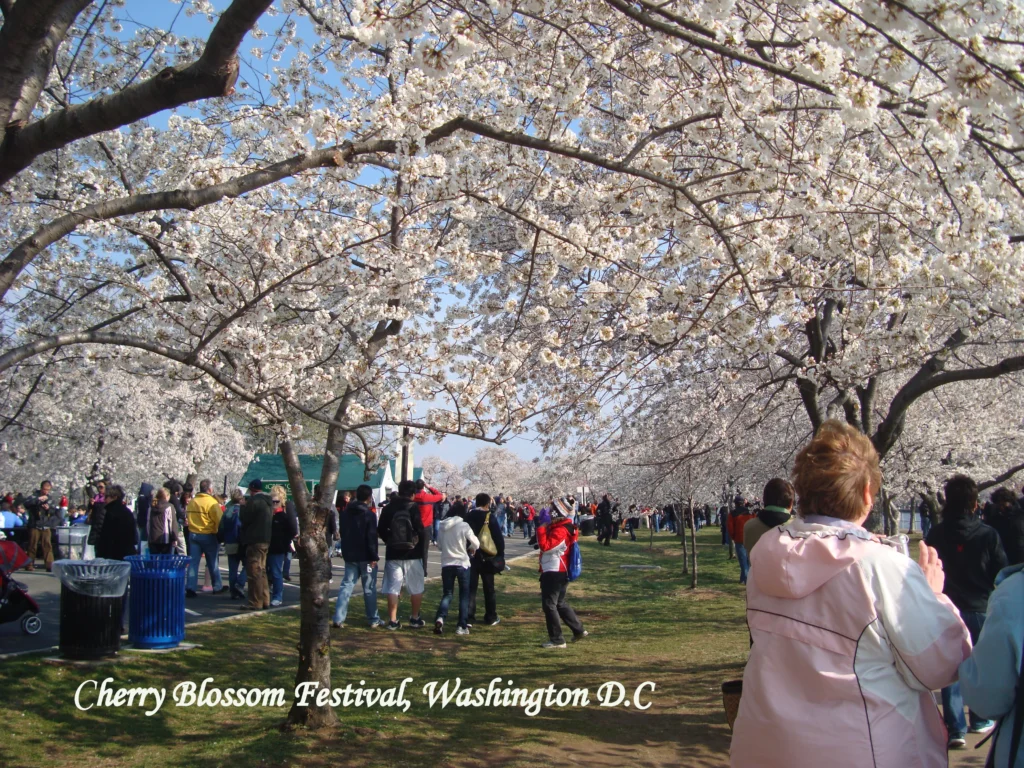
What it is: The Tidal Basin is a man-made reservoir ringed by over 3,700 Japanese cherry trees, gifted to Washington, D.C. by the Mayor of Tokyo in 1912 as a symbol of U.S.–Japan friendship. For two to three weeks each spring, the trees burst into pink and white bloom, framing the Jefferson Memorial in one of the most photographed scenes in the country.
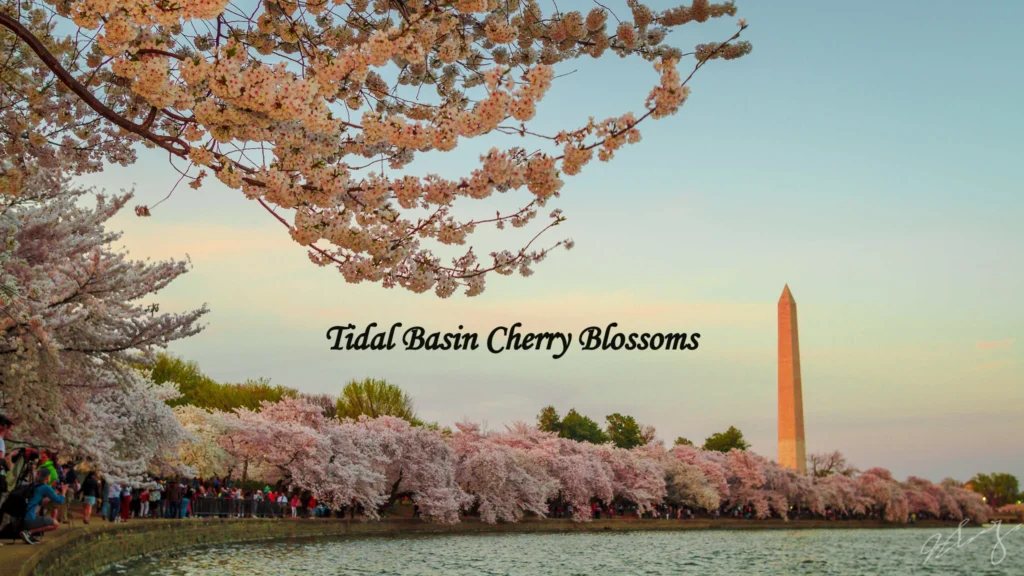
What to see: The blossom-lined walking path around the basin, the Jefferson Memorial, the MLK Jr. Memorial, and paddle boats on the water during bloom season.
- Entry fee: Free to walk the basin; paddle boat rentals are paid
- Peak bloom: Typically late March to early April, but dates vary yearly — check the official bloom forecast before booking flights
- Nearest Metro: Smithsonian station (about a 15-minute walk)
- Tip: Visit at sunrise during peak bloom week to avoid the heaviest crowds
Official info & bloom forecast: nps.gov/cherryblossom | Festival events: nationalcherryblossomfestival.org
5. Washington Monument
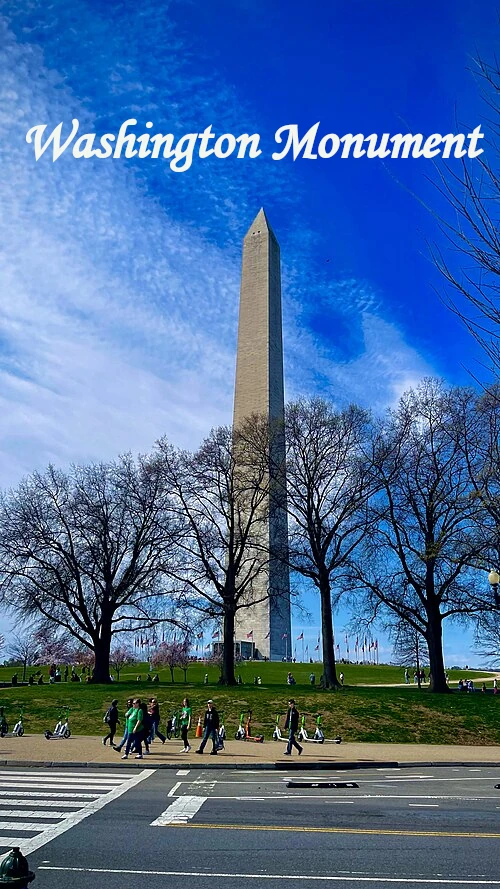
What it is: A 555-foot marble obelisk honouring George Washington, the first U.S. president. Construction began in 1848 and paused for over two decades before completion in 1884; the shift in marble colour partway up the monument still marks that construction gap.
What to see: The 360° observation deck at 500 feet, offering the best panoramic view of the National Mall, the Capitol, the White House, and the Tidal Basin.
- Entry fee: Free, but a timed-entry ticket is mandatory
- Timings: Daily, typically 9 am–5 pm (seasonal variation)
- Nearest Metro: Smithsonian station
- Booking tip: Same-day tickets are limited and release early morning online — book 1–2 months ahead in peak season to guarantee a slot
Official tickets: nps.gov/wamo/tickets (via Recreation.gov)
6. U.S. Capitol
The historic home of the U.S. Congress since 1800, with a stunning Rotunda, National Statuary Hall, and free guided tours. Same-day walk-up tickets are limited, so book the free timed-entry pass online in advance — especially useful for business travellers with tight schedules.
Official tickets: visitthecapitol.gov
7. East Potomac Park
A quieter, less-crowded alternative to the Tidal Basin for cherry blossoms, with a scenic riverside loop, golf course, and picnic spots — ideal for families and anyone wanting the blossom experience without the tourist crush.
Official info: nps.gov/nama/east-potomac-park
8. Smithsonian Museums
The world’s largest museum complex — 17 Smithsonian museums and galleries in D.C. alone, including Air & Space, Natural History, American History, and the National Gallery of Art — every one of them free to enter, no ticket required for most (Air & Space now uses timed-entry passes).
Official info & timed passes: si.edu/museums
10-Day Washington D.C. Itinerary (2026)
| Day | Plan |
|---|---|
| Day 1 | Arrive at Dulles (IAD) or Reagan National (DCA), hotel check-in, evening walk around the Lincoln Memorial & Reflecting Pool (lit up beautifully at night). |
| Day 2 | National Mall monuments: WWII Memorial, Korean War Veterans Memorial, Vietnam Veterans Memorial, and the Washington Monument (timed ticket). |
| Day 3 | White House exterior & Visitor Center, National Museum of American History, National Museum of Natural History. |
| Day 4 | U.S. Capitol guided tour, Library of Congress, Supreme Court building. |
| Day 5 | National Air & Space Museum and National Gallery of Art (East & West buildings). |
| Day 6 | Tidal Basin, Jefferson Memorial, cherry blossoms (in season) or East Potomac Park; paddle boating on the Tidal Basin. |
| Day 7 | Arlington National Cemetery & Changing of the Guard, then Georgetown for shopping, waterfront dining, and Georgetown University campus walk. |
| Day 8 | Day trip to Mount Vernon (George Washington’s estate) — or, for business travellers, meetings/conference day near Downtown/K Street. |
| Day 9 | Smithsonian National Zoo, International Spy Museum, or a free afternoon for business networking / shopping at CityCenterDC. |
| Day 10 | Souvenir shopping at Union Station, wrap-up, departure. |
Travel Guidelines & Tips for Indian Travellers
- Indian citizens need a valid B1 (business) or B2 (tourist) visa — the U.S. is not part of the Visa Waiver Program for India. Book your visa interview well ahead via the official portal: ustraveldocs.com/in.
- Book monument and museum timed-entry passes 1–3 months ahead in peak season (cherry blossom weeks and summer) — many are free but still require a reserved slot.
- D.C. weather swings widely: pack layers for spring (10–20°C), light cottons for humid summer, and a warm jacket for winter (can drop below 0°C).
- Carry a physical or digital copy of your passport, visa, and hotel booking at all times — security checks are common at federal buildings and require photo ID.
- Vegetarian and Indian food is easy to find in D.C. (especially near Dupont Circle, Herndon, and the DC-VA-MD “DMV” suburbs).
- Business travellers should carry a letter of invitation from the host company for visa purposes and keep buffer days for possible weather/flight delays.
- Check official U.S. government travel health guidance before you go: CDC Travel – United States.
Checklist for Families Travelling with Infants
- Carry the baby’s international vaccination record and a doctor’s note for any medication (needed at U.S. immigration if questioned).
- Pack a lightweight, foldable stroller — the Mall and museum floors are stroller-friendly, but Metro escalators can be tricky, so choose one that folds fast.
- Most Smithsonian museums have free baby-changing rooms and nursing areas; check the specific museum’s accessibility page on si.edu before visiting.
- Carry sufficient formula/baby food — TSA allows baby food, formula, and breast milk in reasonable quantities beyond the standard liquid limit; declare it at security.
- Book hotels with a mini-fridge/microwave for warming bottles and stock baby essentials on arrival at a nearby CVS or Target.
- Plan lighter days (2–3 attractions max) with rest breaks; avoid back-to-back timed-entry tickets with infants.
Types of Tickets & Tour Plans
- Free timed-entry passes: Required for Washington Monument, U.S. Capitol, White House, and Air & Space Museum — book via recreation.gov or each site’s official page.
- Hop-on hop-off bus passes: Cover 15–20 stops across the Mall, Georgetown, and Arlington in one day; good for first-time visitors and business travellers short on time.
- Guided walking tours: 2–3 hour themed tours (monuments-by-night, Capitol Hill history, Smithsonian highlights) with a licensed local guide.
- Day-trip tour packages: Combined tickets to Mount Vernon, Arlington Cemetery, and the Tidal Basin, usually including round-trip transport from Downtown D.C. hotels.
- City passes/bundles: Multi-attraction discount passes (paid attractions like the Spy Museum, Newseum-successor exhibits, and boat cruises) can be worth it if visiting 4+ paid sites.
Local Transport in Washington D.C.
D.C.’s Metrorail and Metrobus network (WMATA) is the cheapest and most reliable way to get around — most Mall attractions are within a 10–15 minute walk of a Metro station (Smithsonian, Federal Triangle, Capitol South). Buy a rechargeable SmarTrip card at any station or via the app. Taxis, Uber/Lyft, and the Circulator bus (flat low fare) are good backups, and the whole National Mall area is very walkable in good weather. Renting a car is not recommended for the Mall/Downtown area due to limited and expensive parking.
Official transit info: wmata.com
Recommended Tour Operators
1. Big Bus Tours Washington D.C.
A well-known hop-on hop-off open-top bus tour covering the National Mall, Georgetown, Arlington Cemetery, and the Wharf, with live and audio commentary in multiple languages. Good for first-time visitors wanting an easy overview before exploring on foot.
Official site: bigbustours.com/washington-dc
2. Old Town Trolley Tours D.C.
A classic trolley-style hop-on hop-off tour with themed options including a Monuments-by-Moonlight night tour — popular with families and business travellers wanting an evening sightseeing option after work hours.
Official site: trolleytours.com/washington-dc
Preferred Hotels for Accommodation
1. The Willard InterContinental Washington
A historic, five-star hotel two blocks from the White House — ideal for business travellers needing proximity to government offices, K Street, and downtown conference venues, with full business centre facilities.
Official site: Willard InterContinental (IHG)
2. Hyatt Place Washington DC/National Mall
A comfortable mid-range option a short walk from the National Mall and Smithsonian museums — good for families, with free breakfast and easy Metro access, at a more moderate price point than downtown luxury hotels.
Official site: Hyatt Place Washington DC/National Mall
Frequently Asked Questions
1. Do Indian citizens need a visa to visit Washington D.C.?
Yes. India is not part of the U.S. Visa Waiver Program, so you need a valid B1 (business) or B2 (tourist) visa before travelling. Apply through the official portal at ustraveldocs.com/in well in advance, as interview slots can take weeks to months.
2. What is the best time of year to visit Washington D.C.?
Late March to mid-April for cherry blossom season, and September–October for pleasant autumn weather and thinner crowds. Summer (June–August) is hot and humid but has the longest museum hours; winter is cold but least crowded.
3. Are the Smithsonian museums really free?
Yes, entry to almost all Smithsonian museums in D.C. is free. Some popular ones, like the National Air and Space Museum, now require a free timed-entry pass booked in advance via si.edu.
4. How many days are enough to see Washington D.C.?
4–5 days covers the major monuments and top museums comfortably. A 10-day trip (as in this guide) allows day trips to Mount Vernon and Arlington, a relaxed pace with families or infants, and free time for business meetings.
5. Can foreign tourists tour the White House?
Yes, but foreign nationals must request a tour through their embassy in Washington, D.C. rather than directly. Indian travellers should contact the U.S. Embassy/Consulate in India or check current guidance at whitehouse.gov.
6. What is the best way to get around Washington D.C.?
The Metrorail and Metrobus network (WMATA) is cheapest and most reliable — buy a SmarTrip card and most Mall attractions are a short walk from a station. The Mall area itself is very walkable; a car is not needed and parking is limited/expensive.
7. Is Washington D.C. suitable for business travellers combining work and sightseeing?
Yes — D.C.’s downtown business district, K Street, and major conference hotels are within walking distance or a short Metro ride from the National Mall, making it easy to fit in sightseeing before or after meetings, or on a free weekend day.
8. Which airport should I fly into for Washington D.C.?
Washington Dulles International (IAD) handles most direct long-haul international flights and is about 40 minutes from downtown; Ronald Reagan National (DCA) is closer to the city (across the Potomac) but mainly serves domestic and some Canadian/Caribbean routes. Check flydulles.com and flyreagan.com for details.
Official & Authentic Links
- National Park Service (National Mall & Memorial Parks): nps.gov/nama
- U.S. Capitol Visitor Center (free tour tickets): visitthecapitol.gov
- White House Tours & Events: whitehouse.gov/participate/tours-and-events
- Smithsonian Institution Museums: si.edu/museums
- National Cherry Blossom Festival: nationalcherryblossomfestival.org
- Washington Metro (WMATA – transit info & fares): wmata.com
- Official Destination DC Tourism Board: washington.org
- Timed-entry ticket booking (Recreation.gov): recreation.gov
- U.S. Visa Appointments for India (official): ustraveldocs.com/in
- U.S. Embassy & Consulates in India: in.usembassy.gov
- Transportation Security Administration (TSA, security rules): tsa.gov
- Washington Dulles International Airport: flydulles.com
- Ronald Reagan Washington National Airport: flyreagan.com
- CDC Travel Health Guidance – United States: wwwnc.cdc.gov/travel
Visit our related Travel Blogs
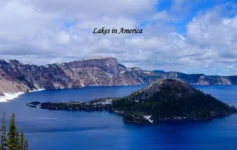
America Best Lakes: 5 Stunning Lakes Must Visit in 2026
Best Cities to Visit in America: Top 10 Places for 2026
Chandelier Drive-Thru Tree: 10 Amazing Travel Tips
✨ Final Thoughts
Washington, D.C. is that rare capital city where history, government, and everyday travel joy sit side by side — you can stand where Lincoln’s words are carved into marble in the morning, watch cherry blossoms drift across the Tidal Basin by noon, and be back in a business meeting downtown by evening. For Indian travellers, it remains one of the most rewarding U.S. destinations: most of its biggest attractions are completely free, the Metro makes it easy to get around without a car, and a well-planned 2026 trip — whether a quick 5-day sightseeing dash or a relaxed 10-day family and business itinerary — delivers an outsized experience for the effort.
Start with your visa appointment early, lock in your timed-entry passes for the Washington Monument and Capitol, and build your days around the National Mall as your anchor. Do that, and Washington, D.C. in 2026 will feel less like a checklist of monuments and more like walking through the living story of a nation — one that’s still very much being written.
Planning your trip? Bookmark this guide and check the official links above closer to your travel dates, as ticket policies and opening hours can change.



Leave a Reply