This guide contains affiliate links. We may earn a commission at no extra cost to you — see our Affiliate Disclosure and Affiliate Disclosure Policy for details.
⚡ Quick Take: First-time visitors to India can travel safely and confidently by following eight essentials covering seasonal timing, transport, water safety, and cultural etiquette, best planned for October–March.
🎯 Key Highlights:
- Best Timing & Water Safety: Visit October–March for comfortable touring; tap water is unsafe everywhere, so stick to sealed bottled water at ₹20–30 per litre.
- Transport & Payments: Book IRCTC train tickets 2–4 weeks ahead for popular routes, and carry both UPI apps (Google Pay, PhonePe) and small cash notes since rural vendors often lack change.
- Insider Tip: Choose busy, packed restaurants for safer food, and ease into spicier dishes gradually — start with milder options like dal tadka or idli-sambar before trying street food.
India packs ancient temples, snow-capped mountains, golden beaches, and buzzing street markets into one single country. If you are planning your first trip here, the sheer scale can feel overwhelming — but a little preparation makes all the difference. Follow these eight practical travel tips and you will explore India with confidence, comfort, and genuine joy.
India travel tips are practical, experience-backed guidelines that help first-time visitors handle safety, transport, food, culture, and weather — so they spend less time troubleshooting and more time exploring.
To book your stay, click here. To Book Local Travel, click here. To book your travel insurance here or here
Traveling Overseas Click here to buy a eSIM. For more info Click here
Table of Contents
Quick India Travel Tips at a Glance
- Time your visit around India’s seasons.
- Book verified, trusted transport options.
- Dress modestly and wear breathable fabrics.
- Drink only bottled or filtered water.
- Keep both digital and printed copies of your documents.
- Sample local food cautiously and progressively.
- Respect local customs and religious traditions.
- Carry a mix of cash and a UPI-enabled payment app.
1. Time Your Visit Around India’s Seasons
India’s climate varies dramatically across its regions, so your travel dates matter enormously. The northwest plains bake under 45 °C summers, while Kerala’s coast receives heavy monsoon rains from June to September. The hill stations of Himachal Pradesh and Uttarakhand stay pleasantly cool when the plains swelter.
For most first-time visitors, October through March offers the most comfortable travel window — clear skies, manageable temperatures, and access to the majority of heritage sites and national parks. If you want to catch the monsoon greenery in Rajasthan or the famous backwaters of Kerala, July to September suits those regions well despite occasional delays.
Check region-specific seasonal forecasts on the India Meteorological Department before you finalise your dates.
2. Book Verified, Trusted Transport
India’s transport network is vast, affordable, and — once you know how to navigate it — genuinely impressive. App-based taxi services like Ola and Uber operate reliably in all major cities and display fixed fares upfront, which removes the guesswork that comes with negotiating auto-rickshaw rides as a newcomer.
For long distances, Indian Railways connects almost every corner of the country at low cost. Book your train tickets well in advance through the official IRCTC website — popular routes fill up weeks ahead. The Rajdhani and Shatabdi express trains offer air-conditioned comfort on major corridors.
Avoid unlicensed taxis waiting outside airports and railway stations, particularly late at night. Stick to prepaid taxi counters inside terminals or use your ride-hailing app.
3. Dress Modestly and Wear Breathable Fabrics
Comfort and cultural respect go hand in hand when you dress for India. Lightweight cotton or linen clothes keep you cool in the heat while also meeting the modest dress codes at temples, mosques, and rural areas. Most religious sites require you to cover your shoulders and knees — carry a light scarf or stole in your day bag to slip on quickly.
Metropolitan cities like Mumbai, Delhi, and Bangalore follow relaxed dress norms similar to other major global cities. However, when you visit smaller towns or sacred spaces, modest clothing earns you respect from locals and smooths your entry into many sites.
Pack a comfortable pair of slip-on shoes as well — you remove your footwear at the entrance of nearly every temple and mosque.
4. Drink Only Bottled or Filtered Water
Tap water across most of India is not safe for travellers to drink directly. Even locals in many cities boil or filter their water before consuming it. Stick to sealed bottled water, which you can buy at virtually every corner shop, petrol station, and railway platform for around ₹20–₹30 per litre.
Carry a reusable bottle with a built-in filter if you want to reduce plastic waste — brands like LifeStraw and GRAYL work well in India. Avoid ice in drinks at roadside stalls, and order beverages without ice at local tea shops unless you know the vendor uses filtered water.
The Ministry of Health and Family Welfare publishes travel health advisories that cover water safety and common illnesses for tourists visiting India.
5. Keep Digital and Physical Copies of Your Documents
Indian hotels, domestic airlines, and many tourist attractions ask for government-issued ID at check-in or entry. Store scanned copies of your passport, visa, travel insurance, and vaccination certificate in a cloud service such as Google Drive so you can access them from any device.
Also keep one set of printed backups in a separate bag from your originals. If you lose your passport, you can report it immediately at your country’s embassy — find contact details for all diplomatic missions in India through the Ministry of External Affairs.
Register your trip with your home country’s foreign travel advisory service before you depart. UK travellers can use the FCDO India travel advice page and US travellers can enrol via the Smart Traveler Enrollment Program (STEP).
6. Sample Local Food Cautiously and Progressively
Indian cuisine is one of the richest and most diverse culinary traditions in the world — and eating your way through it is one of the great pleasures of any trip. Start with milder dishes such as dal tadka, jeera rice, idli-sambar, or paneer butter masala to let your stomach adjust before you dive into spicier curries.
Choose busy restaurants where food turns over quickly and kitchens stay active. A packed dining room full of locals is almost always a reliable indicator of fresh, safe food. Street food is a wonderful cultural experience, but ease into it — choose stalls that cook food in front of you on high heat, and avoid pre-cut fruit or salads at roadside carts.
Carry oral rehydration salts (ORS) and basic stomach medication in your travel kit. The Food Safety and Standards Authority of India (FSSAI) licenses and regulates food businesses — look for the FSSAI licence number displayed at restaurants as a basic quality marker.
7. Respect Local Customs and Religious Traditions
India is home to Hinduism, Islam, Sikhism, Buddhism, Jainism, Christianity, and many more faiths — often living side by side in the same street. Each community has its own etiquette, and a little awareness goes a long way.
Remove your footwear before entering any place of worship. In Sikh gurdwaras, cover your head with a scarf or use one of the cloths provided at the entrance. In mosques, dress conservatively and visit outside prayer times unless you receive an invitation. At Hindu temples, walk clockwise around the main shrine and avoid pointing your feet toward idols or sacred objects.
Ask permission before photographing people, especially women and religious ceremonies. Many locals are happy to oblige and a brief exchange often turns into a warm, memorable conversation.
The Incredible India portal from the Ministry of Tourism provides cultural guides and destination-specific etiquette tips for international visitors.
8. Carry a Mix of Cash and a Digital Payment App
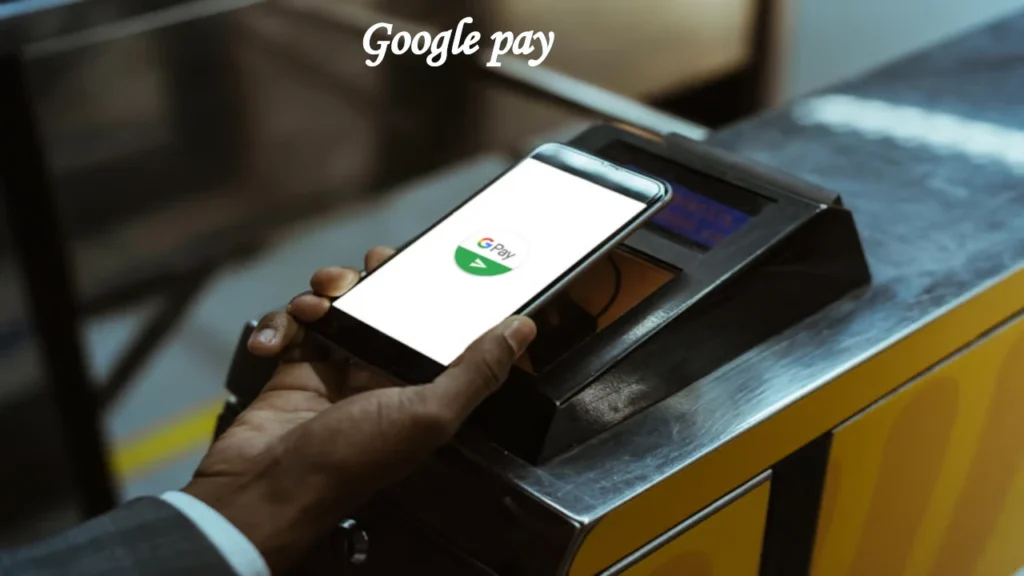
India has embraced digital payments at extraordinary speed. The Unified Payments Interface (UPI) lets you pay with a QR code scan at restaurants, petrol stations, grocery stores, and even many street vendors in cities. Apps like Google Pay, PhonePe, and Paytm run on UPI and work seamlessly once linked to an Indian bank account or international card.
That said, rural areas, small temples, and local auto-rickshaw drivers still prefer cash. Carry small denominations — ₹10, ₹20, and ₹50 notes — because getting change for a ₹500 note at a roadside tea stall can be genuinely difficult.
Withdraw cash from ATMs inside bank branches or shopping malls rather than standalone street ATMs, which occasionally experience card-skimming issues. Check the Reserve Bank of India website for the latest guidelines on ATM usage and foreign card transactions in India.
Compared to many popular tourist destinations, India demands slightly more preparation from first-time visitors — but that preparation pays back with richer cultural depth, extraordinary value for money, and experiences you simply cannot find anywhere else on the planet.
Explore More India Travel Guides
- 8 Wild and Jungle Locations in India for Tourists
- 8 Best Places to Explore in India for Every Type of Traveller
- Family Trip to Goa: A Relaxed and Complete Travel Plan
- 6 Best Family-Friendly Beaches to Visit in Goa
Book Your Hotel Stay in Agra
Frequently Asked Questions
1. Is India safe for first-time travellers?
Yes — millions of international tourists visit India safely every year. Use verified transport, stay in licensed accommodations, keep your documents secure, and stay aware of your surroundings in crowded areas. The Ministry of Home Affairs maintains updated public safety information for travellers.
2. What is the best time to visit India?
October to March suits most regions for comfortable sightseeing. Hill stations like Shimla, Manali, and Darjeeling remain pleasant during summer (April–June) when the plains get very hot. Monsoon season (June–September) transforms Kerala and Rajasthan into lush, green landscapes if you enjoy that climate.
3. Can tourists drink tap water in India?
No — tap water is not safe to drink directly in most parts of India. Always choose sealed bottled water or use a personal water filter. Many hotel rooms provide complimentary bottled water; refill from there rather than the bathroom tap.
4. How do tourists buy train tickets in India?
Book train tickets through the official IRCTC website or app. International tourists can use a foreign credit card on the platform. Book at least two to four weeks in advance for popular routes and peak travel seasons.
5. Do Indian airports serve international travellers well?
Yes — airports in Delhi (IGI), Mumbai (CSIA), Bengaluru (KIA), and Chennai (MAA) all offer modern international terminals with immigration, currency exchange, SIM card counters, and prepaid taxi services. Check terminal-specific facilities on the Airports Authority of India website.
6. What clothes work best when travelling in India?
Pack lightweight cotton or linen tops, loose trousers or long skirts, comfortable walking shoes, and a light scarf for temple visits. A compact rain jacket or poncho serves you well if you travel between June and September.
7. Do I need travel insurance for India?
Travel insurance is strongly advisable. Medical costs for hospitalisation can accumulate quickly, and insurance also covers trip cancellations, lost luggage, and emergency evacuation. Compare policies that specifically include India coverage and check the fine print on adventure activities if you plan trekking or water sports.
Final Thoughts
India rewards every traveller who arrives prepared and open-minded. Start with these eight tips, plan your route around the season, eat progressively, respect the culture around you, and you will find that India gives back far more than you bring to it. Whether you stand before the Taj Mahal at sunrise, ride a houseboat through Kerala’s backwaters, or share chai with a stranger at a railway platform — the memories you make here stay with you for life.
Ready to start planning? Visit the official Incredible India tourism portal for destination guides, visa information, and curated itinerary ideas from the Government of India.
Visit our other Blogs
Top Indian Travel Destinations : Himalayas to Heritage (2026)



This is a very useful guide for international visitors planning their first trip to India. I particularly liked that it covers the practical side of travelling, such as visa requirements, choosing the right season, health and safety, connectivity, and understanding local customs, rather than focusing only on sightseeing. The section on destinations such as Delhi, Agra, Mumbai, Goa, Kerala, and Varanasi also gives first-time visitors a good idea of the variety India offers. The reminder to allow time for local experiences and cuisine is especially valuable. A well-rounded guide for anyone looking to plan their first Indian holiday with fewer surprises.
Thank you for your comment. Are you a traveller? will you be interested in sharing your experience in rydetravel.com ?