This guide contains affiliate links. We may earn a commission at no extra cost to you — see our Affiliate Disclosure and Affiliate Disclosure Policy for details.
⚡ Quick Take: India offers eight standout destinations — from Jaipur’s pink heritage to Ladakh’s high-altitude adventure and the Andamans’ tropical waters — each rewarding a different travel style, mostly best visited October to March.
🎯 Key Highlights:
- Trip Duration Guide: Budget 2–3 days for Jaipur or Munnar, 4–5 days for Goa, 6–7 days minimum for Ladakh (including acclimatization), and 6–8 days for the Andamans.
- Seasonal Split: Most destinations peak October–March, but Ladakh only opens June–September, while Coorg and Munnar’s hill stations stay accessible year-round.
- Insider Tip: In Ladakh, skip sightseeing for the first two days to properly acclimatize to 3,500m altitude — skipping this step is the leading cause of ruined trips.
India does not offer just one kind of travel—it gives you an entire world within one country. I’ve had the chance to explore India with my family on multiple vacations, and every trip has been a completely different experience. From the snow-covered mountains of Ladakh to the spiritual backstreets of Varanasi, from the peaceful tea gardens of Munnar to the crystal-clear waters of the Andaman Islands—each destination gave us unforgettable memories.
What made these journeys special wasn’t just the places, but the moments we shared as a family—long road trips, trying local food, unexpected adventures, and pure enjoyment that turned simple trips into lifelong memories. Some experiences were peaceful and relaxing, while others were exciting and pushed us beyond our comfort zone. That mix of enjoyment and extreme experiences is what makes traveling across India truly unique.
Even after visiting many places, we still discover something new every time we travel. India keeps surprising you.
In this guide, I’m sharing eight destinations that genuinely deserve your time—based on real experiences—along with honest travel tips and the best seasons to visit each one.
o book your stay, click here. To Book Local Travel, click here. To book your travel insurance here or here
Traveling Overseas Click here to buy a eSIM. For more info Click here
Table of Contents
1. Jaipur, Rajasthan — The Pink City Lives Up to Its Reputation
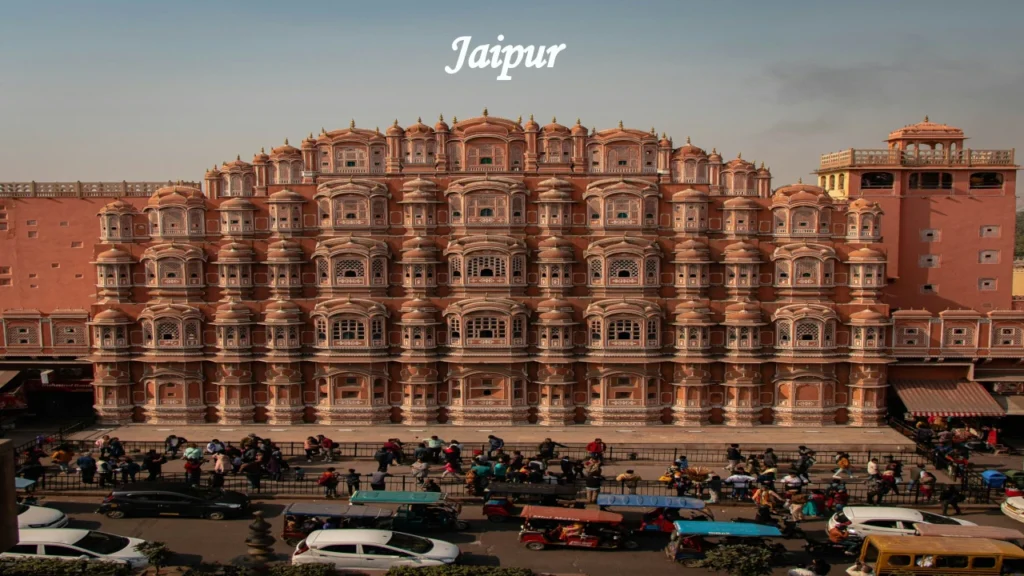
Step into Jaipur and you walk straight into a living history lesson. The city earns its nickname honestly — builders used pink-tinted sandstone across the old quarter to welcome a visiting prince in 1876, and the tradition stuck. Today, the Amber Fort alone justifies the trip. Arrive before 9 am, climb the ramparts, and watch the morning light turn the surrounding hills gold. The Rajasthan Tourism official website provides entry tickets, timings, and audio guide options that make exploration significantly richer.
Beyond the forts, Jaipur rewards curious walkers. The Johari Bazaar sells handcrafted jewellery that independent artisans have made for generations. The City Palace still houses the royal family on its upper floors — a detail most tourists miss. Budget travellers find excellent guesthouses in the old city for under ₹1,500 per night, while heritage hotels like Samode Haveli offer mid-range luxury with Mughal courtyard gardens.
- Best time to visit: October to March — temperatures stay between 10°C and 25°C, ideal for walking tours
- Nearest airport: Jaipur International Airport (JAI) — 13 km from city centre
- Nearest railway station: Jaipur Junction — well connected to Delhi (4.5 hrs) and Mumbai (18 hrs)
- Don’t miss: The Jantar Mantar observatory at dusk, when tourist crowds thin out
2. Goa — More Than Beaches, Though the Beaches Are Brilliant
Most people picture Goa as one long party beach. That version exists in North Goa — and it serves its purpose. But South Goa tells a different story. Palolem Beach curves like a crescent moon and stays quiet enough to hear the waves. Agonda attracts olive ridley turtles during nesting season (October to February). Inland, Portuguese-era churches and spice plantations in Ponda offer a completely different pace. Goa Tourism maintains updated itineraries for heritage routes that most beach-focused travellers overlook.
Book Your Tour package in Goa
Food alone makes Goa worth visiting. A plate of Goan fish curry rice at a local family restaurant (called a “casa”) costs around ₹150 and beats anything served at overpriced shacks near Baga. The combination of Portuguese, Konkani, and coastal influences creates a cuisine unlike anywhere else in India.
- Best time to visit: November to February for beach weather; June to September for green landscapes, fewer crowds, and lower prices
- Nearest airports: Manohar International Airport (GOX) or Dabolim Airport (GOI)
- Nearest railway stations: Madgaon (South Goa) and Thivim (North Goa)
- Local tip: Rent a scooter for ₹300–400 per day — it beats taxi apps entirely for exploring villages
3. Munnar, Kerala — Where Tea Gardens Meet the Clouds
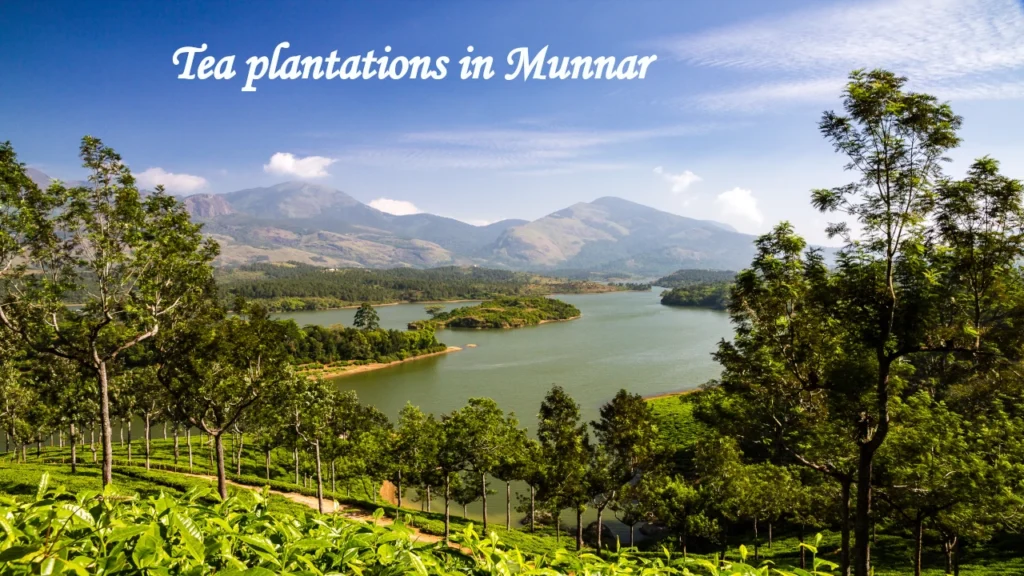
The drive into Munnar from Cochin takes about four hours, and the last two hours snake through tea estate after tea estate, rising steadily into cool air that smells of eucalyptus and rain. Eravikulam National Park protects the endangered Nilgiri tahr — a stocky mountain goat you spot grazing calmly beside the road, utterly unbothered by tourists. The park closes for a few months during lambing season (January to March), so check the Kerala Tourism website before planning your dates.
Book your Air Ticket
Most visitors stay one or two nights, but Munnar genuinely rewards three. The Top Station viewpoint on the Tamil Nadu border offers one of the broadest panoramas in South India — arrive before 7 am to catch the valley below filled with mist. Homestays run by tea estate families provide an immersive experience that standard hotels cannot match, often including home-cooked Kerala meals.
- Best time to visit: September to March — post-monsoon greenery peaks in September, while December through February brings cool, clear days
- Nearest airport: Cochin International Airport (COK) — 110 km away
- Nearest railway station: Aluva — 85 km, then taxi or bus to Munnar
- Pack: A light jacket even in October — evenings drop to 10°C and fog rolls in fast
4. Varanasi, Uttar Pradesh — India’s Spiritual Core, Unfiltered
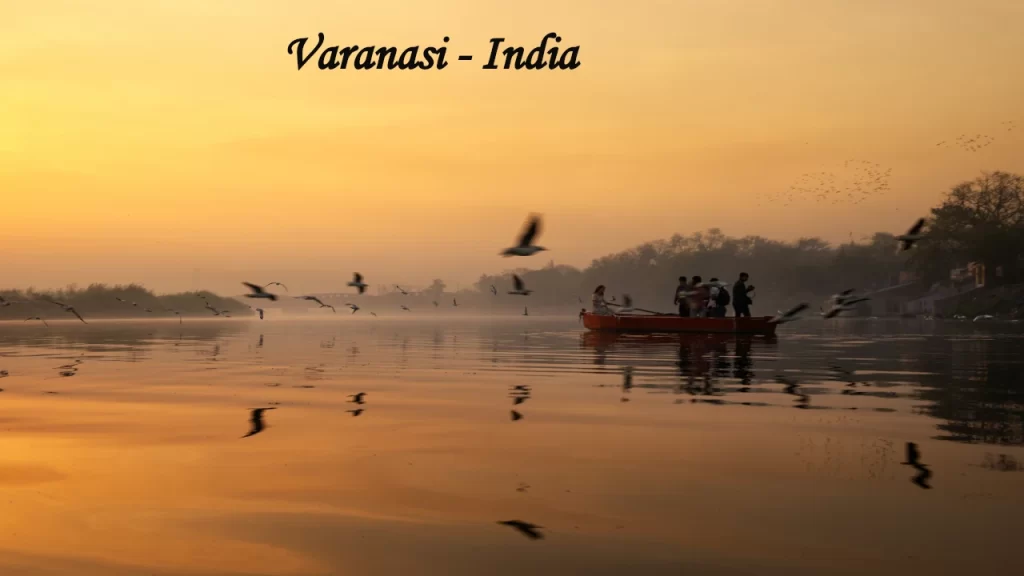
Varanasi challenges you from the moment you leave the airport. The traffic moves in ways that defy logic. The narrow lanes of the old city carry pilgrims, cows, flower vendors, and cycle rickshaws in a constant, unhurried flow. And then you reach the Dashashwamedh Ghat at dusk for the Ganga Aarti — a nightly ceremony involving seven priests, fire lamps, conch shells, and hundreds of devotees — and the city suddenly makes complete sense. UP Tourism lists all the major ghats with their historical significance, which helps first-time visitors navigate the 84 ghats along the riverfront.
Take a boat on the Ganges at dawn. It costs around ₹200–300 for a shared boat and gives you a perspective on the city impossible to get on foot. You see the burning ghats, the laundry ghats, and the bathing ghats all at once — Varanasi presenting its full, unvarnished self without any tourist mediation.
- Best time to visit: October to March — summer temperatures exceed 45°C and make outdoor exploration genuinely difficult
- Nearest airport: Lal Bahadur Shastri International Airport (VNS) — 25 km from the ghats
- Nearest railway station: Varanasi Junction — direct trains from Delhi, Mumbai, and Kolkata
- Important: Dress modestly near temples and ghats, and ask before photographing cremation ceremonies
5. Leh–Ladakh — High-Altitude Adventure That Tests and Rewards You
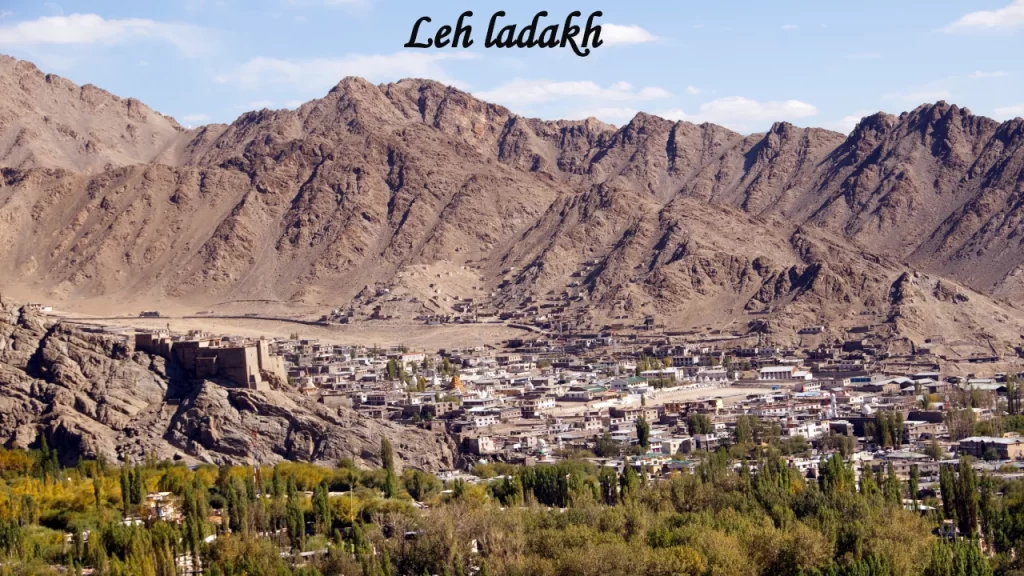
Ladakh sits at an average elevation of 3,500 metres above sea level, and the altitude makes its presence known quickly. Most travellers who fly directly into Leh spend the first two days resting — real rest, not sightseeing rest. This acclimatisation period is not optional; skipping it causes altitude sickness that ruins the rest of the trip. Once your body adjusts, the landscape pays you back generously. The Nubra Valley, reached via the world’s highest motorable road at Khardung La Pass, contains sand dunes where Bactrian camels graze against a backdrop of 6,000-metre peaks. The J&K Tourism Development Corporation manages permits for restricted areas like Pangong Tso and Nubra Valley — arrange these in advance.
Book Your Tour Package in Leh-Ladakh
The Hemis Monastery celebrates its annual festival in June or July with masked dances and traditional music. It draws crowds, but even during the festival the monastery feels meditative. Cyclists who complete the Manali–Leh Highway (472 km, 7–10 days) describe it as among the most demanding and rewarding routes anywhere in the world.
- Best time to visit: June to September — the only window when most mountain roads stay open
- Nearest airport: Kushok Bakula Rimpochee Airport (IXL) — direct flights from Delhi and Mumbai
- Nearest railway station: Jammu Tawi — 700 km away; the Manali–Leh road is the preferred overland approach
- Essential: Carry personal medication, sunscreen SPF 50+, and warm layers even in July
6. Coorg, Karnataka — Coffee Country With Waterfalls and Wildlife
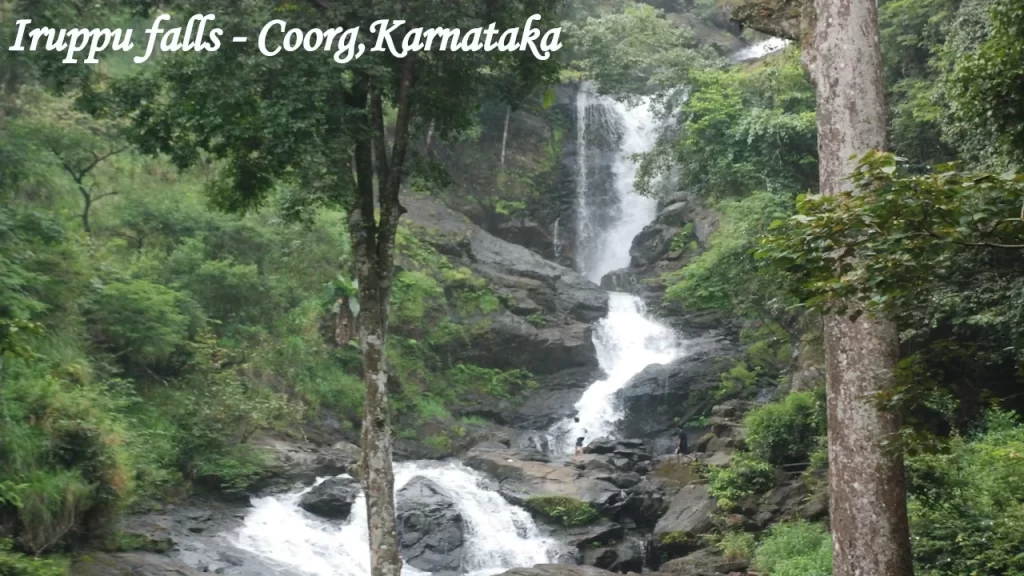
Coorg — officially called Kodagu — produces some of India’s finest coffee, and the district wears this identity proudly. Walking through a working plantation at harvest time (October to February), watching workers pick ripe red berries by hand, and then drinking freshly roasted estate coffee at breakfast ranks among the simple pleasures that make travel worthwhile. Karnataka Tourism lists estate stays and guided plantation tours across the Madikeri and Virajpet regions.
Beyond coffee, the Abbey Falls drop 70 feet through dense forest — at their spectacular best just after the monsoon ends in September. The Nagarhole National Park on Coorg’s eastern border shelters elephants, leopards, and gaurs (Indian bison). An early morning jeep safari starts at approximately ₹1,200 per person and gives you a reasonable chance of spotting elephants at the park’s watering holes.
- Best time to visit: October to March for dry, pleasant weather; July to September for dramatic waterfalls and monsoon greenery
- Nearest airport: Mangalore International Airport (IXE) — 135 km away
- Nearest railway station: Mysuru Junction — 120 km, then taxi or bus to Madikeri
- Local speciality: Try pandi curry (Coorgi pork curry) and kadambuttu (steamed rice dumplings) at a family-run restaurant
7. Rishikesh, Uttarakhand — Yoga, Rafting, and the Green Ganges
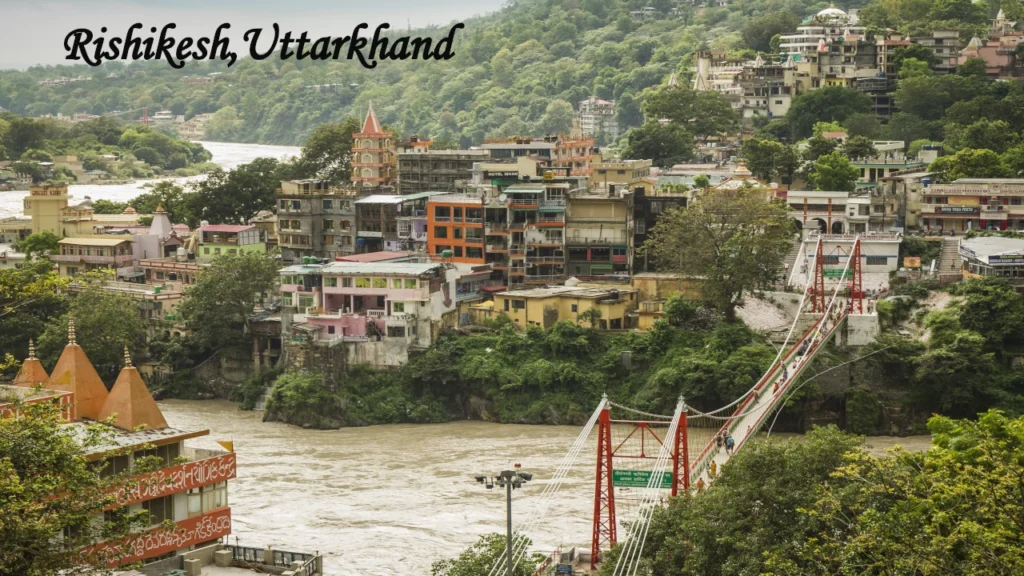
Rishikesh earned its reputation as the yoga capital of the world long before Western travellers discovered it in the 1960s. Today it balances two distinct identities simultaneously — a genuine pilgrimage town where sadhus and ashrams line the riverbank, and an adventure sports hub where young travellers pay ₹600–800 for a 16-kilometre white-water rafting run through Grade III rapids. Both versions coexist without apparent tension. The Uttarakhand Tourism website lists certified yoga retreats, rafting operators, and bungee jumping centres with safety ratings.
The Laxman Jhula suspension bridge and the narrow bazaar below it form the social heart of Rishikesh. Evening Ganga Aarti at Triveni Ghat draws a smaller, quieter crowd than Varanasi’s version — some travellers prefer its intimacy. If you plan a proper yoga retreat, book at least 3–4 weeks in advance for reputable ashrams like Parmarth Niketan during the busy October–November season.
- Best time to visit: February to May and September to November — monsoons (July–August) bring landslide risks on mountain roads
- Nearest airport: Jolly Grant Airport (DED), Dehradun — 35 km from Rishikesh
- Nearest railway station: Haridwar Junction — 25 km, then shared taxi or bus to Rishikesh
- Budget tip: Ashram guesthouses offer clean, simple rooms from ₹500 per night with vegetarian meals included
8. Andaman and Nicobar Islands — India’s Most Underrated Tropical Escape
Most Indians have not visited the Andamans, and this surprises anyone who has. The water at Radhanagar Beach on Havelock Island (officially Neil Island’s neighbour) runs in shades of teal and aquamarine that rival anything in Southeast Asia. Visibility for snorkelling reaches 15–20 metres on calm days — you spot sea turtles, reef sharks, and kaleidoscopic coral gardens without any specialist equipment. The Andaman and Nicobar Tourism website lists regulated snorkelling and scuba operators, entry permits for restricted islands, and ferry schedules between the main islands.
Book Your Hotel near Radhanagar Beach
Port Blair serves as the main entry point and deserves a full day on its own. The Cellular Jail National Memorial documents India’s colonial history with remarkable candour — the light-and-sound show in the evening tells the stories of independence activists imprisoned here. From Port Blair, ferry services connect to Havelock (Neil Island), Baratang, and the more remote Long Island, each offering a different texture of island life.
- Best time to visit: October to April — the sea turns rough during the monsoon (May to September) and many water activities close
- Nearest airport: Veer Savarkar International Airport (IXZ), Port Blair — direct flights from Chennai, Kolkata, and Delhi
- No railway: The islands have no rail network; inter-island ferries and small aircraft connect the archipelago
- Permit note: Indian nationals need a permit for restricted tribal areas — check current requirements before booking
Frequently Asked Questions
1. Which place in India suits first-time solo travellers best?
Rishikesh and Jaipur both offer excellent infrastructure for solo travellers — English is widely spoken, transport connections are reliable, and both cities have well-established backpacker communities. Rishikesh adds the benefit of yoga retreats and group activity options that make meeting fellow travellers easy.
2. Which Indian destination works best for a family with young children?
Coorg, Goa (South Goa specifically), and the Andaman Islands all suit families well. Coorg offers wildlife and outdoor activities without the heat stress of plains destinations. South Goa’s calm beaches are safe for young swimmers, and the Andamans offer glass-bottom boat rides that children find genuinely thrilling.
3. What is the best time to travel in India generally?
October to March suits most destinations. Hill stations in the south (Munnar, Coorg) remain accessible year-round. Ladakh and mountain destinations in the north open between June and September. Coastal destinations like Goa and the Andamans peak between November and February.
4. Which Indian destination is best for adventure travel?
Leh–Ladakh leads for serious adventure — trekking, high-altitude cycling, and motorcycle expeditions all operate from here. Rishikesh handles river rafting and bungee jumping. The Andamans offer world-class scuba diving through certified operators. Each destination suits a different style of adventure.
5. How many days do I need for each destination?
Jaipur rewards 2–3 days. Goa suits 4–5 days minimum to explore both north and south. Munnar and Coorg work well as 2–3 day escapes. Varanasi deserves at least 2 full days. Rishikesh fits into 2–3 days for casual visitors or 7–21 days for yoga retreats. Ladakh needs at minimum 6–7 days including acclimatisation. The Andamans justify 6–8 days to cover multiple islands properly.
6. Is India safe for international tourists?
All eight destinations in this guide welcome international tourists regularly and safely. The Incredible India official tourism portal maintains updated travel advisories, visa information, and safety guidelines for foreign visitors. Standard precautions apply — book accommodation in advance during peak season, keep digital copies of your documents, and use registered taxi services from airports.
Explore more of our India travel guides:





Leave a Reply