
This guide contains affiliate links. We may earn a commission at no extra cost to you — see our Affiliate Disclosure and Affiliate Disclosure Policy for details.
Quick Take: A 14-day Australia itinerary works best by pairing 5–6 days in Sydney (city, Blue Mountains, Bondi) with 7–8 days in Cairns or Port Douglas for the Great Barrier Reef, connected by a 3-hour domestic flight.
Key Highlights:
- Most visitors need a visa or ETA before arrival — apply via the official Australian Home Affairs website, ideally 2–3 weeks ahead.
- June to October is the best window for Great Barrier Reef diving and snorkelling, with calmer seas and clearer visibility.
- Insider tip: book reef cruises and Sydney Opera House tours 2–3 weeks in advance during the December–February peak season, when both sell out fastest.
Australia is enormous — roughly the size of the contiguous United States — but you don’t need to see all of it in two weeks. Sydney and the Great Barrier Reef region cover the two experiences most travellers picture when they imagine an Australian holiday: a world-class harbour city, and a coral reef so vast it can be seen from space. Whether you’re travelling with toddlers in tow, planning a honeymoon, or squeezing in reef time around a Sydney conference, this itinerary flexes to fit both leisure tourists and business travellers.
To book your stay, click here. To Book Local Travel, click here. To book your travel insurance here or here
Traveling Overseas Click here to buy a eSIM. For more info Click here
Table of Contents
A Brief History of Australia’s Top Tourist Places
Long before Sydney Harbour appeared on any map drawn in Europe, it was — and remains — the Country of the Gadigal people of the Eora Nation, who lived along its shores for tens of thousands of years. British settlement began in 1788 at what is now Circular Quay, and the harbour has been the beating heart of the city ever since. The Sydney Opera House, opened in 1973 by Queen Elizabeth II and now a UNESCO World Heritage Site, turned that same harbour into one of the most photographed skylines on the planet.
Book Your Tour Package in Sydney
Head north and the story gets even older. The Great Barrier Reef has existed in roughly its current form for about 8,000 years and stretches more than 2,300 kilometres along the Queensland coast, making it the largest living structure on Earth — inscribed as a UNESCO World Heritage Site in 1981.
For Aboriginal and Torres Strait Islander peoples, this stretch of ocean is sea country, woven into culture and custodianship that predates European contact by tens of thousands of years. Closer to Sydney, the Blue Mountains held similar significance for the Darug and Gundungurra peoples and stood as a genuine barrier to colonial expansion until a crossing route was finally found in 1813 — opening the way for the inland settlements that followed.
Sample 5-Day Sydney Itinerary (Part of the Larger Australia Trip)
If you only have five days before flying north to the reef, here’s how to spend them without feeling rushed.
- Day 1 — Arrival & Circular Quay: Settle in, walk the Harbour Bridge foreshore, and watch the sun set over the Sydney Opera House with a drink in hand.
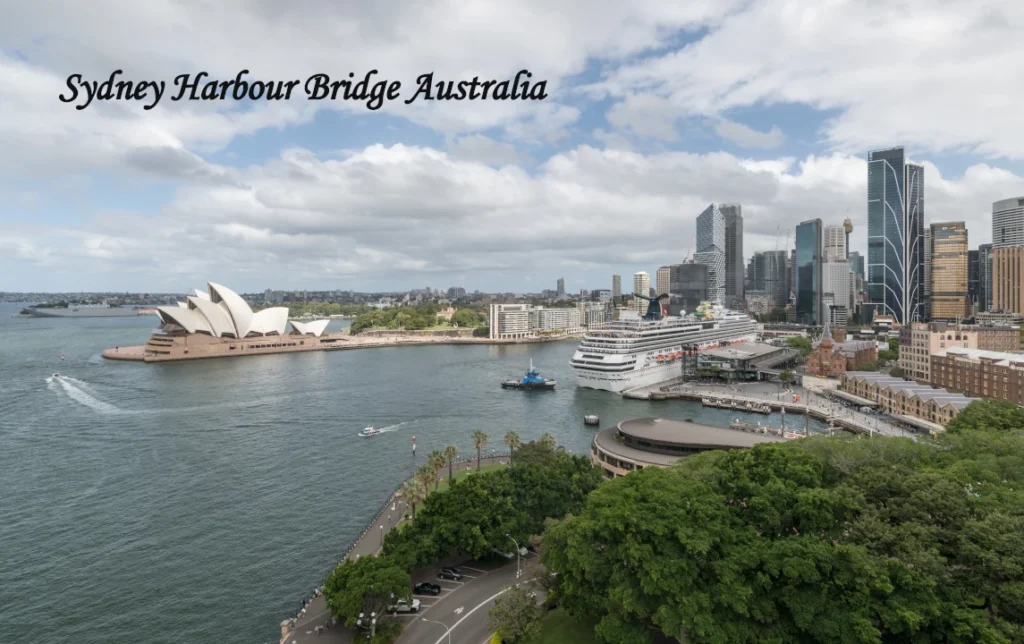
The first people to occupy the area now known as Sydney were Aboriginal Australians. Radiocarbon dating suggests that they lived in and around Sydney for at least 30,000 years. In an archaeological dig in Parramatta, Western Sydney, it was found that the Aboriginals used charcoal, stone tools and possibly ancient campfires. Near Penrith, a far western suburb of Sydney, numerous Aboriginal stone tools were found in Cranebrook Terraces gravel sediments having dates of 45,000 to 50,000 years BP.
Prior to the arrival of the British there were 4,000 to 8,000 native people in the Sydney area from as many as 29 different clans.[7] Sydney Cove from Port Jackson to Petersham was inhabited by the Cadigal clan.The principal language groups were Darug, Guringai, and Dharawal.
Book Your Hotel Stay
The earliest Europeans to visit the area noted that the indigenous people were conducting activities such as camping and fishing, using trees for bark and food, collecting shells, and cooking fish. The Eora are the coastal Aboriginals of the Sydney district. The name Eora simply means “here” or “from this place”, and was used by local Aboriginals to describe to the British where they came from. The Cadigal band are the traditional inhabitants of the Sydney CBD area, and their territory south of Port Jackson stretched from South Head to Petersham.
- Day 2 — Opera House & Royal Botanic Garden: Take a guided Opera House tour in the morning, then wander the Royal Botanic Garden Sydney and Mrs Macquarie’s Chair lookout in the afternoon.

The Royal Botanic Garden is a heritage-listed major 30-hectare (74-acre) botanical garden in Sydney, New South Wales, Australia, event venue and public recreation area located at Farm Cove on the eastern fringe of the Sydney central business district, in the City of Sydney local government area of New South Wales, Australia.
- Day 3 — Bondi to Coogee Coastal Walk: Spend the morning at Bondi Beach, then tackle the 6 km coastal walk through Bronte and Coogee, stopping at seaside cafés along the way.
The name Coogee is said to be taken from a local Aboriginal word koojah which means smelly place. Another version is koo-chai or koo-jah, both of which mean “the smell of the seaweed drying” in the Bidigal language, or “stinking seaweed”, a reference to the smell of decaying kelp washed up on the beach.
Early visitors to the area, from the 1820s onwards, were never able to confirm exactly what “Coogee” meant, or if it in fact related to Coogee Beach. Some evidence suggests that the word “Coogee” may in fact be the original Aboriginal place name for the next bay to the north, now known as Gordons Bay. Another name, “Bobroi”, was also recalled as the indigenous name for the locality.
The Aboriginal population had largely relocated by the mid-19th century after being decimated by disease and violent clashes with early settlers, though some Aboriginal people still live in the area today.
- Day 4 — Blue Mountains Day Trip: Head out to the Three Sisters lookout, ride the Scenic World cable car and railway, and browse the shops in Katoomba village.
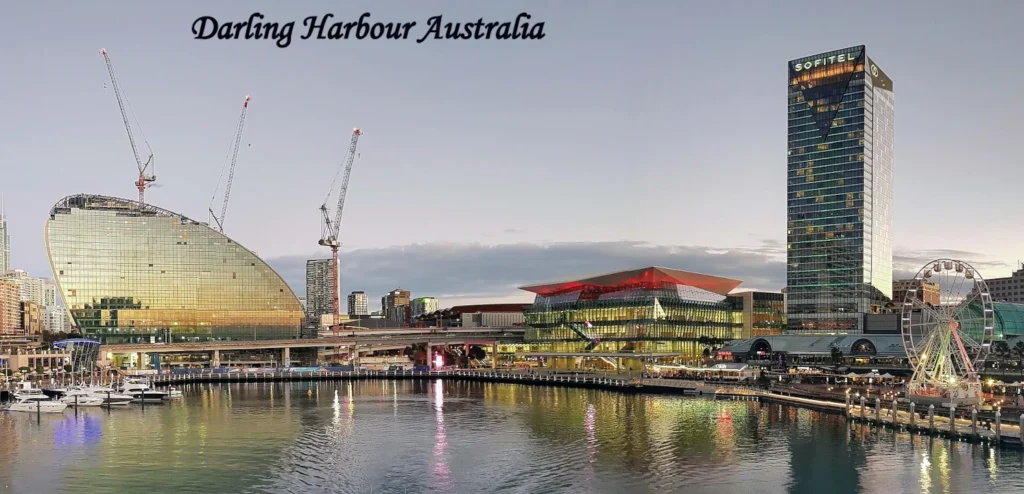
- Day 5 — Taronga Zoo & Darling Harbour: Catch the ferry to Taronga Zoo for both animals and harbour views, then wind down the evening at Darling Harbour and the Sydney Sea Life Aquarium.
Full 14-Day Australia Itinerary: Sydney and the Great Barrier Reef
- Days 1–5: Sydney city, Blue Mountains, and Bondi (as above).
- Day 6: Fly from Sydney to Cairns or Port Douglas — approximately 3 hours.
- Day 7: Ease into the tropics — explore the Cairns Esplanade Lagoon and evening Night Markets.
- Day 8: Full-day Great Barrier Reef snorkelling or diving cruise out to the outer reef.
- Day 9: A second, gentler reef trip, or a Green Island / Fitzroy Island day tour — ideal for families and first-time snorkellers.
- Day 10: Ride the Kuranda Scenic Railway and the Skyrail Rainforest Cableway through the Daintree region.
- Day 11: Daintree Rainforest and Cape Tribulation day tour — the only place on earth where two World Heritage-listed ecosystems meet.
- Day 12: A free day: hot air ballooning at sunrise, waterfalls in the Atherton Tablelands, or simply rest by the pool.
- Day 13: Cairns Aquarium or Wildlife Habitat, last-minute souvenir shopping, and a farewell dinner.
- Day 14: Departure from Cairns Airport.
Travel Guidelines and Tips for Australia
- Most international visitors need a visa or Electronic Travel Authority (ETA) before arrival — check your eligibility on the official Australian Government Home Affairs website before booking flights.
- Australia drives on the left. If you’re planning to self-drive, carry an International Driving Permit alongside your home licence.
- June to October is the sweet spot for the Great Barrier Reef — dry season, calmer seas, better visibility. Sydney is pleasant almost year-round but gets busiest December to February.
- Australia has some of the highest UV levels in the world — sun protection isn’t optional, even on cloudy days.
- Tap water is safe to drink in all major cities, including Sydney and Cairns.
- Tipping isn’t compulsory anywhere in Australia, though rounding up the bill or leaving 10% for good service is always appreciated.
Book Your Flight Ticket to Sydney
Checklist for Families Travelling with Infants
Australia is genuinely one of the easier long-haul destinations to bring a baby to — but a little preparation goes a long way.
- Carry a copy of your infant’s passport, visa, and vaccination records at all times.
- Pack a compact, airline-approved stroller — most Sydney and Cairns attractions are stroller-friendly.
- Check ahead for baby-change facilities, which are available at Sydney Airport, the Sydney Opera House, and major shopping centres.
- Book reef cruises that explicitly list infant or child life jackets and shaded seating areas.
- Pack sun hats, SPF 50+ sunscreen, and light long-sleeve clothing — UV exposure is intense.
- Confirm car seat or booster availability with rental car companies or private transfer operators well in advance.
- Bring basic infant medication and a small first-aid kit, since local pharmacy brands may differ from what you’re used to at home.
Types of Tickets and Tour Plans Available
- General Admission Tickets: Standalone entry for single sites, such as a Sydney Opera House tour or Taronga Zoo.
- Combo / Multi-Attraction Passes: Bundled tickets covering Sydney Tower, SEA LIFE Aquarium, WILD LIFE Sydney, and Madame Tussauds at a discount.
- Reef Cruise Tickets: Day-trip snorkel or dive passes, ranging from pontoon-based outer reef cruises to smaller sailing charters.
- Certified Diving Packages: Introductory or certified scuba packages that include equipment, an instructor, and access to specific dive sites.
- Multi-Day Tour Packages: Fully guided itineraries bundling accommodation, transport, and activities across both Sydney and the reef region.
- Hop-On Hop-Off Passes: Flexible city sightseeing tickets covering Sydney’s major landmarks at your own pace.
Must-Visit Tourist Places in Australia
- Sydney Opera House and Sydney Harbour Bridge
- Bondi Beach and the Bondi to Coogee coastal walk
- Blue Mountains National Park and the Three Sisters
- The Great Barrier Reef (via Cairns and Port Douglas)
- Daintree Rainforest and Cape Tribulation
- Kuranda Village and the Skyrail Rainforest Cableway
- Taronga Zoo Sydney
- Uluru-Kata Tjuta National Park (for travellers extending beyond 14 days)
5 Best Tour Packages for Australia
- Sydney & Reef Explorer (10–14 Days): Combines Sydney’s city highlights with a Cairns-based reef and rainforest extension — the best fit for this exact itinerary.
- East Coast Highlights Tour (7–10 Days): Sydney, Gold Coast, and Brisbane, with beach time and theme park stops built in.
- Reef and Rainforest Adventure (5–7 Days): Focused entirely on Cairns, Port Douglas, Daintree, and the outer reef — ideal if Sydney isn’t a priority.
- Family Australia Discovery (10 Days): Child-friendly pacing across Sydney, Cairns, and wildlife parks, with shorter travel days and more downtime.
- Australia Business & Leisure Combo (5–7 Days): A Sydney CBD-based itinerary that balances conference or meeting days with harbour tours and short reef add-ons for business travellers extending their stay.
Local Transport in Australia
- Sydney: The Opal card covers trains, buses, ferries, and light rail across most tourist areas, with direct airport train links into the CBD.
- Cairns / Port Douglas: Local buses, shuttle transfers, and rental cars are all easy to arrange; most reef tours include hotel pickup and drop-off.
- Domestic flights: Qantas, Jetstar, and Virgin Australia all operate frequent Sydney–Cairns routes.
- Ride-share and taxis: Widely available in both Sydney and Cairns.
- Self-drive: A popular option for the Daintree and Atherton Tablelands — a four-wheel drive is recommended for the Cape Tribulation river crossings.
Tour Operators to Consider
1. AAT Kings — A long-established Australian coach and guided-tour operator offering multi-day itineraries across Sydney, the east coast, and the Great Barrier Reef region. Options range from group coach tours to smaller, premium guided experiences, making it a solid pick for travellers who’d rather not plan every logistic themselves.
2. Quicksilver Cruises — One of the leading Great Barrier Reef cruise operators, based out of Cairns and Port Douglas. They run pontoon-based reef trips, snorkelling, introductory and certified diving, and semi-submersible reef viewing — the last option being especially good for infants, older travellers, or anyone who’d rather see the coral without getting wet.
For a tailor-made combination of these experiences, Ryde Travel can arrange guided packages, transfers, and reef bookings as part of a complete Australia itinerary — see our tour packages or contact our travel consultants for a custom quote.
Preferred Hotels for Accommodation
1. Shangri-La Sydney — Set near The Rocks with harbour and Opera House views and walking distance to Circular Quay, this hotel works equally well for a honeymoon or a business trip that spills into the weekend.
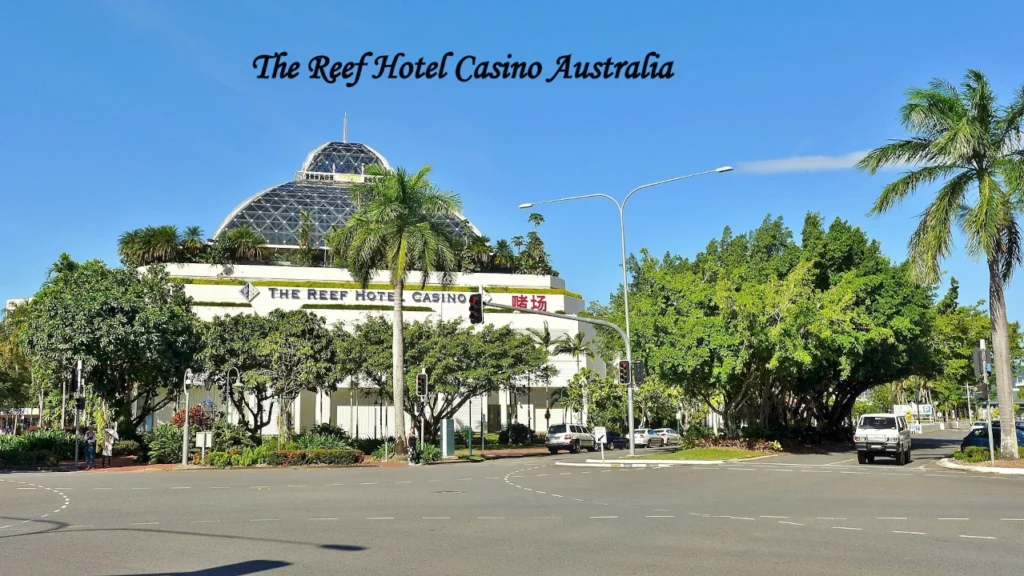
2. Pullman Reef Hotel Casino, Cairns — Centrally located near the Esplanade Lagoon, with easy access to reef cruise departure points and Cairns’ dining and nightlife strip — a convenient base for the reef half of your trip.
Food Facilities Inside Tourist Places
- Sydney Opera House: On-site cafés plus the Bennelong fine-dining restaurant, both with harbour views worth the price of admission alone.
- Darling Harbour: A long waterfront strip of restaurants, food courts, and casual cafés for every budget.
- Reef Pontoons: Most day-cruise operators include a buffet lunch and snacks onboard or on the pontoon itself.
- Kuranda Village: Cafés, bakeries, and market food stalls scattered through the village markets.
- Cairns Esplanade: The night markets food court plus a full range of restaurants right along the lagoon.
Official and Authentic Travel Resources
- Tourism Australia – Official Travel Site
- Smartraveller – Australian Government Travel Advisory
- Australian Government Department of Home Affairs – Visas and ETA
- Great Barrier Reef Marine Park Authority – Official Reef Guidelines
- Sydney.com – Official Destination NSW Site
- Tourism Tropical North Queensland – Cairns & Reef Region
- Austrade – Resources for Business Travellers to Australia
External links
Frequently Asked Questions
1. Do I need a visa to visit Australia?
Most international visitors require a visa or Electronic Travel Authority (ETA) before travel. Check eligibility on the official Australian Department of Home Affairs website.
2. What is the best time of year to visit the Great Barrier Reef?
June to October offers the driest weather and calmest seas, making it the most popular period for snorkelling and diving on the Great Barrier Reef.
3. Is Australia suitable for families travelling with infants?
Yes. Sydney and Cairns both have infant-friendly infrastructure, including baby-change facilities, stroller-accessible attractions, and reef cruises with child-sized life jackets.
4. How do I get from Sydney to the Great Barrier Reef?
A direct domestic flight from Sydney to Cairns takes approximately 3 hours, operated by carriers such as Qantas, Jetstar, and Virgin Australia.
5. What types of tickets are available for reef tours?
Options include day-trip snorkel/dive tickets, pontoon-based outer reef cruises, small-group sailing charters, and certified or introductory scuba diving packages.
6. Is Australia a good destination for business travellers?
Yes. Sydney is Australia’s main business hub with strong conference infrastructure, and many business travellers extend their stay by a few days to see the Great Barrier Reef or Blue Mountains.
7. What is local transport like in Sydney and Cairns?
Sydney has an integrated Opal card system covering trains, buses, ferries, and light rail. Cairns relies more on local buses, shuttle transfers, and rental cars, with many tours including hotel pickup.
Ready to plan your own Australia adventure? Explore Ryde Travel’s Australia tour packages or get in touch with our team for a custom itinerary covering Sydney and the Great Barrier Reef.
Visit our other blogs
eSIM Unleashed: Best Global Travel Plans for 2026
Bird Paradise Singapore 2026: Tourists & Bussiness
Ultimate Millets Guide 2026 – Powerful Health Benefits & Easy Recipes





Leave a Reply