This guide contains affiliate links. We may earn a commission at no extra cost to you — see our Affiliate Disclosure and Affiliate Disclosure Policy for details.
The top 7 places to visit in Doha Qatar are Souq Waqif, Museum of Islamic Art, Pearl Qatar, Katara Cultural Village, National Museum of Qatar, Doha Corniche, and Msheireb Downtown. Indian travelers transiting through Doha on Qatar Airways can visit all 7 attractions in one day — most are within 15 minutes of each other by taxi. Indians with a valid Indian passport can get a free Qatar transit visa for stays up to 96 hours and the Qatar Riyal exchange rate is approximately 1 QAR = Rs.23 in 2026.
🤖 Quick Answer — AI Summary
Best 7 Places to Visit in Doha, Qatar (2026)
⚡ Quick Take: Doha perfectly blends ultramodern landmarks with authentic Arabian heritage, making it one of the Middle East’s most rewarding short-break destinations for culture lovers, families, and first-time visitors alike.
🔑 Key Highlights
- Top Landmark: The Museum of Islamic Art (MIA) is Doha’s must-visit — entry is free on Tuesdays, open Saturday–Thursday along the scenic Corniche waterfront.
- Best Evening Spot: Explore Souq Waqif after 6 PM for spices, falconry shops, and authentic Qatari dining — open daily until midnight.
- Insider Tip: Skip outdoor sightseeing between 12 PM–4 PM from May to September (42°C+); visit the Pearl-Qatar and Katara Cultural Village at sunrise or after sunset instead.
To book your accomadation, click here. To Book Local Travel, click here. To book your Travel insurance here
Traveling Overseas: Click here to buy an eSIM. For more info on eSIM, click here
Table of Contents
Not every great travel experience is planned. Some of the most memorable ones happen when the universe throws a curveball and you decide to make the most of it. What I’m about to share with you is exactly one of those stories.
How a Missed Flight Turned Into a Doha Adventure
In September 2025, my wife and I were on our way back to Chennai from San Francisco after a wonderful few weeks with our son’s family. We had booked our return journey on Qatar Airways — as we often do, because Hamad International Airport in Doha is genuinely one of the finest airports in the world — and we had a connecting flight to catch at Doha on our way home to India.
And then we missed it.
Book Your Adventure Tours in Doha
There was a delay on the inbound leg from San Francisco, and by the time we touched down in Doha, our connecting flight to Chennai had already pushed back. Qatar Airways, to their credit, handled it with complete professionalism. They rebooked us on the next available flight, arranged our hotel for the night, and within an hour we had moved from “anxious transit passengers” to “unplanned tourists.” We had one full night and almost an entire day in Doha — a city I had flown through many times but never actually explored on the ground.
That unplanned stopover turned out to be one of the most enjoyable days of the entire trip. Doha surprised me. This is what I discovered.
If you ever miss a connecting flight in Doha — don’t panic. Step outside the airport, breathe in the Gulf air, and let this extraordinary city give you a day you won’t forget.
— Jayanthan Solomon
A Practical Note: Layovers, Transit Visas & Indian Travelers
Before I take you through the seven places we visited, let me cover the practical question I know many Indian travelers will have: do you need a visa to leave Doha airport during a layover?
Indian passport holders are eligible for a free Hayya Tourist eVisa (Visa Type A1) or a free transit visa for stays up to 96 hours when flying with Qatar Airways. In our case, since our hotel was arranged by Qatar Airways as part of the missed-connection compensation, the airline handled all the entry formalities. If you’re planning a deliberate stopover, apply for the Hayya eVisa before travel through the official portal.
Book Your Local Travel
You can check your visa eligibility and apply through the official Qatar Ministry of Interior portal: www.moi.gov.qa Full visit Qatar travel planning is also available at the official tourism authority: visitqatar.com
🗺️ Quick Facts Before You Go : Places to Visit in Doha
| Detail | Information |
|---|---|
| Best time to visit | November to March (pleasant 18–25°C; September is warm but manageable) |
| Currency | Qatari Riyal (QAR) — 1 QAR ≈ ₹23 INR / USD 0.27 |
| Language | Arabic; English is spoken widely, especially in tourist areas |
| Indian visa requirement | Free Hayya eVisa or transit visa for Qatar Airways passengers (up to 96 hours) |
| Getting around | Doha Metro, Karwa taxis, Uber and Careem operate city-wide |
| Dress code | Modest clothing in public areas; shoulders and knees should be covered at religious or heritage sites |
| Official tourism site | visitqatar.com |
My 7 Best Attractions in Doha: Discovered in One Unplanned Day
I’ve compiled these seven places from our September 2025 visit. We didn’t have time to see everything, but we saw enough to know that Doha rewards curious travelers — even those who arrive entirely by accident. Here they are, in the order I’d recommend visiting them on a tight schedule.
Doha, the dazzling capital of Qatar, seamlessly blends futuristic skyscrapers with deeply rooted Arabian traditions. Whether you are arriving for a extended vacation or spending a 24-hour layover at Hamad International Airport, Doha offers world-class cultural landmarks, pristine beaches, and architectural wonders. This comprehensive travel guide covers the top 7 places to visit in Doha, Qatar, detailing practical travel tips, operating hours, and local recommendations
1. 🕌 Souq Waqif: Traditional Heritage & Cultural Market
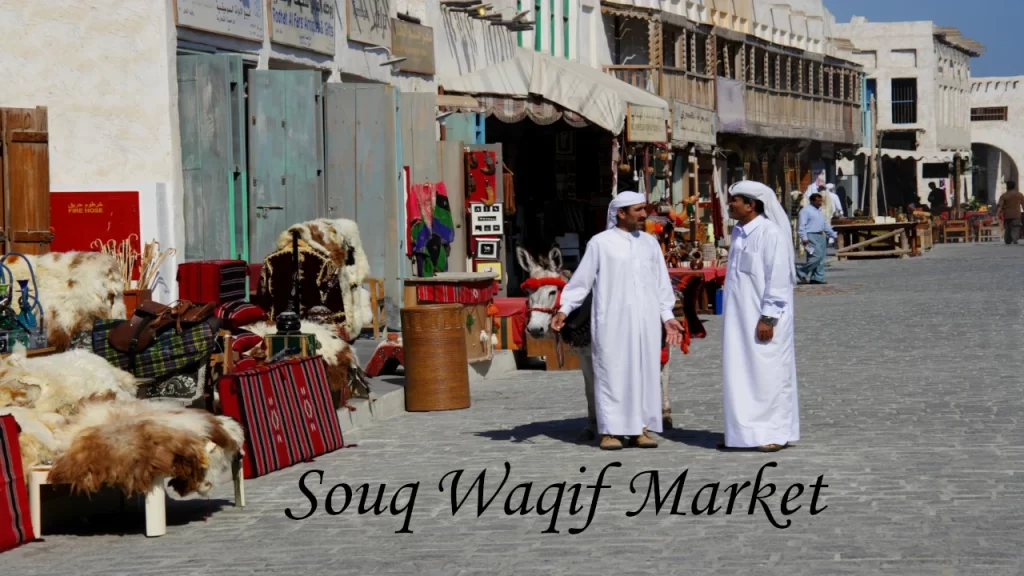
If you visit only one place in Doha, make it Souq Waqif. We arrived here in the early evening, just as the sun was beginning to soften and the market was waking up, and I can honestly say it stopped me in my tracks.
Souq Waqif — which means “standing market” in Arabic — is the historic commercial heart of old Doha. Unlike so many “traditional” markets I’ve seen around the world that feel like they exist primarily for tourists, this one feels genuinely alive. Qatari families shop here alongside expats, backpackers, and well-heeled visitors from every continent. Men in thobes bargain over caged birds; women in abayas browse bolts of silk; children run between stalls selling spices, incense, and enormous wheels of local cheese.
We wandered through the spice section — the aromas of cumin, cardamom, and oud wood hit you simultaneously — and ended up eating at one of the small restaurants tucked along the food street. I had machboos, Qatar’s national dish of spiced rice and lamb, and it was extraordinary. My wife insisted we try the karak chai from a street stall, which was the best tea we’d had in months.
Souq Waqif is Doha’s vibrant traditional market, standing on an ancient trading site where Bedouins exchanged livestock and spices for centuries. Stroll through mud-rendered alleys packed with aromatic spices, perfumes, handwoven textiles, and traditional handicrafts.
• Key Highlights: Falcon Souq, Gold Souq, authentic Qatari dining at Shay Al Shoomous.
• Ideal Visit Time: Late afternoon to evening (4:00 PM – 10:00 PM) when the market comes alive.
• Entry Fee: Free access.
• Pro Tip: Respect local customs by dressing modestly. Capture photos of traditional architecture and enjoy Karak tea at local cafes.
Entry Fee and Timing
After 5 PM — the market transforms at night with lights, performances, and the full food street coming alive. Time needed: 2–3 hours. Entry is Free
Layover Travel Tips
Walk away from the main tourist corridor and find the side lanes — that’s where the authentic Qatari vendors are, and the prices drop noticeably.
How to Reach via Doha Metro
Reaching Souq Waqif by Doha Metro is easy and convenient. Take the Gold Line (Historic Line) and get off at Souq Waqif Metro Station, which is located close to the market. The Gold Line connects Souq Waqif with Msheireb and other major areas of Doha. If you are travelling on the Red or Green Line, change to the Gold Line at Msheireb Station and continue towards Ras Bu Abboud. From Souq Waqif Station, it is only a short walk to the traditional market, restaurants, cafés and cultural attractions.
Souq Waqif on the official Visit Qatar site →
2. 🎨 Museum of Islamic Art (MIA): Iconic Waterfront Architectures Art
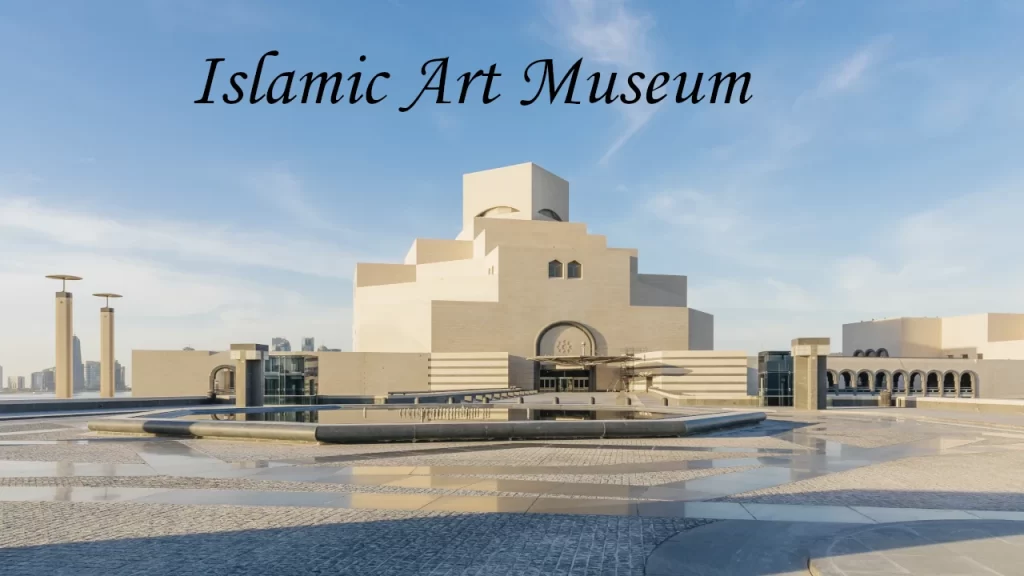
I’ve been to many great museums across Asia, Europe, and North America. The Museum of Islamic Art in Doha stands among the finest — not just for what’s inside, but for the building itself.
Designed by Pritzker Prize-winning architect I.M. Pei, the Museum of Islamic Art rises majestically off the Corniche on its own private island. The museum houses over 1,400 years of Islamic art from across three continents, featuring manuscripts, textiles, ceramics, and glass.
Book Your Tour Package
Inside, the permanent collection spans 1,400 years of Islamic civilisation across three continents — from Spain to Central Asia. You’ll find manuscripts, ceramics, jewellery, armour, textiles, and metalwork, each piece meticulously curated and beautifully lit. The galleries flow naturally; you don’t feel rushed or overwhelmed. We spent about two hours inside and felt we’d seen a great deal without feeling like we’d rushed.
Walk out to the MIA Park after your visit — the waterfront garden directly in front of the museum offers one of the best views of Doha’s dramatic West Bay skyline, with the skyscrapers reflected in the still waters of the Gulf.
Entry Fee and Timing
Best time to visit: Morning or late afternoon (light through the geometric windows is stunning). Time needed: 1.5–2 hours inside; another 30 minutes in the park. Entry fee: Permanent collection is free; temporary exhibitions may carry a fee. Opening hours: Saturday–Thursday 9 AM – 7 PM; Friday 1:30 PM – 7 PM
How to Reach via Doha Metro
Take the Doha Metro to the Education City Station or grab a Karwa taxi. The waterfront walk from the taxi drop-off point is lovely.
Museum of Islamic Art — Official Qatar Museums site →
3. 🌅 Doha Corniche: Skyline Views & Traditional Dhow Cruises
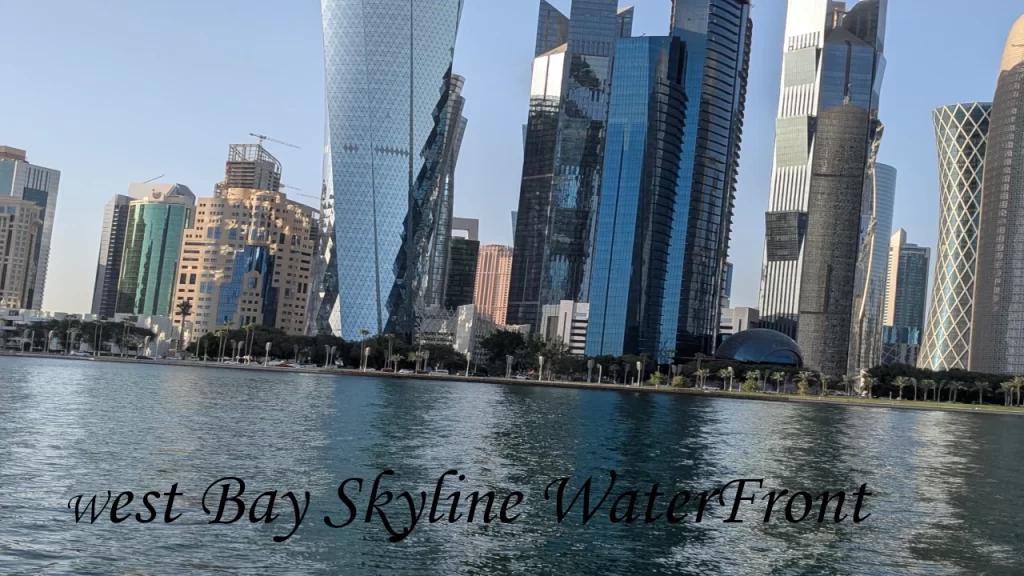
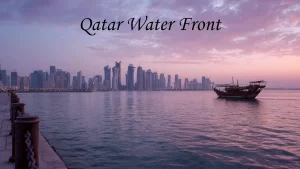
The Corniche is Doha’s 7-kilometre waterfront promenade along Doha Bay, and it is simply one of the most pleasant urban walks I’ve taken anywhere in the world. We did a stretch of it in the evening, after leaving the Museum of Islamic Art, and the light at that hour — golden, warm, reflecting off both the Gulf and the glass towers of West Bay — was spectacular.
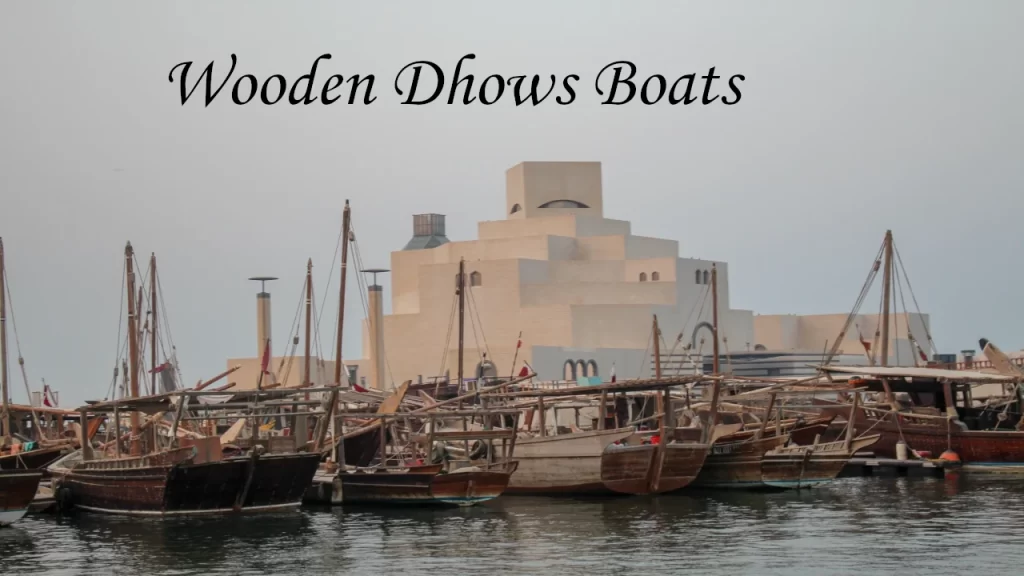
The contrast along this walk is remarkable. On one side, traditional wooden dhow boats sit moored at the harbour, looking exactly as they might have two centuries ago. On the other side, the towers of Doha’s modern financial district pierce the sky — the skyline looks like something out of a science fiction film, all curves and glass and ambition. The fact that both exist in the same frame, visible simultaneously, tells you everything about Qatar’s extraordinary transformation.
Families cycle here, joggers pass by, couples sit on benches watching the sun drop into the Gulf. There’s a warm community feeling to the Corniche that you don’t always find in cities that have modernised as rapidly as Doha.
Entry Fee and Timing
Best time to visit: Sunset — the West Bay skyline turns extraordinary shades of amber and rose. Time needed: 1–2 hours for a walk; longer if you hire a bicycle. Entry fee: Free
Layover Travel Tips
Book a short traditional dhow boat ride from the dhow harbour — QAR 10–20 per person — for a completely different perspective of the skyline from the water. It’s a small experience that stays with you.
4. 🏛️ National Museum of Qatar: Desert Rose Architectural Marvel
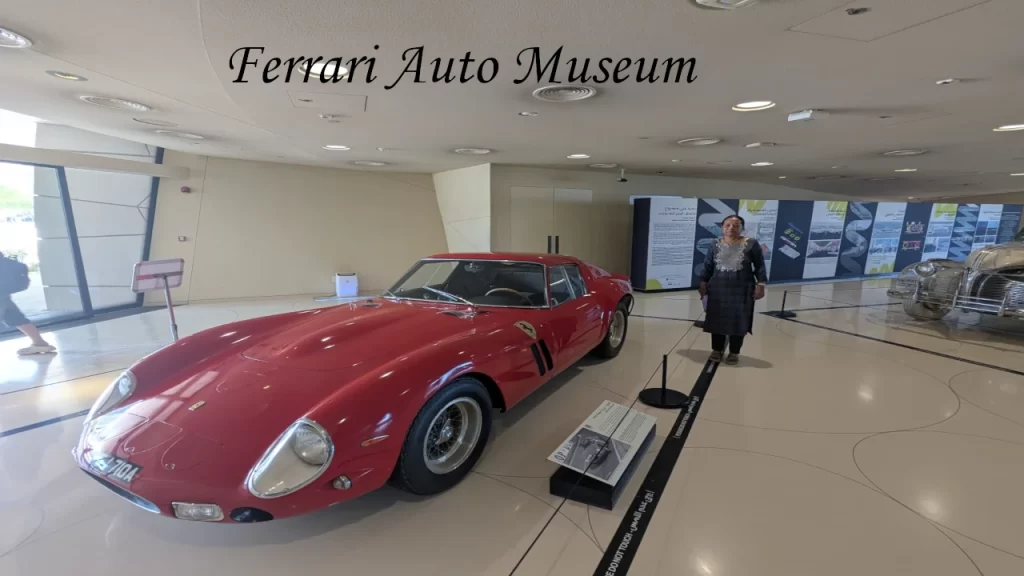
We visited the National Museum of Qatar on the morning of our second day, and it genuinely stopped my breath when we approached it. The building — designed by Jean Nouvel, the French architect who also designed the Louvre Abu Dhabi — is shaped like interlocking discs of varying sizes, inspired by the desert rose crystal that forms naturally in the sands of the Arabian Peninsula. From a distance it looks like something geological, as though it grew from the earth rather than being constructed.
Inside, the museum tells Qatar’s story from the ancient past to the present, and it does so with genuine emotion and craft. The galleries are immersive — sound, light, and texture work together with the artefacts so that you don’t just read about Qatar’s history, you feel something of it. There are sections on the pearl diving era that Qatar’s economy was built on before oil, on Bedouin life in the desert, on the discovery of natural gas and the transformation it brought, and on modern Qatar’s role in the world.
I found the pearl diving section particularly moving. A whole way of life — extraordinarily demanding physically, deeply communal, sustained for centuries — was essentially over within a generation of the oil era beginning. The museum handles this history with respect and honesty.
Entry Fee and Timing
Best time to visit: Morning — quieter and you’ll have the building’s architecture to yourself for photographs. Time needed: 2–3 hours; don’t rush this one. Opening hours: Saturday–Thursday 9 AM – 7 PM; Friday 1:30 PM – 9 PM. Entry fee: QAR 50 (approximately ₹1,150 / USD 14).
Travel Tips
My tip: Spend time outside walking around the building before you go in. The architecture changes at every angle and the way light falls across those disc-shaped walls is worth at least 20 minutes of quiet observation.
National Museum of Qatar — Official Qatar Museums site →
5. 🎭 Katara Cultural Village: Arts, Beach & Amphitheater
One of the best places to visit in Doha is Katara Cultural Village. It is Doha’s answer to a question most rapidly modernising cities forget to ask: how do you keep culture alive and central when you’re building at extraordinary speed? Qatar’s answer is to create an entire dedicated district for it.
Katara sits along the Gulf coast between the Pearl-Qatar and West Bay, and it operates as a genuine cultural hub rather than a decorative backdrop. Art galleries, theatres, an amphitheatre overlooking the sea, international restaurants, and a beautiful mosaic-covered mosque all share this space. When we visited, a photography exhibition was running in one of the open-air galleries and a small music performance was happening near the waterfront. Neither was ticketed; both were excellent.
Book Your Local Transport
The architecture of Katara itself is worth experiencing — it blends traditional Qatari and Islamic design with contemporary materials in a way that feels coherent rather than theme-park. The golden mosque at the centre, with its intricate mosaic dome, is one of the most beautiful buildings I saw in all of Doha.
Entry Fees and Timing
Best time to visit: Evening — the waterfront lights up beautifully, and cultural events typically happen after 6 PM. Time needed: 2–3 hours; more if there is a live event. Entry fee: Free (individual events or galleries may charge)
Travel Tips
Check the Katara events calendar before you visit — they host everything from international film screenings to traditional dhow festivals throughout the year. katara.net
6. 🛥️ The Pearl-Qatar: Luxury Island & Marina Promenade
The Pearl-Qatar is a man-made island roughly 4 kilometers off the Doha coastline, it is another Place to Visit in Doha. What the developers have built here is effectively a Mediterranean marina — terracotta-toned buildings with arched walkways, waterfront restaurants with umbrellas and fresh seafood, boutiques, yacht berths, and residential towers rising above it all. The intention is clearly European in its aesthetic, and the execution is surprisingly convincing.
We spent an hour and a half here in the late afternoon, walking along the Qanat Quartier — a district within the Pearl that’s modelled on Venice, with coloured buildings reflected in narrow canals. I’ll admit I was sceptical when someone described it to me beforehand. In person, it works. The scale is right, the colours are vivid, and the waterfront restaurants are genuinely good. We stopped for coffee and pastries at a small French café overlooking the marina, and it was one of those small, perfect moments of travel.
The Pearl is also home to some of Qatar’s highest-end retail — if shopping is on your agenda, this is where to find it. But you can equally just walk, watch the boats, and enjoy the ambience without spending a dirham.
Entry Fees and Timing
Best time to visit: Late afternoon into evening — the light on the water is beautiful, and the restaurants fill up with a relaxed crowd. Time needed: 1.5–2 hours.
Travel Tips
Head specifically to Qanat Quartier rather than just the main marina strip — it’s the most distinctive section of the island, and most short-visit tourists miss it entirely
7. 🏜️ Khor Al Adaid (The Inland Sea): Desert Safari & Sand Dunes
We didn’t manage the desert safari on our unplanned September stopover — the heat in September makes it a less ideal experience, and our schedule was tight. But I’ve spoken to many travellers who did it, and every one of them says the same thing: no visit to Qatar is complete without a night in the desert.
Doha sits on the edge of the Qatari desert, and the experience most operators offer combines dune bashing in 4WD vehicles, a camel ride at sunset, traditional Qatari hospitality at a desert camp, and an evening under a sky that has more stars visible in it than most people see in a decade of city living. The Inland Sea — Khor Al Adaid — is a UNESCO-recognised natural reserve where towering sand dunes meet the Gulf waters, and tours there are particularly extraordinary.
If I’m being honest, this is the one experience from my Doha research that I most regret missing. It’s firmly on the list for next time — and I have no doubt there will be a next time.
Entry Fees and Timing
Best time for the activity: November to March — September heat makes dune bashing very intense. Time needed: Half-day (typically 3 PM to 9 PM) or full overnight camp. Typical cost: QAR 150–350 per person (₹3,450–8,050) depending on inclusions
Travel Tips
Book through a licensed tour operator registered with Qatar Tourism — they ensure 4WD safety, insurance, and proper permits for the Inland Sea. Find licensed desert experiences on Visit Qatar →
🗓️ My Suggested 1-Day Doha Itinerary (Learned the Hard Way)
Based on what worked for us in September 2025, here’s the order I’d recommend for a single day in Doha. Most of the key attractions sit within a compact area, so you can cover a lot without feeling rushed.
| Time | Place | Why This Order Works |
|---|---|---|
| 8:30 AM | National Museum of Qatar | Cool morning air; quieter before the crowds; the architecture photographs beautifully in morning light |
| 11:00 AM | Museum of Islamic Art + MIA Park | Short taxi ride away; spend 2 hours inside then 30 minutes in the park watching the West Bay skyline |
| 1:30 PM | Lunch at Souq Waqif food street | Try machboos or grilled meats — authentic Qatari food at accessible prices |
| 3:00 PM | The Pearl-Qatar (Qanat Quartier) | Afternoon light on the water is excellent; browse, sit, and recover from a morning of museums |
| 5:00 PM | Doha Corniche walk | Built for golden hour — the West Bay skyline at sunset is the visual you’ll remember most |
| 7:00 PM | Katara Cultural Village | Evenings are when Katara comes alive; check for events and performances happening that night |
| 9:00 PM | Return to Souq Waqif for dinner or tea | The food street is at its best after dark — end the day with karak chai and the hum of the market |
💰 Approximate Costs for a Doha Trip from India
| Expense | Budget | Mid-Range | Comfortable |
|---|---|---|---|
| Return flights from India (Chennai/Mumbai/Delhi) | ₹18,000–28,000 | ₹35,000–50,000 | ₹55,000+ |
| Hotel per night | QAR 150–250 (₹3,450–5,750) | QAR 400–700 (₹9,200–16,100) | QAR 900–2,000 (₹20,700–46,000) |
| Food per day | QAR 50–80 (₹1,150–1,840) | QAR 150–250 (₹3,450–5,750) | QAR 400+ (₹9,200+) |
| Transport per day (Metro + taxi) | QAR 20–40 (₹460–920) | QAR 80–150 (₹1,840–3,450) | QAR 200+ (₹4,600+) |
| Desert safari | QAR 150 (₹3,450) | QAR 250 (₹5,750) | QAR 350+ (₹8,050+) |
| Museum entry (National Museum) | QAR 50 (₹1,150) — MIA is free | ||
Exchange rate reference: 1 QAR ≈ ₹23 INR / USD 0.27 as of April 2026. Always verify rates before travel.
🚇 Getting Around Doha — Practical Tips
- Doha Metro: Clean, fast, air-conditioned, and genuinely excellent. The Gold, Red, and Green lines connect the airport to West Bay, Souq Waqif, Katara, and the Museum of Islamic Art. Fares run QAR 2–6 per trip. Tap your credit card or buy a rechargeable Sahl card. Doha Metro official site →
- Karwa Taxis: The official metered cab service of Qatar. Clean, regulated, and available at all major attractions. More expensive than Uber but fully reliable.
- Uber and Careem: Both operate city-wide and are the most convenient option for tourists. Prices are very reasonable by Indian standards.
- Walking: Doha is extremely hot in summer (June–September) and the city is car-centric in layout. Between the Corniche, Katara, and the Pearl you can walk; everywhere else take transport. September — when we visited — was manageable in the evenings but required taxis during the afternoon.
🔗 Official Tourist Resources for Doha and Qatar
Always plan using official sources. Here are the ones I’d bookmark before any visit to Qatar:
- 🌐 Visit Qatar — Official Qatar Tourism Authority — Attractions, events calendar, travel guide, and visa eligibility checker
- 🛂 Qatar Ministry of Interior — Visa Applications — Apply for the Hayya eVisa or check your transit visa eligibility
- ✈️ Hamad International Airport — Official Site — Arrivals, departures, transit information, hotel and dining at the airport
- 🏛️ Qatar Museums — Official Site — Opening hours, entry fees, and exhibition listings for Museum of Islamic Art and National Museum of Qatar
- 🎭 Katara Cultural Village — Official Events and Information — Events calendar, gallery listings, and venue information
- 🚇 Doha Metro — Qatar Rail Official Site — Routes, fares, and the Sahl card for tourists
- 🌍 Qatar Tourism — Government Body — Official tourism statistics, licensed operators, and regulatory information
🧳 A Few Things to Know Before You Go
- Dress respectfully. Qatar is a Muslim country and dress codes apply in public — particularly at heritage sites, mosques, and souqs. Shoulders and knees should be covered. At the Corniche, Pearl-Qatar, and modern malls the code is more relaxed, but modest is always wise.
- September is hot — but the evenings are beautiful. We visited in September and the daytime heat (36–38°C) was intense. Plan all outdoor activities for after 4 PM and you’ll be fine. The evenings in September are genuinely lovely.
- Alcohol is available at licensed hotels and restaurants but is not available in public spaces, souqs, or most casual dining. This is not a dry country, but it is a Muslim one — conduct yourself accordingly.
- Qatar is extremely safe. We walked freely all evening with no concerns whatsoever. Doha consistently ranks as one of the safest cities in the world by global indices.
- Tipping is not mandatory but appreciated in restaurants — 10–15% is generous. In taxis, rounding up is the convention.
🌟 Final Thoughts — From a Reluctant Tourist Who Became a Fan
I flew through Doha probably fifteen times in my years at Oracle, watching the city through the windows of a transit lounge, never quite stopping. Missing that connecting flight in September 2025 forced me to finally stand on Doha’s ground — and I’m grateful for it.
What struck me most wasn’t the obvious grandeur — the skyline, the architecture, the sheer scale of what Qatar has built in such a short time. It was the texture of the place. The karak chai vendor at Souq Waqif who didn’t speak English but handed us our cups with a smile that needed no translation. The old dhow boats sitting quietly at the Corniche while the glass towers rose behind them. The museum that made me genuinely emotional about a pearl-diving culture I knew nothing about before I walked in.
Doha is not a city to rush through. It rewards curiosity. If you get the chance — whether planned or accidental — give it a full day and an open mind. I promise you’ll leave richer for it.
❓ Frequently Asked Questions About Visiting Doha
1. Do Indian tourists need a visa to visit Qatar in 2026?
Indian passport holders can apply for a free Hayya Tourist eVisa (Type A1) online before travel, or obtain a visa on arrival at Hamad International Airport. Qatar Airways passengers on layovers of 5 hours or more can also apply for a free transit visa valid for up to 96 hours. Check your eligibility on the official Qatar Ministry of Interior portal at www.moi.gov.qa or through the Visit Qatar visa checker at visitqatar.com.
2. What is Doha, Qatar most famous for?
Doha is famous for its dramatic futuristic skyline, the Museum of Islamic Art (designed by I.M. Pei), the traditional Souq Waqif market, The Pearl-Qatar luxury island, and the National Museum of Qatar. It gained global recognition as the host city of the FIFA World Cup 2022 — the first World Cup held in the Middle East — and continues to attract millions of tourists each year for its unique combination of Arabian heritage and world-class modern infrastructure. Qatar welcomed over 5 million visitors in 2024, according to Qatar Tourism.
3. How many days do you need in Doha?
One focused day is enough to cover the main highlights — Souq Waqif, the Museum of Islamic Art, the Corniche, and the National Museum. Two days allows you to add Katara Cultural Village, The Pearl-Qatar, and a desert safari. Three days gives you time to explore at a relaxed pace and venture further afield to Khor Al Adaid (the Inland Sea). Even our accidental one-night stopover in September 2025 gave us a genuinely satisfying experience — Doha is compact and well-connected.
4. What is the best time of year to visit Doha?
November to March is the ideal time — temperatures hover between 18°C and 25°C, making outdoor exploration comfortable. April and October are shoulder months with warm but manageable conditions. May to September brings extreme heat (40°C+), which makes outdoor activities difficult during the day. We visited in September and managed well by keeping mornings and afternoons to indoor attractions and saving all outdoor exploration for after 5 PM.
5. Is Doha safe for tourists, including women traveling alone?
Doha consistently ranks as one of the safest cities in the world. Crime rates are extremely low, and tourists — including solo female travelers — generally report feeling very safe. Qatar has comprehensive CCTV coverage and a visible police presence across tourist areas. The main advice for all tourists is to dress modestly in public and to respect local cultural norms, particularly near mosques and heritage sites.
6. What are the opening hours of the Museum of Islamic Art?
The Museum of Islamic Art opens Saturday to Thursday from 9 AM to 7 PM, and Friday from 1:30 PM to 7 PM. Entry to the permanent collection is free. Temporary exhibitions may carry a separate admission charge. The museum is closed on Tuesdays. Reach it by Doha Metro (Education City Station) or Karwa taxi to MIA Park. For current exhibition information visit the official Qatar Museums website at www.qm.org.qa.
Related articles on Ryde Travel:
- Complete Travel Insurance Guide for Indians (2026) — Always buy travel insurance before any international trip
- Best Forex Cards for Indian Travelers (2026) — Save ₹7,000+ on every international trip by switching to a zero-markup card
- Flight Booking Tips for Indian Travelers 2026 — How to find and book cheap international flights from India
- Visa Process for Indian Travelers (2026) — Step-by-step visa guide for the most popular international destinations
Disclaimer: Travel information, visa requirements, opening hours, and entry fees are subject to change. Always verify current details through the official Qatar Tourism portal at visitqatar.com and the Ministry of Interior at moi.gov.qa before travelling. This article reflects personal travel experience from September 2025 and research updated as of April 2026.
Visit our Related Articles about Amazing Places in Asia
Amazing 10 Places to Visit in Singapore with a Perfect 5-Day Guide (2026)
Best Water Sports in Colombo 2026 – Kayaking, Jet Ski & Snorkeling Guide
Bali Destination Wedding Guide 2026: Best Venues & Cost for Indians
Top 10 Best Beaches in India to Visit in 2026
Places to Visit in Banff National Park: Best Attractions, Itinerary, Travel Tips & Tickets





Leave a Reply