
This guide contains affiliate links. We may earn a commission at no extra cost to you — see our Affiliate Disclosure and Affiliate Disclosure Policy for details.
San Diego USA Travel Guide: if you’re searching for things to do in San Diego, the short answer is that this Southern California coastal city delivers beaches, world-class attractions like Balboa Park and the San Diego Zoo, family-friendly museums, historic naval sites, whale-watching and surf culture, and a thriving downtown business and convention scene — all connected by a mild, sunny climate that makes outdoor sightseeing possible almost year-round. Whether you’re a family planning a week by the water, a solo traveler chasing surf and sunsets, or a business traveler adding a few free hours around a conference, San Diego packs an unusual amount of variety into a single, walkable, easy-to-navigate destination.
Table of Contents
Introduction to San Diego
San Diego sits on the Pacific coast of Southern California, right at the U.S.–Mexico border, making it one of the most geographically interesting cities in the country. It’s close enough to Los Angeles for an easy day trip, close enough to Tijuana for a genuine cross-border experience, and self-contained enough that most visitors never feel the need to leave. That combination of coastline, culture, and convenience is exactly why “things to do in San Diego” is one of the most-searched travel questions for anyone planning a California vacation.
The city’s Mediterranean-style climate is a big part of the appeal. Summers are warm and dry, winters are mild, and rain is rare, which means beach days, hiking trails, and outdoor dining are realistic options in almost any month. This weather, paired with more than 70 miles of coastline, is why San Diego draws surfers, families, retirees, and honeymooners in equal measure.
San Diego isn’t only a leisure destination. It’s home to a large biotech and life-sciences sector, a major naval and military presence, and the San Diego Convention Center, which hosts large-scale events including Comic-Con International. That mix of industries means the city sees a steady stream of business travel alongside its tourism, and downtown hotels, transportation, and dining are well set up to handle both audiences at once.
Quick summary: San Diego suits nearly every kind of traveler — families looking for zoos and beaches, couples wanting coastal romance, solo travelers who want walkable neighborhoods and surf culture, history buffs interested in naval and Spanish colonial heritage, and business travelers attending conventions who want easy airport access and a few hours of sightseeing on the side.
History of San Diego’s Tourist Places
San Diego’s history stretches back long before it became a postcard-perfect vacation spot. The Kumeyaay people lived along this coastline for thousands of years before Spanish explorer Juan Rodríguez Cabrillo landed here in 1542. Spanish missionaries later established Mission San Diego de Alcalá in 1769, the first of California’s 21 missions, which is why San Diego is often called “the birthplace of California.” Understanding this layered past adds real depth to a visit, especially at the sites below.
Balboa Park traces its roots to 1868, when city leaders set aside more than 1,000 acres of land for a public park long before the surrounding neighborhoods were even built. The park’s Spanish Colonial Revival architecture, still visible today in buildings like the California Tower, was largely constructed for the 1915–1916 Panama-California Exposition, a world’s fair that put San Diego on the international map.
San Diego Zoo grew directly out of that same 1915 exposition. Leftover exotic animals from the fair, combined with the vision of Dr. Harry Wegeforth, led to the zoo’s founding in 1916. It pioneered the idea of open, naturalistic animal habitats instead of small cages, a conservation-minded approach that shaped zoos worldwide.
USS Midway Museum reflects San Diego’s deep naval history. The city has been a major U.S. Navy hub since the early 20th century, and the USS Midway itself served for 47 years, from the end of World War II through the Gulf War, before being converted into a museum on the downtown waterfront in 2004.
La Jolla Cove has been a magnet for artists, swimmers, and sea life for over a century, developing in the early 1900s as an upscale seaside enclave. Its protected marine reserve status today reflects a long local push toward coastal conservation.
Torrey Pines State Natural Reserve preserves one of the rarest pine trees in North America, Pinus torreyana, which grows naturally in only two places on Earth. The reserve was established in the mid-20th century after conservationists recognized how close unchecked coastal development had come to wiping out the species entirely.
Coronado developed around the iconic Hotel del Coronado, which opened in 1888 as one of the largest resort hotels in the world at the time. Its distinctive red-turreted architecture and Navy connections (Naval Air Station North Island is here) have made Coronado both a historic landmark and an active military community.
Top Tourist Places in San Diego, USA
1. Balboa Park
Balboa Park is a 1,200-acre urban cultural park in the heart of San Diego, often called the cultural soul of the city. It’s famous for its Spanish Colonial Revival architecture, botanical gardens, and dense cluster of museums and theaters, all within walking distance of one another.
- What to see and do: The Botanical Building and Lily Pond, the Spanish Village Art Center, the Japanese Friendship Garden, and museums covering art, natural history, photography, and aerospace.
- Recommended visiting time: Half a day to a full day, depending on how many museums you want to enter.
- Suitable travelers: Families, culture lovers, solo travelers, and anyone with a few free hours between meetings.
- Ticket information: The park itself is free to enter and walk through; individual museums charge separate admission, and some offer combination passes. Check current pricing directly with each museum.
- Food and dining: Cafés, a beer garden, and sit-down restaurants are scattered throughout the park.
- Accessibility: Mostly flat, stroller- and wheelchair-friendly pathways, with free tram service connecting parking areas to the museum core.
For current hours, exhibits, and museum tickets, see the official Balboa Park website. Location on Google Maps.
2. San Diego Zoo
Located inside Balboa Park, the San Diego Zoo is one of the most visited zoos in the world and a pioneer of open-habitat animal enclosures. It’s home to thousands of animals across hundreds of species, including giant pandas, koalas, and rare big cats.
- What to see and do: Guided double-decker bus tours, the Skyfari aerial tram for panoramic views, and immersive habitats like the Africa Rocks exhibit.
- Recommended visiting time: A full day, since the zoo is large and walking between exhibits takes time.
- Suitable travelers: Ideal for families with children, and genuinely enjoyable for solo travelers and couples too.
- Ticket information: Several ticket tiers exist, including single-day admission and multi-day passes combined with the San Diego Zoo Safari Park. Prices and offers change, so confirm on the official site before booking.
- Food and dining: Multiple restaurants, snack kiosks, and picnic-friendly seating areas throughout the grounds.
- Accessibility: Stroller and wheelchair rentals are available; the zoo is built on hillsides, so some sections involve slopes.
Visit the official San Diego Zoo website for tickets and hours. Location on Google Maps.
3. USS Midway Museum
Docked on San Diego’s downtown waterfront, the USS Midway is the longest-serving U.S. Navy aircraft carrier of the 20th century, now transformed into an interactive museum. It’s consistently ranked among San Diego’s top attractions.
- What to see and do: Self-guided audio tours narrated by former Midway sailors, more than two dozen restored aircraft on the flight deck, flight simulators, and the Battle of Midway Theater.
- Recommended visiting time: 3–4 hours, though history enthusiasts often spend longer.
- Suitable travelers: Families, history and military enthusiasts, and business travelers with a free afternoon downtown.
- Ticket information: Timed general admission tickets are sold online and at the door; audio tour is typically included. Check the official site for current pricing and hours.
- Food and dining: A café on board, plus numerous waterfront restaurants within walking distance in the Seaport Village and Gaslamp Quarter areas.
- Accessibility: Elevators and ramps cover most of the ship, though some historic areas involve steep ladders and narrow passageways.
See the official USS Midway Museum website for tickets. Location on Google Maps.
4. La Jolla Cove
La Jolla Cove is a small, sheltered beach framed by sandstone cliffs, famous for clear water, snorkeling, and resident sea lions and harbor seals that lounge on the rocks nearby. It’s one of the most photographed spots on the San Diego coastline.
- What to see and do: Snorkeling and scuba diving in the La Jolla Underwater Park Ecological Reserve, seal-watching at nearby Children’s Pool Beach, coastal walking paths, and kayak tours to sea caves.
- Recommended visiting time: A few hours in the morning or late afternoon, when lighting and crowds are best.
- Suitable travelers: Couples, nature lovers, snorkelers, and families with older children.
- Ticket information: The cove itself is free and open to the public; kayak tours and equipment rentals are booked separately through local operators.
- Food and dining: The village of La Jolla just above the cove has a wide range of cafés and seafood restaurants.
- Accessibility: Cliffside paths are paved, but beach access involves stairs and uneven rocky areas.
For visitor information, see the San Diego Tourism Authority’s La Jolla guide. Location on Google Maps.
5. Torrey Pines State Natural Reserve

This 1,750-acre reserve sits on dramatic sandstone cliffs above the Pacific and protects the rare Torrey pine tree, found naturally almost nowhere else on Earth. It offers some of the best coastal hiking in San Diego County.
- What to see and do: Trails like Guy Fleming Trail and Beach Trail, ocean overlooks, the historic pueblo-style visitor center, and the adjacent Torrey Pines State Beach.
- Recommended visiting time: 2–3 hours for a moderate hike, longer if combining with beach time.
- Suitable travelers: Hikers, nature lovers, photographers, and fitness-focused solo travelers.
- Ticket information: There is typically a per-vehicle day-use parking fee managed by California State Parks; check current rates before visiting.
- Food and dining: No restaurants inside the reserve itself; visitors typically bring water and snacks or eat beforehand in nearby La Jolla or Del Mar.
- Accessibility: The reserve’s main trails involve some elevation change and are not fully wheelchair accessible, though the visitor center area is more level.
Check current conditions and fees on the official California State Parks page for Torrey Pines. Location on Google Maps.
6. Coronado
Coronado is a laid-back island-like peninsula across the bay from downtown San Diego, best known for the historic Hotel del Coronado and its wide, sparkling beach. It has a small-town feel despite being minutes from a major city.
- What to see and do: Coronado Beach, the Hotel del Coronado’s Victorian architecture, biking along Orange Avenue, and the view of the Coronado Bay Bridge from Coronado Ferry Landing.
- Recommended visiting time: Half a day, or a full day if combined with a beach afternoon.
- Suitable travelers: Couples, families, and history lovers; also popular for weddings and honeymoons.
- Ticket information: Coronado’s beaches and public areas are free; the Coronado Ferry from downtown charges a fare.
- Food and dining: Orange Avenue is lined with cafés, ice cream shops, and restaurants for every budget.
- Accessibility: Flat, walkable streets and beach wheelchairs available seasonally at some beach access points.
See the official Coronado Visitor Center website for current events and ferry schedules. Location on Google Maps.
7. The New Children’s Museum
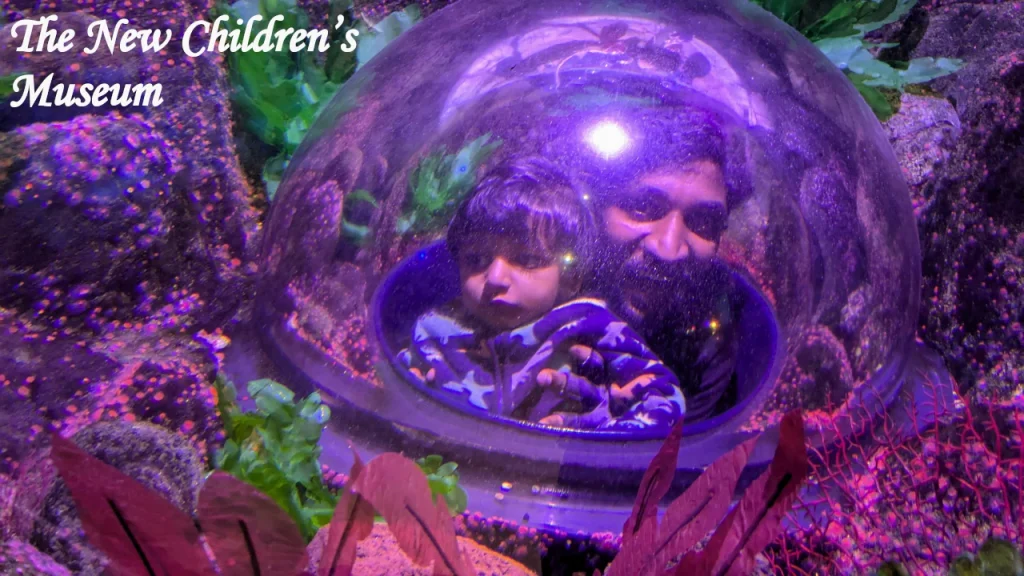
Tucked into downtown San Diego’s Marina District, The New Children’s Museum is a hands-on art museum built specifically for kids, blending oversized interactive art installations with creative play spaces. It’s one of the most rewarding things to do in San Diego for families traveling with young children, since almost every exhibit is designed to be touched, climbed, or played in rather than just viewed.
- What to see and do: Room-sized art installations kids can climb through, a rope-climbing sculpture, a maker’s lab for art and STEAM projects, and a dedicated toddler area for the youngest visitors.
- Historical or cultural importance: Originally founded in the 1980s as the Children’s Museum of San Diego, it reopened in its current sustainable, architect-designed building in 2008 and now blends contemporary art with early-childhood education.
- Recommended visiting time: 2–3 hours, which is usually enough for children under 10 to explore all three floors.
- Suitable travelers: Families with children, especially those looking for indoor activities on a hot day or a rainy afternoon.
- Ticket information: General admission is charged per person, with discounted rates typically available for seniors and military; confirm current pricing on the official website before visiting.
- Food and dining: An on-site café serves light meals and snacks, and there’s an outdoor park across the street that’s ideal for a packed picnic lunch.
- Accessibility: The building is fully accessible, with elevators connecting all floors and a quiet space set aside for parents and infants.
Visit the official New Children’s Museum website for current hours, exhibits, and ticket pricing.
8. The Flower Fields at Carlsbad Ranch

About 35 minutes north of downtown, The Flower Fields at Carlsbad Ranch turns 55 acres of coastal hillside into one of the largest Giant Tecolote Ranunculus displays in the world. It’s a seasonal must for anyone searching for colorful, only-in-spring things to do in San Diego, drawing visitors for its rows of rainbow-colored blooms overlooking the Pacific.
- What to see and do: Scenic tractor wagon rides through the fields, a sweet pea maze, a butterfly encounter, rose and theme gardens, and wide-open photo spots with ocean views in the background.
- Historical or cultural importance: The fields trace back to the 1920s, when horticulturist Luther Gage began cultivating ranunculus on these hillsides; the display has since become a beloved marker of spring in Southern California, supported today by a nonprofit foundation focused on agricultural education.
- Recommended visiting time: 2–3 hours, best enjoyed in the morning before the day warms up.
- Suitable travelers: Families, couples, photographers, and garden enthusiasts; note that this is a seasonal attraction, generally open from around March 1 through Mother’s Day each year.
- Ticket information: Advance online tickets are typically required, with separate add-on fees for the wagon ride; confirm current dates, hours, and pricing on the official website since the season is short and demand is high.
- Food and dining: On-site amenities include seasonal snack and produce stands; nearby Carlsbad Village offers a full range of restaurants and cafés just a short drive away.
- Accessibility: Pathways are mostly flat and stroller-friendly, with accessible restrooms and free parking on site.
Check the official Flower Fields at Carlsbad Ranch website for the current season’s opening dates and ticket availability.
San Diego 3-Day Itinerary
This San Diego itinerary is built around a manageable pace, mixing culture, family attractions, and coastal scenery. It’s one of the most practical ways to structure a San Diego vacation if you want to see the highlights without rushing.
Day 1: City Culture and History
- Morning: Start at Balboa Park, exploring the gardens and one or two museums.
- Afternoon: Head downtown to the USS Midway Museum on the waterfront.
- Evening: Stroll the Gaslamp Quarter for dinner and nightlife.
- Transportation: Rideshare or the San Diego Trolley connects Balboa Park to downtown easily.
- Dining: Try a mix of Baja-influenced Mexican food and fresh seafood, both San Diego specialties.
Day 2: Family, Wildlife, and Discovery
- Morning: Spend the morning at the San Diego Zoo.
- Afternoon: Continue at the zoo or, if traveling with young children, swap in The New Children’s Museum downtown for hands-on, art-based play.
- Evening: Relax at Seaport Village or the Embarcadero for waterfront dinner views.
- Transportation: Rideshare, taxi, or a short drive; parking is available at Balboa Park for the zoo.
- Dining: Family-style restaurants near the Embarcadero offer easy options for picky eaters.
Day 3: Coast, La Jolla, and Coronado
- Morning: Hike a trail at Torrey Pines State Natural Reserve for ocean views.
- Afternoon: Drive to La Jolla Cove for snorkeling and sea lion watching, followed by lunch in the village.
- Evening: Cross to Coronado for sunset at the beach and dinner near the Hotel del Coronado.
- Transportation: A rental car makes this coastal day far easier, since Torrey Pines, La Jolla, and Coronado are spread out.
- Dining: Fresh seafood in La Jolla, then a relaxed dinner on Coronado’s Orange Avenue.
If you have extra days, consider adding The Flower Fields at Carlsbad Ranch (seasonal, typically blooming in spring) for a colorful outing north of the city, or a return visit to Balboa Park’s remaining museums.
Book Your Tour Package in San Deigo
San Diego Travel Guidelines and Tips
- Best time to visit: Late spring through fall generally offers the most reliable sunshine, though San Diego’s mild climate makes it a year-round destination.
- Weather preparation: Mornings can be overcast near the coast (“June Gloom” is a known local pattern); layers help.
- Travel documents: International visitors should confirm passport, visa, and ESTA requirements with the U.S. Department of State or their home country’s embassy well before travel, since Claude and this guide cannot confirm current entry requirements.
- Currency: The U.S. dollar is the only currency accepted; cards are widely used, but keep some cash for parking and small vendors.
- Local etiquette: Tipping (typically 15–20% at restaurants) is customary and expected.
- Safety: San Diego is generally considered a safe tourist destination; use standard city precautions in busy areas like the Gaslamp Quarter at night.
- Beach safety: Watch for posted rip current warnings and lifeguard flags; not all beaches have lifeguards year-round.
- Wildlife responsibility: Keep a safe, legal distance from sea lions and seals at La Jolla; approaching too closely is both dangerous and against local regulations.
- Packing: Sunscreen, a light jacket for evenings, comfortable walking shoes, and swimwear.
- Connectivity: Free Wi-Fi is common in hotels, cafés, and the airport; international visitors should check roaming plans or local SIM options in advance.
- Emergencies: Dial 911 for police, fire, or medical emergencies anywhere in the United States.
This guide does not provide legal, visa, or immigration guarantees. Always confirm current entry and travel requirements through official government sources before booking.
Book your Air Ticket
San Diego Airport and Flight Booking Information
San Diego International Airport (SAN), also known by its historic name Lindbergh Field, is the main airport serving the city. It’s located only a few miles from downtown, making it one of the more convenient major airports in the country for reaching hotels quickly.
- Airport transportation: Options include rideshare pickup, taxis, rental cars, and public transit connections via the MTS bus system.
- Booking flights: Compare travel dates, airline schedules, baggage policies, and fare conditions across multiple airlines before booking, since prices and routes change frequently.
- Official resources: Visit the official San Diego International Airport website for terminal maps, security wait times, and parking information.
- International travelers: Confirm which terminal handles international arrivals and allow extra time for customs and immigration processing.
- Business travelers: The airport’s short distance to downtown hotels and the convention center makes same-day arrival before meetings realistic; still, build in buffer time for security lines during peak convention periods.
Ticket prices and schedules are not fixed and change based on demand, season, and airline policy, so always check official airline sites or trusted booking platforms directly before finalizing travel plans.
Types of Tickets and Tour Options
San Diego attractions offer a range of ticket types, and understanding them in advance saves both time and money.
- General admission tickets: Standard single-visit entry, sold at most major attractions.
- Timed-entry tickets: Common at popular sites during peak season to manage crowd flow.
- Online advance tickets: Often cheaper and help avoid queues at the gate.
- Family, child, and senior tickets: Discounted rates are widely available; ages and pricing vary by attraction, so check each official site.
- Group and guided tour tickets: Useful for larger parties or travelers who want a narrated experience.
- Attraction-specific passes: Some sites, like the zoo, offer combination tickets bundled with nearby parks.
Tour styles in San Diego include hop-on-hop-off sightseeing trolleys, guided city walking or bus tours, coastal boat and whale-watching tours, wildlife experiences at the zoo and Safari Park, museum-specific guided tours, and private or small-group tours for a more personalized pace. Ticket availability, prices, and operating hours change regularly, so always confirm current details on the official attraction or tour operator website before booking.
Local Transport in San Diego
- Rental cars: Best for exploring spread-out coastal spots like La Jolla, Torrey Pines, and Carlsbad in one trip; ideal for families and travelers on flexible schedules.
- Public transportation: The San Diego Metropolitan Transit System (MTS) operates trolleys and buses connecting downtown, Balboa Park, and surrounding neighborhoods — a budget-friendly option for solo travelers.
- Trolleys: The San Diego Trolley light rail is convenient for downtown, Old Town, and the Convention Center area, useful for business travelers without a car.
- Ride-sharing and taxis: Widely available and practical for visitors with limited time or those going straight from the airport to a hotel.
- Walking: Downtown, the Gaslamp Quarter, Coronado, and La Jolla village are all very walkable.
- Cycling: Bike rentals and bike-share programs work well along the flat coastal paths in Coronado and Mission Bay.
For current routes, fares, and schedules, see the official San Diego Metropolitan Transit System website.
Checklist for Families Traveling With Infants
- Passports and any required travel documents for each family member, including the infant.
- Confirmed infant ticket policy with your airline (lap infant vs. seated, age cutoffs).
- A lightweight, foldable stroller for long attraction days.
- Car seat if renting a car — check your rental company’s requirements in advance.
- Baby food, formula, and bottles in carry-on quantities allowed by airport security.
- Diapers, wipes, and changing supplies for a full travel day plus extra.
- Extra clothes for both baby and yourself, packed in an easily accessible bag.
- Sun protection: infant-safe sunscreen, a hat, and shade for beach or park visits.
- Confirmed baby-friendly accommodation (crib availability, room size).
- Basic medical essentials: infant fever reducer, thermometer, first-aid basics.
- A written list of emergency contacts and the nearest hospital or urgent care to your hotel.
At the zoo and parks, plan visits around nap schedules and use shaded rest areas. At beaches, keep infants out of direct midday sun and away from strong currents. Museums like The New Children’s Museum are generally stroller-friendly and have quieter corners for feeding or settling a fussy baby.
Book Your Hotel in San-Deigo
Food Facilities Inside Tourist Places
Balboa Park has a strong mix of dining, from casual cafés near the museums to sit-down restaurants and a beer garden, plus plenty of lawn space for a picnic. San Diego Zoo offers multiple restaurants and snack stands throughout the grounds, along with shaded picnic tables for visitors bringing their own food. USS Midway Museum has an on-board café, and its downtown waterfront location puts you within walking distance of dozens of restaurants in the Gaslamp Quarter and Seaport Village.
For beaches and nature areas like La Jolla Cove and Torrey Pines State Natural Reserve, on-site food facilities are limited or nonexistent, so most visitors pack snacks and water or eat beforehand in nearby villages such as La Jolla or Del Mar, both of which have a wide range of restaurants a short drive or walk from the natural areas.
Two Recommended Tour Operators
Old Town Trolley Tours
Old Town Trolley Tours runs a well-known hop-on-hop-off sightseeing service covering major San Diego landmarks, including Balboa Park, Old Town, the Gaslamp Quarter, and Coronado. It’s best suited for first-time visitors, families, and anyone who wants a flexible, narrated overview of the city without driving themselves. Popular experiences include the classic city trolley loop and seasonal holiday lights tours. Check the official site for current routes, stops, and booking details, since schedules can change seasonally.
Official website: trolleytours.com/san-diego
Flagship Cruises & Events
Flagship offers harbor cruises and whale-watching tours departing from downtown San Diego’s waterfront, making it a good fit for couples, nature lovers, and anyone wanting a coastal perspective on the city. Popular experiences include seasonal whale-watching excursions and scenic harbor sightseeing cruises. As with any tour operator, confirm current schedules, seasonal availability, and booking terms directly on their official site before purchasing.
Official website: flagshipsd.com
Two Preferred Hotels for Accommodation
Manchester Grand Hyatt San Diego
Located on the downtown waterfront next to Seaport Village and within walking distance of the San Diego Convention Center, this hotel is a strong fit for business travelers attending conferences or conventions. It’s also convenient for families or couples who want easy access to the Gaslamp Quarter, harbor cruises, and the USS Midway Museum. Amenities typically include business center facilities, multiple restaurants, and skyline or harbor views. Confirm current room rates and availability directly with the hotel.
Hotel del Coronado
This historic beachfront resort on Coronado Island is ideal for families, couples, and leisure travelers who want a landmark stay directly on the sand. It suits vacationers more than business travelers, given its distance from downtown’s convention facilities, though it can work for smaller retreats or executive getaways. Nearby attractions include Coronado Beach and Orange Avenue’s shops and restaurants. Amenities typically include pools, beach access, and multiple dining options. As with any hotel, confirm current pricing and room availability directly.
San Diego for Business Travelers
San Diego is a genuinely convenient city for business travel. San Diego International Airport sits just a few miles from downtown, so the trip from landing to hotel check-in is usually short. Downtown accommodation options cluster around the San Diego Convention Center and the Gaslamp Quarter, putting meetings, dining, and evening activities within easy walking distance of each other.
- Transportation: The San Diego Trolley and rideshare services make it easy to move between the airport, downtown hotels, and the convention center without a rental car.
- Internet connectivity: Most downtown hotels and the convention center offer business-grade Wi-Fi; confirm speeds and reliability if you need it for critical work.
- Flexible sightseeing: With just a few free hours, the USS Midway Museum, Seaport Village, and the Gaslamp Quarter are all within walking distance of most downtown hotels.
- Weekend or evening activities: A short rideshare to Balboa Park or a sunset walk in Coronado works well for travelers extending a business trip into a mini-vacation.
Practical Travel Budget Considerations
San Diego can suit a range of budgets, but costs shift significantly with season, how far in advance you book flights, and which neighborhood you choose for accommodation.
- Budget travelers: Hostels or budget hotels away from the immediate waterfront, public transit instead of rental cars, and free attractions like beaches and Balboa Park’s outdoor spaces keep costs down.
- Mid-range travelers: A standard hotel, occasional rideshare use, and a mix of paid attractions and free outdoor time balances comfort and cost.
- Luxury travelers: Waterfront resorts like Coronado’s beachfront properties, private tours, and fine dining push costs higher but deliver a premium experience.
- Families: Zoo and museum tickets add up quickly for larger groups, so look for family bundle tickets and consider self-catering or apartment-style stays to manage food costs.
- Business travelers: Downtown hotel rates often track convention schedules, so booking early around major events like Comic-Con matters.
Key cost factors to watch: season (summer and major convention weeks are priciest), how far ahead you book flights, hotel location relative to downtown, which attraction tickets you bundle, your transportation choice, and how often you dine out versus cook or grab casual food. Always check official airline, hotel, and attraction websites for current, accurate pricing rather than relying on estimates.
FAQ Section
What is San Diego best known for?
San Diego is best known for its beaches, the San Diego Zoo, Balboa Park, mild year-round climate, and its naval and military history, including the USS Midway Museum.
How many days are enough to visit San Diego?
Three days covers the major highlights comfortably — Balboa Park and downtown, the zoo or family attractions, and the coastal areas like La Jolla and Coronado. Five or more days allows for day trips to Carlsbad or a slower pace.
What is the best time to visit San Diego?
Late spring through fall tends to offer the most consistent sunshine, though San Diego’s mild climate makes it a reasonable destination throughout the year.
Is San Diego suitable for families with infants?
Yes. San Diego has stroller-friendly attractions, family hotels, and pediatric-ready medical facilities, making it a manageable destination for families traveling with infants, provided you plan around nap schedules and pack essential supplies.
Do I need a car to explore San Diego?
Downtown, Balboa Park, and Coronado are walkable or reachable by trolley, but a rental car makes it easier to cover spread-out coastal spots like La Jolla, Torrey Pines, and Carlsbad in one trip.
What are the top tourist attractions in San Diego?
The most popular attractions include Balboa Park, the San Diego Zoo, the USS Midway Museum, La Jolla Cove, Torrey Pines State Natural Reserve, and Coronado.
Which airport should I use when traveling to San Diego?
San Diego International Airport (SAN) is the main airport serving the city and sits just a few miles from downtown.
Is San Diego suitable for business travelers?
Yes. San Diego has a short airport-to-downtown commute, a major convention center, plentiful downtown hotels, and enough nearby attractions to fill spare hours around meetings.
Conclusion
Few U.S. cities offer the same balance San Diego does: real history at Balboa Park and the USS Midway, world-class wildlife at the zoo, quiet coastal beauty at La Jolla and Torrey Pines, and a genuinely workable downtown for business travel. This San Diego USA Travel Guide is meant to give families, couples, solo travellers, nature lovers, history enthusiasts, and business travelers alike a practical starting point — a mix of what to see, how to get there, and where official sources can confirm the details that change over time. However you plan to spend your time, San Diego’s blend of coastline, culture, and convenience makes it one of the easiest California destinations to fall in love with.
Visit Our Article:
1.USA Visa Types & Requirements: Complete 2026 Guide
2.Best California Tourist Places 2026: Ultimate Travel Guide
3.Cape Canaveral Tourist Places: Top Attractions 2026





Leave a Reply