This guide contains affiliate links. We may earn a commission at no extra cost to you — see our Affiliate Disclosure and Affiliate Disclosure Policy for details.
South Korea tourist places offer something for every kind of traveler — ancient palaces, neon-lit cities, quiet temples, and stunning coastlines all within a single, compact country. Whether you’re chasing K-pop culture in Seoul or hiking volcanic peaks on Jeju Island, this destination delivers unforgettable experiences at every turn. In this guide, we’ll walk through the top attractions to visit, the best time to go, and practical tips to make your trip smooth and memorable. This list of top South Korea tourist places covers everything from historic sites to modern hotspots, so you can plan a well-rounded itinerary.
If you want to understand the customs and etiquette you’ll encounter while visiting, check out our guide on understanding Korean culture and traditions before you go.
To book your stay, click here. To Book Local Travel, click here
Traveling overseas? Click here to buy an eSIM. For more info, click here
Table of Contents
Why South Korea Tourist Places Are Perfect for Every Traveler
South Korea packs an incredible variety of experiences into a relatively small landmass. You can explore centuries-old palaces in the morning and be soaking in a rooftop infinity pool by evening. According to the Korea Tourism Organization, the country welcomes millions of international visitors each year, drawn by its blend of tradition and modernity. This mix is exactly what makes these destinations so appealing — history, nature, food, and pop culture all coexist seamlessly.
Top South Korea Tourist Places to Visit
Here’s a rundown of the most iconic spots that deserve a place on your itinerary.
Gyeongbokgung Palace, Seoul
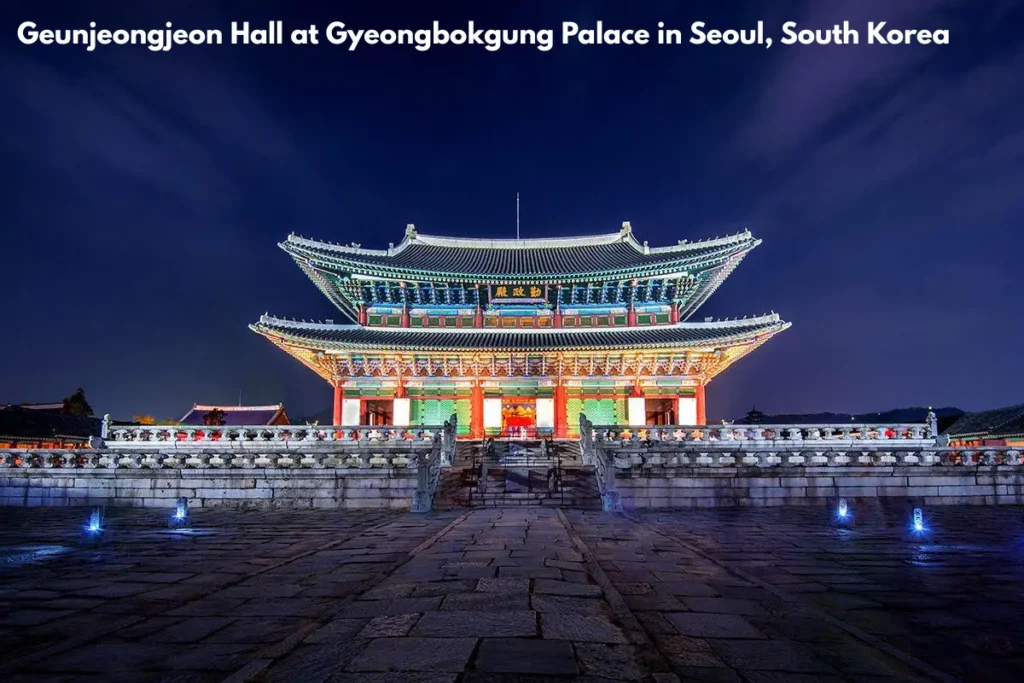
No travel list would be complete without Gyeongbokgung Palace. Built in 1395, this grand palace served as the main royal residence of the Joseon Dynasty. Visitors can watch the Royal Guard Changing Ceremony, wander through traditional hanok architecture, and rent a hanbok (traditional Korean dress) for photos around the grounds.
Book Your Tour Packages at Seoul
Bukchon Hanok Village
Just a short walk from Gyeongbokgung, Bukchon Hanok Village is one of the most photographed attractions on social media. This historic neighborhood preserves hundreds of traditional Korean houses, many of which are still lived in today, offering a rare glimpse into old Seoul. This is one of the most photogenic South Korea tourist places for capturing traditional architecture.
Myeongdong and Hongdae, Seoul
For shopping, street food, and nightlife, Myeongdong and Hongdae are essential stops on any itinerary. Myeongdong is famous for Korean cosmetics and fashion, while Hongdae, near Hongik University, buzzes with live music, indie art, and youthful energy. These neighborhoods rank among the liveliest South Korea tourist places for shopping and nightlife.
Jeju Island
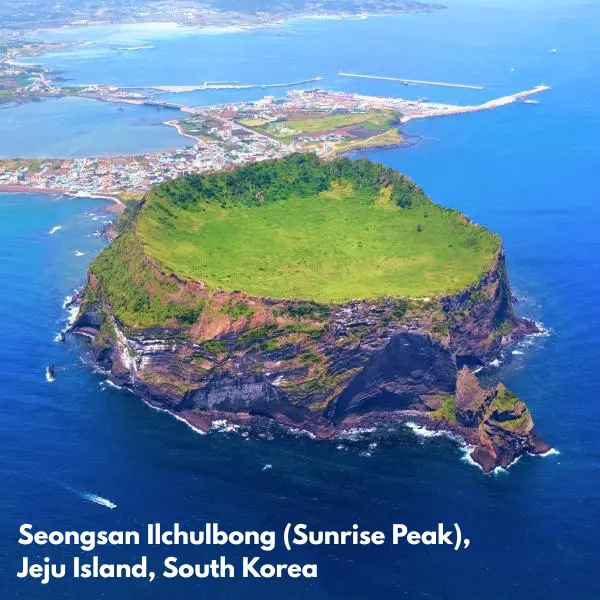
Often called the “Hawaii of Korea,” Jeju Island is among the most beloved destinations for nature lovers. Highlights include Hallasan National Park (South Korea’s tallest peak), Seongsan Ilchulbong (a UNESCO-listed volcanic crater), and Jeju’s famous black-sand beaches.
Busan’s Haeundae Beach and Gamcheon Culture Village
Busan, South Korea’s second-largest city, is home to two standout attractions: Haeundae Beach, a lively coastal stretch perfect for summer visits, and Gamcheon Culture Village, a colorful hillside neighborhood filled with murals, cafes, and art installations. Busan offers some of the most scenic South Korea tourist places outside the capital.
Book Your Hotel in Busan
Gyeongju’s Historic Sites
Known as “the museum without walls,” Gyeongju is one of the richest destinations for history buffs. The city’s Bulguksa Temple and Seokguram Grotto are recognized by UNESCO as World Heritage Sites, showcasing the artistic peak of the Silla Kingdom. Gyeongju is packed with historic South Korea tourist places recognized by UNESCO.
The Demilitarized Zone (DMZ)
For a sobering yet fascinating experience, the DMZ is one of the more unusual sights on this list. Guided tours take visitors to the border between North and South Korea, including the Joint Security Area and infiltration tunnels, offering insight into the peninsula’s divided history. The DMZ remains one of the most unique South Korea tourist places for history enthusiasts.
Nami Island
A short trip from Seoul, Nami Island is famous for its tree-lined pathways and was made internationally popular after appearing in Korean dramas. It remains one of the most romantic spots on this list, especially during autumn foliage season.
Namsan Tower (N Seoul Tower)
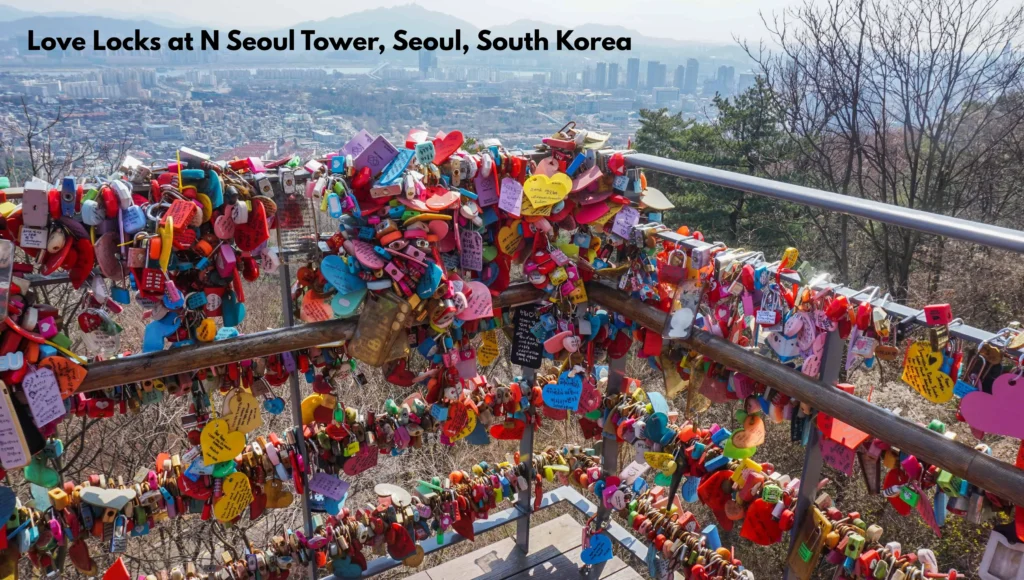
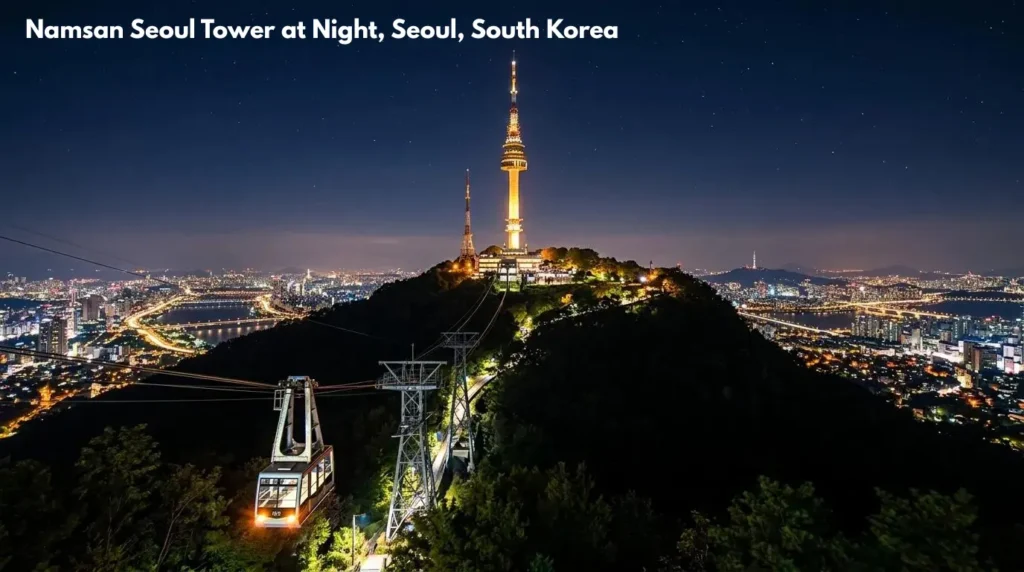
Perched atop Namsan Mountain, N Seoul Tower offers panoramic views of the capital and is a favorite for couples, who often attach “love locks” to the observation deck railings.
Everland Theme Park
For families, Everland near Yongin rounds out our list, featuring roller coasters, a zoo, and seasonal flower festivals throughout the year.
Local Food You Shouldn’t Miss
No visit to South Korea tourist places is complete without tasting the local cuisine. Korean food is bold, communal, and endlessly varied. A few dishes to try along the way:
- Bibimbap – a mixed rice bowl with vegetables, meat, and gochujang (chili paste), best enjoyed in Jeonju, its city of origin.
- Korean BBQ – grilled meats cooked tableside, paired with lettuce wraps and banchan (side dishes).
- Tteokbokki – spicy stir-fried rice cakes, a beloved street food found near markets in Seoul and Busan.
- Bingsu – shaved ice topped with fruit, red beans, or condensed milk, perfect for cooling off after a day of sightseeing.
- Jeju black pork – a regional specialty grilled and served with dipping sauces unique to the island.
Food markets such as Gwangjang Market in Seoul and Jagalchi Fish Market in Busan are excellent ways to sample a wide range of dishes in one visit. Exploring the food scene is just as important as visiting the South Korea tourist places themselves.
Where to Stay Near These Destinations
Accommodation options vary widely depending on which region you’re exploring. In Seoul, neighborhoods like Myeongdong, Hongdae, and Gangnam offer everything from budget guesthouses to luxury hotels, all within easy reach of subway lines. In Busan, staying near Haeundae or Gwangalli Beach puts you close to the coast and nightlife. On Jeju Island, many travelers rent cars and choose accommodations spread across the island, from coastal resorts to countryside guesthouses, since attractions are more spread out than in the mainland cities.
For a more traditional experience, consider spending at least one night in a hanok stay — a restored traditional Korean house, many of which are available in Bukchon Hanok Village and Jeonju’s Hanok Village.
Getting Around South Korea
South Korea’s public transportation system is one of the most efficient in the world, making it easy to reach nearly every South Korea tourist place on this list. Seoul’s subway network connects most major attractions, while the KTX high-speed rail links cities like Seoul, Busan, and Gyeongju in just a few hours. Intercity buses are a reliable, budget-friendly option for reaching smaller towns, and domestic flights are available for quicker access to Jeju Island. Renting a car is also worth considering if you plan to explore Jeju or the countryside at your own pace, though an International Driving Permit is required for foreign visitors.
Best Time to Visit These South Korea Tourist Places
Timing matters when planning your trip. Here’s a closer look at each season to help you choose the best time to visit South Korea for your travel style.
Spring (March–May)
Spring is widely considered the best season to visit South Korea. Temperatures are mild, and cherry blossoms bloom across Seoul, Jinhae, and Jeju Island in early April, drawing crowds to parks and riverside paths. This is an ideal time for palace visits and outdoor sightseeing, though popular spots can get busy during peak bloom weeks.
Summer (June–August)
Summer brings hot, humid weather and a monsoon season in July, with heavy rainfall especially in the south. Coastal destinations like Haeundae Beach and Jeju Island are lively during this period, making it a good season for beach trips, though sightseeing in cities can feel uncomfortable due to the heat.
Autumn (September–November)
Autumn is another top contender for the best season to visit South Korea, offering crisp, dry air and vibrant fall foliage, particularly in Seoraksan National Park, Nami Island, and Gyeongju. Many travelers rank this as their favorite time to explore historic sites and hiking trails without summer’s heat or spring’s crowds.
Winter (December–February)
Winter is cold, with snow common in the north and mountainous regions. This season is best for visitors interested in skiing near Pyeongchang, winter festivals, or a quieter, less crowded experience at popular attractions. Seoul’s palaces and markets take on a festive atmosphere during the holiday season.
Overall recommendation: if you have flexibility, aim for April–May or September–October — these windows consistently offer the best weather, scenery, and comfort for exploring South Korea tourist places.
Here’s a quick-reference table comparing all four seasons at a glance:
| Season | Months | Weather | Highlights | Best For |
|---|---|---|---|---|
| Spring | March – May | Mild, 10°C–20°C (50°F–68°F) | Cherry blossoms in Seoul, Jinhae, and Jeju | Palace visits, photography, festivals |
| Summer | June – August | Hot & humid, 25°C–33°C (77°F–91°F); monsoon in July | Beach season at Haeundae and Jeju | Beaches, water sports, island trips |
| Autumn | September – November | Cool & crisp, 10°C–20°C (50°F–68°F) | Fall foliage in Seoraksan, Nami Island, Gyeongju | Hiking, sightseeing, clear skies |
| Winter | December – February | Cold, -5°C–5°C (23°F–41°F); snowfall | Ski resorts near Pyeongchang, winter festivals | Skiing, snowboarding, quieter crowds |
Travel Tips for Exploring South Korea
- Get a T-money card: This rechargeable transit card works on subways, buses, and even some taxis across most of the country.
- Learn basic Korean phrases: While many signs include English, a few local phrases go a long way in smaller towns.
- Book palace and DMZ tours in advance: Popular sites like the DMZ require advance reservations through licensed tour operators.
- Try local street food: Markets like Gwangjang in Seoul offer some of the most authentic culinary experiences in the country.
- Respect local customs: Reviewing Korean etiquette beforehand — such as bowing and dining manners — will help you navigate cultural interactions with confidence. Our guide on Korean culture and traditions covers this in detail.
Book Your Air Ticket
Frequently Asked Questions About South Korea Tourist Places
1. What are the best South Korea tourist places for first-time visitors?
For a first trip, Gyeongbokgung Palace, Bukchon Hanok Village, N Seoul Tower, and Myeongdong in Seoul offer an easy introduction, while Jeju Island is ideal if you want to combine city sightseeing with nature.
2. How many days do I need to visit the top attractions in South Korea?
A minimum of 7 to 10 days is recommended to comfortably cover Seoul, Busan, and Jeju Island without rushing. If your schedule is tighter, focusing on Seoul and one nearby destination like Nami Island or the DMZ works well for a 4-5 day trip.
3. Do I need a visa to visit South Korea?
Visa requirements depend on your nationality. Many travelers from the US, UK, EU, and several other countries can enter visa-free for short stays under the K-ETA (Korea Electronic Travel Authorization) system. Always check the latest requirements on the Korea Tourism Organization website before booking.
4. What is the best time of year to visit South Korea tourist places?
Spring (April–May) and autumn (September–November) are generally considered the best seasons, thanks to mild weather, cherry blossoms, and fall foliage. Summer is hot and humid, while winter is cold but great for skiing near Pyeongchang.
5. Is South Korea expensive to visit?
South Korea is moderately priced compared to other developed Asian destinations. Public transportation, street food, and guesthouses are budget-friendly, while hotels, K-BBQ dinners, and organized tours can add up quickly if not planned carefully.
6. Can I visit South Korea tourist places without speaking Korean?
Yes. English signage is common in Seoul, Busan, and major tourist areas, and translation apps make communication easy elsewhere. Learning a few basic Korean phrases is helpful but not essential for most travelers.
Conclusion: Start Planning Your South Korea Tourist Places Adventure
From royal palaces and volcanic islands to vibrant nightlife and historic temples, these destinations offer an incredible range of experiences for every type of traveler. Whether you have one week or one month, this country rewards curiosity with unforgettable memories. Start mapping out your itinerary today, and don’t forget to check visa requirements and seasonal weather before you book your flights.
For more travel inspiration and cultural insights, explore our related article on understanding Korean culture and traditions, and consult the official Korea Tourism Organization website for up-to-date travel advisories. No matter which South Korea tourist places you prioritize, this itinerary ensures a memorable trip.
Visit our other blogs
Places to Visit in Japan: Perfect 7-Day Itinerary
Perfect Lake Tahoe Day Trip From San Jose: 2026 Itinerary
Sydney Tourism Guide: Top Attractions for 2026
Maldives vs Seychelles: Compare Beaches and Costs 2026


Hi Keerthana
Well explained, Lot of information