This guide contains affiliate links. We may earn a commission at no extra cost to you — see our Affiliate Disclosure and Affiliate Disclosure Policy for details.
Quick Take: Sydney is one of the world’s most exciting travel destinations in 2026, offering iconic landmarks, stunning beaches, vibrant neighborhoods, and unforgettable experiences—from the Sydney Opera House and Harbour Bridge to Bondi Beach, Taronga Zoo, and scenic harbour cruises.
- Key Highlight: Visit popular attractions like the Sydney Opera House, Harbour Bridge, Bondi Beach, and Darling Harbour early in the morning to avoid crowds and enjoy the best photo opportunities.
- Key Highlight: Use an Opal Card or contactless payment on public transport to travel conveniently by train, ferry, bus, and light rail while exploring Sydney’s top attractions.
- Key Highlight: For an unforgettable experience, plan your visit during spring (September–November) or autumn (March–May) when the weather is pleasant, outdoor activities are at their best, and the city’s parks and coastal walks are especially beautiful.
To book your stay, click here. To Book Local Travel, click here
Traveling Overseas click here to buy a eSIM. For more info click here
Table of Contents
A Short History of Sydney’s Tourist Landmarks
Long before European ships arrived, the Sydney Harbour foreshore was home to the Gadigal people of the Eora Nation, whose connection to the land around Sydney Cove stretches back tens of thousands of years. Many of today’s harbourside walking paths, including sections around the Royal Botanic Garden and the eastern coastal walk, follow routes and sites of deep Aboriginal cultural significance, and several precincts now include interpretive Aboriginal heritage trails.
Modern Sydney’s tourism story really begins with the 1788 arrival of the First Fleet at Sydney Cove, which grew into the colonial settlement now known as The Rocks — still Sydney’s oldest urban precinct and a hub of sandstone lanes, heritage pubs, and weekend markets. The Sydney Harbour Bridge opened in 1932 after nine years of construction and quickly became a national symbol, nicknamed “the Coathanger” for its arch design.
Book Your Air Ticket to Sydney
Four decades later, the Sydney Opera House opened in October 1973, capping a troubled seventeen-year build overseen by Danish architect Jørn Utzon; the building was inscribed as a UNESCO World Heritage Site in 2007 and remains one of the most photographed performing arts venues on Earth. Since then, precincts like Darling Harbour, Barangaroo, and the redeveloped Circular Quay foreshore have layered modern dining, business, and entertainment districts around this historic core, making Sydney a city where 200-year-old sandstone buildings sit a short walk from glass-fronted convention centers.
Top Sydney Attractions for 2026
1. Sydney Opera House
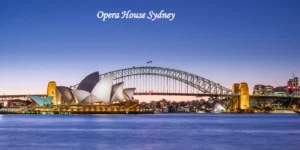
Sydney Australia’s most recognizable landmark and a UNESCO World Heritage Site since 2007. The one-hour guided walking tour takes visitors through the Concert Hall and Joan Sutherland Theatre foyers (access varies with the day’s performance schedule), while the exterior, forecourt, and boardwalk are free to explore 24 hours a day. Every evening after dark, the free Badu Gili light projection lights up the eastern sails with First Nations storytelling. Catching an actual performance — opera, ballet, symphony, or comedy — is the best way to see the building’s interior in full use.
2. Sydney Harbour Bridge
Opened in 1932 and still nicknamed “the Coathanger,” the bridge can be crossed for free on its pedestrian boardwalk with sweeping harbour views. For a bigger thrill, the guided BridgeClimb takes small groups up to the summit — one of the few places in the world you can legally stand on top of a harbour bridge.
3. Bondi Beach and the Bondi–Coogee Coastal Walk
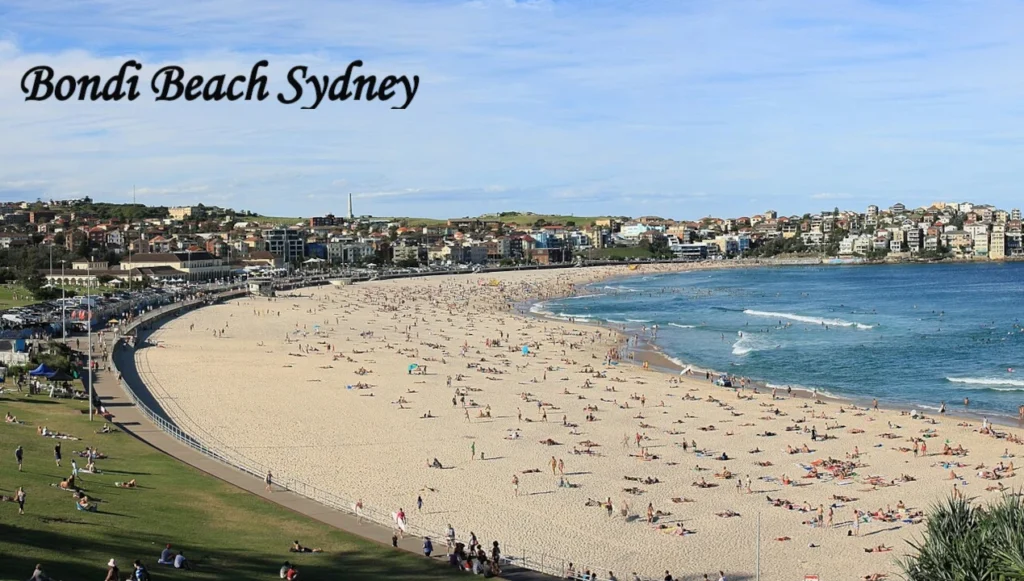
Sydney’s most famous beach, known for its golden sand, surf culture, and the Bondi Icebergs ocean pool. From Bondi, a roughly 6-kilometre clifftop walking track winds south past Tamarama and Bronte beaches to Coogee, passing sandstone cliffs, street art, and lookout points along the way.
4. Taronga Zoo
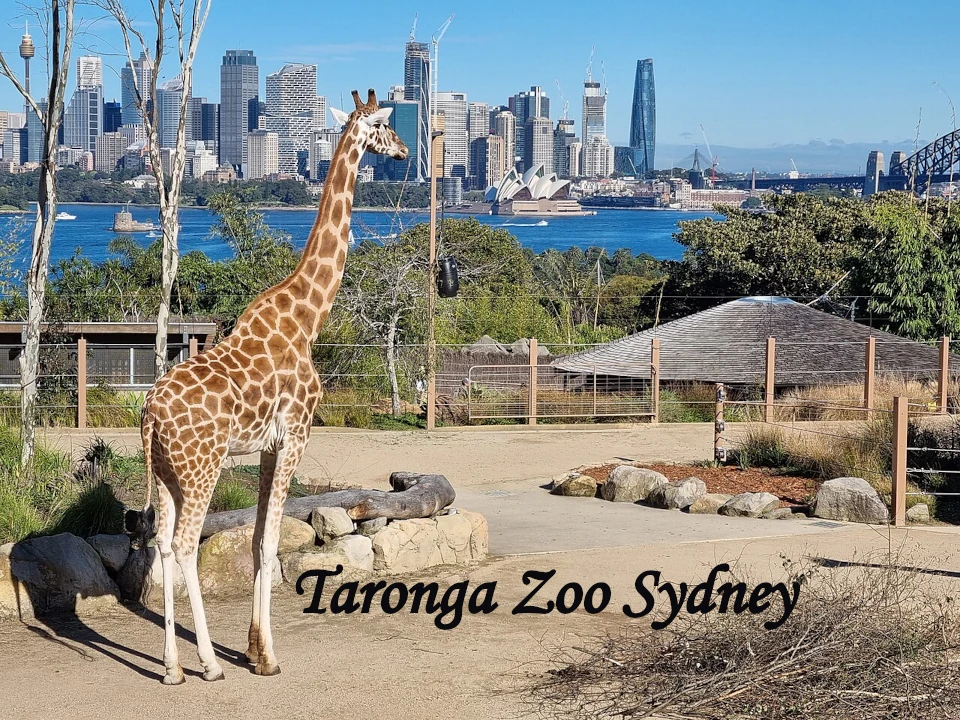
Sydney Reached by a scenic ferry ride from Circular Quay, Taronga Zoo combines harbour views with more than 350 animal species, including Australian natives like koalas, kangaroos, and platypuses. Daily keeper talks, a seal show, a free-flight bird presentation, and a treetop ropes course are included with general admission.
5. Darling Harbour
A family-friendly precinct on the western edge of the CBD, home to SEA LIFE Sydney Aquarium, WILD LIFE Sydney Zoo, the Chinese Garden of Friendship, and the Australian National Maritime Museum. It’s also Sydney’s main convention district, anchored by ICC Sydney, which makes it a convenient stop for business travelers extending their trip by a day or two.
Book Your Stay in Sydney
6. The Rocks
Sydney’s oldest urban precinct, built up from the original 1788 colonial settlement at Sydney Cove. Cobblestone laneways, sandstone heritage buildings, historic pubs, and a popular weekend market make it one of the best areas for a slower walking tour, right next to the Harbour Bridge and Circular Quay.
7. Royal Botanic Garden Sydney
A free-entry harbourside garden bordering the Opera House, with walking paths, a fig tree avenue, and Mrs Macquarie’s Chair — a sandstone lookout carved in 1810 that remains one of the classic photo spots for the Opera House and Harbour Bridge together in one frame.
8. Sydney Tower Eye
The city’s tallest observation deck, offering 360-degree views over the harbour, the beaches, and — on a clear day — the Blue Mountains on the horizon. A good option for visitors who want an overview of the city’s geography early in their trip before deciding where to spend the rest of their time.
9. Manly Beach
A scenic ferry ride across the harbour brings you to Manly, a relaxed beach town with its own surf break, promenade, and casual dining strip — often paired with Taronga Zoo for a full harbour-and-beach day.
10. Barangaroo Reserve
A newer harbourside headland park built on the site of a former container terminal, now a mix of native gardens, walking paths, and waterfront dining. Popular with both visitors and Sydney’s business crowd for after-work drinks with skyline views.
11. Blue Mountains

A day trip roughly 90 minutes from central Sydney by train or tour bus. The Three Sisters rock formation, Scenic World’s cable cars and railway, and eucalypt-forest walking tracks make it the most popular nature escape from the city, and a good match for the one “out of town” day in a longer itinerary.
Five-Day Sydney Itinerary
Day 1 — Circular Quay and the Harbour Icons
Start at Circular Quay, walk to the Sydney Opera House for a guided tour, then continue along the boardwalk to the Royal Botanic Garden. In the afternoon, cross to The Rocks for lunch and a stroll through the historic laneways, finishing at sunset with a Harbour Bridge boardwalk walk or a BridgeClimb if booked in advance.
Day 2 — Darling Harbour and City Business Precinct
Spend the morning at SEA LIFE Sydney Aquarium or WILD LIFE Sydney Zoo, walk through the Chinese Garden of Friendship, then explore Barangaroo Reserve in the afternoon. This is also the natural day for business travelers to visit ICC Sydney or take meetings, since the precinct combines conference venues with waterfront dining.
Day 3 — Bondi to Coogee Coastal Walk
Take a bus or rideshare to Bondi Beach for a swim or a surf lesson, then walk the coastal path toward Coogee, stopping at Tamarama and Bronte beaches along the way. Allow two to three hours for the full walk with photo stops.
Day 4 — Taronga Zoo and Manly
Catch the ferry from Circular Quay to Taronga Zoo for the morning, then take another ferry across to Manly for lunch, a beach walk, and the return harbour crossing at sunset — one of the best free views in Sydney.
Day 5 — Blue Mountains Day Trip
Take an early train or organized tour to Katoomba to see the Three Sisters, ride the Scenic World cableway or railway, and walk part of the escarpment track before returning to Sydney by early evening.
Travel Guidelines and Tips for Tourists and Business Travelers
- Visa: Most eligible visitors need an ETA (subclass 601) or eVisitor visa arranged online before departure — apply only through Australia’s official Department of Home Affairs channels.
- Getting around: Buy an Opal card (or tap a contactless card/phone directly) for trains, buses, ferries, and light rail — it is almost always cheaper than single-trip paper tickets.
- Weather by season: December–February is warm and busy (peak season, book attractions ahead); June–August is mild and quieter, with lower accommodation rates.
- Currency and tipping: Australia uses the Australian Dollar (AUD); tipping is not expected but appreciated for good service in restaurants.
- Connectivity: An eSIM or local prepaid SIM is the simplest way to get data on arrival at Sydney Airport.
- Business travel: Central Sydney’s business hours generally run 9am–5pm, meetings often start with light small talk, and business-casual dress is standard outside finance and law. Base yourself near Circular Quay, Barangaroo, or Darling Harbour for the shortest commute to ICC Sydney and the CBD.
- Sun safety: The Australian sun is strong even on mild days — sunscreen, a hat, and sunglasses are recommended year-round, especially at beaches and lookouts.
Checklist for Families Traveling to Sydney with Infants
- Choose ferry-based days over stair-heavy attractions — ferries are pram-friendly and low-stress compared with the Harbour Bridge climb or Blue Mountains stairs.
- Pack for sun exposure: a shade-cover pram attachment, infant-safe sunscreen, and a wide-brim hat.
- Confirm your accommodation has laundry access or a fridge for formula and food storage.
- Check baby-change facilities in advance — Darling Harbour, Taronga Zoo, Westfield shopping centres, and major train stations all have dedicated parent rooms.
- Consider a pram/cot hire service for the length of your stay rather than checking gear on flights.
- Build in downtime — plan one lighter, low-walking day for every two active sightseeing days to manage jet lag and nap schedules.
- Carry a copy of your travel insurance policy and note the nearest pharmacy and medical centre to your accommodation.
- Check car seat/restraint requirements in advance if hiring a car or booking private transfers, as Australian law requires approved child restraints.
Types of Tickets and Tour Plans for Sydney Attractions
Most major Sydney attractions offer a similar mix of ticket types, and prices below are indicative 2026 ranges — always confirm current pricing on the attraction’s official website before booking.
Book Your Tour Package
- Standard guided tours — e.g. the Sydney Opera House one-hour guided walking tour, priced roughly AU$48–49 for adults, AU$28–30 for children, with family and concession rates available and children under 5 typically free.
- General admission tickets — e.g. Taronga Zoo general entry, roughly AU$45–56 for adults and AU$27–33 for children online, with under-4s free; buying online in advance is consistently cheaper than paying at the gate.
- Combo and multi-attraction passes — city passes bundling entry to Sydney Tower Eye, SEA LIFE Sydney Aquarium, Taronga Zoo, and other sights at a discounted combined rate, useful for visitors covering four or more paid attractions.
- Harbour cruises — sightseeing and dinner cruises departing Circular Quay or Darling Harbour, typically sold as one-hour, half-day, or sunset packages.
- Blue Mountains day-tour packages — combined transport, Scenic World passes, and sometimes lunch or wildlife-park stops, sold as full-day guided tours from Sydney.
- Transport tickets — the Opal card (or linked contactless card) covers trains, buses, ferries, and light rail; visitors should avoid single paper tickets, which cost more per trip.
Frequently Asked Questions
1. What is the best time of year to visit Sydney?
September to November (spring) and March to May (autumn) offer mild weather and smaller crowds. December to February is peak summer season with the best beach weather but higher prices and busier attractions.
2. Do I need a visa to visit Sydney as a tourist or business traveler?
Most international visitors need an ETA (subclass 601) or eVisitor visa arranged online before travel. Requirements vary by nationality and purpose of visit, so check the official Department of Home Affairs website before booking flights.
3. How many days are enough to see Sydney’s main attractions?
Five days is a comfortable pace for first-time visitors, covering the harbour icons, Darling Harbour, the beaches, Taronga Zoo, and a Blue Mountains day trip without rushing.
4. What is the best way to get around Sydney?
An Opal card (or a contactless bank card/phone tapped directly) covers trains, buses, ferries, and light rail, and is the cheapest and most flexible way to get around the city.
5. Is Sydney a good destination for business travel and conferences?
Yes — Sydney’s main convention venue, ICC Sydney, sits in the Darling Harbour precinct alongside hotels, dining, and easy transport links to the CBD, making it a practical base for conference and corporate travel.
6. What should families with infants know before visiting Sydney?
Favor ferry routes and flat harbourside paths over stair-heavy attractions, confirm baby-change facilities at planned stops, pack strong sun protection, and build rest days into the itinerary to manage nap schedules and jet lag.
7. Which Sydney attractions offer combo or multi-attraction tickets?
Sydney Tower Eye, SEA LIFE Sydney Aquarium, WILD LIFE Sydney Zoo, and Taronga Zoo are commonly bundled together in multi-attraction city passes, which can offer savings for visitors planning to see several paid sights.
8. Is Sydney an expensive city for tourists?
Sydney is one of Australia’s pricier cities, but many highlights — the Opera House exterior, Harbour Bridge boardwalk, Royal Botanic Garden, and most beaches — are free to visit, which helps balance the cost of accommodation and paid attractions.
Official and Authentic Resources for Tourists and Business Travelers
Always confirm visa, transport, and attraction details directly with official sources before you travel:
- Sydney.com — official Destination NSW visitor site
- Australia.com — official Tourism Australia site
- Department of Home Affairs — official visa (ETA/eVisitor) applications
- Smartraveller — Australian Government travel advisories
- Transport for NSW — Opal card and public transport planning
- NSW National Parks and Wildlife Service — Blue Mountains and reserves
- Sydney Opera House — official tours and performance tickets
- Taronga Zoo Sydney — official ticketing and visitor information
- Royal Botanic Garden Sydney — official garden information
- ICC Sydney — official convention and business events venue
- Business Events Sydney — official conference and corporate travel support
- Sydney Airport — official arrivals, transport, and terminal information
Visit our other blogs
Ultimate Australia 14 Day Trip Sydney and Great Reef
Unforgettable Tourist Activities in Havelock Island (2026)
Best Cities to Visit in America: Top 10 Places for 2026
Prices, opening hours, and visa requirements change frequently — always verify current details on the official websites linked above before finalizing your Sydney trip.




Leave a Reply