
This guide contains affiliate links. We may earn a commission at no extra cost to you — see our Affiliate Disclosure and Affiliate Disclosure Policy for details.
⚡ Quick Take: Zero-markup forex cards like HDFC ForexPlus, Niyo Global, and Wise can save Indian travelers ₹7,000+ per trip compared to regular debit cards that charge a 2.5–3.5% forex markup.
🎯 Key Highlights:
- Best by Traveler: First-timers should pick HDFC ForexPlus (22 currencies, bank-backed); frequent flyers should choose Niyo Global (130+ currencies, 7% interest on balance).
- RBI Tax Rule: Forex loads under ₹10 lakh/year incur zero TCS — most leisure travelers spending ₹2–5 lakh annually never hit this threshold.
- Insider Tip: Always pay in local currency, never INR, when a foreign terminal asks — choosing INR triggers Dynamic Currency Conversion at rates 3–5% worse than your card network.
Last Verified: April 2026 | Author: Jayanthan Solomon | Reading Time: 12 min
I lost ₹7,440 on my first Europe trip — and I didn’t even know it until I got home and checked my bank statement.
To book your stay, click here. To Book Local Travel, click here. To book your travel insurance here or here
Traveling Overseas Click here to buy a eSIM. For more info Click here
Table of Contents
My regular HDFC debit card charged a 3.5% forex markup on every transaction. The hotel checkout in Paris added a cross-currency conversion fee. The ATM in Rome charged a withdrawal fee on top. By the time I added it all up across a 10-day trip with €2,000 in spending, I’d handed over ₹7,440 to the banks for the privilege of spending my own money abroad.
That’s when I discovered forex cards — and zero-markup travel credit cards. Since then, I’ve paid exactly ₹0 in forex charges across every international trip. This guide gives you everything you need to make the same switch — with the right card for your specific trip, destination, and budget.
⚡ Quick Verdict — Find Your Card in 60 Seconds

| Traveler Type | Best Pick | Why |
|---|---|---|
| 🌴 First-time international traveler | HDFC Multicurrency ForexPlus | Bank-backed, 22 currencies, branches everywhere, trusted first card |
| 💼 Frequent flyer (3+ trips/year) | Niyo Global | Zero markup, 130+ currencies, lounge access, 7% interest on balance |
| 🌍 Multi-destination tripper | Wise Travel Card | 40+ currencies at interbank rate, full fee transparency, no hidden spread |
| 🎓 Student studying abroad | HDFC ISIC Student ForexPlus | Purpose-built for USA/UK/Europe stays, ISIC membership included |
| 💸 Budget / zero-fee traveler | IDFC FIRST WOW! Credit Card | Zero annual fee, zero markup, FD-secured — no credit check needed |
| 👴 Senior traveler (60+) | HDFC ForexPlus | Available at HDFC branches with in-person support and phone helpline |
| 🏆 Best rewards + free card | Scapia Federal Bank Credit Card | Lifetime free, zero markup, 10% Scapia Coins on eligible spend |
| ⏰ Last-minute / airport buyer | Thomas Cook Borderless Card | 20+ airport counters across India, walk-in same-day issuance |
Not sure which one fits you? Read on — I’ve laid out each card in detail, along with India’s forex rules every traveler must know in 2026.
💸 The Hidden Markup Math — Why 3.5% Costs You More Than You Think
Let me show you the exact math on a typical 10-day Europe trip with €2,000 in spending (approximately ₹1,84,000 at ₹92 per euro).
| Charge Type | Regular Debit Card | Zero-Markup Forex Card |
|---|---|---|
| Forex markup (3.5% on ₹1,84,000) | ₹6,440 | ₹0 |
| ATM withdrawal fees (3 withdrawals) | ₹750 | ₹0 (free at partner ATMs) |
| Cross-currency charges | ₹250 | ₹0 |
| Total extra charges | ₹7,440 | ₹0 |
₹7,440 lost on a single 10-day trip. Do that every year for five years and you’ve wasted ₹37,200 — enough for a return flight to Bangkok.
Here are the three charges that drain your money silently:
- Forex markup: The extra percentage your bank adds on top of the real exchange rate — like a hidden commission on every rupee you spend abroad. Standard Indian debit cards charge 2.5–3.5% on every foreign transaction.
- Cross-currency fee: When you spend in a currency that isn’t loaded on your forex card — for example, paying in Swiss Francs when only Euros are loaded — many cards (including Axis Bank) charge an additional 3.5% conversion fee.
- Dynamic Currency Conversion (DCC): When a hotel or ATM abroad asks “pay in INR or local currency?” — always choose local currency. Choosing INR lets the merchant’s bank do the conversion at rates 3–5% worse than your card network rate. This is one of the most common and costly mistakes Indian travelers make.
Always pay in local currency when a terminal abroad asks you to choose. Choosing INR at a foreign ATM or hotel lets their bank convert at rates 3–5% worse than your own card network.
Forex Card vs Credit Card vs Regular Debit Card — The Key Difference
| Card Type | How It Works | Forex Markup | Best For | Watch Out For |
|---|---|---|---|---|
| Prepaid Forex Card | Load currency before travel; use like a debit card abroad | 0% on loaded currency | Locking in a good exchange rate before travel | Cross-currency fees if you spend in unloaded currency |
| Zero-Markup Credit Card | Spend now, pay the bill later; no pre-loading needed | 0% (network rate) | Flexible spending; no advance planning | Requires credit eligibility; interest if not paid in full |
| Regular Debit Card | Deducts from your account at the spot rate + markup | 2.5–3.5% | Emergency only if nothing else available | Every transaction bleeds money — avoid using abroad |
My recommendation: carry one prepaid forex card loaded in your destination currency, plus one zero-markup credit card as backup. This combination covers every scenario — locked rates on your main card, flexibility on your backup.
🏆 The 8 Best Forex Cards for Indian Travelers in 2026
I’ve divided these into two categories: Prepaid Multi-Currency Forex Cards (load before you travel) and Zero-Markup Debit/Credit Cards (spend and settle later). Together, they cover every traveler profile and budget.
Category A — Prepaid Multi-Currency Forex Cards
1. HDFC Bank Multicurrency Platinum ForexPlus Chip Card
The HDFC ForexPlus is the card I recommend to anyone buying their first forex card. It supports 22 currencies — the widest range of any bank-issued prepaid forex card in India — covering popular destinations from Europe to Australia to Japan. You load the currency you need before departure, and every transaction in that currency costs you zero markup. HDFC Bank backs the card directly, which means 24/7 customer support, branch availability across India, and chip-and-PIN security compliant with global standards.
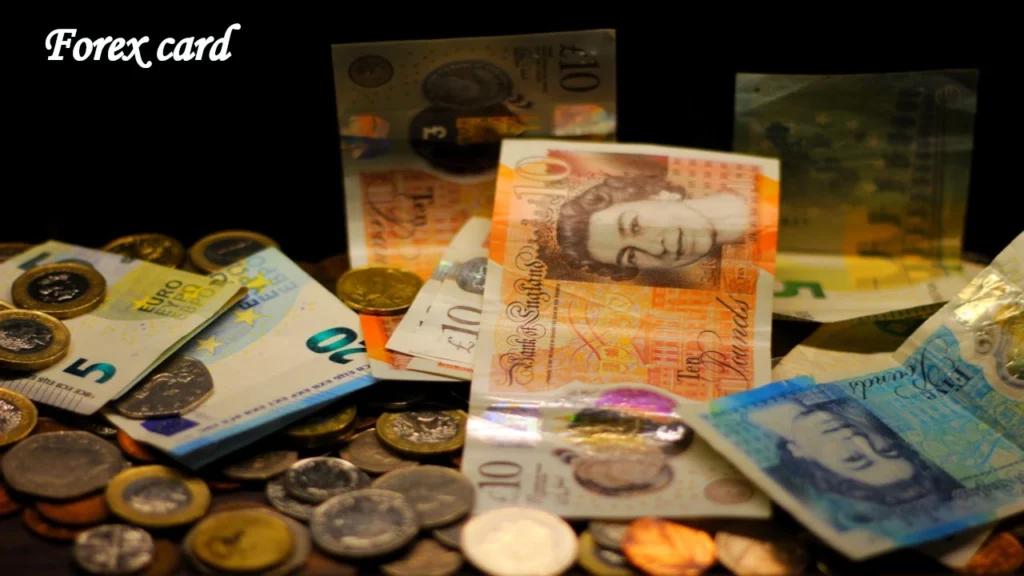
The card also comes with genuinely useful extras: Amazon shopping vouchers, emergency cash assistance abroad, and global concierge service. HDFC waives the ₹500 issuance fee when you load a minimum of USD 1,000 at first load.
- ✅ Currencies: 22
- ✅ Forex markup: Zero on loaded currency
- ✅ Issuance fee: ₹500 + GST (waived on USD 1,000+ first load)
- ✅ Add-ons: Amazon vouchers, emergency cash, concierge, insurance
- ⚠️ Watch out for: A 2% cross-currency fee applies when spending in a currency you haven’t loaded. If you’re heading to multiple countries with different currencies, load each one separately — or consider a card with no cross-currency fee.
2. Axis Bank Multi-Currency Forex Card
Axis Bank offers three variants — the standard Multi-Currency Forex Card, the World Traveller (which earns airline miles), and the Burgundy Multi-Currency Card (which gives free ATM withdrawals for Burgundy account holders). All three support 16 currencies with zero markup on loaded currencies. The World Traveller variant is especially well-suited for frequent travelers who want to accumulate miles from their forex card spending.
- ✅ Currencies: 16
- ✅ Forex markup: Zero on loaded currency
- ✅ Issuance fee: ₹300 + GST (waived for priority account holders)
- ✅ Miles variant: World Traveller earns airline miles on every transaction
- ⚠️ Watch out for: A 3.5% cross-currency fee applies on transactions in currencies not loaded on the card — one of the highest in the market. Multi-country travelers must pre-load each currency or face this charge. Also watch for a $5 inactivity fee if the card sits unused for 36+ months.
3. Thomas Cook Borderless Prepaid Card
Thomas Cook operates over 20 airport currency counters across India — making this the best pick for travelers who leave the forex card purchase until the last minute. The Borderless Card offers zero markup via its partner YES Bank, supports 9 major currencies, and includes one free ATM withdrawal when you load USD 1,000 or equivalent. Thomas Cook’s branch network and airport presence make it the most accessible card for travelers who prefer in-person assistance over digital onboarding.
Visit Thomas Cook Forex Cards →
- ✅ Currencies: 9 major currencies
- ✅ Forex markup: Zero
- ✅ Airport availability: 20+ airport counters across India
- ✅ ATM: One free withdrawal on USD 1,000+ load
- ⚠️ Watch out for: Fewer currencies (9) than HDFC or Axis. If you’re visiting an uncommon destination, verify whether your currency is supported before buying.
4. BookMyForex YES Bank Prepaid Card
BookMyForex runs on live interbank rates — meaning the rate you see on the app is the rate you get, updated in real time. This makes it the best card for travelers who actively track exchange rates and want to lock in their currency at a favorable moment. BookMyForex delivers the card to your home address 2–3 days before travel, which beats airport counter rates by 3–5%. The platform also currently offers ₹200 off your first transaction with promo code NEWTOBMF.
- ✅ Forex markup: Zero; live interbank rates
- ✅ Rate locking: Lock your rate online before travel when the rupee is favorable
- ✅ Convenience: Home delivery 2–3 days before departure
- ✅ Promo: ₹200 off first transaction with code NEWTOBMF
- ⚠️ Watch out for: Requires advance ordering — not available for walk-in same-day purchase. Plan at least 3 days before travel.
Category B — Zero-Markup Debit & Credit Cards
5. Niyo Global Card (SBM / DCB Bank)
Niyo Global is the most feature-packed card on this list for frequent travelers. It supports 130+ currencies — the highest of any Indian travel card provider — with zero forex markup on international transactions. Your Niyo account also earns 7% interest on your savings balance, which means the money sitting on your card works for you even when you’re not traveling. Add complimentary airport lounge access (spend-based), a global ATM locator in the app, and real-time currency conversion, and you have a genuine all-in-one travel finance solution.
Note that Niyo functions as an INR-based card — it converts your balance at the live Visa network rate when you swipe, rather than letting you pre-load a foreign currency. This means you can’t lock in a rate before travel the way you can with HDFC ForexPlus.
- ✅ Currencies: 130+
- ✅ Forex markup: Zero on international transactions
- ✅ Interest on balance: 7% per annum on savings
- ✅ ATM withdrawals: 3 free domestic/month; ₹110 + taxes for international ATMs
- ✅ Lounge access: Complimentary at Indian airports (spend-based criteria)
- ⚠️ Watch out for: Niyo requires in-person or video KYC linked to a new SBM/DCB savings account — it’s not instant digital onboarding like Wise. Start the application at least 7–10 days before travel. Also, Niyo uses the Visa network rate, not the pure interbank rate — Wise gives a marginally more transparent rate.
6. Wise Travel Card

Wise gives you something no Indian bank or fintech fully replicates: the real interbank exchange rate with zero hidden markup. When you convert INR to euros, pounds, or dollars on Wise, you get the same mid-market rate you’d see on Google — not a network rate with a spread built in. Wise charges a small, visible conversion fee (from 1.16%) that it shows upfront, which means you always know exactly what you’re paying. You can hold balances in 40+ currencies and freeze/unfreeze the card instantly from the app.
The card is currently free to order for Indian addresses (limited-time offer while stocks last). Onboarding is fully digital with video KYC — no branch visit required.
- ✅ Currencies: 40+
- ✅ Forex markup: Zero — pure interbank rate with visible low fee from 1.16%
- ✅ Annual fee: None
- ✅ Onboarding: Fully digital, no branch visit
- ✅ Rate locking: Convert and hold currencies at favorable rates before travel
- ⚠️ Watch out for: Wise is a fintech product, not an RBI-licensed bank. It operates as a payment service provider registered in India. The card works globally but doesn’t carry the same institutional backing as an HDFC or Axis card — some travelers prefer a bank-backed card for peace of mind on high-value travel.
7. IDFC FIRST WOW! Credit Card
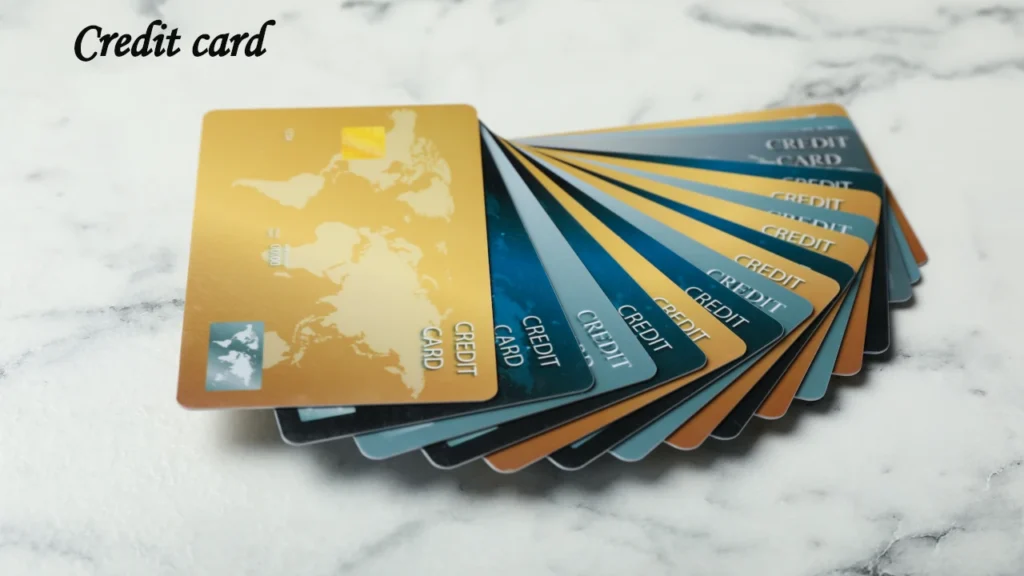
The WOW! Card solves a problem no other card on this list addresses: what if you want zero forex fees but don’t have a strong credit history? IDFC FIRST secures this card against a fixed deposit — your credit limit equals your FD amount, no income proof required, no credit check. Eligibility spans ages 18 to 80, making it one of the most accessible travel cards in India. You earn 4 reward points per ₹150 spent, and the FD behind your card continues to earn interest while you travel.
There is no joining fee and no annual fee — making the WOW! Card genuinely cost-free to hold and use.
Visit IDFC FIRST WOW! Credit Card →
- ✅ Forex markup: Zero
- ✅ Joining fee: None
- ✅ Annual fee: None
- ✅ Eligibility: Ages 18–80; no credit score needed; FD of ₹20,000+ as collateral
- ✅ FD interest: Your fixed deposit continues to earn interest while the card is active
- ⚠️ Watch out for: ATM cash withdrawals abroad carry a ₹199 + GST transaction fee per withdrawal (up to 45 days interest-free). Use this card for point-of-sale spending abroad, not cash withdrawals.
8. Scapia Federal Bank Credit Card
The Scapia card is India’s best free travel credit card, full stop. It carries a lifetime zero annual fee, zero forex markup on international transactions, and earns 10% Scapia Coins on eligible online and offline spending on the Visa variant (5% on UPI/RuPay spending above ₹500). Those coins convert to travel bookings — flights, hotels, buses — through the Scapia app. Book travel through the app and you earn 20% coins, making it a compelling rewards card for regular travelers who don’t want to pay a rupee in annual fees.
You get unlimited domestic airport lounge access (subject to a monthly spend threshold of ₹10,000 on the Visa variant). Approval gives you an instant virtual card — you can start using it the same day.
Visit Scapia Federal Bank Credit Card →
- ✅ Forex markup: Zero
- ✅ Annual fee: Lifetime free
- ✅ Rewards: 10% Scapia Coins on eligible Visa spend; 20% on Scapia app bookings
- ✅ Lounge access: Unlimited domestic lounge access (₹10,000/month spend threshold)
- ✅ Instant virtual card: Available same-day on approval
- ⚠️ Watch out for: Scapia Coins are redeemable only for travel bookings through the Scapia app — not for cashback or statement credit. If you prefer flexible redemption, look at IDFC FIRST WOW! instead. The card also currently does not offer international lounge access.
📊 Full Comparison Table — All 8 Cards Side by Side
| Card | Type | Forex Markup | Currencies | Annual Fee | Best For | Verdict |
|---|---|---|---|---|---|---|
| HDFC Multicurrency ForexPlus | Prepaid forex | 0% on loaded currency | 22 | ₹500 issuance (waived on USD 1,000+ load) | First-time travelers; seniors | Best Bank Card |
| Axis Bank Multi-Currency | Prepaid forex | 0% loaded; 3.5% cross-currency | 16 | ₹300 + GST | SE Asia; Burgundy holders | Good for SE Asia |
| Thomas Cook Borderless | Prepaid forex | 0% | 9 | Variable | Last-minute; airport buyers | Best Airport Pick |
| BookMyForex YES Bank | Prepaid forex | 0%; live interbank rates | Multi | Low | Rate-conscious travelers | Best Live Rate |
| Niyo Global | Debit (savings a/c) | 0% (Visa network rate) | 130+ | Annual fee applies | Frequent flyers | Best All-in-One |
| Wise Travel Card | Prepaid debit (fintech) | 0% markup; fee from 1.16% | 40+ | None | Multi-currency; transparency | Best Transparency |
| IDFC FIRST WOW! | Secured credit card | 0% | All (network rate) | None (FD-secured) | Budget; no credit history | Best Zero-Fee |
| Scapia Federal Bank | Unsecured credit card | 0% | All (Visa rate) | Lifetime free | Rewards; occasional travelers | Best Free Card |
📋 RBI Rules Every Indian Traveler Must Know in 2026
Most travel articles skip this section. I’m including it because the RBI’s Liberalised Remittance Scheme (LRS) and Tax Collected at Source (TCS) rules directly affect how much money you can load on a forex card, and what tax implications you need to plan for. Getting this wrong is expensive. Official RBI Forex FAQs →
LRS — The Annual Forex Limit
Under the RBI’s Liberalised Remittance Scheme (LRS), resident Indian individuals can remit up to USD 2,50,000 per financial year (April to March) for permitted purposes — travel spending, education, medical expenses, overseas investments, and more. Every rupee you load onto a forex card counts toward this annual limit. For most leisure travelers doing 1–2 international trips per year, this limit is essentially irrelevant. Where it matters: students paying tuition fees abroad, NRIs sending money back, or investors making overseas purchases.
TCS — The Tax You’ll Get Back (If You Know How)
TCS (Tax Collected at Source) is not a penalty. It is advance tax — collected upfront by your bank on forex card loads and remittances, then credited to your Form 26AS and claimable when you file your ITR. Think of it exactly like TDS on your salary: it comes back, as long as you file your tax return.
Here’s what changed under Finance Act 2025, effective April 1, 2025:
| Scenario | TCS Rate (from April 1, 2025) | Notes |
|---|---|---|
| Forex card load / travel spend — up to ₹10 lakh/year | 0% TCS | No TCS applies below this threshold (raised from ₹7 lakh) |
| Forex card load / travel spend — above ₹10 lakh/year | 20% on the excess amount only | Claimable in ITR — not a permanent charge |
| Education remittance (via education loan under Section 80E) | 0% | Full exemption for loan-financed overseas education |
| Education remittance (self-funded, above ₹10 lakh) | 5% on the excess | Lower rate than general travel |
| Medical remittance (above ₹10 lakh) | 5% on the excess | Lower rate than general travel |
| Overseas tour packages | 5% below ₹10 lakh; 20% above | Different calculation — not pooled with personal travel spend |
| International credit card spending while abroad | 0% TCS | Ministry of Finance has postponed LRS applicability on international credit cards until further notice |
The practical takeaway for most Indian travelers: keep your total annual forex card loads and remittances under ₹10 lakh per person and you’ll never encounter TCS. On a typical 2-week Europe trip spending €3,000–€4,000, you’ll load approximately ₹2.8–3.7 lakh — well below the threshold.
Income Tax India — How to Claim TCS Credit in Your ITR →
Other Key Rules at a Glance
| Rule | Detail |
|---|---|
| LRS annual limit | USD 2,50,000 per resident individual per financial year |
| Cash carry limit | Up to USD 3,000 in foreign currency cash per trip; excess must go on forex card or traveler’s cheque |
| Authorised dealers only | All forex transactions must go through RBI-authorised dealers; street exchangers are illegal under FEMA |
| Required documents | Valid passport + PAN + international flight ticket or visa for all forex purchases |
| Unused balance encashment | Reconvert unused forex card balance to INR within 180 days of return (some banks allow 60 days — check your card’s terms) |
| NRI exception | Non-Resident Indians (NRIs) do not fall under LRS and are not subject to TCS on remittances from India |
🎯 Which Card for Which Traveler — Persona Recommendations
| Traveler Type | Top Pick | Why This Card Wins | Alternative |
|---|---|---|---|
| 🌴 First-time international traveler | HDFC ForexPlus | Bank-backed, 22 currencies, available at any HDFC branch in India, 24/7 phone support — the safest, most reliable first forex card | Thomas Cook Borderless |
| 💼 Frequent flyer (3+ trips/year) | Niyo Global | Zero markup across 130+ currencies, lounge access, 7% interest on savings — one card replaces your forex card and savings account | Scapia Federal Bank Card |
| 🌍 Multi-destination (3+ countries, one trip) | Wise Travel Card | Hold and convert 40+ currencies at the pure interbank rate; no cross-currency fees when you pre-load each currency needed | HDFC ForexPlus (22 currencies) |
| 🎓 Student studying in USA/UK/Europe | HDFC ISIC Student ForexPlus | Purpose-built for students, ISIC membership included, widely accepted at universities and supermarkets in US/UK/Europe | Wise Travel Card (fully digital onboarding) |
| 💸 Budget traveler (zero fees, always) | IDFC FIRST WOW! | Zero annual fee, zero markup, secured by FD — genuinely cost-free to own and use abroad | Scapia (lifetime free) |
| 👴 Senior traveler (60+) | HDFC ForexPlus | Available at HDFC branches with in-person assistance; 24/7 phone helpline; no digital-only onboarding required | Thomas Cook (branch issuance available) |
| 💎 Rewards maximizer | Scapia Federal Bank Card | 10% Scapia Coins on eligible spend, 20% on Scapia app bookings, unlimited domestic lounge access — the best free rewards card for travel | Niyo Global |
| ⏰ Last-minute airport buyer | Thomas Cook Borderless | 20+ airport counters across India for same-day walk-in purchase; better than airport bureau de change rates | BookMyForex (home delivery 3 days before) |
💡 5 Tips to Maximize Your Forex Card Every Trip
- Always pay in local currency, never INR. Every time a foreign ATM or hotel terminal asks “Pay in INR or local currency?” — choose local currency. Choosing INR activates Dynamic Currency Conversion, where the merchant’s bank applies a conversion rate 3–5% worse than your card network. This one habit alone saves hundreds of rupees per trip.
- Lock your rate before travel, not at the airport. Buy your forex online 1–2 weeks before travel when the rupee is in a favorable position. BookMyForex shows live rates and lets you lock them in immediately. Airport counters charge a 3–5% premium over live rates.
- Carry two cards. One prepaid forex card loaded in your destination currency + one zero-markup credit card as backup. If one is blocked abroad (it happens), you have the other. Never travel internationally with only one payment method.
- Keep your annual forex spend under ₹10 lakh. Stay below this threshold and you will never encounter TCS. Most leisure travelers doing 1–2 international trips per year spend ₹2–5 lakh abroad annually — well under the limit.
- Encash unused balance promptly. RBI rules require you to convert unused forex card balance back to INR within 60–180 days of returning to India (varies by card). Don’t leave foreign currency sitting on a card for months — reconvert it and put it back in your savings account where it earns interest.
🗂️ Official Resources for Indian Forex Card Buyers
- 🏛️ RBI — Foreign Exchange FAQs — Official answers on LRS rules, permissible purposes, and documentation
- 📄 RBI — LRS Master Direction — The complete regulatory document governing outward remittances
- 💰 Income Tax India — How to Claim TCS Credit — Step-by-step guide to reclaiming TCS in your ITR
- 🏦 HDFC Bank Forex Cards
- 🏦 Axis Bank Multi-Currency Forex Card
- 🌐 Niyo Global Card
- 🌐 Wise Travel Card India
- 🌐 BookMyForex Forex Card
- 🌐 Thomas Cook Borderless Card
- 💳 IDFC FIRST WOW! Credit Card
- 💳 Scapia Federal Bank Credit Card
❓ Frequently Asked Questions
1. Can I use a regular Indian debit card abroad?
Yes, most Indian debit cards with Visa or Mastercard logos work at international ATMs and point-of-sale terminals. However, your bank charges a forex markup of 2.5–3.5% on every transaction, plus ATM withdrawal fees. On a 10-day Europe trip with €2,000 in spending, this can cost you ₹6,000–₹8,000 in extra charges. Use a regular debit card only in emergencies when you have no other option.
2. What documents do I need to get a forex card?
You need a valid Indian passport, PAN card, and proof of international travel (flight ticket or visa confirmation). Some banks also require a Form A2 declaration. If you’re an existing account holder at the issuing bank, the process is faster — some banks allow forex card loading through net banking with no additional documentation for existing customers.
3. What happens to unused money on my forex card after I return?
RBI regulations require you to encash (convert back to INR) any unused foreign currency balance within 180 days of returning to India — though some banks impose a stricter 60-day limit. Check your specific card’s terms. Don’t leave foreign currency sitting on an idle card — it earns nothing and you may face charges for non-compliance with the encashment rule.
4. Is Wise legal in India?
Yes. Wise operates as a licensed payment service provider in India, registered with the Financial Intelligence Unit (FIU-IND). It is fully legal for Indian residents to use for international travel spending. Wise is not an RBI-licensed bank, which is why it cannot accept deposits or offer savings accounts — it is a money services business, similar to Western Union or PayPal, but purpose-built for multi-currency travel spending.
5. What is Dynamic Currency Conversion and how do I avoid it?
Dynamic Currency Conversion (DCC) happens when a foreign ATM or payment terminal gives you the option to pay in Indian Rupees instead of the local currency. Sounds convenient — it isn’t. When you choose INR, the merchant’s bank applies their own conversion rate, which is typically 3–5% worse than your card network’s rate. Always choose to pay in the local currency of the country you’re in. Your card’s network (Visa/Mastercard) will handle the conversion at a better rate.
6. Can I load multiple currencies on one forex card?
Yes — that’s exactly the point of a multi-currency forex card. HDFC ForexPlus supports 22 currencies simultaneously; Axis supports 16. You load each currency separately based on your destination. The card automatically draws from the correct currency wallet when you spend abroad. If you spend in a currency you haven’t loaded, the card draws from a loaded currency and applies a cross-currency conversion fee — which is why loading the right currencies before travel matters.
7. Is it better to carry cash or use a forex card abroad?
For most destinations, a zero-markup forex card or credit card beats cash in almost every scenario. Cards offer fraud protection, real-time transaction alerts, and better exchange rates than airport or hotel exchange counters. Carry a small amount of local currency cash (equivalent to ₹3,000–5,000) for situations where cards aren’t accepted — small markets, tuk-tuks, taxis in some countries. For larger spending — hotels, restaurants, shops — always use your forex card or zero-markup credit card.
✈️ My Personal Setup — What I Actually Use
After testing these cards across trips to Europe, Southeast Asia, the US, and the Middle East, here’s the exact combination I travel with today:
I carry an HDFC Multicurrency ForexPlus loaded with the destination currency — euros for Europe, dollars for the US, baht for Thailand. This gives me a locked rate that I set before travel when the rupee is strong. I use this for all daily spending.
As backup, I carry a Scapia Federal Bank Credit Card — zero annual fee, zero markup, instant virtual card for online bookings. If I’m visiting a country where I haven’t pre-loaded currency on the forex card, the Scapia handles it without charging me a rupee in markup.
Between these two cards, I’ve spent across 12 countries and paid exactly ₹0 in forex charges since 2022. That’s the setup I’d recommend to any Indian traveler who wants maximum coverage at minimum cost.
📚 Further Reading on Ryde Travel
- Complete Travel Insurance Guide for Indians (2026) — A forex card handles your money abroad. Travel insurance handles everything else that can go wrong.
- Bajaj Allianz vs HDFC ERGO Travel Insurance — Full Comparison (2026)
- Flight Booking Tips for Indian Travelers 2026 — How to find cheap international flights from India.
- Visa Process for Indian Travelers (2026) — Step-by-step visa guide including documents and timelines.
Disclaimer: Forex rates, card fees, and TCS thresholds change frequently. Always verify current terms at the insurer’s or bank’s official website before purchasing. This article does not constitute financial advice. All RBI and tax information is accurate as of April 2026 — refer to official RBI and Income Tax India sources for updates.





Leave a Reply