This guide contains affiliate links. We may earn a commission at no extra cost to you — see our Affiliate Disclosure and Affiliate Disclosure Policy for details.
✈️ Quick Take
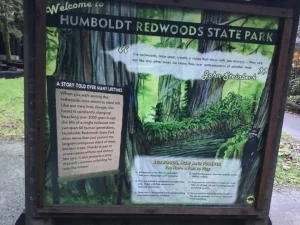
Humboldt Redwoods State Park is where you go to stand under the tallest living things on Earth without queueing for a ticket. The park protects 53,000 acres of Northern California forest, roughly 17,000 of which have never been logged — the largest surviving stretch of ancient coast redwoods anywhere on the planet. The 32-mile Avenue of the Giants runs straight through the middle of it, so you can see the best of the park from a car seat and then walk into it whenever you feel like stopping.
It works best as a two-day stop on a San Francisco-to-Oregon road trip, or as an overnight detour from Highway 101.
✈️ Key Highlights
- Where: Near Weott, Humboldt County, California — 45 miles south of Eureka, 20 miles north of Garberville, about 4 to 4.5 hours north of San Francisco.
- Cost: No gate, no entry ticket. Roadside pullouts and most trailheads along the Avenue of the Giants are free; developed day-use areas such as Williams Grove charge an $8 vehicle fee.
- Best months: May to October for dry trails and warm afternoons. June mornings are often fogged in until 11am, which is beautiful rather than a problem.
- Don’t skip: Rockefeller Forest and Founders Grove. If you only have two hours, do these two and nothing else.
- Know before you go: There is no mobile signal in most of the park and no restaurant inside it. Download offline maps and bring food.
To book your accomadation, click here. To Book Local Travel, click here. To book your Travel insurance here
Traveling Overseas: Click here to buy an eSIM. For more info on eSIM, click here
Table of Contents
Why Humboldt Redwoods Is Worth the Detour
Most people driving north from San Francisco aim for Redwood National Park and skip this one. That’s a mistake, and it’s the reason Humboldt Redwoods stays pleasant even in August.
Book Your Adventure Tours in Humboldt Redwoods State Park
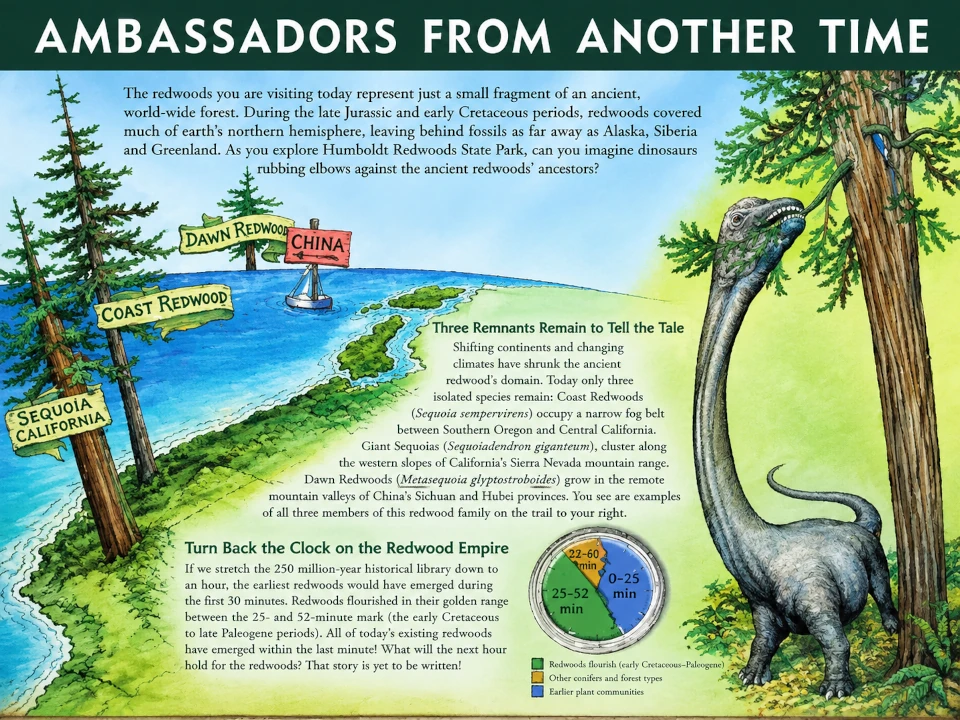
The numbers explain why. Coast redwoods once covered around two million acres of the California and Oregon coast. Logging in the 19th and 20th centuries took roughly 95% of the old-growth. What’s left is fragmented across a handful of parks — and the single biggest unbroken piece of it sits right here, in Rockefeller Forest. When you walk into that grove, you are walking into the largest ancient redwood forest that still exists.
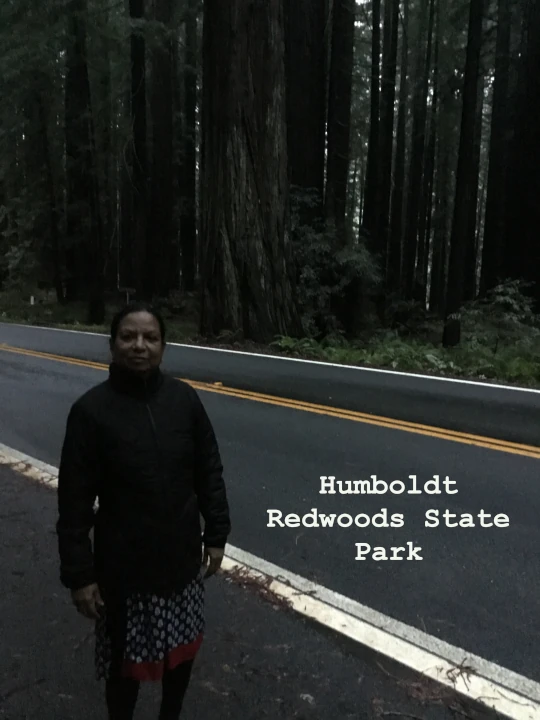
The trees themselves are hard to photograph and harder to describe. A mature coast redwood can pass 350 feet, live for more than 2,000 years, and carry a trunk that eight adults couldn’t link arms around. The forest floor beneath them is dim, soft, and unusually quiet — redwood duff absorbs sound, so groves feel muffled in a way that surprises most first-time visitors.
A Short History of the Park
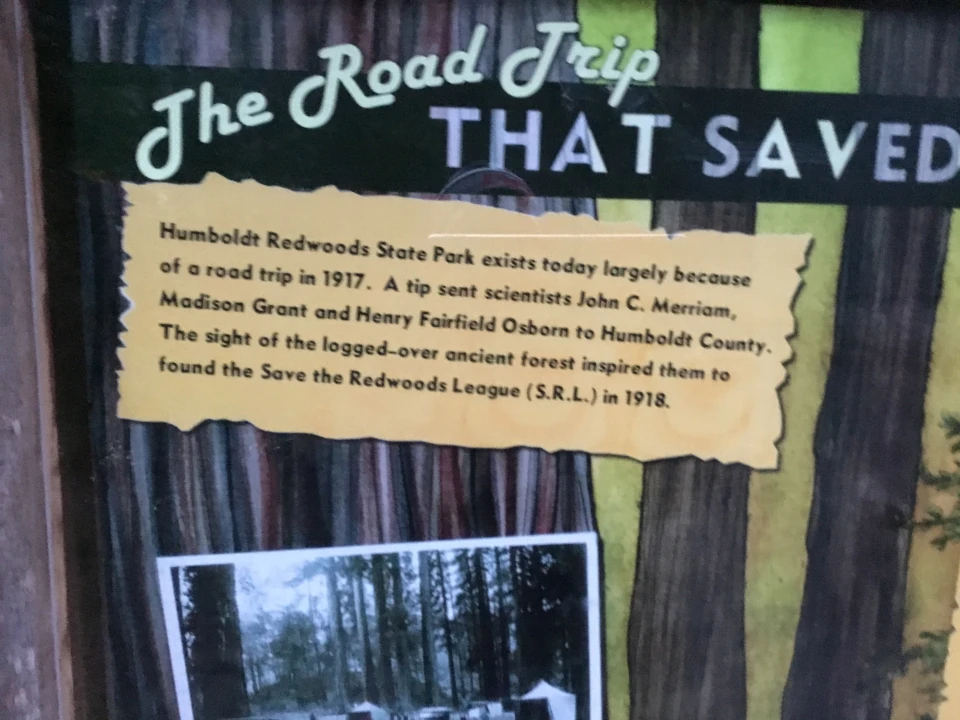
Humboldt Redwoods State Park In the early 1900s, loggers were felling 1,500-year-old redwoods to make grape stakes and roof shingles. Three conservationists who drove up to see it for themselves founded the Save the Redwoods League in 1918, and in 1921 the League bought its first grove along what is now the Avenue of the Giants. That single purchase became Humboldt Redwoods State Park.
A century of donations and land acquisitions followed. The most consequential came from John D. Rockefeller Jr., whose gift helped secure the Bull Creek watershed in the 1930s — today’s Rockefeller Forest. The park is named after Alexander von Humboldt, the Prussian naturalist whose name Humboldt County and Humboldt Bay already carried.
Preservation here is still an active fight, not a finished story. As recently as 2026, California State Parks was investigating the theft of old-growth redwood from within the park.
Things to See and Do in Humboldt Redwoods State Park
1. Avenue of the Giants
This 32-mile scenic road is the park’s spine — a former alignment of Highway 101 that now carries almost no through traffic. It runs from Phillipsville in the south to Pepperwood in the north, threading past groves, pullouts and the small towns of Miranda, Myers Flat and Redcrest.
How long to budget: 45 minutes if you only drive it. Three hours if you use it properly, stopping at four or five groves. There’s a free self-guided auto tour brochure available at the Visitor Center and at signposted boxes at either end of the Avenue — pick one up, it maps every worthwhile pullout.
Tip: drive it south to north in the morning. Light filters through the canopy from the east, and you’ll reach the Visitor Center around the time it opens.
2. Rockefeller Forest and Bull Creek Flats
Turn west off the Avenue onto Mattole Road and you enter roughly 10,000 acres of forest that has never seen a chainsaw. This is the main event.
Park at the Big Trees Area and walk the Rockefeller Loop — a flat, easy mile that takes maybe 30 minutes and delivers more genuinely enormous trees per step than anywhere else in the park. The Bull Creek Flats Trail continues from here for those wanting a longer walk, running several miles along the creek through the same old-growth.
Mattole Road itself is narrow, winding and far less travelled than the Avenue. If you have time, follow it west toward the Lost Coast for one of California’s most underrated drives.
3. Founders Grove
A half-mile flat loop honouring the founders of the Save the Redwoods League, and the most popular short walk in the park. Two trees make it worth the stop.
The Founders Tree stands about 346 feet — taller than a 30-storey building, and it’s right beside the trail. The Dyerville Giant is the more affecting sight: at over 362 feet it was once thought to be the tallest tree in the park, until it came down in March 1991. Neighbouring trees knocked over in the fall gave it a runway, and the impact was reportedly felt by residents a mile away. It now lies along the trail, root plate towering overhead, slowly returning to soil. Walking its full length gives you a sense of scale that no living tree standing upright ever will.
Go early or late — this trailhead fills up between 11am and 3pm in summer.
4. Gould Grove Nature Trail
A short, level interpretive loop right by the Visitor Center, with signage explaining redwood ecology along the way. It’s the most accessible walk in the park and the right first stop with a stroller, a wheelchair, or restless children. Ten to twenty minutes.
5. Hiking Beyond the Easy Loops
The park has over 100 miles of trail, and almost nobody uses the far end of it.
- Bull Creek Flats Trail — the classic middle-distance walk through Rockefeller Forest. Do an out-and-back for as long as you like.
- Grasshopper Peak Trail — a serious climb to a fire lookout at around 3,300 feet, with views over the whole Eel River basin. Roughly 13 miles round trip; a full day.
- River Trail — gentler, following the Eel River with swimming access in summer.
Rangers and the Humboldt Redwoods Interpretive Association run free seasonal nature walks, typically near the Visitor Center and Founders Grove. Check the schedule when you arrive or on the State Parks events page.
6. The Eel River
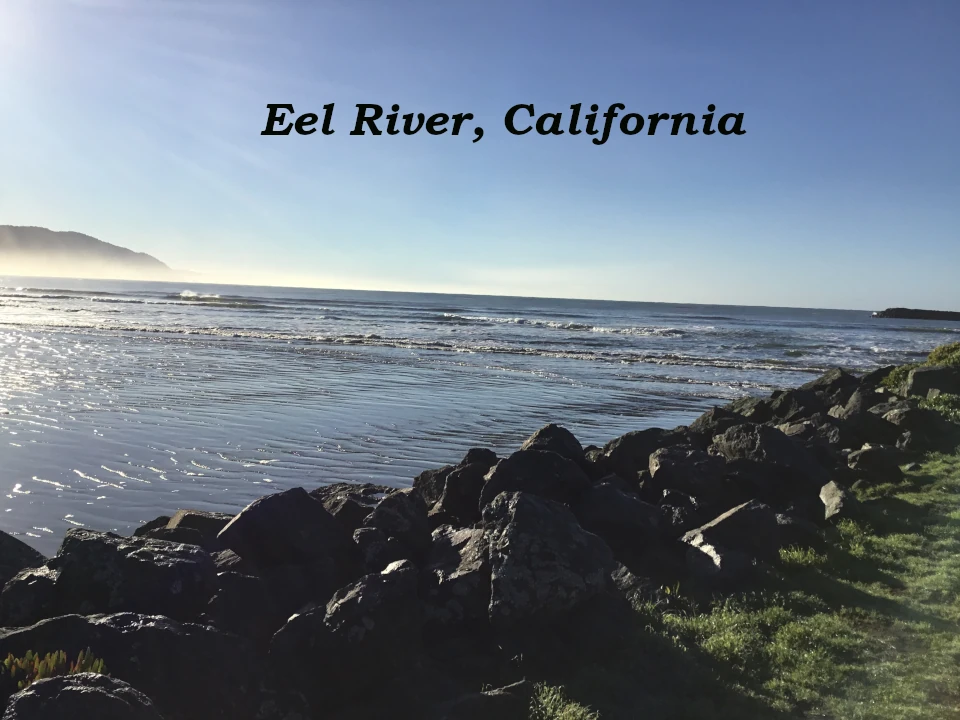
The South Fork of the Eel — a federally designated Wild and Scenic river — runs alongside much of the park. In July and August the water drops, warms up and forms gravel-bar swimming holes at Garden Club of America Grove, Hidden Springs and Women’s Federation Grove. It’s a good afternoon counterweight to a morning spent in the cool, dim forest. In winter the same river runs high and fast; don’t treat it the same way.
7. Camping in the Park
Three developed campgrounds, around 250 family sites between them:
| Campground | Character | Season |
|---|---|---|
| Burlington | Beside the Visitor Center, open year-round, most convenient | All year |
| Hidden Springs | Largest, wooded, river access, good for families | Summer |
| Albee Creek | Near Rockefeller Forest on Mattole Road, quieter, some meadow sites | Summer |
Sites take up to eight people and come with a picnic table, fire ring and access to hot showers. There are no RV hookups anywhere in the park. Beyond the family campgrounds there are environmental camps, trail camps, hike-and-bike sites and group sites.
Booking: reservations open six months ahead at ReserveCalifornia.com. Summer weekends sell out the day the window opens. Maximum stay is 15 nights; hike-and-bike sites are capped at two consecutive nights. Expect roughly $35 a night for a standard family site in 2026 — confirm current rates at the time of booking, as State Parks adjusts them and charges premium rates on peak weekends.
Firewood: buy it locally. California asks visitors not to transport firewood between regions because of invasive pests.
8. Best Time to Visit
May to early October is the reliable window — dry trails, daytime highs between 20°C and 30°C (68°F–85°F), and everything open.
July and August are busiest. Arrive at popular groves before 10am or after 4pm and the crowds largely vanish.
Late September and October may be the sweet spot: warm, dry, quiet, and the fog has mostly cleared.
November to April brings real rain — this is temperate rainforest, and the park can get over 60 inches a year. The forest is dramatic and almost empty, but trails turn muddy, some seasonal campgrounds close, and you’ll want waterproof boots and layers.
Whatever the month, the canopy keeps the forest 5–8°C cooler than the open highway. Bring a jacket even in August.
9. How to Reach Humboldt Redwoods State Park
From San Francisco: about 200 miles north on Highway 101, roughly 4 to 4.5 hours without stops. Realistically it’s a 6-hour day if you stop for lunch in Ukiah or Willits.
From Eureka / Arcata: 45 miles south, about an hour. Arcata–Eureka Airport (ACV) is the nearest airport, with connections from San Francisco and Los Angeles.
From Portland, Oregon: around 8 hours south.
Getting around: there’s no public transport into or through the park, and none within it. A rental car is effectively mandatory. The Avenue of the Giants is fully paved and easy to drive; Mattole Road is narrow and winding but manageable in a standard car in dry weather.
Fuel and signal: fill up in Garberville, Rio Dell or Fortuna. Mobile coverage is weak to nonexistent along most of the Avenue, so download offline maps before you leave the highway.
10. What Else Is Nearby
- Shrine Drive-Thru Tree, Myers Flat — the one inside the park’s neighbourhood; a novelty, but a fun one with kids.
- Chandelier Drive-Thru Tree, Leggett — about an hour south.
- Richardson Grove State Park — more old-growth, further down Highway 101.
- Eureka Old Town — Victorian architecture, the Carson Mansion, Blue Ox Millworks; about an hour north.
- The Lost Coast — via Mattole Road; California’s wildest stretch of shoreline, and a genuine adventure.
- Redwood National and State Parks — two hours north, and worth its own day if you’re continuing toward Oregon.
Suggested Itineraries
Half a day (a stop on a longer drive) Enter the Avenue at Phillipsville → Founders Grove loop → Visitor Center and Gould Grove → Rockefeller Loop → exit north at Pepperwood. About four hours.
One full day Morning on the Avenue with three or four grove stops → lunch picnic at Williams Grove → Rockefeller Forest and a stretch of Bull Creek Flats → afternoon swim in the Eel River → sunset drive on Mattole Road.
Two days with a night in the park Day 1 as above, camping at Burlington or Albee Creek. Day 2: early start on Grasshopper Peak, or drive Mattole Road out toward the Lost Coast and back, then continue north to Eureka.
Visiting with Infants and Young Children
- Founders Grove, Gould Grove and Rockefeller Loop are all flat, under a mile, and manageable with a sturdy stroller. Everything else, use a carrier.
- Pack layers. The temperature drop when you step from sunny highway into deep grove genuinely surprises people.
- No food service inside the park — pack lunch, snacks and more water than you think you need.
- Restrooms exist at the Visitor Center, campgrounds and major day-use areas, but not at roadside pullouts.
- Give kids something to look for: the auto tour brochure, a ranger-led walk, or the Junior Ranger programme at the Visitor Center all work better than asking a seven-year-old to admire a tree.
- Book campsites months ahead for summer weekends, or stay in Myers Flat or Garberville instead.
Humboldt Redwoods State Park Fees, Passes and Practical Information
| Item | Detail |
|---|---|
| Park entry | No gate fee; the Avenue of the Giants and its pullouts are free to drive and walk |
| Vehicle day use | $8 at developed day-use areas such as Williams Grove |
| Visitor Center | Free. Open daily except Thanksgiving and Christmas: 9am–5pm May–Sept, 10am–4pm Oct–Apr |
| Camping | Around $35/night for family sites; environmental and hike-and-bike camps cost less |
| Reservations | ReserveCalifornia.com, opening six months ahead |
| Park phone | (707) 946-2409 |
| Dogs | Allowed in campgrounds, picnic areas and paved roads on a six-foot leash. Not allowed on trails — service animals excepted |
| Drones | Not permitted without a State Parks permit |
| Accessibility | Gould Grove Nature Trail is the most accessible; several groves and the Visitor Center have accessible facilities |
If you plan to visit several California state parks on the same trip, the California Explorer or Golden Poppy annual day-use passes can pay for themselves quickly.
Guided Tours and Local Naturalists
The Humboldt Redwoods Interpretive Association staffs the Visitor Center and runs the free seasonal nature walks the best-value guided experience in the park, and the one most visitors don’t realise exists. Ask about the schedule when you arrive.
For something longer, Humboldt County has independent naturalists and small operators offering interpretive hikes, guided e-bike rides along the Avenue, and multi-day Redwood Coast itineraries. Prices vary widely, so get a written quote before booking. Pride Enterprise Tours (707-445-2117) has been running heritage and natural-history tours of the local redwoods for years and is a reasonable starting point.
Where to Stay Near the Park
Inside the park: Burlington, Hidden Springs and Albee Creek campgrounds (see above).
Myers Flat — closest village to the park’s heart, walking distance to the Shrine Drive-Thru Tree. Miranda Gardens Resort is the best-known option here: cottages, some with fireplaces, consistently well reviewed.
Garberville — 20 minutes south, the largest town with services nearby. Benbow Historic Inn is a 1920s heritage property with an outdoor pool and restaurant.
Fortuna and Rio Dell — 30 minutes north, where most of the chain motels are. Cheapest and most reliably available, least atmospheric.
Eureka — an hour north. Best choice if you want restaurants, a proper hotel and a base for exploring the wider Redwood Coast.
Book summer weekends well ahead. The accommodation supply along this stretch of 101 is small, and it fills.
Where to Eat
There is no restaurant inside Humboldt Redwoods State Park. Plan to picnic — Williams Grove and the day-use areas along the Eel River have tables and are a considerably better lunch spot than any roadside diner.
For supplies and sit-down meals, the towns along the Avenue have small cafés and general stores: Miranda, Myers Flat, Redcrest and Phillipsville. Garberville has the widest choice within easy reach. Eureka, an hour north, is where the region’s actual food scene lives — Lost Coast Brewery, seafood on the waterfront, and a handful of good independents in Old Town.
Vegetarian and vegan travellers will find limited options in the small towns; stocking up in Eureka, Fortuna or Garberville is the safer plan.
Notes for Travellers from India
- Visa: a B-2 tourist visa is required. Apply well ahead; interview wait times at Indian consulates vary considerably by city and season.
- Flights: route via San Francisco (SFO), then drive north. There’s no practical way to reach the park without a car.
- Driving: an Indian licence plus an International Driving Permit is accepted by most major rental companies in California. Confirm with your rental provider before you fly.
- Connectivity: a US eSIM is worth arranging before departure — though it won’t help inside the park, where nobody has signal.
- Best season for Indian travellers: May–September lines up with summer school holidays and is also the park’s best weather window.
- Insurance: standard travel insurance is fine for a park visit, but check that it covers rental-car excess and any hiking you plan.
Book Your Hotel
Frequently Asked Questions
1. Is there an entrance fee for Humboldt Redwoods State Park?
There is no gate or general entry ticket. The Avenue of the Giants and most trailheads are free. Developed day-use areas such as Williams Grove charge an $8 vehicle fee, and camping is charged separately.
2. How much do I need?
Three to four hours covers the highlights. A full day lets you add a proper hike and river time. Two days is ideal if you’re camping.
3. What’s the best time of year to visit?
Late May through early October for dry weather and full access. Late September and October give you the same conditions with far fewer people.
4. How far is it from San Francisco?
About 200 miles, or 4 to 4.5 hours of driving north on Highway 101.
5. Is Humboldt Redwoods the same as Redwood National Park?
No. They’re separate parks about two hours apart. Redwood National and State Parks sit further north near Crescent City. Humboldt Redwoods has the larger single stretch of old-growth; the national park has coastline and elk. Many road trips do both.
6. Can I drive through a redwood tree here?
Not inside the park, but the Shrine Drive-Thru Tree is in Myers Flat, right off the Avenue of the Giants.
7. Is the park wheelchair and stroller friendly?
Partly. Gould Grove Nature Trail, Founders Grove and the Rockefeller Loop are flat and short. The Visitor Center is accessible. Most longer trails are not.
8. Do I need to book camping in advance?
For summer and any weekend, yes. Reservations open six months ahead on ReserveCalifornia.com and popular dates go quickly. Off-season midweek, you can often walk in.
Official and Authoritative Resources
- California State Parks — Humboldt Redwoods State Park
- Park brochure and map (PDF)
- Campground map (PDF)
- ReserveCalifornia — camping reservations
- Humboldt Redwoods Interpretive Association
- Save the Redwoods League
- Visit Humboldt County
Visit our related Travel Blogs
Grand Canyon National Park: Ultimate Travel Guide 2026
Chandelier Drive-Thru Tree: 10 Amazing Travel Tips
5 Amazing Places in Valley of Fire State Park
Final Thoughts
Humboldt Redwoods State Park rewards people who slow down. That’s the whole trick to it.
The park makes it very easy to treat the Avenue of the Giants as a 45-minute drive — you’ll see big trees through the windscreen, take a few photos that won’t capture the scale, and carry on north feeling like you ticked something off. Plenty of people do exactly that. The ones who leave changed by the place are the ones who parked, walked half a mile into Rockefeller Forest, and stood still for ten minutes.
It costs nothing. There’s no gate, no ticket, no timed entry. The most memorable hour of your trip might be a free walk around a flat one-mile loop.
If you’re building a Northern California road trip, give this park a night rather than a stop. Camp at Burlington or Albee Creek, walk Founders Grove before the day-trippers arrive, swim in the Eel River in the afternoon, and drive Mattole Road as the light goes. Then continue north to Redwood National Park the next morning with some sense of what you’re looking at.
And go soon. The forest you’ll be standing in is roughly five percent of what once grew here. The rest went for grape stakes and roof shingles inside a single human lifetime.


Leave a Reply