This guide contains affiliate links. We may earn a commission at no extra cost to you — see our Affiliate Disclosure and Affiliate Disclosure Policy for details.
✈️ Quick Take: Lake Louise is a turquoise glacial lake in Banff National Park, Alberta, best visited between June and September for hiking and turquoise water, or December to March for skiing and ice skating.
✈️ Key Highlights:
- Lake Louise sits about 57 km (a 45–60 minute drive) from Banff town and roughly 180 km from Calgary International Airport, the nearest major gateway for travellers flying in from India and abroad.
- Parking at the lakeshore fills up by 6–7 AM in peak summer (June–August); arrive before sunrise or use the free Parks Canada shuttle from the Park & Ride to avoid being turned away.
- Budget travellers can see Lake Louise on a day trip from Banff for as little as CAD 40–60 per person (shuttle plus canoe rental optional), while a full overnight stay at the lakeshore starts around CAD 250–300/night at mid-range properties.
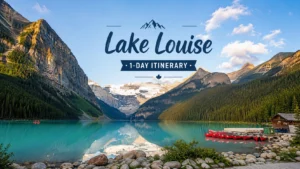
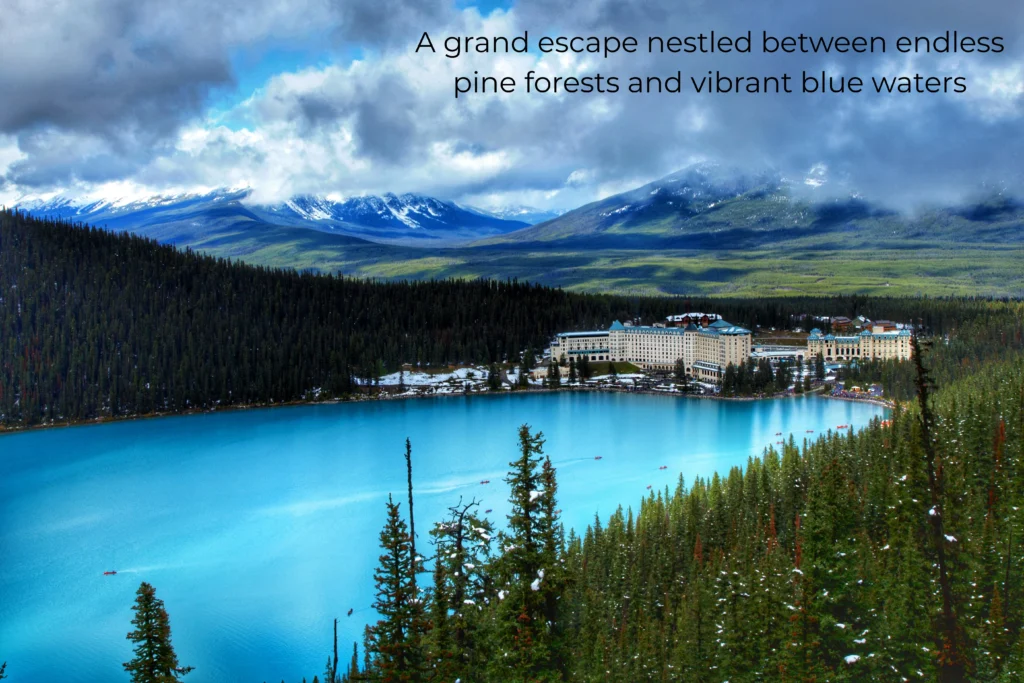
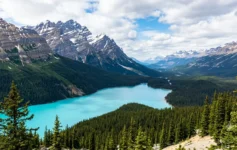
If there’s one image that sums up the Canadian Rockies, it’s Lake Louise — a glacier-fed lake the colour of blue Curaçao, framed by snow-capped peaks and a century-old stone hotel on its shore. It’s the kind of place that looks edited even when it isn’t, and it’s exactly why this lake pulls in millions of visitors every year, from honeymooners and hikers to Indian families doing the classic Banff–Lake Louise–Jasper loop.
This guide covers everything you need for a smooth 2026 trip to Lake Louise: where it actually is, when to go, what to do, where to stay, what to eat, how to get there from India and other countries, how much to budget, a ready-made one-day itinerary, and honest travel tips from people who’ve done the drive more than once.
Introduction to Lake Louise Destination
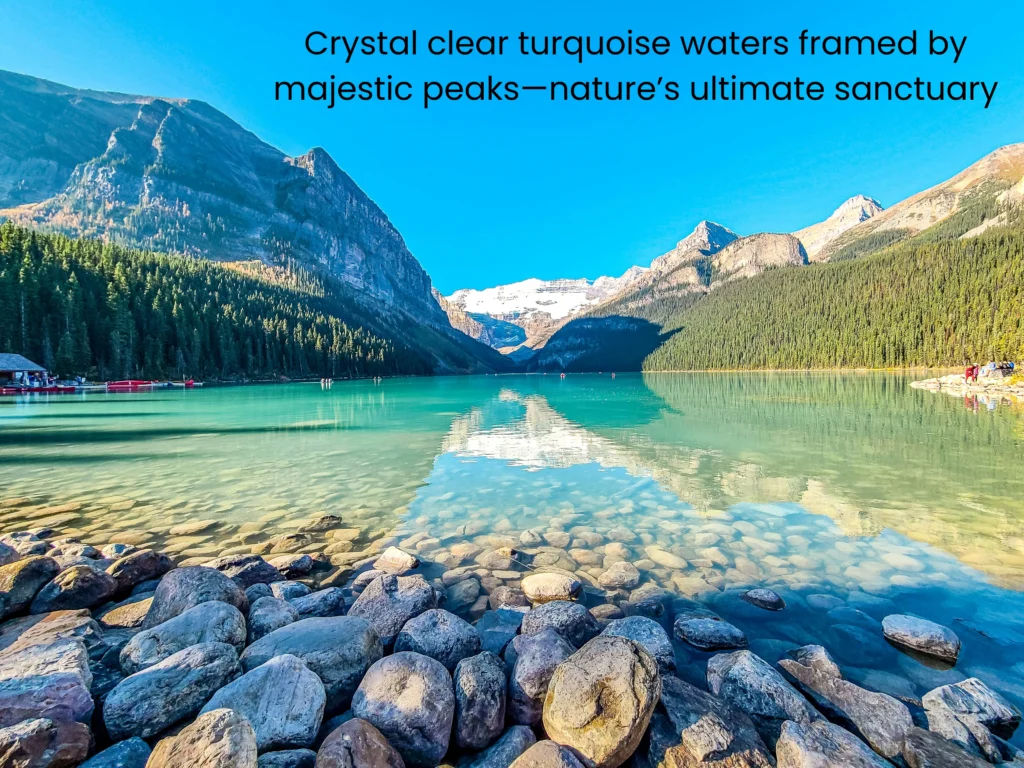
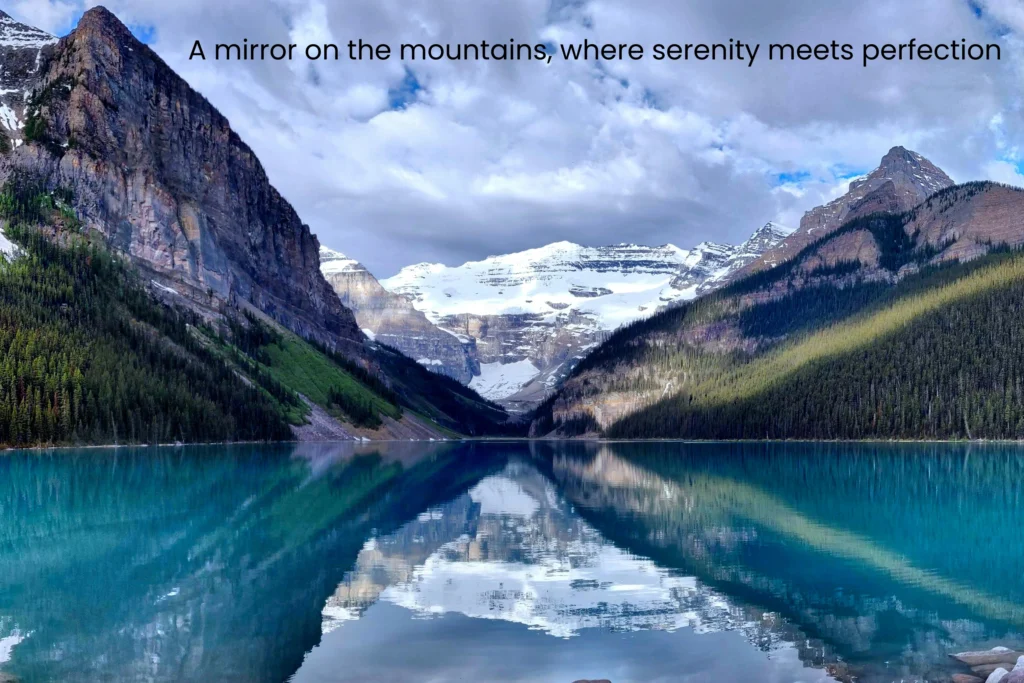
Lake Louise is both the name of the lake and the small hamlet that surrounds it, located inside Banff National Park in Alberta, Canada. The lake itself is fed by the Victoria Glacier, and its famous turquoise-milk colour comes from “rock flour” — fine glacial silt suspended in the meltwater that scatters light and gives the lake its signature hue.
Beyond the postcard shot, this is a genuine four-season destination. In summer, it’s a hiking and canoeing base with trails leading to teahouses and hanging glaciers. In winter, it transforms into a ski town with one of Canada’s largest ski areas and a lakeside ice-skating rink that looks like something out of a fairy tale. Whether you’re chasing a single perfect photo or planning a week of alpine adventure, it rewards both the rushed day-tripper and the traveller who lingers.
Where Is Lake Louise Destination?
Lake Louise is located in Alberta, Canada, within Banff National Park, about 57 km northwest of Banff town and around 180 km west of Calgary. It sits at an elevation of roughly 1,750 metres in the Bow Valley, right along the Trans-Canada Highway, which makes it an easy stop for anyone driving between Calgary, Banff, and Jasper.
For international travellers, especially those flying in from India, the nearest major airport is Calgary International Airport (YYC), from where it’s a scenic two-hour drive along Highway 1. The village itself is tiny — really just a cluster of hotels, a gas station, and a small shopping area — with the lake a short drive or shuttle ride uphill from the village.
Best Time to Visit Lake Louise
Choosing the right season changes the entire experience, so it’s worth matching your dates to what you actually want to do.
Summer (June to September) is peak season and the only time the lake shows its full turquoise colour, since the glacial melt that creates the hue peaks in mid-to-late summer. Hiking trails are fully open, canoe rentals run daily, and daytime temperatures sit comfortably between 15–25°C. This is also the busiest and priciest window, so book accommodation months in advance.
Winter (December to March) turns the area into a snow-globe. The lake freezes solid and becomes an open-air skating rink, often with a small ice castle built each year, while the Lake Louise Ski Resort offers some of the best skiing and snowboarding in the Rockies. Temperatures can drop below -15°C, so this is a trip for travellers who pack properly.
Shoulder seasons (April–May and October–November) are quieter and cheaper, but unpredictable — the lake may still be partly frozen in spring, and some trails and services shut down before winter fully sets in.
For most first-time visitors, especially those travelling from warmer climates like India, late June to early September offers the best balance of good weather, open trails, and the iconic lake colour.
Top Things to Do in Lake Louise
There’s more to do here than simply photographing the lake, though that’s a completely valid first stop.
Walk the Lakeshore Trail — a flat, easy path along the water that takes about 30–45 minutes round trip and offers the best views without any climbing.
Hike to the Lake Agnes Tea House — a moderately challenging 3.4 km (one-way) trail that climbs through forest to a rustic teahouse serving hot tea and homemade snacks, with sweeping views over the lake below.
Canoe on the lake — renting one of the iconic red canoes for 30–60 minutes is a bucket-list activity, though it’s pricey and popular, so lines can form by mid-morning.
Ride the Lake Louise Gondola — located a short drive from the lake, the gondola climbs to a viewpoint with panoramic views of the Bow Valley and, on clear days, a chance to spot grizzly bears from a safe distance.
Visit Moraine Lake — technically a separate lake about 15 km away, but almost always combined with a visit here; its “Valley of the Ten Peaks” backdrop is arguably even more dramatic.
Ski or snowboard in winter — Lake Louise Ski Resort has terrain for beginners through experts, plus some of the longest ski runs in Canada.
Ice skate on the frozen lake — a uniquely Canadian winter experience, often free and open to the public in the colder months.
Tourist Spots Near and Around Lake Louise
While the lake itself is the main draw, several nearby spots are worth building into your trip.
- Moraine Lake — a short drive away, famous for its impossibly blue water and the view immortalised on old Canadian $20 bills.
- Fairview Lookout — a short, easy trail with one of the best elevated views of the lake, ideal if the main lakeshore is too crowded.
- Bow Valley Parkway — a slower, scenic alternative route between Lake Louise and Banff, good for spotting wildlife.
- Johnston Canyon — roughly 25 minutes away, known for its catwalk trail alongside rushing waterfalls.
- Yoho National Park — just across the border in British Columbia, home to Emerald Lake and Takakkaw Falls, both easy add-ons to your itinerary.
Hotels & Resorts in Lake Louise
Accommodation here ranges from historic luxury to budget hostels, but supply is limited, so book early regardless of your budget.
Luxury: The Fairmont Chateau Lake Louise is the landmark property, sitting directly on the lakeshore with unbeatable views, though rooms come at a premium, especially in summer. Post Hotel & Spa, a Relais & Châteaux property near the village, is another top-tier option known for its wine cellar and spa.
Mid-range: Options in and around the village, such as the Lake Louise Inn, offer comfortable rooms with easy access to the lake and are popular with families and couples looking for value without sacrificing location.
Budget: HI Lake Louise Alpine Centre is a well-regarded hostel with dorm and private room options, a good pick for backpackers and solo travellers.
Alternative base: Many travellers, especially those on a tighter budget, choose to stay in Banff town and visit as a day trip, which usually cuts accommodation costs significantly. If you’re planning a broader Rockies loop, check out our detailed Banff travel and stay guide for comparisons.
Food to Try Near Lake Louise
Dining options here are limited compared to Banff, but there are some standouts worth planning around.
- Lake Agnes Tea House snacks — reachable only by hiking, this spot serves tea, soup, and baked goods, and the experience of earning your meal on a mountain trail is half the appeal.
- Fairmont Chateau Lake Louise dining rooms — multiple restaurants inside the hotel serve everything from casual lakeside lunches to formal Rocky Mountain-inspired dinners.
- Laggan’s Mountain Bakery — a popular village bakery for pastries, sandwiches, and coffee before a hike; often has a queue by mid-morning.
- Poutine and Canadian comfort food — available at casual eateries in the village, a must-try for first-time visitors to Canada.
- Alberta beef dishes — the region is known for high-quality beef, and several restaurants in nearby Banff serve excellent steaks and burgers worth the short drive.
Vegetarian travellers, including many visiting from India, will find fewer dedicated options right here, so it’s worth stocking up on snacks in Banff or Calgary before heading up.
How to Reach Banff and Lake Louise
By air: Calgary International Airport (YYC) is the main gateway, with direct and one-stop international connections from major Indian cities including Delhi and Mumbai via hubs like Vancouver, Toronto, or European cities.
By road from Calgary: Rent a car and drive west on Highway 1 (Trans-Canada Highway) — Banff is about 1.5 hours from the airport, and the lake is another 45–60 minutes beyond Banff. This is the most flexible option and the one most road-trippers choose.
By shuttle or bus: Companies like the Banff Airporter and Brewster Express run scheduled shuttles from Calgary Airport to Banff and Lake Louise, a good option if you’d rather not drive on mountain roads.
Within the park: Parks Canada runs a shuttle service between the village, the lakeshore, and Moraine Lake during peak season, which is often mandatory in summer since lakeside parking fills up within an hour of sunrise.
For a full breakdown of visa requirements, flight routes, and entry rules for Indian travellers heading to Canada, see our Canada travel and visa guide.
Budget Guide for Lake Louise
Costs vary widely depending on season and travel style, but here’s a realistic breakdown in Canadian dollars (CAD):
- Day trip from Banff: CAD 40–70 per person, covering shuttle or fuel, parking, and a canoe rental if desired.
- Budget overnight stay: CAD 60–100 per night in a hostel dorm bed.
- Mid-range hotel: CAD 250–350 per night for a double room in the village.
- Luxury lakeshore stay: CAD 600–1,200+ per night at the Fairmont Chateau Lake Louise, depending on room category and season.
- Meals: CAD 15–25 for a casual lunch, CAD 40–70 per person for a sit-down dinner.
- Activities: Canoe rental around CAD 145 per hour (split among passengers), Lake Louise Gondola tickets around CAD 60–70 per adult, guided hikes from CAD 80–150 per person.
- Car rental: CAD 60–120 per day depending on vehicle type and season, plus fuel.
A comfortable mid-range budget for two people, including a night’s stay, meals, and one or two activities, typically works out to around CAD 400–600 per day.
Suggested 1-Day Itinerary for Lake Louise
7:00 AM — Arrive early to secure lakeshore parking, or catch the first Park & Ride shuttle if visiting in peak summer.
7:30 AM — Walk the Lakeshore Trail while the water is still calm and the crowds are thin; this is the best window for photos.
9:00 AM — Grab a canoe for 30–60 minutes on the lake before rental lines build up.
10:30 AM — Start the hike up to the Lake Agnes Tea House, stopping for tea and a snack at the top.
1:00 PM — Hike back down and grab lunch in the village, such as pastries or a sandwich from Laggan’s Mountain Bakery.
2:30 PM — Drive or shuttle over to Moraine Lake for a second, equally stunning lake experience.
4:30 PM — Head to the Lake Louise Gondola for panoramic valley views and a chance to spot wildlife from the summit.
6:30 PM — Return to Banff or your hotel for dinner, ideally trying Alberta beef or a classic Canadian poutine.
This itinerary works well as a standalone day trip from Banff or as day one of a longer Rockies road trip. For a broader multi-day plan covering Banff, Lake Louise, and Jasper, check our Canadian Rockies road trip itinerary.
Travel Tips for Visiting Lake Louise
- Book parking or shuttles in advance during summer; lakeshore parking routinely fills before 7 AM from late June through August.
- Layer your clothing regardless of season — mountain weather changes quickly, and mornings can be cold even in July.
- Carry bear spray and know basic wildlife safety if hiking beyond the main lakeshore trail; this is genuine grizzly and black bear territory.
- Book accommodation 3–6 months ahead for summer travel, since this destination has very limited room inventory compared to Banff.
- Carry cash and cards — smaller cafes and teahouses on trails sometimes have limited card connectivity.
- Get a Parks Canada pass in advance online to skip queues at the park gate.
- Avoid weekends if possible — crowds are noticeably lighter on weekday visits.
Nearby Attractions Around Lake Louise
- Moraine Lake — 15 minutes away, often paired with it on the same day.
- Banff town — 45–60 minutes away, with hot springs, Banff Gondola, and a livelier restaurant and shopping scene.
- Johnston Canyon — roughly 25 minutes away, known for its waterfall catwalks.
- Yoho National Park — about 30 minutes across the provincial border, home to Emerald Lake and Natural Bridge.
- Icefields Parkway — the start of one of the world’s most scenic drives, connecting Lake Louise to Jasper National Park over roughly 230 km.
For official park updates, trail conditions, and shuttle schedules, check the Parks Canada Banff National Park website before you travel, and for skiing and gondola details, see the Lake Louise Ski Resort official site.
Frequently Asked Questions About Lake Louise
Is Lake Louise worth visiting?
How many days do you need at Lake Louise?
Is Lake Louise better in summer or winter?
Can you swim in Lake Louise?
How far is Lake Louise from Banff?
Do I need a car to visit Lake Louise?
Is Lake Louise expensive?
Planning the rest of your Canadian Rockies trip? Explore our complete Banff travel guide and Canada travel and visa guide for everything you need before you go.

Leave a Reply