This guide contains affiliate links. We may earn a commission at no extra cost to you — see our Affiliate Disclosure and Affiliate Disclosure Policy for details.
The best places to visit in Banff National Park are Lake Louise, Moraine Lake, Johnston Canyon, the Icefields Parkway (with Crowfoot Glacier and Bow Lake), Banff Avenue, Bow Falls, Lake Minnewanka, and Sulphur Mountain with the Banff Upper Hot Springs. Together, these spots cover glacier-fed lakes, waterfall hikes, mountain gondolas, and an easy-to-walk mountain town, which is why most Banff National Park tours are built around this same core list
. If you’re planning a first trip, you can see the highlights comfortably in three to five days, provided you book your park pass, shuttle seats, and any guided tours ahead of time. You can visit all the places with a Banff itinerary 3 days / 5 days Banff National Park travel guide
Updated / fact-checked: Oct 2026
Table of Contents
Banff National Park Overview
Location
Banff townsite is about 130 km (80 miles) west of Calgary International Airport, roughly 90 minutes by car. The park covers about 6,641 square kilometres of mountains, glaciers, forest, and river valleys, and it borders Kootenay, Yoho, and Jasper National Parks. The Town of Banff, the park’s main service hub, is about a 90-minute drive from Calgary along the Trans-Canada Highway.
Why Banff Is Famous
Banff National Park is Canada’s first national park. It is part of the Canadian Rocky Mountain Parks UNESCO World Heritage Site, which includes several protected mountain areas.
The park is famous for its turquoise glacial lakes, rugged peaks, forests, and wildlife. These landscapes attract visitors throughout the year.
Visitors can enjoy scenic drives, hiking trails, lakeside walks, and mountain viewpoints. Before heading out, check current weather conditions and Parks Canada safety notices.
Book Your Tours in Banff
Rocky Mountain Landscape
The park’s scenery is shaped by glaciers, both ancient and present-day. Sedimentary and limestone peaks rise sharply above U-shaped valleys carved by ice, and glacial meltwater feeds the mineral-rich, turquoise-coloured lakes the park is known for. Wildlife — including grizzly and black bears, elk, bighorn sheep, and mountain goats — is common enough that safety guidance is a genuine part of trip planning, not just a formality.
Best Time to Visit
- Summer (June–September): Warmest weather, all roads and shuttle services running, but the busiest and most expensive period. Moraine Lake Road is typically open only from around June 1 to mid-October.
- Shoulder seasons (May, late September–October): Fewer crowds, cooler weather, and the chance of snow at higher elevations. Some services and shuttles have limited or no operation.
- Winter (November–April): Skiing, snowshoeing, and frozen waterfall walks, but many hiking trails, the Icefields Parkway’s full services, and Moraine Lake Road are closed or inaccessible. Banff National Park travel guide
Who Should Visit
- Families: Gentle boardwalk trails, gondolas, and lake picnics make Banff workable with young kids, though some hikes and shuttle logistics need extra planning.
- Couples: Scenic drives, spa hotels, and quiet lakeside viewpoints suit a romantic trip.
- Solo travelers: Hostels, day hikes, and guided small-group tours make it easy to visit independently.
- Business travelers: Calgary’s proximity and Banff’s conference-ready hotels support short business trips that can be extended into sightseeing.
History of Banff National Park
Origins of Banff National Park
Banff’s story begins in 1883, when Canadian Pacific Railway workers discovered hot springs at what is now the Cave and Basin. To protect the springs from private claims, the federal government set aside a small reserve in 1885 — the seed of Canada’s national park system. Two years later, the protected area was expanded significantly, and Banff National Park as a larger, formally protected landscape began to take shape.
The Canadian Pacific Railway’s Role
The Canadian Pacific Railway didn’t just stumble onto Banff — it actively built the region into a destination. The railway saw the mountain scenery as a way to sell rail travel to wealthy tourists, so it constructed grand hotels, including what became the Fairmont Banff Springs, to give travelers somewhere luxurious to stay once they arrived. This commercial push is a big part of why Banff developed into a resort town so early, rather than staying a remote wilderness outpost.
Development of Tourism in the Canadian Rockies
Through the early and mid-20th century, roads, ski areas, and visitor facilities gradually expanded across the region. The Icefields Parkway, completed in 1940, opened up the glacier-studded corridor between Lake Louise and Jasper to road travellers for the first time, cementing Banff and its surrounding parks as a road-trip destination as much as a hiking one.
Evolution Into an International Destination
Today, Banff draws visitors from around the world, not just Canada. The park’s UNESCO World Heritage status — shared across the Canadian Rocky Mountain Parks — reflects its global significance for both scenery and geology. That same popularity is also why Parks Canada has had to introduce stricter vehicle and shuttle rules at sites like Moraine Lake in recent years: the park’s fame has outpaced its parking capacity.
Best Places to Visit in Banff National Park
Most Banff National Park tours — whether self-guided or booked with an operator — revolve around the attractions below.
Lake Louise
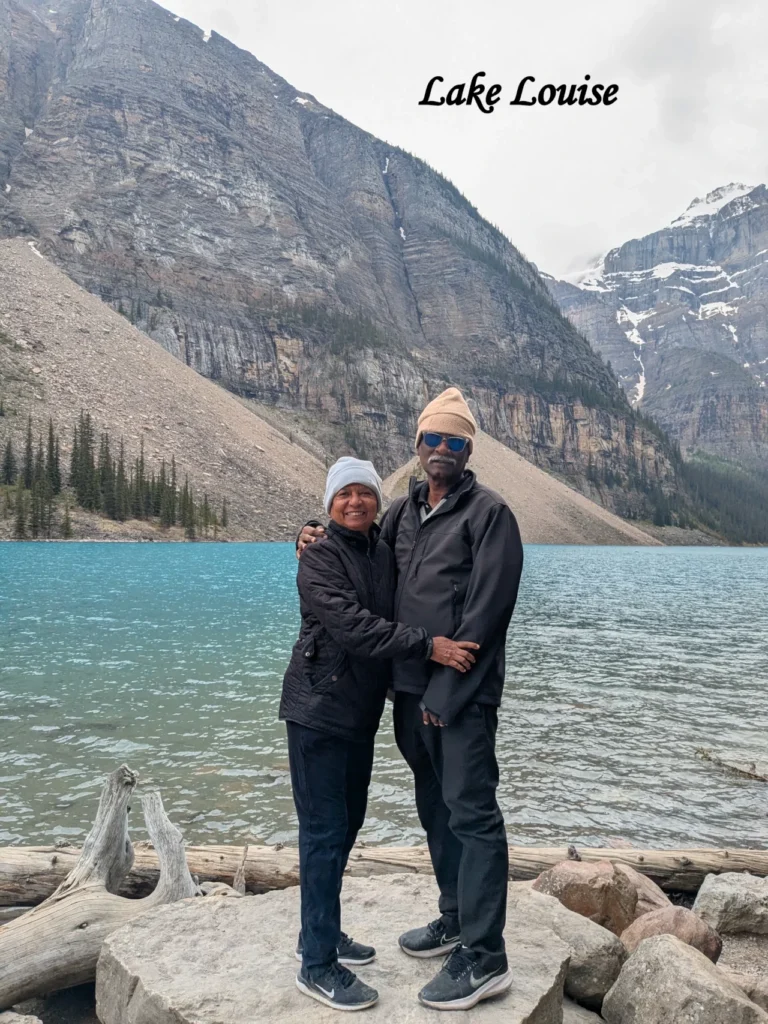
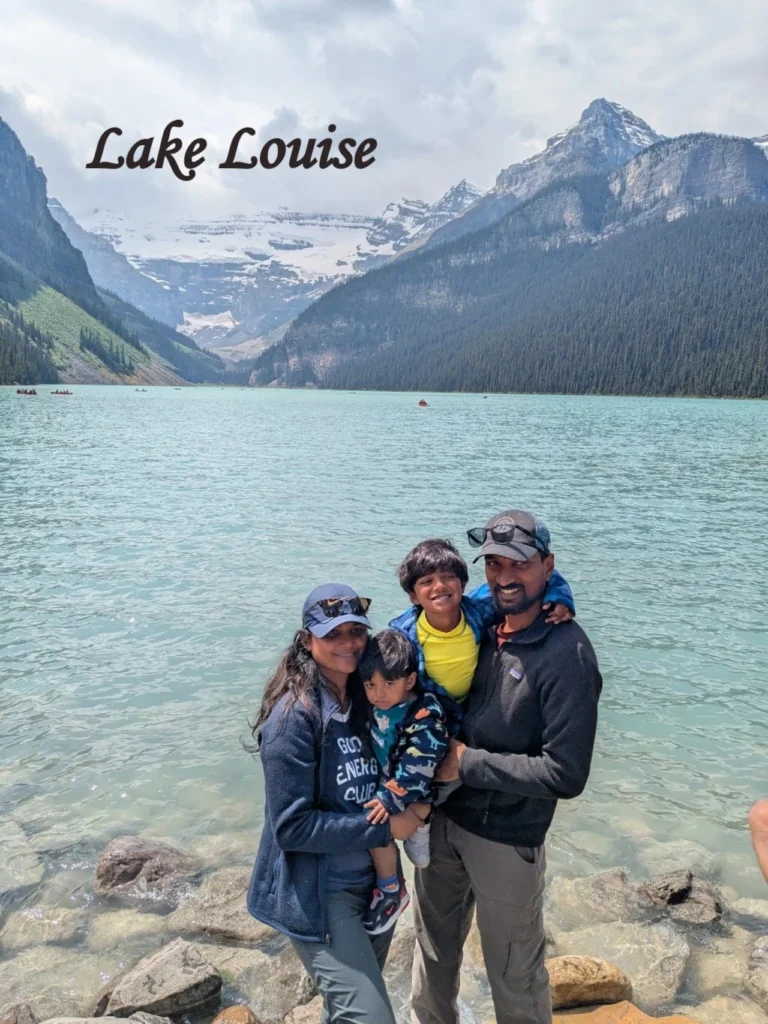
Lake Louise is Banff’s signature turquoise glacial lake, framed by the Victoria Glacier and surrounding peaks. A flat lakeshore path makes it accessible for almost everyone, while trails toward the Lake Agnes Tea House and the Plain of Six Glaciers offer longer options for hikers. Because parking at the lake is extremely limited, arriving by Roam Transit or Parks Canada shuttle is strongly recommended, especially in summer.
Moraine Lake
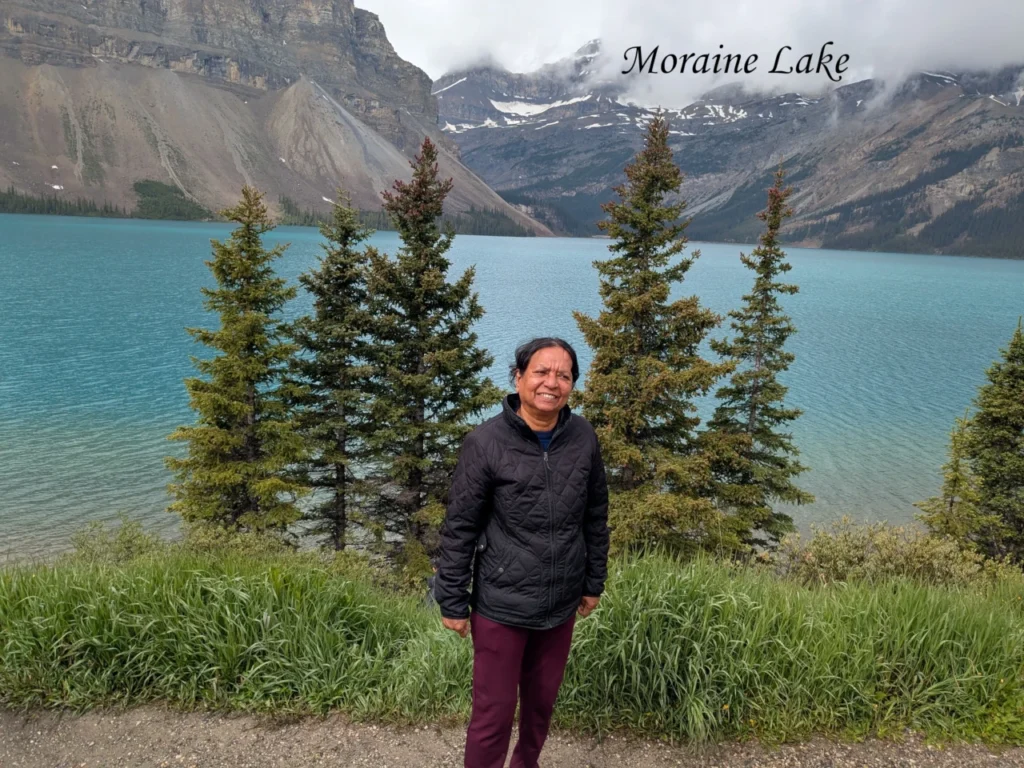
Moraine Lake sits in the Valley of the Ten Peaks and is famous for its intensely blue water and dramatic mountain backdrop. Moraine Lake Road is closed to personal vehicles year-round. Access is limited to Parks Canada shuttles, Roam Transit, licensed commercial tour operators, and registered guests of Moraine Lake Lodge. Reservations for the Parks Canada shuttle open in spring for the summer season and tend to sell out quickly, so book as early as official reservations allow. Personal watercraft, including canoes and paddleboards, are also no longer permitted on the lake as part of its protected-water status.
Crowfoot Glacier
Crowfoot Glacier is a roadside viewpoint along the Icefields Parkway, easily visible from a designated pullout without any hiking required. It’s named for its claw-like shape, though a warming climate has caused one of its original “toes” to melt away over the decades — a visible reminder of glacial retreat in the region.
Bow Glacier
Bow Glacier feeds Bow Lake, another striking turquoise lake along the Icefields Parkway, The driving distance from a general point on the Icefields Parkway to the Crowfoot Glacier viewpoint is 77.2 km (about a 53-minute drive) via AB-93 S, while the viewpoint itself is located directly on the Icefields Parkway (Highway 93N), approximately 36 km north of Lake Louise. Bow Lake itself has a short, family-friendly walk along its shoreline, with the Num-Ti-Jah Lodge sitting nearby as one of the few dining and accommodation stops directly on the parkway.
Peyto Lake
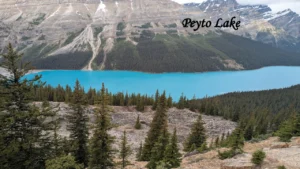
Peyto Lake in Banff National Park is one of the most beautiful natural attractions in Alberta, Canada. Located in the Canadian Rocky Mountains along the famous Icefields Parkway, the lake is well known for its brilliant turquoise-blue water, surrounded by towering mountains, dense forests, and spectacular alpine scenery.
The lake gets its distinctive colour from glacial rock flour carried into the water by melting glaciers. One of its most famous features is its wolf-head-like shape, which can be seen from the popular viewpoint near Bow Summit.
Peyto Lake is an ideal destination for nature lovers, photographers, hikers, and tourists who want to experience the beauty of Canada’s wilderness. Visitors can enjoy panoramic mountain views, take photographs, explore nearby scenic locations, and learn about the natural environment of Banff National Park.
The best time to visit is generally from late spring through early autumn, when road access and viewing conditions are often more favourable. Visitors should check current road conditions, weather updates, and trail information before travelling.
Bow Glacier Falls
For a more active outing, the hike to Bow Glacier Falls starts from the Bow Lake day-use area and follows the lakeshore before climbing toward a waterfall fed directly by glacial melt. It’s a moderate round-trip hike best suited to visitors comfortable with a few hours on foot, rather than a quick roadside stop.
Johnston Canyon Falls
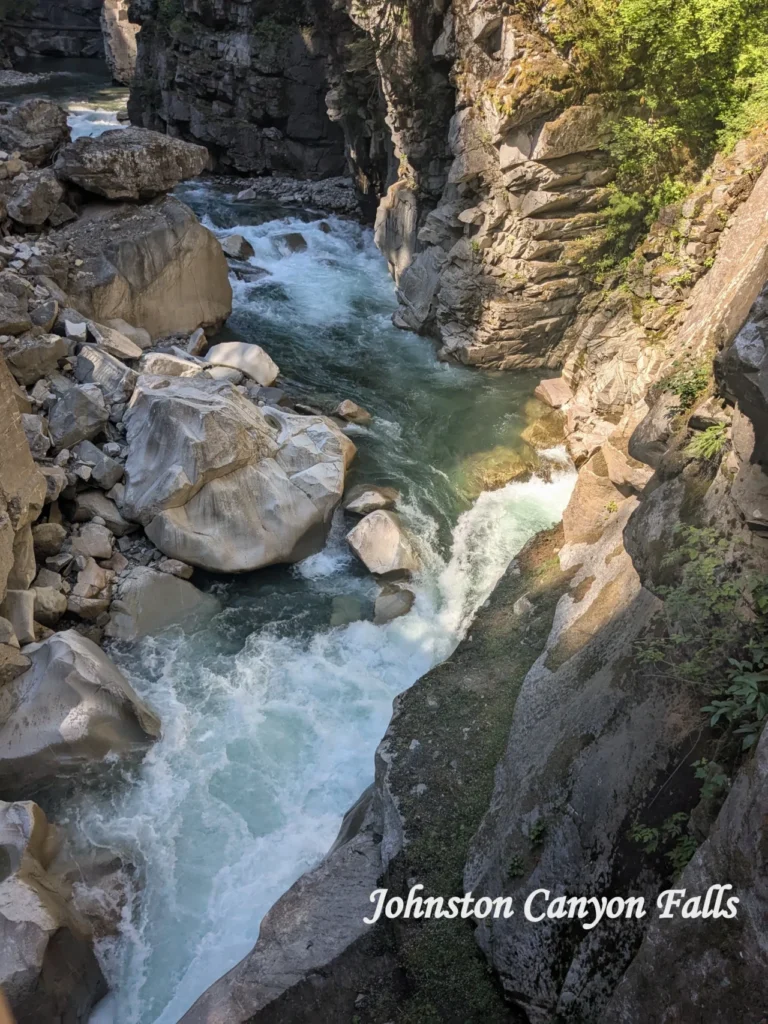
Johnston Canyon is one of Banff’s most popular short hikes, following a catwalk-style trail bolted into canyon walls. The Lower Falls are an easy 30-minute walk each way, suitable for most fitness levels, while the Upper Falls add roughly another hour round-trip and a steeper climb. Arrive early or late in the day during summer to avoid the heaviest foot traffic on the catwalks.
Other amazing Banff Attractions
- Banff Avenue: The town’s main street, with shops, cafés, and restaurants set against a mountain backdrop — good for an easy evening stroll.
- Bow Falls: A short, flat walk near the Fairmont Banff Springs, ideal for a quick stop or a stroller-friendly outing.
- Lake Minnewanka: Banff’s largest lake, with a scenic drive, hiking trails, and seasonal boat cruise options.
- Sulphur Mountain and the Banff Gondola: A cable car ride to a summit boardwalk with panoramic views over the Bow Valley.
- Banff Upper Hot Springs: A mineral hot springs pool near the base of Sulphur Mountain — a relaxing stop after a day of hiking.
3-Day Banff Itinerary
Day 1: Banff Town and Nearby Attractions
- Morning: Walk Banff Avenue and the Bow River pathway.
- Midday: Bow Falls, then lunch in town.
- Afternoon: Banff Gondola up Sulphur Mountain.
- Evening: Banff Upper Hot Springs, then dinner in town.
Day 2: Lake Louise and Moraine Lake
- Early morning: Take the Parks Canada shuttle or Roam Transit from the Lake Louise Park & Ride to Moraine Lake first, since it’s usually calmer earlier in the day.
- Midday: Walk the Rockpile Trail at Moraine Lake, then shuttle back to Lake Louise.
- Afternoon: Walk the Lake Louise lakeshore trail; consider the Lake Agnes Tea House hike if time and energy allow.
- Evening: Return to Banff for dinner.
- Visit our Lake Louise travel guide and Moraine Lake travel guide
If Moraine Lake is closed (mid-October to late May): Moraine Lake Road and its shuttles run only in the summer season. Swap Day 2’s Moraine Lake stop for Lake Louise’s lakeshore and the Johnston Canyon walk, or spend the day at Lake Minnewanka and Vermilion Lakes. Check Parks Canada’s Lake Louise and Moraine Lake page for this year’s opening and closing dates.
If Moraine Lake Is Closed: Day 2 Alternative
Moraine Lake is a seasonal destination, so it should not be treated as a year-round stop. For 2026, the Parks Canada shuttle season was scheduled for June 1 to October 12, weather permitting. Check the official Lake Louise and Moraine Lake visitor information before travelling.
If Moraine Lake is closed, use this alternative Day 2 itinerary:
- Morning: Lake Louise — Enjoy the mountain views and take a lakeshore walk if trail and weather conditions permit. Lake Louise is open year-round.
- Afternoon: Banff town and Bow Falls — Explore Banff Avenue, visit Bow Falls, and enjoy the mountain scenery close to town.
- Evening: Banff Upper Hot Springs — If open, relax in the hot springs before returning to your accommodation.
Seasonal Planning Notes
- Late September to early October: Larch trees may turn golden, but peak colour varies with weather and elevation.
- Mid-October to late May: Moraine Lake Road remains closed to personal vehicles year-round, and regular shuttle access is seasonal. Do not plan a visit to the lake itself during the winter closure.
- Winter driving: Snow and ice can develop quickly. Check road conditions, use appropriate winter tires, and allow extra travel time.
- Icefields Parkway: From October to May, services are limited; there is no gasoline available along the parkway, and road closures can occur without warning. Check current conditions before setting out.
Review these dates and seasonal details every autumn before publishing the itinerary.
Day 3: Johnston Canyon and the Icefields Parkway
- Morning: Johnston Canyon Lower and Upper Falls.
- Midday: Drive a portion of the Icefields Parkway, stopping at Crowfoot Glacier and Bow Lake.
- Afternoon: Return to Banff, or extend the drive if you have a fourth day (see below).
4-Day Banff Itinerary
Follow the 3-day plan above, then add a fourth day dedicated to a longer stretch of the Icefields Parkway.
Day 4: Deeper Into the Icefields Parkway
- Morning: Continue north on the Icefields Parkway toward Bow Glacier Falls trailhead; hike if you’re up for a moderate few hours on foot.
- Midday: Picnic at Bow Lake or Peyto Lake viewpoint. Icefields Parkway to the Peyto Lake Viewpoint is approximately 70.8 kilometers (about 50 minutes of driving time) via the Icefields Parkway (AB-93 S).
- Afternoon: Head back toward Banff, refuelling before you leave, since services on the parkway are limited.
5-Day Banff Itinerary
T5-Day Banff National Park Itinerary: A Complete Day-by-Day Guide
Five days in Banff National Park gives you time to explore turquoise lakes, scenic mountain roads, waterfalls, and Banff town without rushing between attractions. Use Banff as your main base to reduce hotel changes, and keep your plans flexible because mountain weather and seasonal road closures can affect access.
5-Day Banff Itinerary at a Glance
| Day | Base | Main Highlights | Approx. Driving Time | Booking Needed |
|---|---|---|---|---|
| Day 1 | Banff | Banff Avenue, Bow Falls, Bow River | 30–60 minutes total | No for most stops |
| Day 2 | Banff | Sulphur Mountain Gondola, Upper Hot Springs | 30–45 minutes total | Recommended for gondola |
| Day 3 | Banff or Lake Louise area | Lake Louise, lakeshore walk, optional Lake Agnes hike | 1.5–2 hours return driving | Shuttle or parking plan recommended |
| Day 4 | Banff | Moraine Lake in season; seasonal alternative if closed | Around 1.5–2 hours return driving to Moraine Lake Park and Ride, excluding shuttle waits | Shuttle reservation required |
| Day 5 | Banff | Johnston Canyon and selected Icefields Parkway viewpoints | Around 2–3 hours driving, depending on turnaround point | Usually no for viewpoints |
Driving times are approximate and exclude traffic, parking, shuttle queues, and sightseeing stops. The Icefields Parkway is a separate, longer excursion; avoid trying to cover the entire route on Day 5.
Day 1: Explore Banff Town and Bow Falls
Morning (9:00 AM–12:00 PM): Banff Avenue and Bow River
Start with a relaxed walk along Banff Avenue, where you can browse local shops, cafés, and mountain-view streets. Continue towards the Bow River pathways for scenic views and photographs. Allow around 1–2 hours for an easy walk and time to explore.
Afternoon (12:00–4:00 PM): Bow Falls and Surprise Corner
Have lunch in Banff town, then visit Bow Falls. Continue to Surprise Corner for a well-known view of the historic Fairmont Banff Springs Hotel and surrounding landscape. Allow about 1–2 hours for these stops, including short walks and photographs.
Evening (4:00–7:00 PM): Dinner and downtime
Return to town for dinner and an easy evening. If you arrive late or feel tired after travelling, skip Surprise Corner and keep the day to Banff Avenue and Bow Falls.
- Tickets: No special ticket is usually needed for these public sightseeing stops; park admission applies.
- Driving: Approximately 30–60 minutes in total, depending on your accommodation.
- Estimated budget: CAD $35–$90 per adult for park admission and a casual meal, excluding accommodation and personal shopping. Meal costs vary.
- Booking tip: Reserve accommodation ahead of time, especially during summer and autumn weekends.
Day 2: Sulphur Mountain Gondola and Banff Upper Hot Springs
Morning (9:00 AM–12:00 PM): Ride the Banff Gondola
Head to the Sulphur Mountain gondola station. The gondola takes you up the mountain for panoramic views of the Bow Valley and surrounding peaks. At the summit, explore the viewing areas and boardwalks, allowing around 1.5–2.5 hours for the experience.
Afternoon (12:00–3:00 PM): Lunch and a flexible break
Return to Banff for lunch. Keep the afternoon relaxed, or take a short stroll along the Bow River if the weather is good.
Evening (3:00–6:00 PM): Banff Upper Hot Springs
If the facility is open, spend some time relaxing at Banff Upper Hot Springs. Check current operating hours and admission prices before visiting.
- Tickets: Gondola admission and hot springs admission are separate purchases. Check the official Banff Gondola website and Parks Canada fees.
- Driving: Approximately 30–45 minutes total from central Banff, depending on stops and parking.
- Estimated budget: CAD $100–$190 per adult, including park admission, gondola, hot springs, and a casual meal. Treat this as a planning estimate and verify ticket prices before booking.
- Skip if tired: Choose either the gondola or the hot springs rather than both. Booking the gondola in advance is advisable during busy periods.
Day 3: Discover Lake Louise
Morning (8:00 AM–12:00 PM): Lake Louise lakeshore
Leave Banff early and head to Lake Louise. The drive typically takes around 45 minutes to an hour each way, depending on traffic and conditions. Enjoy the lakeshore trail and take time for photographs of the turquoise water and surrounding mountains when the lake is ice-free.
Parking can fill quickly, so check current parking rules and consider public transit or a shuttle if available.
Afternoon (12:00–4:00 PM): Choose your walking route
After lunch, choose a route that matches your fitness and the weather. The lakeshore walk is a good option for most visitors. If trails are open and you are prepared for a longer outing, consider the Lake Agnes Tea House hike; allow several hours and check trail conditions first.
Evening (4:00–7:00 PM): Return to Banff
Drive back to Banff and enjoy dinner. Leave enough time for changing weather, traffic, and parking delays.
- Tickets: Park admission is required. A shuttle or transit fare may apply, depending on the service you choose.
- Driving: Approximately 1.5–2 hours return from Banff, excluding stops.
- Estimated budget: CAD $40–$100 per adult, including park admission, a simple meal, and a possible transport expense. Add any applicable shuttle fares.
- Booking tip: Check the official Parks Canada Lake Louise and Moraine Lake page for current access and transport arrangements.
- Skip if tired: Stay at the lakeshore and leave the longer hike for another trip.
Day 4: Moraine Lake or a Seasonal Alternative
Moraine Lake is one of Banff’s most photographed destinations, but access is seasonal. Parks Canada lists the 2026 shuttle operating season as June 1 to October 12, weather permitting. Moraine Lake Road is closed to personal vehicles year-round, so do not assume you can drive directly to the lake.
Morning (Early departure): Visit Moraine Lake when access is open
When the shuttle season is operating, reserve a Parks Canada shuttle or use an authorised transport option. Follow the reservation instructions and arrive at the specified departure location on time. Allow time for shuttle queues and a relaxed visit at the lake.
Afternoon (12:00–3:00 PM): Enjoy the lakeshore
Take photographs and explore the permitted lakeshore areas. Check local conditions before choosing any hike, and stay on designated trails.
Evening (3:00–6:00 PM): Return to Banff
Return to Banff, allowing extra time for shuttle connections and road traffic.
If Moraine Lake is closed
Replace this day with a relaxed itinerary around Lake Louise, Banff town, and Bow Falls. If you have already visited Lake Louise on Day 3, spend more time exploring Banff’s shops and river pathways, or choose another accessible viewpoint after checking current conditions.
- Tickets: A shuttle reservation is required for Parks Canada shuttle access. Park admission is separate from the shuttle ticket.
- Driving: Banff to the Lake Louise Park and Ride generally takes around 45–60 minutes each way; shuttle travel and waiting time are additional.
- Estimated budget: CAD $40–$100 per adult for a shuttle-day plan, park admission, and a simple meal; confirm shuttle fares and availability before travelling.
- Booking tip: Use the official Parks Canada shuttle page. Do not plan this day around Moraine Lake after the seasonal service ends.
Day 5: Johnston Canyon and the Icefields Parkway
Morning (8:00 AM–12:00 PM): Johnston Canyon
Start early and drive to Johnston Canyon. The Lower Falls walk is a popular option; allow around 1.5–2 hours for the return walk, depending on pace and trail conditions. Continuing to the Upper Falls takes longer, so check the route and conditions before deciding.
Afternoon (12:00–3:30 PM): Choose a short Icefields Parkway drive
If road and weather conditions are suitable, drive a section of the Icefields Parkway and stop at accessible viewpoints such as Bow Lake or the Crowfoot Glacier viewpoint. The best turnaround point depends on daylight, conditions, and how much walking you want to do. You do not need to drive all the way to Jasper to enjoy the scenery.
Evening (3:30–6:30 PM): Return to Banff
Turn back early enough to complete the drive in daylight. Refuel before heading onto the parkway and bring water, snacks, and warm layers.
- Tickets: Park admission applies. Most roadside viewpoints do not require separate tickets, but check individual attractions if you add them.
- Driving: Allow around 2–3 hours for a short Icefields Parkway outing from Banff, plus the drive to Johnston Canyon. The full day can involve substantially more driving if you extend the route.
- Estimated budget: CAD $35–$90 per adult for park admission, food, and incidental expenses, excluding accommodation and any paid attractions.
- Skip if tired: Choose Johnston Canyon alone, or visit one nearby viewpoint instead of combining the canyon with the parkway.
Check Parks Canada’s Icefields Parkway guidance and Alberta 511 road conditions before departure. From autumn through spring, services are limited, conditions can change quickly, and closures may occur.
How Much Does a 5-Day Banff Trip Cost?
The following figures are rough per-adult daily activity budgets in Canadian dollars (CAD). They cover park admission, typical meals, and the activities described where applicable. They exclude accommodation, flights, rental cars, fuel, and shopping; transport and attraction prices vary.
| Day | Estimated Budget per Adult | Main Cost Factors |
|---|---|---|
| Day 1 | $35–$90 | Park admission, meals |
| Day 2 | $100–$190 | Gondola, hot springs, meals |
| Day 3 | $40–$100 | Park admission, meals, possible transport |
| Day 4 | $40–$100 | Park admission, shuttle, meals |
| Day 5 | $35–$90 | Park admission, meals, incidental expenses |
For five days, plan roughly CAD $250–$570 per adult for the activities and everyday expenses outlined above, before accommodation, car rental, fuel, and flights. This is a planning estimate, not a quoted package price. Verify attraction and shuttle prices using their official websites before finalising your budget.
Parks Canada’s current daily admission rates are CAD $12.25 per adult and CAD $10.75 per senior; youth aged 17 and under receive free admission. A family/group daily pass costs CAD $24.50 for up to seven people arriving in one vehicle. See the official Banff National Park fees page for current rates and Discovery Pass options.
Essential Booking Tips for Your Banff Trip
- Reserve accommodation early. Banff and Lake Louise can be busy during summer and autumn.
- Plan lake transport before departure. Check the current shuttle season, reservation requirements, and parking restrictions for Lake Louise and Moraine Lake.
- Check seasonal access. Moraine Lake is not a year-round destination. Use the Day 4 alternative if access is unavailable.
- Review road and trail conditions daily. Snow, ice, wildlife activity, and temporary closures can change your schedule.
- Keep the final day flexible. The Icefields Parkway is scenic but weather-sensitive, and services are limited outside the main summer season.
Is Three, Four, or Five Days Best for Banff?
Choose three days if you mainly want Banff town, Lake Louise, and one scenic excursion. Choose four days if you want extra time for the Icefields Parkway. Choose five days if you prefer a slower pace, want to separate the lake visits, or are travelling with children.
For the shorter versions, use the same highlights from this five-day itinerary but combine nearby stops rather than repeating every activity. The five-day plan is best for travellers who want more flexibility and fewer rushed days.
Beyond Banff you can Visit Jasper National Park
Travel Guidelines and Practical Tips
- National park pass: Required for anyone stopping in the park, including on the Icefields Parkway and Bow Valley Parkway.
- Reservations: Shuttle seats, camping, and some guided tours sell out; book through official channels as early as possible.
- Weather: Mountain weather changes quickly — pack layers even in summer, and check forecasts daily.
- Wildlife safety: Carry bear spray on trails, keep a safe distance from all wildlife, and never approach animals for photos.
- Hiking preparation: Check current trail reports before setting out; conditions can change with weather or wildlife activity.
- Parking: Popular sites like Lake Louise and Moraine Lake have very limited or no personal-vehicle parking — plan on shuttles or transit.
- Road conditions: Check 511 Alberta before driving the Icefields Parkway or Bow Valley Parkway, especially outside summer.
- Mobile connectivity: There is no cell coverage along most of the Icefields Parkway. Download offline maps and let someone know your route.
- Responsible tourism: Stay on marked trails, pack out all garbage, and follow posted wildlife closures.
- Seasonal closures: Moraine Lake Road, some campgrounds, and full Icefields Parkway services typically run from around June through September.
- Emergency preparedness: Carry a basic first-aid kit, extra food and water, and know the location of the nearest visitor centre or dispatch contact.
The Icefields Parkway deserves particular caution: it’s a remote mountain road with services available only from roughly June through September, a single gas station along its entire 232-kilometre length, and no cell coverage for most of the drive. Fill up your tank and bring supplies before you set out.
Before you travel, check Parks Canada’s Banff National Park bulletins page for current closures, wildlife warnings, and fire restrictions — these can change with little notice.
Tickets and Reservations
Parks Canada Admission and Passes: Current Fees for Banff National Park
The Canada Strong Pass promotion ended on September 7, 2026, and regular Parks Canada admission fees resumed on September 8, 2026. Visitors planning a trip to Banff National Park should budget for the applicable daily admission fee or consider purchasing a Parks Canada Discovery Pass for repeated visits.
Current admission fees for Banff National Park are:
- Adult (18–64 years): CAD $12.25 per day
- Senior (65 years and older): CAD $10.75 per day
- Family or group: CAD $24.50 per day for up to seven people arriving in one vehicle
- Youth aged 17 and under: Free admission
- Adult Discovery Pass: CAD $83.50
- Family or group Discovery Pass: CAD $167.50
The Parks Canada Discovery Pass provides admission to more than 80 Parks Canada destinations for 12 months. It may be a convenient option for travellers planning to visit multiple national parks and historic sites.
Important: Free admission for youth applies to Parks Canada admission, but additional charges may apply for camping, shuttle services, parking, guided tours, hot springs and other activities.
Fees last verified: October 10, 2026. Check the official Parks Canada Banff National Park fees page before travelling, as fees and services may change.
Discovery Pass
If you’re visiting more than one Parks Canada site, or spending several days in Banff alone, the annual Discovery Pass usually pays for itself faster than buying daily passes. It covers admission (not camping or shuttle fees) at more than 80 Parks Canada destinations across the country.
Lake Louise and Moraine Lake Shuttle Tickets
Parks Canada shuttles to Lake Louise and Moraine Lake require an advance reservation through the official Parks Canada Reservation Service. A portion of tickets is released when the season’s booking window first opens, with additional seats released on a rolling basis roughly 48 hours before each departure date. Roam Transit also operates public buses to both lakes on a separate ticketing system.
Camping Reservations
Frontcountry camping in Banff, Lake Louise, and along the Icefields Parkway is booked through the Parks Canada Reservation Service, with a set launch date each winter for the following season. Popular campgrounds fill within hours of the reservation window opening, so have your preferred dates and sites ready in advance.
Guided Tour, Attraction, and Transportation Tickets
Guided tours, the Banff Gondola, boat cruises on Lake Minnewanka, and shuttle or bus tickets are generally booked directly with the operator rather than through Parks Canada. Book ahead in peak summer months, since popular time slots sell out.
Airport and Flight Planning
Most air travelers reach Banff through Calgary International Airport (YYC), located about 17 kilometres northeast of downtown Calgary and roughly 130 kilometres (80 miles) east of Banff. From YYC, most visitors continue to Banff by rental car, shuttle, or private transfer — there is no direct passenger rail service.
- Calgary International Airport (YYC) official website
- Most major domestic and international airlines serve YYC; check individual airline sites or a trusted booking platform for current routes and fares.
- Airport transportation options from Calgary airport to Banff include rental cars, shared shuttles, and private transfers booked in advance.
Book Your Flight in Banff
Local Transportation
- Rental cars: Convenient for flexibility, but parking at Lake Louise and Moraine Lake is limited or unavailable — plan on shuttles for those two sites regardless of whether you rent a car.
- Shuttle services: Private operators run scheduled shuttles between Calgary, Banff, and Lake Louise.
- Roam Transit: Public bus service connecting Canmore, Banff, and Lake Louise, including seasonal routes to Moraine Lake and Lake Minnewanka.
- Parks Canada shuttles: Reservation-based service to Lake Louise and Moraine Lake from the Lake Louise Park & Ride.
- Tour buses: Licensed commercial operators run guided day trips, including to Moraine Lake Road, under a Parks Canada operating licence.
- Walking and cycling: Banff’s townsite is compact and walkable, with cycling paths along the Bow River.
You cannot drive your own vehicle to Moraine Lake. Moraine Lake Road is closed to personal vehicles year-round, with access limited to Parks Canada shuttles, Roam Transit, licensed commercial tour operators, and registered guests of Moraine Lake Lodge. Plan your visit around a shuttle reservation rather than assuming you can drive up and park.
Where to Stay in Banff National Park
Choosing the right base can make your Banff National Park itinerary easier and more affordable. Banff townsite offers restaurants and convenient access to tours, Lake Louise is ideal for exploring the famous lakes, and Canmore provides more accommodation choices outside the national park.
1. Banff Townsite: Best for First-Time Visitors
Banff townsite is a convenient base for travelers who want restaurants, shops, tour departures, and access to popular attractions.
- Budget: Banff International Hostel — A practical choice for solo travelers and backpackers who want to keep accommodation costs low.
- Mid-range: Banff Ptarmigan Inn — Suitable for couples and families seeking a comfortable hotel within walking distance of downtown amenities.
- Luxury: Rimrock Resort Hotel — A mountain resort option for travelers looking for upscale facilities and scenic surroundings. Check its current operating status and available services before booking, as reopening and collection details may change.
Indicative budget: CAD $50–$150 per person for hostel accommodation, or approximately CAD $180–$450+ per room for hotels, depending on the season and room type.
2. Lake Louise: Best for Lakes and Mountain Scenery
Staying near Lake Louise helps travelers explore the lakeshore, hiking trails, and surrounding mountain scenery without making every visit a long drive from Banff.
- Budget: HI Lake Louise Alpine Centre — A hostel-style option for budget-conscious hikers and independent travelers.
- Mid-range: Lake Louise Inn — A practical choice for families and couples who want hotel accommodation near Lake Louise village.
- Luxury: Fairmont Chateau Lake Louise — A premium lakeside resort for travelers who want upscale rooms, dining, and direct access to the Lake Louise setting.
Indicative budget: CAD $50–$150 per person for hostel accommodation, around CAD $180–$400+ per room for mid-range stays, and CAD $500–$1,500+ per room for luxury stays.
3. Canmore: Best for Budget-Conscious Travelers
Canmore sits outside Banff National Park, approximately 20 minutes by car from Banff town in typical driving conditions. It offers hotels, suites, and vacation-style accommodation, making it useful for travelers who want more room or kitchen facilities.
- Budget: Canmore Downtown Hostel — A hostel option for backpackers and travelers prioritizing affordability.
- Mid-range: Canmore Rocky Mountain Inn — A hotel option for couples and small groups seeking a comfortable base.
- Luxury: Blackstone Mountain Lodge — A good option for travelers who prefer spacious suites and resort-style amenities.
Indicative budget: CAD $50–$150 per person for hostel accommodation, approximately CAD $150–$350+ per room for mid-range stays, and CAD $250–$600+ per room for upscale suites.
Prices are approximate planning ranges, not confirmed rates. They can rise considerably during summer, peak holiday periods, and major local events. Check the property’s official booking page for your dates, taxes, fees, and cancellation conditions.
Which area should you choose?
- Choose Banff townsite for restaurants, tours, and convenient access to several attractions.
- Choose Lake Louise for early starts at the lakes and nearby hiking routes.
- Choose Canmore for more accommodation variety and potential savings, especially if you have a rental car.
Banff National Park Pass Fees and Admission (Updated 2026)
The Canada Strong Pass free-admission period ended on September 7, 2026, and regular admission fees resumed on September 8. A daily pass for Banff National Park costs CAD $12.25 per adult or CAD $24.50 per family/group (up to seven people arriving in one vehicle). The annual Parks Canada Discovery Pass costs CAD $83.50 per adult or CAD $167.50 per family/group and covers admission to more than 80 Parks Canada destinations. Youth aged 17 and under continue to receive free admission. Parking, shuttles, camping, guided tours, and other activities may require separate payments. Before travelling, check the official Banff National Park fees page for current rates and pass details.
Food Facilities
Food and Dining in Banff
Banff townsite offers cafés, casual restaurants, grocery stores, and fine-dining options. Lake Louise has dining choices around the village and at selected resorts, while Canmore provides additional restaurants and grocery shopping. If you plan to hike early, purchase snacks and picnic supplies in advance. During peak season, make restaurant reservations where possible and check opening hours before traveling to remote trailheads.
Book Your Hotels in Banff
Visiting Banff National Park With a Baby
Traveling with an infant requires a little extra planning, particularly when visiting mountain lakes and outdoor trails.
- Choose the right stroller: A sturdy all-terrain stroller is useful on suitable paths, but a baby carrier is often more practical on uneven gravel trails.
- Check shuttle policies: Confirm stroller folding, storage, and accessibility rules with the relevant shuttle operator before traveling.
- Pack layers: Mountain weather can change quickly, so bring warm clothing, rain protection, and sun protection for your baby.
- Use an appropriate car seat: Arrange a correctly fitted, age-appropriate car seat for rental cars and private transfers.
- Plan around naps: Visit popular viewpoints early and schedule breaks around your baby’s usual sleep routine.
- Carry essentials: Bring diapers, wipes, feeding supplies, drinking water for caregivers, and extra clothing.
- Check trail conditions: Choose routes suitable for your family’s mobility and current weather. Do not assume every lakeside path or boardwalk is stroller-friendly.
Reserve necessary transportation in advance, particularly when visiting Lake Louise and Moraine Lake during the busy season. Parks Canada explains that shuttle reservations are required for its scheduled lake shuttle service, and private vehicles are not permitted on Moraine Lake Road. <Cite refs={[“turn335778search1”]}/>
Types of Tickets and Tour Plans
| Ticket / Booking Type | What It Covers | Where to Book |
|---|---|---|
| Park admission (daily) | Single or multi-day entry to Banff National Park | Parks Canada official fees page |
| Discovery Pass | Annual admission to 80+ Parks Canada sites | Parks Canada official fees page |
| Shuttle ticket | Reserved seat to Lake Louise / Moraine Lake | Parks Canada Reservation Service or Roam Transit |
| Guided tour | Escorted sightseeing, hiking, or wildlife tours | Individual tour operator websites |
| Boat / cruise / activity ticket | Lake Minnewanka cruise, canoe rentals, etc. | Operator’s official website |
| Camping reservation | Frontcountry or backcountry campsite booking | Parks Canada Reservation Service |
| Hotel booking | Accommodation in Banff, Lake Louise, or nearby | Hotel’s website |
| Airport transfer | Transport between YYC and Banff/Lake Louise | Shuttle or transfer operator’s official website |
Banff for Business Travelers
Banff’s mix of conference-ready hotels and world-class scenery makes it a genuinely practical option for combining a business trip with sightseeing, not just a marketing line.
Banff can work well for a short business trip combined with sightseeing. Choose accommodation near Banff Avenue for restaurants, meeting facilities, and tour pickup points. Book reliable Wi-Fi, parking, and meeting spaces in advance if you need to work remotely. Allow extra travel time between meetings and mountain attractions, particularly during peak tourist season.
Official Banff Travel, Government, Ticket & Booking Links
- Parks Canada – Banff National Park
- Parks Canada – Plan Your Visit
- Parks Canada – Banff Fees and Passes
- Parks Canada – Park Passes
- Parks Canada – Reservation Service
- Parks Canada – Visiting Lake Louise and Moraine Lake
- Parks Canada – Icefields Parkway
- Calgary International Airport (YYC)
- Roam Transit
- Fairmont Banff Springs — Official Website
- Rimrock Banff, Emblems Collection — Official Website
These are official or established sources. Independent travel blogs and third-party booking sites can be useful for tips and reviews, but always confirm fees, hours, and closures against the government and operator links above before you finalize plans.
How This Banff National Park Guide Was Researched
This guide is designed to help travelers plan Banff National Park tours, choose key attractions, and organize a practical itinerary. Information about park access, transportation, admission fees, and seasonal travel conditions should be checked against official sources before your trip.
Sources to consult:
- Parks Canada: Official information about Banff National Park, park admission, trail conditions, seasonal restrictions, and Lake Louise and Moraine Lake shuttle services.
- Roam Transit: Bus routes, schedules, fares, and transportation options around Banff and Lake Louise.
Frequently Asked Questions
What are the best places to visit in Banff National Park?
Lake Louise, Moraine Lake, Johnston Canyon, the Icefields Parkway (including Crowfoot Glacier and Bow Lake), Sulphur Mountain, Bow Falls, and Lake Minnewanka form the core of most Banff National Park tours.
How many days are enough for Banff National Park?
Three days covers the main highlights at a brisk pace. Four to five days allows a more relaxed schedule, more of the Icefields Parkway, and extra rest breaks — especially useful for families.
What is the best time to visit Banff?
Summer (June to September) offers the warmest weather and full access to lakes, trails, and the Icefields Parkway, but it’s also the busiest and priciest season. Shoulder months like May and late September offer fewer crowds with somewhat limited services.
How to get to Moraine Lake ? Can you drive to Moraine Lake?
No. Moraine Lake Road is closed to personal vehicles year-round. Visitors reach the lake via Parks Canada shuttle, Roam Transit, licensed commercial tour operators, or as a registered guest of Moraine Lake Lodge.
How do I get from Calgary Airport to Banff?
Calgary International Airport (YYC) is roughly 130 kilometres (80 miles) from Banff. Most visitors rent a car, book a private transfer, or take a scheduled shuttle service for the roughly 90-minute drive.
Is Banff suitable for families traveling with infants?
Yes, with preparation. Flat trails like the Bow Falls path and Lake Louise lakeshore are stroller-friendly, and many hotels can accommodate cribs, but pack extra layers, snacks, and water, and build in rest breaks given the region’s changeable weather.
Do I need a park pass to visit Banff National Park?
Yes. Most visitors aged 18 and older need to pay the applicable Parks Canada admission fee when visiting Banff National Park. The Canada Strong Pass promotion ended on September 7, 2026, and regular admission fees resumed on September 8, 2026. Daily admission costs CAD $12.25 per adult or CAD $24.50 per family or group of up to seven people arriving in one vehicle. Youth aged 17 and under receive free admission. Travellers visiting multiple Parks Canada destinations may prefer the annual Discovery Pass. Check the official Banff National Park fees page for the latest prices and conditions.
Are children admitted free?
Yes. Visitors aged 17 and under receive free admission to Parks Canada sites.
Does the Discovery Pass cover parking and shuttle tickets?
No. Parking, shuttle tickets, camping, and many activities are charged separately.
Conclusion
Banff National Park tours reward visitors who plan ahead. The turquoise lakes at Lake Louise and Moraine Lake, the roadside glaciers along the Icefields Parkway, and the walkable charm of Banff town are what most Banff National Park tours are built around — and each of them works best when you’ve booked your park pass, shuttle seats, and accommodation before you arrive rather than after.
Whether you’re visiting for three days or five, traveling with an infant, or squeezing in sightseeing around a business trip, the same advice holds: reserve early, pack for changeable mountain weather, and check Parks Canada’s official alerts shortly before you go. Rules around vehicle access, shuttle reservations, and seasonal closures do shift from year to year, and a five-minute check against the official links above can save you a wasted morning at a closed road or a fully booked shuttle.
Visit Our related Blogs on Banff, and other related National Park:
1.Banff National Park Travel Guide: Ultimate Day Trip
2. Moraine Lake 2026: The Ultimate Breathtaking Road Trip Guide
3. Amazing Jasper National Park Road Trip Guide 2026
4. Lake Louise Road Trip: The Ultimate Rocky Mountain Escape

Leave a Reply