This guide contains affiliate links. We may earn a commission at no extra cost to you — see our Affiliate Disclosure and Affiliate Disclosure Policy for details.
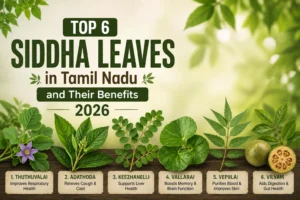
Quick Take: Tamil Nadu’s Siddha tradition uses six key medicinal leaves — Neem, Nilavembu, Curry, Moringa, Thulasi, and Mudakathan — each government-validated for treating fevers, diabetes, skin issues, and joint pain.
Key Highlights:
- The Tamil Nadu Government distributes Nilavembu Kashayam statewide during dengue and chikungunya outbreaks, a formulation validated through randomised trials by the Siddha Central Research Institute (SCRI), Chennai.
- Neem, Curry, Moringa, and Thulasi leaves double as everyday dietary staples in Tamil Nadu households, while concentrated medicinal decoctions require guidance from a registered Siddha physician.
- Insider tip: Mudakathan Keerai, whose name means “that which cures stiffness of joints,” is Siddha medicine’s go-to remedy for arthritis and joint pain — but raw leaves in large quantities can cause gastric irritation, so Siddha healers prescribe it lightly cooked.
Tamil Nadu carries one of the world’s most ancient healing traditions — the Siddha system of medicine. Siddha physicians (Vaidyars) use leaves, roots, bark, and minerals to treat everything from chronic illness to infectious disease. The Government of Tamil Nadu actively promotes Siddha medicine through the Department of Indian Medicine and Homeopathy (DIMH) and the Siddha Central Research Institute (SCRI), Chennai. This article explores the top medicinal leaves that Siddha practitioners prescribe across Tamil Nadu, their proven benefits, and the official sources that authenticate their use.
To book your stay, click here. To Book Local Travel, click here
Traveling Overseas click here to buy a eSIM. For more info click here
Table of Contents
1. Neem Leaves | Azadirachta indica
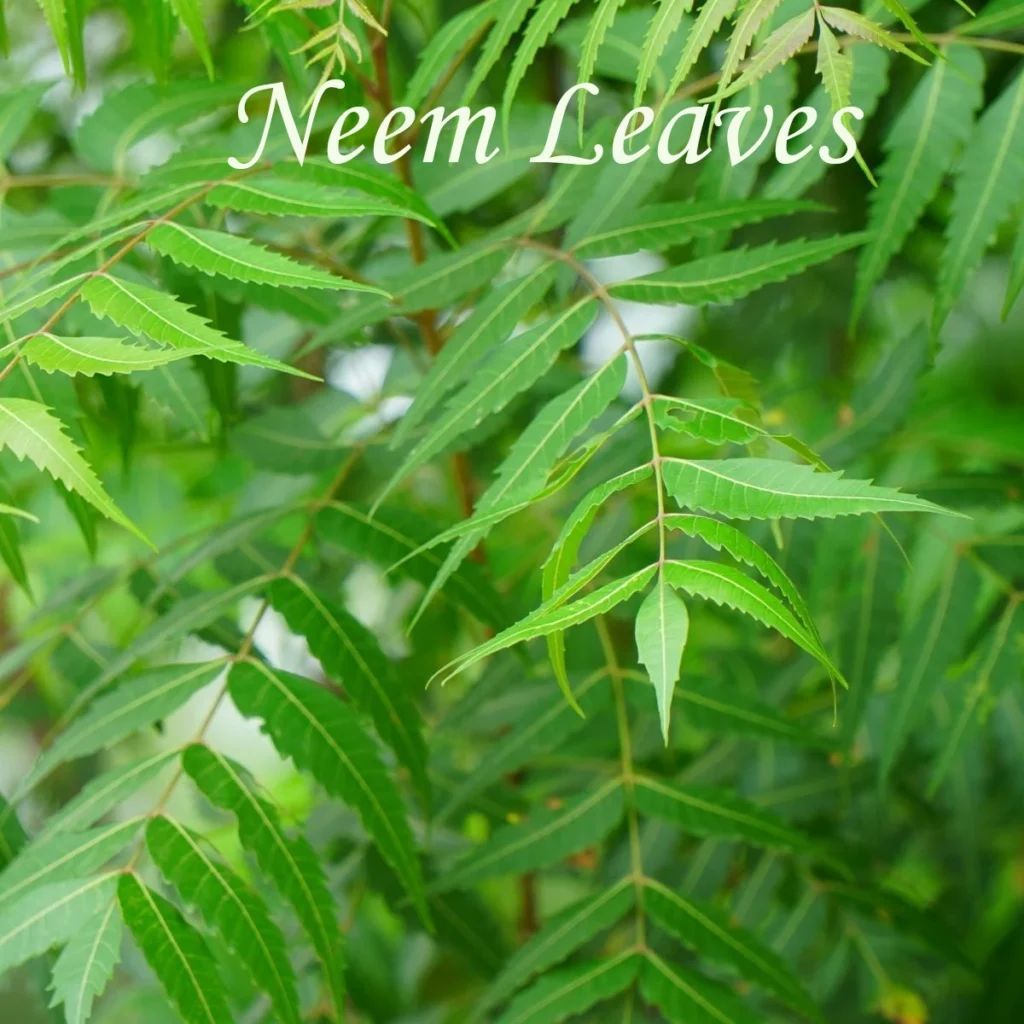
Siddha practitioners call neem (வேம்பு / Vembu) the “village pharmacy.” Every part of the neem tree — leaves, bark, flowers, roots, fruits, and seeds — carries medicinal properties. Neem leaves hold a central place in classical Siddha texts and modern Government Siddha hospitals across Tamil Nadu use neem-based formulations daily.
Key Benefits of Neem Leaves in Siddha Medicine
- Skin Diseases: Siddha doctors apply neem leaf paste directly to treat smallpox, eczema, ringworm, and chronic skin infections. The classical formulation Nimbaadi Taila uses neem as its primary antimicrobial agent.
- Blood Sugar Control: Siddha physicians prescribe neem leaf powder and decoctions to manage diabetes by regulating blood glucose levels.
- Wound Healing: Government Siddha hospitals in Tamil Nadu use neem-based Mathan Tailam (Pachai Ennai) — standardised by the Siddha Central Research Institute, Chennai — to treat lacerations, burns, and diabetic ulcers.
- Oral Health: Siddha tradition recommends chewing tender neem twigs as a natural toothbrush to eliminate bacteria, strengthen gums, and remove bad breath.
- Immune Strengthening: Neem leaves stimulate the formation of T-cells, helping the body fight bacterial and viral infections before the immune system fully activates.
- Anti-parasitic Action: Siddha formulations containing neem leaves effectively treat intestinal worms and parasitic infections.
The United Nations declared neem the “Tree of the 21st Century,” and the US National Academy of Sciences published a landmark 1992 report titled “Neem: A Tree for Solving Global Problems” recognising its medicinal value globally.
🔗 Official Reference: Tamil Nadu Department of Indian Medicine & Homeopathy (DIMH) — Government of Tamil Nadu
🔗 Research Reference: Medicinal Plants Used by Traditional Healers in Kancheepuram District, Tamil Nadu — PubMed Central / NIH
Are you a Siddha Research Tourist – Book your Stay in Chennai -Tamil Nadu
2. Nilavembu-King of Bitters | Andrographis paniculata
Siddha healers call Nilavembu (நிலவேம்பு) the “King of Bitters.” The Tamil Nadu Government distributes Nilavembu Kashayam — a classical poly-herbal Siddha decoction — statewide during dengue and chikungunya outbreaks. The Siddha Central Research Institute (SCRI), Chennai has validated this formulation through randomised controlled trials.
Key Benefits of Nilavembu Leaves in Siddha Medicine
- Fever & Dengue: Nilavembu leaves contain the bioactive compound andrographolide, which Siddha practitioners use to treat dengue, malaria, chikungunya, and chronic intermittent fevers.
- Liver Protection: Siddha physicians prescribe Nilavembu decoctions to promote liver function, treat fatty liver, and manage hepatomegaly (enlarged liver).
- Diabetes Management: Traditional healers in Kancheepuram district use Nilavembu leaf powder to manage diabetes, a use documented by research published in peer-reviewed ethnobotanical surveys.
- Anti-viral & Anti-bacterial: The leaves carry powerful antiviral properties; andrographolide actively inhibits the chikungunya and dengue viruses from replicating in the body.
- Digestive Health: Nilavembu leaves treat diarrhoea, gastroenteritis, and poor appetite. Research demonstrates the extract achieves over 88% effectiveness against bacillary diarrhoea.
- Skin Infections: Siddha healers grind the whole plant into a paste and apply it to skin rashes and wounds to accelerate healing.
🔗 Official Reference: Siddha Central Research Institute (SCRI) — Siddha Tailam Research, PubMed Central
🔗 Research Reference: Siddha Practitioners & Cardiometabolic Plants, Tiruvallur District, Tamil Nadu — PubMed
3. Curry Leaves | Murraya koenigii
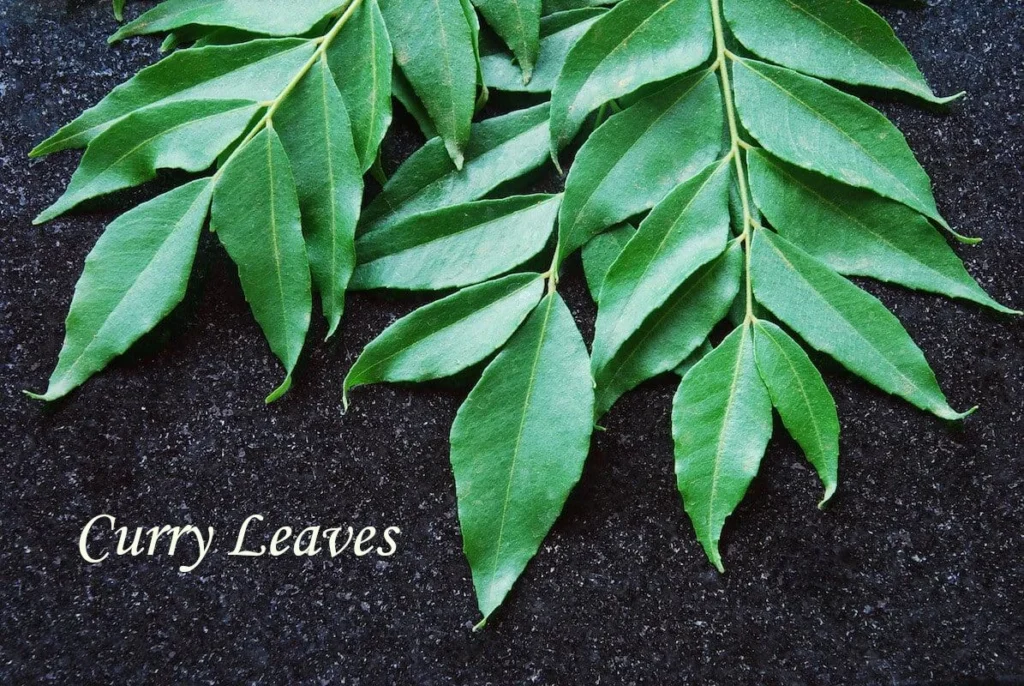
Curry leaves (கறிவேப்பிலை) derive their name from the Tamil word “Kari,” meaning spicy. Ancient Tamil scriptures dating back to the 4th century AD document their culinary and medicinal significance. Siddha, Ayurveda, and Unani practitioners all use curry leaves to treat a wide range of disorders.
Key Benefits of Curry Leaves in Siddha Medicine
- Diabetes Control: Curry leaf extract contains an active anti-diabetic constituent that Siddha physicians prescribe to regulate blood sugar and improve insulin sensitivity.
- Hair & Scalp Health: The antioxidants and nutrients in curry leaves strengthen hair roots, prevent hair loss, reverse premature greying, and eliminate dandruff. Siddha practitioners incorporate curry leaf oil into hair treatments.
- Antimicrobial Protection: Dried and powdered curry leaves carry antifungal and antibacterial properties that Siddha healers apply against various skin infections and intestinal parasites.
- Oral Hygiene: Siddha tradition historically uses thin curry leaf twigs as a natural datun (toothbrush) to protect teeth and gums from bacteria.
- Digestive Aid: Curry leaves treat diarrhoea, nausea, and gastrointestinal disorders. The Tikta (bitter) and Kashaya (astringent) properties balance Vata and Kapha doshas in Siddha principles.
- Eye Health: Siddha physicians use curry leaf formulations to improve eyesight and treat eye inflammation, attributed to the leaves’ high Vitamin A content.
🔗 Research Reference: Curry Leaves — Medicinal Uses & Therapeutic Benefits (Netmeds Health Library)
🔗 Ethnobotany Reference: Medicinal Plant Leaves Used by Local Practitioners of Coimbatore District, Tamil Nadu — International Journal of Pharmaceutical Sciences and Research
Are you a Siddha Research Tourist – Book your Local Travel in Chennai
4. Moringa Leaves | Moringa oleifera
Moringa (முருங்கை / Murungai) earns the title “Miracle Tree” in Tamil Nadu. Siddha practitioners use every part of the drumstick tree — leaves, pods, flowers, bark, and roots. Traditional healers in Kancheepuram district use boiled Moringa leaves to reduce body heat, treat indigestion, and address eye diseases, as documented in peer-reviewed ethnobotanical research.
Key Benefits of Moringa Leaves in Siddha Medicine
- Nutritional Powerhouse: Moringa leaves deliver exceptional amounts of Vitamins A, C, B6, B1 (thiamin), B2 (riboflavin), and niacin. They also supply calcium, iron, copper, manganese, zinc, selenium, magnesium, folate, and phosphorus — with zero cholesterol.
- Body Heat & Indigestion: Siddha practitioners boil Murungai leaves and administer them as a decoction to reduce excessive body heat and aid digestion, treating Vatham and Kapha imbalances.
- Postnatal Nutrition: Siddha healers include Moringa leaves in new mothers’ diets due to the high protein content and nutritional density, supporting lactation and recovery.
- Eye Health: Traditional healers use Moringa leaf preparations to cool the eyes and treat inflammatory eye conditions.
- Anti-inflammatory: Siddha physicians prescribe Moringa leaf formulations to manage joint pain, swelling, and arthritic conditions.
- Blood Building: The high iron content of Moringa leaves helps Siddha practitioners treat anaemia and general debility effectively.
🔗 Siddha Reference: Moringa in Siddha Medicine — Agasthiyar Guru Siddha Hospital
🔗 Ethnobotany Reference: Medicinal Plants Used by Traditional Healers in Kancheepuram District, Tamil Nadu — PubMed Central / NIH
Are you a Siddha Research Tourist – Air Ticket to Chennai
5. Thulasi – Holy Basil | Ocimum sanctum
Siddha physicians call Thulasi (துளசி) the “Queen of Herbs.” Tamil Nadu households grow Thulasi in their courtyards as both a sacred plant and a household medicine. Ethnobotanical research conducted across Tamil Nadu districts consistently documents Thulasi as one of the most widely used medicinal leaves for treating respiratory ailments, fever, and headache.
Key Benefits of Thulasi Leaves in Siddha Medicine
- Respiratory Health: Siddha practitioners prescribe Thulasi leaf decoctions to treat cough, cold, bronchitis, asthma, and sore throat. The essential oils in the leaves act as natural expectorants and bronchodilators.
- Fever Management: Thulasi leaves carry potent antipyretic properties. Siddha healers boil Thulasi with black pepper and ginger to bring down fever rapidly.
- Headache Relief: Traditional healers across Kancheepuram district apply Thulasi leaf preparations to treat headaches, as documented in peer-reviewed ethnobotanical surveys.
- Immune Boosting: Thulasi leaves contain eugenol, rosmarinic acid, and ursolic acid — compounds that Siddha medicine uses to strengthen the immune system and combat infections.
- Stress & Anxiety: Siddha physicians use Thulasi as an adaptogen — it helps the body manage physical and mental stress by balancing cortisol levels.
- Skin Disorders: Thulasi leaf juice helps treat acne, fungal infections, and inflammatory skin conditions when applied topically in Siddha practice.
🔗 Official Reference: Tamil Nadu Department of Indian Medicine & Homeopathy (DIMH)
🔗 Research Reference: Ethnobotanical Survey — Kancheepuram District, Tamil Nadu (PubMed Central / NIH)
6. Mudakathan Keerai — Balloon Vine | Cardiospermum halicacabum
Siddha medicine regards Mudakathan Keerai (முடக்கத்தான் கீரை) as one of the most potent anti-arthritic herbs in Tamil Nadu. Its name in Tamil literally means “that which cures stiffness of joints.” Siddha physicians prescribe Mudakathan leaves as a green vegetable (keerai) and as a medicinal decoction.
Key Benefits of Mudakathan Keerai in Siddha Medicine
- Arthritis & Joint Pain: Siddha physicians prescribe Mudakathan leaf decoctions and poultices to relieve rheumatoid arthritis, joint stiffness, and musculoskeletal pain — the primary traditional use validated across Tamil Nadu villages.
- Nervous System Support: Siddha practitioners use Mudakathan leaves to treat nervous disorders, paralysis, and numbness in extremities.
- Hair Growth: The leaves contain steroids and saponins that Siddha healers use to formulate hair oils targeting premature hair loss and dandruff.
- Respiratory Conditions: Siddha physicians use Mudakathan leaf preparations to treat bronchitis, whooping cough, and asthmatic conditions.
- Ear Disorders: Traditional Siddha healers warm Mudakathan leaf juice and administer it as ear drops to treat ear infections and pain.
- Anti-inflammatory Action: The leaves contain bioactive compounds that reduce systemic inflammation, making them effective for treating swollen joints and inflammatory skin conditions in Siddha practice.
🔗 Research Reference: Medicinal Plants of Uthapuram Village, Madurai District, Tamil Nadu — PubMed Central / NIH
🔗 Ethnobotany Reference: Siddha Plants for Cardiometabolic Diseases, Tiruvallur District, Tamil Nadu — PubMed
Book Your Tourist Package around Chennai
Official & Authentic Resources on Siddha Medicine in Tamil Nadu
The following government and institutional sources authenticate Siddha medicine practices in Tamil Nadu:
- 🏛️ Tamil Nadu Department of Indian Medicine & Homeopathy (DIMH): https://tnhealth.tn.gov.in/tngovin/dimh/dimh.php
- 🏛️ Siddha Central Research Institute (SCRI), Chennai: https://www.ccras.nic.in/content/siddha-central-research-institute
- 🏛️ Ministry of AYUSH, Government of India: https://main.ayush.gov.in/
- 🔬 PubMed Central — Siddha Medicinal Plants Research, Tamil Nadu (NIH): https://pmc.ncbi.nlm.nih.gov/articles/PMC1615867/
- 🔬 Ethnomedicinal Survey of Siddha Plants, Tiruvallur (PubMed): https://pubmed.ncbi.nlm.nih.gov/27090346/
- 🔬 Medicinal Plant Leaves, Coimbatore District — IJPSR: https://ijpsr.com/bft-article/medicinal-plant-leaves-used-by-local-practitioners-of-coimbatore-district-tamil-nadu-india/?view=fulltext
Frequently Asked Questions (FAQ)
FAQ 1: What makes Siddha medicine different from Ayurveda?
Siddha medicine originates in Tamil Nadu and primarily uses Tamil-language classical texts dating back to the 6th century BCE. While Ayurveda uses herbal and mineral preparations documented in Sanskrit, Siddha practitioners rely more heavily on mineral-based formulations (herbo-mineral preparations) alongside plant leaves, roots, and bark. The Tamil Nadu Government Department of Indian Medicine and Homeopathy (DIMH) oversees and regulates the Siddha system independently. Both systems treat the human body as composed of fundamental elements, but Siddha specifically describes 96 primary components (thathuvam) encompassing physical, physiological, psychological, and intellectual aspects.
FAQ 2: Does the Tamil Nadu Government officially support Siddha medicine?
Yes. The Government of Tamil Nadu actively supports Siddha medicine through multiple channels. The Department of Indian Medicine and Homeopathy (DIMH) operates Siddha hospitals across all districts, including the premier Aringnar Anna Government Hospital of Indian Medicine in Arumbakkam, Chennai. The Siddha Central Research Institute (SCRI) in Chennai conducts randomised controlled trials and publishes validated research on classical Siddha formulations. The state government also organises statewide free medical camps, herbal exhibitions, and medicinal plant propagation programmes. You can access official information at the DIMH official portal.
FAQ 3: How do Siddha physicians use Nilavembu (Andrographis paniculata) for dengue fever?
Siddha physicians prepare Nilavembu Kashayam — a classical nine-herb formulation in which Nilavembu (Andrographis paniculata) is the primary ingredient. The decoction includes Nilavembu, Vetiver, Vilamichai Ver, and six other herbs. The bioactive compound andrographolide present in the leaves inhibits dengue and chikungunya viruses from replicating. The Tamil Nadu Government distributes Nilavembu Kashayam through government Siddha hospitals and pharmacies statewide during outbreak seasons. The Siddha Central Research Institute (SCRI) has completed a randomised controlled trial validating this formulation, and it appears in departmental stores across Tamil Nadu for public use.
FAQ 4: Can people consume Siddha medicinal leaves daily as part of their diet?
Several Siddha medicinal leaves, such as Murungai (Moringa), Kari Vepilai (Curry Leaves), and Thulasi (Tulsi), form an integral part of Tamil Nadu’s daily cuisine and dietary tradition. Families across Tamil Nadu cook Murungai leaves like spinach, use Kariveepilai as a flavouring, and drink Thulasi tea daily. However, leaves used medicinally in concentrated decoctions — such as Nilavembu or Vepilai (Neem) in therapeutic doses — require guidance from a qualified Siddha physician before self-administration. The Tamil Nadu Siddha Medical Council regulates Siddha practitioners, and the DIMH advises the public to consult registered Vaidyars before beginning herbal treatment programmes.
FAQ 5: What research institutions study Siddha medicinal leaves in Tamil Nadu?
Multiple prestigious institutions conduct ethnobotanical and pharmacological research on Siddha medicinal leaves in Tamil Nadu:
Siddha Central Research Institute (SCRI), Chennai — the primary government body under the Ministry of AYUSH that standardises and validates Siddha formulations.
Entomology Research Institute, Loyola College, Chennai — conducts quantitative ethnomedicinal surveys of Siddha plants across Tamil Nadu districts.
Avinashilingam Deemed University for Women, Coimbatore — publishes documentation on medicinal plant leaves used by local Siddha practitioners in the Coimbatore region.
Gandhigram Rural Institute, Dindigul — surveys medicinal plants used in rural Tamil Nadu communities.
Botanical Survey of India, Southern Circle, Coimbatore — verifies and authenticates plant specimens identified in ethnobotanical surveys across Tamil Nadu.
FAQ 6: Do Siddha medicinal leaves carry any side effects or precautions?
Most Siddha medicinal leaves are safe when practitioners use them in appropriate doses under proper guidance. However, users must exercise caution in specific situations:
Neem Leaves (Vepilai): High doses of neem leaf preparations can cause nausea, vomiting, or liver strain. Pregnant women must avoid concentrated neem formulations.
Nilavembu: Concentrated decoctions are bitter and can lower blood pressure significantly. People on blood pressure medication must consult their Siddha physician before use.
Moringa Leaves (Murungai): Moringa roots and bark carry compounds that can stimulate uterine contractions. Pregnant women must restrict use to leaves and pods in normal dietary quantities only.
Mudakathan Keerai: People must avoid consuming raw leaves in large quantities as they can cause mild gastric irritation. Siddha physicians typically administer the leaves after light cooking or as part of decoctions.
The Tamil Nadu DIMH and SCRI strongly advise the public
to consult a registered Siddha physician before starting any herbal medicinal regimen. Self-medication with concentrated preparations carries risks and individuals must not replace prescribed medical treatments without professional guidance.
Conclusion
Tamil Nadu’s Siddha tradition preserves centuries of carefully documented knowledge about the healing power of leaves. From Vepilai (Neem) fighting skin diseases to Nilavembu defeating dengue, and from Murungai nourishing postpartum mothers to Mudakathan Keerai liberating arthritic joints — these leaves represent a living pharmacy rooted in Tamil soil. The Government of Tamil Nadu actively promotes, researches, and distributes these Siddha formulations through its hospitals, research institutes, and public health initiatives. As modern science continues to validate what ancient Siddha Vaidyars knew millennia ago, these leaves stand as Tamil Nadu’s profound gift to global health.
Disclaimer: This article serves educational and informational purposes only. Always consult a registered Siddha physician or qualified healthcare professional before using medicinal leaves therapeutically. The Tamil Nadu Siddha Medical Council and DIMH maintain registries of licensed Siddha practitioners across the state.
Visit our other Blogs
Perfect Kanyakumari Tourism Guide 2026 – Top Spots & Smart Travel Tips





Leave a Reply