This guide contains affiliate links. We may earn a commission at no extra cost to you — see our Affiliate Disclosure and Affiliate Disclosure Policy for details.
⚡ Quick Take: Mirissa (Nov–Apr) and Trincomalee (May–Sep) are Sri Lanka’s top whale watching spots, offering blue whale and sperm whale sightings with high success rates for around USD 25–80 per person.
🎯 Key Highlights:
- Best Time & Place: Mirissa (south coast) peaks November–April for blue whales; Trincomalee (east coast) peaks May–September for sperm whales.
- Cost & Duration: Standard tours run USD 25–55 per person for 3.5–6 hours, departing 6:00–7:30 AM, including breakfast and hotel pickup.
- Insider Tip: Choose operators capping passengers at 55–70 and maintaining a 100-metre distance from whales — avoid crowded boats and “swim with dolphins” offers, which signal unethical practices.
Last summer — July 2025 — I sat at the dinner table with my family trying to pick a holiday destination. My wife wanted beaches. My kids wanted adventure. My parents wanted comfort. Everyone wanted something different, and we needed one place that worked for all four generations under one plan.
To book your stay, click here. To Book Local Travel, click here
Traveling Overseas click here to buy a eSIM. For more info click here
We tossed around the Andamans. Too remote for the grandparents. Kashmir. Beautiful, but the kids had already been. Kerala houseboats. Lovely, but we wanted to go international. Then someone said “Sri Lanka” — and the more we talked about it, the clearer it became. Whale watching and water sports in Mirissa offered something genuinely rare: an experience that thrilled the kids, fascinated the grandparents, and gave my wife and me our beach holiday too. We booked it within 24 hours.
We flew from Chennai to Colombo, picked up a luxury taxi at the airport, and drove straight to Mirissa on the south coast. The drive took about three and a half hours. We passed rubber plantations, rice paddies, small temples, and eventually the coast itself — turquoise water through the car windows. By the time we arrived, everyone was awake and excited.
Seven days later, when we drove back to Colombo, my father — who is seventy-three and not easily impressed — said it was one of the best trips he had taken in twenty years. That is the short version of why I am writing this guide.
Whether you are planning a family holiday like ours, a honeymoon, or a solo adventure, whale watching in Sri Lanka deserves a place at the top of your list. Mirissa is the best place to start. And if you happen to be travelling through Bentota on the same trip, the area also has excellent restaurants near Bentota that are worth a stop on the drive down the coast — but more on that later.
Table of Contents
📅 Best Time to Visit — Mirissa and Trincomalee
Sri Lanka’s coastline faces two different monsoon systems, which means whale watching shifts between two locations depending on the time of year. You can catch whales almost any month — you just need to know which coast to head to.
🌊 Mirissa — November to April (South Coast)
Mirissa is the world-famous spot, and the season runs from November to April. The Indian Ocean stays calm and clear. Blue whales follow nutrient-rich currents that rise from the deep ocean shelf just off the south coast. Sighting rates during this window is high on most days. January and March deliver the highest density of blue whale activity.
We visited in July — technically off-season for Mirissa — but we got lucky with a pod of spinner dolphins that stayed alongside our boat for almost twenty minutes. The sea was rougher than in peak season, and we did not see a blue whale. I am mentioning this upfront because honest information matters more than the glossy marketing version. If seeing blue whales is your priority, visit between November and April. Full stop.
🐋 Trincomalee — May to September (East Coast)
When the southwest monsoon hits the south coast, the east coast turns calm and the whales move north. Trincomalee, on Sri Lanka’s northeast coast, becomes the best whale watching spot in Asia between May and September. Sperm whales are the headline act here — enormous, deep-diving animals that put on a spectacular show when they surface. You also stand a chance of seeing blue whales, orca, and large dolphin pods.
Trincomalee is less crowded than Mirissa. Fewer boats, more space, more silence. If you want a quieter, more intimate experience — especially for grandparents or anyone who finds crowds stressful — plan your Sri Lanka trip around the east coast season.
| Location | Best Season | Top Species | Sea Conditions | Crowd Level |
|---|---|---|---|---|
| Mirissa | November – April | Blue whale, spinner dolphin, sperm whale, fin whale | Calm, clear | High (book early) |
| Trincomalee | May – September | Sperm whale, blue whale, orca, bottlenose dolphin | Calm, warm | Low (quieter) |
| Kalpitiya | November – March | Spinner dolphin (pods of 1,000+), sperm whale | Moderate | Very low |
🐳 What to Expect — Species, Reality, and the Honest Picture
Marketing brochures show a blue whale breaching majestically right next to a gleaming boat. Real whale watching is different — and, I would argue, more meaningful for it.
Species You Can See
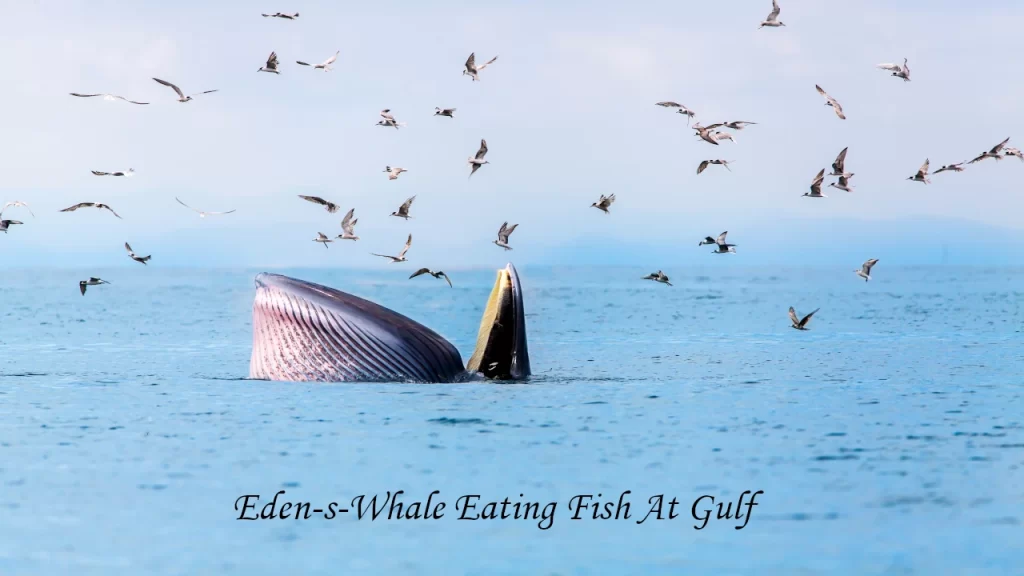
- Blue whale: The largest animal on Earth — up to 30 metres long, 180 tonnes. You see a long dark shape rising slowly from the deep, the blow of vapour that goes 9–12 metres into the air, then the enormous tail fluke lifting as it dives. The scale takes your breath away. This is what most people come to Mirissa for, and peak-season sighting rates are genuinely among the highest in the world.
- Sperm whale: Deep divers with iconic blocky heads and a dramatic tail-fluke display as they go under. More commonly seen at Trincomalee in summer. Seeing a sperm whale dive is one of the most theatrical wildlife moments in Asia.
- Spinner dolphin: Fast, acrobatic, and completely indifferent to your presence — they approach the bow and ride the wave your boat creates. Pods of 50–200 are common. This was the highlight for my children. My son stood at the front of the boat screaming with joy for fifteen solid minutes.
- Bottlenose dolphin: Larger, slower, and more deliberate than spinners. They tend to surface in small groups and keep their distance slightly. Still beautiful to watch.
- Bryde’s whale: Less famous but regularly spotted near Mirissa. Medium-sized, graceful, and more approachable than blue whales. Often the whale that surprises people who came expecting blue whales.
- Fin whale, pilot whale, killer whale (orca): Rarer but possible. Operator crews track sightings daily and share radio updates — if one boat finds orca, all the others head that way.
- Green sea turtle and flying fish: Almost guaranteed on any Mirissa trip. The turtles surface lazily and let the boat drift close. The flying fish are extraordinary — they glide just above the water for ten or fifteen metres at a time, and you see them most clearly in the early morning light.
The Honest Reality
No operator can guarantee a blue whale. They are wild animals and they move. What reputable operators can guarantee — and do — is a genuine effort, an honest crew, and a refund or free return trip if the trip falls genuinely short. Some operators offer a free next-day tour if no whale appears. That is the kind of promise worth looking for.
The other thing to know: some boats in Mirissa chase whales aggressively, crowd around them in packs of fifteen or twenty vessels, and cause real stress to the animals. Avoid any operator that cannot clearly explain their minimum approach distance (it should be 100 metres for blue whales) or who offers “swimming with dolphins.” Both are signs of an unethical operation. The International Whaling Commission’s Sri Lanka whale watching guidelines set the regulatory standard — good operators follow them.
🗺️ Top Locations for Whale Watching in Sri Lanka
1. Mirissa — The Famous One
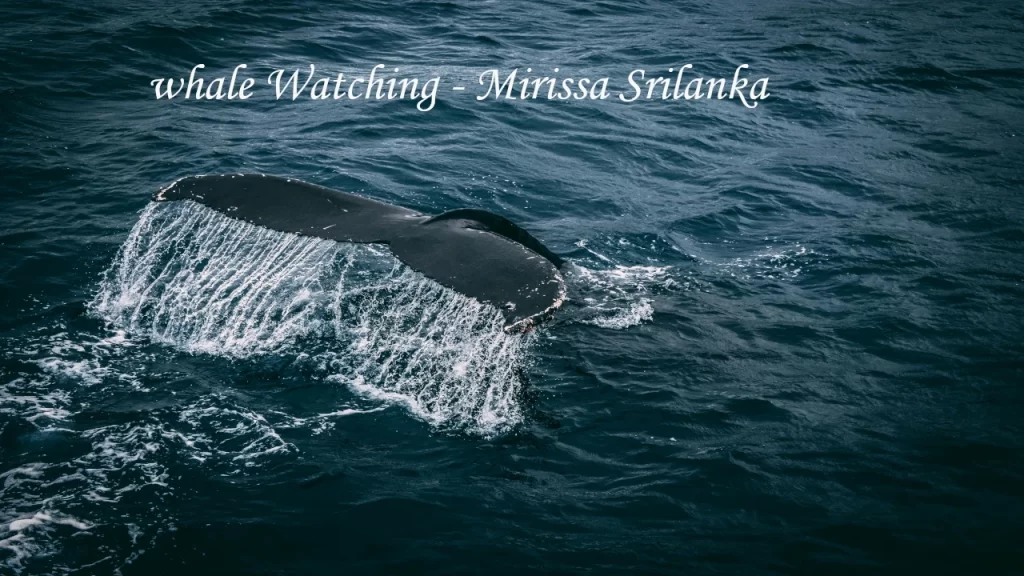
Mirissa sits about four hours south of Colombo on the coast road, between Galle and Matara. It is a proper beach town — small, walkable, full of guesthouses and restaurants, with a relaxed energy that suits families and couples equally. The harbour sits at the western end of Mirissa Beach. Boats depart between 6:30 and 7:30 AM.
Book Your Whale Watching Activity
The reason Mirissa works so well for whale watching is geological. Just off the south coast, the continental shelf drops sharply into very deep water. Nutrient-rich cold water rises from those depths and creates a feeding ground that blue whales follow on their annual migration route. You reach whale territory within one to two hours of sailing — much less than in destinations where you need four or five hours offshore.
For a complete guide to Mirissa whale watching operators, timings, and pricing: Ryde Travel Mirissa Whale Watching Guide →
2. Trincomalee — The Quieter Alternative
Trincomalee sits on Sri Lanka’s northeast coast and has one of the deepest natural harbours in the world. The depth is the key — sperm whales dive to extraordinary depths to hunt giant squid, and Trincomalee’s submarine canyon gives them exactly what they need. Tours depart from Trincomalee Harbour at 6–7 AM and reach sperm whale territory within 30 minutes.
If you visit Sri Lanka between May and September, Trincomalee is your destination. Fewer tourists, better conditions, and the sperm whale diving sequence — tail lifting clean out of the water, pausing, then sliding silently into the deep — is one of the most dramatic wildlife spectacles I have ever seen described by those who have witnessed it.
3. Kalpitiya — The Hidden Gem
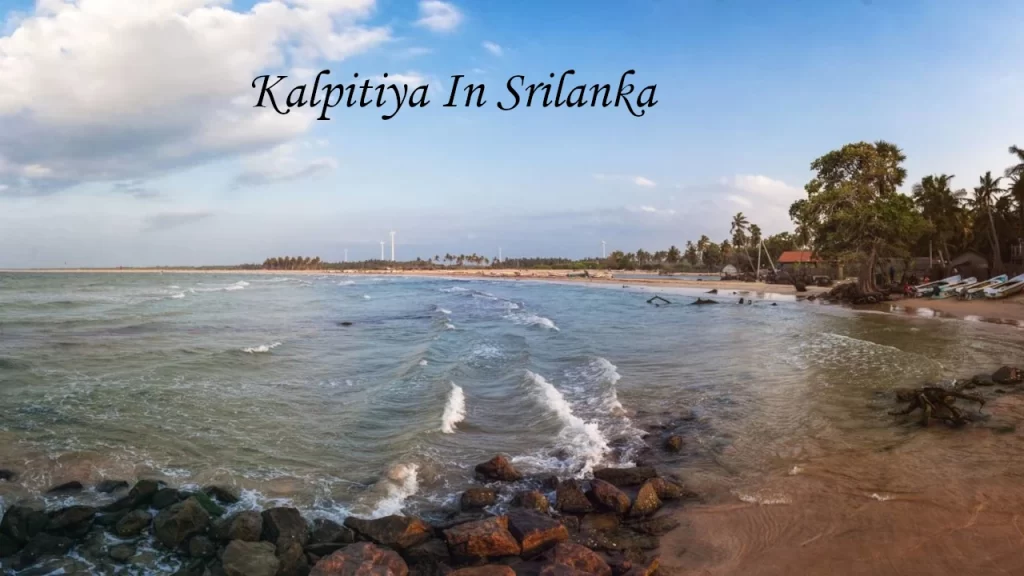
Kalpitiya, on Sri Lanka’s northwest coast, is barely known outside specialist wildlife circles. In November and December, pods of spinner dolphins numbering in the hundreds — sometimes over a thousand — gather here. The experience is unlike anything in Mirissa or Trincomalee. If you travel between November and March and want something genuinely off the beaten track, add Kalpitiya to your Sri Lanka itinerary. See official Sri Lanka Tourism information on Kalpitiya →
⏰ Tour Timing, Duration, and What a Day Looks Like
Based on our experience, every whale watching tour in Mirissa follows roughly the same structure. Here is what your day looks like:
- 5:30 – 6:00 AM: Your operator picks you up from your hotel. Go light on breakfast — a banana or some crackers, nothing heavy. Seasickness happens, and a full stomach makes it worse.
- 6:00 – 6:30 AM: Board the boat at Mirissa Harbour. The crew gives a safety briefing, hands out life jackets, and serves morning tea. Good operators also hand out cetacean identification sheets so you can name what you see.
- 6:30 AM: Depart. The first 60–90 minutes are open ocean. The boat moves fast, and the wind picks up. Put your jacket on. Sit somewhere stable. Keep your eyes on the horizon if you feel queasy.
- 7:30 – 9:00 AM: Dolphin encounters often happen first. Spinner dolphins approach the bow. Then the boat scans for blows — the tall column of vapour that a whale exhales when it surfaces. When the crew spots one, the engine slows and the boat approaches quietly from the side, never from ahead or behind.
- 9:00 – 10:00 AM: Breakfast served on board. Rice, sandwiches, fruit, tea. You eat on the moving boat, watching the ocean.
- 10:00 AM – 12:00 PM: The return journey. Slower, warmer, everyone quieter. Some boats stop at a snorkelling spot or a floating fish spa on the way back.
- 12:00 – 1:00 PM: Back at Mirissa Harbour. The rest of the day is yours — beach, lunch, afternoon nap.
Total duration: 3.5 to 6 hours depending on where the whales are. Most reputable operators extend the tour when whales are found far offshore — at no extra cost. Factor this into your day plan.
💰 Cost Breakdown — Whale Watching in Sri Lanka (INR and USD)
| Tour Type | Price (USD) | Price (INR approx.) | Price (LKR approx.) | Includes |
|---|---|---|---|---|
| Group boat — standard (3–4 hrs) | USD 25–40 per person | ₹2,075–3,320 | LKR 7,500–12,000 | Breakfast, water, life jacket |
| Group boat — extended (5–6 hrs) | USD 40–55 per person | ₹3,320–4,565 | LKR 12,000–16,500 | Breakfast, snacks, hotel pickup |
| Catamaran / luxury boat | USD 55–80 per person | ₹4,565–6,640 | LKR 16,500–24,000 | Full breakfast, Wi-Fi, stability, comfort |
| Private charter (small group) | USD 220–350 total | ₹18,260–29,050 total | LKR 66,000–1,05,000 total | Flexible timing, full crew attention |
| Trincomalee tour (shared) | USD 35–50 per person | ₹2,905–4,150 | LKR 10,500–15,000 | Breakfast, water, hotel pickup |
Exchange rates: 1 USD ≈ ₹83 INR | 1 USD ≈ LKR 330 as of Sep 2026. Verify current rates before booking.
Additional Costs to Budget
Based on our experience we have listed few cost details:
- Hotel pickup: Most operators include pickup within 3–6 km of Mirissa free. From Galle (40 km), expect an additional LKR 2,000–3,000.
- Motion sickness tablets: Buy before you travel. A strip of Avomine or Stugeron costs ₹30–50 in India. Operators sometimes hand them out — do not count on it.
- Tips: Not required but appreciated. LKR 500–1,000 per family for the crew is a reasonable gesture if the trip is good.
- Photos from the crew: Several operators email trip photos the next day at no extra charge. Worth asking before you book.
🎫 How to Book Whale Watching Tours
Based on our experience on Whale watching tour, we have listed three options, each with different trade-offs.
Option 1: Book Directly with the Operator (Best Value)
Contact operators directly by WhatsApp — most respond within hours. Booking direct often gets you a slightly better price than booking through a platform, and it lets you ask specific questions about the boat size, passenger limits, crew ethics, and their cancellation policy. Ask them: “How many passengers do you carry maximum?” Anything above 60–70 is a red flag for crowding.
Option 2: Book Through Your Hotel
Most Mirissa hotels work with one or two preferred operators. The convenience is real — they handle pickup logistics and can adjust timing if you need it. The slight downside is that hotel bookings sometimes carry a small mark-up. Ask the hotel which operator they use and check the operator’s own reviews independently before confirming.
Option 3: Book Through a Platform (TripAdvisor, GetYourGuide, Viator)
Platforms offer verified reviews and buyer protection, which is useful if you are unfamiliar with the operators. Prices are sometimes slightly higher than direct bookings. Confirm pickup arrangements and cancellation policies carefully before paying — platform bookings sometimes have stricter refund terms than direct bookings during rough weather.
Book Your Tour Hotel Stay
For SLTDA-registered and verified tour operators, check the Sri Lanka Tourism Development Authority official directory →
🛡️ Safety Tips for Whale Watching — Especially for Families
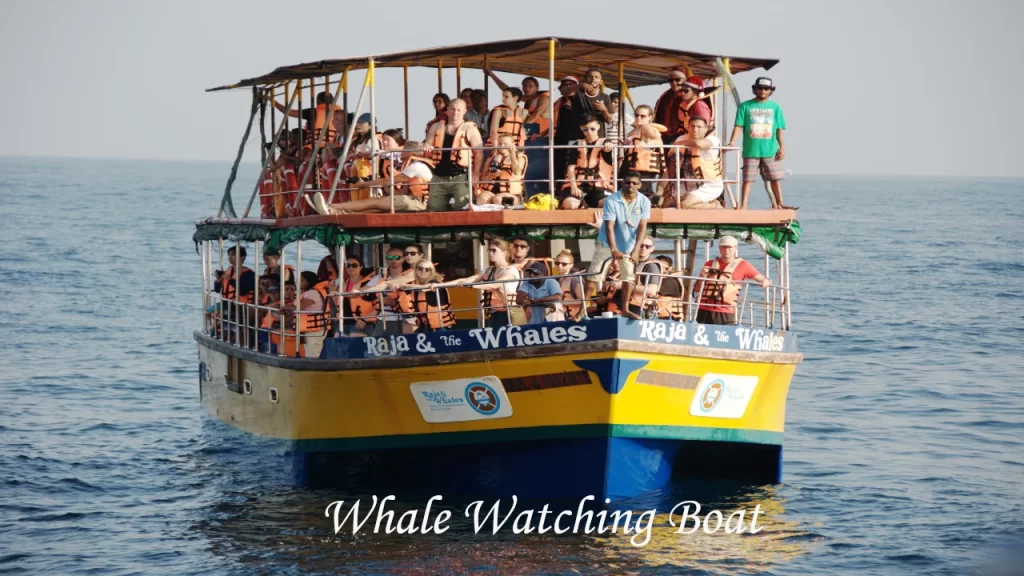
We took two kids aged nine and twelve, and both grandparents — ages seventy-one and seventy-three — on a whale watching boat. Everything went fine because we prepared properly. Here is what I wish someone had told me before we went.
- Take motion sickness tablets the night before and again one hour before departure. The open ocean has a different swell pattern from coastal waters. Even people who do not normally get seasick can feel it on a four-hour trip. My mother-in-law took half a tablet and was perfectly fine.
- Eat light before the trip. A banana or plain crackers. No heavy, oily, or spicy food the night before or morning of. The combination of motion and a full stomach is unpleasant for everyone around you.
- Sit at the back or in the middle of the boat if you feel unstable. The front is exciting when dolphins appear, but it pitches more in swells. Older adults and young children are safer and more comfortable mid-boat or at the stern.
- Wear sunscreen — SPF 50, applied twice. The ocean breeze makes you feel cool, so you forget you are in direct tropical sun for three to five hours. Sun damage happens quietly. Reapply after the first two hours.
- Bring a light jacket or windbreaker. Even in summer, the open ocean at speed is cold before 9 AM.
- Keep children away from railings when the boat is moving fast. Sounds obvious — it is not when a child spots dolphins and sprints toward the bow.
- Choose operators who cap passenger numbers. Boats carrying 100–130 people are chaotic and uncomfortable. Operators who limit to 55–70 give everyone a clear view and a calmer experience.
- Confirm your operator holds Sri Lanka Coast Guard registration and is SLTDA-licensed. Reputable operators display this information clearly on their websites and at the harbour counter.
🍤 Our Mirissa Experience — Food, Beaches, and the Moments Between
The whale watching morning was the centrepiece of our trip, but the days around it were just as good in a quieter way.
Mirissa Beach is long, wide, and uncrowded compared to most popular Asian beach destinations. My kids spent two afternoons in the water. My parents sat under umbrellas at a beachside café, watching the sea, drinking iced lime juice, and reading. That was their perfect holiday, and it happened naturally with no planning.
Book Your Activities and Dining
The Sri Lankan seafood was extraordinary — and I say that as someone who lives in Chennai and eats good seafood regularly. The prawn curry at a small restaurant near our hotel used fresh-caught prawns, a coconut milk base spiced with goraka and curry leaves, and arrived with rice, dhal, and three sambols. It cost us LKR 2,200 for the whole family. My father asked for a second serving.
We also drove up the coast one day to Galle and stopped at a couple of restaurants near Bentota on the way back. The coastal road between Mirissa, Galle, and Bentota has some excellent small restaurants worth stopping at — grilled fish, cuttlefish curry, king coconuts from roadside stalls. If you drive the coast rather than the highway, you will find them naturally.
For water sports, Mirissa offers jet skiing, paddleboarding, and snorkelling. We did all three. My twelve-year-old tried paddleboarding and fell off four times in thirty minutes, which he describes as the highlight of the entire holiday.
For a complete water sports guide in Sri Lanka, see: Water Sports in Bentota, Sri Lanka →
🔗 Plan Your Full Sri Lanka Trip
- 📋 Sri Lanka Visa Guide for Indians (ETA 2026) — Apply online in 15 minutes before you fly
- 🏖️ 10 Best Places Near Bentota, Sri Lanka — Day trips, Madu River Safari, Galle Fort and more
- 🦁 Wildlife Safari in Sri Lanka — Hurulu Eco Park — Wild elephants and jungle safaris
- 💍 Sri Lanka Honeymoon Itinerary — 12 Days — Complete romantic trip plan
- 🛡️ Travel Insurance Guide for Indians — Protect your trip before you go
Official sources: Sri Lanka Tourism official portal → | Sri Lanka ETA visa application → | IWC Whale Watching Guidelines for Sri Lanka →
❓ Frequently Asked Questions
1. When is the best time for whale watching in Sri Lanka?
November to April is peak season for Mirissa on the south coast — the best window for blue whale sightings, with a high success of Sighting whales on calm days. December, January, and March are the peak months within that season. If you visit between May and September, head to Trincomalee on the east coast instead — sperm whales are the highlight there, with excellent conditions and far fewer tourists. Whale watching is possible year-round in Sri Lanka by switching coasts with the monsoon cycle.
2. Is whale watching safe for kids and elderly passengers?
Yes — we took a nine-year-old, a twelve-year-old, and two grandparents aged seventy-one and seventy-three, and everyone had a genuinely good time. The key is preparation: take motion sickness tablets the night before and again one hour before departure, eat lightly, sit mid-boat rather than at the front, and choose an operator with a stable, mid-sized vessel. Luxury catamarans are the most stable option and suit older passengers and young children particularly well. Children under six travel free on several operators. Always confirm that the boat carries proper life jackets and has a Coast Guard registration.
3. How much does a whale watching tour cost in Sri Lanka?
Standard group tours cost USD 25–40 per person (~₹2,075–3,320). Extended tours with more ocean time and better boats cost USD 40–55 per person (~₹3,320–4,565). Luxury catamaran tours run USD 55–80 per person (~₹4,565–6,640). A private charter for a small group costs USD 220–350 total (~₹18,260–29,050) — excellent value for families of 4–6 who want the full boat to themselves. All prices include breakfast and hotel pickup in most cases. Compare this to whale watching in Iceland, Norway, or Australia — Sri Lanka delivers world-class sightings at a fraction of those prices.
4. What whales and marine life can you see?
At Mirissa, you can see blue whales (most common), sperm whales, fin whales, Bryde’s whales, and on rare occasions orca (killer whales). Spinner dolphins are almost guaranteed — large pods often ride the bow wave. Green sea turtles and flying fish appear on most trips. At Trincomalee, sperm whales are the star attraction, with blue whales also present in the early part of the season. Over 26 whale species have been recorded in Sri Lankan waters — it is one of the most biodiverse marine environments in the Indian Ocean region.
5. How long is a whale watching tour?
Most tours run 3.5 to 5 hours total — roughly 60–90 minutes sailing out, 60–90 minutes in whale territory, and 60 minutes back. Reputable operators extend the tour when whales are spotted far offshore, sometimes up to 6 hours, at no extra cost. Tours depart between 6:00 and 7:30 AM from Mirissa Harbour. You are typically back at the harbour by noon, leaving your afternoon free for the beach, Galle Fort, or a nap. Plan your day accordingly — do not book anything time-sensitive before 1:00 PM on whale watching day.
6. What should I carry on a whale watching tour?
Pack light but pack smart. Bring SPF 50+ sunscreen (apply before boarding and reapply two hours in), a light windbreaker or jacket (cold at speed before 9 AM), motion sickness tablets taken before you board, a water bottle (operators provide some water but more is always useful), a hat and sunglasses, and a camera or fully charged phone in a waterproof case or bag. Leave heavy bags, flip-flops that slip off easily, and large umbrellas behind — the boat moves and space is limited. Wear comfortable, non-slip shoes. If you wear glasses, bring a strap. The ocean wind is real and will take them.
Book Your Flight Ticket
✈️ Final Thoughts — Why We Are Going Back
When my father said that Mirissa was one of the best trips he had taken in twenty years, he was not talking about the whale. He was talking about the whole week — the ease of it, the seafood, the warm water, the unhurried pace, the grandchildren running on the beach at sunset while he sat in a chair watching them.
The whale watching was the moment that made us all stop talking and stare. A spinner dolphin pod at the bow of the boat, thirty animals in perfect formation, fast and joyful and utterly indifferent to the ten humans staring at them open-mouthed. That silence — everyone on the boat, strangers from four different countries, all watching the same thing at the same time — is the kind of moment a holiday builds toward and rarely delivers.
Mirissa delivered it.
We plan to visit during the right months to maximize our chances. If you are considering it, stop considering and start booking. Sort your Sri Lanka ETA visa, pick up travel insurance, and go. The blue whale will still be there. Whether you make it for the first time or the third, it will stop you in your tracks every single time.
All prices, timings, and tour details are approximate as of Sep 2026. Always verify current rates and seasonal conditions directly with tour operators and the official Sri Lanka Tourism portal before booking. For ethical whale watching guidelines, refer to the International Whaling Commission’s Sri Lanka guidelines.
Visit our other Travel Blogs on Sri Lanka
Scuba Diving · Snorkeling · PADI Certifications · Wreck Dives – Hikkaduwa Sri Lanka
Best Water Sports in Bentota 2026 – Jet Ski, Paragliding & River Tours
Best Water Sports in Colombo 2026 – Kayaking, Jet Ski & Snorkeling Guide
Sri Lanka Honeymoon Itinerary 2026: 12-Day Romantic Travel Guide