Osaka tourist places attract millions of travelers every year, and it is easy to see why. Osaka blends centuries-old castles, neon-lit food streets, world-class theme parks, and some of the friendliest locals in Japan into one unforgettable destination. Whether you are backpacking solo through Japan or planning a family vacation, Osaka rewards you with a mix of history, entertainment, and — above everything else — incredible food.
This travel blog is your complete guide to Osaka. We will walk through the best Osaka tourist places, the best time to visit, major festivals in Osaka, a full Osaka itinerary broken down day by day, food you must try, hotel recommendations, and realistic budget estimates for both solo travelers and families. By the end, you will have a ready-made plan you can copy straight into your travel notes.
Unlike a rigid checklist, this guide is written the way an experienced traveler would actually plan a trip — starting with when to go, moving into what to see and in what order, and finishing with the food, money, and logistics questions that usually get asked only after the flights are already booked. Wherever you are in your planning, you should be able to jump to the exact section you need.
If you are also planning to explore other parts of Japan or need help arranging transport and stays across your trip, the team at Ryde Travel can help you build a complete multi-city itinerary around this Osaka guide.
To book your stay, click here. To Book Local Travel, click here
Traveling overseas? Click here to buy an eSIM. For more info, click here
Table of Contents
Why Osaka Should Be on Your Japan Itinerary
Tokyo gets the fame, Kyoto gets the temples, but Osaka is where Japan lets its hair down. Locals call it the “nation’s kitchen,” and once you taste takoyaki fresh off a Dotonbori street stall, you will understand why. Beyond food, the city’s attractions range from a 16th-century castle to a harbor aquarium housing whale sharks, making it one of the most well-rounded cities to visit in Japan.
What sets Osaka apart from Tokyo and Kyoto is its pace. Tokyo can feel overwhelming for first-time visitors, and Kyoto, while beautiful, is heavily focused on temples and shrines. Osaka sits comfortably in between: it has enough history and culture to satisfy sightseers, enough neon and nightlife to satisfy anyone looking for energy, and enough affordable, delicious food to keep both solo backpackers and families happy without draining the travel budget.
Osaka also works as a perfect base for day trips to Kyoto, Nara, and Kobe, since all three are under an hour away by train. This makes it a smart hub city for any Osaka travel guide or broader Kansai region itinerary. Many travelers base themselves in Osaka for four or five nights and use it as a launchpad for the rest of the Kansai region, rather than switching hotels every night — which also saves money and packing time.
Locals are famously warm and talkative compared to the more reserved culture typically associated with Tokyo, and Osaka’s dialect (Kansai-ben) carries a friendly, almost comedic tone that visitors often notice even without understanding Japanese. Combine that with a compact, walkable downtown core, and Osaka becomes an easy city to navigate even for first-time visitors to Japan.
Best Time to Visit Osaka
Choosing the best time to visit Osaka depends on what you want from your trip — cherry blossoms, festivals, or lower crowds. Here is a season-by-season breakdown.
Spring (March to May)
Spring is widely considered the best time to visit Osaka tourist places, especially late March to early April when cherry blossoms bloom at Osaka Castle Park and along the Okawa River. Temperatures are mild (10–20°C), and the city is alive with hanami (flower-viewing) picnics.
Summer (June to August)
June brings the rainy season, followed by hot, humid weather in July and August, with temperatures often crossing 33°C. This is also the season for major festivals in Osaka, including the famous Tenjin Matsuri, so it is worth enduring the heat if you want to see fireworks over the river.
Autumn (September to November)
Autumn is another favorite for an Osaka travel guide. November brings crisp air and stunning red and gold foliage at spots like Minoh Park, just outside the city. Crowds are thinner than spring, and prices for hotels tend to dip slightly.
Winter (December to February)
Winter is cold but dry, with occasional light snow. This is the cheapest season for flights and hotels, and Osaka’s winter illuminations — especially at Osaka Castle and Umeda Sky Building — are a highlight. If budget matters more than blossoms, winter is a smart choice.
Quick verdict: For festivals and energy, visit in summer. For photos and comfortable walking weather, spring and autumn win. For budget travel, winter is unbeatable.
A Closer Look: Month-by-Month Snapshot
If you want to fine-tune your timing further, here is a rough month-by-month feel for the city:
- January: Cold, dry, and quiet. Good for indoor attractions like Kaiyukan and Abeno Harukas without crowds.
- February: Plum blossoms begin appearing before the more famous cherry blossoms, and prices remain low.
- March: Cherry blossom season typically begins in the last week of March — book hotels early.
- April: Peak sakura season in the first half, followed by comfortable spring weather through the month.
- May: Warm, pleasant, and less crowded than April — an underrated month to visit.
- June: Rainy season (tsuyu) begins; pack a compact umbrella and expect humidity.
- July: Hot and humid, but home to Tenjin Matsuri, one of Japan’s biggest festivals.
- August: Peak summer heat; evening sightseeing becomes more comfortable than daytime.
- September: Typhoon season overlaps with early autumn; check forecasts before booking outdoor-heavy days.
- October: Comfortable temperatures return, and autumn colors start appearing in late month.
- November: Best autumn foliage, especially around Minoh Park just outside the city.
- December: Cold but festive, with winter illuminations and fewer tourists overall.
This level of detail is useful when you’re deciding not just the best time to visit Osaka in general, but the best week for your specific trip.
Book Your Tourist Attractions
Best Seasons and Festivals in Osaka
Understanding the festivals in Osaka helps you time your trip around unforgettable cultural experiences rather than just sightseeing.
- Tenjin Matsuri (July 24–25): One of Japan’s three great festivals, featuring a river procession of illuminated boats and a massive fireworks display over the Okawa River.
- Osaka Castle Cherry Blossom Festival (late March–early April): Thousands gather in Osaka Castle Park under blooming sakura trees.
- Danjiri Matsuri (September, Kishiwada area): A high-energy festival where teams pull enormous wooden floats through narrow streets at speed.
- Dotonbori Illumination and Winter Lights (December–February): Seasonal light displays along the canal and at Umeda Sky Building.
- Osaka Aizen Matsuri (June 30–July 2): One of the oldest summer festivals in the city, centered around Shomanin Temple.
- Osaka Castle Plum Blossom Festival (February): A quieter precursor to the cherry blossom crowds, held in the castle’s dedicated plum grove.
- Sumiyoshi Taisha Summer Festival (late July–early August): Centered on one of Japan’s oldest shrines, with a symbolic purification ritual and lively street stalls.
- Osaka Marathon (late November): Not a traditional festival, but the route passes several major Osaka tourist places, and the city takes on a festive, high-energy atmosphere.
Building a trip around even one of these festivals in Osaka can transform a standard sightseeing trip into a cultural deep dive. If your travel dates happen to overlap with any of these events, it’s worth rearranging your itinerary so you don’t miss them — hotel prices do rise during festival weeks, so book several weeks ahead if you can.
How Many Days Do You Need for an Osaka Tour?
For a well-paced Osaka itinerary, 3 to 5 days is the sweet spot.
- 2 days: Enough for the highlights — Osaka Castle, Dotonbori, and Universal Studios Japan — but rushed.
- 3–4 days: Comfortable pacing with time for museums, day markets, and one day trip to Kyoto or Nara.
- 5+ days: Ideal if you want to include Nara’s deer park, Kobe, and slower neighborhood exploration like Shinsekai and Nakazakicho.
Families with young kids should lean toward the longer end of this range, since theme parks and aquariums naturally take a full day each.
Top 15 Osaka Tourist Places
Here are the best Osaka tourist places to build your itinerary around.
1. Osaka Castle
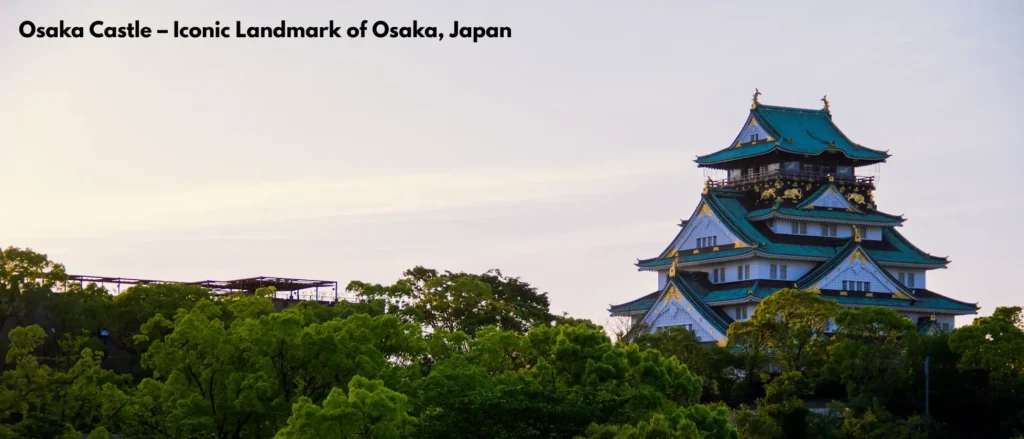
A rebuilt 16th-century castle surrounded by a park that is spectacular during cherry blossom season. Originally built by Toyotomi Hideyoshi in 1583, the current structure is a concrete reconstruction housing a museum on the castle’s turbulent history, including samurai armor and battle screens. The observation deck on the top floor offers panoramic city views in every direction. Best visited in the morning before tour groups arrive, and the surrounding park is large enough to spend a leisurely hour walking the moat-side paths even if you skip the museum itself.
2. Dotonbori
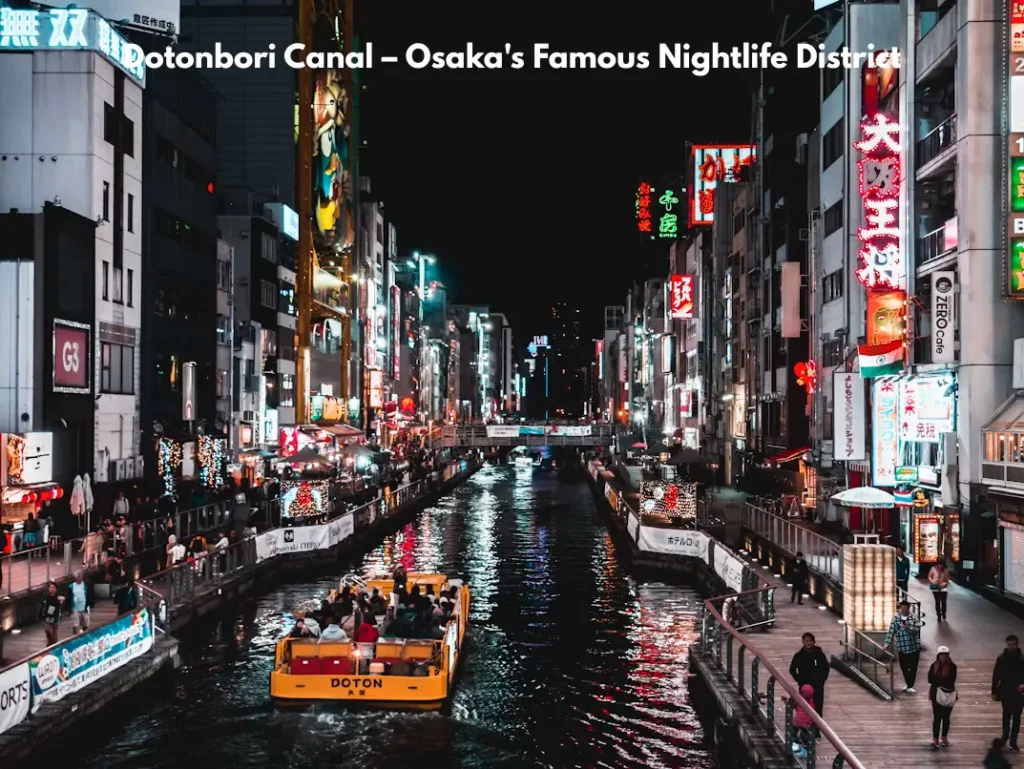
The beating heart of Osaka’s nightlife, famous for its neon signs (including the iconic Glico Man running-man billboard), canal-side walks, and endless street food stalls. This is where most visitors take their first “I’m really in Osaka” photo. Beyond the main strip, side streets like Hozenji Yokocho offer a quieter, lantern-lit alternative just steps away from the crowds. Best experienced at night, when the signage lights up and the area comes alive with both tourists and locals grabbing dinner or drinks.
3. Universal Studios Japan (USJ)
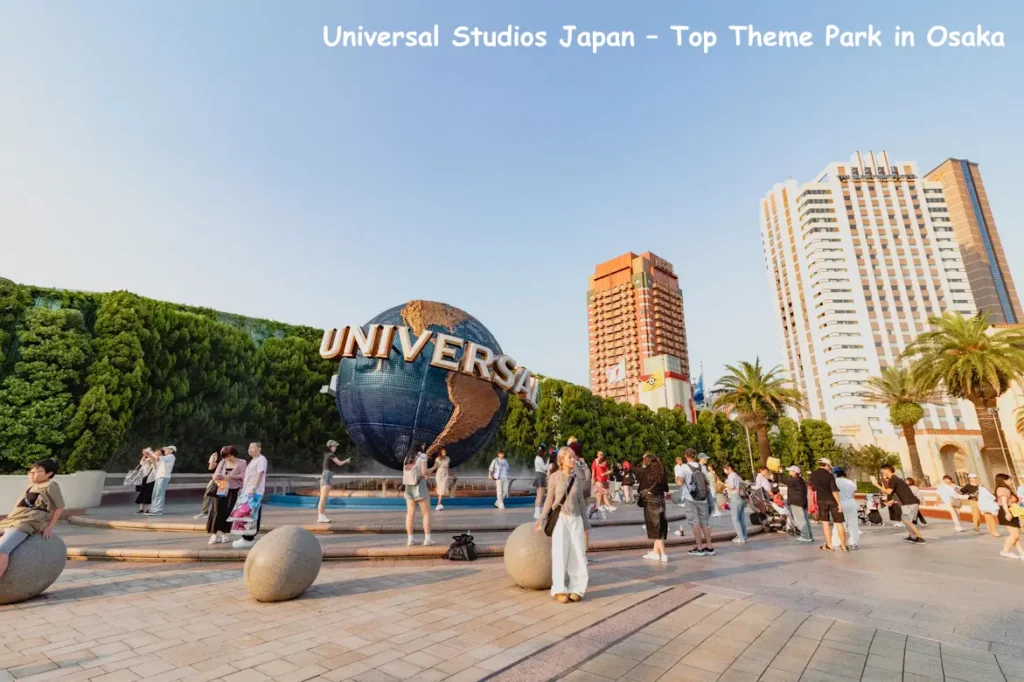
Home to the Super Nintendo World and Wizarding World of Harry Potter zones, USJ is one of the most-visited Osaka tourist places for families and theme park fans alike. Rides range from gentle family-friendly attractions to intense roller coasters, and the park regularly runs limited-time seasonal events. Plan a full day here, arrive at opening time, and consider an Express Pass if visiting during peak season to cut down wait times significantly.
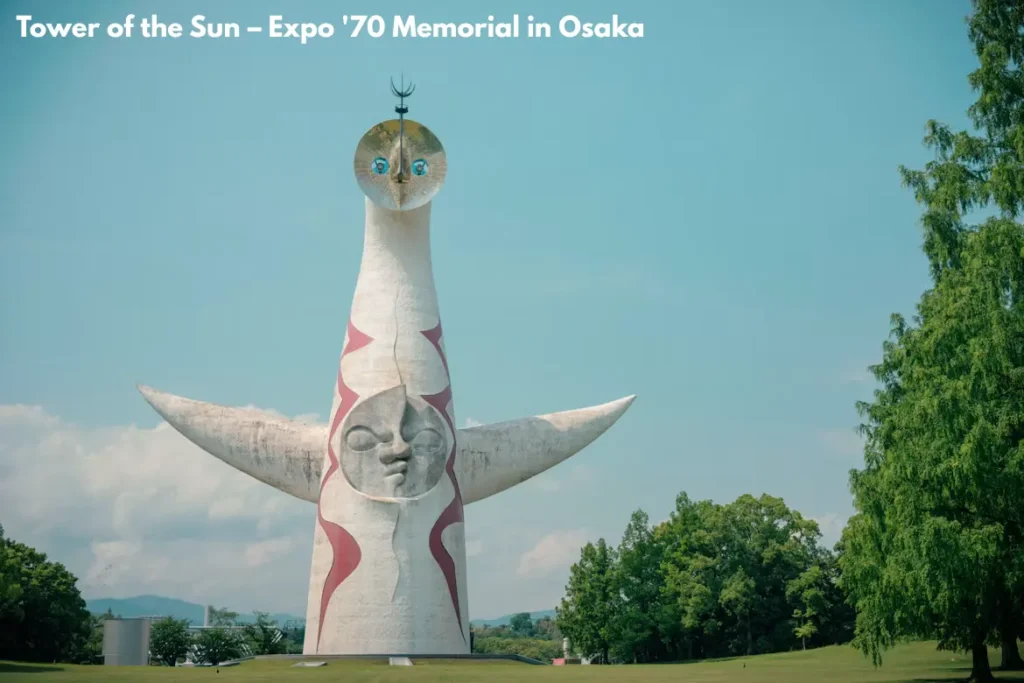
4. Kuromon Ichiba Market
A covered market known as “Osaka’s Kitchen,” stretching nearly 600 meters and lined with over 150 shops. It’s perfect for sampling fresh seafood, wagyu skewers, grilled scallops, and seasonal fruit for breakfast or lunch. Vendors are used to tourists and many offer small, affordable portions specifically for walking and grazing, making it one of the most efficient ways to try a wide variety of Osaka food in a short amount of time.
5. Shitennoji Temple
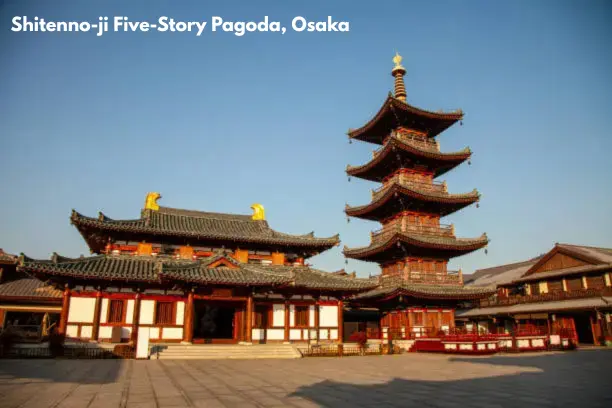
One of Japan’s oldest Buddhist temples, founded in 593 AD, offering a quieter, more spiritual counterpoint to the city’s busier attractions. The five-story pagoda and central garden are particularly photogenic, and because it sees far fewer tourists than Kyoto’s temples, you can usually explore at your own pace without fighting crowds for photos.
6. Osaka Aquarium Kaiyukan
One of the largest aquariums in the world, home to whale sharks, otters, manta rays, and penguins, arranged around a central tank that visitors spiral down through, mimicking a journey from the surface of the Pacific Ocean to its depths. A great rainy-day option for families, and popular enough that booking timed-entry tickets online in advance is strongly recommended during peak seasons.
7. Umeda Sky Building
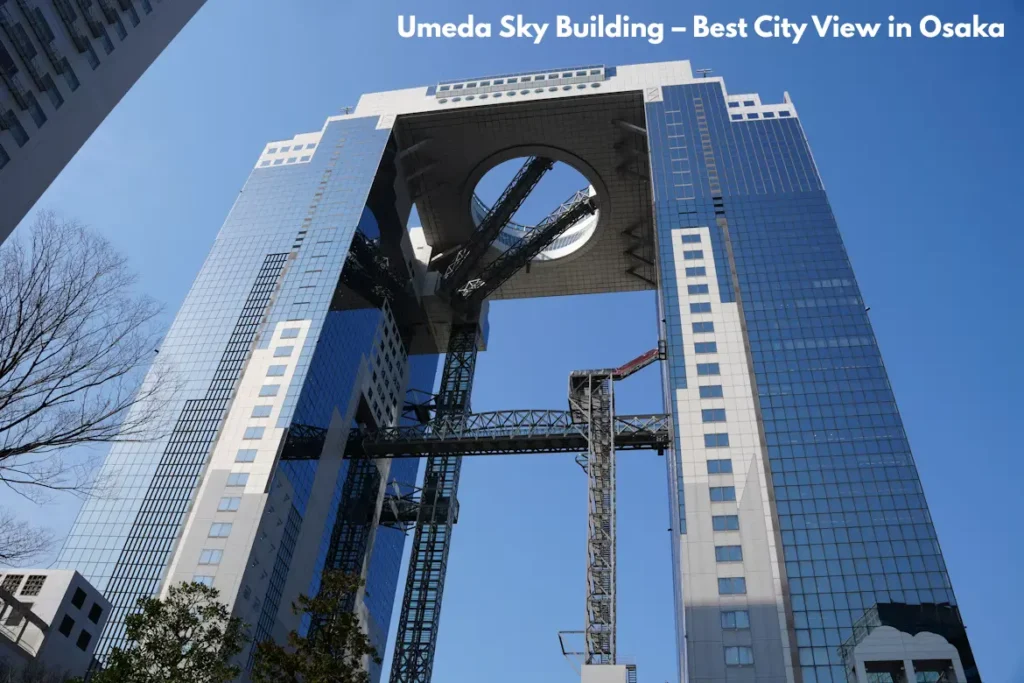
A futuristic twin-tower structure connected by a floating bridge, with a rooftop “Floating Garden Observatory” offering arguably the best sunset views in the city. The building’s escalators up to the observation deck are themselves part of the experience, giving you an open-air view as you ascend. Come around 30 minutes before sunset to get a good spot at the railing.
8. Shinsekai
A retro neighborhood themed around early-20th-century old Osaka, home to the Tsutenkaku Tower and cheap, delicious kushikatsu (fried skewers). The area has a slightly gritty, nostalgic charm that contrasts sharply with the polish of Dotonbori or Umeda, and it’s one of the best places in the city to eat well on a tight budget.
9. Namba Yasaka Shrine
Famous for its giant lion-head stage (Ema-den), built to devour evil spirits and bring good fortune, this small shrine is a quick but memorable photo stop just a short walk from Dotonbori. It takes only 15–20 minutes to visit but adds a distinctive, less-photographed stop to your itinerary.
10. Sumiyoshi Taisha
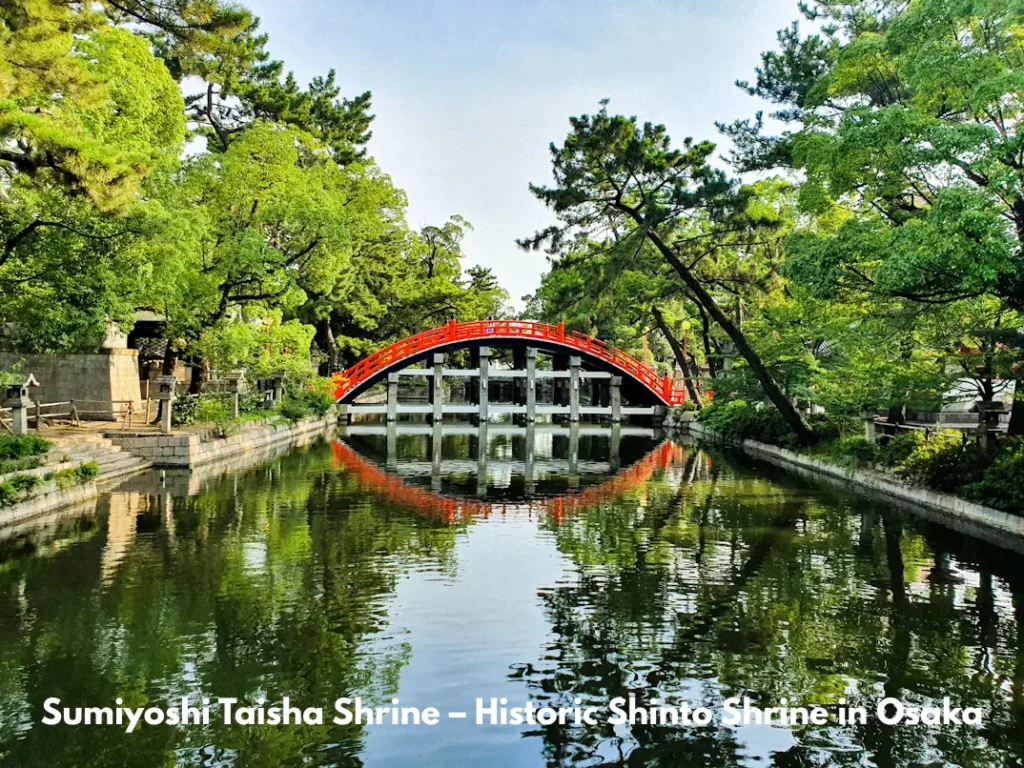
One of Japan’s oldest and most important Shinto shrines, distinct from typical Buddhist temple architecture with its unique Sumiyoshi-zukuri style. The striking arched Taiko-bashi bridge at the entrance is one of the most photographed shrine structures in the Kansai region. It sits slightly outside the main tourist core, which means fewer crowds even during peak travel seasons.
11. Osaka Museum of Housing and Living
A recreated Edo-period townscape indoors, complete with life-size streets, shopfronts, and homes you can walk through. It’s great for understanding traditional Japanese life without leaving the city, and works well as an indoor activity on a hot or rainy afternoon, taking roughly 1–1.5 hours to explore fully.
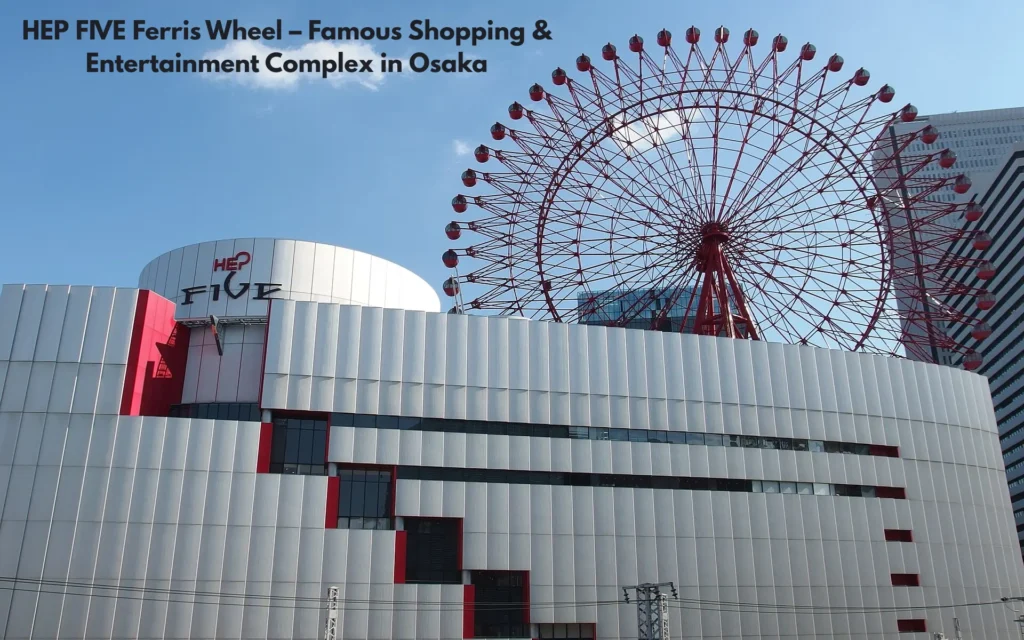
12. Tempozan Ferris Wheel
Located next to the aquarium, this giant wheel offers views across Osaka Bay, especially beautiful at dusk when the sky and water both catch the light. Pairing it with the aquarium makes for an efficient half-day combo, since both attractions sit within walking distance of each other at Osaka’s harbor.
13. Nakazakicho
A hip, artsy neighborhood filled with independent cafes, vintage shops, and Instagram-worthy corners — a nice break from the tourist crowds of Dotonbori and Namba. Many of the buildings here are converted old wooden houses, giving the area a distinctly different visual character from the rest of the city. It’s best explored slowly, with no fixed itinerary, simply wandering between cafes.
14. Abeno Harukas
Japan’s tallest building, with an observation deck (Harukas 300) offering unmatched 360-degree views of Osaka and, on clear days, as far as Kyoto and the mountains beyond. The building also houses a department store and art museum, so it’s easy to combine sightseeing with shopping in a single stop.
15. Osaka Museum of History
Positioned right next to Osaka Castle, this museum is a smart add-on stop, tracing the city’s story from ancient capital to modern metropolis through interactive exhibits and scale-model recreations of historical Osaka. The top-floor windows also offer a great direct view of the castle itself, making it a natural pairing with stop #1 on this list.
Step-by-Step Osaka Itinerary (Day by Day)
Here is a practical, ready-to-use Osaka itinerary that sequences these Osaka tourist places by location and best time of day, minimizing backtracking.
Day 1: History and Nightlife
- Morning: Osaka Castle and Osaka Castle Park
- Midday: Osaka Museum of History (next door)
- Afternoon: Shitennoji Temple
- Evening: Dotonbori for street food and canal walks; end at Namba Yasaka Shrine nearby
Day 2: Theme Park Day
- Full day: Universal Studios Japan
- Evening: Return toward Namba/Umeda area for dinner
Day 3: Bay Area and Views
- Morning: Osaka Aquarium Kaiyukan
- Midday: Tempozan Ferris Wheel and harbor walk
- Afternoon: Umeda Sky Building for sunset views
- Evening: Dinner in Umeda’s underground food alleys
Day 4: Local Neighborhoods and Markets
- Morning: Kuromon Ichiba Market for breakfast and snacks
- Midday: Shinsekai and Tsutenkaku Tower, lunch of kushikatsu
- Afternoon: Abeno Harukas observation deck
- Evening: Nakazakicho for cafes and casual dinner
Day 5 (Optional): Day Trip
- Take the train to Nara to see the free-roaming deer at Nara Park, or to Kyoto for Fushimi Inari Shrine and Kiyomizu-dera. Both are under an hour from Osaka by rail.
This schedule groups nearby Osaka tourist places together each day, so you spend more time sightseeing and less time commuting.
Food Guide: What to Eat in Osaka
No Osaka travel guide is complete without food, since Osaka is considered Japan’s culinary capital.
- Takoyaki: Octopus-filled batter balls, best found fresh at Dotonbori stalls.
- Okonomiyaki: A savory grilled pancake with cabbage, meat, and seafood, topped with sauce and bonito flakes.
- Kushikatsu: Deep-fried skewers of meat and vegetables, a Shinsekai specialty (remember: no double-dipping in the shared sauce).
- Kitsune Udon: Udon noodles topped with sweet fried tofu, said to have originated in Osaka.
- Osaka-style Sushi (Battera): Pressed mackerel sushi, different from the hand-formed nigiri style of Tokyo.
- Ichiran or local ramen chains: For a late-night bowl after a long day of walking.
Kuromon Ichiba Market and Dotonbori remain the two best areas to try multiple dishes in a single outing.
For a more sit-down experience, look for family-run okonomiyaki restaurants in the backstreets around Namba, where you often cook the pancake yourself on a built-in griddle — a fun activity for kids and a memorable one for solo travelers looking to strike up conversation with locals at the next table. Convenience stores like 7-Eleven and Lawson are also worth a mention: their onigiri, sandwiches, and hot food counters are far better quality than convenience food in most other countries and make for a cheap, reliable breakfast option between hotel and first stop.
Shopping in Osaka
Shopping is another reason Osaka consistently ranks high on travel wish lists. Namba and Shinsaibashi form the main shopping corridor, with the covered Shinsaibashi-suji arcade stretching for roughly 600 meters and packed with everything from international fashion brands to local Japanese boutiques. Den Den Town, Osaka’s answer to Tokyo’s Akihabara, is the place to go for anime merchandise, electronics, and retro video games. For souvenirs with a more local feel, Kuromon Ichiba Market and the shops around Osaka Castle sell everything from matcha sweets to castle-branded goods that make easy gifts to bring home.
Family-Friendly Tips for Osaka
Traveling with kids changes the calculus slightly on which Osaka tourist places to prioritize. Universal Studios Japan and Osaka Aquarium Kaiyukan are the two clear must-visits for families, and both are stroller-friendly with baby-care facilities on-site. Osaka Castle Park has wide open lawns where children can run around after a period of sightseeing, and the Osaka Museum of Housing and Living is surprisingly engaging for kids since they can physically walk through recreated old streets rather than just look at exhibits behind glass.
Public transport in Osaka is stroller-accessible at most major stations, though elevators can occasionally be tucked away from the main entrance, so budgeting a few extra minutes at transfer stations is wise. Restaurants are generally welcoming to families, and many casual chains provide children’s menus or smaller portion options even if it isn’t listed prominently.
Where to Stay: Osaka Hotels by Budget
- Budget (under ¥5,000/night): Capsule hotels and hostels around Namba and Shinsekai. Great for solo travelers.
- Mid-range (¥8,000–15,000/night): Business hotels near Namba, Umeda, or Shin-Osaka Station, offering compact but comfortable rooms.
- Luxury (¥20,000+/night): Hotels with skyline views near Umeda Sky Building or Osaka Bay, ideal for families wanting more space and amenities.
Staying near Namba or Umeda Station is strongly recommended, since both are well-connected hubs on the Osaka Metro system, cutting down travel time between the Osaka tourist places listed above.
Osaka Trip Budget: Solo Traveler vs. Family Trip
Solo Trip Budget (per day, mid-range)
- Accommodation: ¥6,000–10,000
- Food: ¥3,000–4,000
- Local transport (Osaka Metro pass): ¥900
- Attractions: ¥2,000–3,000 average
- Daily total: roughly ¥12,000–18,000 (~$80–120 USD)
Family Trip Budget (4 people, per day, mid-range)
- Accommodation (family room or two rooms): ¥18,000–25,000
- Food: ¥12,000–16,000
- Local transport: ¥3,600 (four metro passes)
- Attractions (including USJ or aquarium tickets): ¥15,000–20,000 on park days
- Daily total: roughly ¥35,000–50,000 (~$230–330 USD), higher on theme park days
Flights are the biggest variable and depend heavily on your home country and season. Booking 2–3 months ahead, especially for spring cherry blossom travel, will save considerably. For help comparing flight and multi-city routing options for your Japan trip, the trip-planning tools at Ryde Travel are worth checking before you book.
Getting Around Osaka
The Osaka Metro is fast, clean, and connects nearly every attraction on this list. Consider an Osaka Amazing Pass, which bundles unlimited subway rides with free entry to attractions like Umeda Sky Building and Osaka Castle’s main tower — often paying for itself within a single day of sightseeing. For official route planning and pass details, the Osaka Metro official website is the most reliable source.
For broader Japan rail planning, especially day trips to Kyoto or Nara, check current fares and schedules on the Japan National Tourism Organization website.
Practical Tips for First-Time Visitors
- Carry cash — many smaller food stalls in Dotonbori and Kuromon Market don’t accept cards.
- Get an ICOCA or Suica IC card for tap-and-go metro and convenience store payments.
- Book Universal Studios Japan tickets online in advance, especially for weekend visits, to skip long queues. Official tickets and hours are available on the Universal Studios Japan website.
- Learn a few basic Japanese phrases; locals appreciate the effort even in a heavily touristed city.
- Pack layers if visiting in spring or autumn, since mornings and evenings can be noticeably cooler than midday.
Frequently Asked Questions About Visiting Osaka
What is the best time to visit Osaka?
Late March to early April for cherry blossoms, or November for autumn foliage, are generally considered the best time to visit Osaka. Winter offers the lowest prices, and summer offers the biggest festivals despite the heat.
How many days should I spend in Osaka?
Three to five days is ideal for a well-paced Osaka itinerary that covers the major Osaka tourist places without feeling rushed, including at least one day trip to Kyoto or Nara.
Is Osaka expensive to visit?
Osaka is generally more affordable than Tokyo. A solo traveler can comfortably manage on ¥12,000–18,000 per day, while a family of four should budget roughly ¥35,000–50,000 per day, excluding flights.
Can I use Osaka as a base to visit Kyoto and Nara?
Yes. Both Kyoto and Nara are under an hour from Osaka by train, making Osaka one of the most efficient hub cities for exploring the wider Kansai region without changing hotels.
What is Osaka most famous for?
Osaka is best known for its street food culture (especially takoyaki and okonomiyaki), Osaka Castle, Dotonbori’s nightlife, and Universal Studios Japan.
Final Thoughts
From the moat of Osaka Castle to the neon glow of Dotonbori, Osaka tourist places offer something for every kind of traveler — history lovers, foodies, theme park fans, and families alike. Use the itinerary above as a flexible framework: swap in a day trip to Kyoto or Nara, extend your food crawl through Kuromon Market, or slow down in Nakazakicho if you prefer a quieter pace.
However long you stay, Osaka has a way of pulling you back in — usually with the smell of grilled octopus and the sound of a festival drum in the distance. If you’re mapping this trip into a longer Japan itinerary, the planning resources at Ryde Travel can help you connect Osaka with the rest of your route.
Visit our other blogs
10 Must-See Tourist Places in Tokyo, Japan You’ll Love




Leave a Reply