This guide contains affiliate links. We may earn a commission at no extra cost to you — see our Affiliate Disclosure and Affiliate Disclosure Policy for details.
Pulicat Lake is located 60 km north of Chennai in Thiruvallur district and is the second largest brackish water lagoon in India. The best time to visit Pulicat Lake is November to February when thousands of flamingos and migratory birds arrive at the bird sanctuary. Key attractions include Dutch Fort Geldria, Pulicat Lighthouse, boating, bird watching, and Pazhaverkadu beach — all accessible as a one-day trip from Chennai.
By a Local Traveler from Ponneri | Updated April 2026 | ⏱ 12 min read
To book your stay, click here. To Book Local Travel, click here
Traveling overseas? Click here to buy an eSIM. For more info, click here
🏡 My Story: A Weekend Escape Right from My Doorstep
I live in Ponneri, a small but proud town in Thiruvallur District, Tamil Nadu — and I am truly lucky. Just about 20 kilometres from my home sits one of India’s most underrated historical and natural treasures: Pazhaverkadu (Pulicat) one of the best one-day trips from Chennai.
Table of Contents
Most people from Chennai drive 55–60 km to reach Pazhaverkadu. But for us in Ponneri, this is practically our backyard. Whenever our office team plans a weekend outing, Pazhaverkadu is always at the top of the list — and for good reason.
Book Your Activities near Palaverkadu
Last weekend, our team packed into two cars early on a Saturday morning and drove towards the coast. The moment we crossed the Buckingham Canal and the Pulicat Lake came into view — that shimmer of pale blue water stretching to the horizon, fishing boats bobbing quietly, and a flock of birds cutting across the sky — every bit of weekday stress melted away.
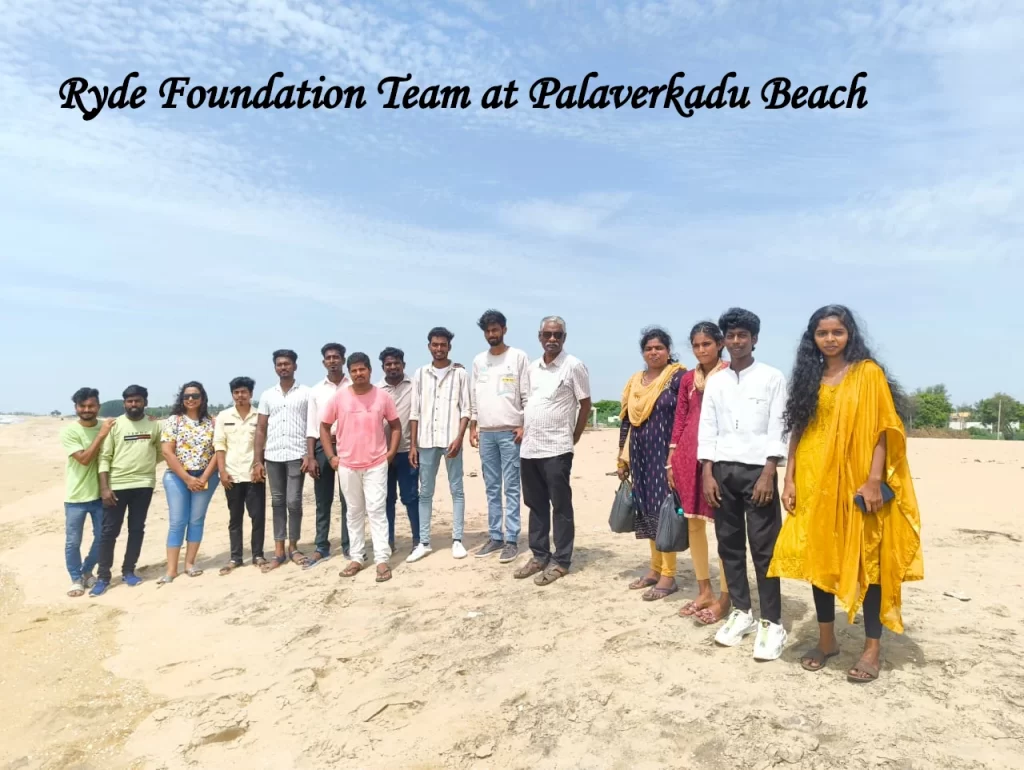
We visited the Pulicat Lighthouse, walked along the Pazhaverkadu beach, took a boat ride on the lagoon, explored the centuries-old Dutch Cemetery, and returned home with our hearts full and our camera rolls overflowing. In this blog, I share everything we experienced — and everything you need to plan your own perfect day trip to this remarkable place.
📍 Where Is Pazhaverkadu (Pulicat)?
Pazhaverkadu, Perfect picnic spot and team outing destination near Chennai also widely known as Pulicat, is a historic coastal town in the Thiruvallur District of Tamil Nadu, located on the border of Tamil Nadu and Andhra Pradesh. It sits on the southern edge of the vast Pulicat Lake — India’s second-largest brackish water lagoon — and faces the Bay of Bengal.
| From | Distance | Approximate Travel Time |
|---|---|---|
| Ponneri (my town!) | ~20 km | 30–40 minutes |
| Chennai Central Railway Station | ~55 km | 1.5 – 2 hours |
| Chennai International Airport | ~68–70 km | 2 hours |
| Thiruvallur Bus Stand | ~58 km | 1.5 hours |
📌 Official Tamil Nadu Tourism Page: www.tamilnadutourism.tn.gov.in/destinations/pulicat-lake
🏛️ History of Pazhaverkadu: A Town That Shaped Centuries
Pazhaverkadu is not just a beach town. It carries more than 2,000 years of living history inside its narrow lanes, crumbling forts, and weathered gravestones. Every stone here has a story to tell.
Ancient and Medieval Roots (3rd Century BCE – 15th Century CE)
Pulicat’s history traces back to the 3rd century BCE, when it served as a northern outpost for the ancient Tamil kingdoms — the Early Cholas, the Pandyas, and the Sangam Cheras. By the 1st century CE, Greek sailors and merchants already knew this port. The anonymous mariner who wrote the Periplus of the Erythraean Sea listed “Podouke” (Pulicat) as one of three major ports on India’s eastern coast. The geographer Ptolemy also recorded it in the 2nd century.
During the 14th to 17th centuries, the town came under the powerful Vijayanagara Empire. It was during the reign of the celebrated emperor Krishnadevaraya that the port received its Tamil name — Pazhaverkadu — a name that survives to this day.
In the 8th century, a community of Arab traders who fled the Caliphate’s monopoly settled in Pulicat. Their descendants still live here today as the Labbai clan. They even developed a unique script called Arwi — Tamil written in Arabic letters — which was later used for secret communication during India’s freedom struggle.
The Portuguese Era (1502 – 1609)
The Portuguese arrived in Pulicat in 1502, establishing a trading post with the support of the Vijayanagara rulers. They built a fort and dominated the port for over a century. However, their relationship with local chieftains eventually soured, and private Portuguese merchants operating here were often seen as renegades and pirates beyond the reach of Goa’s authority.
The Dutch Era (1610 – 1825): Pazhaverkadu Becomes “Pulicat”
In 1610, the Dutch East India Company (VOC — Vereenigde Oost-Indische Compagnie) arrived at Pulicat with a fleet of heavily armed sailing vessels and ousted the Portuguese. Within a few years, they transformed Pazhaverkadu into the headquarters of Dutch Coromandel — their most powerful base on the entire east coast of India.
In 1613, the Dutch built Fort Geldria (named after the Dutch province of Geldria), and by 1616 it became the official governmental centre for Dutch Coromandel. For almost a century — from 1616 to 1690 — Pulicat served as the capital of Dutch India. The VOC controlled massive trade flows through this port: diamonds, spices (nutmeg, cloves, cinnamon), silk, indigo, pepper, and pearls. They operated a gunpowder factory, and in 1615 they established the first VOC mint in India right here in Fort Geldria, minting copper “Kas” coins used widely across Ceylon.
The name “Pulicat” itself is a Dutch corruption of the Tamil “Palaverkadu” — a linguistic legacy of this colonial occupation that persists even today.
The Dutch presence in India lasted an extraordinary two centuries, from 1605 to 1825 — longer than most people realise. Their colonial rule left behind Fort Geldria, the Dutch Church, and two cemeteries — one dating to 1622 — which the Archaeological Survey of India (ASI) now maintains and protects.
Book Your Accommodation
The British Era and Independence (1760 – 1968)
The British took final control of Pulicat in 1825, annexing it to Chingulput district. The town became part of the Madras Presidency and later Madras State, which was renamed Tamil Nadu in 1968. Under the British, Pulicat gradually shifted from a major trading port to a quiet fishing village and was even used as a colonial health resort.
🏖️ Places to Visit in Pazhaverkadu & Pulicat
1. Pazhaverkadu Beach
The Pazhaverkadu Beach is where the Bay of Bengal meets the Pulicat Lake — and the scenery is truly spectacular. Our team spent a long time simply sitting on the sand, listening to the waves, and watching local fishermen haul in their nets. The beach is relatively uncrowded, especially on weekday mornings, which gives it a raw, untouched feel that you rarely find near Chennai.
The shoreline here is unique: on one side you see the vast open sea, and on the other side sits the calm, peaceful lagoon. Standing at this thin strip of land between two bodies of water is a genuinely moving experience.
⚠️ Safety Note: The sea currents at Pazhaverkadu beach can be unexpectedly strong. Always swim only in designated areas and heed local warnings. Several drowning incidents have occurred here. Do not venture into the sea without a lifejacket if you plan to swim.
2. Pulicat Lighthouse
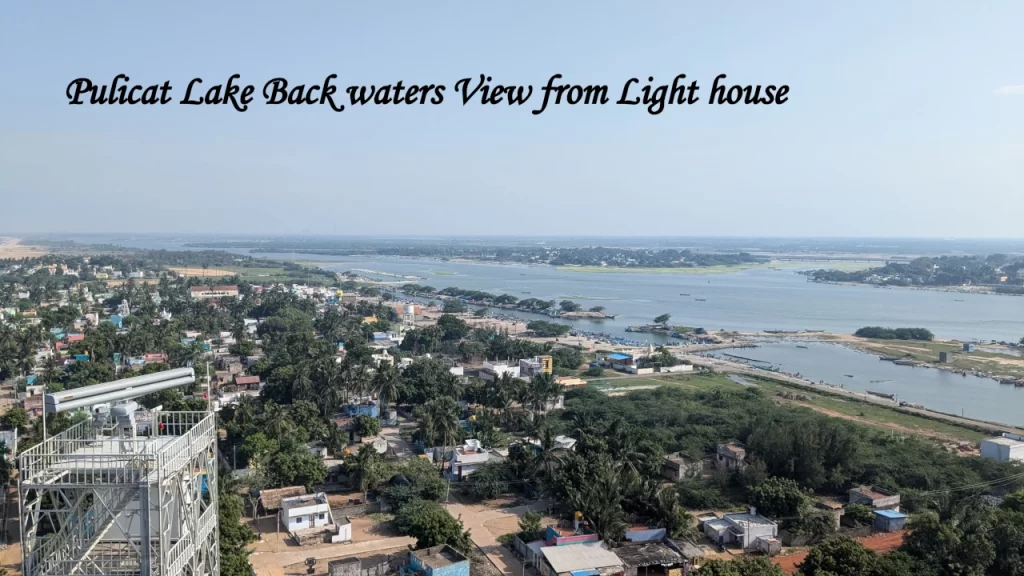
The Pulicat Lighthouse is the undisputed icon of Pazhaverkadu. Standing tall with its distinctive black and white horizontal bands, the lighthouse rises approximately 49–53 metres above the coastline and has guided ships safely along the Coromandel Coast for generations. The lighthouse station itself dates back to 1862, and it emits a white flash every five seconds to warn vessels at sea.
Climbing to the top of the lighthouse rewards you with a breathtaking 360-degree panorama — Pulicat Lake stretching northward, the Bay of Bengal glittering to the east, the distant fishing villages, and the green wetlands of the bird sanctuary below. Our entire team insisted on climbing to the top, and the view made every step worth it.
Historically, the lighthouse was established to guide the trading ships of the colonial era — Portuguese, Dutch, and British vessels all once depended on a beacon at this very spot. Today it stands as both a working navigational aid and a deeply symbolic monument to Pulicat’s maritime legacy.
✅ Best for: Photography, sunrise/sunset views, panoramic landscapes
📸 Pro tip: Visit the lighthouse at sunrise for the most magical photos of the lake and sea together.
3. Boating on Pulicat Lake
One of the most enjoyable things our team did was take a boat ride on Pulicat Lake. Local fishermen offer rides in small wooden and fibre boats, and they navigate the calm lagoon waters with the expertise of people who have fished these waters all their lives.
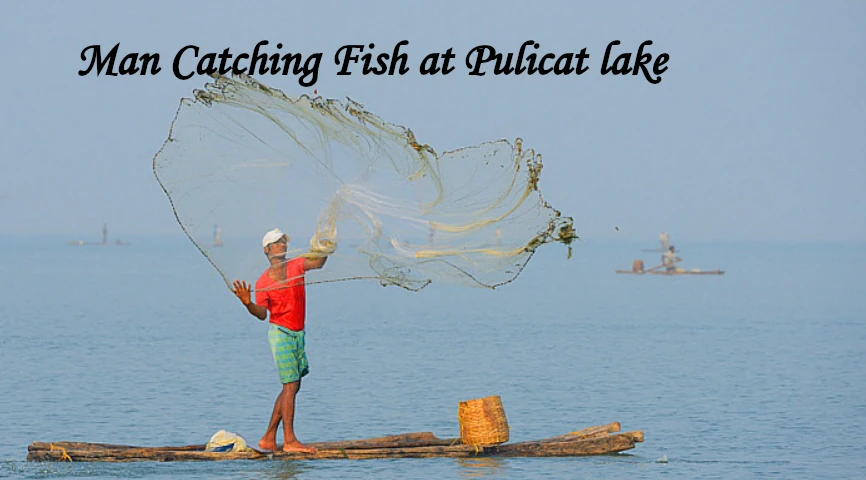
As we floated across the lake, we watched fishermen cast their traditional nets and pull them back in with their catches of ribbon fish, pomfret, sea bass, barracuda, crabs, and prawns. The lagoon’s brackish water — a mixture of seawater and freshwater — creates an exceptionally rich ecosystem that supports thousands of fishing families around its shores.
If you visit between October and March, the boat ride becomes even more spectacular — you glide past flamingos wading in the shallows, painted storks standing in the reeds, and pelicans swooping overhead. It is genuinely one of the most peaceful experiences you can have just an hour from Chennai.
💰 Approximate Boat Ride Cost: ₹200–₹500 per person (negotiate with local boatmen; rates may vary)
⏱️ Duration: 30 minutes to 2 hours depending on the route
🦺 Tip: Always wear a lifejacket provided by the boatman.
4. Dutch Cemetery (ASI Protected Monument)
Just behind the main market in Pazhaverkadu lies the Dutch Cemetery, one of the most atmospheric and haunting historical sites in Tamil Nadu. Dating back to 1622, this cemetery is the final resting place of Dutch colonial officers, merchants, and their families who lived and died in Pulicat.
The Archaeological Survey of India (ASI) protects the cemetery, and there are 76 tombs and mausoleums under ASI protection — many bearing Dutch inscriptions and carvings of skeletons rather than crosses (a distinctly Dutch funerary tradition). The inscribed stones have survived remarkably well for 400-year-old monuments. Walking through here feels like stepping directly into the 17th century.
There is also an older cemetery where Portuguese, Dutch, and local inhabitants were buried together — a reflection of the multicultural nature of this ancient port town.
5. Fort Geldria (Dutch Fort Ruins)
Hidden behind overgrown shrubs near the Pulicat bus stop stand the ruins of Fort Geldria, built by the Dutch East India Company in 1613. This fort was not just any colonial outpost — it was the seat of the Dutch Republic’s first major settlement in India and the governmental capital of Dutch Coromandel from 1616 to 1690.
The fort is now under ASI protection. Though largely in ruins, the remaining walls and structures give you a vivid sense of the scale and ambition of the Dutch colonial enterprise. Efforts are ongoing to have the monuments of Pulicat recognised as a UNESCO World Heritage Site.
📌 You can also reach Fort Geldria by boat from Pazhaverkadu — the approach from the water is particularly dramatic.
6. Irukkam Island Beach
For those who want to venture a little further, a short boat ride takes you to the Irukkam Island, a secluded strip of land between the lake and the sea. The beach here is pristine and far less visited than the main Pazhaverkadu beach. Surrounded by water on all sides, Irukkam Island offers a genuine sense of being completely away from the world.
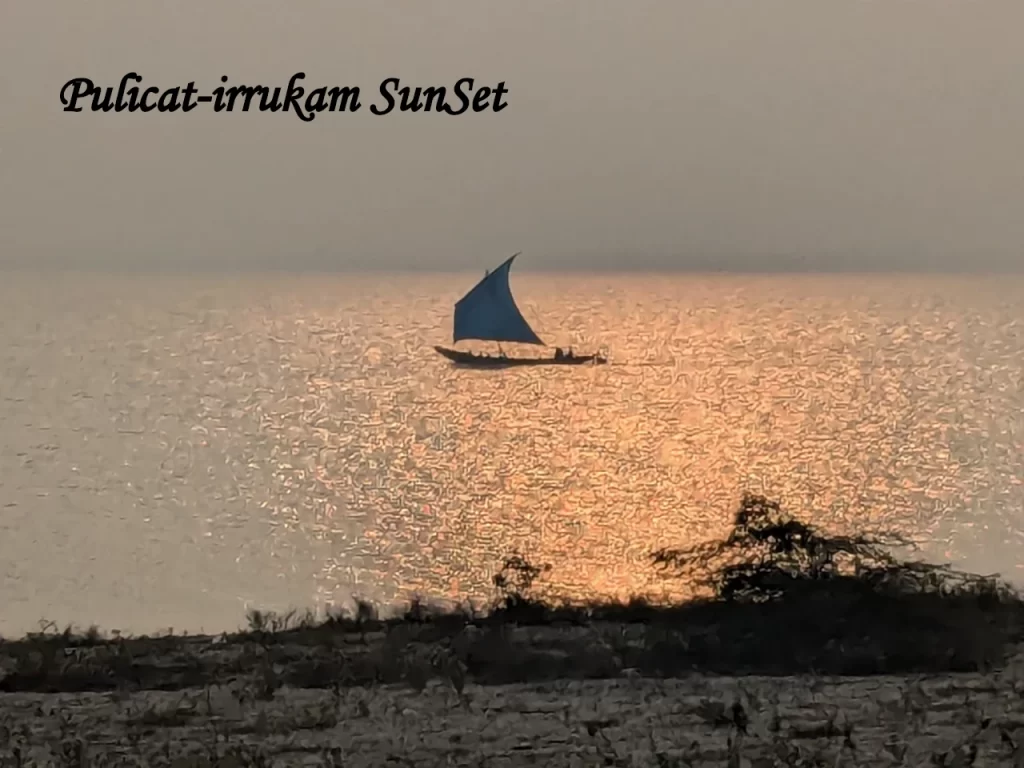
Always go with an experienced local boatman, as the sea can be rough around the island.
7. Aadhinarayana Perumal Temple
Pazhaverkadu is also home to the ancient Aadhinarayana Perumal Temple, dedicated to Lord Vishnu. This temple reflects the deep Hindu roots of the region that predate centuries of colonial rule. It remains an active place of worship and adds a spiritual dimension to a visit to Pazhaverkadu.
8. Thiruppalaivanam Temple (6 km from Pulicat)
Built by Rajendra Chola in the 10th century, the Thiruppalaivanam Temple about 6 km from Pulicat contains inscriptions that mention the town as “Puliyur Kottam” — one of the earliest written references to this location. The temple’s pillars carry beautiful Chola-era carvings, including a depiction of the famous story of Manu Needhi Chola and the cow that came to him seeking justice. The temple also features a unique circular stepped well with brick and lime mortar construction.
9. Pulicat Museum (Small Information Centre)
Located right at Pazhaverkadu, this small but informative Pulicat Museum gives visitors detailed information on the ecology of Pulicat Lake and the town’s built heritage. It is an excellent first stop before exploring the area, especially if you want to understand the significance of what you are about to see.
🦩 Pulicat Lake Bird Sanctuary: A Wetland Paradise
Pulicat Lake Bird Sanctuary is one of the most important bird sanctuaries in India — and one of the most underappreciated. Best bird watching spot near Chennai, Spanning an enormous 759 square kilometres across the border of Tamil Nadu and Andhra Pradesh, Flamingo spotting near Chennai it ranks as the second-largest brackish water ecosystem in India, behind only Chilika Lake in Odisha.
The lake receives water from four sources: the Arani River at its southern tip, the Kalangi River from the northwest, the Swarnamukhi River at the northern end, and the Buckingham Canal. At its southern end, a narrow 200-metre opening connects it to the Bay of Bengal. The rest of the lake is sealed from the sea by the long sand island of Sriharikota — yes, the very same island where India’s ISRO rocket launches take place.
Birds You Can Spot at Pulicat
The sanctuary hosts over 150 species of birds. During the peak season (October–March), the lake transforms into a spectacular natural stage. Key species include:
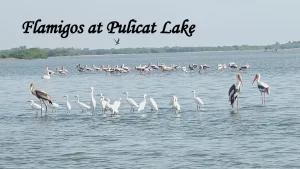
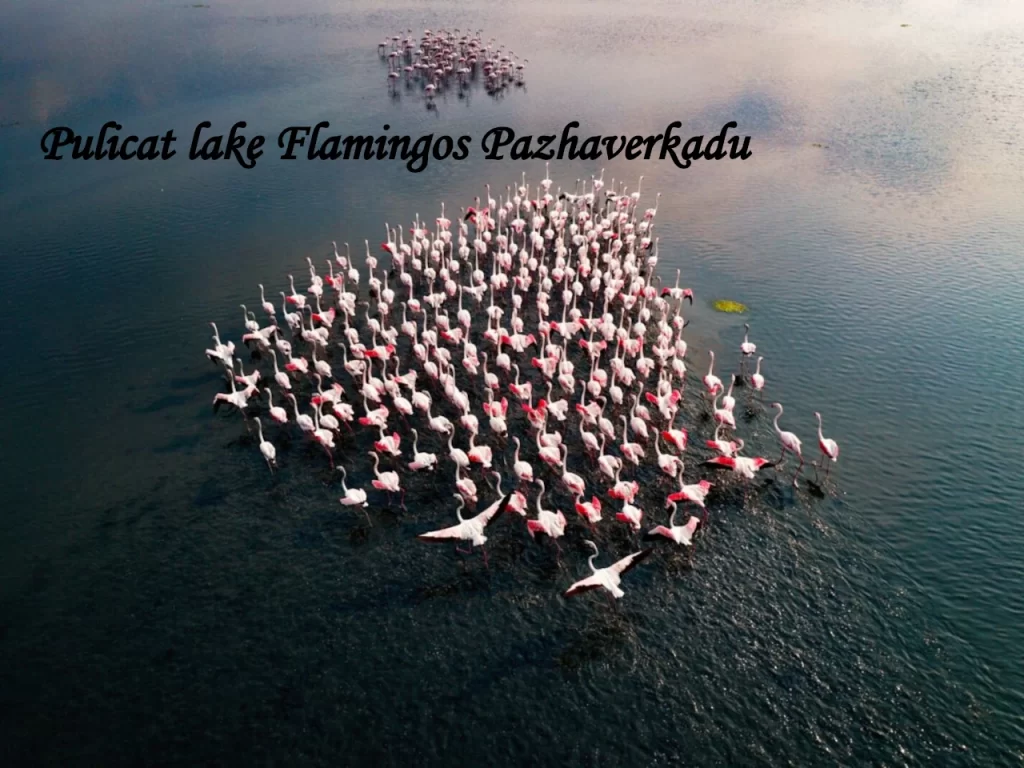
- 🦩 Greater Flamingos — They arrive in thousands and turn the marshy shallows pink. Seeing a flock of flamingos against the morning sky is absolutely unforgettable.
- 🦢 Painted Storks — Elegant waders with striking orange-and-black plumage
- 🦅 Grey Pelicans — Majestic birds that dive-bomb the shallow waters for fish
- 🐦 Spot-billed Pelicans
- 🦆 Various ducks, herons, egrets, terns, and cormorants
- 🕊️ Gulls, curlews, shanks, and plovers — shore birds that love the lagoon edges
- 🐦 Open-billed Storks and White Ibis
- 🦜 Little Cormorants and Night Herons
The sanctuary’s main bird-watching zone is the area around Annamalaicheri, reachable by boat from Pazhaverkadu. Even in the off-season, it is possible to spot flamingos and painted storks at the water’s edge — I personally saw a small group of flamingos even during a low-season visit, which made the trip feel like a bonus gift.
Book Your Guide
Best Time for Bird Watching
The official Tamil Nadu Tourism website recommends visiting between November and February for the best bird watching experience at Pulicat. This is when migratory birds from Central Asia and Siberia arrive in large numbers, and the flamingos gather in their thousands in the swampy areas around the lagoon.
📌 Official Reference: Tamil Nadu Tourism — Pulicat Lake
📌 For Bird Sanctuary details: Tamil Nadu Tourism — Pulikat Lake Bird Sanctuary
🗺️ 1-Day Tour Itinerary: Pazhaverkadu Weekend Outing
This itinerary works perfectly for travellers coming from Chennai, Ponneri, or Thiruvallur. You can complete this entire tour comfortably in one day, returning home by evening.
| Time | Activity | Notes |
|---|---|---|
| 6:00 AM | Depart from Ponneri / Chennai | Early start catches the best light |
| 7:00 – 7:30 AM | Arrive Pazhaverkadu; watch sunrise at the beach | The golden hour light on the lake is magical |
| 7:30 – 8:30 AM | Visit Pulicat Lighthouse | Climb for panoramic views; photography |
| 8:30 – 9:30 AM | Breakfast at a local eatery | Try fresh fish fry, idli, or appam |
| 9:30 – 11:00 AM | Boat ride on Pulicat Lake | Bird watching, observe fishermen |
| 11:00 AM – 12:00 PM | Dutch Cemetery & Fort Geldria | Explore colonial history; ASI protected |
| 12:00 – 1:00 PM | Visit Pulicat Museum | Learn about ecology and history |
| 1:00 – 2:00 PM | Lunch at a local seafood restaurant | Fresh lagoon fish is a must-try |
| 2:00 – 3:30 PM | Pazhaverkadu Beach walk and relaxation | Collect shells, enjoy the breeze |
| 3:30 – 4:00 PM | Optional: Aadhinarayana Perumal Temple | Quick temple visit |
| 4:00 – 5:00 PM | Drive to Thiruppalaivanam (6 km) | Visit Chola-era temple |
| 5:30 – 6:00 PM | Return drive; sunset on the road | Stop at a chai stall near Ponneri! |
🏨 Nearest Hotels and Accommodation
Pazhaverkadu itself has limited hotel options, but Ponneri and Chennai offer good accommodation choices for those who want to stay overnight.
Near Pazhaverkadu / Pulicat
- TTDC (Tamil Nadu Tourism Development Corporation) Facilities: Check availability at www.ttdconline.com — TTDC occasionally maintains guest house facilities near coastal destinations.
- Local Homestays and Guesthouses: A few basic guesthouses are available in Pulicat town. These are ideal for nature enthusiasts who want to wake up early for bird watching.
Near Ponneri (20 km from Pazhaverkadu)
- Budget lodges and small hotels are available in Ponneri town, making it a convenient overnight base for multiple-day exploration.
Chennai (55–60 km from Pazhaverkadu)
- Most visitors choose to do Pazhaverkadu as a day trip from Chennai and stay in the city. Hotels of all budget levels are available throughout North Chennai, near the bus terminals and railway stations.
- For booking, check TTDC Online for government accommodation options across Tamil Nadu.
🚌 How to Reach Pazhaverkadu: Local Transport Guide
By Road (Most Popular)
The easiest and most flexible way to reach Pazhaverkadu is by road via NH-16 (Chennai–Nellore Highway). From Chennai, drive north through Redhills and Ponneri. The road is well-maintained and the scenery gets increasingly beautiful as you approach the coast.
- From Chennai Central / Broadway: Take a bus from Periyamet Bus Stop or Broadway Bus Terminus towards Pulicat / Pazhaverkadu. Buses are available regularly.
- From Ponneri: Town buses run frequently between Ponneri and Pazhaverkadu throughout the day — a quick 20 km ride.
- By Auto-rickshaw from Ponneri: Autos are readily available for the short trip; negotiate the fare before boarding.
- By Car (Self-Drive or Cab): This is the most comfortable option for a team outing or family trip.
By Train
The nearest railway station is Ponneri Railway Station — just 20 km from Pazhaverkadu. Multiple trains connect Chennai Central to Ponneri. From Ponneri station, take a bus or auto-rickshaw to Pazhaverkadu. This is the route I and my colleagues take regularly — it is both economical and comfortable.
📌 Train bookings: www.irctc.co.in
By Air
Chennai International Airport is approximately 68–70 km away. From the airport, take a cab or bus towards Redhills and onward to Pazhaverkadu.
📅 Best Time to Visit Pazhaverkadu and Pulicat Lake
| Season | Months | What to Expect |
|---|---|---|
| 🌟 Best Season | October – March | Pleasant weather, migratory birds, flamingos, blue skies — ideal for all activities |
| 🌧️ Monsoon | June – September | Heavy rains; the lake fills beautifully; roads can be wet; not ideal for boating |
| ☀️ Summer | April – May | Hot and humid; still worth visiting for the lighthouse and history; early morning only |
The Tamil Nadu Tourism Department officially lists the best time to visit Pulicat Lake Bird Sanctuary as November to February — when migratory bird activity peaks and temperatures remain comfortable between 20°C and 30°C.
📌 Source: Tamil Nadu Tourism Official Website
🍽️ What to Eat in Pazhaverkadu
Pazhaverkadu is a fishing town, which means the seafood here is fresh, affordable, and exceptional. Small roadside eateries near the beach and fish market serve simple but delicious meals that you will keep thinking about long after you return home.
Must-try dishes:
- 🐟 Fresh fish fry (pomfret, barracuda, sea bass) — seasoned and pan-fried to perfection
- 🦐 Prawn curry and masala prawn — Pulicat Lake’s prawn-rich waters make this exceptional
- 🦀 Crab dishes — local crabs cooked in tamarind-based gravy
- 🍛 Rice and fish curry — a classic South Indian coastal meal
- 🥞 Appam and idli — for a morning breakfast before exploration begins
The local fish market near the beach sells fresh catch every morning — if you enjoy cooking, pick up some pomfret or tiger prawns to cook at home. The prices are a fraction of what you pay in Chennai.
🔗 Official and Authentic Resources
- 🌐 Tamil Nadu Tourism (Official State Government Website): tamilnadutourism.tn.gov.in — Pulicat Lake
- 🌐 Tamil Nadu Tourism (Lake & Sanctuary Details): tamilnadutourism.com — Pulikat Lake Bird Sanctuary
- 🌐 TTDC Hotel Bookings: ttdconline.com
- 🌐 Archaeological Survey of India (ASI) — Protected Monuments: asi.nic.in
- 🌐 IRCTC Train Bookings (Ponneri Station): irctc.co.in
- 🌐 AARDE Foundation (Pulicat Heritage & Conservation): aarde.in
❓ Frequently Asked Questions (FAQs)
1. What is the distance from Chennai Central to Pazhaverkadu?
Pazhaverkadu is approximately 55–60 kilometres from Chennai Central Railway Station. The journey by road takes about 1.5 to 2 hours depending on traffic. If you travel by train to Ponneri station (which is much closer to the city and very frequent), you are already just 20 km from Pazhaverkadu. From Ponneri, local buses and autos take you to Pazhaverkadu in under 40 minutes.
2. Why do locals call it Pazhaverkadu instead of Pulicat?
The original Tamil name of this town is Pazhaverkadu (also spelled Palaverkadu). When the Dutch East India Company occupied the town in the 17th century, they could not pronounce the Tamil name accurately and their version — “Pulicat” — became the anglicised version. Today, both names are used interchangeably. However, when you ask locals for directions, always use Pazhaverkadu — they will understand you immediately.
3. Is Pulicat Lake Bird Sanctuary worth visiting even without flamingos?
Absolutely yes. The lake and its wetland ecosystem are beautiful throughout the year. Even outside the peak flamingo season (October–March), you can spot resident bird species including herons, egrets, cormorants, kingfishers, and darters. The boat ride, the scenery, the beaches, the lighthouse, and the Dutch heritage monuments are all available year-round and worth the trip at any time. The sanctuary spans 759 sq km — there is always something to see.
4. Is Pazhaverkadu suitable for a team outing or family trip?
Pazhaverkadu is an excellent choice for both team outings and family trips. Our office team had a wonderful experience — the combination of beach relaxation, boat rides, historical exploration, and fresh seafood gives everyone something to enjoy. The atmosphere is peaceful, uncrowded, and genuinely restorative. Families with children enjoy the beach and the boat rides, while history enthusiasts love the Dutch cemetery and fort. Just plan the trip between November and March for the best weather and bird watching experience.
5. What is the French connection to Pazhaverkadu?
While Pazhaverkadu is primarily known for its Dutch colonial heritage, the French played a role in the wider regional history of the Coromandel Coast. The British took control of the Chingulput district (which includes the Pulicat area) from the French in 1753, eventually leading to the British annexation of Pulicat from the Dutch in 1825. The region around Pondicherry, just down the coast, was a significant French colonial base — and the power struggles between the French, Dutch, and British across the Coromandel Coast shaped the history of Pazhaverkadu. The town today bears monuments primarily from the Dutch era, including Fort Geldria, two cemeteries, and a Dutch church.
6. Is it safe to swim at Pazhaverkadu beach?
Exercise caution at Pazhaverkadu beach. The currents here are stronger than they appear, and unfortunately several drowning incidents have occurred in this area. Do not swim unless you are in a designated safe area and always wear a lifejacket if you plan to enter the water or take a boat ride. The beach is perfectly safe for walking, sitting, photography, and enjoying the scenery. The risk arises only when visitors ignore local safety warnings and venture into the sea. Always listen to the advice of local fishermen who know these waters well.
7. Is Pulicat Lake worth visiting in summer (April–May)?
Yes, though the best season is November to February for bird watching and flamingos. In summer, visit early morning before 8 AM to avoid the heat. The lighthouse, Dutch Cemetery, Fort Geldria, and boating are all enjoyable year-round regardless of season.
Book Your Air Ticket
✅ Quick Travel Essentials
| Item | Detail |
|---|---|
| 📍 Location | Pazhaverkadu, Thiruvallur District, Tamil Nadu |
| 📏 Distance from Chennai | ~55–60 km by road |
| 📏 Distance from Ponneri | ~20 km |
| 🚌 Nearest Railway Station | Ponneri (20 km away) |
| ✈️ Nearest Airport | Chennai International Airport (~68–70 km) |
| 🗓️ Best Time to Visit | November to February |
| 🕖 Recommended Duration | 1 full day |
| 💰 Average Day Budget | ₹500–₹1,500 per person (excluding stay) |
| 🦺 Key Safety Note | Wear lifejackets during boat rides; respect sea warnings |
💬 Final Thoughts from a Ponneri Local
Living in Ponneri, I grew up knowing that Pazhaverkadu was “just down the road.” But every time I visit, I discover something new — a colonial-era inscription on a Dutch tomb I had not noticed before, a pair of flamingos standing in the mist at dawn, or the way the lighthouse beam sweeps over the lake at dusk.
This place carries centuries of history in its salty air. From the Chola kings who built temples here, to the Arab traders who invented a new script, to the Dutch merchants who built a fort and a mint and left behind a cemetery full of stories — Pazhaverkadu is not just a weekend picnic spot. It is a living museum surrounded by the sea.
If you are looking for a destination near Chennai that gives you history, nature, seafood, and peace all in one day — Pazhaverkadu is your answer.
Pack your camera, carry your sunscreen, leave early from home, and let Pazhaverkadu show you what Tamil Nadu’s coast truly looks like when it is unhurried and alive.
Have you visited Pazhaverkadu? Share your experience in the comments below — I would love to hear your story!
Visit our other Blogs on Travel and Tourism
Ultimate Kanyakumari Tourism Guide: Top Places to Visit, Travel Tips & Stunning
Iconic Forts and Palaces of India: A Breathtaking Journey
Ooty Travel Guide 2026: Best Places, Itinerary, Budget & Travel Tips