
Imagine walking through rows of emerald tea bushes at sunrise. Mist rolls over the hilltops. A Tamil tea plucker waves at you from the slope. Somewhere below, a train winds through a valley. This is the Pekoe Trail — Sri Lanka’s most exciting new hike, and one of the world’s top travel experiences right now.
UNESCO Central Highlands World Heritage Site
National Geographic named it one of the Best of the World 2024 experiences. TIME magazine called it one of the World’s Greatest Places in 2025. And the best part? Most tourists still haven’t heard of it.
In this guide, we break the Pekoe Trail into a practical 7-day holiday itinerary. You’ll hike the most scenic stages, stay in charming guesthouses, and combine the trail with Ella, Nuwara Eliya, and Horton Plains. Whether you are a keen hiker or a curious first-timer, this itinerary works for you.
What Is the Pekoe Trail?
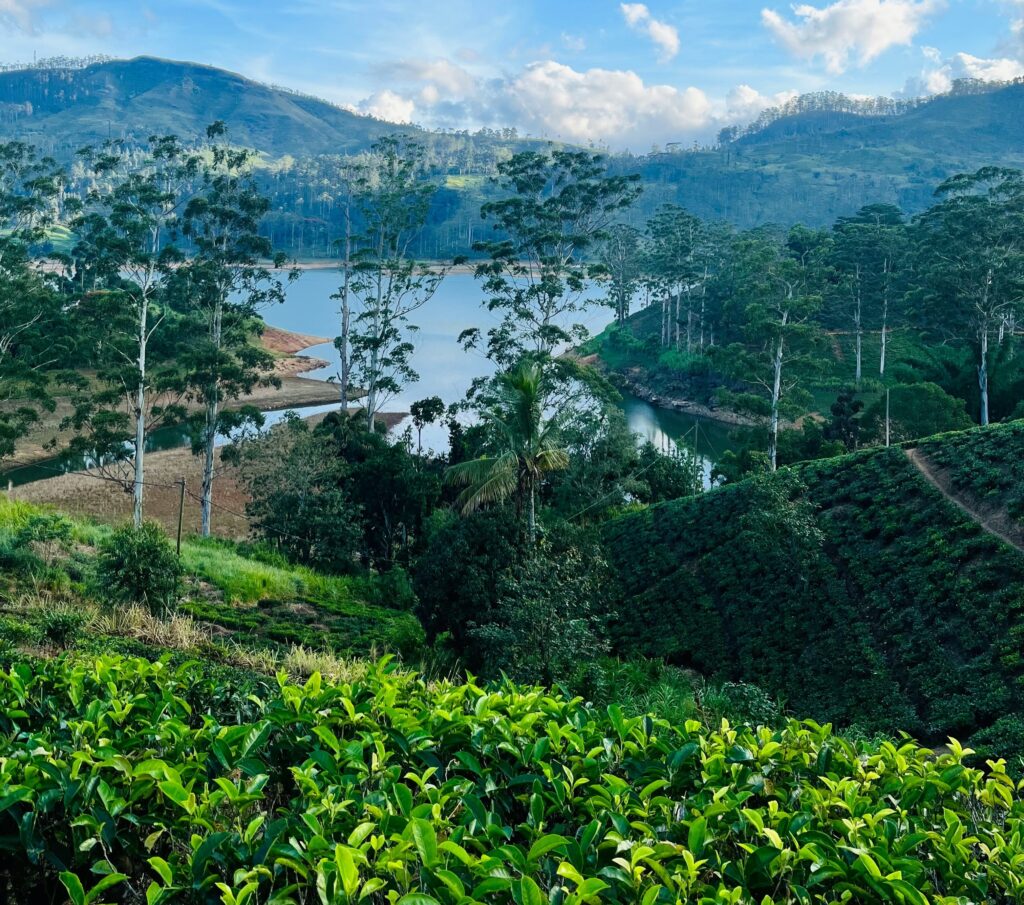
The Pekoe Trail is Sri Lanka’s first long-distance hiking trail. It runs for over 300 kilometres across the Central Highlands, split into 22 stages. Each stage averages around 12 km. The trail starts near Kandy and ends at Nuwara Eliya, passing through tea estates, mountain villages, forest reserves, and national parks.
The trail gets its name from pekoe — a grade of black tea made from young leaves. Tea has shaped this region for over 150 years, and as you walk, you trace the same paths that British planters and Tamil tea workers have used for generations.
You don’t need to hike all 22 stages. Most visitors pick 5 to 10 stages over 5 to 10 days. Our 7-day itinerary covers the very best sections — with a good mix of nature, culture, and comfort.
How to Get to the Pekoe Trail from Colombo
The trail starts near Kandy, which is easy to reach from Colombo. Here are your options:
By Train (Recommended)
Take the train from Colombo Fort station to Kandy. Trains run several times a day. The journey takes around 2.5 to 3 hours. Book a first-class or second-class reserved seat in advance — the hill country trains fill up fast. The scenic views on the way already set the mood for the days ahead.
Book your train from Colombo to Kandy
By Bus or Private Car
Buses run frequently from Colombo to Kandy — about 3 to 4 hours. A private taxi takes around 2.5 to 3 hours via the expressway and costs roughly USD 25 to 40. If you value comfort and luggage flexibility, a private transfer is worth it on arrival day.
Pro tip: Arrive in Kandy the evening before Day 1. Get a good night’s sleep. Start fresh in the morning.
7-Day Pekoe Trail Itinerary
This itinerary covers Stages 1, 2, 11, 12, 13, 14, and 15 of the Pekoe Trail. These are the most celebrated stages, taking in tea highlands near Kandy, Horton Plains, Haputale, and the iconic walk into Ella. Total hiking distance across 7 days: roughly 80 to 90 km.
🥾 Day 1 — Kandy to Galaha (Stage 1)
📍 Start: Hanthana Tea Estate, Kandy
📍 End: Galaha
📏 Distance: 13 km
⏱️ Time: 4 to 4.5 hours
💪 Difficulty: Moderate
Start your adventure at the Ceylon Tea Museum in Hanthana, just outside Kandy. Spend 30 minutes exploring the history of Ceylon tea — it sets the perfect context for everything you’ll see on the trail. Then set off on Stage 1.
The path takes you through Hanthana Tea Estate, past towering trees that line the old colonial roads. You’ll cross a river, walk through a pine forest, and pass through small villages. Red dot trail markers keep you on track. The final stretch brings you into Galaha town, where the post office marks the official stage end.
Key highlight: The giant forest trees along the first few kilometres. Very few trails in Asia start with such stunning old-growth canopy.
🍽️ Where to eat: Local rice and curry at a small canteen in Galaha town — ask your guesthouse host to recommend one.
🛏️ Where to sleep: Guesthouse in Galaha or return to Kandy (30 minutes by tuk-tuk) for a wider choice of accommodation. Budget guesthouses: USD 15–25. Mid-range hotels in Kandy: USD 40–70.
🥾 Day 2 — Galaha to Deltota (Stage 2)
📍 Start: Galaha
📍 End: Deltota
📏 Distance: 15 km
⏱️ Time: 5 to 5.5 hours
💪 Difficulty: Moderate to Challenging
Day 2 takes you deeper into tea country. The route passes through Loolecondera Estate — home to the very first tea plantation in Sri Lanka, established in 1867 by Scottish planter James Taylor. You’ll walk past Field No. 7, the original tea field he planted. It still produces tea today.
The path winds through working estates where you can watch Tamil tea pluckers at work. They move with impressive speed, filling large baskets strapped to their heads. Take time to say hello — most are delighted to chat and will often offer you a freshly brewed cup of tea.
Key highlight: James Taylor’s original tea field at Loolecondera. This is where Ceylon tea began. Standing there feels like touching history.
🍽️ Where to eat: Pack a lunch from your Galaha guesthouse. Snack at village shops along the route — fresh coconut water and biscuits are easy to find.
🛏️ Where to sleep: Deltota town guesthouse or arrange a taxi to Kandy for your last night before the journey south. Budget: USD 15–30.
🚌 Transfer Day 3 morning: After breakfast, take a taxi or bus to Nuwara Eliya (around 2 hours). This is your base for the next two stages. Check in, rest, and explore the town in the afternoon.
🥾 Day 3 — Explore Nuwara Eliya (Rest & Culture Day)
📍 Base: Nuwara Eliya
📏 Hiking: Optional short walks
⏱️ Full day
💪 Difficulty: Easy
Nuwara Eliya sits at 1,868 metres above sea level. It is Sri Lanka’s highest city and one of its most charming. The British built it as a hill station — you’ll see Tudor-style bungalows, manicured gardens, a golf course, and a racecourse. Locals call it “Little England.”
Use today to rest your legs and explore. Visit the Pedro Tea Estate for a factory tour — you’ll see how tea goes from leaf to cup. Walk around Victoria Park in the late afternoon when migratory birds come to feed. Browse the local market for fresh strawberries (Nuwara Eliya is famous for them) and warm up with a pot of Ceylon tea at the Grand Hotel.
Key highlight: The Pedro Tea Estate factory tour. Watching the withering, rolling, and drying process up close is fascinating — and the fresh tea at the end tastes incredible.
🍽️ Where to eat: De Silva Food Centre for local rice and curry. Grand Hotel for a colonial-era dinner experience.
🛏️ Where to sleep: Nuwara Eliya. Budget: USD 20–35. Mid-range: USD 50–90. Splurge: The Grand Hotel (USD 100–150).
🥾 Day 4 — Horton Plains & World’s End (Stage 11)
Horton Plains National Park entry fees
📍 Start: Ohiya
📍 End: Horton Plains / Farr Inn
📏 Distance: 14 km
⏱️ Time: 5 to 6 hours
💪 Difficulty: Moderate
⚠️ Entry fee: Approx. USD 50 per person (Horton Plains National Park)
Today is one of the most dramatic days on the whole trail. Stage 11 takes you through Horton Plains National Park — a UNESCO-listed plateau at 2,100 to 2,300 metres. The landscape here feels unlike anything else in Sri Lanka. Think rolling montane grasslands, cloud forest, and sheer escarpments dropping hundreds of metres.
The highlight is World’s End — a cliff edge with a sheer drop of over 870 metres. On a clear morning, you can see all the way to the southern coast. Go early. By 10am, cloud often rolls in and obscures the view completely.
Responsible hiking and trail etiquette
The park is also home to sambar deer, leopards (rarely seen), and over 80 bird species. Keep your eyes open as you cross the open plateau.
Key highlight: Standing at World’s End at sunrise with the mist burning off the valley below. It is one of the most spectacular viewpoints in all of Asia.
🍽️ Where to eat: Pack your own food — options inside the park are very limited. Eat a big breakfast before entering.
🛏️ Where to sleep: Haputale. Take a taxi or bus from the park exit (around 1 hour). Budget guesthouse: USD 15–25. Recommended: Kelburne Mountain View Cottages (USD 40–70).
🥾 Day 5 — Haputale to St. Catherine’s (Stages 12 & 13)
📍 Start: Haputale
📍 End: St. Catherine’s Estate
📏 Distance: 20 km (two stages combined)
⏱️ Time: 6 to 7 hours
💪 Difficulty: Moderate
Haputale is one of the most scenic towns in Sri Lanka’s hill country. It sits on a narrow ridge with valleys dropping away on both sides. On clear mornings, you can see both the south coast and the central highlands from the same spot.
Today you combine two stages for a longer but hugely rewarding day. Stage 12 takes you through remote tea plantations and patches of rainforest, following old British-built railway lines and walking through tunnels cut into the hillside. Stage 13 passes Lipton’s Seat — the hilltop where Sir Thomas Lipton, the tea entrepreneur, used to survey his vast estate. The view from Lipton’s Seat at sunrise is legendary.
You’ll also pass Adisham Bungalow — a colonial-era manor built in the English country-house style, now a monastery. The monks grow their own fruits and make jams, which you can buy at the gate.
Key highlight: Lipton’s Seat at sunrise. Arrive by 6:30am before the mist closes in. It is simply stunning.
🍽️ Where to eat: Breakfast in Haputale before you start. Snack at village stalls along the route. Dinner at a local restaurant in Haputale on return — try Bawa’s Kitchen for excellent home-cooked Sri Lankan food.
🛏️ Where to sleep: Haputale (return by tuk-tuk). Budget: USD 15–25. Mid-range: Olympus Plaza Hotel (USD 35–60).
🥾 Day 6 — St. Catherine’s to Makulella (Stage 14)
📍 Start: St. Catherine’s Estate
📍 End: Makulella village
📏 Distance: 13 km
⏱️ Time: 4 to 5 hours
💪 Difficulty: Moderate
This is one of the most beautiful and remote stages of the whole trail. You walk through tiny villages where tourists almost never go. The views are panoramic and endless. Tea pickers greet you with smiles. Children wave from doorways. It is the kind of hiking experience that reminds you why you travel in the first place.
The path follows old estate roads, overgrown mountain trails, and narrow footpaths through the plantations. There are no crowds here. You may go hours without seeing another tourist. The solitude is part of the magic.
Key highlight: The uninterrupted panoramic views across the highland valleys. No fences, no guardrails, no other hikers. Just you and the mountains.
⚠️ Note: Makulella is remote. Pre-book your accommodation here in advance. Options are limited but they are charming and authentic.
🍽️ Where to eat: Your guesthouse host will usually cook a home-style dinner — rice, dhal, curried vegetables. Simple, warm, and delicious.
🛏️ Where to sleep: Village homestay or small guesthouse in Makulella. Budget: USD 15–25 including dinner and breakfast.
🥾 Day 7 — Makulella to Ella via Ella Rock (Stage 15)
📍 Start: Makulella village
📍 End: Ella town
📏 Distance: 11 km
⏱️ Time: 4 to 5 hours
💪 Difficulty: Moderate (steep descent to Ella)
Save the best for last. Stage 15 is the trail’s most dramatic finish. The route takes you through eucalyptus forest and jungle, past a quiet monastery, and up to Ella Rock — the famous viewpoint above the Ella Gap with sweeping views across two valleys.
From Ella Rock, you descend through the forest and emerge near the famous Nine Arches Bridge. This colonial-era stone viaduct — built without steel during World War I — is one of Sri Lanka’s most photographed sights. Walk through the bridge arch and follow the train tracks down into Ella town.
Arriving in Ella on foot, through the hills, after 7 days of hiking feels earned. Celebrate with a cold drink and dinner at one of Ella’s rooftop restaurants with the view you walked all the way to reach.
Key highlight: The Nine Arches Bridge. Walking to it on foot along the trail is a completely different experience from seeing it on Instagram. It earns its reputation.
🍽️ Where to eat: Ella has Sri Lanka’s best traveller food scene. Try Chill Villa for views and cocktails, or Cafe Chill for local dishes. For authentic rice and curry, head to any small local café off the main strip.
🛏️ Where to sleep: Ella. Budget: USD 15–30. Mid-range: USD 40–80. Splurge: 98 Acres Resort (USD 150+) with a tea estate view.
Extend Your Trip: Nearby Attractions
You’ve finished 7 days of hiking. Here’s how to extend your Sri Lanka adventure from Ella:
- 🚂 Kandy to Ella Train Ride — If you haven’t done the full train journey yet, do it now. It’s one of the world’s most scenic rail routes. Book a seat in advance.
- 🌅 Little Adam’s Peak — An easy 45-minute hike from Ella with brilliant sunrise views. Perfect for your first morning after finishing the trail.
- 🐘 Udawalawe National Park — 2 hours from Ella. Sri Lanka’s best elephant safari outside the Cultural Triangle. A great wildlife contrast to the tea highlands.
- 🏖️ Mirissa or Tangalle Beach — 3 hours south. Reward yourself with a few days on the coast after all that hiking.
- 🏛️ Nuwara Eliya town — If you want more of the hill country, spend an extra day exploring Nuwara Eliya’s colonial bungalows, market, and Gregory Lake.
Budget Breakdown: 7 Days on the Pekoe Trail
| Expense | Budget Traveller | Mid-Range | Comfort |
|---|---|---|---|
| Accommodation (per night) | USD 15–25 | USD 40–70 | USD 80–150 |
| Meals (per day) | USD 8–12 | USD 15–25 | USD 30–50 |
| Trail transport (tuk-tuks, transfers) | USD 5–10/day | USD 15–25/day | USD 30–50/day |
| Horton Plains entry fee | USD 50 (one-off) | USD 50 (one-off) | USD 50 (one-off) |
| Trail pass (future plans) | ~USD 10/stage | ~USD 10/stage | ~USD 10/stage |
| Colombo to Kandy train | USD 3–6 | USD 8–12 | USD 15–25 (taxi) |
| Total 7 days (estimated) | USD 220–300 | USD 450–650 | USD 800–1,200 |
💡 Money-saving tip: Stay in locally owned guesthouses rather than tourist hotels. You get better food, warmer hospitality, and your money goes directly to hill country families who have been largely bypassed by mainstream tourism.
Essential Packing List for the Pekoe Trail
- 👟 Hiking shoes or trail runners — Much of the trail is on hard stone paths. Cushioning matters. Waterproofing is a bonus.
- 🧴 Insect repellent — Leeches are common after rain. Leech socks (available locally) are a game-changer.
- 🧢 Sun hat and sunscreen — The sun is intense even at altitude.
- 🌧️ Light rain jacket — Afternoon showers can arrive without warning, even in the dry season.
- 💧 Reusable water bottle — Carry at least 2 litres. Refill at village shops along the route.
- 🎒 Daypack (20–30 litres) — Keep it light. Send your main luggage ahead by tuk-tuk to your next guesthouse.
- 📱 Pekoe Trail app or AllTrails download — Download the GPX tracks offline before you start each stage.
- 💊 Basic first aid kit — Plasters, antiseptic, blister pads, and painkillers.
- 💵 Cash in Sri Lankan Rupees — Many village shops and small guesthouses don’t accept cards.
Best Time to Hike the Pekoe Trail
| Season | Months | Conditions | Verdict |
|---|---|---|---|
| Best Season | December – April | Dry, sunny, cool mornings. Clear views from World’s End and Lipton’s Seat. | ✅ Ideal |
| Shoulder Season | May, October – November | Some rain. Leeches more active. Trail still hikeable. | 🟡 Manageable |
| Monsoon Season | June – September | Heavy southwest monsoon. Trails can be slippery. Leeches everywhere. | 🔴 Not recommended |
Sweet spot: January to March. Clear skies, cool air, and the tea estates are in full green flush after the rains. This is the Pekoe Trail at its very best.
Frequently Asked Questions About the Pekoe Trail
1. Do I need a guide to hike the Pekoe Trail?
No, a guide is not required. All 22 stages are waymarked with red dot trail signs, and the GPX routes are available free on AllTrails and Wikiloc. That said, hiring a local guide is a great idea — especially for your first few stages. A guide knows the shortcuts, can translate with tea workers, and adds fascinating cultural context to what you see. It also puts money directly into local communities. Expect to pay around USD 15 to 25 per day for a local guide.
2. How fit do I need to be to hike the Pekoe Trail?
You don’t need to be an elite hiker. Most stages are moderate in difficulty. The terrain is a mix of stone estate paths, gravel roads, and occasional steep sections. If you can walk 10 to 15 km comfortably with a daypack, you can hike the Pekoe Trail. The toughest parts are in and around Horton Plains (Stage 11) due to altitude, and the descent to Ella on Stage 15. Take your time, start early, and stay hydrated.
3. Is the Pekoe Trail safe for solo hikers and women travelling alone?
Yes. The Pekoe Trail is widely regarded as safe for solo hikers, including women travelling alone. The trail passes through working tea estates and villages where locals are used to seeing hikers. Many solo female hikers have completed multiple stages without any issues. Standard travel sense applies — tell someone your daily plan, start early, carry a charged phone, and download the trail offline. The people you meet along the trail — Tamil tea workers, village children, guesthouse hosts — are almost universally warm and welcoming.
4. Do I need to pay to hike the Pekoe Trail?
Most stages are currently free to hike. However, there are a few exceptions. Horton Plains National Park charges a foreign visitor entry fee of around USD 50 per person. The Loolkandura Estate on Stage 2 charges a small fee payable at the exit. Ella Rock on Stage 15 also has a small entry fee. The Pekoe Trail Organisation has announced plans to introduce an official trail pass in the future — likely around USD 10 per stage — to fund maintenance and support communities. Check the official website at thepekoetrail.org for the latest fees before you visit.
5. Can I hike the Pekoe Trail in 7 days if I’m not very experienced?
Absolutely. Our 7-day itinerary is designed with first-timers in mind. It includes a full rest day in Nuwara Eliya, a travel day between Kandy and the Nuwara Eliya area, and daily hikes of 11 to 20 km. If you are not used to long days on your feet, simply split Stage 12 and 13 across two days instead of one. The trail is flexible — you can skip stages, shorten days, or add rest days without it affecting your enjoyment. There is no pressure to rush.
6. How does the Pekoe Trail compare to other famous long-distance hikes?
The Pekoe Trail is often compared to the Camino de Santiago in terms of spirit — a journey through communities and culture as much as nature. In terms of terrain, it is more accessible than Nepal’s Annapurna Circuit and less remote than New Zealand’s Te Araroa. What makes it unique is the human element. No other long-distance trail takes you through working tea plantations, Tamil villages, and British colonial landscapes in the same way. It is quieter than the Camino, more affordable than most Himalayan treks, and far less crowded than anything in Europe. In short — it is an absolute gem that the world is only just starting to discover.
Quick Reference: 7-Day Pekoe Trail Summary
| Day | Stage | Route | Distance | Sleep |
|---|---|---|---|---|
| Day 1 | Stage 1 | Hanthana → Galaha | 13 km | Galaha / Kandy |
| Day 2 | Stage 2 | Galaha → Deltota | 15 km | Deltota / Kandy |
| Day 3 | Rest Day | Nuwara Eliya exploration | Easy walks | Nuwara Eliya |
| Day 4 | Stage 11 | Ohiya → Horton Plains | 14 km | Haputale |
| Day 5 | Stages 12 + 13 | Haputale → St. Catherine’s | 20 km | Haputale |
| Day 6 | Stage 14 | St. Catherine’s → Makulella | 13 km | Makulella |
| Day 7 | Stage 15 | Makulella → Ella | 11 km | Ella |
Planning your Sri Lanka adventure? Explore more of our Sri Lanka travel guides at rydetravel.com. From the Pekoe Trail highlands to wild safaris and sun-soaked beaches — we help you travel Sri Lanka the right way.
Visit other Blog


Leave a Reply
You must be logged in to post a comment.