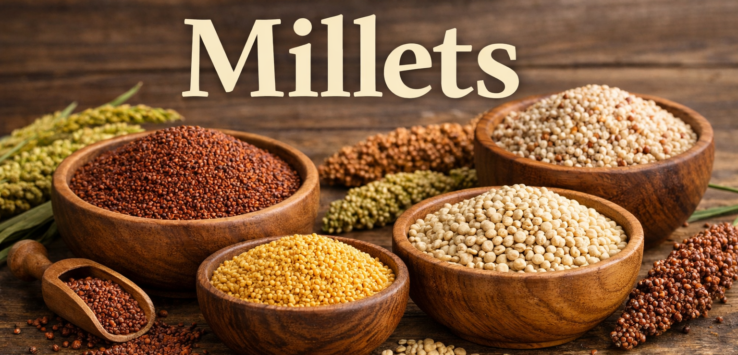
Millets are ancient grains that have fueled civilizations for over 10,000 years — and today, modern science confirms what our ancestors already knew. These small-seeded grasses pack extraordinary nutritional power. Whether you want to manage blood sugar, lose weight, boost immunity, or simply eat cleaner, millets deliver results. According to the UN Food and Agriculture Organization (FAO), millets are among the most climate-resilient and nutritionally dense crops on the planet. This guide walks you through every major millet variety, their proven health benefits, and easy ways to add them to your daily diet.
🌾 What Are Millets? A Quick Overview
Millets are a group of small-seeded cereal grasses grown primarily in Asia and Africa. They are naturally gluten-free, rich in fiber, and contain a low glycemic index — making them ideal for modern lifestyles. The Whole Grains Council recognizes millets as a superior whole grain with significant benefits for heart health, digestion, and diabetes management. In India, millets like Ragi, Bajra, and Jowar have been staple foods for generations — particularly in South India, Rajasthan, and the Deccan Plateau.
💡 Planning a trip to South India? Millet-based foods are a big part of the local food culture. Check out our South India Travel Guides for the best culinary destinations to explore.
🟤 1. Ragi (Finger Millet) – The Calcium King of Millets
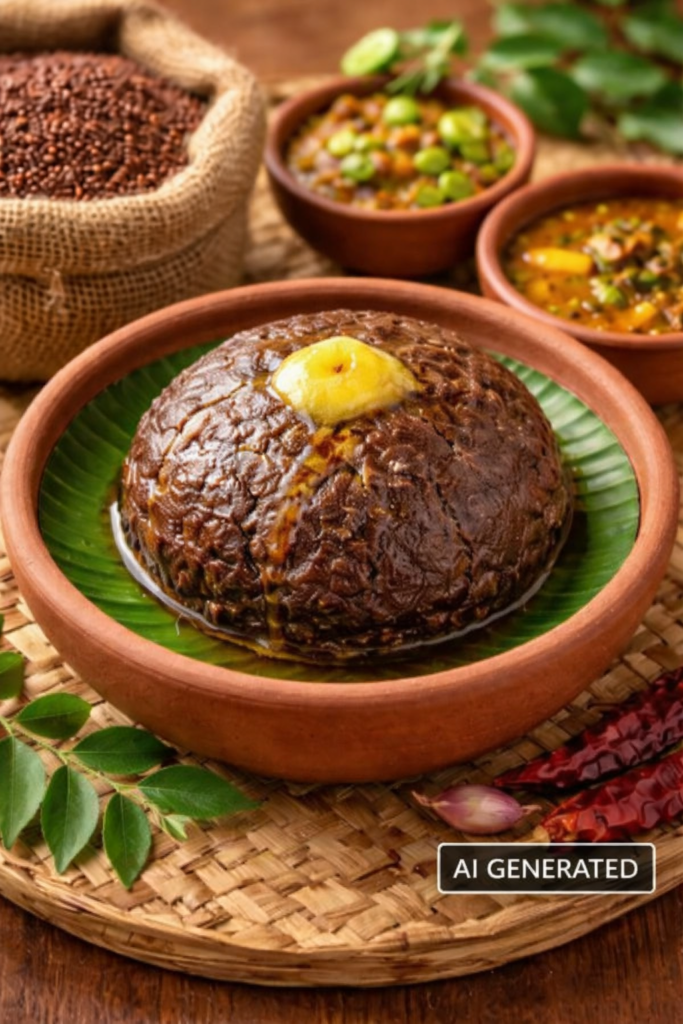
Ragi, or finger millet (Eleusine coracana), is one of the most nutrient-dense grains available in South Asia. Farmers and health enthusiasts across Tamil Nadu, Karnataka, and Andhra Pradesh have consumed it daily for centuries. Ragi Kali — a thick porridge made with finger millet flour — is a cornerstone of traditional South Indian diets. Its earthy flavor, dense texture, and outstanding nutritional profile make it a genuine superfood. A peer-reviewed study on PubMed confirms finger millet’s exceptional calcium and iron content compared to other cereals.
💪 Top Health Benefits of Ragi
- Rich in Calcium: Ragi delivers one of the highest plant-based calcium concentrations of any grain. It strengthens bones, prevents osteoporosis, and supports healthy growth in children. According to Healthline, 100g of ragi contains nearly 344mg of calcium — far more than milk per calorie.
- Controls Blood Sugar: Ragi’s low glycemic index slows glucose absorption, making it an excellent grain for people managing Type 2 diabetes. The American Diabetes Association recommends low-GI whole grains as part of a diabetes-friendly diet.
- Supports Heart Health: Ragi reduces LDL (bad) cholesterol levels and supports healthy blood pressure, lowering overall cardiovascular risk.
- Aids Weight Loss: The high dietary fiber keeps you full longer, reduces cravings, and naturally cuts caloric intake throughout the day.
- Boosts Immunity: Ragi is loaded with antioxidants that fight oxidative stress, reduce inflammation, and protect cells from infection.
- Improves Digestion: Its fiber content promotes healthy gut microbiota, prevents constipation, and supports smoother bowel movements.
- Supports Brain Health: Amino acids like tryptophan in ragi help improve mood, reduce anxiety, and support overall cognitive function.
- Enhances Skin and Hair: The antioxidants in ragi slow skin aging, improve complexion glow, and strengthen hair follicles for healthier growth.
🍲 Popular Ragi Recipes
- Ragi Kali (Traditional South Indian porridge)
- Ragi Dosa and Ragi Idli
- Ragi Mudde (Karnataka staple)
- Ragi Porridge for babies and toddlers
- Ragi Cookies and healthy snack bars
🟡 2. Pearl Millet (Bajra / Kambu) – The Energy Powerhouse
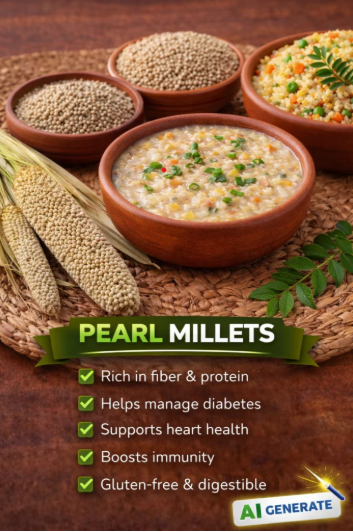
Pearl millet, known as Bajra in Hindi and Kambu in Tamil, is one of India’s oldest cultivated grains. Farmers across Rajasthan, Gujarat, and South India have depended on it for centuries — and for good reason. It delivers extraordinary amounts of fiber, protein, iron, and essential minerals. The International Crops Research Institute for the Semi-Arid Tropics (ICRISAT) classifies pearl millet as a critical crop for food security and nutritional health across Asia and Africa. A nutritional analysis published on NCBI highlights pearl millet’s superior micronutrient profile compared to refined grains.
🌾 Top Health Benefits of Pearl Millet
- High in Dietary Fiber: Pearl millet keeps your digestive system running smoothly, prevents constipation, and maintains a healthy gut environment.
- Helps Manage Weight: Its high satiety factor means you eat less throughout the day without feeling deprived, making it perfect for sustainable weight management.
- Controls Blood Sugar: Pearl millet has a low glycemic index, which helps prevent blood sugar spikes and makes it safe and beneficial for people with diabetes.
- Supports Heart Health: Regular consumption reduces bad cholesterol (LDL), improves blood circulation, and reduces the risk of heart disease.
- Boosts Energy Naturally: Kambu provides long-lasting, slow-release energy — ideal for an active lifestyle, especially in hot and humid climates like Tamil Nadu.
- Strengthens Immunity: Its antioxidants and essential minerals shield the body against common infections and reduce systemic inflammation.
- Cools the Body in Summer: Traditional Kambu Kanji (pearl millet porridge) is a natural coolant. It prevents dehydration, regulates body temperature, and keeps you refreshed during peak summer months.
- Builds Stronger Bones: Pearl millet provides calcium, phosphorus, and magnesium — all essential for bone density and long-term skeletal health.
🍲 Why You Should Eat Kambu Kanji
Kambu Kanji is a traditional fermented pearl millet porridge consumed widely in Tamil Nadu and Sri Lanka. It is budget-friendly, deeply nourishing, and suitable for every age group — from toddlers to elderly individuals. Nutritionists recommend it as a morning meal for its sustained energy release and digestive benefits. If you are planning to explore Tamil Nadu and experience authentic local food culture, check our South India Travel Guides on Ryde Travel for food destinations and local dining tips.
🌽 3. Sorghum (Jowar) – The Heart-Healthy Ancient Grain
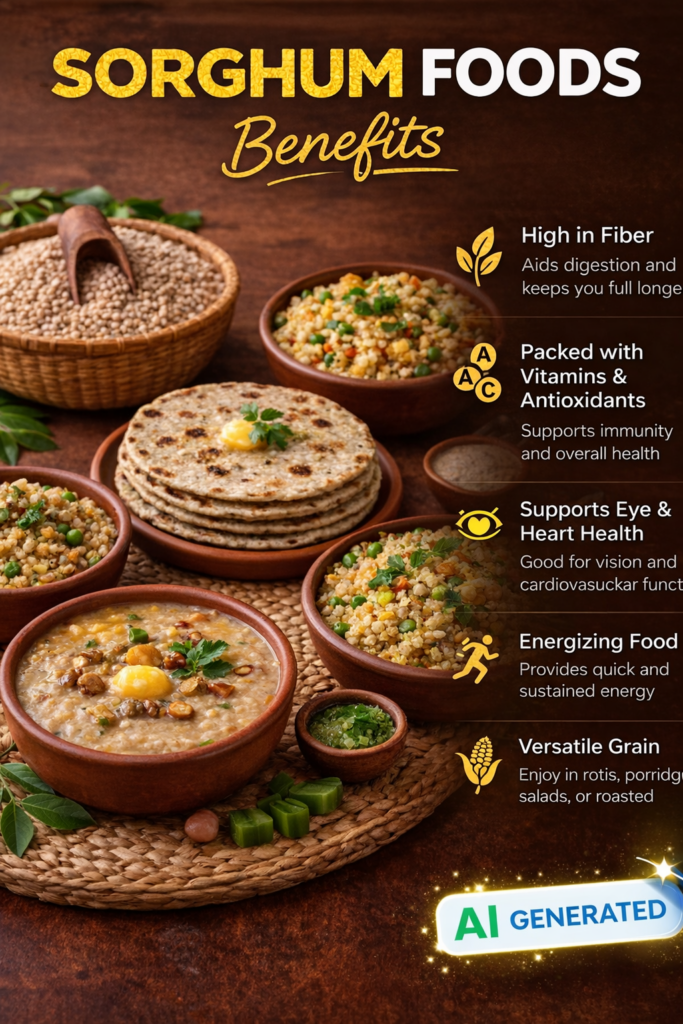
Sorghum (Jowar) is a versatile, gluten-free grain that delivers a remarkable combination of dietary fiber, antioxidants, and essential vitamins. The Whole Grains Council identifies sorghum as one of the top five cereal crops in the world, prized for its disease-fighting polyphenols and heart-protective properties. According to Healthline’s nutritional research, sorghum is particularly rich in antioxidants that actively reduce the risk of chronic disease.
❤️ Top Health Benefits of Sorghum
- Excellent Source of Dietary Fiber: Sorghum’s insoluble fiber content supports digestive health, prevents constipation, and feeds beneficial gut bacteria as a prebiotic.
- Protects Eye Health: Sorghum contains lutein and zeaxanthin — carotenoids that protect eyes from oxidative damage and reduce the risk of cataracts and macular degeneration.
- Provides Sustained Energy: Its complex carbohydrates digest slowly, delivering a steady release of energy rather than a sudden sugar spike that drains you mid-day.
- Packed with B-Vitamins and Minerals: Sorghum delivers Vitamin B1 (Thiamine) for nerve health, Folate (B9) for cell repair, and Magnesium and Potassium for healthy blood pressure and heart function.
- Safe for Gluten Intolerance: Sorghum is naturally 100% gluten-free, making it a safe and highly nutritious alternative for anyone with Celiac disease or gluten sensitivity. Visit the Celiac Disease Foundation for a full list of safe gluten-free grains.
🟢 4. Little Millet (Samai) – Small Grain, Big Benefits
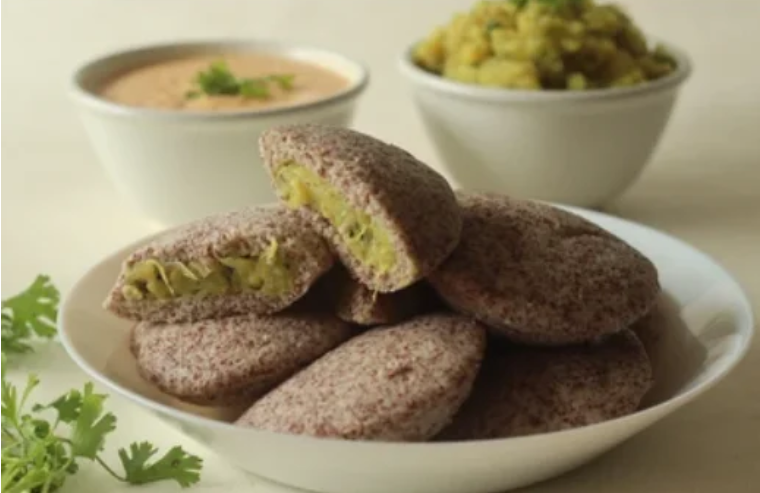
Little millet (Panicum sumatrense), called Samai in Tamil and Kutki in Hindi, is a nutritional powerhouse that traditional Indian diets have relied on for centuries. Despite its tiny size, it delivers extraordinary benefits for metabolic health, digestion, and immunity. Research published in the National Library of Medicine confirms that little millet’s phenolic compounds and flavonoids provide strong antioxidant protection against chronic diseases.
🌱 Top Health Benefits of Little Millet
- Exceptional Digestive Support: Little millet’s high dietary fiber concentration maintains a healthy gut, prevents constipation, and ensures smooth daily digestion.
- Low Glycemic Index: It digests slowly, releasing glucose gradually into the bloodstream — an ideal choice for people managing blood sugar and insulin sensitivity.
- Heart-Healthy Minerals: It delivers significant amounts of magnesium, which maintains healthy heart rhythm, reduces blood pressure, and supports bone density.
- Potent Antioxidant Protection: Rich in phenolic compounds and flavonoids, little millet actively shields cells from oxidative stress and strengthens immune responses.
- Supports Natural Weight Management: Its complex carbohydrates and high fiber keep you full for longer, reduce snacking urges, and support gradual, sustainable weight loss.
- Naturally Gluten-Free: Like all true millets, little millet is completely gluten-free and safe for those with Celiac disease or non-Celiac gluten sensitivity.
🟠 5. Kodo Millet (Varagu) – The Antioxidant Champion
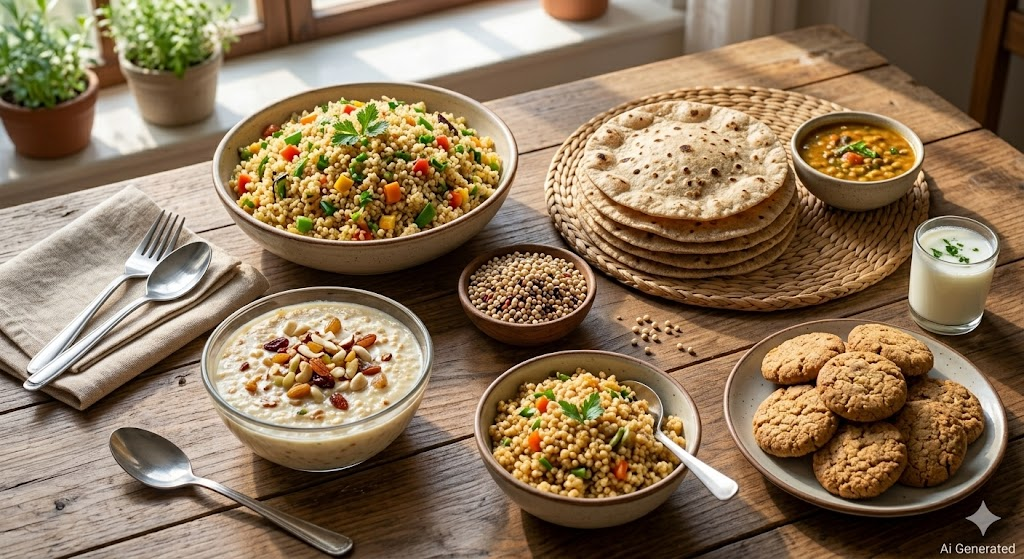
Kodo millet (Paspalum scrobiculatum), known as Varagu in Tamil, is a drought-resistant ancient grain with one of the highest antioxidant profiles among all millets. Farmers have cultivated it across Central India for thousands of years. Today, it stands out as a powerful tool for managing lifestyle diseases like Type 2 diabetes, obesity, and cardiovascular conditions. According to Healthline’s millet research, kodo millet’s polyphenol content actively reduces inflammation and fights free radical damage throughout the body.
🔥 Top Health Benefits of Kodo Millet
- Superior Diabetes Management: Kodo millet carries a very low glycemic index. It releases sugar into the bloodstream slowly and steadily, preventing the dangerous spikes that white rice and wheat trigger in diabetic patients.
- Rich in Powerful Antioxidants: It contains high concentrations of polyphenols — specifically ferulic acid and vanillic acid — that fight free radicals, reduce chronic inflammation, and protect against cellular damage.
- High Dietary Fiber: Kodo millet provides significantly more fiber than polished white rice, aiding smooth digestion, preventing constipation, and keeping you full for longer periods.
- Strengthens Heart Health: Its high magnesium and lecithin content supports the nervous system, reduces bad cholesterol, and improves overall cardiovascular function.
- Gluten-Free and Easy to Digest: Kodo millet is naturally gluten-free, gentle on the stomach, and an excellent substitute for wheat-based foods in everyday cooking.
⚪ 6. Barnyard Millet (Kudaravali / Sanwa) – The Fasting Superfood
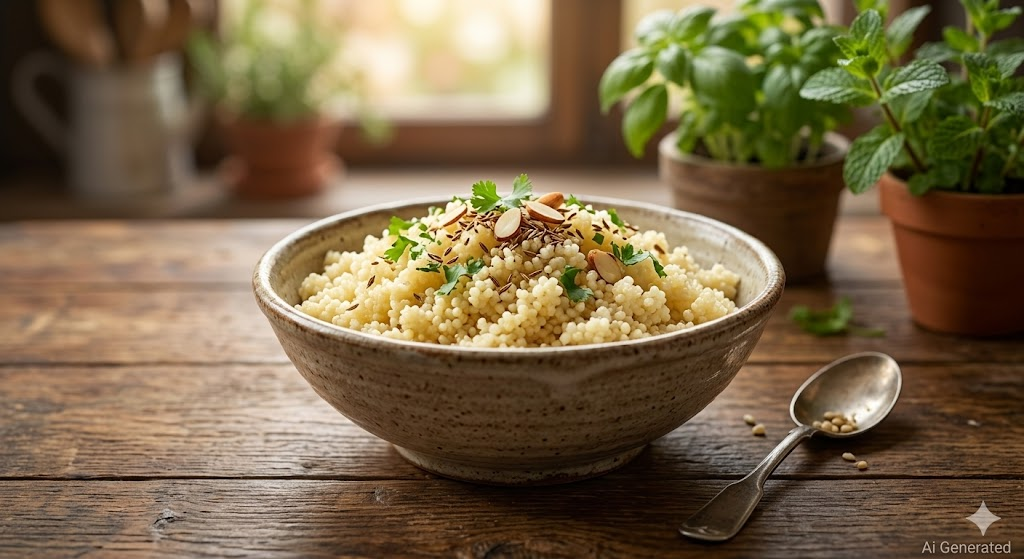
Barnyard millet is a powerhouse ancient grain known across India by different names — Jhangora in the Himalayas, Sanwa in North India, and Kudaravali in Tamil Nadu. It holds a special place in Indian tradition as the preferred grain during religious fasting (like Navratri). But its nutritional value goes far beyond fasting days. It is rich in iron, fiber, and complex carbohydrates, with one of the lowest caloric densities among all major cereal grains. Research from the National Library of Medicine highlights barnyard millet’s impressive micronutrient profile and its significant role in preventing anemia and managing metabolic conditions.
🏆 Top Health Benefits of Barnyard Millet
- Exceptional Digestive and Gut Health: Barnyard millet contains both soluble and insoluble fiber. It acts as a prebiotic, promotes healthy gut flora, eases digestion, and prevents bloating and constipation.
- Superior Blood Sugar Management: Its complex carbohydrates digest slowly, producing a gradual and stable release of glucose — making it an ideal rice substitute for people with diabetes.
- Iron Powerhouse: Barnyard millet is one of the richest grain sources of iron, making it essential for preventing anemia, especially in women and growing children.
- Supports Heart and Bone Health: It delivers phosphorus and magnesium — phosphorus builds strong bones and teeth, while magnesium regulates healthy heart rhythm and supports muscle function.
- Low Calorie, High Satiety: Barnyard millet has one of the lowest caloric densities among cereals. A small portion keeps you full for hours, naturally supporting weight management without strict dieting.
📊 Comparison of Popular Millets at a Glance
| Millet Type | Protein Content | Key Benefit | Best Used For |
|---|---|---|---|
| Finger Millet (Ragi) | High | Rich in Calcium & Iron | Porridge, Rotis, Baby Food |
| Pearl Millet (Bajra) | Medium | High Fiber & Energy | Winter Rotis, Khichdi, Kanji |
| Foxtail Millet | High | Healthy Nervous System | Pulao, Upma, Salads |
| Little Millet (Samai) | Medium | Rich in Antioxidants | Rice Substitute, Pongal |
| Barnyard Millet (Kudaravali) | Low | Lowest Glycemic Index | Fasting Recipes, Idli/Dosa |
| Sorghum (Jowar) | High | Heart Healthy Polyphenols | Flatbreads, Baking |
| Kodo Millet (Varagu) | Medium | Highest Antioxidant Content | Khichdi, Rice Substitute |
❓ Frequently Asked Questions About Millets
1. Can I eat millets every day?
Yes — and nutritionists encourage it. Rotating between different millet varieties each day ensures you get a diverse range of minerals and prevents the buildup of goitrogens (naturally occurring compounds that can affect thyroid function if consumed in excess). Variety is key: eat Ragi on Monday, Bajra on Tuesday, Jowar on Wednesday, and so on.
2. Do millets need soaking before cooking?
Absolutely — soaking is essential. Soak millets for 4 to 8 hours before cooking. This breaks down phytic acid (an anti-nutrient that blocks mineral absorption), improves digestibility, and produces a lighter, fluffier texture when cooked. According to Healthline, soaking also activates enzymes that increase the bioavailability of nutrients like iron and zinc.
3. Are millets better than white rice?
Yes — across nearly every nutritional metric. White rice is mostly simple starch with minimal fiber or micronutrients. Millets deliver complex carbohydrates, significantly higher fiber, and greater concentrations of minerals like magnesium, potassium, and iron. Their lower glycemic index also means they don’t trigger the blood sugar spikes that white rice causes. The WebMD health team recommends millets as a superior alternative to refined grains for long-term metabolic health.
4. Are millets gluten-free?
Yes — all true millets are 100% naturally gluten-free. This makes them an ideal staple for people with Celiac disease, non-Celiac gluten sensitivity, or wheat allergies. For more guidance on gluten-free grain choices, visit the Celiac Disease Foundation’s official resource.
5. Which millet is best for weight loss?
Barnyard millet and little millet top the list. Both offer very high fiber content with extremely low caloric density, keeping you full for longer between meals and naturally reducing total daily calorie intake without feeling hungry or deprived.
6. Which millet is best for diabetes?
Kodo millet and barnyard millet lead for diabetes management due to their very low glycemic index and slow-digesting complex carbohydrates. The American Diabetes Association recommends replacing refined grains with low-GI whole grains like millets for better long-term blood sugar control.
🌟 Final Thoughts: Make Millets Your Daily Grain
Millets are not just ancient grains — they are a modern nutritional solution. Whether you want stronger bones, better blood sugar control, a healthier heart, or sustainable weight management, there is a millet that delivers exactly what your body needs. The FAO’s global millet initiative highlights them as a key food for combating nutritional deficiencies worldwide. Start with one variety this week, add it to your breakfast or lunch, and rotate through the others over the following days. Your gut, your heart, and your energy levels will all reflect the change.
Eating healthy is just the beginning of a great lifestyle. If you are planning your next adventure, explore our complete travel guides, compare the best travel insurance plans for Indians in 2026, and find the best forex cards for Indian travelers before your next trip.
